Variable Weight Kettlebell Wholesale | Commercial Grade
Vetting High-Tier Manufacturers for Variable Weight Kettlebell Production
Many procurement officers fail by prioritizing low initial unit costs over long-term mechanical integrity, often resulting in high return rates due to faulty weight-selection mechanisms. A superior sourcing strategy focuses on structural engineering rather than just price-per-unit. When sourcing a variable weight kettlebell, the distinction lies in the factory's ability to integrate precision-engineered components that withstand rigorous, high-volume usage without mechanical failure.
Engineering Standards for High-Volume Gyms
To ensure maximum ROI for distributors, a commercial adjustable kettlebell must be built upon a foundation of heavy-duty steel construction. Unlike consumer-grade models, commercial-grade equipment requires high-grade alloy steel to prevent deformation during heavy swings or high-velocity movements. We mandate strict quality control protocols to ensure every variable weight kettlebell meets high-impact resistance standards, preventing internal component shifts during intense training sessions.
Reliability is non-negotiable in the B2B sector. Manufacturers must demonstrate excellence in wear-and-tear durability, ensuring the locking mechanisms remain seamless after thousands of cycles. For wholesalers, selecting a factory that prioritizes these technical specifications minimizes post-sale liabilities and strengthens your reputation as a premium wholesale fitness weight equipment provider.
To mitigate the risk of mechanical failure in high-traffic facilities, procurement specialists must demand documented quality assurance protocols. A reliable manufacturer does not merely assemble parts; they employ precision engineering to ensure that every adjustable weight kettlebell maintains strict manufacturing tolerances. This precision prevents the rattling or misalignment that often plagues lower-tier products during high-intensity training.
Rigorous Testing and Structural Integrity
A factory’s technical capability is best proven through its stress testing procedures. Before any shipment of wholesale fitness weight equipment leaves the facility, each unit must undergo rigorous load-bearing validation. This includes testing the load-bearing capacity of the internal selector pins and the housing strength under extreme centrifugal forces. We advise buyers to verify that the supplier conducts cycle testing to ensure the weight-adjustment mechanisms remain functional through thousands of transitions. By prioritizing manufacturers that implement these advanced validation steps, distributors can guarantee that their variable weight kettlebell inventory remains a durable, long-term asset for commercial gym clients.
To streamline your vendor audit, utilize this B2B sourcing checklist to evaluate if a factory possesses the technical infrastructure required for high-end production. A premium adjustable weight kettlebell is defined by its surface treatment and internal resilience, not just its weight increments. A lack of attention to these granular details often leads to premature oxidation and mechanical seizure in humid gym environments.
The Procurement Officer’s Durability Audit
When evaluating a supplier for wholesale fitness weight equipment, demand specific technical data regarding the following three pillars of longevity:
- Surface Integrity: Verify the powder coating thickness (measured in microns) to ensure maximum rust resistance and impact protection against chipping.
- Mechanical Longevity: Confirm the use of industrial-grade components, specifically regarding the selector pins and internal track smoothness.
- Mechanism Durability: Request documentation on cycle-test results to ensure the mechanism durability can withstand repetitive, high-velocity transitions without losing precision.
Prioritizing these metrics ensures your variable weight kettlebell inventory maintains its premium aesthetic and functional integrity throughout its entire lifecycle.
Rigorous Quality Control Protocols for Adjustable Weight Kettlebell Mechanisms
For high-volume distributors and gym procurement officers, the primary concern with an adjustable weight kettlebell is the longevity of the internal switching mechanism. A failure in the weight-selection system results in immediate downtime and high replacement costs. To mitigate this risk, our manufacturing process prioritizes mechanical integrity through extreme stress testing. Every variable weight kettlebell undergoes rigorous load-bearing evaluations to ensure that weight transitions remain smooth and secure under heavy use.
We implement strict high-cycle durability protocols, simulating thousands of adjustment cycles to guarantee that the locking pins and internal tracks maintain commercial grade performance standards. This level of quality control ensures that your wholesale fitness weight equipment inventory remains reliable even in high-traffic strength training facilities. By adhering to these stringent inspection standards, we provide B2B buyers with the confidence that every unit shipped meets the structural demands of global export and long-term professional application.
To ensure maximum operational longevity for your clients, implementing a structured maintenance schedule is critical for any commercial adjustable kettlebell inventory. Even the most robust variable weight kettlebell requires periodic oversight to prevent component wear within the internal selector pins and sliding tracks. We recommend a quarterly inspection protocol where facility managers check for any debris or resistance during weight transitions.
A vital aspect of this upkeep is the strategic application of dry-film lubrication. Unlike standard oils that attract dust and grit, a high-grade synthetic lubricant prevents friction-induced degradation of the internal adjustment mechanisms. For distributors managing large-scale gym fit-outs, advising end-users on these minor preventative measures significantly reduces warranty claims and enhances the perceived value of your wholesale fitness weight equipment. Proactive care ensures the adjustable weight kettlebell remains a high-performing asset, protecting your reputation for delivering durable, export-ready strength solutions.
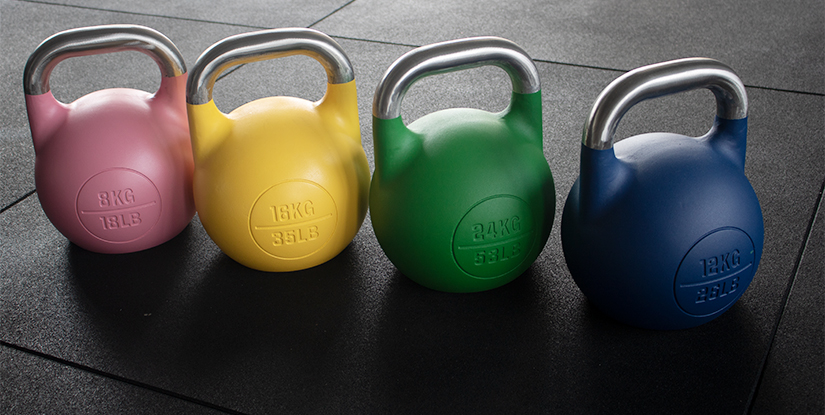
To streamline your facility's upkeep and protect your investment in wholesale fitness weight equipment, we have developed a standardized maintenance checklist. This technical guide allows procurement officers and gym managers to monitor component status and ensure the variable weight kettlebell mechanisms remain in peak condition.
| Component/Area | Inspection Frequency | Lubrication Interval | Replacement Indicators |
|---|---|---|---|
| Internal Selector Pins | Quarterly | Bi-Annually (Dry-film) | Pin misalignment or resistance |
| Weight Selection Tracks | Monthly | Annually | Visible scoring or debris buildup |
| Outer Shell & Grip | Weekly | N/A | Cracks or surface degradation |
| Locking Mechanism | Quarterly | Bi-Annually | Insecure weight locking/play |
By adhering to this maintenance checklist, distributors can minimize the total cost of ownership for their clients and ensure the commercial adjustable kettlebell units remain a reliable staple of any high-performance strength facility.
Standardizing Warranty Claims and Replacement Cycles for Commercial Grade Units
For facility managers and distributors, the true cost of equipment is not the initial purchase price, but the total lifecycle cost. Investing in a low-quality adjustable weight kettlebell may offer a lower upfront cost, but frequent mechanical failures lead to increased maintenance overhead and lost revenue. To maximize ROI, procurement specialists must prioritize a variable weight kettlebell built to rigorous durability standards, ensuring the internal weight-selection mechanisms can withstand high-frequency use in high-traffic environments.
Selecting a commercial adjustable kettlebell with high-grade construction significantly reduces the frequency of replacement cycles. By minimizing downtime caused by mechanical jams or structural fatigue, gym owners can maintain consistent service levels and avoid the logistical headaches of constant reordering. When sourcing wholesale fitness weight equipment, evaluating the long-term reliability of the locking mechanisms is essential for protecting your bottom line.
| Procurement Factor | Standard Consumer Grade | Commercial Grade Variable Weight |
|---|---|---|
| Lifecycle Cost | High (Frequent Replacement) | Low (Extended Lifespan) |
| Maintenance | High Frequency | Minimal/Scheduled |
| Operational Downtime | Significant | Minimal |
| ROI Potential | Low/Short-term | High/Long-term |
To mitigate procurement risk, we implement rigorous QC protocols that exceed standard industry benchmarks. Every variable weight kettlebell undergoes stress testing to ensure internal components remain stable under rapid weight transitions. Our factory-direct warranty is designed to provide long-term security for high-volume distributors, offering a clear framework for addressing any outliers. We maintain exceptionally low defect rates through automated inspection, ensuring that your wholesale fitness weight equipment arrives ready for immediate deployment.
Streamlined Replacement and Logistics
We understand that downtime is a direct hit to your revenue. Our procurement model includes structured replacement cycles to ensure your inventory remains current and functional. Whether you are meeting a specific MOQ for a new facility launch or managing a recurring replenishment order, our logistics team ensures seamless execution. By partnering with a manufacturer that prioritizes standardized replacement protocols, you secure a reliable supply chain that protects your capital investment and guarantees the longevity of your commercial adjustable kettlebell inventory.
Analyzing the Long-Term Value Proposition
When calculating the true return on investment, B2B buyers must look beyond the initial invoice. A low-cost, generic adjustable weight kettlebell often results in a "buy-twice" scenario due to rapid mechanical degradation. In contrast, sourcing a professional-grade variable weight kettlebell provides a predictable expenditure model through extended service life and reduced labor costs for maintenance. The following data illustrates the financial impact of choosing high-durability units over standard alternatives.
| Metric | Generic/Consumer Grade | Commercial Grade Variable Weight Kettlebell |
|---|---|---|
| Average Lifespan | 12–18 Months | 5+ Years (High-Intensity Use) |
| Annual Maintenance Cost | High (Parts/Labor) | Negligible (Routine Inspection) |
| Replacement Frequency | High/Unpredictable | Low/Planned Cycles |
| Estimated ROI Timeline | Diminishing Returns | Rapid (via Reduced Replacement Costs) |
For distributors and large-scale gym operators, the ability to forecast equipment turnover is a competitive advantage. By prioritizing wholesale fitness weight equipment that meets strict structural standards, you stabilize your operational budget and ensure that your commercial adjustable kettlebell inventory remains a high-performing asset rather than a recurring liability.
Optimizing Gym Floor Footprint with Wholesale Fitness Weight Equipment
For commercial gym operators and distributors, maximizing square footage is a critical factor in ROI. Traditional fixed-weight sets require expansive rack systems that consume a significant portion of the gym floor footprint. By transitioning to a variable weight kettlebell system, facility managers can consolidate dozens of individual units into a single, compact station. This space-saving solution allows for high-density training zones that remain versatile enough for diverse client needs without the clutter of traditional iron sets.
Sourcing an adjustable weight kettlebell in bulk provides a strategic advantage for boutique studios and large-scale fitness centers alike. Instead of allocating massive floor areas to various weight increments, procurement specialists can utilize a single commercial adjustable kettlebell to cover a wide range of resistance levels. This efficiency not only optimizes your layout but also reduces the logistical complexity of managing extensive inventory, making it a premier choice for wholesale fitness weight equipment buyers looking to scale efficiently.
Beyond the physical gym layout, the logistical advantages of a variable weight kettlebell extend deep into your supply chain management. For international distributors and large-scale gym developers, B2B procurement is often a battle against high freight costs and warehouse constraints. Traditional fixed-weight sets involve high SKU counts and massive physical dimensions, which drastically increase shipping volume optimization challenges during transit. By consolidating multiple resistance levels into one high-durability unit, you effectively reduce the number of individual items required to outfit a facility.
This streamlined approach simplifies inventory management by replacing hundreds of disparate iron pieces with a single, versatile product line. When sourcing wholesale fitness weight equipment, choosing an adjustable weight kettlebell model allows you to achieve higher density in both your shipping containers and your warehouse shelving. This reduction in total units per order directly lowers the landed cost per unit, providing a significant competitive edge for global buyers looking to maximize profit margins while minimizing the logistical overhead of international freight.
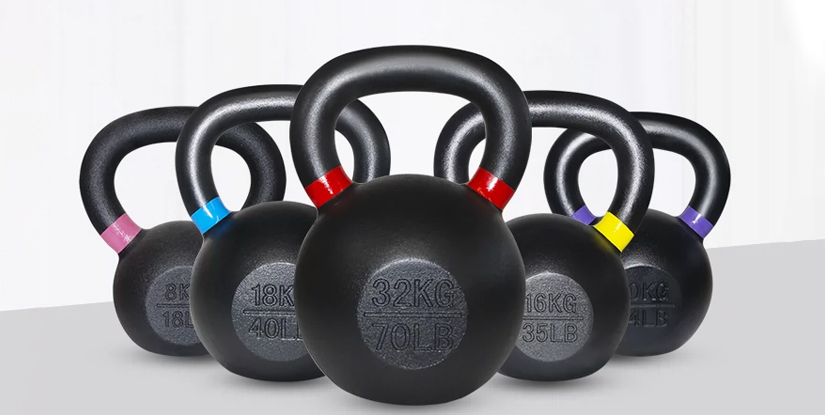
To assist gym planners and facility designers in calculating the exact ROI of their floor layout, we have provided a technical comparison below. This data highlights how integrating a variable weight kettlebell into a commercial setting drastically reduces the physical footprint compared to traditional iron sets. For high-volume distributors, this efficiency translates to lower shipping costs and more streamlined product delivery across international borders.
| Equipment Type | Number of Units Required | Total Floor Space (sq ft) | Versatility Score |
|---|---|---|---|
| Standard Fixed-Weight Set (10+ increments) | 15–25 Units | 45–60 sq ft | Low |
| Commercial Adjustable Kettlebell | 1–3 Units | 10–15 sq ft | High |
When negotiating wholesale fitness weight equipment contracts, prioritize models that offer this level of density. A variable weight kettlebell setup allows your clients to offer a full range of resistance without the massive footprint of traditional racks, making it a superior choice for urban boutique studios and high-density training facilities globally.
Export-Ready Packaging Standards for International Freight Safety
For high-volume distributors, the true cost of a variable weight kettlebell order is often determined by transit integrity rather than the unit price alone. Inefficient packing leads to high breakage rates, which triggers expensive insurance claims and disrupts supply chains. To mitigate these risks, our factory implements rigorous wholesale fitness weight equipment logistics protocols designed for long-haul maritime and air freight.
We utilize heavy-duty, reinforced corrugated cartons specifically engineered to withstand the high density and impact potential of adjustable iron components. Each shipment undergoes strict palletization protocols, ensuring weight is distributed evenly to prevent structural collapse during stacking in international containers. By prioritizing shipping cost optimization through standardized, stackable dimensions and robust protective layering, we help procurement officers reduce the total landed cost and ensure every adjustable weight kettlebell arrives in showroom-ready condition.
Beyond exterior structural integrity, our engineering team focuses on internal shock absorption to protect the precision mechanisms of every commercial adjustable kettlebell. To combat the humidity fluctuations common during transoceanic transit, we integrate a specialized moisture-proof lining within each master carton. This preventative barrier ensures that internal metal components remain free from oxidation and corrosion before reaching your warehouse.
To further mitigate the risk of impact damage during heavy-duty handling, each adjustable weight kettlebell is nested within custom-molded high-density foam. This customized internal fitment stabilizes the weight plates and dial mechanisms, providing superior sea freight durability against the mechanical vibrations of containerized transport. Before any shipment leaves our facility, a final QC inspection is performed to verify that the protective layers meet our strict international export standards. For B2B buyers, this meticulous attention to detail guarantees that your bulk orders arrive without the logistical headaches of damaged hardware or compromised functionality.
Understanding the trade-off between protection levels and logistics expenses is vital for optimizing your procurement budget. When sourcing wholesale fitness weight equipment, the choice of packaging directly influences your total landed cost, container utilization, and long-term inventory reliability. We offer scalable packaging solutions tailored to different shipping modes and budget constraints.
The following breakdown illustrates how different packaging configurations impact your international freight strategy:
| Packaging Type | Protection Level | Freight Cost Impact | Typical MOQ | Logistics Reliability |
|---|---|---|---|---|
| Standard Export Carton | Moderate | Lower (Optimized Volume) | Low to Medium | Standard Sea Freight |
| Reinforced Double-Wall Box | High | Medium | Medium to High | High-Stress Maritime |
| Palletized Bulk Crating | Premium | Higher (Weight/Footprint) | High Volume | Maximum Stability/LCL/FCL |
For distributors prioritizing high-volume wholesale fitness weight equipment turnover, our palletized options offer the highest logistics reliability, reducing manual handling risks. Conversely, for smaller adjustable weight kettlebell shipments, our reinforced carton options provide a balance of cost-efficiency and protection, ensuring your commercial adjustable kettlebell inventory remains intact during transit.
Calculating Landed Cost and Import Logistics for Bulk Kettlebell Shipments
For B2B buyers, the unit price of a variable weight kettlebell is only one piece of the financial puzzle. To maintain healthy margins, procurement officers must account for the complex interplay between shipping density vs. weight. Unlike lightweight cardio machines, these units possess high density, meaning freight costs are driven by actual mass rather than volume. Optimizing your container load is critical to minimizing freight forwarding costs and ensuring your wholesale fitness weight equipment arrives without excessive overhead.
Beyond ocean freight, professional importers must budget for fluctuating import tariffs and specific customs duties for fitness equipment. Failure to accurately calculate these variables can erode the profitability of a large-scale shipment. When sourcing commercial adjustable kettlebell inventory, we recommend evaluating your stocking strategy based on the following procurement models:
| Procurement Model | Logistics Complexity | Landed Cost Impact | Best For |
|---|---|---|---|
| LCL (Less than Container) | Low | Higher per-unit freight | Small boutique studios |
| FCL (Full Container Load) | Medium | Optimized density/cost | Regional distributors |
| Consolidated Bulk | High | Lowest per-unit cost | Large-scale gym chains |
Strategically managing your adjustable weight kettlebell orders through a seasoned factory ensures that packaging dimensions are optimized for maximum weight-to-volume efficiency, directly lowering your total landed expenditure.
Optimizing Freight Efficiency: LCL vs FCL Shipping
Deciding between LCL vs FCL shipping is a pivotal moment in your procurement lifecycle. While LCL (Less than Container Load) offers flexibility for smaller inventory refreshes, the per-unit freight expense is often disproportionately high due to handling fees and shared space inefficiencies. For high-density products like the adjustable weight kettlebell, maximizing your cargo footprint is essential to protecting your profit margins.
To achieve the lowest possible landed cost, large-scale distributors should prioritize container optimization via FCL (Full Container Load). By filling a complete container, you leverage economies of scale and reduce the risk of damage associated with frequent cross-docking. Our manufacturing process focuses on precision packaging designed specifically for wholesale fitness weight equipment, ensuring that every cubic centimeter of your shipment is utilized effectively. Selecting the right shipping method depends on your current MOQ requirements and your long-term inventory turnover goals.
| Shipping Method | Cost Structure | Lead Time Impact | Ideal Procurement Scenario |
|---|---|---|---|
| LCL (Less than Container) | Higher per-unit cost | Moderate (Shared handling) | Testing new commercial adjustable kettlebell models |
| FCL (Full Container Load) | Optimized per-unit cost | Faster (Direct transit) | Standard inventory replenishment for distributors |
| Consolidated Bulk | Lowest total landed cost | Longer (Consolidation required) | Large-scale gym chain infrastructure projects |
Mitigating Import Risks: Quality Control and Compliance
Unexpected costs often arise not from freight rates, but from customs delays and rejected shipments. For a high-precision variable weight kettlebell, technical non-compliance can lead to expensive port storage fees or complete seizure of goods. To prevent these disruptions, professional procurement teams must mandate strict QC inspection protocols during the manufacturing phase. Every commercial adjustable kettlebell should undergo rigorous weight-calibration testing and structural integrity checks before leaving the factory floor.
Furthermore, ensuring your supplier holds valid compliance certification (CE/ISO) is non-negotiable for seamless entry into North American and European markets. These certifications act as a safeguard against regulatory scrutiny at the border. Additionally, because high-density iron and steel components are prone to impact damage, we prioritize packaging durability for long-haul transit. Utilizing reinforced, export-grade boxing prevents structural fatigue during sea freight. Finally, be aware that a higher MOQ impact on unit cost often provides more than just a lower price; it allows for more robust, customized packaging configurations that protect your bottom line from transit-related losses.
Lifecycle maintenance planning for busy facilities
For high-volume fitness centers and distributors, the total cost of ownership is determined by more than just the initial procurement price. To protect your investment, implementing a strict maintenance protocol for every variable weight kettlebell in your inventory is essential. In high-intensity environments, even the most robust commercial adjustable kettlebell requires routine oversight to ensure mechanical integrity remains uncompromised during heavy usage.
Facility managers should implement a quarterly wear-and-tear inspection to identify potential issues before they lead to equipment downtime. Focus your quality control audits on the selection mechanisms and weight-adjustment tracks. Ensuring these components remain free of debris and properly lubricated is vital for maintaining high-traffic durability. By standardizing these inspection cycles, gym owners can extend the lifecycle of their wholesale fitness weight equipment, reducing replacement frequency and maximizing long-term ROI. For B2B buyers and global distributors, prioritizing these preventative measures guarantees that the hardware meets the rigorous demands of professional strength training environments worldwide.
Standardized Maintenance and Inspection Protocol
To ensure long-term compliance with international QC standards, facility managers must move beyond visual checks and adopt a formal maintenance schedule. A malfunctioning adjustable weight kettlebell in a commercial setting is more than a nuisance; it is a liability. Regular oversight ensures that the mechanical components remain functional under heavy-duty training cycles.
Your technical inspection checklist should prioritize the following three pillars of equipment reliability:
- Mechanical Lubrication: Periodically apply industrial-grade lubrication to the adjustment tracks and pivot points to prevent friction-induced wear and ensure smooth transitions between weight settings.
- Weight Plate Stability: Conduct a rigorous safety inspection of the internal locking mechanisms. Verify that every weight plate stability component is seated correctly to prevent shifting during high-velocity movements.
- Structural Integrity Audit: Check the handle and grip surfaces for any signs of material fatigue or coating degradation to maintain premium grip standards.
By integrating these protocols into your operational workflow, distributors can guarantee that the wholesale fitness weight equipment they supply remains in peak condition, upholding the reputation of their fitness facility or retail brand.
When sourcing for large-scale gym rollouts or retail distribution, understanding the technical nuances of different adjustment systems is critical for long-term procurement planning. Different mechanisms offer varying levels of durability and service requirements, which directly impacts the operational lifespan of your inventory. Use the following comparison to align your purchasing strategy with your target facility's maintenance capabilities.
| Mechanism Type | Maintenance Frequency | Primary Parts Replacement Needs | Expected Operational Lifespan |
|---|---|---|---|
| Selector Pin / Dial System | Bi-Annually | Springs, Pins, or Dials | 5–7 Years (High Volume) |
| Plate-Loading Track | Quarterly | Track Guides or Locking Pins | 8–10 Years (Industrial) |
| Compact Dial-Adjust | Annually | Internal Gear Assemblies | 3–5 Years (Standard Commercial) |
Selecting the right variable weight kettlebell depends on whether your clients prioritize rapid weight transitions or extreme mechanical longevity. For distributors specializing in wholesale fitness weight equipment, we recommend prioritizing models with modular designs, as they allow for easier parts replacement and lower the total cost of ownership for the end-user. This technical foresight ensures your supply chain remains reliable and your clients' equipment remains functional under rigorous training loads.