Kettlebell Adjustable Review | Adjustable Kettlebell
Optimizing Inventory Margins via Adjustable Kettlebell SKU Rationalization
For boutique fitness studios or high-end hotel gyms where floor space is a premium, managing a vast array of fixed-weight kettlebells often leads to inefficient capital allocation. A professional kettlebell adjustable review must address how transitioning to adjustable systems can drastically reduce inventory overhead by replacing dozens of individual SKUs with a single, versatile unit.
From a procurement standpoint, this commercial adjustable kettlebell selection strategy moves the needle from high-volume hardware storage to high-efficiency footprint optimization. Instead of stocking a complete weight spectrum that occupies significant square footage, facilities can utilize one mechanism to cover multiple resistance increments. This approach optimizes capital expenditure (CAPEX) by reducing the total number of units required to satisfy diverse client needs, effectively lowering long-term storage and replacement costs for distributors and facility managers alike.
Evaluating Long-Term ROI and Total Cost of Ownership
Distributors must weigh the initial unit price against the total cost of ownership (TCO) to determine true profitability. While fixed kettlebell sets have lower entry costs, their lack of versatility creates higher long-term expenses through increased shipping volumes and massive footprint requirements. In contrast, high-quality adjustable models offer superior storage density, allowing a single unit to replace an entire rack of traditional iron bells.
The economic viability of an adjustable model depends heavily on the precision of its weight increments and the durability of its internal components. Different adjustable kettlebell mechanism types—such as plate-loading systems versus pin-selection or dial-based mechanisms—will dictate the maintenance frequency and the longevity of the product in a high-traffic commercial setting. A robust mechanism ensures that the ability to switch weights remains fluid, preventing the depreciation of value that occurs when mechanical parts fail under heavy use.
| Metric | Fixed Kettlebell Sets | Adjustable Kettlebell Systems |
|---|---|---|
| Storage Density | Low (requires extensive rack space) | High (replaces multiple SKUs) |
| Initial CAPEX | Lower per unit | Higher per unit |
| Maintenance Frequency | Minimal (mostly surface upkeep) | Moderate (mechanism inspection) |
| Long-term ROI | Slow (limited by static weight gaps) | Fast (high versatility/low footprint) |
Balancing Mechanical Complexity with Durability
A critical procurement decision involves choosing between sophisticated automation and mechanical simplicity. While complex dial-based systems offer rapid transitions, they often introduce higher mechanical wear risks in high-traffic environments. Conversely, simpler, gravity-based or pin-selection adjustable kettlebell mechanism types typically align better with strict gym equipment procurement standards for durability. When scaling capacity for a large-scale facility, prioritize mechanisms that favor rugged, low-maintenance parts over intricate electronics. This ensures that the long-term durability of the unit remains high, preventing the premature replacement cycles that can erode the initial cost advantages of a versatile inventory system.
Evaluating Mechanical Integrity and Adjustable Kettlebell Mechanism Types
In a high-traffic commercial gym environment, the durability of your equipment is directly tied to your long-term replacement costs. A high-quality kettlebell adjustable review must prioritize structural stability over aesthetic design. For distributors and facility managers, understanding how different adjustable kettlebell mechanism types function is essential to prevent mechanical failure during heavy swings or snatches.
Reliability hinges on weight increment precision and the ability of the internal locking system to withstand repetitive impact. Whether utilizing plate-loading systems or integrated dial mechanisms, the hardware must maintain exact weight distribution to ensure user safety and prevent uneven load shifts during movement.
Comparison of Adjustment Mechanisms and Durability Profiles
When assessing commercial adjustable kettlebell selection, procurement managers must weigh the trade-offs between speed of adjustment and long-term mechanical fatigue. The following comparison highlights how different internal architectures impact maintenance frequency and overall product lifespan in high-volume settings.
| Mechanism Type | Operational Logic | Maintenance Frequency | Durability Trade-off |
|---|---|---|---|
| Pin-Lock Systems | Manual pin insertion for weight selection | Low (Periodic inspection) | Highest structural rigidity; slower transitions |
| Dial-Based Selection | Rotational dial for weight increments | Medium (Internal gear lubrication) | High convenience; sensitive to impact/dust |
| Plate-Loading Systems | Manual plate/pin configuration | Minimal (Standard cleaning) | Extreme durability; highest user setup time |
| Integrated Weight | Internal moving weight/dial system | High (Component wear monitoring) | Compact footprint; higher mechanical complexity |
For distributors sourcing large volumes, pin-lock or plate-loading architectures often provide the most predictable ROI due to their tolerance for heavy impact. While dial-based systems offer faster weight transitions, they require stricter quality control standards to ensure the internal gears do not seize under high-use commercial conditions.
Standardizing Quality Control for High-Volume Procurement
To safeguard long-term ROI, procurement teams should establish rigorous inspection points that go beyond visual surface checks. Effective gym equipment procurement standards require verifying the load-bearing capacity of the handle-to-base connection points and testing wear resistance on all moving parts. We recommend requesting batch testing reports to confirm that the internal locking mechanisms can withstand repetitive lateral forces without deformation. Monitoring the structural integrity of the shell and the precision of the weight-selection interface ensures the equipment remains a reliable asset rather than a liability in high-traffic facilities.
Weight Increment Precision and Commercial Load Capacity Standards
A professional kettlebell adjustable review must prioritize the mechanical integrity of the weight transition system. For high-traffic facilities, the distinction between hobbyist gear and professional equipment lies in weight increment precision and the structural mechanism stability during high-impact movements.
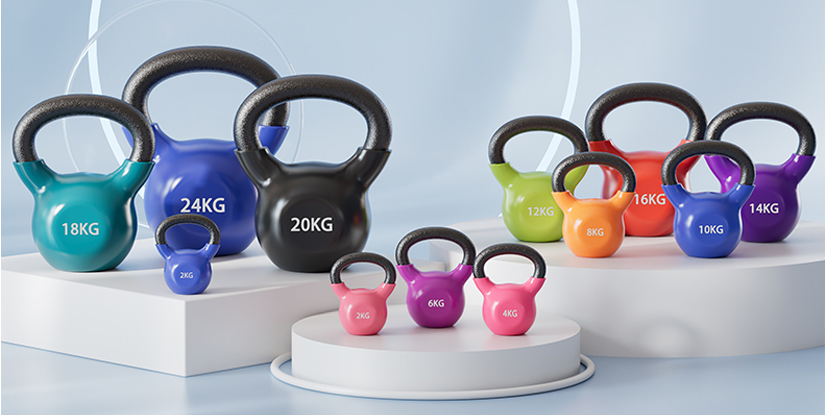
In a commercial adjustable kettlebell selection, procurement managers must evaluate how internal locking components handle repetitive stress. Inconsistent weight distribution or loose tolerances can lead to mechanical failure, compromising both durability and user safety. Furthermore, optimizing your facility layout requires equipment that maintains its structural shape even under heavy use, ensuring long-term ROI for distributors and gym owners.
| Mechanism Type | Durability Profile | Precision Level | Maintenance Needs |
|---|---|---|---|
| Selector Pin System | High (Rugged) | Moderate | Low |
| Dial/Slide Mechanism | Moderate | High | Medium |
| Plate-Loading Modular | Very High | Variable | Low |
Evaluating Mechanical Reliability in Commercial Settings
When sourcing for high-volume studios or hospitality gyms, understanding adjustable kettlebell mechanism types is critical for managing total cost of ownership. A selector pin system typically offers superior resistance to wear and tear because it relies on heavy-duty physical engagement, making it the preferred choice for rigorous, high-impact training environments. While a dial system provides much higher precision for incremental weight changes, it often requires more frequent inspections to ensure the internal gears have not been compromised by dust or debris.
From a procurement standpoint, ensure your supplier adheres to strict load capacity standards to prevent mechanical fatigue. In commercial gym settings, the ability of the mechanism to withstand lateral forces during swings is a non-negotiable quality control metric. Selecting a robust locking structure reduces the frequency of replacement cycles, protecting your long-term margins and ensuring equipment remains a reliable asset for your clients.
Procurement Checklist for Structural Integrity
Distributors and gym owners should implement a strict quality control protocol when evaluating bulk orders. To meet professional gym equipment procurement standards, verify that every unit undergoes stress testing specifically designed for high-frequency usage. A reliable kettlebell adjustable review should emphasize that weight accuracy is secondary to structural stability during explosive, multi-planar movements.
When analyzing B2B sourcing advice for large-scale inventory, prioritize the following technical benchmarks:
- Weight Increment Consistency: Ensure incremental changes do not cause center-of-gravity shifts.
- Material Fatigue Resistance: Confirm high-grade alloys or reinforced polymers are used in load-bearing joints.
- Tolerance Precision: Validate that internal components maintain tight fitment to prevent rattling or mechanical loosening.
- Impact Absorption: Verify the outer shell and internal chassis can withstand accidental drops without compromising the adjustment track.
Focusing on these metrics ensures your procurement decisions support long-term durability and minimize the overhead associated with frequent equipment replacement.
Facility Footprint and Storage Efficiency for High-Traffic Gyms
Optimizing the commercial gym layout requires a strategic approach to weight density. When conducting a kettlebell adjustable review for a facility, procurement managers must evaluate how much floor space is reclaimed by replacing traditional, fixed-weight racks with a single, versatile unit. While adjustable models significantly improve floor space optimization, there is a critical trade-off between the total weight range and the physical footprint of the unit.
A wider weight spectrum often requires a larger base or more complex mechanical housing, which can impact movement clearance in high-traffic zones. For boutique studios or boutique hotel gyms where square footage is at a premium, selecting a compact adjustable system is essential to maintain a professional, uncluttered environment without sacrificing training variety.
Understanding the relationship between adjustable kettlebell mechanism types and your facility layout is vital for long-term operational efficiency. Different configurations serve distinct business models, ranging from high-density boutique studios to expansive strength training zones in large-scale commercial gyms.
| Facility Type | Recommended Configuration | Storage Footprint | Space-Saving Solution |
|---|---|---|---|
| Boutique Studio | Compact Dial/Selector Models | Minimal / Low | Vertical stacking or small desktop-style stands |
| Hotel / Wellness Center | Integrated Weight Plate Systems | Moderate | Modular nesting to fit limited corner areas |
| Large-Scale Commercial Gym | Heavy-Duty Mechanical Tracks | High / Extensive | Dedicated multi-tier weight racks for high volume |
For distributors and facility owners, the goal is to balance weight capacity with the physical dimensions of the unit. While heavy-duty mechanical systems offer durability for high-traffic zones, compact selector-based systems provide the best space-saving solutions for premium, small-footprint environments.
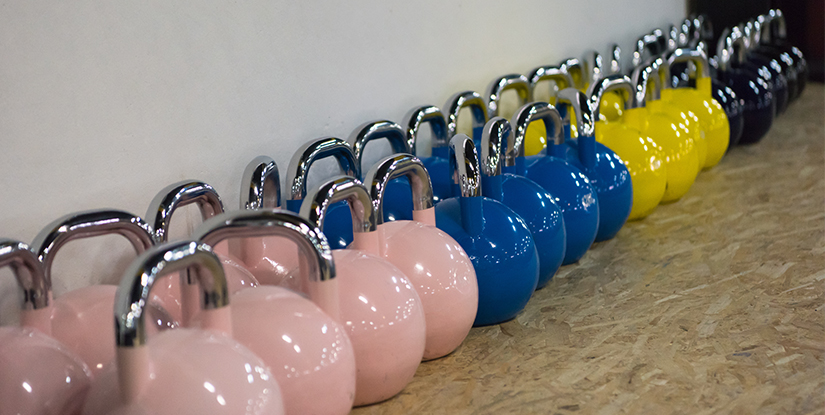
Optimizing Maintenance and Storage Accessory Standards
Beyond the footprint, long-term facility maintenance relies heavily on the quality of integrated storage solutions. High-traffic environments demand more than just a place to set equipment down; they require dedicated storage racks designed to prevent mechanical strain on the adjustment components. When reviewing procurement specs, ensure that the storage design prevents the weight-selection mechanisms from being crushed or misaligned during rapid transitions between training sessions.
Adhering to strict gym equipment procurement standards means verifying that both the kettlebell and its housing can withstand repetitive impact and constant movement. For high-volume distributors, sourcing units with reinforced bases and specialized trays reduces the risk of premature wear. Investing in high-durability accessories ensures that the adjustable components remain functional under heavy use, protecting the total cost of ownership and reducing long-term replacement cycles in professional strength zones.
Durability and Maintenance Standards in Commercial Settings
A critical component of any kettlebell adjustable review involves assessing the long-term operational costs associated with mechanical wear. In high-traffic commercial gym settings, the frequency of weight changes can rapidly degrade inferior components, leading to increased labor costs and equipment downtime.
Understanding the various adjustable kettlebell mechanism types is essential for distributors to ensure product longevity. While pin-lock systems offer simplicity, they may experience friction issues over time, whereas plate-loading or dial-based systems require precise tolerances to prevent loosening. Effective maintenance protocols must account for potential wear and tear on moving parts to maintain safety compliance. For procurement managers, prioritizing high-grade alloys and robust locking mechanisms is a necessary investment to minimize replacement cycles and ensure the durability required for professional-grade facility use.
Mechanism Comparison and TCO Analysis
When conducting a commercial adjustable kettlebell selection, buyers must weigh initial unit costs against the long-term Total Cost of Ownership (TCO). Different adjustable kettlebell mechanism types present distinct maintenance profiles that impact facility operational budgets and technician labor requirements.
| Mechanism Type | Weight Increment Stability | Maintenance Frequency | Lubrication Requirements |
|---|---|---|---|
| Pin-Lock / Selectorized | High (Fixed Increments) | Low (Annual Inspection) | Minimal (Dry Lubricant) |
| Dial / Rotating Plate | Moderate (Precision Dependent) | Medium (Quarterly Check) | Occasional (Silicone Spray) |
| Manual Plate Loading | Very High (Static Load) | Low (Visual Check) | None |
For distributors and high-volume wholesalers, selecting mechanisms with higher weight increment stability reduces the risk of client complaints regarding uneven loading. While automated or dial-based systems offer speed, they often necessitate more frequent technical oversight to ensure the internal components remain free from debris and operational friction.
Mitigating Risk via QC Protocols and Logistics Management
To ensure compliance with international gym equipment procurement standards, buyers must look beyond the unit price and scrutinize the manufacturer's factory capability. High-volume orders require rigorous QC protocols, including random pull tests on locking pins and stress testing of the weight-adjustment tracks to prevent mechanical failure under heavy use.
Effective logistics planning is equally vital for overseas wholesale. Verify that the supplier utilizes reinforced, moisture-resistant packaging to maintain shipment stability during long-haul ocean freight. When negotiating MOQ, confirm if the factory provides pre-shipment inspection reports. A transparent manufacturer who allows third-party audits or provides detailed metallurgical certifications is a much safer partner for long-term distribution than one that offers only basic compliance documentation.
Logistics and Bulk Procurement Considerations for International Distributors
For distributors and large-scale facility managers, the kettlebell adjustable review process must extend beyond mechanical durability to evaluate long-term total cost of ownership. Selecting the right adjustable kettlebell mechanism types directly influences shipping volumes, storage requirements, and the overall cost-efficiency of your inventory.
Economic Impact of Mechanism Selection
The commercial adjustable kettlebell selection process involves a critical trade-off between weight versatility and logistical overhead. While complex adjustable kettlebell mechanism types may offer highly granular weight increments, they often carry higher manufacturing costs and specialized shipping requirements. High-density, modular designs generally optimize inventory turnover by reducing the physical footprint in warehouses and transit containers. When sourcing at scale, prioritizing mechanisms that balance precision with standardized packaging ensures a more predictable supply chain and lower landed costs per unit.
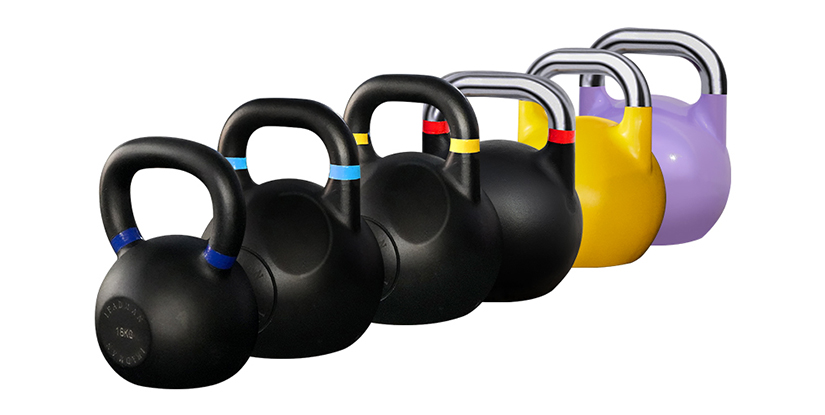
To optimize your procurement strategy, use the following comparison to evaluate how different mechanism architectures impact your landed cost and warehouse management. Distributors should weigh the initial unit price against the long-term logistical complexities of each model.
| Mechanism Type | Shipping Volume/Weight Ratio | Durability Profile | Maintenance Needs | Procurement Standard Focus |
|---|---|---|---|---|
| Dial-Based | Moderate (Compact) | High (Internal Gears) | Low (Periodic Inspection) | Precision & Smoothness |
| Pin-Lock | High (Bulky/Heavy) | Very High (Robust) | Minimal (Mechanical) | Structural Integrity |
| Plate-Loading | Variable (Modular) | Extreme (Simple) | Occasional (Part Replacement) | Component Compatibility |
When evaluating gym equipment procurement standards, consider that while plate-loading systems offer the lowest mechanical complexity, they increase the number of individual SKUs required for a complete set. Conversely, dial-based systems reduce shipping volume but require stricter quality control regarding internal gear tolerances to prevent long-term mechanical failure in high-traffic commercial environments.
Optimizing Sourcing Through Rigorous QC and Volume Logistics
Successful bulk procurement relies on balancing MOQ requirements with stringent QC protocols to protect distributor margins. When sourcing adjustable units, ensure your factory provides detailed shipping density data to calculate true landed costs. High-density packaging reduces per-unit freight expenses but must not compromise the structural integrity of the mechanism. Always verify that the supplier adheres to global gym equipment procurement standards, specifically regarding metallurgical testing and load-bearing consistency. Establishing a strict inspection checklist for weight increments and mechanical smoothness before shipment prevents costly returns and ensures long-term reliability for your commercial clients.
Long-Term TCO and Maintenance Cycles of Adjustable Systems
A professional kettlebell adjustable review must look beyond the initial purchase order to calculate the Total Cost of Ownership (TCO). For distributors and gym owners, the primary economic driver is the trade-off between a lower upfront cost and the long-term operational expenses associated with component wear and mechanical failure.
Balancing Initial Investment vs. Maintenance
In a high-traffic commercial setting, the commercial adjustable kettlebell selection process often hinges on the durability of adjustment mechanisms. While low-cost models may offer attractive bulk pricing, they frequently suffer from rapid degradation of moving parts. High-quality systems prioritize heavy-duty locking pins or precision-engineered plate tracks to minimize replacement frequency. When evaluating your procurement strategy, consider that a higher initial investment vs. maintenance ratio—investing more in robust mechanical integrity upfront—typically results in lower lifecycle costs by extending the equipment's utility and reducing downtime for your clients.
| Procurement Factor | Economy Grade Models | Commercial Standard Systems |
|---|---|---|
| Mechanism Longevity | High wear risk; frequent part replacement | High durability; optimized for heavy use |
| Maintenance Frequency | Frequent inspection required | Minimal scheduled maintenance |
| Long-term ROI | Lower upfront; higher operational cost | Higher upfront; lower lifecycle cost |
Evaluating Adjustable Kettlebell Mechanism Types
To maximize long-term reliability, buyers must differentiate between various adjustable kettlebell mechanism types. The choice of mechanism directly dictates the weight increment stability and the eventual mechanical wear experienced under rigorous commercial training cycles. Selecting the wrong architecture can lead to uneven weight distribution or safety hazards during high-velocity movements.
| Mechanism Type | Operational Characteristics | Maintenance Cycle | Best Use Case |
|---|---|---|---|
| Pin-Lock Plate Systems | High stability; fixed increment jumps | Low; occasional pin inspection | Standard Strength Training |
| Dial-Adjust Selectors | Granular increments; higher precision | Moderate; requires internal lubrication | Boutique/Functional Fitness |
| Slide-and-Lock Tracks | Rapid weight transitions | High; sensitive to debris/dust | High-Volume Circuit Training |
From a procurement standpoint, the technical complexity of the mechanism is inversely proportional to its maintenance frequency. While dial-based systems offer more precise weight jumps, they often present higher technical risks for distributors managing large-scale inventory. For facility owners prioritizing uptime, robust pin-lock systems typically offer the most predictable return on investment due to their resistance to mechanical fatigue.
Optimizing Bulk Procurement and Logistics Strategy
To ensure high long-term ROI, procurement professionals must integrate strict QC protocols into the bulk ordering process. Relying solely on factory-provided certifications is insufficient for high-volume gym equipment procurement standards; instead, implement a multi-stage inspection plan that tests the adjustable kettlebell mechanism types under repeated stress cycles before final shipment.
Effective logistics considerations also play a vital role in protecting your margins. Because adjustable components are more sensitive to impact than solid iron, specialized packaging is required to prevent transit-induced misalignment. For large-scale distributors, coordinating with freight partners to ensure stable, climate-controlled container loading reduces the risk of mechanical seizing or surface oxidation, securing the equipment's integrity from the factory floor to the final facility installation.