Cap Barbell Adjustable Kettlebell Review for Group Classes
Lifecycle Value and Total Cost of Ownership in High-Frequency Training
Many facility managers mistakenly prioritize low initial purchase prices, only to face high replacement costs when standard equipment fails under heavy use. A more professional sourcing approach evaluates the long-term utility of commercial class equipment, focusing on how much value a single unit provides throughout its operational lifespan in a high-volume setting.
This Cap Barbell adjustable kettlebell review examines the fiscal benefits of modularity. For distributors and gym owners, the ability to transition weight increments quickly during high-frequency training sessions reduces downtime and maximizes floor space efficiency. While the upfront cost may exceed single-weight cast iron models, the long-term ROI is driven by reduced inventory needs and versatile programming capabilities.
| Procurement Metric | Fixed Cast Iron Sets | Cap Barbell Adjustable Systems |
|---|---|---|
| Initial Capital Outlay | Lower per unit | Moderate to Higher |
| Storage Footprint | High (Requires multiple racks) | Low (Single station) |
| Programming Versatility | Limited to set increments | High (Rapid weight scaling) |
| Long-term TCO | Higher due to volume needs | Optimized for multi-use |
When assessing adjustable kettlebell versatility, buyers must weigh the speed of weight adjustments against the mechanical durability of the locking mechanisms. For class-based environments, the Cap Barbell model offers a balanced value proposition by providing a reliable transition between resistance levels without the logistical burden of managing a massive inventory of fixed-weight implements.
Optimizing Facility Layout and Capital Allocation
Beyond the unit price, procurement specialists must consider the impact of equipment on facility layout optimization. A standard fixed-weight inventory requires extensive rack space and dedicated floor zones, which can limit the total capacity of a boutique studio or high-intensity interval training (HIIT) area. By integrating the Cap Barbell model, operators can achieve significant space-saving ROI, effectively reclaiming square footage that would otherwise be occupied by bulky storage solutions.
This reduction in physical footprint allows for more flexible class configurations and higher density in training zones. From a distributor perspective, stocking these adjustable systems reduces shipping volumes and warehouse overhead compared to shipping dozens of individual fixed-weight kettlebells. Ultimately, the ability to offer diverse resistance levels through a single, compact unit makes this a strategic choice for facilities aiming to maximize revenue per square foot while maintaining a lean, high-performance equipment inventory.
Maintenance Cycles and Durability in High-Traffic Environments
A critical component of any group fitness gear assessment is the projected maintenance frequency. In high-traffic commercial settings, the mechanical components—specifically the weight selection tracks and locking pins—are subject to constant friction and impact. For distributors and gym owners, the primary concern is whether the internal mechanism can withstand the rapid-fire weight changes typical of a HIIT or circuit training class without losing structural integrity.
While the Cap Barbell system offers significant space-saving advantages, the wear and tear in high-traffic environments often centers on the adjustment interfaces. Unlike a solid cast iron bell, an adjustable unit has moving parts that require periodic inspection to ensure weight stability. Effective procurement decision-making requires accounting for these minor maintenance cycles; operators should implement a routine check of the weight plates and adjustment collars to prevent accidental loosening during high-velocity movements. For large-scale facilities, selecting equipment that balances ease of adjustment with mechanical robustness is essential to ensuring a low total cost of ownership over a multi-year lifecycle.
Operational Durability and Maintenance Cycles
In high-traffic environments, the longevity of your inventory depends heavily on the resilience of the internal locking systems. During our Cap Barbell adjustable kettlebell review, we focused on how the adjustment mechanism handles the rapid transitions typical of circuit training. For distributors supplying commercial class equipment, understanding the wear patterns of these components is essential for calculating long-term replacement costs.
High-frequency usage in group settings can lead to friction-induced wear or debris accumulation within the weight selection tracks. To maintain optimal performance, facilities should implement a routine maintenance cycle that includes inspecting the selector pins and ensuring the weight plates seat correctly after each session. While these units are built for durability, regular debris removal from the adjustment mechanism prevents mechanical jams, ensuring the equipment remains a reliable asset for high-volume studios and fitness centers.
Operational Comparison: Standard vs. Adjustable Models
When evaluating the long-term procurement strategy for a studio or boutique fitness center, the trade-off between single-weight cast iron and adjustable systems becomes a matter of facility efficiency. While cast iron units offer unmatched structural simplicity, the Cap Barbell adjustable model provides a different set of advantages regarding space optimization and inventory management.
| Evaluation Metric | Standard Cast Iron Kettlebells | Cap Barbell Adjustable Model |
|---|---|---|
| Maintenance Frequency | Low (Surface rust inspection) | Moderate (Mechanism & track cleaning) |
| Adjustment Part Durability | N/A (Solid construction) | High (Tested for repetitive transitions) |
| Space Efficiency | Low (Requires large storage racks) | High (Multiple weights in one footprint) |
| Total Cost of Ownership | Low initial / High storage cost | Moderate initial / Low footprint cost |
From a wholesale procurement perspective, the adjustable model excels in facilities where floor space is a premium. Although the maintenance protocol requires more attention to the mechanical tracks than static iron, the reduction in the total number of SKUs required to cover a full weight range significantly lowers the logistics and storage overhead for distributors and gym owners alike.
Logistics and Scaling for Large-Scale Classes
As studios expand or transition to larger class-based formats, scaling inventory requires more than just purchasing more units; it requires a strategic approach to storage solutions and supply chain reliability. A thorough group fitness gear assessment reveals that managing a diverse range of single-weight kettlebells can quickly clutter a facility floor. In contrast, leveraging adjustable systems allows for a more streamlined footprint, which is critical when optimizing layout for high-capacity sessions.
When planning for growth, procurement managers must prioritize distributor considerations such as MOQ flexibility and shipping consistency. Scaling inventory through a single, reliable source ensures that replacement parts for adjustment mechanisms remain compatible across your entire fleet. To maintain professional standards, implement standardized cleaning protocols—specifically focusing on non-abrasive wiping of the handle and weight tracks—to prevent buildup. For those managing multiple locations, utilizing vertical storage racks designed for adjustable units can maximize floor utility while keeping the equipment organized and ready for rapid-fire class transitions.
Structural Integrity and Component Durability for Commercial Class Equipment
In high-frequency usage environments, such as boutique studios or HIIT-focused training centers, the mechanical stress on adjustable gear is significantly higher than in standard home settings. For procurement managers, the primary concern is not just the weight range, but the long-term structural integrity of the locking mechanisms and the stability of the weight plates during rapid transitions.
Evaluating the Cap Barbell Adjustable Kettlebell Review: Build Quality
A critical component of any cap barbell adjustable kettlebell review involves assessing how the unit handles the physical rigors of group fitness. In professional settings, equipment undergoes constant vibration and potential impact. This model is engineered to maintain high weight plate stability, ensuring that the internal pins and collars do not loosen during dynamic movements. For distributors and gym owners, this level of build quality is essential to minimize maintenance cycles and reduce the total cost of ownership (TCO) when deploying large quantities of commercial class equipment across multiple facilities.
A thorough group fitness gear assessment must prioritize the longevity of the adjustment mechanism and the resilience of the external surfaces. High-traffic studios demand gear that can withstand repetitive weight changes and accidental drops without losing precision or aesthetic appeal. The durability of the coating is particularly vital; a high-quality finish prevents rust and protects the internal components from moisture and sweat-induced oxidation, which is a common failure point in budget-tier alternatives.
Technical Durability Comparison: Material and Coating Standards
When evaluating adjustable kettlebell versatility, procurement teams should compare the material composition against standard commercial benchmarks. The table below outlines how the Cap Barbell construction typically compares to standard cast iron or basic plastic-coated models used in lower-tier settings.
| Feature Component | Cap Barbell Specification | Standard Commercial Grade | Budget/Home Tier |
|---|---|---|---|
| Adjustment Mechanism | Reinforced Pin/Collar System | Heavy-Duty Locking Pin | Manual Screw/Slide |
| Wear Resistance | High (Industrial Coating) | Medium-High (Powder Coat) | Low (Basic Paint/Plastic) |
| Surface Integrity | Impact-Resistant Finish | Standard Rubber/Vinyl | Thin Plastic Shell |
For distributors, choosing a model with superior wear resistance ensures that the product remains marketable even after months of intense class-based use. Investing in gear with a robust adjustment mechanism reduces the frequency of replacement requests and enhances the reliability of the training experience for the end-user.
TCO and Long-Term ROI in High-Traffic Facilities
From a procurement standpoint, the true value of the Cap Barbell model is found in its long-term ROI rather than the initial purchase price. In commercial settings, the cost of labor for frequent equipment inspections and the downtime caused by broken components can quickly outpace any upfront savings. By selecting gear with a reinforced structural design, facility managers can effectively extend the maintenance cycle, ensuring that the equipment remains operational through hundreds of high-intensity sessions.
A lower replacement frequency is a key metric for distributors and large-scale gym operators. When assessing the durability vs cost trade-off, the resilience of the internal locking hardware becomes the deciding factor. Equipment that maintains its calibration under heavy use reduces the need for constant inventory replenishment. For those managing large-scale rollouts, prioritizing this level of mechanical reliability minimizes the logistical burden of shipping replacements and optimizes the total cost of ownership over a multi-year lifecycle.
Optimizing Facility Footprint with Modular Weight Systems
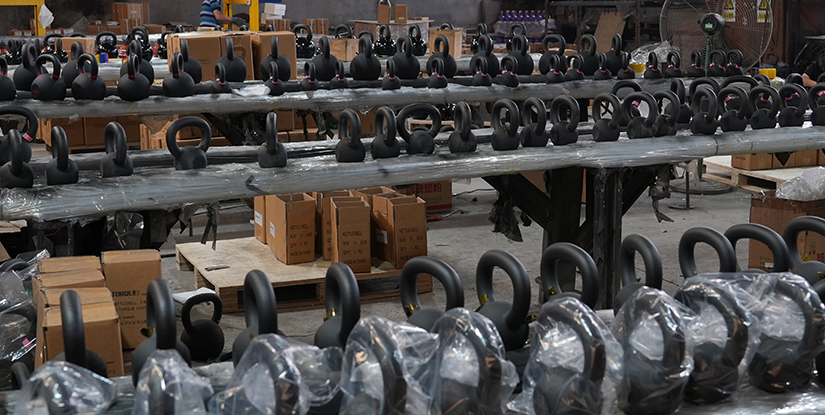
In high-density training environments, floor space is a premium commodity that directly impacts revenue per square foot. A critical component of any cap barbell adjustable kettlebell review involves evaluating how these modular systems replace traditional, bulky fixed-weight sets. By transitioning to adjustable configurations, facility managers can reclaim significant square footage previously occupied by large racks of static kettlebells.
Spatial Efficiency in Commercial Class Equipment
For boutique studios and HIIT-focused gyms, footprint optimization is a primary driver for equipment selection. Traditional kettlebell collections require expansive storage racks to accommodate various weight increments, which can clutter movement paths during high-intensity sessions. In contrast, an adjustable system consolidates multiple weight stages into a single unit, drastically reducing the total storage area required.
This reduction is particularly beneficial for commercial class equipment inventories where rapid transitions between exercises are necessary. Instead of managing dozens of individual SKUs and their associated storage footprints, distributors and gym owners can provide a versatile range of resistance within a much smaller physical profile. This streamlined approach not only enhances the aesthetic of the training floor but also improves safety by minimizing tripping hazards in crowded class settings.
Comparing Storage Density and Layout Requirements
When planning a facility layout, procurement managers must weigh the immediate cost of individual units against the long-term value of adjustable kettlebell versatility. While fixed kettlebells offer extreme durability and simplicity, they demand significant floor space as the variety of weights increases. Modular systems offer a high-density alternative that simplifies inventory management and optimizes the training environment.
| Metric | Traditional Fixed Kettlebell Sets | Adjustable Modular Systems |
|---|---|---|
| Storage Density | Low (requires expansive racks) | High (compact footprint) |
| Floor Space Requirements | Large (scales with weight variety) | Minimal (consolidated profile) |
| SKU Management | Complex (many individual units) | Simplified (single unit/multiple weights) |
| Transition Speed | Slower (physical weight swapping) | Faster (rapid adjustment) |
For distributors and wholesalers, stocking adjustable models can also mean reducing shipping volumes and logistical overhead. Because a single adjustable unit replaces the volume of several fixed pieces, shipping costs per "weight stage" are often more efficient, making it an attractive option for optimizing both the client's facility layout and the supplier's freight management.
Logistics and Maintenance: Hardware Durability and Specialized Racks
A professional group fitness gear assessment must extend beyond the weight plates to the structural integrity of the housing and the stability of the storage hardware. For high-frequency class environments, the durability of storage components—such as the adjustment pins, locking mechanisms, and the chassis itself—determines the long-term total cost of ownership. If the adjustment interface is prone to wear, it creates a bottleneck in class transitions and increases maintenance labor.
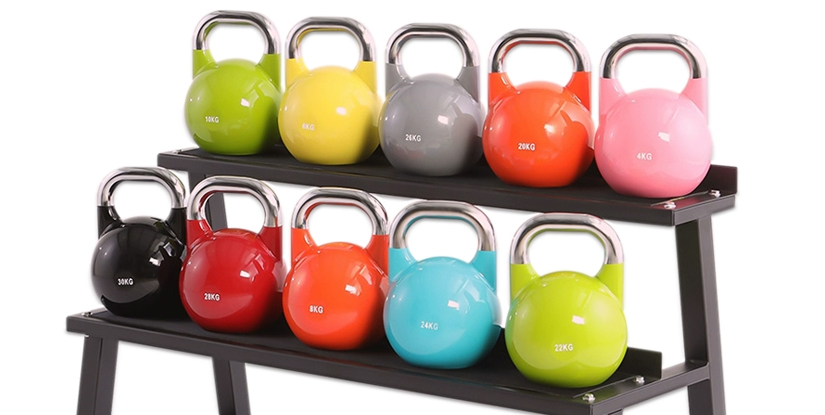
Furthermore, procurement specialists should prioritize compatibility with specialized racks designed for modular systems. Unlike static kettlebells that sit in tiered metal cradles, adjustable units require organized docking stations that prevent damage to the adjustment dials or handles. Ensuring that your inventory includes high-grade, heavy-duty shelving or custom-fitted storage solutions will streamline inventory management and protect the hardware from impact-related fatigue, ensuring the equipment remains a reliable asset for years of continuous commercial use.
Sourcing Strategies for Bulk Procurement and Distribution
For facility managers and distributors, evaluating the cap barbell adjustable kettlebell review involves looking beyond individual unit performance to long-term operational efficiency. In high-density training environments, the decision to transition from traditional iron weights to adjustable systems is driven by the need for extreme space optimization and reduced inventory complexity.
When sourcing commercial class equipment, the primary logic centers on the total cost of ownership (TCO). While fixed kettlebells have a lower initial unit price, the logistical burden of managing dozens of individual SKUs—from 4kg to 32kg—creates significant overhead. An adjustable system consolidates multiple weight increments into a single footprint, drastically reducing the storage requirements for boutique studios and large-scale group fitness centers. This versatility ensures that even under high-frequency usage, the facility remains agile, allowing for rapid transitions between strength and conditioning protocols without the friction of swapping out heavy, disparate equipment.
Optimizing the procurement of adjustable kettlebell versatility requires a strategic choice between different supply chain models. Depending on whether you are stocking a single premium studio or managing a nationwide distribution network, the trade-offs between speed, cost, and minimum order quantity (MOQ) will dictate your long-term profitability and inventory management efficiency.
Procurement Model Comparison for Scaling Operations
A professional group fitness gear assessment must account for the logistical friction inherent in each sourcing tier. Large-scale distributors typically prioritize factory-direct relationships to maximize margins, whereas boutique operators often rely on established distributors to mitigate shipping considerations and immediate stockout risks.
| Sourcing Model | Primary Advantage | Typical MOQ | Logistical Focus |
|---|---|---|---|
| Direct Factory Sourcing | Maximum margin control | High (Container loads) | Customization & Long-lead ocean freight |
| Wholesale Bulk Purchase | Balanced cost/availability | Medium (Pallet quantities) | Standardized SKU management |
| Regional Distributor | Rapid fulfillment | Low (Unit or case packs) | Domestic shipping speed & local support |
When calculating ROI, consider that direct sourcing offers the lowest unit cost but demands advanced expertise in international shipping considerations and customs compliance. Conversely, working through a distributor simplifies your inventory management by providing a buffer against global supply chain volatility, ensuring your group classes remain fully equipped without the burden of large-scale warehousing.
Operational Longevity and Quality Control
To protect your investment in high-traffic environments, a rigorous durability assessment must extend beyond the initial unboxing. In a group fitness setting, the mechanical components of an adjustable system—specifically the locking mechanisms and weight plate tracks—are subject to constant friction and impact. Implementing a standardized quality inspection protocol during the receiving phase is essential to catch manufacturing deviations before they reach the gym floor.
For long-term facility longevity, we recommend establishing strict maintenance cycles. Rather than reactive repairs, proactive oversight of the adjustment interfaces ensures the equipment meets commercial-grade standards throughout its lifecycle. Regularly inspecting for loose pins, worn coatings, or track debris prevents the gradual degradation often seen in lower-tier adjustable gear. By integrating these brief, scheduled checks into your facility's routine, you mitigate the risk of unexpected downtime and extend the functional lifespan of your inventory, ultimately securing a much higher return on your initial procurement outlay.
Mechanical Integrity and Maintenance Cycles
In a high-traffic studio environment, the longevity of adjustable equipment depends heavily on the durability of its internal components. This cap barbell adjustable kettlebell review must highlight that while these units offer significant space-saving advantages, the adjustment mechanism is the primary point of failure under high-frequency usage. Unlike static cast iron, the moving parts within these units are subject to mechanical wear from constant weight transitions.
For distributors and facility managers sourcing commercial class equipment, establishing a strict maintenance cycle is essential to mitigate long-term liability. We recommend a monthly inspection of the locking pins and selector pins to ensure no debris or grit has compromised the mechanism. Regular cleaning of the track area prevents friction-induced degradation, ensuring the gear remains reliable for high-intensity group training sessions.
Long-Term Operational Trade-Offs
When calculating the Total Cost of Ownership (TCO) for a boutique studio or a large-scale commercial facility, the decision between adjustable and fixed-weight options involves more than just the initial purchase price. Procurement teams must weigh the upfront savings of a compact footprint against the long-term maintenance requirements of mechanical systems.
The following comparison assists facility managers in evaluating the long-term maintenance trade-offs between the Cap Barbell adjustable kettlebell and traditional cast iron sets in a high-frequency group training setting.
| Evaluation Metric | Adjustable Kettlebell Systems | Traditional Cast Iron Sets |
|---|---|---|
| Maintenance Complexity | Moderate (Requires mechanical inspections) | Low (Surface cleaning only) |
| Primary Wear Points | Selector pins and weight tracks | External coating and handles |
| Operational Downtime | Possible (If mechanism jams or fails) | Minimal (Highly durable/static) |
| Durability Profile | High, but sensitive to impact | Extreme (Built for heavy impact) |
| Total Cost of Ownership | Lower footprint cost; higher upkeep | Higher storage/space cost; lower upkeep |
For distributors managing large-scale orders, it is vital to note that while adjustable kettlebells offer superior adjustable kettlebell versatility for space-constrained studios, they require a more proactive maintenance schedule to prevent mechanical fatigue. Traditional cast iron remains the industry standard for pure durability, yet the adjustable model often provides a better ROI for facilities focusing on diverse, class-based programming where floor space is at a premium.
Logistics and Facility Integration
Effective procurement involves more than just selecting a model; it requires a strategic approach to facility layout and long-term storage solutions. To preserve the integrity of the coating protection on these units, avoid stacking them directly on abrasive concrete or metal shelving without protective liners. In high-density studio settings, the adjustable kettlebell versatility can be compromised if the units are stored in damp or unventilated areas, which may lead to oxidation of the internal adjustment tracks.
For a sound procurement decision, buyers should account for the specialized footprint required to house these units safely. Rather than traditional floor piles, we suggest utilizing tiered, padded racks to ensure proper airflow and ease of access. A rigorous durability assessment of your storage area is necessary to ensure that the weight-transitioning components are not subjected to unnecessary environmental stress, thereby maximizing the lifespan of your commercial class equipment investment.