Quick Lock Adjustable Kettlebell Handle Review for Gyms
Lifecycle Value and Total Cost of Ownership for Rapid Weight Adjustment Equipment
When evaluating the economic impact of new strength equipment, procurement managers must weigh initial capital expenditure against long-term operational efficiency. A professional assessment requires checking the mechanical durability of the locking mechanism, verifying the precision of weight increments, and confirming the shipping volume efficiency for bulk orders. Investing in high-quality commercial adjustable kettlebell systems often shifts the financial focus from sheer volume to optimized floor space efficiency.
Transitioning from traditional fixed kettlebell sets to rapid weight adjustment equipment can significantly reduce the footprint required for strength zones. While a full set of single-weight kettlebells demands extensive rack space and high storage costs, a single adjustable unit covers a wide range of resistance levels. This optimization directly improves member throughput by minimizing downtime during weight transitions and maximizing the utility of every square foot in high-traffic boutique studios or commercial gyms.
| Procurement Factor | Traditional Fixed Sets | Quick-Lock Adjustable Systems |
|---|---|---|
| Initial CapEx | Lower per unit | Higher per unit |
| Floor Space ROI | Low (Requires large footprint) | High (Compact storage) |
| Member Throughput | Slower (Manual swapping) | Faster (Rapid adjustment) |
| Long-term Maintenance | Minimal (Solid cast iron) | Moderate (Moving parts) |
In many quick-lock adjustable kettlebell handle reviews, the primary value proposition is the reduction in equipment density. For distributors and facility owners, this means the ability to offer a more diverse range of training loads without the logistical burden of managing hundreds of individual SKUs or oversized storage racks. The strategic shift toward adjustable models represents a move toward leaner, more scalable facility layouts.
Analyzing Long-Term Replacement and Asset Lifecycle
A critical component of the Total Cost of Ownership (TCO) is the replacement frequency of individual components. While traditional cast iron kettlebells are virtually indestructible, they lack versatility. Conversely, rapid weight adjustment equipment relies on mechanical integrity, requiring a closer look at the longevity of the locking collars and weight pins. For large-scale distributors and gym chains, the goal is to find a balance between mechanical complexity and durability.
| Evaluation Metric | Traditional Cast Iron Sets | Quick-Lock Adjustable Handles |
|---|---|---|
| Storage Footprint | High (Extensive rack requirements) | Minimal (Compact, single-unit footprint) |
| Weight Transition Speed | Low (Manual removal/replacement) | High (Rapid weight adjustment) |
| Inventory Complexity | High (Multiple SKUs for weight increments) | Low (One unit covers multiple weight ranges) |
| Replacement Profile | Rare (Structural integrity focus) | Periodic (Mechanical/locking component focus) |
When sourcing for high-traffic facilities, procurement teams should prioritize units with reinforced locking mechanisms to mitigate the wear typical of high-frequency use. Although the initial unit price is higher, the ability to provide a full spectrum of resistance within a single station often results in a better ROI through reduced shipping costs per weight increment and improved facility density. This makes adjustable systems a strategic choice for boutique studios where square footage is at a premium.
Mechanical Durability and Maintenance Cycles
The long-term viability of a quick-lock adjustable kettlebell system depends heavily on the mechanical wear of its moving parts. In high-traffic gym environments, the locking mechanism undergoes constant stress from repetitive weight shifts and kinetic impact. Distributors must ensure that the rapid weight adjustment equipment features high-grade steel components and precision-engineered pins to prevent failure under heavy use. Unlike static iron, these systems require a structured approach to maintenance to maintain peak safety and performance.
For procurement specialists, assessing the durability of the quick-lock mechanism is vital for predicting the actual lifecycle of the asset. Quality control should focus on the tolerance of the adjustment interface and the resilience of the locking sleeves against metal fatigue. While these units may require periodic inspections or minor lubrication, a robust design significantly reduces the frequency of maintenance cycles. Choosing a system with high-tensile strength components ensures that the mechanical integrity remains intact even when subject to the rigors of daily commercial gym usage, protecting the long-term investment of the facility.
Optimizing Floor Plan Density with Commercial Adjustable Kettlebell Systems
For facility managers and boutique studio owners, maximizing square footage is a critical component of revenue per square foot. Utilizing commercial adjustable kettlebell systems allows a single station to serve multiple training purposes, effectively replacing several bulky, fixed-weight kettlebell racks that consume valuable floor area.
Spatial ROI and Member Throughput
When conducting quick-lock adjustable kettlebell handle reviews, procurement specialists often focus on durability, but the impact on floor space efficiency is equally vital. Traditional kettlebell setups require extensive storage footprints to accommodate various weight increments. In contrast, rapid weight adjustment equipment consolidates a wide spectrum of resistance into a compact, streamlined footprint.
This consolidation does more than just clear walking paths; it directly increases member throughput during peak hours. In high-traffic commercial settings, the time lost to manual plate swapping can create bottlenecks in circuit training or group classes. By implementing high-quality, rapid-adjustment mechanisms, facilities reduce transition downtime, allowing more clients to move through their programming without waiting for equipment availability.
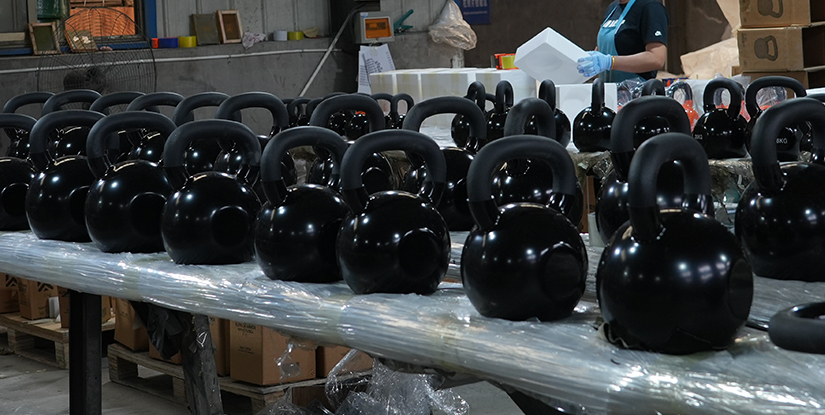
Strategic facility layout planning requires a clear understanding of how different equipment configurations impact your usable square footage. When comparing traditional kettlebell sets vs. adjustable systems, the primary distinction lies in the footprint-to-utility ratio. While fixed sets require tiered racks and dedicated floor zones, adjustable options function as high-density tools that adapt to the user's needs instantly.
Footprint Comparison: Traditional vs. Adjustable Systems
The following table outlines the typical spatial requirements for procurement planning. For distributors and gym developers, choosing space-saving gym strength tools can significantly increase the number of functional training stations possible within a limited floor plan.
| Equipment Type | Footprint Requirement | Versatility |
|---|---|---|
| Traditional Kettlebell Sets | High (Requires multi-tier racks & floor space) | Limited (Fixed weight increments only) |
| Quick-Lock Adjustable Systems | Low (Single compact storage area) | High (Wide range of weight increments) |
| Standard Dumbbell Racks | Moderate (Linear footprint along walls) | Moderate (Fixed weight increments) |
From a sourcing perspective, investing in adjustable systems reduces the long-term inventory complexity. Instead of managing and shipping multiple SKU-specific heavy kettlebells, a single procurement order for adjustable handles and weight sets simplifies logistics and maximizes the utility of every square meter in the facility.
Durability and Maintenance Trade-Offs in High-Traffic Zones
A critical part of the procurement decision involves balancing the benefits of a compact footprint against long-term maintenance cycles. While adjustable systems drastically optimize facility layout, the moving parts within a quick-lock mechanism introduce different wear patterns compared to solid cast-iron bells. In high-traffic zones, the mechanical integrity of the locking system is the primary variable affecting total cost of ownership.
Buyers should evaluate the material quality of the internal adjustment components to ensure they withstand constant use without loosening. High-quality commercial systems are engineered for high-frequency transitions, yet even the most robust rapid weight adjustment equipment requires periodic inspection of the locking pins and handle stability. For distributors and large-scale gym developers, prioritizing systems with standardized, replaceable parts can mitigate the risk of downtime and ensure the equipment remains a long-term asset rather than a maintenance burden.
Mechanical Integrity and Wear Resistance in High-Traffic Environments
When sourcing for high-volume strength zones, the durability of the locking mechanism is the primary determinant of long-term ROI. Professional quick-lock adjustable kettlebell handle reviews frequently highlight that failure points typically occur not in the weight plates themselves, but within the internal adjustment gears and locking pins subjected to constant friction.
In high-traffic environments, such as boutique studios or commercial training centers, commercial adjustable kettlebell systems must withstand the mechanical stress of rapid weight transitions. A high-quality handle must maintain structural integrity despite the repetitive vibration and torque applied during heavy swings or snatches. For distributors and gym owners, prioritizing high wear resistance in the selection process ensures that the rapid weight adjustment equipment does not become a maintenance liability or a safety concern after only a few months of heavy usage.
To accurately calculate the Total Cost of Ownership (TCO), procurement managers must look beyond the initial purchase price and evaluate the mechanical longevity of different configurations. The choice between friction-based pins and precision-engineered gear systems directly impacts both the frequency of technical inspections and the overall lifespan of your inventory.
The following comparison outlines how various assembly styles perform under heavy commercial use, specifically regarding how these space-saving gym strength tools manage wear and tear over time.
| Mechanism Type | Material Composition | Maintenance Frequency | Typical Durability Profile |
|---|---|---|---|
| Spring-Loaded Pin | Hardened Steel & Polymer | Low (Bi-annual check) | High resistance to impact; ideal for high-intensity training. |
| Dial-Driven Gear | Stainless Steel & Alloy | Moderate (Quarterly lube) | Precise but sensitive to dust and debris accumulation. |
| Slide-Lock Lever | Reinforced Aluminum | Low (Annual check) | Excellent for rapid weight adjustment equipment in circuits. |
Selecting a system with high-grade alloy components reduces the risk of mechanical fatigue. For wholesalers and facility managers, investing in handles with reinforced friction surfaces ensures that the equipment remains a reliable asset rather than a recurring replacement cost in the budget.
Critical Inspection Points for Procurement and Quality Assurance
Before finalizing a bulk order, professional buyers should implement rigorous QC checkpoints to mitigate the risk of component fatigue. It is essential to verify that the load-bearing surfaces and adjustment pins are manufactured from heat-treated materials rather than standard soft alloys. A common failure in low-tier equipment is the gradual rounding of engagement teeth, which compromises the structural safety of the handle over hundreds of cycles.
B2B sourcing tip: Request a sample unit to perform a stress-test cycle. Observe how the mechanism reacts to rapid, repetitive weight shifts; any noticeable "play" or mechanical hesitation often signals a design flaw that will lead to premature failure in a commercial setting. Making a smart procurement decision requires validating that the internal locking tolerances remain tight even under high-torque movement. This level of scrutiny ensures long-term reliability and protects your reputation as a supplier of high-performance gear.
Operational Throughput and Member Transition Efficiency
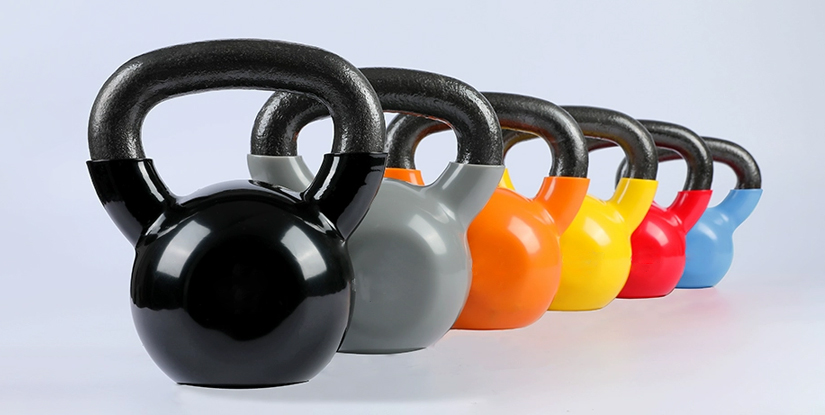
Optimizing facility layout requires more than just floor space; it requires minimizing the time users spend adjusting equipment. In high-traffic gym environments, the transition between weight increments can become a significant bottleneck, slowing down both personal training sessions and group class rotations.
Maximizing Revenue per Square Foot
Professional buyers evaluating quick-lock adjustable kettlebell handle reviews often focus on the hidden costs of downtime. Traditional plate-loading systems require manual assembly, which disrupts the flow of a workout. In contrast, commercial adjustable kettlebell systems utilize rapid weight adjustment equipment to shave seconds off every set. This increased member transition efficiency allows for higher throughput during peak hours, ensuring that equipment turnover remains high without increasing the physical footprint of the strength zone. For distributors and gym owners, this speed translates directly into better utilization of premium real estate and improved member satisfaction during high-density training cycles.
Space Utilization: Fixed vs. Adjustable Configurations
From a procurement standpoint, the decision between fixed and adjustable inventory is a direct trade-off between durability and footprint. While fixed kettlebells are a staple, they demand significant horizontal storage space as the weight range expands. Transitioning to space-saving gym strength tools allows a facility to offer a massive weight spectrum within a fraction of the traditional shelving area.
| Feature/Metric | Traditional Fixed Kettlebells | Quick-Lock Adjustable Systems |
|---|---|---|
| Footprint Requirement | High (increases with weight variety) | Low (consolidated storage) |
| Weight Adjustment Speed | Slow (manual plate loading) | Rapid (quick-lock mechanism) |
| Member Throughput | Moderate (setup downtime) | High (seamless transitions) |
| Inventory Complexity | High (many individual SKUs) | Low (one system, multiple weights) |
For wholesalers and facility managers, the ROI of rapid weight adjustment equipment is realized through increased density. Instead of dedicating multiple racks to various weight increments, a single station can accommodate a diverse range of training needs. This efficiency is critical when designing layouts for boutique studios or premium commercial gyms where square footage costs are at a premium.
Long-Term Value and Procurement Strategy
When calculating the Total Cost of Ownership (TCO), procurement professionals must look beyond the initial unit price. High-quality adjustable systems reduce long-term expenses by minimizing the need for extensive, SKU-heavy inventories. For distributors, sourcing a single, high-durability mechanism offers better scalability than managing dozens of individual fixed kettlebell SKUs, which complicates shipping logistics and warehouse management.
Maintenance cycles also play a decisive role in long-term profitability. While traditional iron weights are virtually maintenance-free, the moving parts in quick-lock systems require periodic inspection to ensure mechanical integrity. However, the reduction in floor space and the ability to rapidly scale offerings for boutique studios or multi-site commercial gyms often outweigh these minor upkeep requirements. A smart procurement decision prioritizes systems with robust, tested locking components to ensure that rapid weight adjustment remains a seamless asset rather than a mechanical liability.
Sourcing Strategies for High-Volume Wholesale Orders
Procuring commercial adjustable kettlebell systems requires a transition from individual unit selection to evaluating long-term lifecycle costs. For distributors and large-scale facility managers, the focus shifts toward structural integrity, rapid weight adjustment equipment reliability, and the ability to maintain consistent inventory across multiple locations or retail channels.
Establishing Procurement Standards and QC Protocols
When managing high-volume orders, the complexity of sourcing increases due to the mechanical nature of the locking mechanisms. High-tier facility layout optimization relies on equipment that performs predictably under heavy use. Consequently, your procurement scope must include rigorous quality control (QC) benchmarks that go beyond aesthetic finishes. We recommend auditing factory capabilities specifically for stress-testing the rapid adjustment components to ensure they meet strict durability standards. A failure in a single locking pin can render an entire set of commercial adjustable kettlebell systems unusable, making pre-shipment inspections and material certification essential for maintaining professional reputation and minimizing replacement costs.
Optimizing Inventory via Sourcing Models
Choosing between direct factory procurement and working through a wholesale distributor depends heavily on your required scale and local logistics capabilities. While direct sourcing offers the highest margin potential for large-scale expansions, distributors provide the agility needed for smaller, rapid-replenishment cycles of space-saving gym strength tools.
| Sourcing Model | Typical MOQ | Lead Time | Unit Cost | Quality Oversight |
|---|---|---|---|---|
| Direct Factory | High (Container Load) | Long (45–70+ Days) | Lowest (Tier 1) | On-site QC / Factory Audit |
| Wholesale Distributor | Low to Moderate | Short (1–2 Weeks) | Medium (Tier 2) | Third-Party Certification |
For facilities prioritizing rapid weight adjustment equipment deployment across multiple branches, the distributor model mitigates the risk of extended stockouts. However, if you are building a proprietary brand around high-performance, space-saving gym strength tools, direct factory engagement allows for greater customization of the locking mechanisms and more granular control over material specifications.
Logistics and Distribution Efficiency
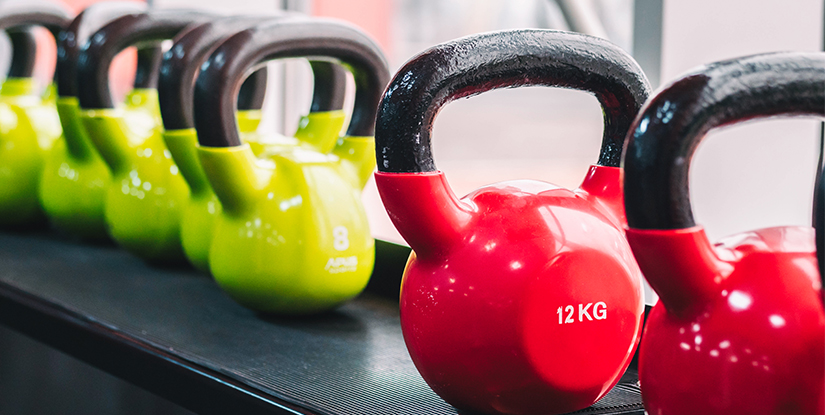
Effective distribution of quick-lock adjustable kettlebell handle systems requires a precise understanding of shipping volume and weight-to-volume ratios. Because these units often involve both heavy cast iron and precision-engineered components, the logistics profile is more complex than standard kettlebells. Distributors should prioritize suppliers that utilize optimized packaging to minimize volumetric weight, as this directly impacts freight costs and shipping density. For high-frequency replenishment cycles, managing the weight capacity verification of both the product and its shipping containers is critical to avoid transit-related damage or unexpected surcharges.
Maintaining a healthy inventory turnover rate also depends on bulk order stability. When sourcing large quantities, ensure your supplier can guarantee component consistency across different production batches. Discrepancies in the locking mechanism or handle thickness between batches can lead to customer returns and high overhead. To protect your margins, request documentation regarding the structural load-bearing tests for the handles, ensuring that the weight capacity is uniform across every unit in your warehouse. This proactive approach to inventory management ensures that your space-saving gym strength tools arrive ready for immediate deployment without the need for costly technical troubleshooting.
Logistics and Quality Assurance for International B2B Procurement
Establishing a reliable procurement baseline requires a deep understanding of how mechanical components withstand high-traffic environments. When evaluating quick-lock adjustable kettlebell handle reviews, professional buyers must look beyond basic weight increments to assess long-term operational stability and the total cost of ownership.
Durability Standards and Maintenance Cycles
High-performance commercial adjustable kettlebell systems rely on the precision of their internal locking mechanisms. To prevent downtime in a commercial setting, procurement managers should verify that the hardware is engineered to resist mechanical wear caused by frequent weight transitions. Unlike standard consumer models, industrial-grade handles require specific maintenance cycles to ensure locking mechanism integrity remains intact under heavy use.
A quality manufacturing partner will provide clear guidelines for routine inspections, focusing on spring tension and pin alignment. Selecting equipment with high-grade steel components reduces the frequency of replacement, ensuring that your facility's strength training zone remains functional without constant technical intervention.
TCO and Maintenance Comparison: Manual vs. Quick-Lock
For distributors and facility owners, the decision between traditional plate-loading and rapid adjustment technology often hinges on the trade-off between mechanical simplicity and operational speed. While manual systems are rugged, they often consume more floor space and require more labor-intensive upkeep during high-traffic intervals.
The following comparison highlights how different adjustment architectures impact your long-term maintenance budget and equipment availability. Selecting efficient space-saving gym strength tools is not just about footprint, but about minimizing the labor required to keep the equipment in service.
| Feature/Metric | Manual Weight Plate Systems | Quick-Lock Mechanism Systems |
|---|---|---|
| Adjustment Speed | Slow (requires physical plate changes) | Rapid (instantaneous locking/unlocking) |
| Maintenance Frequency | Low (standard hardware checks) | Moderate (mechanical/spring inspections) |
| Typical Component Lifespan | Very High (minimal moving parts) | High (dependent on mechanism quality) |
| Operational Downtime | Higher (due to slow transitions) | Minimal (optimized for throughput) |
| Total Cost of Ownership | Lower initial/lower maintenance | Higher initial/higher efficiency ROI |
When sourcing rapid weight adjustment equipment, prioritize suppliers that offer high-grade, corrosion-resistant alloys for the internal locking pins. This mitigates the risk of mechanical failure, ensuring your investment provides consistent throughput without frequent replacement cycles.
Shipping Safety and Bulk Inspection Protocols
For international distributors, the logistical complexity of importing heavy steel components demands rigorous quality control. When managing bulk procurement, the risk of transit damage to sensitive internal locking mechanisms increases with distance. Reliable suppliers must implement specific shipping durability standards, such as reinforced, double-walled corrugated packaging and customized internal bracing to prevent mechanical shifting during maritime or air freight.
To mitigate the risk of receiving defective units, we recommend establishing strict QC protocols before the final container seal. This includes verifying weight stability through batch sampling, ensuring that the load distribution remains consistent across every unit in the shipment. A well-structured international logistics plan should also account for MOQ considerations; higher minimum order quantities often allow for more robust, custom-engineered palletization, which significantly reduces the chance of structural misalignment or surface abrasions upon arrival at your warehouse.