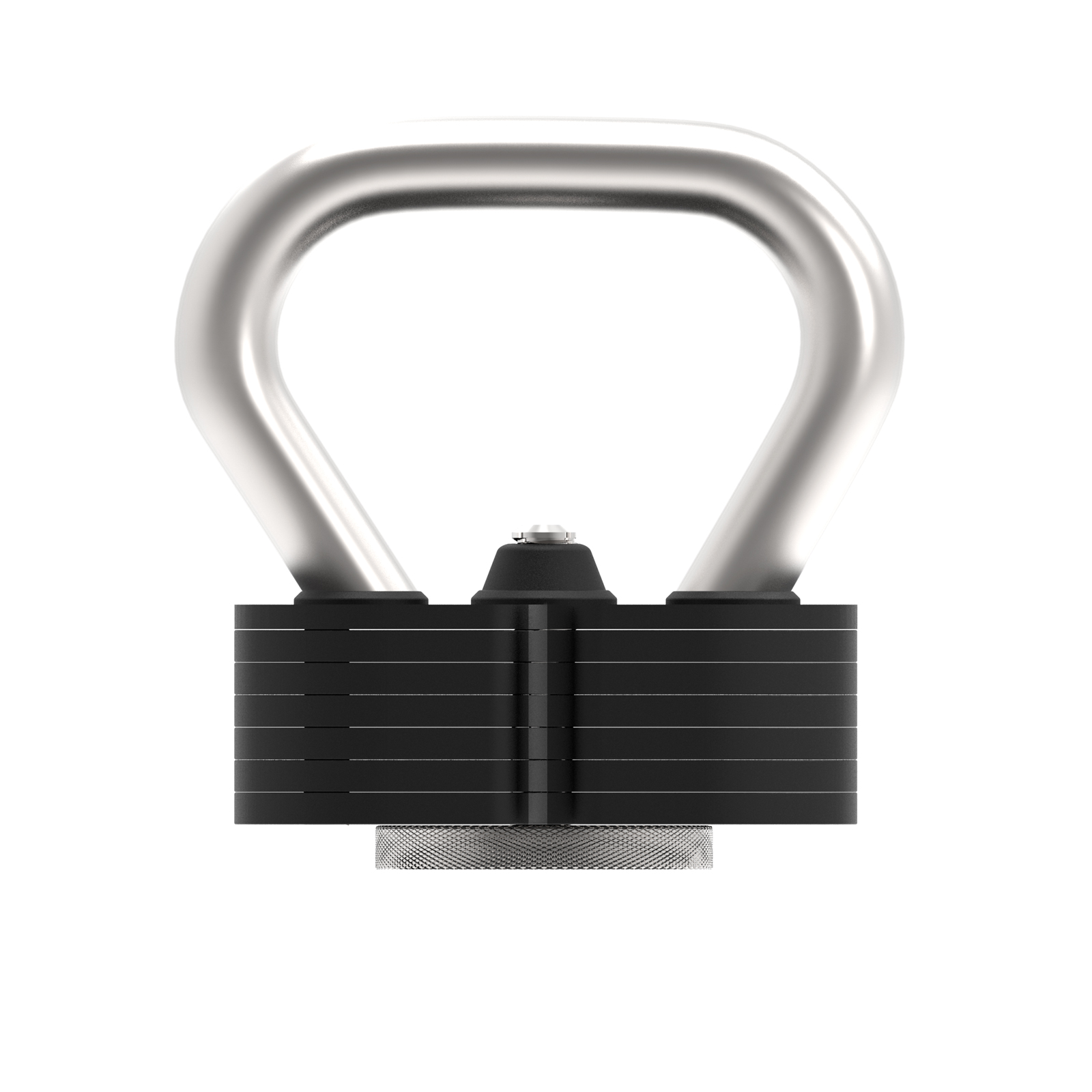
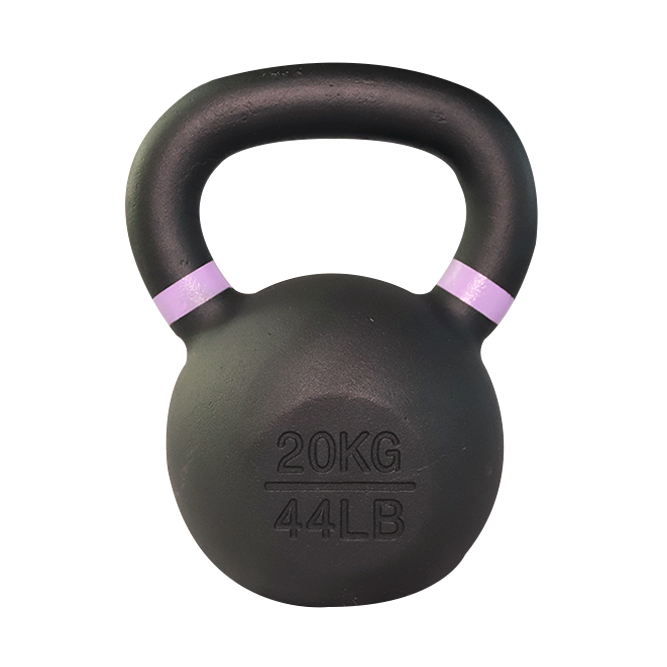
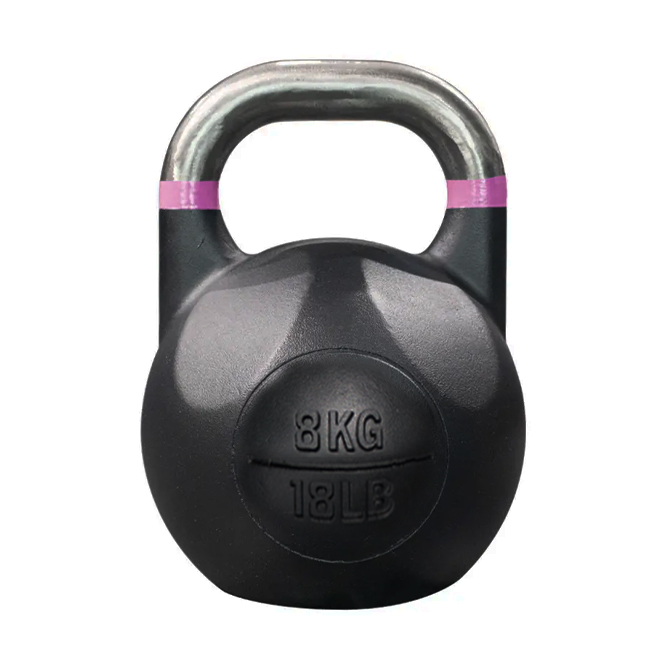
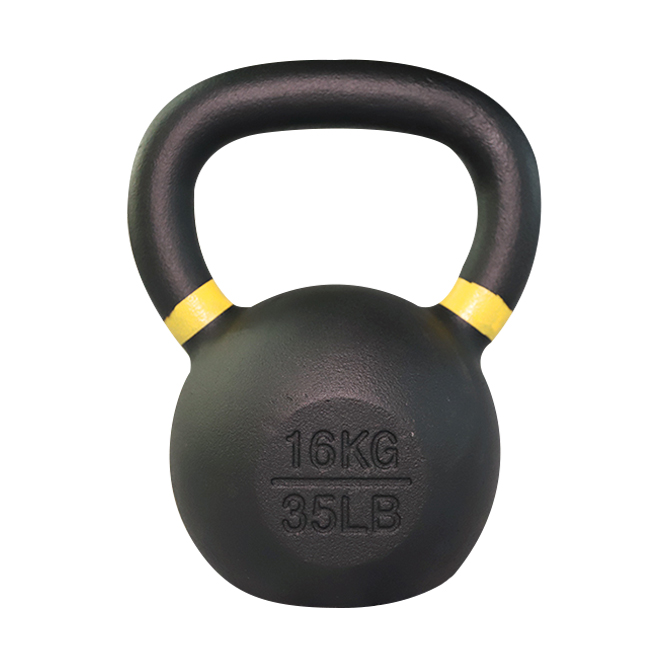
Bell of Steel Adjustable Kettlebell | Optimizing Gym Floor
Long-Term Value and Lifecycle Economics of Adjustable Weight Systems
Procurement managers evaluating the transition from fixed cast iron to the bell of steel adjustable kettlebell must weigh initial unit costs against long-term facility scalability. A successful acquisition strategy requires verifying structural durability under high-frequency use, ensuring weight increment precision, and calculating the reduction in logistical overhead during future inventory restocks. Instead of managing a massive inventory of individual SKUs, buyers can leverage a single high-quality system to serve multiple training modalities.
Optimizing Capital Expenditure vs. Operational Expenditure
For boutique studios and high-end training centers, the primary economic advantage lies in the optimized boutique fitness equipment layout. A traditional set of fixed kettlebells requires significant floor real estate and a high volume of storage racks, which increases the physical footprint and complicates studio flow. By implementing a variable weight kettlebell utility model, facilities can consolidate dozens of weight increments into a few compact units. This shift fundamentally alters the relationship between capital expenditure (CapEx) and operational expenditure (OpEx). While the upfront CapEx for premium adjustable steel systems is higher per unit, the long-term OpEx is drastically reduced because the facility avoids the constant need to purchase, ship, and store new weight increments as client strength levels progress.
| Procurement Factor | Fixed Weight Sets | Adjustable Steel Systems |
|---|---|---|
| Initial CapEx | Lower per unit | Higher per unit |
| Floor Space Utility | High footprint requirement | Minimal/Compact |
| Inventory Complexity | High (many SKUs) | Low (versatile system) |
| Long-term ROI | Diminishing as weights outgrow | Consistent through progression |
Distributors and facility owners should view the bell of steel adjustable kettlebell as a long-term asset rather than a single-use tool. The ability to rapidly transition between weights during high-intensity interval training (HIIT) or group classes maximizes the utility of every square foot of rentable space, providing a much higher return on investment over the product's lifecycle.
Analyzing Replacement Frequency and Procurement Volume
When planning bulk orders, buyers must consider the replacement frequency of standard equipment versus the longevity of high-grade steel components. Traditional fixed sets often suffer from uneven wear or surface oxidation, requiring frequent replacement as client demographics shift toward heavier loads. Conversely, a premium adjustable system offers superior durability, effectively future-proofing the facility's inventory against changing fitness trends.
From a logistics standpoint, the procurement volume (MOQ) considerations for adjustable systems are often more efficient. Rather than managing the complex shipping and warehousing of multiple heavy weight increments, distributors can focus on a streamlined selection of high-quality units. This simplifies the supply chain and reduces the overhead associated with shipping large volumes of disparate steel weights, ultimately stabilizing the total cost of ownership for professional fitness operators.
Assessing Durability and Maintenance Cycles
A critical factor for distributors is the distinction between consumer-grade gear and true commercial-grade durability. High-traffic environments subject equipment to constant impact and mechanical stress, which can accelerate wear and tear on adjustment mechanisms. When sourcing versatile strength training tools, the focus must shift from the initial purchase price to the total lifecycle value of the unit.
Premium adjustable systems are engineered to withstand rigorous maintenance cycles without losing weight precision or structural integrity. While standard steel components may require periodic inspection, high-quality adjustable mechanisms are designed to mitigate the risks of mechanical failure during heavy-duty usage. For procurement managers, investing in equipment that requires minimal intervention ensures that the facility remains operational without the unexpected costs of frequent equipment replacement or downtime due to broken weight-adjustment components.
Maximizing Boutique Studio Footprint with Variable Weight Kettlebell Utility
Boutique fitness environments often face the challenge of high-density programming within limited square footage. Utilizing the Bell of Steel adjustable kettlebell allows operators to transition from high-intensity interval training (HIIT) to strength-focused sessions without the logistical burden of heavy, stationary equipment racks.
Optimizing Boutique Fitness Equipment Layout
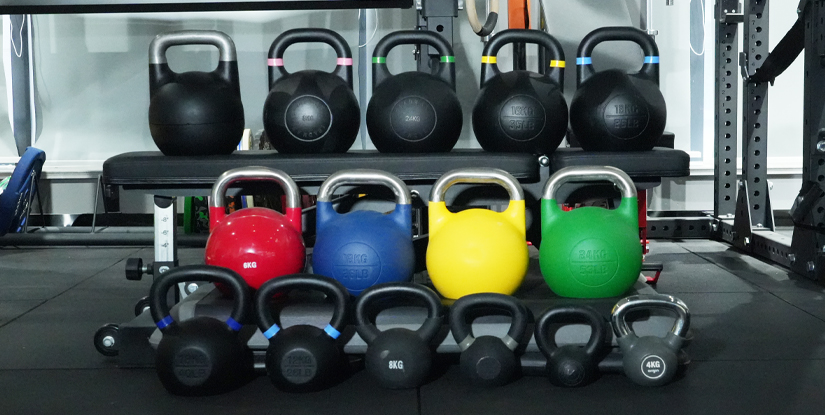
Traditional fixed kettlebell sets demand significant floor real estate, often cluttering movement paths and restricting instructor visibility. By implementing a more streamlined boutique fitness equipment layout, studios can reclaim valuable floor space. Replacing dozens of individual cast-iron bells with a single high-quality adjustable unit significantly enhances footprint optimization. This shift allows for more versatile training stations and improved circulation during high-occupancy group classes.
| Equipment Type | Space Requirement | Programming Flexibility | Storage Complexity |
|---|---|---|---|
| Standard Fixed Sets | High (Requires large racks) | Limited to specific weights | Complex; bulky footprint |
| Adjustable Systems | Low (Single unit per user) | High (Rapid weight transitions) | Minimal; easily stowed |
For distributors and facility managers, replacing traditional fixed kettlebell sets with adjustable technology reduces the long-term overhead associated with inventory management and physical storage, providing a more agile solution for modern, high-end studio environments.
Evaluating Space-to-Utility Ratios
When sourcing for high-density facilities, procurement managers must weigh the immediate cost of a single unit against the total volume of a full set. While fixed bells offer individual durability, the cumulative storage footprint often dictates the actual capacity of a studio. The following comparison highlights how variable weight kettlebell utility shifts the efficiency of your inventory layout.
| Metric | Fixed Kettlebell Sets | Adjustable Kettlebell Systems |
|---|---|---|
| Storage Footprint | Extensive (Requires multi-tier racks) | Minimal (Single unit/compact area) |
| Weight Range Coverage | Discrete increments only | Broad, seamless weight transitions |
| Versatility | Single-purpose weight stations | Versatile strength training tools |
| Logistics/MOQ | High volume/High shipping weight | Streamlined/Lower bulk density |
For wholesale buyers, selecting a bell of steel adjustable kettlebell model allows for a more scalable inventory strategy. Instead of managing hundreds of individual SKUs and heavy shipping manifests, distributors can provide high-value, space-saving solutions that cater to the rapid turnover needs of boutique studios.
In high-rent urban environments, every square meter of usable floor space directly impacts the facility's revenue-generating potential. For facility managers, the procurement decision is rarely just about the price per unit; it is about the long-term facility utility and the reduction of friction during rapid class transitions. Relying on traditional, bulky kettlebell racks often creates dead zones in a studio layout, whereas integrating versatile strength training tools allows for a more fluid, multi-purpose floor plan. By prioritizing adjustable technology, operators can effectively navigate high-rent studio constraints, ensuring that equipment density does not come at the expense of member movement or instructor coaching space.
Operational Efficiency in High-Traffic Settings
In boutique fitness environments, the speed of equipment transitions directly dictates class throughput and revenue potential. Utilizing a bell of steel adjustable kettlebell allows instructors to pivot between strength and conditioning drills without the logistical bottleneck of moving multiple heavy iron implements. This variable weight kettlebell utility minimizes downtime, ensuring that class schedules remain tight and high-intensity intervals are not interrupted by manual weight swapping.
For distributors and facility managers, the boutique fitness equipment layout must account for high-frequency usage. Unlike static cast iron, adjustable systems require a standardized maintenance protocol to ensure mechanical longevity. We recommend a quarterly inspection of the weight-locking mechanisms and handle surfaces to prevent debris buildup, maintaining both transition speed and user safety during rapid-fire programming shifts.
Calculating Total Cost of Ownership: Mechanical vs. Plate-Loading
When sourcing for high-volume studios, procurement managers must look beyond the initial unit price to the long-term maintenance requirements. The complexity of the weight-adjustment mechanism is a primary driver of the Total Cost of Ownership (TCO). While plate-loading systems offer extreme durability, precision mechanical adjustment systems provide superior speed for group settings, provided they are managed with a strict inspection cycle.
| Mechanism Type | Maintenance Complexity | Typical Inspection Frequency | Wear and Tear Profile | Lubrication Needs |
|---|---|---|---|---|
| Mechanical/Dial-Based | Moderate | Quarterly | Internal gear/spring fatigue | Minimal (Dry silicone) |
| Plate-Loading | Low | Bi-Annually | External pin/collar wear | Rarely required |
| Pin-Selection | Low | Monthly | Handle/Pin friction | Occasional (Dry lube) |
For distributors, selecting a bell of steel adjustable kettlebell with a robust, enclosed mechanical system reduces the risk of component failure in humid or high-use environments. While mechanical systems may require periodic specialized cleaning to remove debris from adjustment tracks, the gain in versatile strength training tools efficiency often outweighs the slight increase in technical oversight compared to traditional loading methods.
Preserving Asset Value Through Proper Upkeep
To ensure long-term commercial gym longevity, facility managers must implement strict storage protocols that protect the internal mechanisms of adjustable systems. Unlike traditional cast iron, an adjustable bell of steel requires specific environmental considerations to prevent the degradation of moving parts. We advise storing units in climate-controlled areas whenever possible to mitigate the effects of extreme temperature fluctuations on internal spring tension and metal expansion.
A routine inspection should focus on three critical touchpoints: weight plate stability, handle coating integrity, and the locking mechanism's responsiveness. For high-volume boutique studios, a monthly check for loose internal components or micro-cracks in the surface coating is standard practice. This proactive approach protects the surface coating integrity against oxidation and ensures that the weight adjustment remains fluid, preventing the friction-related wear that often complicates the lifecycle of premium adjustable strength training tools.

Sourcing High-Performance Versatile Strength Training Tools for Wholesale
Procurement specialists must prioritize structural integrity when sourcing a bell of steel adjustable kettlebell for professional environments. Unlike standard consumer models, commercial-grade construction is non-negotiable to withstand the mechanical stress of frequent weight transitions and the rigors of high-intensity functional training sessions.
Durability Standards for High-Traffic Boutique Studios
In high-traffic boutique studios, equipment undergoes constant movement, meaning the locking mechanisms and weight plates must resist vibration and impact. A high-quality bell of steel adjustable kettlebell ensures that the internal components remain secure during explosive movements, reducing the risk of mechanical failure. Optimizing variable weight kettlebell utility requires more than just a range of weights; it demands a chassis capable of enduring years of heavy use without losing calibration. For distributors and facility managers, investing in robust builds reduces long-term maintenance costs and protects the total cost of ownership (TCO) by extending the replacement cycle of the inventory.
Evaluating the exterior finish is a critical step in calculating long-term depreciation. The method used to treat the steel affects how the unit reacts to sweat, humidity, and physical impact during high-volume turnover. Selecting the wrong coating can lead to premature oxidation or peeling, which undermines the professional aesthetic of a premium facility.
Technical Comparison of Material Finishes and TCO
| Finish Type | Impact Resistance | Maintenance Frequency | Durability Rating |
|---|---|---|---|
| Industrial Powder Coating | High | Low (Monthly Wipe) | Excellent |
| Cast Iron / Raw Steel | Very High | High (Oil/Rust Prevention) | Moderate |
| Standard Paint | Moderate | Moderate (Seasonal) | Low |
For wholesale buyers, powder-coated options typically offer the best ROI. While the initial unit cost may be slightly higher, the resilience of the coating significantly lowers the labor costs associated with upkeep. When designing a boutique fitness equipment layout, choosing surfaces that resist corrosion ensures the inventory retains its value and appearance even in high-humidity training environments.
Logistics and Quality Control Protocols for Large-Scale Orders
When managing bulk procurement, the complexity shifts from individual unit quality to systemic reliability. For distributors sourcing versatile strength training tools, relying solely on factory declarations is insufficient. A rigorous QC protocol must include specific inspection points: first, testing the locking mechanism through repeated, high-speed weight adjustments to ensure no slippage occurs; second, verifying weight stability and center-of-gravity alignment to prevent uneven oscillation during use. Failure to audit these mechanical tolerances can lead to high return rates and damaged reputations in the retail market.
Logistical efficiency is equally vital for maintaining healthy margins. Buyers should negotiate MOQ considerations that balance inventory depth with shipping weight optimization. Because adjustable steel units are dense, even slight increases in packaging volume can disproportionately raise freight costs. We recommend requesting optimized master carton dimensions that maximize container utilization while protecting the internal locking components from transit vibration. Efficiently engineered packaging not only lowers landed costs but also ensures that the first unit unboxed by the end-user maintains its precision and professional finish.
Logistics and Inventory Management for High-Density Equipment Sets
Transitioning from traditional iron sets to the bell of steel adjustable kettlebell model significantly alters the footprint of a commercial gym setting. Instead of managing dozens of individual SKUs, procurement managers can consolidate diverse weight increments into a streamlined, compact inventory that enhances floor utility.
Evaluating Footprint and Inventory Efficiency
When planning a facility layout, procurement teams must weigh the immediate cost of single-weight units against the long-term logistical advantages of versatile strength training tools. The following comparison illustrates how shifting to an adjustable system impacts your spatial overhead and SKU management.
| Metric | Fixed Kettlebell Sets | Bell of Steel Adjustable Kettlebell |
|---|---|---|
| Estimated Footprint (sq ft) | High (Requires multi-tier racks) | Low (Single compact station) |
| SKU Complexity | High (Individual weight tracking) | Minimal (Single product SKU) |
| Storage Complexity | Moderate (Bulky, multiple units) | Low (Streamlined verticality) |
| Weight Increment Variety | Fixed (Limited to set increments) | High (Seamless transitions) |
| Shipping Volume/CBM | High (Large volume per order) | Optimized (Dense packaging) |
From a sourcing perspective, the adjustable configuration reduces the logistical burden of importing large, high-volume shipments of disparate weights. For distributors, this means lower shipping costs per functional weight range and a more efficient use of warehouse space during transit and storage.
Sourcing Logistics and Quality Assurance Standards
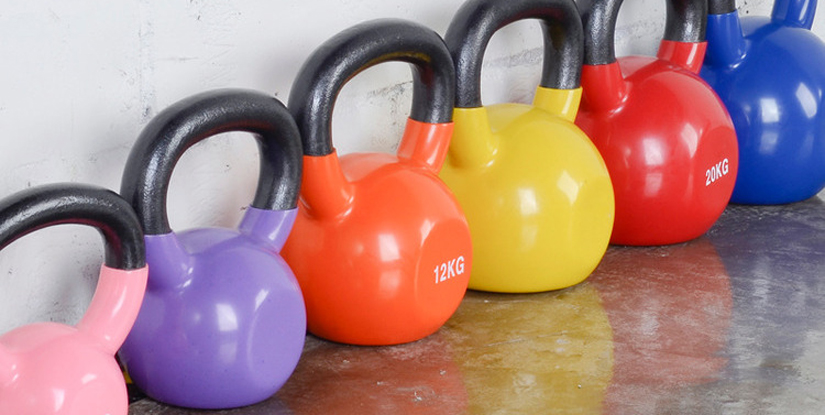
Scaling your inventory via wholesale procurement requires a focus on shipping density and weight-to-volume ratio to protect margins. Unlike standard iron kettlebells that occupy massive volumetric space, high-quality adjustable models allow for tighter container loading. This optimization directly lowers the landed cost per unit for international distributors.
To mitigate risk during high-density orders, ensure your supplier adheres to rigorous QC standards regarding mechanism integrity and coating durability. Reliable distributor logistics depend on receiving units that arrive without mechanical fatigue or surface degradation. When negotiating MOQ, prioritize vendors who provide detailed material certifications and stress-test reports for the internal weight-adjustment components to ensure long-term operational reliability in high-traffic commercial environments.
Evaluating Component Compatibility and Attachment Integrity
For commercial buyers, the longevity of a variable weight system depends entirely on the mechanical interface between the weight plates and the handle. A high-quality bell of steel adjustable kettlebell must maintain strict structural integrity to ensure user safety during rapid transitions between resistance levels.
In high-traffic commercial gym settings, equipment undergoes constant mechanical wear from repetitive loading and unloading. If the internal locking mechanisms or the weight-selection components are not engineered for high-frequency use, the device will quickly become a maintenance liability. When sourcing for boutique studios or large-scale fitness franchises, procurement managers should prioritize units where the housing and internal tracks are built to withstand the friction of daily weight adjustments without losing precision or stability.
Mechanical Locking Comparison for High-Volume Use
Selecting the right mechanism is a trade-off between speed of adjustment and long-term mechanical stability. While some entry-level models prioritize rapid changes, commercial-grade equipment requires a focus on component compatibility and wear resistance to ensure consistent variable weight kettlebell utility across hundreds of training sessions.
| Mechanism Type | Durability Profile | Maintenance Frequency | Component Compatibility |
|---|---|---|---|
| Screw-in / Threaded | High; excellent stability | Low; periodic inspection | Standardized plates only |
| Pin-lock / Spring-loaded | Moderate; high speed | Medium; lubrication required | Proprietary weight sets |
| Selector Dial / Dial-lock | High; precision focus | Low; minimal moving parts | Integrated internal weights |
From a procurement standpoint, pin-lock systems offer superior speed for group fitness, but may require more frequent quality control checks regarding spring tension. Conversely, threaded systems provide the highest level of reliability for heavy strength training, making them a safer long-term investment for distributors focusing on durability-driven boutique fitness equipment layout.
Operational Inspection Checklist for Facility Managers
To prevent floor-side failures, procurement teams must implement a standardized inspection checklist tailored to high-use environments. Beyond surface aesthetics, the focus should be on identifying signs of component fatigue within the internal weight-shifting tracks and locking pins. Regular audits ensure that the bell of steel adjustable kettlebell remains a reliable asset rather than a liability in your boutique fitness equipment layout.
When evaluating shipments or conducting monthly onsite maintenance, scrutinize the following technical indicators:
- Mechanical Tolerance: Ensure weight plates do not rattle or shift during lateral movements, which indicates loosening internal housings.
- Friction Levels: Check if the adjustment mechanism feels smooth; resistance or grinding often signals early component fatigue or debris in the tracks.
- Handle Integrity: Inspect the connection point between the handle and the weight housing for any micro-cracks or signs of stress from repetitive loading.
- Locking Precision: Verify that every weight increment engages fully and stays seated without manual intervention.
Investing in these versatile strength training tools requires a proactive stance on quality control. By identifying these wear patterns early, distributors and facility managers can extend the lifecycle of their inventory and maintain high safety standards for their clients.