Sourcing Adjustable Dumbbell Kettlebell Sets for Retail
Optimizing Floor Layouts with Versatile Weight Solutions
Boutique fitness studios and high-end hotel gyms often face the dilemma of limited square footage versus the need for diverse strength training options. An adjustable dumbbell kettlebell set solves this by consolidating multiple weight increments into a single unit, allowing operators to maximize their usable area without sacrificing training variety.
Footprint Reduction and Efficiency
For distributors and facility managers, prioritizing space-efficient strength training equipment is a strategic move to increase the revenue potential per square foot. Traditional fixed weight racks require extensive linear floor space and multiple storage stations, whereas a compact adjustable system enables significant footprint reduction. By transitioning from bulky, static iron sets to streamlined adjustable dumbbell kettlebell sets, a commercial gym layout can accommodate more functional zones—such as HIIT areas or mobility stations—within the same physical boundaries.
When presenting inventory value to clients, demonstrating the physical economy of scale is essential. A single high-quality adjustable unit can replace a massive multi-tier rack, fundamentally altering how a facility manages its floor plan and equipment turnover.
Comparative Footprint Analysis: Fixed vs. Adjustable Systems
| Feature Metric | Traditional Fixed Weight Sets | Adjustable Dumbbell Kettlebell Set |
|---|---|---|
| Storage Footprint | Extensive; requires multiple tiered racks | Minimal; single compact station |
| Floor Space Requirement | High (Linear feet per weight increment) | Low (Consolidated footprint) |
| Weight Increments | Limited by physical SKU count | High (Single unit covers multiple ranges) |
| Layout Versatility | Rigid; dictates permanent zones | Dynamic; easily reconfigured for HIIT |
Distributors should emphasize that while fixed sets are durable, the high density of an adjustable dumbbell kettlebell set allows clients to offer a "full gym experience" in boutique environments where every square meter counts. This versatility makes it a premium addition to any fitness equipment distribution portfolio aimed at urban commercial clients.
Tailoring your fitness equipment distribution strategy requires matching product utility to the specific environment of the end-user. While high-traffic commercial gyms may still rely on heavy-duty static iron for standard lifting, boutique studios and urban wellness centers demand high inventory versatility to maintain a premium, functional atmosphere within confined dimensions.
When sourcing, prioritize sets that offer high inventory turnover through multi-purpose design. A single adjustable dumbbell kettlebell set serves both traditional strength training and functional movement sessions, allowing facility owners to pivot their programming without investing in dozens of separate SKUs. This adaptability is a primary selling point for distributors targeting niche markets where floor utility is the highest priority.
Prioritizing Mechanical Durability in High-Traffic Environments
For distributors and facility managers, the primary risk with an adjustable dumbbell kettlebell set lies in the failure of moving parts. Unlike fixed iron weights, these units rely on complex internal systems that must withstand constant friction and user error during rapid weight transitions.
When sourcing commercial weight sets wholesale, the focus must shift from aesthetic finish to the resilience of the adjustment mechanism wear resistance. In high-traffic environments, such as boutique strength studios or commercial gyms, the selector pins, sliding rails, or dial systems are subject to heavy mechanical stress. If the mechanical durability of these components is insufficient, the resulting product failure leads to high return rates and diminished brand trust. Quality control during the manufacturing phase is essential to ensure that the selector components can endure thousands of cycles without losing precision or structural alignment.
Material Composition and Structural Reliability
Distributors must differentiate between premium steel constructions and lower-cost composite alternatives to match specific client tiers. While plastic-encased sets are suitable for residential or light home-use lines, commercial-grade fitness equipment distribution requires materials that can withstand high-impact drops and heavy-duty usage cycles without cracking or losing structural integrity.
| Feature | Steel-Core Construction | Plastic/Composite Construction |
|---|---|---|
| Locking Reliability | High; precision-machined pins/dials | Moderate; prone to wear/friction |
| Impact Resistance | Exceptional; designed for heavy drops | Limited; susceptible to casing cracks |
| Maintenance Needs | Low; occasional lubrication required | Moderate; potential for component fatigue |
| Target Market | Commercial gyms & Strength studios | Home gyms & Boutique studios |
Selecting the right adjustable strength training inventory depends on the target facility's longevity requirements. For full-scale commercial gym contracts, steel-based mechanisms offer a lower total cost of ownership (TCO) due to their superior resistance to mechanical fatigue and impact, despite a higher initial unit cost.
Rigorous Verification: QC Protocols and Stress Testing
To mitigate long-term liability, distributors must demand specific factory testing data beyond simple visual inspections. Effective quality control (QC) protocols should include mandatory load-bearing testing to ensure the internal chassis can sustain maximum weight capacities without structural deformation. Furthermore, verifying cycle testing results—such as the ability to perform 5,000+ weight transitions without mechanism drift—is a non-negotiable requirement for high-end fitness equipment distribution. Implementing these strict validation steps serves as a vital distributor risk mitigation strategy, protecting your margins from the high costs of shipping defective units back to the source.
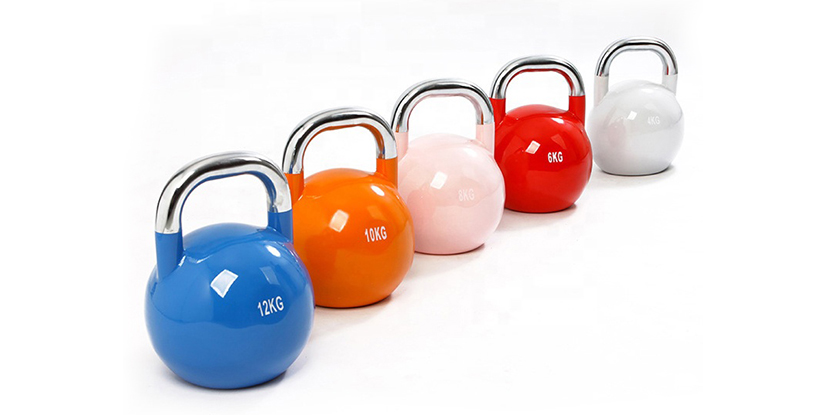
Comparing Fixed vs. Adjustable Inventory Models
Distributors must decide between the high-volume stability of traditional iron weights and the high-margin versatility of an adjustable dumbbell kettlebell set. This decision dictates your warehouse footprint and the speed at which capital rotates through your supply chain.
| Metric | Fixed Weight Sets | Adjustable Systems |
|---|---|---|
| Space-to-value ratio | Low (high volume/footprint) | High (compact storage) |
| Capital tie-up | High (multiple SKUs required) | Moderate (fewer, premium units) |
| Inventory Complexity | High (extensive SKU management) | Low (unified product lines) |
| Margin Potential | Standard/Competitive | Premium/Niche |
When sourcing commercial weight sets wholesale, the primary trade-off involves balancing ease of replenishment against specialized utility. While fixed sets offer predictable turnover in budget-conscious gyms, the adjustable dumbbell kettlebell set model optimizes fitness equipment distribution by reducing the number of individual units a distributor must track, effectively lowering long-term warehousing overhead.
Evaluating Long-Term Maintenance and Turnover
Beyond the initial purchase order, the true ROI of an adjustable strength training inventory is realized through the reduction of recurring maintenance and logistical friction. Fixed weights are virtually indestructible but demand significant physical floor space, whereas modular systems require more rigorous quality control during the sourcing phase to ensure mechanical longevity.
For distributors targeting boutique studios or high-end home gym segments, the turnover rate of premium adjustable units often outpaces the slow-moving, heavy-SKU cycles of traditional iron sets. The following breakdown highlights the operational impact of these two distinct inventory models:
| Operational Factor | Traditional Fixed Sets | Adjustable Systems |
|---|---|---|
| Footprint Requirement | Large (extensive racking needed) | Minimal (compact footprint) |
| Maintenance Profile | Low (surface inspections only) | Moderate (mechanical check-ups) |
| SKU Proliferation | High (each weight is a new SKU) | Low (one unit covers multiple weights) |
| Turnover Velocity | Slow (volume-dependent) | Fast (versatility-driven) |
A strategic advantage for a distributor lies in the ability to offer high-value, low-volume solutions that solve space constraints for end-users. While fixed weights provide a reliable baseline, integrating an adjustable dumbbell kettlebell set into your catalog addresses the growing demand for multi-functional, space-efficient fitness tools, ultimately driving higher margins per cubic meter of warehouse space.
Strategic Segment Alignment
Your final procurement decision should hinge on the specific end-user profile. Boutique studios prioritize the space-saving efficiency of high-end modular systems to maximize membership density, whereas large-scale commercial gyms often require a hybrid approach. For distributors, maintaining a scalable adjustable strength training inventory allows for rapid pivots between these segments, ensuring you can meet the diverse demands of both specialized boutique clients and high-volume commercial facilities.
Optimizing TCO via Maintenance Standards
Distributors must account for long-term operational costs when calculating the margin for an adjustable dumbbell kettlebell set. High-turnover commercial environments accelerate mechanical wear, making the initial purchase price secondary to the total cost of ownership (TCO). Reliable inventory requires components that withstand frequent weight transitions without losing structural integrity.
To protect your reputation and minimize replacement cycles, prioritize sets that address three critical maintenance pillars:
- Mechanical Wear: Ensure selection of high-grade polymer or metal selector pins that resist fatigue during rapid adjustments.
- Lubrication Requirements: Opt for systems with sealed or low-maintenance tracks to prevent debris buildup and friction-induced stalling.
- Weight Plate Stability: Verify that the internal locking mechanisms maintain constant pressure, preventing rattle or plate shifting during high-intensity movement.
Investing in commercial durability reduces the frequency of warranty claims and keeps your adjustable strength training inventory functional for longer service lives.
Material Durability and Coating Comparison
Material selection directly impacts the lifecycle of your adjustable dumbbell kettlebell set. Procurement managers must weigh the aesthetics and texture of a product against its susceptibility to environmental degradation and physical abrasion. Choosing the wrong coating can lead to premature peeling or oxidation, increasing the frequency of replacement requests from end-users.
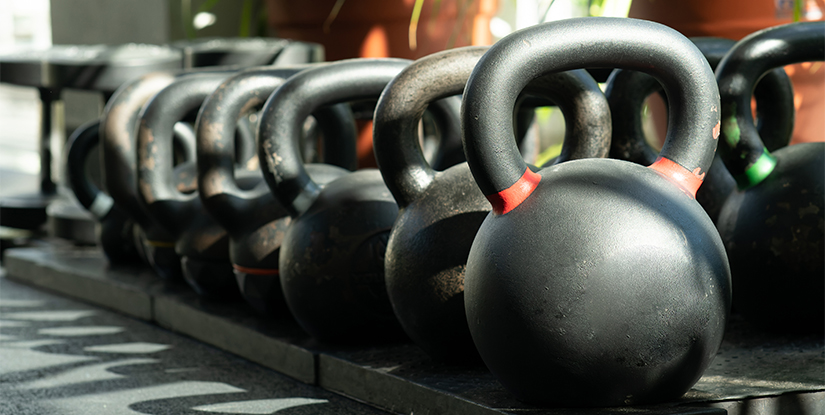
| Coating Type | Wear Resistance | Maintenance Frequency | Long-term Durability |
|---|---|---|---|
| Neoprene | Moderate (prone to tearing) | Medium (surface cleaning) | Low to Medium |
| Cast Iron | High (impact resistant) | Low (occasional oiling) | High |
| Powder-Coated Steel | Very High (scratch resistant) | Very Low (wipe down) | Very High |
While neoprene provides a premium grip, it often suffers from surface degradation in high-traffic commercial settings. Conversely, steel-based configurations offer superior longevity for large-scale fitness equipment distribution, as they withstand harsh handling and chemical cleaners more effectively than soft-shell alternatives.
Rigorous Quality Control for Import Readiness
To prevent high return rates in fitness equipment distribution, inspection protocols must go beyond visual aesthetics. Effective QC focuses on the functional precision of the adjustable dumbbell kettlebell set before it leaves the factory. Verify that the adjustment mechanism remains smooth under load and that weight increment accuracy stays within a strict tolerance range. Additionally, inspect for rust prevention on all exposed metal surfaces and ensure the product utilizes logistics-ready packaging to prevent transit damage, protecting your profit margins.
Balancing SKU Complexity and Capital Allocation
Sourcing an adjustable dumbbell kettlebell set involves a significant trade-off between offering versatile weight increments and maintaining lean inventory. For distributors, the primary challenge lies in the MOQ requirements for specific weight configurations. High-volume orders for popular weight ranges can optimize unit costs, yet over-investing in niche increments often leads to excessive capital tie-up.
When managing commercial weight sets wholesale, the number of unique SKUs directly affects your inventory turnover. A fragmented product line increases warehousing complexity and slows down stock rotation. To maintain healthy margins, distributors should prioritize high-demand weight increments that ensure rapid movement through the supply chain rather than stocking every possible configuration.
To optimize your procurement strategy, evaluate whether your distribution model favors high-volume single-model orders or a diverse product assortment. The following comparison highlights how different configurations impact your operational overhead and freight efficiency.
| Sourcing Configuration | Logistics Complexity | Storage Footprint | Unit Cost vs. Variety |
|---|---|---|---|
| Single SKU (Unified Set) | Low: Standardized packaging and palletization. | Minimal: Compact, uniform stacking capability. | Lower per-unit cost; limited market appeal. |
| Multi-Weight Modular Sets | High: Requires managing disparate parts and weight increments. | Variable: Depends on component fragmentation. | Higher per-unit cost; high retail versatility. |
| Mixed Inventory (Hybrid) | Moderate: Balanced mix of core and niche weights. | Moderate: Optimized for high-turnover stock. | Optimized margin potential across buyer segments. |
Distributors focusing on fitness equipment distribution often find that a hybrid approach yields the best ROI. By securing a high MOQ on core weight increments while maintaining lower volumes for specialty ranges, you can mitigate the risks associated with adjustable strength training inventory management and shipping weight fluctuations.
Optimizing Shipping Volume and Quality Assurance
Efficient fitness equipment distribution requires meticulous planning regarding shipping volume and weight-to-dimension ratios. Because these sets often involve heavy steel components and complex mechanical parts, shipping costs can fluctuate significantly based on pallet density. To protect your margins, implement strict warehouse optimization protocols, ensuring that high-density packaging is used to minimize air gaps during transit.
Furthermore, a robust quality control (QC) framework is non-negotiable when sourcing adjustable strength training inventory. Unlike static weights, adjustable mechanisms are prone to mechanical failure if assembly tolerances are loose. We recommend conducting pre-shipment inspections that specifically test the weight-switching mechanism and surface coating durability. This proactive approach reduces the high cost of returns and ensures that the adjustable dumbbell kettlebell set arrives in a retail-ready state, maintaining your reputation with end-users.
Quality Control Benchmarks for Adjustable Strength Training Inventory
When sourcing an adjustable dumbbell kettlebell set for high-traffic environments, durability is not a luxury but a prerequisite for maintaining low total cost of ownership. Distributors must verify that mechanical components can withstand the rigors of daily use without compromising safety or precision.
Assessing Mechanical Integrity and Wear Resistance
For commercial weight sets wholesale, the primary failure point is often the adjustment mechanism. High-frequency use in boutique studios or commercial gyms subjects moving parts to constant mechanical wear, which can lead to loose weight pins or jammed selectors. A reliable adjustable dumbbell kettlebell set must feature reinforced locking systems and high-grade polymers or metals that resist friction-induced degradation. Without strict structural integrity standards, the unit may suffer from weight shifts during movement, creating significant liability for the end-user and increasing replacement frequency for the distributor.
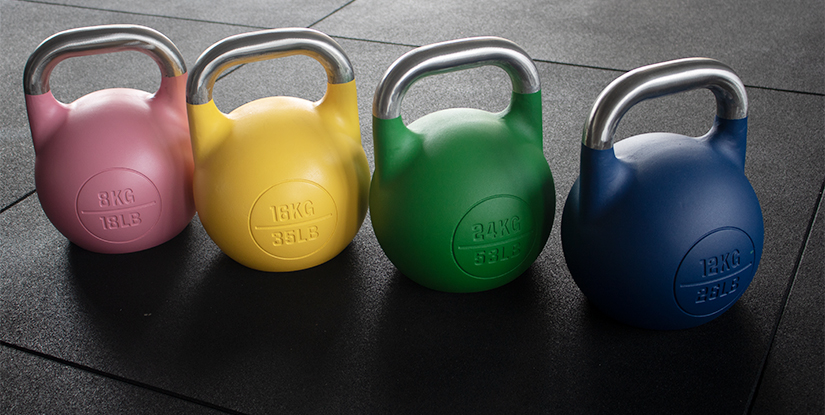
Selecting between different tiers of adjustable strength training inventory requires a nuanced understanding of how various adjustment architectures impact long-term product viability. While premium mechanical systems offer higher margins, they also demand stricter quality control standards to prevent common failure modes seen in lower-tier imports.
Mechanism Type and Durability Comparison
Distributors should evaluate the trade-offs between speed of adjustment and mechanical longevity. For example, while dial-based systems are popular for retail convenience, selector pin and plate-loading configurations often provide greater structural stability in high-volume commercial settings.
| Mechanism Type | Coating Durability | Weight Stability | Maintenance Frequency |
|---|---|---|---|
| Selector Pin | High (Metal/Polymer) | Excellent | Low |
| Dial/Rotation | Moderate (Plastic focus) | Good | Moderate |
| Plate-Loading | Very High (Steel/Rubber) | Superior | Minimal |
When vetting factory capabilities, ensure the manufacturer specifies the grade of coating used to prevent oxidation and the metallurgical standards for the internal locking gears. Choosing a more robust mechanism can reduce returns and enhance your reputation as a reliable fitness equipment distribution partner.
Critical Inspection Points for Adjustment Mechanisms
To minimize return rates, perform deep-dive inspections on the moving parts of each ADKS unit. Verify that the manufacturer conducts rigorous load-bearing testing to ensure the mechanism remains stable under maximum capacity. Pay close attention to component friction; smooth, consistent movement without grinding indicates high-quality tolerances. Additionally, confirm high moisture resistance for all internal gears and pins to prevent rust in humid gym environments. Establishing these strict quality control benchmarks protects your fitness equipment distribution margins by reducing defective shipments and long-term warranty claims.
Maximizing Profit Margins via Inventory Versatility
Distributors focusing on high-margin sectors must recognize that an adjustable dumbbell kettlebell set serves more than a single training function; it acts as a multi-purpose asset. By offering equipment that transitions between strength and metabolic conditioning, you cater to the rapid turnover of trends in modern fitness environments.
Space Efficiency and High-Velocity Sales
The primary ROI driver for professional distributors lies in the space-saving benefits these units provide to end-users. Unlike traditional fixed-weight iron sets that require massive floor footprints and extensive rack systems, adjustable configurations allow boutique studio owners to maximize their usable square footage. For a retail distributor, this translates to higher inventory turnover, as these compact, high-utility sets are easier to stock, ship, and move through diverse channels—from home gym enthusiasts to high-end wellness centers.
When evaluating your procurement strategy, you must weigh the initial unit cost against the long-term total cost of ownership (TCO) and retail appeal. While fixed weights offer simplicity, adjustable systems provide a higher value proposition for space-constrained clients. The following comparison outlines the critical trade-offs between traditional inventory and versatile weight systems.
| Feature/Metric | Fixed Weight Sets | Adjustable Systems |
|---|---|---|
| Floor Footprint | High (Requires extensive rack space) | Minimal (Single compact station) |
| Durability Profile | Extremely High (Solid cast iron/rubber) | Moderate to High (Mechanical components) |
| Retail Margin Potential | Volume-driven (Lower per-unit margin) | Premium-driven (Higher per-unit margin) |
| Maintenance Needs | Very Low (Inspection of coating only) | Low to Moderate (Mechanism checks) |
| Shipping/Logistics | High Volume/Weight (Higher freight costs) | Efficient (Optimized weight-to-utility ratio) |
From a fitness equipment distribution standpoint, the choice depends on your target demographic. Fixed sets are reliable for heavy-duty commercial gyms, but the adjustable dumbbell kettlebell set captures the growing demand in the premium home and boutique studio segments, where versatility and storage efficiency are non-negotiable.
Optimizing Procurement Through MOQ and Quality Control
Sustainable profitability in commercial weight sets wholesale depends on balancing lean inventory with rigorous product standards. When negotiating with manufacturers, MOQ considerations should go beyond simple unit counts; you must evaluate whether the minimum order allows for enough SKU variety to satisfy diverse client needs without overextending your warehouse capacity.
A common pitfall in adjustable strength training inventory procurement is overlooking the mechanical integrity of the adjustment mechanisms. High-quality quality control (QC) protocols are non-negotiable. Ensure your supplier performs stress tests on the locking pins and weight-transition components to prevent high return rates. Furthermore, verify logistics/shipping stability by requesting data on reinforced packaging specifications. Because these sets often involve complex moving parts, ensuring they survive long-haul ocean freight without mechanical misalignment is critical to protecting your margins and maintaining a reliable reputation in the North American market.