Sourcing Adjustable Dumbbells and Kettlebell Sets Guide
Evaluating Lifecycle Costs of Adjustable Weight Systems
Total Cost of Ownership (TCO) represents the complete financial commitment required to acquire and maintain an adjustable dumbbell and kettlebell set over its functional lifespan. For B2B buyers, this includes the initial purchase price, shipping, and the long-term costs associated with mechanical repairs and premature replacement.
Focusing solely on the lowest unit price during bulk adjustable weight procurement often leads to higher operational expenses. High-quality commercial weight sets wholesale are engineered to withstand high-frequency usage in busy facilities, whereas budget options frequently suffer from failing adjustment mechanisms or worn coatings that necessitate early replacement.
TCO Comparison: Premium vs. Budget Sourcing
| Procurement Factor | Premium Commercial Grade | Economy/Entry-Level Grade |
|---|---|---|
| Initial Unit Cost | Higher investment per unit | Lower upfront expenditure |
| Adjustment Durability | High-cycle, precision mechanisms | Basic pins or friction-based systems |
| Maintenance Frequency | Minimal; long intervals | Frequent; higher labor oversight |
| Long-term Value | Extended lifespan; high ROI | Frequent replacement cycles |
When calculating your budget, consider that the durability of the adjustment mechanism is the primary driver of value. A set that remains functional for five years without mechanical failure provides significantly better margins for distributors than a cheaper alternative that requires replacement or extensive maintenance within eighteen months.
System Type Analysis: Durability and Maintenance Cycles
Beyond the grade of materials, the structural design of the weight system dictates how often your facility staff must intervene. Selecting the right configuration depends on whether your business model prioritizes space efficiency, extreme durability, or rapid weight transitions.
Distributors and facility managers should evaluate the trade-offs between fixed and modular systems. While traditional kettlebells offer near-infinite durability due to their simple construction, high-end selectorized systems provide superior space savings at the cost of more complex mechanical oversight.
| System Type | Durability Profile | Maintenance Frequency | Replacement Risk |
|---|---|---|---|
| Traditional Kettlebells | Extremely High (Solid Cast) | Low (Visual Inspection) | Minimal (Wear on Coating) |
| Adjustable Dumbbells | Moderate (Mechanical Parts) | Medium (Pin/Dial Check) | Moderate (Moving Parts) |
| Selectorized Systems | High (Precision Engineering) | High (Internal Calibration) | Low (If Premium Grade) |
For high-traffic commercial environments, we recommend a hybrid approach. Utilizing traditional kettlebells for heavy, high-impact training and high-end adjustable dumbbells for functional training zones optimizes both the maintenance budget and the floor layout.
Hidden Variables in Import Logistics and Inventory Management
While unit pricing is the primary metric, sophisticated buyers must account for the secondary costs inherent in fitness equipment import logistics. The physical dimensions and weight density of an adjustable dumbbells and kettlebell set significantly influence the landed cost. Because these products are high-density, shipping volume/weight impact can drastically alter your margins if not calculated via volumetric weight rather than just actual weight.
Effective bulk adjustable weight procurement requires balancing MOQ vs. storage costs. Ordering large volumes to reduce the per-unit price may seem efficient, but it can lead to excessive warehousing expenses or capital tie-up. Furthermore, relying on low-cost manufacturers without rigorous quality control (QC) creates a massive hidden liability. A single faulty adjustment mechanism in a large shipment can trigger expensive returns or, worse, premature replacement cycles that damage your reputation with end-users.
Optimizing Floor Space with High-Density Weight Sets
Efficient floor management is a critical variable in commercial gym layout design. For distributors and facility managers, transitioning from traditional fixed-weight racks to a high-quality adjustable dumbbells and kettlebell set allows for a more versatile training zone. This shift enables a single station to serve multiple strength levels, effectively increasing the utility of every square foot.
Maximizing Footprint via Integrated Solutions
Standardizing your inventory with integrated weight systems offers significant space-saving solutions compared to expansive, multi-tier rack setups. By utilizing high-density storage configurations—such as vertical towers or compact specialized stands—operators can consolidate a wide range of resistance increments into a minimal footprint. This optimization is particularly beneficial for boutique studios or high-traffic commercial gyms where floor real estate directly impacts revenue potential and member flow.
Configuration Comparison for Facility Planning
When evaluating commercial weight sets wholesale options, procurement managers must weigh the trade-offs between accessibility and spatial efficiency. Traditional setups prioritize high-volume availability, whereas integrated adjustable systems focus on footprint reduction and inventory consolidation. The following comparison assists in determining the most cost-effective configuration for your specific facility layout and turnover rates.
| Storage Configuration | Footprint Requirement | User Accessibility | Durability Profile |
|---|---|---|---|
| Traditional Dumbbell Racks | High (Linear/Tiered) | Excellent (Rapid selection) | High (Heavy-duty steel) |
| Integrated Adjustable Sets | Low (Compact/Vertical) | Moderate (Adjustment time) | Variable (Mechanism dependent) |
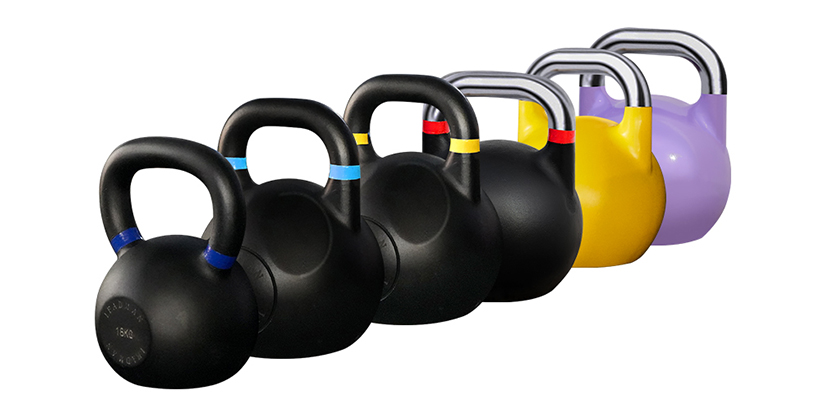
| Kettlebell Stations | Moderate (Tiered/Circular) | High (Easy grip access) | High (Cast iron/Rubberized) |
For distributors managing bulk adjustable weight procurement, selecting the right storage model depends on the end-user's environment. Boutique studios often benefit from the space-saving nature of integrated sets, while high-traffic strength floors may require the rugged durability and rapid-access speed of traditional racking systems to maintain member throughput.
Logistics and Import Efficiency
Successful bulk adjustable weight procurement requires a strategic approach to fitness equipment import logistics, specifically regarding how volume translates to landed costs. Unlike fixed iron weights, adjustable systems often involve complex mechanical components that demand specialized packaging density to prevent damage during transit. To maintain healthy margins, buyers should evaluate the volumetric weight of each unit to ensure shipping volume optimization is maximized within standard container dimensions.
When negotiating MOQ considerations with manufacturers, it is vital to align order quantities with container capacities rather than just unit counts. High-density packaging reduces the risk of "dead air" in shipping containers, which directly lowers the per-unit freight cost. For distributors, prioritizing sets that offer nested or stackable configurations can significantly reduce the total cubic volume, ensuring that the adjustable dumbbells and kettlebell set shipments remain cost-effective from the factory floor to the local warehouse.
Technical Durability Standards for Commercial Selection
When sourcing an adjustable dumbbells and kettlebell set for high-traffic facilities, structural integrity is the primary determinant of long-term ROI. Unlike residential models, commercial-grade equipment must withstand constant mechanical stress and potential impact without compromising the precision of the weight adjustment mechanisms.
Material Integrity and Load-Bearing Capacity
Reliable procurement begins with evaluating the base metallurgy. High-quality sets typically utilize commercial-grade steel to ensure a stable load-bearing capacity across the entire weight range. This is critical because inferior alloys can deform under heavy use, leading to misalignment in the adjustment tracks. For distributors, prioritizing components that resist mechanical wear is essential to minimize replacement cycles and maintenance requests from end-users.
The internal components of an adjustable dumbbells and kettlebell set are subject to high-frequency use, where even minor friction can lead to catastrophic failure if the parts are not engineered for durability. We recommend verifying that the selection mechanism is housed in a reinforced chassis to prevent debris ingress and ensure smooth transitions during rapid weight changes in a busy gym environment.
Coating and Mechanism Specification Comparison
To optimize the Total Cost of Ownership (TCO), buyers must weigh initial procurement costs against long-term maintenance requirements. The durability of an adjustable dumbbells and kettlebell set is largely dictated by the surface coating and the internal adjustment architecture. A higher upfront investment in robust materials often yields better margins for distributors by reducing the frequency of replacement and warranty claims.
| Feature / Type | Neoprene Coating | Rubber/Polyurethane (PU) | Dial-Based Mechanism | Pin-Selector Mechanism |
|---|---|---|---|---|
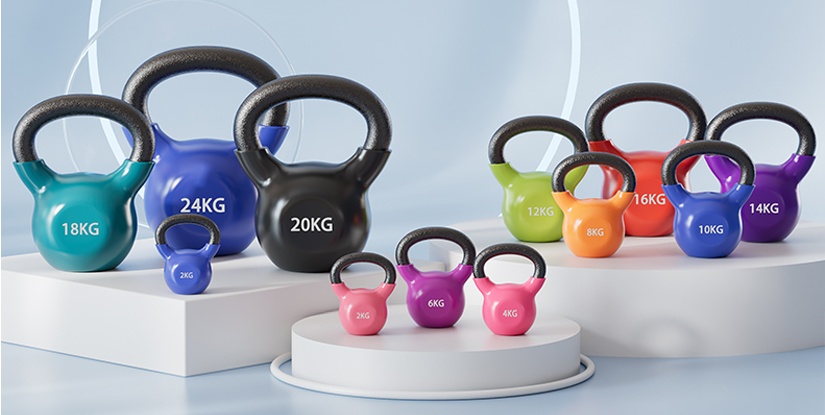
| Wear Resistance | Low; prone to tearing/peeling | High; excellent impact absorption | Moderate; precision-dependent | High; heavy-duty industrial |
| Maintenance Needs | Frequent replacement required | Minimal; easy to sanitize | Occasional calibration | Low; highly stable |
| TCO Profile | Lower initial / High long-term | Balanced / High durability | Premium / High precision | Industrial / Long lifecycle |
| Best Use Case | Boutique/Home Studios | Commercial Gyms/CrossFit | High-End Precision Training | High-Traffic Strength Floors |
When evaluating bulk adjustable weight procurement, prioritize PU-coated finishes for high-intensity environments to mitigate surface degradation. Furthermore, while dial-based systems offer superior weight increments, pin-selector mechanisms generally provide a more rugged solution for high-volume commercial facilities where speed and structural resilience are non-negotiable.
Logistics and Quality Assurance in Bulk Procurement
Scaling your inventory through commercial weight sets wholesale requires more than just selecting a high-quality manufacturer; it demands rigorous oversight of fitness equipment import logistics. When managing bulk adjustable weight procurement, the risk of receiving inconsistent units increases with volume. To mitigate this, professional buyers must implement a strict QC inspection protocol that extends beyond simple visual checks to include mechanical stress testing of the adjustment pins and weight-plate seating.
Beyond product quality, shipment stability is a critical variable in the overseas supply chain. High-density weight sets are prone to shifting during maritime transit, which can lead to crushed packaging or damaged internal mechanisms. We advise distributors to mandate reinforced, palletized packaging and specialized crating for all heavy-duty orders. Ensuring that the freight is secured against high-impact vibration during sea transit protects your margins by preventing costly returns and ensuring that the first shipment arrives in showroom-ready condition.
Balancing Inventory Variety with Order Thresholds
Navigating the procurement of an adjustable dumbbells and kettlebell set requires a strategic balance between capital expenditure and product range. For distributors, the primary challenge lies in managing the tension between high MOQ requirements and the necessity for inventory diversity to satisfy diverse client needs, from boutique studios to large-scale commercial gyms.
When sourcing commercial weight sets wholesale, buyers often face a trade-off: ordering high volumes of a single SKU to lower unit costs versus maintaining a broad selection of weight increments. This decision directly impacts distributor scalability and warehouse throughput. A highly specialized inventory may offer higher margins but carries increased risk regarding slow-moving stock, whereas a standardized selection simplifies fitness equipment import logistics and increases turnover speed.
| Procurement Strategy | Primary Advantage | Main Risk Factor |
|---|---|---|
| High-Volume Single SKU | Reduced unit cost & lower shipping complexity | Limited market appeal & high stock concentration |
| Diverse SKU Mix | Broader customer reach & higher market relevance | Higher MOQ thresholds & complex inventory tracking |
To optimize your supply chain, you must align your purchase volume with your specific business model. A boutique studio's needs differ drastically from a national distributor's requirements regarding shipping frequency and customs documentation.
Scale-Based Procurement Comparison
The following table outlines the operational differences between small-scale sourcing and large-scale wholesale distribution to assist in your bulk adjustable weight procurement planning.
| Business Scale | Logistics Complexity | Preferred Shipping Method | Typical MOQ Requirement |
|---|---|---|---|
| Boutique/Small Studio | Low (Direct-to-Facility) | LTL (Less Than Truckload) | Low (Set-based or per-unit) |
| Regional Distributor | Moderate (Warehouse Integration) | FCL (Full Container Load) | Medium (Volume-based SKU mix) |
| National Importer | High (Multi-channel Distribution) | FCL (Frequent Ocean Freight) | High (Container-level optimization) |
Choosing the correct scale ensures that your fitness equipment import logistics remain cost-effective. While larger orders significantly reduce the landed cost per unit, they also demand more sophisticated warehouse management systems to track individual weight increments and ensure rapid fulfillment.
Mitigating Risks in Heavy Equipment Logistics
Effective bulk adjustable weight procurement extends beyond simple unit pricing; it requires a rigorous focus on the physical integrity of the shipment. Because adjustable dumbbells and kettlebell sets involve high-density materials and precision mechanical parts, the fitness equipment import logistics process must account for extreme weight-to-volume ratios and potential impact damage during transit.
To prevent unexpected costs and client returns, distributors should mandate strict packaging durability standards. Heavy steel components and plastic adjustment mechanisms are susceptible to structural fatigue if not secured within reinforced, double-walled corrugated boxes or custom-fitted internal bracing. Furthermore, a critical failure point in commercial sourcing is weight discrepancy. Buyers must ensure the factory performs weight accuracy verification on every unit to guarantee that the actual mass matches the labeled increment, as even minor deviations can violate commercial compliance standards and erode trust with professional gym operators.
When planning long-distance transport, sea freight considerations are paramount. Heavy sets should be palletized and shrink-wrapped to prevent shifting within the container, which can lead to crushed outer packaging or damaged adjustment pins. Implementing a pre-shipment inspection (PSI) that specifically audits both the mechanical functionality of the adjustable parts and the structural stability of the shipping crates is the most effective way to safeguard your margins against the high costs of international returns.
Mitigating Risks in International Freight and Customs
Managing the movement of an adjustable dumbbells and kettlebell set requires more than just standard freight booking; it demands a specialized understanding of fitness equipment import logistics. Because these items combine extreme weight density with specific mechanical components, procurement managers must account for unique structural and regulatory variables that standard cargo does not present.
The primary challenge lies in the discrepancy between physical weight and shipping volume. While iron or steel weights are compact, the specialized housing for adjustable mechanisms increases the dimensional footprint, often leading to higher volumetric weight charges. Furthermore, precise customs classification is critical; misclassifying a mechanical weight system as simple ironware can lead to unexpected tariff rates or clearance delays at the port of entry. Distributors must ensure that HS codes accurately reflect the complexity of the product to maintain predictable landed costs.
Choosing the right shipping method is a balancing act between inventory turnover and landed cost. When sourcing commercial weight sets wholesale, your decision impacts both your margin and your ability to fulfill orders for local gyms or studios. Below is a comparison of common transit strategies used for bulk imports.
| Shipping Method | Transit Time | Cost Efficiency | Risk Level | Best For |
|---|---|---|---|---|
| Sea Freight (FCL) | 30–45 Days | Highest | Moderate (Moisture/Shift) | Full container orders; large distributors |
| Sea Freight (LCL) | 35–50 Days | High | Higher (Handling/Damage) | Small studio replenishment; low MOQ |
| Air Freight | 5–10 Days | Lowest | Low (Speed/Stability) | Urgent restocking; high-value prototypes |
For most bulk adjustable weight procurement, Full Container Load (FCL) is the preferred standard. It minimizes the handling of individual boxes, which protects the delicate adjustment mechanisms within the sets. If you are utilizing LCL, ensure your supplier uses reinforced, heavy-duty outer cartons to prevent crushing under the weight of adjacent cargo during ocean transit.
Protecting Inventory Integrity and Compliance
To prevent high return rates and margin erosion, buyers must implement strict quality control protocols before the cargo leaves the factory. Relying solely on factory claims is insufficient; a formal pre-shipment inspection is essential to verify that the internal mechanisms of the adjustable sets are fully functional and that the weight increments remain precise under stress.
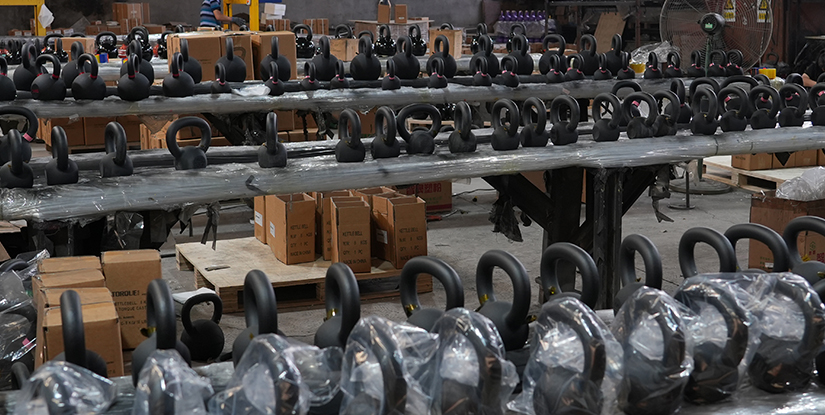
Effective damage prevention requires a two-pronged approach: mechanical verification and structural packaging. Beyond checking the weights, inspectors should test the durability of the adjustment pins and the smoothness of the dial or slide systems. Simultaneously, ensure your supplier adheres to high packaging standards. For heavy kettlebell sets and adjustable dumbbell components, this typically involves double-walled corrugated boxes and reinforced corner protectors to withstand the high-pressure environment of a shipping container.
Finally, mitigate administrative bottlenecks by auditing documentation early. A single error in HS Code accuracy can trigger lengthy inspections or incorrect duties, stalling your entire supply chain. Cross-reference the technical specifications of the mechanical weight systems with your customs broker's requirements to ensure the classification is consistent across the commercial invoice, packing list, and bill of lading.
Ensuring Mechanical Integrity and Precision
For distributors and gym owners, the reliability of an adjustable dumbbells and kettlebell set depends entirely on the rigor of the initial inspection. Unlike fixed weights, adjustable mechanisms introduce moving parts that are susceptible to wear or manufacturing defects. Establishing a strict baseline for quality control is essential to prevent high return rates and ensure long-term user safety in high-traffic environments.
When sourcing commercial weight sets wholesale, procurement managers must demand documentation regarding durability testing and weight accuracy. A single faulty dial or a misaligned selector pin can render an entire unit unusable, leading to increased maintenance costs and diminished client trust. We recommend verifying that every adjustable dumbbells and kettlebell set undergoes stress testing to confirm mechanical integrity under repetitive load changes, ensuring the locking systems remain secure throughout their operational lifespan.
Technical Inspection Benchmarks
Different weight configurations require distinct inspection depths. While kettlebells are largely static, adjustable dumbbells involve complex internal components that demand more rigorous scrutiny during factory audits. Failure to differentiate these inspection parameters can lead to unexpected maintenance cycles or premature replacement in commercial settings.
The following table outlines the critical technical benchmarks that procurement teams should use to evaluate product quality during the pre-shipment inspection (PSI) stage.
| Inspection Parameter | Adjustable Dumbbell Sets | Kettlebell Sets |
|---|---|---|
| Weight Tolerance | Strict ±1% to 2% deviation limits | Standard ±3% to 5% tolerance |
| Coating/Finish | Check for dial/selector scratch resistance | Verify cast iron or urethane bond integrity |
| Mechanism Smoothness | High priority; test dial/pin transition ease | N/A (Static structure) |
| Load Capacity | Verify structural stability of moving parts | Check handle/grip structural density |
For bulk adjustable weight procurement, we suggest a higher sampling rate for the mechanical adjustment components. A high-quality set should exhibit a seamless transition between weight increments without catching or requiring excessive force, which is a primary indicator of long-term durability in a commercial gym environment.
Logistics Integrity and Long-Term Maintenance
Beyond mechanical precision, the physical journey from factory to facility is a critical variable. Managing fitness equipment import logistics requires a focus on both transit-related protection and the long-term durability of the product finish. High-volume shipments of heavy metal components are subject to significant vibration and moisture exposure, which can compromise the quality of the order before it even reaches your warehouse.
To safeguard your investment during bulk adjustable weight procurement, prioritize packaging durability. Ensure that the manufacturer utilizes reinforced, moisture-resistant outer cartons and high-density foam inserts to prevent metal-on-metal friction during sea or air transit. This prevents cosmetic defects and ensures that the adjustment mechanisms remain unjammed upon unboxing.
For long-term maintenance in commercial settings, the quality of the surface treatment is paramount. We advise specifying high-grade coatings or specialized rust prevention treatments, such as powder coating or heavy-duty urethane. In humid environments or high-use boutique studios, inferior finishes can lead to oxidation, which not only degrades the aesthetic but can also cause mechanical components to seize. Selecting equipment with robust, corrosion-resistant finishes significantly reduces the total cost of ownership and extends the replacement cycle for your inventory.