Adjustable Dumbbells Kettlebell | Quality Control Standards
Optimizing High-Traffic Training Zones with Modular Weight Solutions
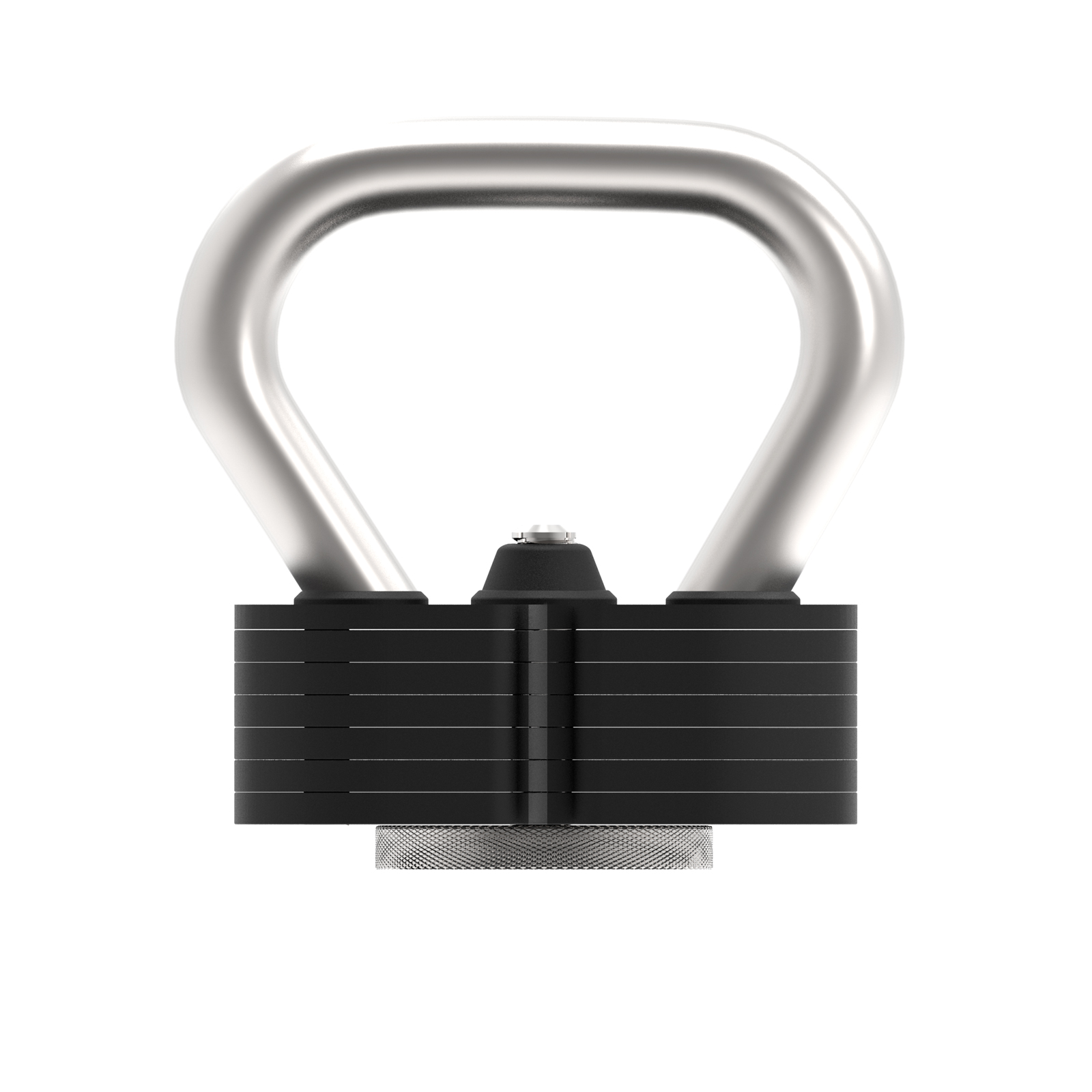
When planning a commercial gym layout, procurement managers must balance equipment variety with the physical limitations of the facility. Evaluating an adjustable dumbbells kettlebell system requires checking for structural integrity under rapid weight transitions, ensuring the mechanism meets high-repetition specifications, and verifying that the shipping volume aligns with your storage capacity. High-density training zones benefit significantly from modularity, as it reduces the need for expansive racks that consume valuable square footage.
The primary advantage of integrating an adjustable dumbbells kettlebell into a boutique studio or a high-traffic functional training area is footprint optimization. Instead of dedicating multiple large zones to various fixed-weight kettlebells and dumbbell sets, a single station can provide a wide range of resistance increments. This space-saving benefit allows distributors and facility owners to maximize revenue per square foot by creating more open floor space for movement-based training or specialized classes without sacrificing the diversity of a complete weight selection.
Space-to-Utility Ratio Comparison
For distributors and gym operators, the decision to stock fixed versus modular equipment often hinges on the trade-off between durability and floor-plan density. While fixed weights offer unmatched longevity in heavy-use environments, the logistical burden of managing multiple weight increments can lead to cluttered training zones and higher inventory overhead.
The following comparison highlights how an adjustable dumbbells kettlebell configuration shifts the value proposition from physical storage volume to functional versatility, which is a critical metric for high-end boutique studios and compact commercial settings.
| Feature Metric | Traditional Fixed Kettlebells | Modular Adjustable Systems |
|---|---|---|
| Storage Footprint | High (Requires extensive racking/tiers) | Low (Single compact station) |
| Commercial Weight Selection | Limited to specific increments | Broad range within one unit |
| Versatility | Single-purpose resistance | Multi-functional/Multi-weight |
| Inventory Management | Complex (High SKU count) | Simplified (Low SKU count) |
From a procurement standpoint, selecting modular solutions can drastically reduce the shipping volume and warehouse footprint required for initial stock orders. When calculating the total cost of ownership, consider that the increased density of a modular system often offsets the initial unit cost by optimizing the usable square footage of the client's facility.
Prioritizing Mechanism Longevity and Reliability
While footprint optimization is a key driver for selection, the long-term viability of modular equipment depends entirely on the internal components. In high-volume training environments, the adjustable weight mechanism reliability becomes the most critical factor in determining the total cost of ownership. A failure in the selection dial or weight plate lock can lead to immediate equipment downtime and increased replacement costs for the distributor or facility owner.
Rigorous fitness equipment inspection must go beyond aesthetic checks. When sourcing for commercial settings, procurement teams should verify that the locking pins and weight-selection tracks are engineered for repetitive, heavy-duty use. A robust maintenance cycle is also essential; unlike fixed weights, modular systems require a scheduled review of the mechanical parts to ensure smooth operation and safety. Ensuring the mechanism can withstand thousands of cycles without friction-induced wear is fundamental to maintaining durability in commercial settings and protecting your investment against premature mechanical fatigue.
Assessing Adjustable Weight Mechanism Reliability for Commercial Use
For facility managers and distributors, the longevity of an adjustable dumbbells kettlebell depends entirely on the precision of its internal switching components. Unlike static iron weights, these hybrid tools face constant mechanical wear from rapid weight transitions, making the reliability of the selection mechanism a non-negotiable factor in commercial weight selection.
The Impact of High-Frequency Use on Structural Integrity
In high-traffic boutique studios or hotel gyms, equipment undergoes rigorous stress cycles. A failure in the adjustment track or a worn selector pin does more than just disrupt a workout; it compromises the structural integrity of the entire unit. When sourcing for professional environments, buyers must prioritize heavy-duty chassis designs that prevent weight shifting or misalignment during movement. High-quality manufacturing ensures that even after thousands of cycles, the internal locking systems maintain their original tension and precision.
Mechanism Comparison and Longevity Profiles
Selecting the right adjustment system requires balancing speed of use against long-term maintenance costs. For distributors and procurement managers, understanding these trade-offs is essential for managing Total Cost of Ownership (TCO) and minimizing replacement cycles in heavy-duty environments.
| Mechanism Type | Durability Profile | Maintenance Frequency | Commercial Suitability |
|---|---|---|---|
| Pin-Lock System | High (Robust/Mechanical) | Low (Occasional Inspection) | High-Traffic Gyms |
| Dial-Based System | Moderate (Precision-Sensitive) | Medium (Lubrication/Cleaning) | Boutique Studios |
| Plate-Slide System | Variable (Wear-Dependent) | High (Track Alignment) | Residential/Light Commercial |
While dial-based systems offer sleek aesthetics and rapid transitions, they often require more meticulous quality control during factory inspection to prevent jamming. In contrast, pin-lock configurations provide the most reliable adjustable weight mechanism reliability for large-scale facility deployments, as they are less sensitive to minor debris or user error. When negotiating MOQ or shipping volume with manufacturers, always request technical specifications regarding the material hardness of these moving parts to ensure they meet professional durability standards.
Validation Protocols for Procurement Audits
A successful fitness equipment inspection must go beyond visual aesthetics to verify the functional lifespan of the device. During factory audits or receiving inspections, procurement managers should mandate a friction testing protocol. This involves cycling the weight transition mechanism at least 500 times consecutively to detect any resistance or grinding that could signal premature component fatigue.
Furthermore, verify the component material quality by checking the hardness of the selector pins and the thickness of the housing. A critical step in your procurement decision is evaluating load-bearing stability; ensure the internal weight plates remain perfectly centered during rapid directional changes. Verifying these technical tolerances at the source prevents costly returns and protects your long-term ROI in high-volume commercial settings.
Standardizing Inspection Protocols for Bulk Import Orders
For distributors managing large-scale inventory, the cost of a single defective unit extends far beyond the replacement price; it impacts brand reputation and logistics overhead. Ensuring adjustable weight mechanism reliability through rigorous oversight is the only way to mitigate the high return rates often seen with low-tier adjustable dumbbells kettlebell products.
Evaluating Mechanical Durability and Precision
Standardized inspection protocols must move beyond superficial aesthetics to focus on the internal components. When conducting commercial weight selection, buyers should demand testing data regarding cycle counts and load-bearing stability. A failure in the locking pin or weight-selection track can render a premium set useless in a high-traffic commercial environment.
| Inspection Focus | Standard Commercial Requirement | Impact on TCO (Total Cost of Ownership) |
|---|---|---|
| Mechanism Cycles | Smooth transitions under load | Reduces frequent replacement requests |
| Weight Accuracy | Minimal deviation per increment | Ensures professional training consistency |
| Locking Integrity | High-tensile steel components | Mechanical failure prevention during use |
Implementing these checkpoints during the factory QC stage allows distributors to verify that every adjustable dumbbells kettlebell unit meets the structural demands of a professional gym before it leaves the warehouse. This proactive approach to mechanical failure prevention stabilizes long-term maintenance costs and protects your margins.
Technical Inspection Benchmarks
A robust fitness equipment inspection protocol must verify both the external finish and the internal structural integrity. For high-volume orders, a superficial check is insufficient; the focus must remain on how the adjustable weight mechanism reliability withstands repetitive physical stress over time.
| Inspection Category | Critical Quality Metric | Durability Standard Requirement |
|---|---|---|
| Mechanism | Selector pin engagement and track smoothness | Zero friction interference during weight transitions |
| Coating | Adhesion strength and scratch resistance | High-grade PU or powder coating to prevent oxidation |
| Weight Accuracy | Deviation tolerance per unit weight | Strict ±1% to ±3% variance threshold |
| Load Bearing | Stress test on handle and selector pins | Structural stability under maximum capacity load |
By integrating these specific durability standards into your procurement checklist, you move from passive receiving to active quality assurance. This level of scrutiny ensures that your adjustable dumbbells kettlebell inventory can endure the heavy usage cycles typical of boutique studios and commercial training facilities.
Logistics Integrity and Long-Term Maintenance Oversight
Effective management of a bulk import order requires looking past the factory gate and toward the final destination. Even a perfectly manufactured adjustable dumbbells kettlebell can suffer structural degradation if the shipping stability is not prioritized. Ensuring that export packaging can withstand multi-modal transit—including sea freight vibrations and port handling—is critical for preventing micro-fractures in the weight-selection housing.
Once the inventory reaches the facility, the focus shifts to wear and tear prevention. To ensure long-term durability, distributors should implement a quarterly maintenance schedule that includes lubricating moving parts and inspecting the integrity of protective coatings. Regular oversight of these mechanical interfaces prevents the gradual degradation of the adjustable weight mechanism reliability, ultimately protecting the buyer's initial investment and reducing the frequency of hardware replacements.
Material Integrity and Coating Durability in High-Volume Environments
In high-volume environments, the longevity of an adjustable dumbbells kettlebell depends heavily on the chemical and physical resilience of its exterior. For distributors and gym owners, the total cost of ownership is driven by how well the equipment resists surface degradation under constant use and environmental exposure.
When conducting commercial weight selection, procurement managers must prioritize oxidation resistance to prevent rust buildup in humid training zones. A high-quality coating durability standard ensures that the protective layer does not chip or peel during heavy handling. Whether utilizing powder coating or specialized polymer finishes, the material must withstand friction and moisture to maintain a professional aesthetic and functional grip over time.
| Finishing Type | Durability Level | Best Use Case |
|---|---|---|
| Powder Coating | High | Standard commercial weight rooms |
| Polyurethane/Rubber | Very High | High-impact or outdoor-adjacent areas |
| Chrome/Electroplating | Moderate | Boutique studio aesthetics |
Selecting the appropriate finish is a strategic decision that balances upfront acquisition costs against long-term maintenance cycles. While chrome offers a premium aesthetic, it often lacks the impact resistance required for rugged training environments. Conversely, polymer-based coatings provide superior shock absorption, which protects the internal adjustable weight mechanism from vibration-induced fatigue.
| Coating Type | Wear Resistance | Cost-Effectiveness | Maintenance Profile |
|---|---|---|---|
| Powder Coating | High | Excellent | Low; resists scratches and oxidation |
| Rubberized Coating | Very High | Moderate | Minimal; ideal for high-impact zones |
| Neoprene/Vinyl | Low to Moderate | High Initial Value | Requires periodic inspection for peeling |
For large-scale distributors, we recommend prioritizing powder-coated or heavy-duty rubberized finishes. These options mitigate the risk of surface chipping, which can otherwise expose the metal core to moisture and lead to premature failure of the adjustable weight mechanism reliability. Investing in these more resilient coatings reduces the frequency of replacement cycles and stabilizes the long-term ROI for facility operators.
Verification of Mechanical Reliability and Surface Resilience
Before finalizing bulk orders, procurement specialists must implement rigorous fitness equipment inspection protocols that go beyond visual aesthetics. A critical failure point in premium gear is the adjustable weight mechanism reliability; even minor misalignment in the internal locking system can lead to catastrophic failure under heavy loads. We advise testing the smoothness of the transition between weight increments and the structural integrity of the selection pins across multiple cycles.
To ensure your inventory meets North American commercial standards, verify that the manufacturer utilizes standardized stress testing. Specifically, request documentation regarding salt spray test results to confirm the anti-corrosion efficacy of the metal components. Furthermore, abrasion resistance testing is vital to ensure that the surface finish remains intact despite frequent contact with rubber flooring or metal racks. When negotiating MOQ/wholesale quality control, ensure these technical benchmarks are part of the pre-shipment inspection (PSI) agreement to minimize the risk of high return rates and damaged reputation among your end-users.
Logistics and Export Packaging Standards for Global Distribution
Managing the international transit of an adjustable dumbbells kettlebell requires more than standard heavy-duty boxing; it demands a specialized approach to protect sensitive internal components. Because these units rely on precise alignment, the shipping process must account for high-impact vibration and stacking pressure to ensure long-term adjustable weight mechanism reliability upon arrival at the facility.
Distributors must prioritize protective packaging that includes custom-fit high-density foam inserts to isolate the moving parts from external shocks. Effective transit damage prevention strategies focus on securing the internal selector pins and weight plates, preventing them from shifting during sea or air freight. Furthermore, optimizing shipping volume optimization through palletization and reinforced corner protection helps reduce the total landed cost while maintaining the structural integrity of every unit in the shipment.
When calculating the total landed cost for bulk orders, the trade-off between protective density and volumetric weight is a critical factor for commercial weight selection. High-density packaging reduces the risk of mechanical misalignment but can increase dimensional weight, impacting air freight costs. For ocean freight, the focus shifts to structural stability and preventing crush damage from stacked pallets.
| Packaging Configuration | Protection Level | Weight Distribution | Best Use Case |
|---|---|---|---|
| Standard Reinforced Carton | Moderate | Standard | LCL Ocean Freight / Small Distributors |
| Double-Wall Corrugated + Foam | High | Optimized | Air Freight / High-End Boutique Gyms |
| Custom Molded EPS + Palletized | Maximum | Uniform | Full Container Load (FCL) / Large Scale Procurement |
A strategic commercial weight selection process involves matching the packaging strength to the specific shipping cost impact of your logistics route. Utilizing palletized shipments with reinforced corner guards ensures better weight distribution, which is vital for maintaining the precision of the internal adjustment mechanisms during long-haul transit.
Optimizing Procurement via MOQ and Inspection Protocols
Strategic procurement of an adjustable dumbbells kettlebell requires balancing upfront MOQ requirements against the long-term efficiency of your inventory. For large-scale distributors, negotiating a higher MOQ can often unlock tiered pricing and more favorable container loading optimization terms, effectively lowering the landed cost per unit across a full shipment.
To mitigate the risks of receiving defective mechanical components, professional fitness equipment inspection must go beyond visual surface checks. We recommend implementing a strict quality control standards checklist that includes functional testing of the weight-selection increments and stress-testing the locking pins. A rigorous pre-shipment inspection ensures that the adjustable weight mechanism reliability is verified under load, preventing the high cost of post-arrival returns or facility-level maintenance issues.
Strategic Inventory Planning for Fitness Equipment Distributors
Distributors must look beyond the initial unit price to understand the true value of their stock. When sourcing an adjustable dumbbells kettlebell, the profitability of your inventory is dictated by the product's ability to withstand high-frequency use in commercial environments without mechanical failure.
Maximizing Returns Through Mechanical Integrity
A high-quality commercial weight selection relies heavily on adjustable weight mechanism reliability. For a distributor, a mechanism that jams or loses calibration after minimal use is more than a single defective unit; it is a systemic threat to your margins. Frequent failures lead to elevated return rates and increased customer support overhead, which quickly erode any initial savings gained from lower-cost manufacturing.
By prioritizing robust internal components and precise weight increments, you optimize the total cost of ownership (TCO) for the end-user. This reliability fosters brand trust and ensures higher inventory turnover, as gym owners and boutique studios prefer equipment that remains functional through heavy daily turnover rather than frequent replacement cycles.
Sourcing Model Comparison for Optimized ROI
Selecting the right procurement model depends on your scale and your ability to manage quality control. While standard wholesale offers the lowest barrier to entry, OEM/ODM partnerships provide the control necessary to secure a premium market position and protect long-term margins.
| Sourcing Model | Inspection Depth | Typical MOQ | ROI Profile |
|---|---|---|---|
| Standard Wholesale | Standard factory QC only | Low (Per unit/set) | Fast turnover; lower margin per unit |
| White Label | Standardized batch testing | Medium (By SKU) | Balanced scale and brand recognition |
| OEM / ODM | Customized/Strict technical audit | High (Project-based) | High margin; long-term market differentiation |
For distributors focusing on the high-end commercial sector, the OEM/ODM path allows for rigorous fitness equipment inspection protocols tailored to specific weight adjustment standards. Although the initial investment and MOQs are higher, the ability to control the adjustable weight mechanism reliability minimizes the risk of costly field failures and protects your reputation in the North American market.
Mitigating Post-Sale Logistics Costs via Rigorous Testing
To protect your bottom line, your procurement strategy must include strict protocols for durability testing. For complex items like an adjustable dumbbells kettlebell, the most significant hidden cost is not the manufacturing price, but the logistics of shipping defective units back to the factory. Mechanical failures often occur during transit or due to improper assembly, which can be mitigated by enforcing high-level fitness equipment inspection standards at the source.
Focus your inspection requirements on the interaction between the weight plates and the locking pins. A reliable adjustable weight mechanism reliability test should include repeated weight transitions under load to simulate real-world commercial friction. Furthermore, ensure your supplier demonstrates effective shipping damage prevention through drop tests and reinforced packaging. Investing in these specific technical audits reduces the frequency of warranty claims and prevents the high overhead associated with replacing damaged or malfunctioning inventory in the field.