Fitness Gear Adjustable Kettlebell Plates | Wholesale
Procurement Fundamentals for Adjustable Weight Plate Systems
When sourcing fitness gear adjustable kettlebell plates, procurement managers must evaluate three critical checkpoints: mechanical durability of the adjustment mechanism, weight increment precision, and the logistical footprint of the shipment. Balancing these factors ensures that your initial investment translates into long-term operational stability rather than frequent replacement cycles.
Optimizing Total Cost of Ownership (TCO)
For distributors and facility owners, the true cost of adjustable weight plate systems extends far beyond the unit price. While standard fixed kettlebells may offer a lower entry point, the total cost of ownership (TCO) for adjustable systems is often superior in high-turnover environments. By consolidating multiple weight increments into a single piece of equipment, you reduce the capital required for large-scale inventory and optimize floor space.
In commercial kettlebell distribution, the primary cost drivers include the complexity of the locking mechanism and the quality of the exterior coating. High-grade adjustable systems provide better long-term value by minimizing wear and tear during rapid transitions, effectively lowering the frequency of restocking and maintenance-related downtime.
Comparing Procurement Models: Fixed vs. Adjustable Systems
Selecting the right inventory mix requires a clear understanding of how different models impact your capital expenditure and facility layout. While fixed kettlebells are a staple in traditional strength training, adjustable weight plate systems offer a strategic advantage for boutique studios and multi-functional training zones where space is a premium.
| Metric | Single-Weight Kettlebells | Adjustable Weight Plate Systems |
|---|---|---|
| Unit Cost | Lower per unit | Higher per unit |
| Storage Footprint | High (requires extensive racking) | Low (consolidated footprint) |
| Versatility | Limited to specific weights | High (multiple increments) |
| Inventory Complexity | High (multiple SKUs/MOQs) | Low (single SKU/system) |
When evaluating fitness equipment wholesale options, consider that adjustable systems reduce the number of individual SKUs you must track. This simplification can streamline your logistics and help manage minimum order quantities (MOQs) more effectively during seasonal restocks.
Managing Moqs and Logistics Efficiency
Navigating the complexities of MOQ (Minimum Order Quantity) requirements is essential when sourcing adjustable weight plate systems. High MOQs can often strain cash flow, but procurement professionals can mitigate this by selecting versatile systems that serve multiple weight increments under a single SKU. This strategy improves inventory turnover by reducing the number of slow-moving individual items in your warehouse.
To further control expenditures, prioritize shipping volume optimization during the planning phase. Because adjustable systems often involve dense, heavy components, even slight changes in packaging dimensions can significantly impact freight costs. Work with your supplier to ensure high-density packing configurations that maximize container utilization, effectively lowering the landed cost per unit and protecting your margins during international transit.
Technical Benchmarks for Commercial Kettlebell Distribution
To maintain profitability in high-traffic facilities, fitness gear adjustable kettlebell plates must meet rigorous structural integrity standards. Unlike residential models, commercial-grade adjustable weight plate systems are engineered to withstand high-frequency usage and the mechanical stress inherent in professional commercial gym environments.
Durability Specifications by Material Type
Distributors and facility managers should evaluate the longevity of adjustable systems based on the impact resistance of the outer casing and the stability of the internal locking mechanisms. The following table compares common configurations found in professional sourcing catalogs.
| Material Configuration | Impact Resistance | Maintenance Requirement | Typical Lifecycle |
|---|---|---|---|
| Steel Core with Neoprene | High (Shock Absorbing) | Low (Surface Inspection) | Long-term/High-use |
| Cast Iron with Poly Coating | Moderate (Hard Surface) | Medium (Check for Scratches) | Standard Commercial |
| High-Density Polymer | Variable (Impact Sensitive) | High (Wear Monitoring) | Light-to-Medium Use |
When negotiating MOQs with manufacturers, prioritize suppliers that provide detailed testing data regarding the fatigue resistance of the adjustment pins and the durability of the weight-plate housing to ensure long-term ROI for your clients.
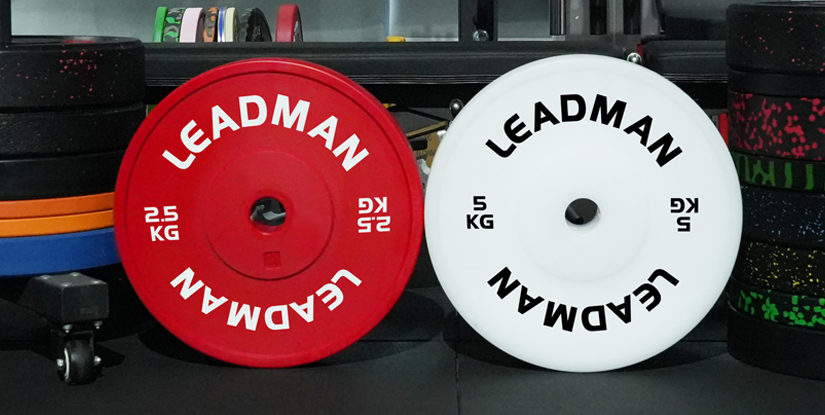
Evaluating the surface finish is critical for determining the long-term Total Cost of Ownership (TCO). A superior coating prevents oxidation and protects the internal mechanical components of the adjustable weight plate systems from environmental moisture and frequent handling.
Surface Coating and Wear Resistance Comparison
Selecting the right finish depends on whether your inventory is destined for high-intensity strength zones or boutique studio environments. The following comparison highlights how different coating technologies impact maintenance cycles and product appearance over time.
| Coating Type | Wear Resistance | Corrosion Protection | Maintenance Profile |
|---|---|---|---|
| Powder Coating | High (Abrasion Resistant) | Excellent | Minimal; occasional wipe-down |
| Urethane/Polyurethane | Moderate (Impact Sensitive) | Good | Low; monitor for surface tears |
| Raw/Cast Iron | Low (Surface Oxidation) | Poor | High; requires oiling/cleaning |
For distributors focusing on high-turnover commercial inventory, powder-coated steel options generally offer the most reliable balance between initial procurement costs and long-term durability. This ensures the equipment maintains a premium aesthetic even under heavy commercial usage cycles.
Mechanical Integrity and QC Standards
Reliability in adjustable weight plate systems depends heavily on the precision of the internal adjustment mechanism. In high-traffic commercial settings, even minor mechanical wear can lead to catastrophic failure if the locking mechanisms are not engineered for repetitive stress. For distributors, implementing strict quality control (QC) for distributors and manufacturers is non-negotiable. You must verify that the pins, collars, and weight-selection tracks can withstand thousands of cycles without loosening. Sourcing products that undergo rigorous load-testing ensures that your clients avoid liability issues and equipment downtime caused by structural fatigue.
Optimizing Inventory Turnover with Modular Weight Configurations
For distributors specializing in commercial kettlebell distribution, managing diverse weight requirements often leads to high SKU counts and excessive capital tie-up. Transitioning to fitness gear adjustable kettlebell plates allows your inventory to serve multiple client needs through a single, versatile product line.
Reducing Dead Stock and Storage Footprint
Traditional fixed-weight kettlebells demand significant warehouse space and increase the risk of dead stock when specific weight increments fail to move. By integrating modular weight plate systems, you can satisfy a broad spectrum of strength training requirements without the burden of high-volume, single-weight SKUs. This modularity significantly reduces the storage footprint in your distribution center and optimizes inventory turnover, as one adjustable unit replaces several static models. For procurement managers, this means lower holding costs and a more agile response to shifting market demands in the commercial fitness sector.
Strategic Comparison: Fixed vs. Adjustable Systems
Deciding whether to stock static iron kettlebells or invest in adjustable weight plate systems requires a calculated look at long-term value. While fixed units offer simplicity, adjustable configurations provide a high-density solution for facilities with limited square footage or diverse training demographics.
| Evaluation Metric | Fixed-Weight Kettlebells | Adjustable Plate Systems |
|---|---|---|
| Space Requirements | High (requires extensive rack footprint) | Low (compact, multi-weight in one unit) |
| Versatility | Limited to specific weight increments | High (rapid transitions between loads) |
| Replacement Frequency | Low (extremely durable/static) | Moderate (potential wear on adjustment mechanisms) |
| Total Cost of Ownership | Lower per unit; higher per functional set | Higher per unit; lower per functional set |
| Ideal Use Case | High-traffic strength & conditioning gyms | Boutique studios and home-gym distributors |
From a procurement standpoint, the total cost of ownership (TCO) for adjustable systems is often more attractive for boutique fitness clients. While the initial unit price is higher, the reduction in equipment volume and the ability to offer a "complete" training experience with fewer items can drive better margins for distributors.
Managing Moqs and Logistics for Scaling Inventory
Effective fitness equipment wholesale procurement requires balancing high-volume orders with lean inventory goals. When sourcing adjustable weight plate systems, buyers must navigate complex MOQ management to avoid over-investing in a single weight profile. Instead of ordering massive quantities of a single fixed weight, focus on scaling inventory through diverse plate sets that offer varied weight increments. This strategy mitigates the risk of stagnant stock while ensuring you can fulfill diverse client requests. Furthermore, optimizing logistics by consolidating shipments of various plate sizes can significantly lower freight-to-value ratios, protecting your margins during international transit.
Optimizing Procurement Margins and Logistics
Sourcing fitness gear adjustable kettlebell plates involves more complex logistical calculations than standard cast iron. Because these systems utilize specialized components and precision-engineered adjustment mechanisms, the MOQ (Minimum Order Quantity) is often higher to justify the production setup for specialized molds and assembly lines.
For distributors, understanding the relationship between volume-based pricing and inventory turnover is critical. While larger bulk orders significantly reduce the unit cost per set, they also increase the footprint in your warehouse. Efficient commercial kettlebell distribution requires a balance between securing low per-unit rates through high-volume procurement and maintaining enough liquid capital to ensure rapid inventory turnover across your retail or facility channels.
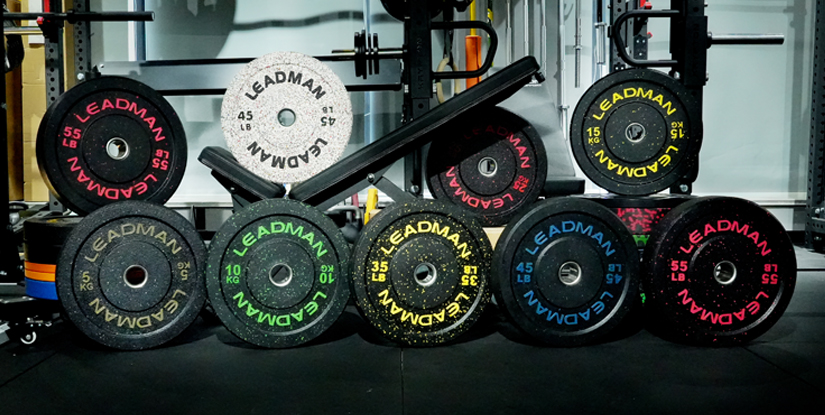
To maximize profitability, procurement managers must evaluate how the physical density of adjustable weight plate systems affects landed costs. Unlike standard kettlebells, these modular systems often feature larger packaging volumes due to the specialized mechanical parts, which can impact your shipping efficiency.
Shipping Model Comparison for High-Density Inventory
| Shipping Method | Weight-to-Volume Ratio | Cost-Efficiency | Best Use Case |
|---|---|---|---|
| Air Freight | Low (High Volume) | Low | Small sample batches or urgent restocks |
| LCL (Less than Container Load) | Medium | Moderate | Testing new product lines or low MOQ orders |
| FCL (Full Container Load) | High (Optimized) | High | Bulk distribution and high-volume warehousing |
When sourcing through fitness equipment wholesale channels, FCL shipments typically offer the best protection for your margins. Maximizing the weight-to-volume ratio within a full container minimizes the per-unit shipping expense, though it requires more sophisticated inventory management to handle the larger physical footprint of the incoming stock.
Strategic Stocking and Footprint Management
A successful procurement strategy for adjustable weight plate systems hinges on optimizing the physical dimensions of your order. Because modular components often result in a larger storage footprint than traditional single-piece kettlebells, distributors must prioritize shipping volume optimization to avoid inflated landed costs. When negotiating with fitness equipment wholesale partners, aim for high-density packing configurations that minimize empty space within containers. This approach allows you to scale your inventory effectively without disproportionately increasing your warehousing overhead or diminishing your overall profit margins.
Optimizing Floor Plan Density
For facility managers overseeing boutique studios or high-density training centers, floor space is a premium asset. Traditional fixed-weight kettlebell sets require extensive rack systems that consume significant square footage. Integrating fitness gear adjustable kettlebell plates allows operators to consolidate multiple weight increments into a single station, drastically increasing the utility of every square meter.
In high-traffic zones, such as functional training areas or HIIT circuits, cluttered equipment creates safety hazards and bottlenecks. By utilizing adjustable weight plate systems, distributors and gym owners can achieve superior footprint efficiency. This transition from static to modular setups ensures a streamlined commercial gym layout that accommodates more clients without expanding the physical facility boundaries.
| Storage Configuration | Space Requirement | Organizational Speed | Ideal Use Case |
|---|---|---|---|
| Traditional Fixed Sets | High (Large Racks) | Slow (Manual Sorting) | Large Scale Weight Rooms |
| Modular Adjustable Systems | Low (Compact Footprint) | Fast (Quick Swaps) | Boutique & High-Traffic Zones |
| Standard Dumbbell Racks | Medium (Linear) | Moderate | Standard Strength Areas |
When evaluating commercial kettlebell distribution strategies, procurement officers must weigh the long-term density benefits against initial unit costs. While fixed sets offer simplicity, the cumulative volume of a full range of weights often leads to dead space in premium training zones. Adjustable systems mitigate this by centralizing weight increments, allowing for a more agile facility design that adapts to various programming needs without requiring additional storage hardware.
For distributors managing inventory and shipping volumes, the compact nature of these modular systems also simplifies logistics and warehouse organization. High-density storage is not just a benefit for the end-user's floor plan; it also optimizes the supply chain efficiency for retailers who need to manage stock levels without excessive shelf depth.
Inventory Turnover and Logistics Management
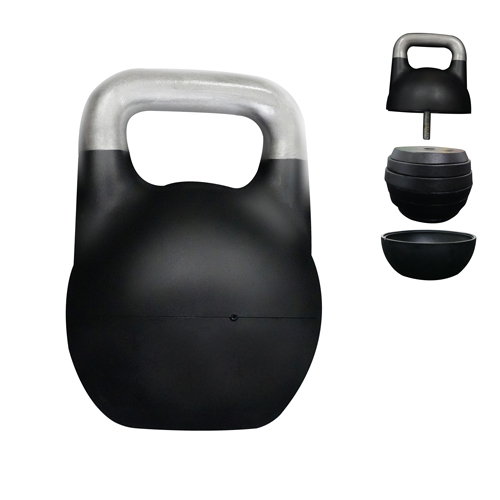
From a procurement standpoint, managing adjustable weight plate systems requires a different approach to inventory turnover than standard fixed equipment. Because these systems often consist of multiple components—bases, plates, and pins—distributors must balance MOQ considerations against warehouse capacity. High-volume orders can optimize shipping costs, but the modular nature of the product means tracking individual SKU components is essential to avoid dead stock.
Efficient logistics planning involves calculating the volumetric weight of these systems to maximize container utilization. Unlike bulky fixed kettlebells, modular plates allow for tighter packing density during transit. For wholesalers, this means higher storage density in the warehouse and reduced freight-per-unit costs, ultimately improving the margin profile when scaling fitness equipment wholesale operations across international markets.
Long-Term Maintenance and Component Replacement Cycles
Managing the lifecycle of fitness gear adjustable kettlebell plates requires a proactive approach to prevent operational downtime. In a high-traffic commercial gym environment, the constant shifting of weight increments places specific stress on the mechanical components, such as locking pins, selector pins, and internal plate tracks.
Understanding TCO Through Maintenance Cycles
For distributors and facility managers, the Total Cost of Ownership (TCO) is driven less by the initial purchase price and more by how the adjustable weight plate systems withstand standard wear and tear. Neglecting routine inspections can lead to premature failure of moving parts, increasing long-term replacement costs.
Establishing consistent maintenance cycles—such as monthly lubrication of adjustment mechanisms and quarterly structural integrity checks—ensures these units remain safe for member use. High-quality sourcing focuses on components that resist oxidation and mechanical fatigue, effectively lowering the frequency of part replacement and extending the functional lifespan of the inventory.
System Comparison: Maintenance and Durability Profiles
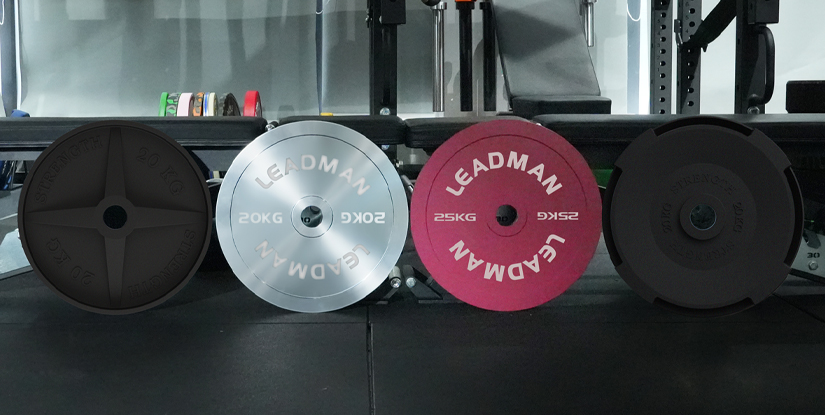
When sourcing adjustable weight plate systems, the choice between mechanism types directly dictates your long-term service requirements and potential replacement frequency. Selectorized systems offer speed, whereas manual pin systems often provide higher mechanical durability for heavy-duty usage.
| System Type | Primary Wear Points | Inspection Frequency | Maintenance Intensity |
|---|---|---|---|
| Selectorized (Pin-drop) | Spring-loaded pins, selector sleeves | Monthly | Moderate |
| Manual Weight Pin | Threaded posts, locking collars | Quarterly | Low |
| Dial/Dial-based Systems | Internal gears, rotation tracks | Bi-annually | High |
Distributors should prioritize units with high-grade coatings to prevent oxidation on exposed metal surfaces. For high-volume commercial kettlebell distribution, selecting systems with fewer moving parts can significantly reduce the labor overhead associated with facility upkeep and part sourcing.
Optimizing Inventory Through Spare Parts Management
Effective commercial kettlebell distribution relies heavily on a robust strategy for replacement components. Rather than treating a damaged unit as a total loss, savvy procurement managers maintain a dedicated stock of high-wear items like selector pins, locking collars, or specialized weight plates. This approach minimizes downtime and ensures long-term reliability across multiple facility locations.
When negotiating with manufacturers, clarify the MOQ for replacement components. Sourcing individual replacement parts in smaller quantities may increase shipping costs, but having a baseline of essential spares on hand prevents a single mechanical failure from removing a piece of equipment from the floor. Integrating regular quality control (QC) protocols—specifically checking for pin tension and track alignment—allows managers to identify potential issues before they necessitate a full system replacement.
Maximizing Long-Term ROI Through Customization
For distributors engaging in commercial kettlebell distribution, the ability to move beyond generic stock is a critical lever for market positioning. High-tier fitness facilities often demand a specific aesthetic that aligns with their premium branding, making OEM/ODM capabilities a necessity rather than a luxury for long-term profitability.
Deep customization depth—ranging from specialized powder coatings and unique textures to precision logo application—allows you to build a distinct brand identity. Instead of competing solely on price against mass-market imports, investing in adjustable weight plate systems with bespoke colorways and custom finishes enables you to capture high-margin boutique studio segments and specialized training franchises.
Comparing Sourcing Models for Profitability
Choosing between standard wholesale and customized production requires a balanced view of upfront capital versus long-term brand equity. While standard stock offers speed, customized solutions provide the differentiation necessary for high-end commercial contracts.
| Criteria | Standard Wholesale | OEM/ODM Customization |
|---|---|---|
| Customization Level | Minimal (Standard colors/logos) | High (Bespoke colors, textures, branding) |
| MOQ Requirements | Low to Moderate | High (Volume-dependent) |
| Lead Time | Short (Ready-to-ship inventory) | Extended (Production + QC cycles) |
| ROI Impact | Rapid turnover; lower margins | High margin potential; long-term brand equity |
Distributors must weigh the immediate liquidity of fitness equipment wholesale against the strategic value of proprietary product lines. Selecting a partner with strong factory capability ensures that even high-MOQ custom orders maintain strict quality control standards during the transition from design to shipping.
Mitigating Risk via Rigorous Quality and Logistics Oversight
To protect your total cost of ownership (TCO), you must look beyond the initial unit price of fitness gear adjustable kettlebell plates. A low-cost order can quickly become a liability if material consistency is poor or if shipping stability is compromised during transit. High-density casting or precision-molded components must undergo strict quality control protocols to prevent weight fluctuations and structural failures.
Effective risk mitigation requires auditing the factory's ability to maintain uniformity across large production runs. Verify that the manufacturer employs standardized testing for coating adhesion and component tolerances. Furthermore, ensure your logistics partner understands the weight distribution of these systems; inadequate packaging can lead to impact damage, increasing your replacement rates and eroding your profit margins.