Adjustable Kettlebell Dumbbells Kettlebell Resistance
Evaluating the Long-Term Economic Impact
For a large-scale commercial gym or a regional fitness distributor, the procurement decision for adjustable kettlebell dumbbells kettlebell resistance sets involves more than just comparing the initial invoice price. While lower-cost units may seem attractive for high-volume orders, the true financial metric is the Total Cost of Ownership (TCO), which accounts for long-term operational expenses and replacement frequency.
Relying on cheap, low-grade mechanisms often leads to premature failure in high-traffic environments. To protect your margins, you must balance durability vs. upfront cost by evaluating how often the internal weight-selection components will require intervention. Neglecting commercial weight maintenance or choosing substandard materials can significantly shorten replacement cycles, forcing your facility to re-order inventory much sooner than planned.
| Cost Factor | Budget-Tier Units | Premium Commercial Sets |
|---|---|---|
| Initial Sourcing Cost | Low | Moderate to High |
| Maintenance Frequency | High (Frequent Pin/Dial Checks) | Low (Routine Cleaning Only) |
| Expected Lifespan | 12–24 Months in High-Use Gyms | 3–5+ Years in Commercial Settings |
| TCO Impact | High (Frequent Replacement Needed) | Low (Stable Long-Term Investment) |
Investment Tier Comparison for Facility Managers
When sourcing adjustable resistance equipment for diverse client bases, procurement managers must differentiate between residential-grade products and heavy-duty commercial solutions. A tiered approach allows distributors and gym owners to match the equipment's build quality with the expected intensity of the training environment, ensuring that the investment aligns with the facility's operational scale.
The following comparison outlines the typical performance and financial profile of three distinct investment levels. This data helps in determining whether a specific order of adjustable kettlebell dumbbells kettlebell resistance sets is suitable for a boutique studio, a standard commercial gym, or a high-traffic professional training center.
| Tier Level | Primary Use Case | Initial Investment | Maintenance Frequency | Expected Lifespan |
|---|---|---|---|---|
| Entry-Level / Residential | Home Gyms & Small Studios | Low | High (Frequent Calibration) | 1–2 Years |
| Mid-Tier Commercial | Standard Fitness Centers | Moderate | Occasional (Monthly Inspection) | 3–4 Years |
| Premium Heavy-Duty | High-Traffic Professional Gyms | High | Minimal (Routine Cleaning) | 5+ Years |
Selecting the correct tier is critical for maintaining adjustable resistance upkeep standards. While premium sets require a higher upfront capital expenditure, they offer superior gym equipment longevity, reducing the long-term burden on your procurement budget and preventing the logistical headaches of frequent re-ordering and shipping.
Mitigating Hidden Logistics and Sourcing Risks
Beyond the unit price, savvy buyers must account for the impact of quality control (QC) on long-term ROI. When managing high-volume orders, even a small percentage of defective weight-selection mechanisms can trigger massive logistical costs, including return shipping, warehouse restocking fees, and disrupted supply chains. Rigorous QC protocols during the manufacturing stage are essential to ensure that every adjustable kettlebell dumbbells kettlebell resistance set meets structural tolerances before leaving the factory.
Furthermore, procurement specialists should evaluate MOQ considerations alongside shipping efficiency. Ordering in larger volumes can lower the per-unit cost, but only if the manufacturer possesses the capability to maintain consistent build quality across the entire batch. A failure to vet factory reliability often results in "hidden costs"—the time and labor spent managing faulty inventory—which can quickly negate any savings gained from a low initial bid. Prioritize suppliers who demonstrate high stability in their production lines to protect your profit margins and ensure consistent gym equipment longevity.
Mechanical Integrity and Component Inspection Protocols
Maintaining the structural stability of adjustable resistance systems is critical for preventing liability and ensuring long-term ROI in high-traffic facilities. For distributors and gym owners, regular assessment of adjustable kettlebell dumbbells kettlebell resistance mechanisms prevents minor mechanical wear from evolving into catastrophic equipment failure.
In commercial settings, the constant shifting of weight plates or internal pin systems creates unique stress points. Effective commercial weight maintenance requires more than just aesthetic cleaning; it demands a systematic inspection of the load-bearing components. Buyers should prioritize units with reinforced locking pins and high-grade steel housings to mitigate the risks associated with rapid weight transitions. Neglecting these internal mechanisms can lead to uneven weight distribution, which compromises both the structural stability of the unit and the safety of the end-user.
Technical Inspection and Maintenance Schedule
To optimize gym equipment longevity, procurement managers should implement a tiered inspection protocol. This ensures that the internal components governing the adjustable resistance upkeep remain within safe operational tolerances. Frequent checking of moving parts prevents the accumulation of debris or oxidation that often degrades precision-engineered weight systems.
| Inspection Frequency | Primary Focus Areas | Maintenance Requirement |
|---|---|---|
| Weekly | Locking pins and selector pins | Visual check for bends or scoring |
| Monthly | Weight plate alignment and seating | Clear debris from sliding tracks |
| Quarterly | Adjustment mechanism friction points | Apply light silicone-based lubrication |
| Bi-Annually | Structural housing and bolt integrity | Torque check on all external fasteners |
When sourcing for large-scale distribution, verify that the manufacturer provides clear documentation regarding component wear thresholds. High-quality adjustable kettlebell dumbbells kettlebell resistance sets should feature non-corrosive coatings on all contact points to reduce the frequency of necessary lubrication and prevent mechanical seizing in humid environments.
Proactive management of component replacement cycles is a vital strategy for reducing the total cost of ownership. Rather than waiting for a failure to occur, facility managers should treat maintenance as a preventative measure to protect their capital investments. Relying on reactive repairs often leads to higher downtime and increased procurement costs due to rushed shipping or emergency orders.
From a distributor perspective, providing clients with a clear roadmap for preventative maintenance adds significant value to the initial sale. For example, high-use weight adjustment sleeves or plastic guide rails may require replacement every 24 to 36 months depending on daily volume. By anticipating these component replacement cycles, buyers can manage their budgets more effectively and avoid the logistical headaches of sudden inventory shortages. Investing in high-grade, replaceable parts during the initial sourcing stage ensures that your facility remains operational without the need for full unit replacement.
Optimizing Facility Footprint with Multi-Weight Systems
Maximizing usable square footage is a critical metric for high-end boutique studios and commercial gyms facing rising real estate costs. Integrating adjustable kettlebell dumbbells kettlebell resistance systems allows operators to replace expansive, single-weight rack rows with streamlined, versatile stations. This shift facilitates a more efficient commercial gym layout, effectively increasing the density of functional training zones without sacrificing equipment variety.
From a procurement standpoint, implementing footprint optimization through adjustable sets offers significant space-saving benefits. Instead of dedicating large floor areas to multiple heavy-duty racks, a single compact station can serve a wide range of client needs. This strategic move reduces clutter and simplifies the commercial gym layout, allowing for better traffic flow and improved client safety during high-traffic hours.
| Storage Configuration | Footprint Impact | Inventory Complexity | Best For |
|---|---|---|---|
| Traditional Fixed Sets | High (Large Racks) | High (Many SKUs) | Large Scale Training Facilities |
| Adjustable Systems | Low (Compact Stations) | Low (Single Unit) | Boutique Studios & Small Gyms |
| Hybrid Modular Racks | Moderate | Medium | Mid-Size Commercial Centers |
When evaluating long-term operational costs, facility planners must look beyond the initial purchase price to consider the total cost of ownership. While adjustable systems require a different approach to maintenance, they often provide superior efficiency in high-density environments. The following comparison highlights the trade-offs between traditional static inventory and modern adjustable solutions regarding upkeep and durability.
| Metric | Traditional Fixed Kettlebells | Adjustable Resistance Systems |
|---|---|---|
| Storage Requirement | Extensive (Requires multiple long racks) | Minimal (Single compact station) |
| Adjustable Resistance Upkeep | Low (Static iron/cast iron) | Moderate (Mechanism/pin inspections) |
| Equipment Longevity | High (Decades of use) | High (If moving parts are maintained) |
| Commercial Weight Maintenance | Simple (Surface cleaning/rust prevention) | Systematic (Lubrication & locking checks) |
For distributors and wholesale buyers, sourcing adjustable models necessitates a focus on quality control regarding the internal selection mechanisms. While fixed weights offer extreme durability with almost zero maintenance, high-quality adjustable units are engineered for gym equipment longevity through robust locking systems and precision-engineered weight plates. Ensuring that your suppliers provide units with tested, high-tolerance components will mitigate long-term adjustable resistance upkeep concerns for your end-users.
Effective inventory management for wholesale distributors hinges on the balance between product versatility and long-term reliability. Transitioning to modular systems requires a shift in how commercial weight maintenance is scheduled; rather than just monitoring surface wear, staff must periodically inspect mechanical locking pins and adjustment tracks. Prioritizing high-tolerance manufacturing during the sourcing phase ensures that B2B procurement efficiency is not undermined by frequent replacement cycles or high return rates due to mechanical failure.
To maximize gym equipment longevity, we recommend that facility managers implement a quarterly inspection protocol. This includes checking for smooth weight transitions and verifying the integrity of the adjustment mechanisms. By selecting premium-grade adjustable kettlebell dumbbells kettlebell resistance sets that feature reinforced steel components, distributors can offer end-users a solution that optimizes floor space without the operational headaches of low-quality mechanical parts.
Preventative Maintenance Schedules for Commercial Environments
Maintaining the mechanical integrity of adjustable kettlebell dumbbells kettlebell resistance systems is critical for facility operators aiming to maximize the lifespan of their inventory. In high-traffic commercial settings, constant weight transitions and heavy usage cycles inevitably lead to standard wear and tear on selector pins, locking mechanisms, and sliding tracks.
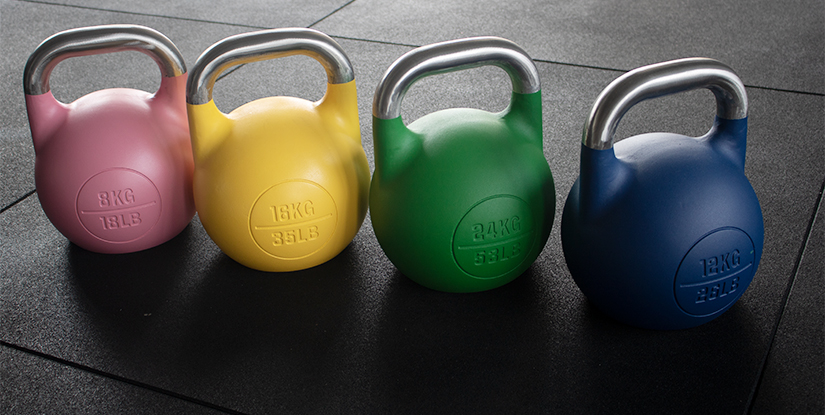
Implementing a structured commercial weight maintenance protocol ensures that these multi-functional tools remain safe and functional. Without routine inspections, minor friction issues can evolve into significant mechanical failures, prematurely increasing your replacement frequency and negatively impacting your total cost of ownership (TCO). For distributors and gym owners, regular upkeep of the adjustable resistance components is a direct investment in long-term asset reliability.
To effectively manage your inventory and ensure gym equipment longevity, facility managers should adopt a tiered inspection strategy. Rather than waiting for a mechanical failure to disrupt a client's workout, proactive oversight of the weight selection hardware prevents the most common points of degradation found in modular resistance tools.
Standard Inspection and Upkeep Schedule
The following table outlines the recommended frequency for evaluating the core components of your adjustable sets to maintain optimal performance and safety standards.
| Inspection Frequency | Component Focus | Maintenance Action |
|---|---|---|
| Daily / Weekly | Locking mechanisms & selector pins | Visual check for debris or loose parts; ensure smooth engagement. |
| Monthly | Weight plates & sliding tracks | Clean tracks to remove dust; check for plate alignment or loose pins. |
| Quarterly | Handles & grip surfaces | Inspect for coating wear or grip degradation; ensure handle stability. |
| Bi-Annually | Full structural assembly | Complete mechanical audit of adjustable resistance upkeep protocols. |
By adhering to this schedule, distributors and facility owners can mitigate the risks associated with mechanical fatigue. Consistent adjustable resistance upkeep not only preserves the physical utility of the equipment but also protects the brand reputation of the facility by preventing unexpected equipment downtime.
Environmental Factors and Storage Protocols
While mechanical audits are essential, the external environment plays a decisive role in procurement longevity. For distributors shipping to diverse global regions, understanding how local climates affect the physical state of adjustable kettlebell dumbbells kettlebell resistance sets is vital. High levels of humidity control are non-negotiable in many commercial gym environments to prevent oxidation on exposed metal surfaces and the degradation of synthetic grips.
To protect your investment and maintain coating integrity, implement strict storage protocols. Avoid placing equipment in unventilated areas or directly against damp exterior walls, as moisture accumulation can accelerate the rusting of internal adjustment pins. For high-end facility setups, maintaining a stable ambient temperature and controlled humidity ensures that the modular components do not expand or contract, which could otherwise cause misalignment in the weight-selection tracks over time.
Logistics and Bulk Handling of Precision Weight Components
Calculating the true TCO of adjustable kettlebell dumbbells kettlebell resistance systems requires looking beyond the initial unit price. For distributors and large-scale gym operators, the financial impact is heavily dictated by the shipping volume vs. weight ratio. Because these units contain dense, precision-engineered components, high-density packing is essential to minimize volumetric weight charges during international transit.
Beyond initial freight, budget allocations must account for long-term commercial weight maintenance. Improper handling during bulk shipments can lead to micro-misalignments in the adjustment mechanisms. Proactive procurement strategies should prioritize manufacturers that utilize reinforced, compact packaging to protect the integrity of the adjustable resistance components, thereby reducing the frequency of replacement costs and ensuring long-term asset value.
Evaluating Total Cost of Ownership and Configuration Efficiency
When sourcing for high-traffic facilities or retail distribution, the configuration of your inventory directly impacts your operational overhead. Choosing between different weight adjustment mechanisms involves a trade-off between mechanical complexity and long-term upkeep. A more sophisticated adjustment system might offer a wider weight range, but it often carries a higher risk of mechanical failure if not paired with a rigorous maintenance schedule.
The following comparison helps procurement managers evaluate how different adjustable resistance configurations impact both the initial logistics footprint and the long-term durability of the equipment in a commercial setting.
| Configuration Type | Maintenance Frequency | Durability Profile | Logistics Complexity |
|---|---|---|---|
| Selector Pin Systems | Low (Visual Inspections) | High (Robust Steel) | Moderate (Standard Palletization) |
| Dial/Spin Adjustment | Moderate (Mechanical Lubrication) | Medium (Precision Parts) | High (Sensitive to Vibration) |
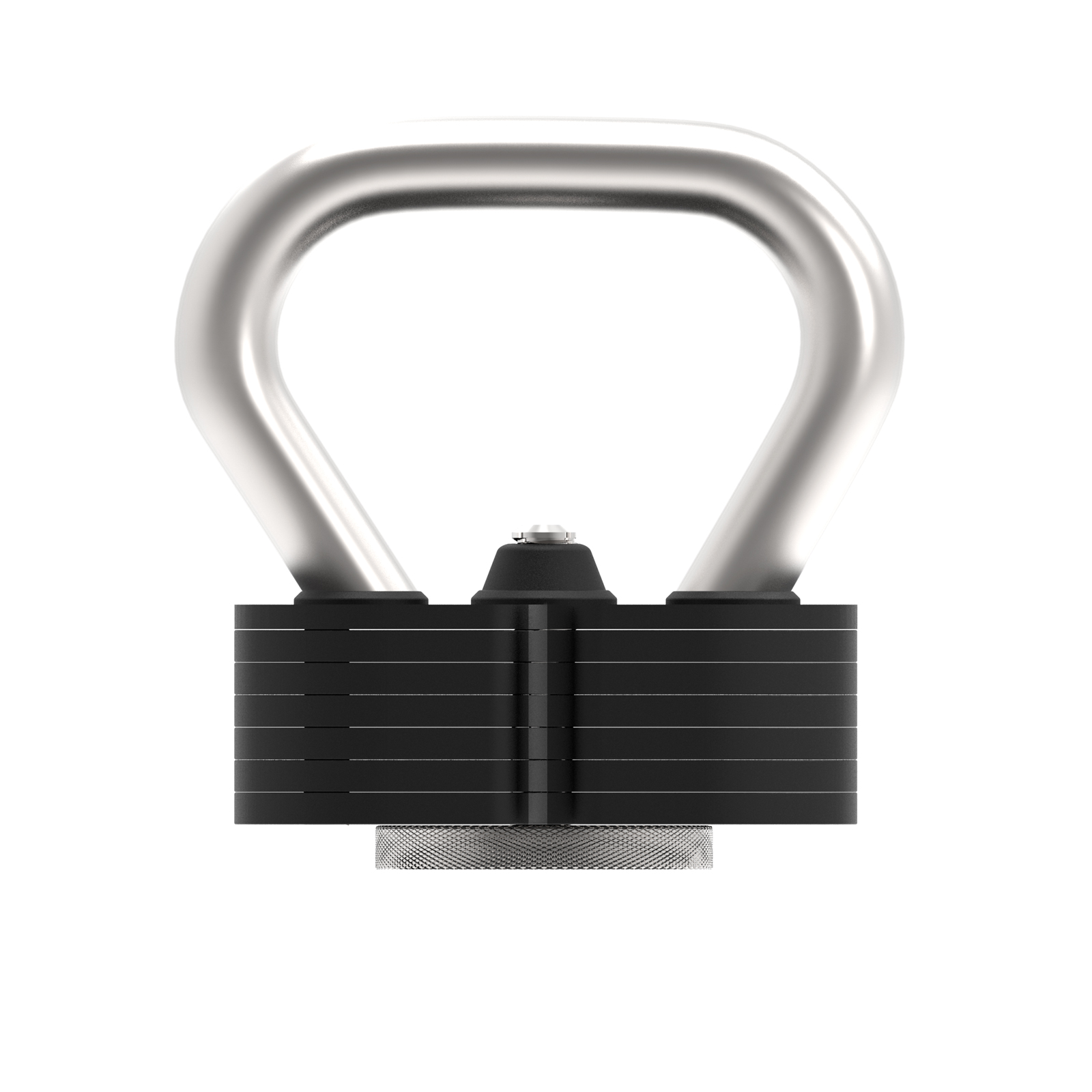
| Plate-Loading Modular | High (Nut/Bolt Tightening) | Very High (Simple Design) | Low (High Density/Compact) |
| Smart Digital Adjustment | Very High (Electronic/Sensor Care) | Variable (Component Dependent) | Extreme (Fragile Electronics) |
For distributors focusing on high-volume turnover, the plate-loading modular approach typically offers the most predictable gym equipment longevity and lowest shipping risk. Conversely, for boutique studios where floor space is the primary constraint, investing in higher-end dial-based systems may justify the increased adjustable resistance upkeep through superior space optimization and aesthetic appeal.
To mitigate hidden expenses during international procurement, buyers must scrutinize the relationship between Minimum Order Quantity (MOQ) and packaging standards. While a higher MOQ may lower the per-unit cost, it often increases the risk of component wear if the manufacturer lacks robust protective layering. For adjustable kettlebell dumbbells kettlebell resistance sets, even minor friction during sea freight can compromise the precision of internal weight-selection tracks.
A professional sourcing strategy involves verifying that the factory utilizes heavy-duty, reinforced cartons and standardized palletization to prevent structural shifts. High-quality packaging acts as the first line of defense for adjustable resistance upkeep, ensuring that precision pins and selector mechanisms arrive without hairline fractures. By prioritizing suppliers who treat packaging as a structural necessity rather than a secondary cost, distributors can secure better gym equipment longevity and avoid the costly cycle of shipping returns or replacement parts due to transit-induced mechanical failure.
Long-Term Asset Management for Adjustable Dumbbell Inventories
In high-traffic commercial environments, the longevity of your investment depends heavily on how you manage the mechanical integrity of your equipment. For distributors and gym owners, maintaining adjustable kettlebell dumbbells kettlebell resistance systems requires a proactive approach to prevent premature depreciation and ensure user safety.
Protecting ROI Through Structural Integrity
Unlike fixed weights, adjustable units contain intricate mechanical components—such as selector pins, sliding rails, and locking mechanisms—that are susceptible to wear and tear. Without a structured commercial weight maintenance protocol, minor friction or debris buildup can lead to stuck settings or uneven weight distribution. Implementing regular inspections of the adjustment interfaces ensures that the durability of the unit remains high, protecting your initial capital expenditure and reducing the frequency of replacement cycles in your inventory.
Mechanical Comparison for Procurement Decision-Making
When sourcing for a high-volume facility or a retail distribution model, the choice between different weight-adjustment technologies dictates your long-term labor costs and replacement frequency. Each mechanism offers a specific trade-off between user speed and mechanical complexity.
| Mechanism Type | Typical Component Lifespan | Maintenance Frequency | Primary Maintenance Concern |
|---|---|---|---|
| Plate-Loading | High (Decades) | Low (Annual/Bi-annual) | Rust prevention on plates |
| Selectorized | Moderate (3–5 Years) | Medium (Quarterly) | Pin and spring tension |
| Dial-Based | Variable (High Usage Dependent) | High (Monthly/Bi-monthly) | Internal gear/track debris |
Effective adjustable resistance upkeep involves more than just visual inspections. For dial-based systems, even microscopic dust accumulation can impede the smooth rotation of internal tracks. For distributors, understanding these technical nuances is critical; while plate-loading systems offer the highest gym equipment longevity with minimal intervention, sophisticated dial-based models may require more frequent technical support but offer higher premium value in boutique settings.
Standardized Inspection Protocols for Facility Managers
To maximize gym equipment longevity, facility managers should implement a formal inspection checklist that goes beyond surface-level aesthetics. In a commercial setting, the constant shifting of weight plates or internal dials creates unique stress points that require systematic verification to prevent mechanical failure.
A reliable maintenance routine should prioritize the following three pillars: first, verify structural integrity by checking for hairline fractures in the housing or grip areas; second, ensure all moving parts receive periodic lubrication using non-corrosive, gym-safe lubricants to prevent seizing; and third, audit the locking mechanisms to ensure they engage fully under load. Following this distributor advice, a quarterly deep-clean of the adjustment tracks can prevent the accumulation of sweat and skin oils, which often degrade the precision of adjustable kettlebell dumbbells kettlebell resistance settings over time.