Maintaining Balls of Steel Adjustable Kettlebells Guide
Deployment Scenarios and Facility Integration
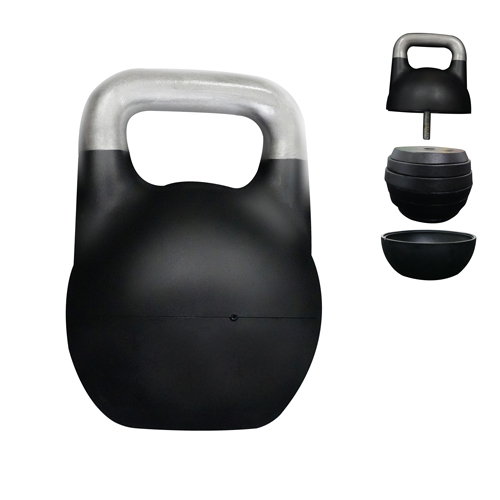
The balls of steel adjustable kettlebell serves as a versatile, high-density strength solution designed to replace multiple fixed-weight units. Commercial buyers prioritize this model to maximize floor utility, allowing for a diverse range of resistance increments within a single, compact footprint.
Strategic Space Optimization for Commercial Layouts
For facility managers and distributors, the primary advantage of implementing the balls of steel adjustable kettlebell is significant footprint reduction. In boutique studios where square footage dictates profitability, replacing a bulky rack of traditional kettlebells with a streamlined adjustable system allows for more movement area or additional training stations.
In high-traffic zones of large-scale commercial gyms, these units minimize clutter and improve flow. Unlike fixed-weight sets that require extensive storage racks, the compact nature of adjustable hardware supports better space optimization. This efficiency is critical when designing layouts for hotel gyms or multi-use training centers where every meter of floor space must be utilized effectively to meet diverse client demands.
Selecting the right equipment configuration requires a rigorous evaluation of inventory density versus operational maintenance. Below is a comparison designed to help procurement managers and distributors weigh the logistical advantages of fixed sets against adjustable models.
| Evaluation Metric | Fixed-Weight Kettlebell Sets | Balls of Steel Adjustable Kettlebell |
|---|---|---|
| Space Requirement | High; requires extensive rack systems | Low; single footprint for multiple weights |
| Storage Density | Low; occupies significant floor area | High; ideal for boutique/compact layouts |
| Inventory Complexity | High; many SKUs and weight increments | Low; single SKU covers wide range |
| Maintenance Profile | Minimal; basic surface inspections | Moderate; requires weight plate locking mechanism safety checks |
While fixed sets offer simplicity, the adjustable kettlebell upkeep involves more frequent mechanical inspections to ensure structural integrity. For distributors, the high density of adjustable models often provides a better return on shipping volume and retail shelf space compared to bulkier traditional sets.
Logistics and Wholesale Optimization
When planning wholesale procurement, distributors must account for the specific logistical profile of adjustable hardware. Unlike traditional iron kettlebells, which are often shipped in high-volume, low-density crates, the balls of steel adjustable kettlebell offers a more efficient shipping volume to weight ratio. This allows for more strategic container loading, reducing the landed cost per unit for international shipments.
Effective inventory management also requires balancing MOQ considerations with warehouse capacity. Because a single unit replaces a wide range of weight increments, distributors can maintain a more diverse product offering with fewer physical SKUs. This minimizes the storage footprint in distribution centers, allowing for higher turnover rates and streamlined adjustable kettlebell upkeep during the replenishment cycle. For large-scale gym builds, this density translates to lower freight overhead and optimized showroom displays.
Optimizing Weight Plate Locking Mechanism Safety
The structural integrity of a balls of steel adjustable kettlebell relies heavily on the precision of its internal components. For distributors and facility managers, understanding the mechanics of the weight plate locking mechanism safety is vital to ensuring long-term product reliability and reducing liability in high-traffic environments.
In professional fitness settings, the constant transition between weight increments places significant stress on the locking pins and selector pins. Neglecting commercial gym equipment maintenance can lead to microscopic wear within the housing, eventually causing plate slippage or mechanical failure. To maintain peak durability, procurement specialists should prioritize units that feature reinforced locking tracks and high-grade steel components designed to withstand thousands of adjustment cycles without losing tension.
Mechanical Comparison of Locking Systems
When sourcing for high-volume commercial facilities, the choice between pin-style and screw-collar mechanisms dictates both the initial procurement cost and the long-term Total Cost of Ownership (TCO). While pin-style systems offer rapid weight transitions, they are more susceptible to impact-related wear. Conversely, screw-collar systems provide superior stability but require more time for adjustments, which may affect the throughput of a boutique studio or training facility.
| Mechanism Type | Primary Benefit | Maintenance Frequency | Ideal Procurement Use Case |
|---|---|---|---|
| Selector Pin Style | Rapid weight transitions | High (Monthly inspection) | HIIT studios & CrossFit gyms |
| Screw-Collar System | Maximum structural stability | Low (Quarterly inspection) | Strength & Heavy Lifting clubs |
| Spring-Loaded Cam | User-friendly adjustment | Moderate (Bi-monthly) | Hotel gyms & Wellness centers |
From a distributor perspective, selecting the correct mechanism depends on the end-user's programming. If your clients prioritize high-intensity, fast-paced movements, a pin-style system is more efficient. However, for heavy-duty strength training where weight plate stability is non-negotiable, the screw-collar approach offers a more durable solution that minimizes the risk of mechanical fatigue. Evaluating these technical trade-offs during the initial order ensures that your inventory aligns with the specific operational demands of your target market.
Standardized Maintenance Protocol for Facility Managers
Establishing a strict adjustable kettlebell upkeep routine is essential for mitigating the risks of mechanical fatigue in a commercial gym environment. To ensure operational safety, facility managers should implement a tiered inspection schedule that moves beyond simple visual checks to include functional testing of the weight displacement systems.
A proactive approach focuses on identifying early signs of wear and tear, such as resistance in the adjustment tracks or slight play in the handle grip. We recommend a quarterly deep-audit for all balls of steel adjustable kettlebell units in your inventory. This process should include inspecting the locking pins for deformation, checking the coating for chips that could lead to oxidation, and ensuring the weight plates move smoothly within their designated grooves. For high-turnover boutique studios, monthly surface cleaning and a quick functional test of the selector mechanism can prevent the small mechanical issues that often lead to costly replacement cycles or equipment downtime.
Rigorous Upkeep for Commercial Environments
In high-use environments such as boutique strength studios or large-scale fitness franchises, the frequency of weight transitions places immense stress on moving parts. For a balls of steel adjustable kettlebell, routine oversight is not merely about cleanliness; it is a critical requirement to preserve the structural integrity of the unit and ensure user safety during high-intensity training.
Effective commercial gym equipment maintenance requires a proactive approach toward the internal mechanics. Specifically, facility managers must prioritize weight plate locking mechanism safety to prevent accidental dislodgement. Neglecting these small components can lead to premature wear, increasing the total cost of ownership and necessitating more frequent replacement cycles for your inventory.
| Maintenance Factor | Standard Inspection | Impact on TCO |
|---|---|---|
| Locking Mechanism | Weekly visual check | Prevents premature part replacement |
| Surface Coating | Monthly wipe-down | Maintains resale and aesthetic value |
| Internal Movement | Quarterly functional test | Reduces long-term liability risks |
Standardized Maintenance Schedule
To optimize the lifespan of your inventory, implement a structured adjustable kettlebell upkeep workflow. Relying on reactive repairs rather than scheduled oversight often leads to higher procurement costs. Use the following facility manager checklist to maintain operational standards across your facility.
- Daily Inspection: Conduct a quick visual scan of the handle and exterior casing for any visible cracks or structural fatigue.
- Weekly Lubrication: Apply a minimal amount of high-grade silicone lubricant to the internal sliding rails to ensure smooth weight transitions.
- Monthly Mechanical Check: Test the tension of the weight plate locking mechanism safety components to ensure plates remain seated during vigorous movement.
For distributors and large-scale gym owners, consistent adherence to these protocols minimizes the risk of equipment failure and protects the long-term ROI of your strength training assets.
Standardizing your labor allocation through a predictable inspection cycle is essential for managing large-scale inventories. Below is a breakdown of necessary oversight levels to ensure your equipment remains compliant with safety standards in professional settings.
| Frequency | Inspection Type | Focus Area | Commercial Setting Context |
|---|---|---|---|
| Daily | Visual Scan | Handle integrity and surface cracks | High-traffic HIIT studios |
| Weekly | Functional Test | Weight plate locking mechanism safety | Commercial strength zones |
| Monthly | Structural Audit | Internal rail movement and friction | Boutique fitness franchises |
| Quarterly | Full Deep Clean | External coating and hardware stability | Hotel and hospitality gyms |
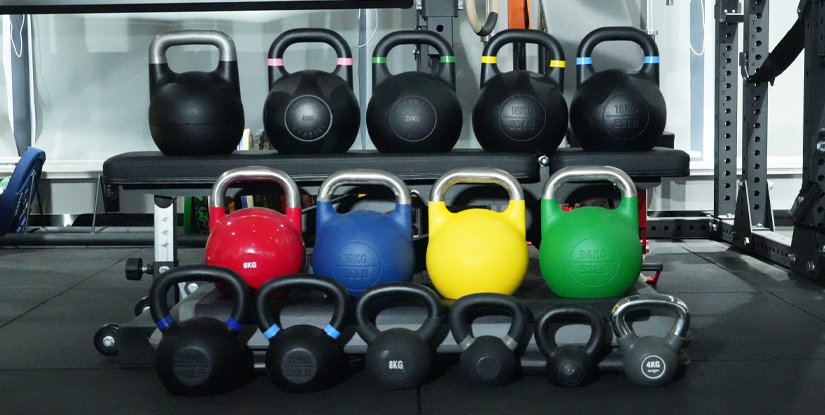
By integrating these checkpoints into your standard operating procedures, distributors can offer more reliable long-term support to their end-users, reducing the frequency of warranty claims and technical support requests.
Evaluating Component Wear and Replacement Cycles
In high-traffic fitness environments, the mechanical complexity of a balls of steel adjustable kettlebell introduces specific variables regarding long-term structural integrity. Unlike fixed-weight models, adjustable units experience friction-based wear on moving parts, making proactive commercial gym equipment maintenance a necessity rather than an option for facility managers.
Identifying Critical Wear Zones
Distributors and procurement managers must monitor the interaction between the weight plates and the internal housing. The primary concern involves the weight plate locking mechanism safety; frequent adjustments can lead to microscopic deviations in the alignment of the locking pins or selector pins. If the internal mechanism loses its precision, the risk of weight shifting during high-velocity movements increases.
Typical wear manifests in three specific areas:
- The Selection Track: Wear on the grooves where plates slide into position.
- Locking Interface: Fatigue in the spring-loaded or manual locking components.
- Handle Grip Integrity: Erosion of the coating or texture due to repeated contact with chalk and sweat.
From a wholesale procurement perspective, sourcing units with reinforced, high-grade steel components significantly reduces the total cost of ownership by extending the interval between full unit replacements.
To optimize inventory turnover and minimize replacement costs, distributors should implement a standardized inspection protocol. Understanding the distinction between cosmetic degradation and functional failure is essential for maintaining high safety standards in commercial settings.
| Component | Wear Indicator | Replacement Cycle | Adjustable Kettlebell Upkeep |
|---|---|---|---|
| Selector Pins | Visible bending or loose fitment | 18–24 Months | Monthly alignment check |
| Weight Plate Grooves | Rough edges or debris buildup | 24–36 Months | Quarterly debris removal |
| Locking Mechanism | Delayed engagement or grinding | 12–18 Months | Lubrication inspection |
| External Shell | Deep scuffs or structural cracks | Immediate (Safety Risk) | Weekly visual inspection |
Effective adjustable kettlebell upkeep requires a tiered approach. While routine cleaning addresses superficial buildup, mechanical deviations in the locking interface often signal a need for component-level replacement. For wholesalers, providing clients with this technical breakdown ensures they can manage their stock efficiently without premature disposal of functional assets.
Strategic Procurement and Inventory Management
Optimizing the lifecycle of a balls of steel adjustable kettlebell requires moving beyond reactive purchasing toward a predictive procurement strategy. For large-scale distributors and gym chains, relying on ad-hoc orders when equipment fails leads to increased downtime and inconsistent training experiences. Instead, facility managers should treat these high-precision tools as specialized assets with predictable lifespans.
A robust inventory plan should account for both the natural replacement cycles of mechanical components and the seasonal fluctuations in gym occupancy. When negotiating with manufacturers or large-scale wholesalers, consider the long-term durability of the internal chassis. Sourcing models that offer modularity—where specific internal components can be replaced without discarding the entire unit—provides a significant advantage in lowering the total cost of ownership and maintaining a consistent product lineup.
To minimize operational disruptions, we recommend maintaining a baseline of "buffer stock" for high-wear parts. By aligning your maintenance protocols with a tiered replenishment schedule, you ensure that a single worn selector pin does not sideline an entire set of premium equipment. This proactive approach to sourcing and stock management is the hallmark of efficient commercial gym operations.
Sourcing Standards for Adjustable Kettlebell Upkeep
Distributors and facility managers must prioritize structural integrity when sourcing a balls of steel adjustable kettlebell for high-traffic environments. Unlike residential models, commercial-grade units must withstand high-frequency usage scenarios without mechanical fatigue or component loosening.
Evaluating Mechanical Reliability and Safety
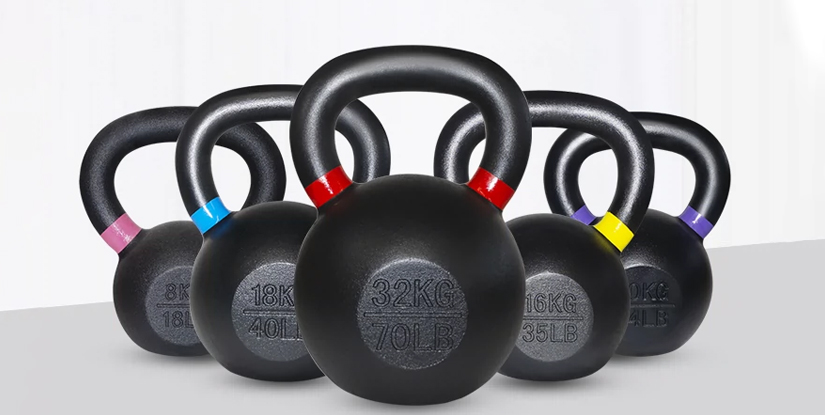
A critical procurement metric is the weight plate locking mechanism safety. In professional settings, the locking system must be resilient against vibration and repetitive impact. We recommend inspecting the tolerance of the adjustment pins and the tension of the weight-holding plates. High-quality commercial gym equipment maintenance begins at the factory level; ensure the manufacturer utilizes reinforced steel alloys that prevent deformation during rapid weight changes. Failure to secure these mechanisms can lead to significant long-term liability and increased replacement costs for the end-user.
| Feature Dimension | Standard Commercial Requirement | Procurement Risk Factor |
|---|---|---|
| Locking Mechanism | Dual-point or reinforced pin systems | Single-point friction locks |
| Material Composition | High-tensile steel with powder coating | Thin-gauge iron or light alloys |
| Usage Durability | Designed for 1,000+ weight cycles | Limited to low-impact/home use |
When evaluating the technical specifications of various locking configurations, buyers should differentiate between speed of adjustment and long-term structural stability. Selecting the wrong mechanism can lead to higher total cost of ownership (TCO) due to frequent repairs or premature replacement in high-volume facilities.
Mechanism Comparison for Procurement Decisions
The following table provides a technical breakdown of common locking systems to assist distributors in determining the most suitable model for their specific client profiles, ranging from boutique studios to large-scale commercial gyms.
| Locking System Type | Mechanism Profile | Maintenance Frequency | Commercial Suitability |
|---|---|---|---|
| Pin-Lock System | Mechanical pin insertion | Low (Annual inspection) | High-traffic commercial gyms |
| Screw-On / Threaded | Manual screw tightening | High (Weekly check) | Boutique/Personal training studios |
| Magnetic/Snap-Fit | Quick-release friction | Medium (Bi-monthly) | Residential or light fitness clubs |
For wholesalers and large-scale distributors, the pin-lock system typically offers the best balance of adjustable kettlebell upkeep efficiency and safety. While screw-on mechanisms may offer a lower initial unit cost, the labor requirements for constant tightening in a professional environment often negate the initial savings through increased operational downtime.
Logistics and Inventory Quality Control
For international distributors, managing the lifecycle of a balls of steel adjustable kettlebell requires strict oversight of shipment durability and component availability. High-density steel components are heavy and subject to impact during transit; therefore, verifying the integrity of the outer coating and the internal mechanical housing is essential before stock reaches the warehouse. We advise implementing a multi-stage QC inspection point system that tests the ease of weight transitions and the smoothness of the adjustment track. This prevents the shipment of units with micro-fractures or jammed plates that could lead to customer returns.
Furthermore, when negotiating with manufacturers, consider the MOQ considerations for specialized parts such as replacement pins or custom weight plates. Maintaining a buffer of critical components ensures that facility managers can address minor wear without replacing the entire unit. Prioritizing these replacement-ready models significantly optimizes the long-term TCO, as it allows for localized maintenance rather than full-unit replacement, protecting the distributor's reputation for reliability and high-performance standards.
Long-Term ROI and Inventory Management Strategies
Optimizing your facility's procurement strategy requires looking beyond the initial purchase price to understand the total cost of ownership. For distributors and high-volume gym operators, selecting a premium balls of steel adjustable kettlebell ensures that capital expenditure translates into years of reliable service rather than frequent replacement costs.
Durability vs. Initial Cost
While entry-level adjustable options may offer a lower upfront price point, they often fail to meet the rigorous demands of high-traffic commercial environments. High-quality builds reduce the frequency of commercial gym equipment maintenance and prevent the premature degradation of moving parts. Investing in robust construction minimizes the risk of component failure, which can lead to costly downtime or liability concerns during peak hours.
| Investment Metric | Standard Adjustable Models | Premium Commercial Grade |
|---|---|---|
| Replacement Cycles | Frequent (12–24 months) | Extended (3–5+ years) |
| Maintenance Intensity | High (Frequent part replacement) | Low (Routine inspections only) |
| Long-term ROI | Lower due to high turnover | Higher due to asset longevity |
By prioritizing high-spec builds, procurement managers can effectively manage replacement cycles and stabilize long-term equipment budgets. This approach ensures that your inventory remains a functional asset rather than a recurring expense.
Space Efficiency and Inventory Control
For boutique studios and boutique fitness distributors, floor space is a high-value asset. A single set of premium adjustable kettlebells can replace an entire rack of fixed-weight implements, significantly improving your facility layout. This density allows for more versatile training zones without the logistical burden of managing dozens of individual SKUs. Reducing the number of distinct items in your inventory also simplifies warehouse organization and streamlines shipping logistics for wholesale orders.
Furthermore, the safety of these compact systems relies heavily on the weight plate locking mechanism safety. In high-traffic environments, a reliable locking system prevents weight shifts that could damage flooring or cause user injury. When sourcing for a commercial client, ensure the mechanism is designed for high-frequency use to maintain both the adjustable kettlebell upkeep standards and the overall professional appearance of the strength training area.
Scaling and Procurement Logistics
When scaling inventory for distribution or large-scale facility rollouts, procurement specialists must balance MOQ considerations with long-term demand forecasting. High-volume orders for the balls of steel adjustable kettlebell often yield better unit economics, but successful scaling depends on rigorous QC inspection points during the manufacturing stage. We recommend verifying the structural integrity of the adjustment dial and the precision of the weight plate seating before any shipment departs the factory.
Effective logistics/storage optimization is equally critical for maintaining product quality. Unlike fixed kettlebells, adjustable units feature more complex internal components that require controlled environments. To protect your investment, ensure that shipping containers and warehouse storage areas are climate-controlled to prevent moisture buildup, which can affect metal coatings and mechanical precision. By integrating these quality control and storage protocols into your supply chain, you minimize the risk of receiving defective units and maximize the operational lifespan of your entire inventory.