Installing and Maintaining Cast Iron Weight Plates
Verifying Manufacturer Standards and Quality Control Protocols
High-quality weight plates cast iron are essential structural components in professional strength training environments. B2B buyers prioritize these products because they offer unmatched density and long-term durability, providing a stable, predictable load that remains consistent even under the high-frequency usage typical of commercial gym equipment upkeep.
When sourcing at scale, procurement managers must look beyond simple weight markings to verify technical manufacturing tolerances. Reliable production processes ensure that weight plates cast iron maintain strict density consistency across entire batches. This precision prevents uneven weight distribution, which can lead to uneven wear on barbell sleeves and premature mechanical failure in high-end strength machines. For distributors and facility owners, ensuring that the factory adheres to rigorous quality control protocols is a critical step in minimizing long-term replacement costs and maintaining professional standards.
To mitigate the risks of batch variance, professional buyers should request technical specification sheets that detail the manufacturer's ability to control material uniformity. A high-performing factory will provide specific metrics regarding the physical integrity of the casting. Discrepancies in density or surface consistency often signal poor cooling processes, which can lead to structural fractures or uneven oxidation over time.
Use the following technical benchmarks to evaluate the production capabilities of your potential suppliers during the RFQ process:
| QC Metric | High-Tier Commercial Standard | Impact on Longevity |
|---|---|---|
| Weight Tolerance | ±1% to 1.5% variance | Ensures balanced barbell loading and machine precision |
| Surface Finish | Smooth, uniform texture | Reduces friction and prevents chipping during high-volume use |
| Coating Integrity | Consistent micron thickness | Essential for iron plate rust prevention and aesthetic longevity |
| Structural Uniformity | Consistent density throughout | Prevents internal stress fractures and structural failure |
Prioritizing these technical indicators during the vetting stage allows distributors to secure inventory that meets the rigorous demands of high-traffic facilities. Selecting a partner with documented control over these variables directly supports a lower total cost of ownership through reduced maintenance and replacement cycles.
Logistics Integrity and Packaging Standards
Beyond manufacturing precision, the durability of your shipment depends heavily on logistics protocols. Procurement managers must verify that suppliers utilize reinforced, heavy-duty packaging designed for high-density freight. Inadequate protection during transit often results in micro-fractures or surface abrasions, which compromise the effectiveness of iron plate rust prevention protocols once the product reaches the facility.
When negotiating bulk orders, ensure your MOQ considerations include specific packaging requirements. Reliable manufacturers use palletized, shrink-wrapped configurations to stabilize the load, preventing metal-on-metal friction during long-haul sea freight. Furthermore, specialized weight plate storage solutions—such as moisture-controlled crates or industrial-grade dividers—should be part of the shipping specification. This proactive approach to shipping durability protects the structural integrity of the cast iron and ensures that your inventory arrives in showroom condition, ready for immediate deployment in high-traffic commercial settings.
Optimizing Installation Workflows for Heavy Iron Plates
Effective maintenance for weight plates cast iron involves more than occasional cleaning; it requires a systematic approach to preserve structural integrity and surface finish. For high-traffic facilities, establishing a routine for commercial gym equipment upkeep is essential to protect the initial capital investment and extend the replacement cycle.
The primary objective of preventative maintenance is to mitigate environmental degradation. In many commercial settings, managing humidity control is the most critical factor in preventing oxidation. Without regulated air quality and proper storage, even high-quality iron components can succumb to surface rust, which complicates inventory management and reduces the aesthetic value of the weight sets.
Environmental Impact on Storage Selection
Facility managers must select weight plate storage solutions based on the specific climate profile of their location. The relationship between ambient humidity and iron plate rust prevention is direct; high-moisture environments accelerate oxidation if plates are left exposed or improperly stacked. For example, indoor racks in climate-controlled fitness centers require minimal intervention, whereas outdoor training zones or semi-open warehouse-style gyms demand more rigorous oversight.
To optimize long-term durability, consider the following comparison of storage environments and their respective maintenance requirements:
| Storage Environment | Typical Humidity Level | Maintenance Frequency | Primary Focus |
|---|---|---|---|
| Climate-Controlled Gym | Low to Moderate | Quarterly | Surface dusting and coating integrity |
| Semi-Outdoor/Garage Gym | Variable/High | Monthly | Moisture removal and oxidation checks |
| High-Humidity Coastal Area | High | Bi-weekly | Rust prevention and protective oiling |
Monitoring the coating integrity of your inventory is a vital part of commercial gym equipment upkeep. When the protective layer shows signs of wear, immediate intervention prevents deep-seated corrosion, ensuring the plates remain safe for high-volume commercial use.
Logistics and Inventory Rotation Strategies
For distributors and large-scale facility operators, minimizing Total Cost of Ownership (TCO) requires optimizing how weight plates cast iron are handled during both procurement and daily operation. In high-traffic gym environments, the physical movement of heavy inventory can lead to premature wear if logistics-related handling is neglected. Implementing a structured inventory turnover protocol ensures that stock does not sit stagnant in suboptimal conditions, which can lead to uneven oxidation or surface degradation.
To maintain long-term durability and streamline weight plate storage solutions, professionals should prioritize organized vertical stacking and mobile placement. Utilizing heavy-duty, wheeled storage racks allows for easier repositioning during floor cleaning or facility reconfiguration, reducing the mechanical stress on the plates themselves. By treating inventory movement as a controlled logistical process rather than an ad hoc task, buyers can ensure their equipment maintains a premium appearance and functional longevity despite high usage volumes.
Strategic Weight Plate Storage Solutions for Facility Longevity
Efficiently managing the footprint of weight plates cast iron requires a calculated approach to facility layout. For high-traffic commercial gyms, the goal is to balance maximum accessibility for athletes with the physical constraints of the floor plan. Poorly planned storage doesn't just clutter the room; it complicates commercial gym equipment upkeep and increases the risk of floor damage.
When sourcing storage hardware, procurement managers must evaluate the trade-off between vertical density and ease of movement. While vertical racks save floor space, they may increase the time required for plate transitions during heavy lifting sessions. Selecting the right configuration depends on your specific volume of inventory and the available square footage.
| Storage Configuration | Footprint Impact | Accessibility Level | Best Use Case |
|---|---|---|---|
| Wall-Mounted Racks | Minimal | Moderate | Boutique studios or tight spaces |
| Vertical Toasters | Low | High | High-density strength zones |
| Horizontal A-Frames | High | Maximum | Open-concept training floors |
Optimizing footprint optimization strategies during the initial build-out phase ensures that your iron inventory remains organized and protected. A well-structured storage plan reduces wear on the plates and simplifies routine maintenance cycles for facility staff.
Deciding between vertical vs horizontal configurations often dictates the long-term utility of a strength zone. Vertical storage systems, such as high-capacity toasters, offer superior floor space efficiency, making them the preferred choice for distributors or facility managers dealing with limited square footage. However, these setups often require more meticulous organization to prevent plates from becoming jammed or difficult to extract during peak hours.
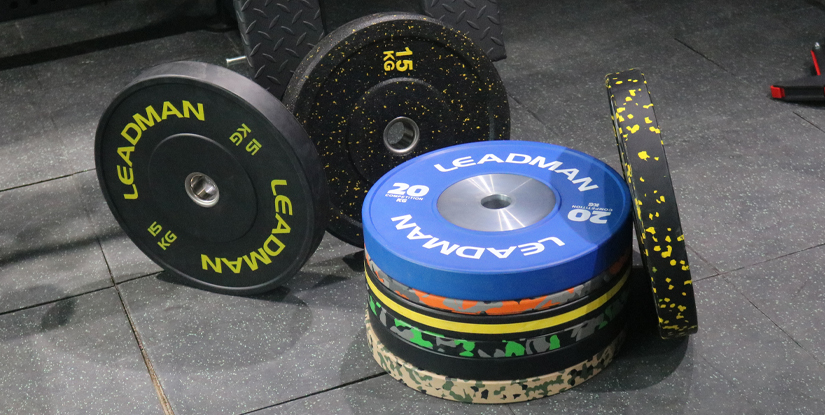
In contrast, horizontal A-frame designs provide a more intuitive user experience by allowing athletes to slide plates on and off with minimal friction. While these weight plate storage solutions demand a larger physical footprint, they often reduce the frequency of minor surface abrasions caused by heavy lifting. For large-scale commercial facilities, a hybrid approach—utilizing vertical racks for bulk inventory and horizontal frames for high-frequency plates—often yields the best return on investment by balancing density with operational flow.
Managing Density and Structural Integrity
When planning for long-term inventory, buyers must account for the physical density and load-bearing capacity of their storage hardware. High-density weight plates cast iron can exert significant concentrated pressure on shelving and rack uprights. It is essential to verify that your storage systems are engineered to withstand the cumulative weight of full sets without structural deformation, as even minor bowing in a rack can compromise safety and durability.
Beyond structural stability, environmental control is a critical factor in iron plate rust prevention. In humid or high-traffic commercial settings, plates stored in open-air configurations are more susceptible to oxidation. We recommend sourcing storage units that allow for adequate airflow while potentially incorporating protective coatings or specialized finishes. Maintaining a dry, well-ventilated storage area is the most cost-effective way to protect your initial capital investment and extend the lifecycle of your strength equipment.
Preventing Oxidation and Managing Iron Plate Rust Prevention
For facility managers and distributors, understanding the chemical vulnerability of weight plates cast iron is essential for managing long-term Total Cost of Ownership (TCO). Unprotected iron is highly susceptible to oxidation, a process where atmospheric oxygen and moisture react with the metal surface to create rust, potentially compromising the aesthetic and structural integrity of the equipment.
The Role of Protective Coatings and Moisture Control
Effective commercial gym equipment upkeep begins with selecting products that utilize high-quality protective coatings. Whether utilizing powder coating or specialized industrial lacquers, these layers act as a barrier against humidity. In high-traffic environments or coastal regions where humidity fluctuates, strict moisture control within storage areas is vital. Without these preventative measures, oxidation can accelerate, leading to surface degradation that requires frequent, costly refurbishment or premature replacement of the inventory.
Evaluating the cost-benefit ratio of different surface treatments is a critical step during the procurement phase. While raw iron offers the lowest initial unit cost, the long-term maintenance frequency and labor costs associated with surface restoration can quickly offset those savings. To assist in your selection process, the following comparison highlights how different finishes impact durability and operational overhead.
Comparison of Surface Finishes and Maintenance Requirements
| Finish Type | Durability Level | Maintenance Frequency | Typical Use Case |
|---|---|---|---|
| Natural / Raw Iron | Low | High (Frequent oiling required) | Budget-focused garage gyms or low-humidity environments |
| Painted Finish | Moderate | Medium (Prone to chipping) | Standard commercial clubs with basic ventilation |
| Powder Coated | High | Low (Minimal intervention) | High-traffic commercial facilities and humid climates |
Beyond surface treatment, implementing structured weight plate storage solutions—such as vertical racks or specialized pallets—can further mitigate oxidation risks. By lifting the plates off damp floors and ensuring airflow, distributors can extend the lifespan of the inventory and reduce the frequency of iron plate rust prevention protocols.
Optimizing Storage and Routine Inspections
To ensure long-term durability, procurement managers should prioritize weight plate storage solutions that promote air circulation. Storing plates directly on concrete floors in a commercial gym environment often leads to moisture entrapment, accelerating oxidation. Instead, utilize elevated metal racks or specialized pallet systems to keep the metal away from floor-level condensation and potential liquid spills.
A disciplined routine inspection schedule is the most effective way to catch early signs of surface degradation. We recommend that facility staff conduct a monthly visual audit of the inventory to identify any localized pitting or discoloration. If oxidation is detected, immediate intervention—such as applying a thin layer of industrial-grade lubricant or specialized metal protectant—can prevent deep-seated rust from compromising the plate's surface. Maintaining strict humidity control through HVAC optimization or industrial dehumidifiers will further stabilize the environment, protecting your investment and reducing long-term replacement cycles.
Calculating Landed Costs and Bulk Logistics for Iron Inventory
A common mistake in procurement is evaluating weight plates cast iron based solely on the factory ex-works price. For commercial distributors and large-scale facility managers, the true cost is the landed cost, which encompasses every expense incurred from the factory floor to your warehouse door.
To accurately project your budget, you must account for the heavy nature of these goods. Logistics overhead often dictates the final margin. Key landed cost components include ocean freight, port handling fees, customs brokerage, and specific import duties. Because weight plates cast iron are high-density items, shipping costs are heavily influenced by weight-to-volume ratios. Opting for volume-based pricing through larger MOQ (Minimum Order Quantity) tiers can significantly lower the per-unit shipping burden, effectively optimizing your total cost of ownership through more efficient container utilization.
Selecting the right shipping model is a strategic decision that balances immediate capital outlay against long-term inventory stability. Depending on whether you are restocking a boutique studio or a regional distribution center, your choice between sea freight and local sourcing will impact both your cash flow and your ability to meet client demand.
Comparison of Sourcing and Shipping Models
| Logistics Model | Cost-Efficiency | Typical Lead Time | MOQ Implications |
|---|---|---|---|
| Full Container Load (FCL) | Highest (Best per-unit cost) | Long (4–8 weeks) | High (Full container required) |
| LCL (Less than Container Load) | Moderate | Medium (3–6 weeks) | Low to Moderate |
| Local Distributor | Lowest (Higher per-unit price) | Short (Days to weeks) | Very Low (Small batches) |
While FCL offers the most aggressive pricing for bulk weight plates cast iron orders, it requires significant warehouse space and upfront capital. LCL serves as a middle ground for growing gyms that need to maintain stock without the overhead of a full container. Conversely, local distributors provide excellent agility for rapid replenishment but often result in higher landed costs due to the added margins of the domestic supply chain.
Optimizing Inventory Turnover and Storage Durability
Effective inventory management extends beyond the initial purchase; it requires a strategic approach to storage to protect your capital investment. Implementing high-quality weight plate storage solutions, such as heavy-duty vertical racks or specialized floor stands, prevents the structural fatigue often seen when plates are stacked haphazardly. Proper organization not only streamlines facility layout but also facilitates faster inventory turnover by making stock audits and replenishment cycles more efficient.
To maintain the aesthetic and structural integrity of your stock, prioritize iron plate rust prevention protocols. For distributors holding large volumes, maintaining a climate-controlled or low-humidity environment is essential to prevent oxidation during long-term storage. Furthermore, when managing international shipments, ensure that packaging is reinforced to minimize damage during transit. Using palletized configurations with heavy-duty shrink wrapping helps stabilize the load, reducing the risk of impact-related fractures and ensuring that the weight plates cast iron arrive in a condition that meets professional commercial standards.
Long-Term Maintenance Scheduling for Commercial Gym Equipment Upkeep
For facility managers and distributors, the lifecycle of weight plates cast iron units is determined by the rigor of a structured maintenance schedule. Rather than waiting for visible oxidation or structural degradation, high-traffic environments benefit from a proactive approach to preventative maintenance that protects the initial capital investment.
Effective commercial gym equipment upkeep involves a tiered inspection cycle. Monthly visual audits should check for surface rust or coating chips, while quarterly deep cleans ensure that dust and moisture do not settle in storage racks. By treating maintenance as a core component of facility management, buyers can significantly lower the TCO (Total Cost of Ownership). This strategy prevents the premature replacement cycles that often plague poorly managed stock, ensuring that the durability of the iron remains a long-term asset rather than a recurring expense.
To maximize the return on investment for bulk orders, implement a structured inspection frequency that aligns with your facility's environmental controls. For example, high-humidity regions require more aggressive humidity control and more frequent surface monitoring to mitigate oxidation risks.
| Inspection Frequency | Primary Maintenance Task | Focus Area |
|---|---|---|
| Weekly | Surface debris removal | Weight plate storage solutions |
| Monthly | Oxidation check | Iron plate rust prevention |
| Quarterly | Deep cleaning & coating inspection | Structural integrity & rack alignment |
| Annually | Full inventory audit | TCO & replacement forecasting |
Utilizing professional weight plate storage solutions, such as elevated racks, prevents direct contact with damp flooring. Integrating these routine checks into your operational workflow ensures that your cast iron inventory maintains its premium aesthetic and functional standard for years.
Optimizing Storage for Asset Longevity
The long-term value of your procurement depends heavily on the controlled environment in which the inventory resides. To preserve the integrity of weight plates cast iron, procurement managers must prioritize moisture-controlled areas. Storing equipment in unconditioned warehouses or near high-humidity zones can accelerate oxidation, regardless of the initial coating quality.
Strategic long-term asset management involves selecting weight plate storage solutions that facilitate airflow and prevent ground-level moisture accumulation. We recommend utilizing heavy-duty, elevated steel racks rather than floor-level stacking. By maintaining a stable storage environment with consistent humidity levels, distributors can ensure the weight plates cast iron durability meets the expected lifespan of the facility, protecting the initial capital outlay from environmental depreciation.