Optimizing Gym Floor Layout with Cast Iron Weight Plates
Navigating High-Traffic Zones with Strategic Plate Placement
Efficient commercial gym floor planning requires a precise balance between equipment density and user mobility to prevent operational bottlenecks. When sourcing cast iron weight plates for large-scale facilities, procurement managers must evaluate how bulk weight storage interacts with high-traffic zones to mitigate safety risks, ensure adherence to strict facility dimensions, and streamline the logistics of daily equipment turnover. Neglecting these spatial variables often leads to cluttered training areas that diminish the perceived value of the premium fitness space.
The strategic positioning of cast iron weight plates is a critical factor in maintaining long-term spatial efficiency. In high-output environments, such as strength training hubs or heavy lifting zones, disorganized weight distribution creates significant friction in movement. Without dedicated, high-density storage solutions, loose plates often migrate from their intended stations, obstructing walkways and creating unnecessary hazards for members. For distributors and facility owners, investing in structured storage systems is not merely about organization; it is a calculated move to protect the facility's floor-plan ROI by maximizing the usable square footage available for active training.
Comparing Storage Configurations for Spatial Optimization
Selecting the right weight plate storage solutions depends heavily on your facility's specific footprint and the intended traffic flow. For high-density commercial gym floor planning, you must weigh the trade-offs between immediate accessibility and long-term durability. Vertical, horizontal, and integrated configurations each serve distinct operational roles depending on your floor-space constraints and the weight classes being utilized.
| Configuration Type | Primary Benefit | Spatial Footprint | Accessibility Profile |
|---|---|---|---|
| Vertical Toasters/Trees | Minimal floor footprint | Low (Vertical stack) | High for smaller increments |
| Horizontal A-Frames | High stability/durability | Moderate (Linear spread) | Optimal for heavy bulk plates |
| Integrated Rack Systems | Maximum spatial efficiency | Integrated with stations | Efficient for high-turnover zones |
When sourcing for a large-scale facility, consider that vertical storage often maximizes usable square footage in compact boutique setups, whereas horizontal A-frames provide superior stability for heavy cast iron sets in high-traffic strength zones. Integrated systems, which attach directly to power racks, offer the highest level of organization by keeping weight within arm's reach, effectively reducing the distance users travel across the gym floor and minimizing transit-related congestion.
From a procurement perspective, the decision to invest in high-grade storage is also a decision regarding long-term maintenance and floor protection. Heavy-duty cast iron weight plates exert significant concentrated pressure on gym flooring; therefore, placement near high-traffic walkways must account for both impact resistance and surface durability. When finalizing a shipment or distributor order, ensure that the weight-bearing structures are compatible with your facility's subflooring to prevent structural deformation over time.
Smart logistics planning extends to the unloading and restocking phase. For distributors and facility managers, selecting storage solutions that facilitate rapid, safe reloading is essential for minimizing downtime during peak hours. A well-organized placement strategy reduces the physical strain on staff and members, lowers the frequency of required floor maintenance, and protects the integrity of your cast iron inventory by preventing accidental drops or uneven stacking. Ultimately, prioritizing high-density, structured storage ensures that your heavy equipment remains an asset rather than a spatial liability.
Maximizing Spatial Efficiency Through Verticality
Effective commercial gym floor planning requires a shift from horizontal expansion to vertical optimization. Relying on floor-based stacks for cast iron weight plates creates significant hazards and limits movement. By utilizing verticality, facility managers can drastically reduce the equipment's footprint, reclaiming high-value square footage for active training zones.
For distributors and gym owners, selecting the right storage architecture is a decision involving both durability and traffic flow. A well-organized vertical system prevents disorganized weight plate distribution, which often leads to bottlenecks in high-traffic areas. Instead of scattered sets, integrated storage solutions ensure that heavy iron remains accessible yet contained.
| Storage Configuration | Floor Footprint | Traffic Impact | Procurement Focus |
|---|---|---|---|
| Wall-Mounted Racks | Minimal | Low disruption | Structural load capacity |
| Standalone Vertical Trees | Compact | Moderate | Base stability/Tip prevention |
| Integrated Rack Pegs | Zero additional | Optimized flow | Compatibility with rack frames |
When evaluating weight plate storage solutions, procurement managers must balance the immediate footprint against long-term durability and structural requirements. A heavy cast iron load requires a storage system with high load capacity to prevent metal fatigue or bending over years of commercial use. For example, while wall-mounted configurations maximize floor-to-ceiling volume, they require professional installation to ensure the mounting surface can sustain the concentrated weight of dense iron plates. Conversely, standalone vertical trees offer greater mobility for distributors or gym owners rearranging layouts, provided the base is engineered for high-density stability to prevent tipping during rapid weight changes.
Choosing between these configurations often depends on the specific facility layout and the projected turnover of equipment. Integrated rack pegs offer the highest level of spatial efficiency by utilizing existing heavy-duty frames, making them a standard for high-intensity strength zones. However, for boutique facilities or specialized training studios where the floor plan must remain flexible, investing in high-quality standalone vertical options provides a more adaptable solution for managing high-traffic equipment transitions.
Strategic Sourcing and Logistics for High-Volume Orders
When scaling up inventory, B2B buyers must look beyond the unit price of cast iron weights plates to the total cost of logistics and structural integrity. High-density orders involving hundreds of kilograms of iron demand sophisticated shipping strategies to manage weight distribution within standard containers. For large-scale distributors, understanding the relationship between product weight and freight costs is essential to maintaining healthy margins.
Professional procurement involves more than just selecting a design; it requires assessing factory capability regarding Minimum Order Quantities (MOQ) and quality control protocols. A reliable manufacturer should provide clear documentation on the metallurgical consistency of their iron to ensure uniform thickness and diameter across all SKUs. This consistency is critical for facility layout planning, as it prevents uneven loading on storage pegs and ensures long-term structural stability within your weight plate storage solutions. When negotiating bulk orders, always verify that the supplier’s logistics team is experienced in handling heavy-duty, high-volume shipments to avoid damage or shipping delays that can disrupt facility opening timelines.
Balancing Foot Traffic and Equipment Density in Commercial Layouts
Effective commercial gym floor planning requires a precise calculation of how heavy equipment impacts movement. When sourcing cast iron weight plates, procurement managers must consider that high-density weight zones naturally create bottlenecks if not properly integrated into the facility's flow. Achieving optimal spatial efficiency means balancing the volume of inventory available for members with the necessity of clear paths through high-traffic zones.
In large-scale training environments, the physical footprint of weight storage can dictate the usability of the entire strength area. A poorly planned layout leads to congestion around power racks and lifting platforms, potentially increasing safety risks and reducing the perceived value of the facility. Strategically selecting plate dimensions and specialized storage configurations allows distributors and gym owners to maximize square footage without compromising the operational fluidity required for peak performance hours.
Selecting the correct weight plate storage solutions involves a strategic trade-off between high-density inventory and member accessibility. For distributors and facility managers, the choice between vertical and horizontal configurations often determines the long-term ROI of the strength training floor. While vertical systems maximize available square footage, horizontal setups may offer better durability and easier access during peak hours.
The following comparison helps procurement teams evaluate footprint optimization based on their specific facility volume and floor layout requirements:
| Configuration Type | Primary Benefit | Footprint Impact | Best Use Case |
|---|---|---|---|
| Vertical A-Frame | High density/Small footprint | Minimum | Boutique studios or limited space |
| Horizontal Wall Mount | High accessibility/Visibility | Moderate | High-traffic commercial strength zones |
| Tiered Floor Racks | Structural stability/Durability | Maximum | Heavy-duty barbell training areas |
When ordering in bulk, consider that vertical storage often requires more rigorous quality control regarding the weight plate center hole precision to ensure smooth loading. Conversely, horizontal storage provides a more robust solution for heavy-use environments where rapid equipment changes are frequent. Aligning your storage choice with your facility's anticipated traffic flow ensures that the presence of cast iron weight plates enhances, rather than obstructs, the training experience.
Establishing Safety Buffers and Maintenance Corridors
Beyond density, a professional commercial facility layout must account for the "swing radius" of movement and the physical footprint of loading processes. When designing strength areas, procurement specialists should mandate specific safety buffers around heavy lifting platforms and plate trees. These zones prevent cast iron weight plates from becoming tripping hazards during high-intensity training sessions. Establishing a minimum 36-inch clearance around weight stations ensures that even when a member is loading or unloading heavy plates, they do not obstruct the primary traffic flow of the facility.
From a long-term maintenance perspective, creating dedicated equipment corridors is essential for facility longevity. Overcrowded layouts often lead to accidental impact damage, where plates are dropped or bumped into adjacent machines. By prioritizing gym equipment spatial efficiency through clear demarcation, owners reduce the frequency of surface wear and equipment misalignment. For distributors and wholesalers, recommending layouts that include specialized cleaning access paths adds value, as it ensures that heavy-duty lifting areas remain hygienic and easy to maintain despite high usage volumes.
Evaluating Floor Load Distribution for Heavy Cast Iron Sets
When integrating heavy weight sets into a facility, professional buyers must account for the high density of cast iron weight plates. Unlike lighter rubber-coated alternatives, these iron components create significant localized pressure, making structural integrity a primary concern during the initial procurement and installation phases.
Point Load vs. Distributed Load
Effective commercial gym floor planning requires a technical understanding of how mass interacts with the subfloor. While specialized flooring helps distribute weight, the concentrated mass of heavy iron plates creates a distinct point load scenario, especially when stacked in high-density racks. If a facility does not account for this, the resulting stress can lead to subfloor fatigue or uneven settling.
Distributors and facility managers should evaluate whether their current flooring solution can effectively transition a point load into a distributed load to protect the building's foundation. Selecting high-grade, high-density rubber matting alongside your iron inventory is a standard practice to mitigate long-term structural risks and ensure the longevity of the gym floor.
Subfloor Protection and TCO Calculations
To maximize long-term ROI, procurement managers must look beyond the initial purchase price of iron inventory and consider the total cost of ownership (TCO). This includes the durability of the subfloor and the potential replacement cycles for protective layers. For instance, inadequate rubber matting thickness can lead to premature cracking or indentation when heavy plates are dropped or stored in high-traffic zones. Optimizing gym equipment spatial efficiency is not just about footprint, but also about ensuring the floor can handle the specific weight profiles of various weight plate storage solutions.
The following comparison illustrates how different flooring configurations impact long-term facility maintenance and structural protection:
| Configuration Type | Typical Rubber Matting Thickness | Subfloor Durability Impact | Maintenance Requirement |
|---|---|---|---|
| Standard Rubber Tiles | 8mm - 12mm | Moderate; risk of impact damage | Low; periodic replacement |
| High-Impact Performance Matting | 15mm - 25mm | High; excellent shock absorption | Minimal; long-term stability |
| Reinforced Platform Setup | 30mm+ (Layered) | Maximum; protects structural base | Very Low; highest durability |
When sourcing for large-scale distribution, we recommend specifying higher-density matting for areas designated for heavy iron sets to prevent structural fatigue and reduce long-term replacement costs.
Strategic Maintenance and Longevity in High-Traffic Zones
In heavy-use environments, the durability of your equipment is inextricably linked to how well it is stored and maintained. For distributors and facility operators, high-traffic zones—such as near heavy dumbbell racks or Olympic lifting stations—experience the most rigorous wear. When planning your inventory, consider that cast iron plates require specific maintenance cycles to prevent oxidation and surface degradation caused by environmental moisture or humidity in high-use areas.
Effective procurement decision-making involves more than just selecting a single MOQ; it requires a holistic view of the equipment's lifecycle. To ensure long-term spatial efficiency, recommend that clients implement routine inspections of their weight plate storage solutions. This prevents physical damage to the floor and ensures that the plates remain in optimal condition, thereby protecting the facility's capital investment and reducing the frequency of replacement-driven downtime.
Maximizing ROI Through Durable Procurement
Optimizing your facility's square footage requires a shift in focus from initial purchase price to the total cost of ownership (TCO). High-quality cast iron weight plates offer a superior return on investment because their structural density and high-traffic durability minimize replacement cycles and maintenance downtime in rigorous commercial environments.
Evaluating Long-Term Value: Material vs. Lifecycle
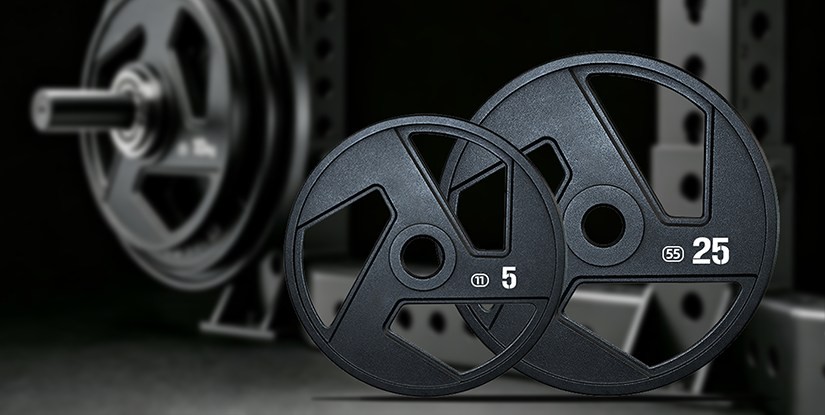
When conducting commercial gym floor planning, buyers often overlook how the physical footprint and wear resistance of weight sets impact operational costs. While certain materials may offer lower upfront costs, the longevity of precision-cast iron ensures that your spatial efficiency remains high without frequent inventory updates or equipment turnover.
| Procurement Factor | Standard Cast Iron Plates | Premium Coated Iron Sets |
|---|---|---|
| Initial Unit Cost | Lower | Moderate |
| High-Traffic Durability | Excellent | Superior (Anti-corrosion) |
| Maintenance Needs | Minimal | Very Low |
| TCO (5-Year Projection) | Optimal | High (Longest lifespan) |
For distributors and facility managers, selecting robust cast iron weight plates serves as a hedge against inflation and rising replacement costs. By prioritizing high-density manufacturing and consistent thickness, you reduce the need for frequent restocking and ensure that your weight plate storage solutions remain organized and functional for years.
Density Configurations and Spatial Footprint Analysis
Effective facility management depends on how you integrate weight plate storage solutions into your floor plan. A common mistake in commercial gym floor planning is failing to account for the depth of storage racks, which can inadvertently obstruct traffic flow or diminish usable workout zones. To maximize gym equipment spatial efficiency, procurement managers must weigh the trade-offs between storage accessibility and the physical footprint occupied by different configurations.
| Configuration Type | Space Requirement | Density Level | ROI Impact |
|---|---|---|---|
| Vertical Toploading Racks | Minimal (Small Footprint) | High | Best for boutique studios with limited floor area. |
| Horizontal Wall-Mounted Shelving | Moderate (Linear Space) | Medium | Clears floor space but requires specific wall load-bearing capacity. |
| Floor-Based Dumbbell/Plate Trees | High (Large Footprint) | Low | Easier access for high-volume zones; higher spatial cost. |
When calculating procurement cost vs. space efficiency, consider the total volume of the shipment. High-density vertical storage allows for larger MOQs to be shipped and stored in a smaller area, effectively lowering the landed cost per unit while preserving valuable floor area for member activity.
Logistics and Sourcing for Seamless Facility Implementation
Streamlining the arrival of heavy inventory is critical to avoiding operational bottlenecks. To ensure a smooth rollout, procurement specialists should prioritize manufacturers that offer standardized sizing and rigorous quality control (QC) protocols. Consistent dimensions across all weight increments prevent issues with barbell fitment and rack compatibility, which can lead to costly returns or equipment mismatching during facility setup.
Strategic sourcing also requires a deep understanding of shipping logistics. Because cast iron weight plates are high-density, low-volume goods, shipping costs are driven by weight rather than cubic dimensions. We recommend negotiating logistics terms that account for high-volume consolidated shipments to optimize the landed cost. Additionally, working with suppliers who maintain a clear Minimum Order Quantity (MOQ) structure allows distributors to balance inventory depth with warehouse capacity. By coordinating precise delivery timelines and ensuring strict QC inspection prior to dispatch, you minimize the risk of onsite downtime and ensure your gym layout remains optimized from day one.
Logistics and Inventory Planning for Wholesale Weight Distributions
Strategic commercial gym floor planning requires a precise balance between equipment volume and usable square footage. For facility owners and distributors, the procurement of cast iron weight plates is not merely a stock replenishment task but a calculation of spatial ROI and long-term operational efficiency.
Maximizing Spatial ROI Through Density vs. Accessibility
When calculating the total cost of ownership (TCO), buyers must look beyond the initial unit price to the long-term cost of floor congestion. High-density storage solutions for cast iron weight plates allow for a greater volume of inventory within a smaller footprint, yet excessive density can impede member movement and increase turnover time. A well-planned layout optimizes the tension between high-density storage and ease of access, ensuring that heavy lifting zones remain navigable during peak hours without sacrificing the variety of weights available to the end user.
| Procurement Strategy | Impact on Floor Space | Long-term TCO Factor |
|---|---|---|
| High-Density Vertical Racking | Minimizes footprint per SKU | Higher initial investment; lower maintenance |
| Distributed Modular Stations | Increases accessibility/flow | Lower shipping bulk; higher spatial footprint |
| Bulk Weight Sets | Optimizes weight graduation | Reduced logistics overhead per kg |
Evaluating Vertical vs. Horizontal Storage Configurations
Deciding between vertical and horizontal weight plate storage involves a critical trade-off between gym equipment spatial efficiency and ease of use. Vertical storage, such as tiered plate trees or wall-mounted racks, maximizes footprint optimization by utilizing height, which is ideal for boutique studios or crowded strength zones. While this configuration increases the perceived density of the facility, it requires careful planning regarding ceiling clearance and structural stability.
Conversely, horizontal storage—often integrated into weight benches or low-profile floor racks—offers superior accessibility for heavy, high-volume sets. While horizontal layouts tend to consume more usable floor area, they reduce the physical strain on members and staff during rapid transitions. For distributors and large-scale facility managers, selecting the right weight plate storage solutions depends on whether the priority is maximizing the number of SKUs in a compact area or facilitating rapid, high-traffic movement within the lifting zone.
Optimizing Supply Chain Costs Through Freight and MOQ Strategy
From a procurement standpoint, the heavy nature of cast iron weight plates necessitates a sophisticated approach to freight optimization. Unlike lighter equipment, the primary cost driver for these items is shipping density and weight-to-volume ratios. To protect margins, distributors should prioritize orders that maximize container or pallet utilization, minimizing "dead air" during transit.
Effective procurement planning must also account for MOQ considerations regarding specialized weight increments. While low-volume orders might offer flexibility, high-volume wholesale weight distributions typically yield a lower cost-per-kilogram by improving palletization efficiency. When sourcing, professional buyers should request detailed packing lists that specify the exact weight and volume per pallet. This transparency allows for more accurate freight calculations and helps prevent unexpected surcharges during international or long-haul domestic transit. By aligning order volumes with standard shipping configurations, facilities can ensure a more predictable and cost-effective supply chain for large-scale builds.