Maintaining Cast Iron Standard Plates for Commercial Use
Procurement Standards for High-Volume Cast Iron Inventory
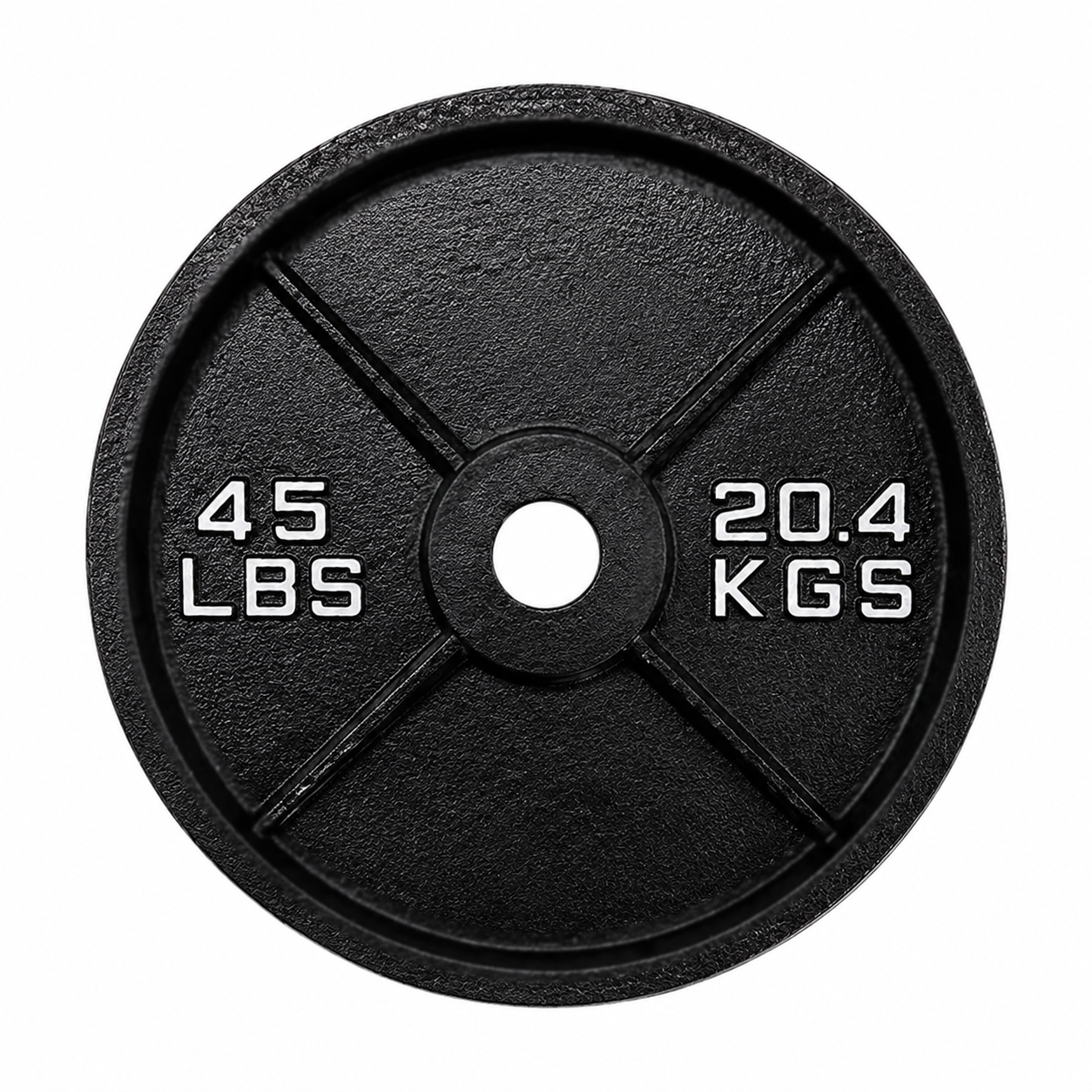
Cast iron standard plates are high-density, single-piece weight components used extensively in commercial strength training environments. B2B buyers prioritize these due to their exceptional durability, consistent density, and lower price points compared to urethane-coated alternatives, making them a staple for high-traffic gym facilities and distributors.
Optimizing Total Cost of Ownership (TCO)
When sourcing large-scale inventories, procurement managers must look beyond the initial unit price. While low-quality castings may offer a lower upfront cost, they often suffer from structural flaws or uneven coatings that accelerate degradation. Investing in high-grade cast iron standard plates ensures a longer replacement cycle, effectively reducing the long-term frequency of reordering.
True cost-efficiency in a commercial setting is found at the intersection of material quality and commercial weight plate care. A single procurement oversight—such as ignoring surface finish consistency—can lead to premature oxidation or chipping, necessitating more frequent cast iron equipment maintenance. By selecting factory-direct options with rigorous quality control, distributors can balance the initial investment vs. replacement cycles to maximize the profitability of their inventory and ensure long-term gym equipment longevity.
Selecting the right supply chain model directly influences your margins and the reliability of your inventory. B2B buyers must weigh the immediate savings of direct manufacturing against the logistical ease provided by regional distributors. The following comparison outlines the typical trade-offs encountered when scaling your stock of cast iron standard plates.
| Sourcing Model | Typical MOQ | Unit Price | Shipping & Logistics | Quality Control Reliability |
|---|---|---|---|---|
| Direct Factory Sourcing | High (Full Container) | Lowest (Ex-works/FOB) | Complex (International Freight) | High (Direct Oversight) |
| Local/Regional Distributor | Low to Moderate | Premium (Markup applied) | Simple (Domestic Freight) | Moderate (Third-party Vetted) |
Direct factory procurement offers the best path for large-scale distributors looking to maximize profit margins on high-volume orders. However, this model requires significant expertise in managing international logistics and customs. Conversely, working with a local distributor reduces the complexity of the supply chain and provides faster replenishment cycles, though it necessitates accepting a higher unit cost to account for the distributor's overhead and domestic warehousing services.
Strategic Inventory Management and Scaling
To maximize profitability, procurement teams should align their purchasing cycles with structured preventative maintenance schedules. Rather than reacting to broken or rusted stock, professional buyers utilize bulk ordering to secure lower per-unit costs during off-peak seasons. This approach stabilizes the inventory turnover rate and ensures that high-demand weight increments are always available for immediate sale or facility use.
Effective scaling requires a balance between stock availability and capital liquidity. By maintaining a rigorous inspection routine, facility managers can predict when a batch of cast iron standard plates will reach the end of its lifecycle. This foresight allows for more precise forecasting, ensuring that replenishment orders arrive before current stock becomes a liability, thereby protecting both gym equipment longevity and the bottom line.
Optimizing Facility Layout and Storage Configurations
Strategic placement of cast iron standard plates directly impacts the long-term maintenance costs of your facility. Improper positioning leads to uneven weight distribution and localized floor stress, which can compromise the structural integrity of your training zones and increase replacement frequency for flooring assets.
Strategic Placement and Floor Protection
A well-planned facility layout must account for the high density and concentrated impact of iron weight. When sourcing inventory, distributors should prioritize high-durability weight tree placement near reinforced zones to prevent structural fatigue. To ensure maximum floor protection, avoid placing heavy storage racks directly on thin rubber mats; instead, utilize high-density impact tiles or specialized sub-flooring to mitigate the vibration and pressure typical of heavy iron movement.
| Storage Configuration | Footprint Impact | Floor Stress Level | Best Use Case |
|---|---|---|---|
| Vertical Weight Trees | Minimal | High (Point Load) | Boutique studios with limited square footage |
| Horizontal Plate Racks | Moderate | Medium (Distributed) | Commercial strength floors with high foot traffic |
| Wall-Mounted Brackets | Low | High (Static Load) | Permanent installations in specialized weight rooms |
For large-scale procurement, we recommend a hybrid approach. Utilizing vertical trees for rapid access during peak hours while maintaining horizontal racks for long-term storage optimizes workflow and protects your investment in facility surfacing.
Evaluating Accessibility vs. Spatial Efficiency
Choosing between different storage configurations requires a balance of floor area availability and the speed of client transitions. While vertical storage maximizes usable square footage, it often creates high point loads that demand reinforced sub-flooring. Conversely, horizontal racks offer superior stability and ease of access for high-volume training environments, though they occupy a larger footprint.
When evaluating commercial weight plate care protocols, the configuration dictates how often staff must interact with the inventory. High-density vertical setups may require more frequent lifting and repositioning, which can increase wear on the plate edges if not managed correctly. For distributors and facility managers, selecting the right configuration is a critical step in long-term cast iron equipment maintenance and overall gym equipment longevity.
High-Density Storage and Inventory Management
For distributors and large-scale operators, maximizing warehouse or showroom capacity is as critical as the physical durability of the goods. Implementing high-density storage solutions, such as tiered vertical racking or heavy-duty cantilever systems, allows for greater SKU density without sacrificing accessibility. This level of space optimization is essential when managing large-volume shipments where floor space translates directly to operational overhead.
Effective inventory management goes beyond mere stacking; it requires a systematic approach to logistics and weight distribution. When receiving bulk orders of cast iron standard plates, ensure that your storage architecture can support the static load of full pallets to prevent structural bowing in your shelving. By integrating organized, specialized storage, you reduce the physical strain on staff during restocking, directly contributing to long-term gym equipment longevity and a more streamlined supply chain workflow.
Preventative Inspection Protocols for Commercial Gyms
To protect your long-term investment and ensure facility safety, procurement managers must implement a systematic approach to inspecting cast iron standard plates. Effective commercial weight plate care involves moving beyond simple visual checks to a rigorous assessment of both structural integrity and surface quality.
Structural and Surface Assessment Standards
High-traffic environments demand a strict routine inspection frequency, typically performed on a quarterly basis or following heavy seasonal usage. During these checks, staff should examine cast iron standard plates for any signs of structural cracks or hairline fractures that could compromise safety during heavy lifts. Additionally, monitoring for surface oxidation is essential; while minor patina is common, excessive rust can degrade the plate's finish and affect the user experience. Identifying these issues early allows distributors and gym owners to manage replacement cycles without unexpected downtime or sudden capital expenditures.
A standardized inspection checklist allows facility managers to differentiate between cosmetic aging and critical failure points. Use the following criteria to evaluate the condition of your inventory and determine whether a plate requires simple cleaning or immediate removal from the floor.
| Condition Type | Observation Details | Action Required |
|---|---|---|
| Minor Surface Wear | Light patina, superficial oxidation, or slight edge chipping. | Routine cleaning and oiling to maintain surface finish. |
| Structural Damage | Center hole deformation, deep cracks, or significant metal loss. | Immediate removal from service to prevent injury. |
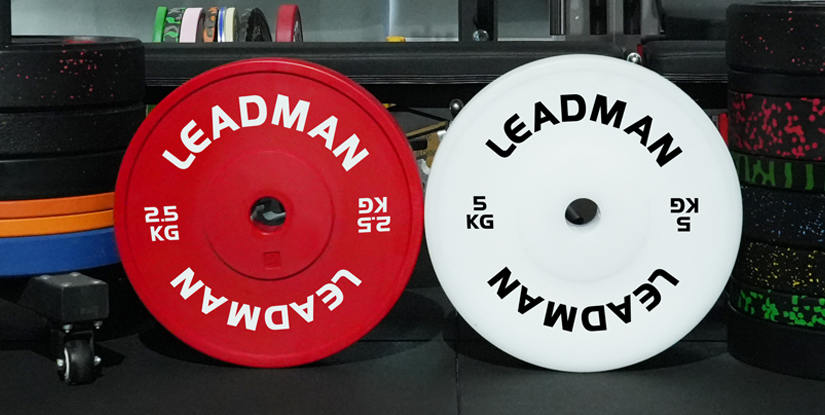
Pay close attention to the center hole integrity; any deformation here can cause uneven loading on barbells, reducing gym equipment longevity. By establishing a consistent maintenance scheduling protocol, distributors can help clients extend the lifecycle of their orders and optimize the total cost of ownership.
Identifying Replacement Triggers and Optimizing TCO
While routine maintenance can extend the life of your inventory, certain physical indicators necessitate a full replacement to protect both equipment integrity and user safety. Procurement managers should prioritize replacement when weight accuracy is compromised; if plates show significant metal loss or uneven wear that shifts the center of gravity, they no longer meet commercial standards. Furthermore, any loss in dimensional stability—such as a non-circular center hole or irregular thickness—can cause erratic barbell movement, increasing liability risks.
Effective procurement planning requires looking beyond the immediate purchase. Instead of reacting to broken equipment, integrate these replacement triggers into your annual budget. By monitoring these thresholds, distributors can assist clients in managing distributor stock considerations and bulk reordering cycles more predictably. Transitioning from repair to replacement at the right moment ensures that high-performance facilities maintain a professional standard without the hidden costs of frequent, small-scale emergency shipments.
Environmental Controls to Mitigate Oxidation Risks
The long-term structural integrity of cast iron standard plates is heavily dictated by the atmospheric stability of your facility. While these components are engineered for heavy use, they remain susceptible to surface degradation when exposed to unregulated environmental variables common in high-traffic zones.
Managing Atmospheric Impact on Inventory
In a typical commercial gym environment, fluctuations in temperature and air quality can accelerate the aging process of metal assets. For distributors and facility managers, effective humidity control is the primary defense against premature oxidation. Without consistent climate management, moisture accumulation on the surface of cast iron standard plates can lead to unsightly rust, which eventually compromises the aesthetic and tactile quality of the equipment.
To optimize gym equipment longevity, we recommend implementing moisture-wicking storage solutions. Rather than stacking plates directly on concrete floors—which can trap condensation—utilize elevated, ventilated racks. This proactive approach to cast iron equipment maintenance ensures that air circulates freely around the iron, significantly reducing the necessity for frequent chemical treatments or resurfacing.
Selecting an appropriate storage configuration is a critical decision for calculating the total cost of ownership. The following comparison outlines how different storage setups impact the lifecycle of your inventory and the resulting operational overhead for your maintenance team.
| Storage Environment | Typical Humidity | Oxidation Risk | Maintenance Frequency | Cost Implications |
|---|---|---|---|---|
| Open Floor (Direct) | High/Variable | Significant | High (Monthly) | Low Initial / High Long-term |
| Enclosed Racks | Moderate | Low to Medium | Standard (Quarterly) | Moderate Initial / Balanced |
| Climate-Controlled | Low/Stable | Negligible | Minimal (Annual) | High Initial / Low Long-term |
For high-volume distributors or large-scale commercial facilities, the choice between these setups depends on your regional climate and available square footage. While enclosed or climate-controlled environments require a higher upfront investment in infrastructure, they drastically reduce the labor costs associated with commercial weight plate care and prevent the depreciation of your physical assets.
Standardizing Inspection Protocols
To maintain high asset value, facility managers should transition from reactive repairs to a structured preventative scheduling model. A routine inspection performed on a quarterly basis is standard for high-traffic commercial centers. During these checks, technicians must specifically evaluate surface coating integrity to identify micro-fissures or areas where the protective layer has thinned. Detecting these early prevents moisture from penetrating the core iron, thereby extending the functional life of the inventory.
Effective cast iron equipment maintenance involves more than just visual checks; it requires a systematic log of equipment usage and environmental exposure. By documenting the condition of your cast iron standard plates through a regular audit cycle, procurement officers can better predict replacement cycles and optimize future bulk orders. This disciplined approach to commercial weight plate care ensures that your facility maintains professional standards while minimizing the long-term impact on your capital expenditure.
Prioritizing Surface Integrity in High-Traffic Facilities
In a high-volume commercial gym environment, the physical toll on equipment extends beyond structural fatigue to surface degradation. Maintaining the surface integrity of cast iron standard plates is a critical component of lifecycle management, as even minor surface imperfections can lead to accelerated oxidation and diminished aesthetic value.
Preventative maintenance begins with a structured routine inspection protocol. Facility managers and distributors should implement a monthly assessment to identify early signs of moisture exposure or coating failure. By detecting these vulnerabilities early, operators can implement oxidation prevention measures before rust compromises the weight precision or the visual professional standard of the strength training zone. Establishing a consistent inspection cadence ensures that your inventory remains a durable asset rather than a recurring replacement cost.
Evaluating Refinishing Methods for Long-Term TCO
When addressing surface wear, selecting the appropriate refinishing method is a strategic decision that impacts both initial procurement costs and long-term operational expenditures. While some methods offer immediate aesthetic appeal, others prioritize extreme durability in humid or high-use environments. Choosing the right approach depends on your facility's maintenance capacity and the desired lifespan of the inventory.
The following comparison outlines the technical trade-offs between common surface treatments used to protect cast iron standard plates. For distributors and large-scale gym operators, understanding these variables is essential for calculating the total cost of ownership (TCO) and determining optimal restocking cycles.
| Method | Durability Level | Cost-Effectiveness | Maintenance Frequency |
|---|---|---|---|
| Powder Coating | High (Impact Resistant) | Moderate (Higher Upfront) | Low (Annual Inspection) |
| Liquid Paint | Medium (Chip Prone) | High (Low Initial Cost) | Moderate (Seasonal Touch-ups) |
| Protective Oil | Low (Surface Only) | Very High (Low Cost) | High (Monthly Application) |
For most commercial strength zones, powder coating remains the industry standard due to its superior resistance to mechanical impact and environmental oxidation. While liquid paint offers a lower entry price for budget-conscious projects, it often requires more frequent labor interventions. Conversely, a simple oil-based treatment is effective for small studios but lacks the longevity required for high-traffic commercial distribution or heavy-duty training environments.
Strategic Storage and Environmental Control
Effective inventory management extends beyond surface care to the physical environment where equipment resides. For distributors and facility owners, optimizing storage conditions is a primary lever for maximizing long-term ROI and ensuring gym equipment longevity. Improper storage in unconditioned spaces can negate even the highest quality coatings through rapid oxidation.
To mitigate the risks of moisture-induced degradation, prioritize humidity control within your warehouse or weight room. Storing cast iron standard plates on elevated, non-porous shelving—rather than directly on concrete floors—prevents capillary moisture from seeping into the metal. In regions with high ambient humidity, utilizing industrial dehumidifiers or climate-controlled storage zones is a vital preventative maintenance step. By controlling the micro-environment, you reduce the frequency of required refinishing cycles and protect the value of your wholesale inventory, ensuring that the equipment arrives at the end-user in showroom condition.
Total Cost of Ownership (TCO) and Replacement Cycles
For facility owners and distributors, the true cost of weight sets extends far beyond the initial purchase order. While cast iron standard plates often present a lower entry price compared to urethane alternatives, their long-term financial impact is dictated by how rigorously the inventory is managed against oxidation and physical wear.
Maximizing ROI Through Preventative Maintenance
Neglecting commercial weight plate care leads to accelerated depreciation, often manifesting as surface rust or structural degradation that devalues the entire set. Implementing a strict preventative maintenance schedule—such as periodic cleaning and moisture control—ensures that your assets remain in premium condition for much longer. By investing in routine upkeep, buyers can significantly extend the replacement cycle, effectively increasing the ROI of every shipment received from the factory. A proactive approach transforms a recurring replacement expense into a long-term stability metric for your inventory.
Procurement managers must weigh the immediate savings of high-volume orders against the long-term operational costs of equipment turnover. The following comparison illustrates how varying levels of oversight directly influence the lifecycle of your inventory and the frequency of secondary orders.
| Maintenance Level | Estimated Lifespan | Replacement Frequency | Cost-Benefit Profile |
|---|---|---|---|
| Neglected Maintenance | 3–5 Years | High (Frequent replacement due to rust/damage) | Low initial cost; high long-term TCO due to rapid depreciation |
| Routine Care | 7–10 Years | Moderate (Standard replacement cycles) | Balanced; predictable shipping and restocking schedules |
| Professional Facility Standards | 12+ Years | Low (Minimal replacement required) | High initial investment in upkeep; maximum asset longevity and ROI |
When sourcing from a factory or international distributor, understanding these cycles helps in determining optimal MOQ (Minimum Order Quantity) for replenishment. A facility that adheres to professional standards can reduce the frequency of emergency shipments, allowing for more strategic, cost-effective bulk procurement rather than reactive, small-batch ordering.
Strategic Inventory Scaling and Sourcing
Optimizing your procurement strategy requires a balance between bulk procurement advantages and the logistical realities of storage. To ensure long-term gym equipment longevity, buyers should prioritize suppliers with robust quality control (QC) protocols that guarantee consistent iron density and coating thickness. High-quality cast iron standard plates with uniform finishes are easier to maintain and less prone to the rapid oxidation that plagues lower-grade batches.
Effective inventory turnover management also hinges on sophisticated logistics planning. Rather than reactive purchasing, distributors should align their MOQ requirements with seasonal demand and predictable wear cycles. By sourcing high-grade equipment that resists environmental degradation, you reduce the frequency of replacement shipments, allowing for more strategic, large-scale freight consolidation that lowers the per-unit landed cost and stabilizes your supply chain.