Maximizing Gym Floor Space with Cast Iron Weight Plates
Distributor Margins and the Economics of Standardized Weight Sets
When calculating the long-term ROI for a facility or a distribution warehouse, buyers must evaluate three critical checkpoints: procurement risk, specification consistency, and logistical overhead. Selecting standardized equipment allows for a more predictable procurement cycle, reducing the likelihood of mismatched inventory or shipping errors that often plague custom-spec orders.
The primary financial advantage of utilizing cast iron standard weight plates lies in the ability to leverage economies of scale. Because these items follow universal dimensions and weight increments, manufacturers can optimize production lines for high-volume output. For distributors, this translates to a significant unit cost reduction through bulk procurement strategies. Rather than managing a fragmented catalog of niche items, stocking a standardized range ensures predictable inventory levels and streamlined shipping density, ultimately protecting profit margins against fluctuating freight costs.
To assist in high-level procurement planning, the following comparison highlights the economic trade-offs between standardized bulk orders and specialized boutique configurations. While custom orders may offer brand prestige, standardized sets typically offer superior fiscal stability for large-scale facility builds.
| Procurement Model | Upfront Investment | Long-term Durability | Logistics Complexity | Commercial ROI Potential |
|---|---|---|---|---|
| Standardized Sets | Lower (Volume-based) | High (Consistent Material) | Low (Standardized Packing) | Optimized for High Traffic |
| Custom/Boutique | Higher (Specialized MOQ) | Variable (Design-dependent) | High (Non-standard Dimensions) | Niche/Premium Positioning |
For commercial gym floor planning, the standardized model minimizes the total cost of ownership. By prioritizing universal specifications, facility managers can ensure seamless integration with existing storage solutions and reduce the frequency of replacement cycles caused by non-standard sizing issues.
Beyond initial purchase price, the durability of cast iron serves as a hedge against escalating maintenance costs. Unlike specialized coatings or composite materials that may degrade under heavy commercial use, high-quality iron remains structurally stable over decades. This longevity directly improves gym equipment spatial efficiency, as standardized dimensions allow for predictable, high-density stacking without the risk of irregular shapes compromising weight plate storage solutions. Consequently, procurement managers can plan for extended replacement cycles, ensuring that capital expenditure is directed toward facility expansion rather than frequent, small-scale inventory replenishment.
Optimizing Floor Density via Strategic Plate Selection
Effective commercial gym floor planning begins with understanding the volumetric footprint of your strength equipment. For facility managers and distributors, the relationship between plate thickness and available barbell sleeve space directly dictates how much weight can be loaded per station, which in turn influences the total number of lifting racks required in a fixed square footage.
The Role of Thickness Consistency in Spatial Efficiency
When sourcing cast iron standard weight plates, the precision of thickness consistency is a critical technical metric. High-quality manufacturing ensures that plates are not only uniform in weight but also in their vertical profile. In high-density training environments, even slight deviations in thickness can lead to uneven loading or premature wear on barbell sleeves. Maintaining strict tolerances allows for maximum spatial efficiency, ensuring that a standard barbell can hold a high volume of weight without the plates wobbling or taking up unnecessary lateral room. For procurement professionals, prioritizing standardized dimensions means more predictable storage configurations and more efficient traffic flow across the gym floor.
Analyzing Storage Footprint and Configuration Density
Choosing between various storage methods and plate profiles significantly impacts your total usable square footage. Procurement teams must weigh the immediate cost of thin-profile plates against the long-term spatial benefits of specialized vertical or horizontal weight plate storage solutions. A well-planned layout reduces clutter and prevents bottlenecks in high-traffic strength zones.
| Plate Configuration Type | Relative Thickness | Storage Footprint Impact | Best Use Case |
|---|---|---|---|
| High-Density Thin Profile | Minimal | Lowest footprint; maximizes sleeve capacity | Compact boutique studios |
| Standard Cast Iron | Moderate | Medium footprint; versatile loading | General commercial gyms |
| Heavy-Duty Bulk Storage | Maximum | Highest footprint; requires dedicated racks | Large-scale strength facilities |
When calculating gym equipment spatial efficiency, do not overlook the floor area required for the storage racks themselves. A strategic mix of vertical plate trees and wall-mounted brackets can optimize the density of your cast iron standard weight plates, freeing up valuable floor space for movement and client flow.
To maximize ROI on floor area, distributors and facility managers should prioritize vertical storage systems that utilize height rather than lateral square footage. Implementing heavy-duty, tiered plate trees or wall-mounted racks allows for high-density stacking without encroaching on active training zones. When managing logistics and inventory, selecting standardized weight plate storage solutions ensures that even large bulk shipments can be integrated into a compact footprint. This approach to footprint optimization minimizes cluttered walkways, improves safety, and maintains a professional, high-capacity environment for commercial clients.
Vertical vs. Horizontal Storage Architectures
When optimizing facility traffic flow, the orientation of your weight plate racks dictates both floor density and ease of access. Selecting the right configuration for cast iron standard weight plates depends on whether your priority is maximizing usable square footage or minimizing retrieval time during high-traffic sessions.
| Storage Configuration | Footprint Impact | Accessibility Rank | Primary Use Case |
|---|---|---|---|
| Vertical Tree Racks | Minimal (Low footprint) | High (Fast retrieval) | Boutique studios & small gyms |
| Horizontal A-Frames | Moderate (Linear space) | Medium (Requires lifting) | Standard commercial weight rooms |
| Wall-Mounted Pegs | Near Zero (Floor space saved) | Low (Height dependent) | High-density training zones |
Vertical storage typically offers the highest spatial efficiency for distributors or facility managers dealing with limited floor area. However, horizontal layouts often provide better stability for heavy cast iron standard weight plates, reducing the risk of tipping in high-intensity environments. We recommend evaluating these options based on your specific gym floor planning requirements and the expected volume of daily movement.
Beyond the basic footprint, procurement managers must weigh long-term durability against the mechanical load of the storage unit itself. High-density weight plate storage solutions require structural integrity that matches the weight capacity of the plates being stored to prevent frame deformation or safety hazards over time.
Technical Comparison of Storage Load Capacities
| Architecture Type | Structural Durability | Weight Capacity Profile | Maintenance Level |
|---|---|---|---|
| Vertical Tree Racks | Moderate | Concentrated vertical load | Low (periodic bolt checks) |
| Horizontal A-Frames | High | Distributed base load | Minimal (surface cleaning) |
| Wall-Mounted Pegs | Variable (Wall-dependent) | Suspended weight load | Moderate (bracket inspection) |
When executing commercial gym floor planning, consider that wall-mounted options drastically improve gym equipment spatial efficiency but rely heavily on the substrate's strength. For heavy-duty strength zones, horizontal A-frames remain the standard for durability, as they handle the high-volume turnover of cast iron standard weight plates with minimal structural fatigue.
A critical procurement decision involves evaluating the long-term ROI of your storage infrastructure. Relying on low-grade steel racks for heavy cast iron standard weight plates often leads to uneven weight distribution and frame warping. To ensure structural integrity, prioritize storage units with reinforced welding and high-gauge steel. Consistent maintenance, such as inspecting bolt tension and checking for base leveling, prevents costly equipment replacement and ensures your facility remains safe for high-density training environments.
Mitigating Traffic Congestion in High-Volume Training Zones
Effective commercial gym floor planning requires a precise understanding of how equipment footprints impact movement. When sourcing cast iron standard weight plates, procurement managers must account for the physical volume these units occupy when stored or in use. Neglecting these dimensions leads to diminished spatial efficiency and safety hazards in high-volume training zones.
Density is not just about the number of racks, but the radius of movement required around each station. In high-traffic areas, the thickness and diameter of your plate inventory directly dictate whether a facility feels premium and organized or cramped and hazardous. Strategically selecting plate profiles that allow for tighter nesting or more compact storage solutions ensures that your floor density remains optimized for maximum member throughput.
Optimizing Footprint-to-Capacity Ratios

Selecting the right storage configuration is a critical B2B procurement decision that affects long-term facility ROI. Depending on your square footage and inventory volume, the method used to house your cast iron standard weight plates will determine whether your training zones remain navigable or become bottlenecked. A mismatch between plate thickness and rack depth often results in wasted vertical or horizontal space.
| Storage Configuration | Footprint Impact | Capacity Density | Ideal Use Case |
|---|---|---|---|
| Vertical A-Frame Racks | Minimal (Small Base) | High (Vertical Stacking) | Boutique studios or tight corners |
| Horizontal Toploading Racks | Moderate (Longitudinal) | Medium (Linear Flow) | Standard commercial weight rooms |
| Wall-Mounted Peg Systems | Zero Floor Impact | High (Wall-Dependent) | Specialized training or functional zones |
When negotiating with suppliers, consider how the weight plate storage solutions integrate with your existing gym equipment. For distributors managing large-scale shipments, prioritizing compact, high-density vertical storage can significantly improve gym equipment spatial efficiency, allowing for more functional training zones within the same total square footage.
For distributors and large-scale facility managers, logistics and procurement planning must extend beyond simple unit counts. Effective facility layout management requires balancing MOQ considerations with the physical reality of inventory turnover. When ordering cast iron standard weight plates in bulk, ensure your shipping and storage strategy accounts for the weight-to-volume ratio to prevent logistical bottlenecks during offloading and restocking.
Maintaining the maintenance of clear pathways is essential for safety and professional aesthetics. Rather than centralizing all heavy inventory in one massive pile, distribute your stock across multiple, strategically placed stations. This approach improves gym equipment spatial efficiency by reducing the distance users travel to retrieve specific weights, thereby streamlining movement and preventing congestion in high-traffic zones.
Evaluating Long-Term Durability and Maintenance Cycles
High-density material selection is a critical variable in commercial gym floor planning. Unlike polymer-based alternatives, cast iron standard weight plates offer a superior density profile that maintains structural integrity under extreme thermal shifts and constant impact. This physical stability ensures that the plates do not deform or degrade during high-volume usage, providing a predictable lifecycle for facility operators.
For distributors and procurement managers, the wear resistance of high-grade iron directly influences the total cost of ownership. The inherent hardness of cast iron minimizes surface degradation from frequent dropping and stacking, reducing the need for replacement cycles. When sourcing, prioritizing plates with consistent metallurgical quality ensures that your inventory remains a reliable asset rather than a recurring maintenance expense.
Surface Finishes and Maintenance Cycles
The choice between different surface treatments dictates the long-term maintenance workload for facility management. While raw cast iron is cost-effective for high-volume shipping, it is susceptible to oxidation if humidity levels are not strictly controlled. Conversely, powder-coated options provide a robust barrier against environmental factors, though they require different inspection protocols to monitor for chip-induced degradation.
| Finish Type | Oxidation Risk | Maintenance Requirement | Typical Lifecycle Profile |
|---|---|---|---|
| Raw Cast Iron | High (Requires dry storage) | Low (Periodic oiling) | Indefinite with care |
| Powder Coated | Low (Protected surface) | Moderate (Surface inspection) | Long-term high durability |
| Black Enamel | Minimal | Low (Wipe down) | High aesthetic stability |
When calculating TCO, buyers should weigh the lower initial MOQ cost of raw finishes against the reduced labor costs of coated alternatives. Strategic selection of finishes ensures that your equipment maintains its professional appearance and structural utility throughout its intended operational lifespan.
Optimizing Storage Density and Logistics
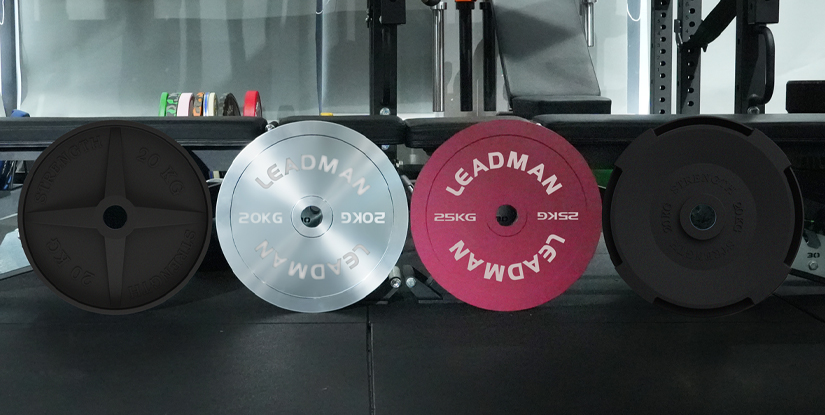
Maximizing gym equipment spatial efficiency requires more than just clever layouts; it demands hardware capable of high-density vertical stacking. High-quality cast iron standard weight plates are engineered for superior stacking durability, allowing facilities to utilize vertical storage racks without the risk of plate deformation or surface crushing. This structural rigidity is essential when planning weight plate storage solutions in high-traffic zones where floor footprint is at a premium.
From a distributor procurement perspective, selecting plates with consistent thickness and precision-molded edges facilitates faster inventory turnover. Uniformity in dimensions ensures that plates stack seamlessly, reducing the time staff spends on reorganization and improving overall facility logistics. For large-scale operators, investing in high-tolerance iron products minimizes the physical footprint of weight stations, effectively increasing the usable square footage of the training area.
Balancing Procurement Volume and Logistics Efficiency
Optimizing the landed cost of cast iron standard weight plates requires a strategic understanding of the relationship between order volume and shipping density. For distributors and large-scale facility planners, the primary economic challenge lies in managing the high weight-to-volume ratio inherent in heavy iron components.
While increasing your order to meet a higher MOQ can significantly lower the per-unit manufacturing price, it also impacts your freight calculations. Because cast iron is extremely dense, shipping costs are often driven by weight rather than cubic volume. To maximize ROI, procurement managers should coordinate with suppliers to ensure pallets are optimized for maximum weight density, reducing the frequency of shipments without incurring excessive volumetric surcharges.
| Procurement Strategy | Primary Economic Benefit | Logistics Trade-off |
|---|---|---|
| Low-Volume/Frequent | Lower upfront capital outlay | Higher per-unit shipping costs |
| High-Volume/Bulk | Reduced unit cost via MOQ | Increased storage footprint requirements |
| Optimized Density | Minimized landed cost per kg | Complex pallet configuration planning |
Deciding between direct factory sourcing and local distribution affects both your immediate budget and long-term commercial gym floor planning. Direct sourcing offers the lowest base price but requires advanced logistics management, whereas local distributors offer speed at a premium. The following comparison helps evaluate these models against your specific facility requirements.
| Sourcing Model | Cost Structure | Lead Time | MOQ Requirements | Logistics Complexity |
|---|---|---|---|---|
| Direct Factory Sourcing | Lowest unit price | Extended (30-60+ days) | High (Full Container/LCL) | High (Customs & Freight) |
| Regional Distributor | Moderate markup | Short (Days to Weeks) | Low (Small Batch/Mixed) | Low (Domestic Shipping) |
| Wholesale Importer | Mid-range | Moderate | Medium (Pallet Units) | Medium (Regional Freight) |
For projects prioritizing gym equipment spatial efficiency, direct sourcing allows you to customize pallet configurations to fit your specific storage racks or floor layouts. However, if your facility expansion requires immediate inventory to maintain traffic flow, leveraging a local distributor's existing stock is often the more agile, albeit more expensive, solution.
Optimizing Total Cost of Ownership Through Inventory Management
Beyond the initial purchase price, true long-term ROI is determined by how effectively you manage your weight plate lifecycle. High-quality cast iron standard weight plates possess exceptional durability, but poor organization can lead to hidden costs. Investing in professional weight plate storage solutions reduces the physical wear on both the plates and your flooring, preventing premature replacement cycles.
To maximize gym equipment spatial efficiency, procurement managers should align inventory turnover with facility growth. Rather than overstocking and occupying valuable square footage, implement a tiered replenishment strategy. By synchronizing your order cycles with your facility's expansion phases, you maintain optimal floor density and minimize the capital tied up in stagnant stock, ensuring your facility remains agile and profitable.
Total Cost of Ownership in Commercial Facility Planning
When calculating the long-term value of a facility, procurement managers must look beyond the initial unit price. Selecting cast iron standard weight plates provides a high-density solution that minimizes replacement frequency. Unlike thinner or lower-grade alternatives, high-quality iron construction ensures high durability and predictable maintenance cycles in high-traffic environments.
Evaluating Long-Term Value vs. Initial Outlay
Strategic commercial gym floor planning requires balancing upfront capital expenditure with the total cost of ownership (TCO). While certain polymer-coated options may offer aesthetic variety, the structural integrity of solid iron offers superior spatial efficiency and longevity. This reliability reduces the need for frequent restocking or premature disposal, directly impacting the bottom line for distributors and gym owners.
| Procurement Factor | Standard Cast Iron | Rubber Coated/Bumper |
|---|---|---|
| Initial Unit Cost | Lower/Efficient | Higher |
| Maintenance Needs | Minimal/Low | Moderate (Coating Care) |
| Durability Profile | Extreme/High Impact | High (Surface Sensitive) |
| Space Density | Optimized/Compact | Bulkier Profile |
For large-scale distributors, sourcing consistent cast iron standard weight plates ensures that the long-term value remains high due to the negligible wear encountered over years of heavy usage. This stability allows for more predictable budget forecasting during facility expansions or equipment refreshes.
Analyzing the replacement frequency is critical for maintaining gym equipment spatial efficiency. While premium urethane plates may offer high-end aesthetics, they often introduce higher replacement costs if the outer layer suffers from chipping or delamination. In contrast, the monolithic structure of cast iron resists such degradation, making it a more stable asset for facilities focusing on high-density training zones.
For procurement professionals, the decision often hinges on the trade-off between immediate capital outlay and the multi-year lifecycle of the equipment. Standard iron plates allow for greater stock density in storage solutions, ensuring that your inventory remains functional and compact without the overhead of managing delicate surface coatings.
Optimizing Procurement Logistics and Shipping Density
Maximizing ROI also requires a deep dive into the logistics of the initial acquisition. For distributors and large-scale facility managers, the relationship between MOQ (Minimum Order Quantity) and shipping density is a critical lever for cost control. Because cast iron is a high-density material, it allows for more mass to be packed into a standardized container volume compared to bulkier bumper alternatives.
Effective weight plate storage solutions rely on this high spatial density to reduce the frequency of reorders and freight costs. When negotiating with manufacturers, prioritizing high-density packing configurations can significantly improve logistics efficiency. By optimizing the weight-to-volume ratio during transit, buyers can lower the landed cost per unit, ensuring that the cast iron standard weight plates serve as a cost-effective foundation for both the facility layout and the long-term supply chain.