Cast Iron Weight Plate Sourcing: Commercial Sizing and Spec
The Strategic Value of Cast Iron Weight Plate Sourcing
For large-scale fitness distributors and multi-location gym chains, the difference between a profitable year and a logistical headache often comes down to the precision of their cast iron weight plate sourcing. While a boutique studio might prioritize aesthetic variety, a high-volume importer must focus on the long-term TCO (Total Cost of Ownership). Selecting a factory that understands the balance between initial wholesale price and long-term durability ensures that your inventory remains a high-margin asset rather than a recurring replacement liability.
When managing gym equipment SKU planning, the goal is to minimize the frequency of replacement cycles caused by casting defects or coating failure. High-quality commercial weight plate specifications demand consistent density and structural integrity to prevent warping or cracking under heavy use. By partnering with a reliable China factory, distributors can secure products that meet these rigorous standards while optimizing their landed cost through efficient container loading and streamlined sourcing protocols.
Investing in premium wholesale cast iron plates is a calculated move to improve your long-term ROI (Return on Investment). A single batch of substandard plates with uneven weight distribution or poor coating adhesion can lead to increased customer churn and high return rates. Professional sourcing strategies prioritize suppliers capable of delivering consistent commercial weight plate specifications, ensuring that every unit adds value to your brand identity and protects your bottom line.
Optimizing Manufacturing Precision for Long-Term Durability
The technical nuances of the production line directly impact the operational lifespan of your inventory. For a professional importer, understanding the transition from raw sand casting to the final surface finish is essential for effective gym equipment SKU planning. High-quality production typically follows a strict sequence: casting the gray iron, machining the center bore for concentricity, and applying a protective layer to prevent oxidation. A factory that maintains rigorous control over these steps ensures that the plates can withstand the high-impact environment of a commercial facility without premature degradation.
One of the most critical variables in cast iron weight plate sourcing is the quality of the surface treatment. While bare iron is a budget-friendly option, many distributors opt for a high-grade powder coating to enhance the product's lifespan. A robust powder coating application provides a durable barrier against moisture and physical abrasion, significantly reducing the frequency of maintenance and the need for early replacement cycles. When evaluating a supplier, it is prudent to confirm whether their process includes a pre-treatment step to ensure maximum coating adhesion, which prevents the chipping and peeling often seen in lower-tier production.
Ultimately, the technical precision of the manufacturing process determines the total cost of ownership. A China factory that implements a thorough factory QC protocol—including weight tolerance spot-checks and bore-fit inspections—will deliver a product with much higher reliability. By prioritizing these technical specifications during your sourcing phase, you mitigate the risks of receiving irregular or defective batches, thereby protecting your margins and ensuring your clients receive professional-grade equipment that meets global industry standards.
Economic Trade-Off Comparison for Procurement Decisions
To effectively manage your gym equipment SKU planning, it is vital to understand how different production tiers impact your long-term margins. Choosing between budget-friendly options and premium-grade units is not just about the upfront wholesale price, but about the total lifecycle of the product within a commercial environment. A strategic sourcing approach requires a clear view of how material grades and manufacturing processes influence both the landed cost and the subsequent maintenance requirements for your clients.
The following table provides a qualitative comparison to assist in your cast iron weight plate sourcing decisions, highlighting the typical trade-offs between various commercial-duty tiers.
| Material | Coating | Process | Commercial Duty | MOQ Impact | Factory QC Point |
|---|---|---|---|---|---|
| Gray Iron | Bare Iron / Phosphate | Standard Sand Casting | Budget / Entry-Level | Lower MOQ requirements | Weight spot-check & bore fit |
| Gray Iron | Powder Coating | Casting & Coating Line | Standard Commercial | Moderate MOQ | Coating adhesion & surface finish |
| Ductile Iron | High-Grade Powder or PU | Precision Machining | Premium / High-Traffic | Higher MOQ for OEM | Concentricity & dimensional tolerance |
When finalizing your order, we recommend requesting a detailed spec sheet and confirming the MOQ for any ODM or OEM custom branding requests. To ensure the highest level of quality, you may also arrange a factory audit or a pre-shipment inspection to verify that all commercial weight plate specifications are met before the container is loaded for export.
Material Grades and Surface Finishing Options
Understanding the nuances of cast iron weight plate sourcing is critical for distributors managing long-term inventory and landed costs. When importing in bulk, the choice between raw iron and treated finishes directly impacts both the durability of the unit and the maintenance requirements for the end-user. Most professional importers work with a China factory to secure high-volume wholesale cast iron plates that meet specific commercial weight plate specifications for durability and visual consistency.
The standard production route involves high-grade gray iron processed via sand casting. This method is the industry-standard for producing heavy, durable plates that can withstand high-traffic commercial environments. To optimize gym equipment SKU planning, buyers must select finishes that balance aesthetic appeal with protective qualities, such as powder coating or enamel, to prevent oxidation during transit and long-term storage.
| Material Type | Primary Process | Surface Finish | Commercial Duty Tier | Procurement Focus |
|---|---|---|---|---|
| Gray Iron | Sand Casting | Bare Iron | Budget Commercial | Low TCO / High Volume |
| Gray Iron | Sand Casting | Powder Coating | Standard Commercial | Durability & Aesthetics |
| Ductile Iron | Precision Casting | Enamel / Paint | Premium Commercial | High-End Branding |
When evaluating a supplier, it is essential to confirm the specific casting and coating steps. A typical high-quality workflow includes casting, followed by machining for bore concentricity, and finally a surface treatment line. For OEM orders, the precision of the weight marking—whether embossed during the casting stage or applied via silk-screen—is a key indicator of the factory capability to deliver consistent product lines.
Selecting the appropriate surface treatment is a strategic decision in cast iron weight plate sourcing, as it dictates the long-term maintenance load and the visual identity of a gym facility. For distributors, the distinction between powder coating and polyurethane (PU) coatings often determines the product's placement within a premium or standard product tier. While powder coating offers a rugged, textured finish suitable for high-impact environments, PU coating provides a smoother, more premium tactile experience that is often preferred for high-end boutique studio setups.
The choice of finish also influences the total landed cost and the complexity of the OEM or ODM process. A high-quality China factory will typically utilize a multi-stage process: starting with the sand casting of the gray iron, followed by precision machining of the center bore, and concluding with a controlled coating application. This sequence ensures that the coating adheres correctly to the metal substrate, preventing the common failure mode of flaking or peeling under heavy commercial use. When managing gym equipment SKU planning, buyers should request documentation or samples that demonstrate the coating adhesion and the consistency of the weight marking, whether it is a permanent embossed design or a high-visibility silk-screened application.
Understanding the nuances of cast iron weight plate sourcing is critical for distributors managing long-term inventory and landed costs. When importing in bulk, the choice between raw iron and treated finishes directly impacts both the durability of the unit and the maintenance requirements for the end-user. Most professional importers work with a China factory to secure high-volume wholesale cast iron plates that meet specific commercial weight plate specifications for durability and visual consistency.
The standard production route involves high-grade gray iron processed via sand casting. This method is the industry-standard for producing heavy, durable plates that can withstand high-traffic commercial environments. To optimize gym equipment SKU planning, buyers must select finishes that balance aesthetic appeal with protective qualities, such as powder coating or enamel, to prevent oxidation during transit and long-term storage.
| Material Type | Primary Process | Surface Finish | Commercial Duty Tier | Procurement Focus |
|---|---|---|---|---|
| Gray Iron | Sand Casting | Bare Iron | Budget Commercial | Low TCO / High Volume |
| Gray Iron | Sand Casting | Powder Coating | Standard Commercial | Durability & Aesthetics |
| Ductile Iron | Precision Casting | Enamel / Paint | Premium Commercial | High-End Branding |
When evaluating a supplier, it is essential to confirm the specific casting and coating steps. A typical high-quality workflow includes casting, followed by machining for bore concentricity, and finally a surface treatment line. For OEM orders, the precision of the weight marking—whether embossed during the casting stage or applied via silk-screen—is a key indicator of the factory capability to deliver consistent product lines.
Selecting the appropriate surface treatment is a strategic decision in cast iron weight plate sourcing, as it dictates the long-term maintenance load and the visual identity of a gym facility. For distributors, the distinction between powder coating and polyurethane (PU) coatings often determines the product's placement within a premium or standard product tier. While powder coating offers a rugged, textured finish suitable for high-impact environments, PU coating provides a smoother, more premium tactile experience that is often preferred for high-end boutique studio setups.
The choice of finish also influences the total landed cost and the complexity of the OEM or ODM process. A high-quality China factory will typically utilize a multi-stage process: starting with the sand casting of the gray iron, followed by precision machining of the center bore, and concluding with a controlled coating application. This sequence ensures that the coating adheres correctly to the metal substrate, preventing the common failure mode of flaking or peeling under heavy commercial use. When managing gym equipment SKU planning, buyers should request documentation or samples that demonstrate the coating adhesion and the consistency of the weight marking, whether it is a permanent embossed design or a high-visibility silk-screened application.
Technical Specifications for Commercial Weight Plate Sizing
Precision in cast iron weight plate sourcing begins with understanding the fundamental engineering requirements of high-traffic fitness facilities. For distributors and importers, selecting units that meet strict commercial weight plate specifications is essential to avoid the high cost of replacement due to structural failure or uneven loading. A reliable China factory will prioritize the metallurgical integrity of the iron to ensure long-term durability under heavy usage cycles.
The manufacturing process typically follows a rigorous sequence, starting with high-grade sand casting to create the base form. To maintain high standards, the factory must manage critical variables such as weight tolerance and concentricity during the machining stage. Inconsistent concentricity in lower-tier production can lead to wobbling on barbell sleeves, which increases wear on both the plates and the barbell, ultimately impacting the total cost of ownership for the end-user. Professional sourcing strategies should always include a request for a detailed specification sheet to confirm how the supplier manages these technical thresholds.
Comparison of Casting and Coating Methods for Bulk Procurement
When managing gym equipment SKU planning, buyers must evaluate the trade-offs between production speed, surface durability, and total landed cost. Different casting and finishing techniques serve different market segments, from budget-friendly strength studios to premium commercial facilities. Selecting the appropriate method ensures that your inventory meets the specific durability demands of your clients while remaining within target margins.
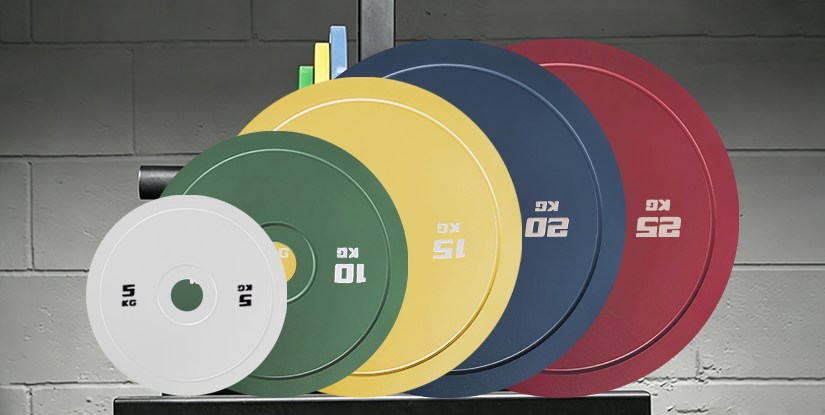
The following table provides a qualitative comparison of common industry-standard methods to assist in your wholesale cast iron plates selection process. This comparison focuses on how manufacturing choices impact long-term maintenance and procurement efficiency.
| Material & Process | Common Coating | Commercial Duty Tier | Key QC Point | Sourcing Advantage |
|---|---|---|---|---|
| Sand Casting | Bare Iron or Phosphate | Budget / Basic Commercial | Surface Roughness & Edge Smoothness | Lowest MOQ & Cost |
| Sand Casting | Powder Coating | Standard Commercial | Coating Adhesion & Uniformity | High Durability for High-Traffic |
| Die Casting | Enamel or Paint | Premium / Specialized | Dimensional Precision & Smoothness | Enhanced Aesthetic Appeal |
For high-volume distributors, we recommend verifying the specific coating adhesion and weight calibration processes during your pre-shipment inspection. A professional supplier will provide documentation regarding the casting method used to ensure the plates meet your required standards for thickness and concentricity before they are loaded into export containers.
Dimensional Accuracy and Logistics Efficiency
Precision in cast iron weight plate sourcing extends beyond the weight itself to the critical dimensions of the center hole diameter and thickness consistency. For a professional distributor, even minor deviations in the center hole can lead to improper fitment on high-end barbells, causing friction and potential damage to expensive equipment. Furthermore, ensuring consistent thickness across a full set of wholesale cast iron plates is vital for maintaining a level barbell balance, which is a standard requirement for professional-grade strength training.
From a logistics standpoint, the precision of the casting and the quality of the coating adhesion directly impact your landed cost and warehouse efficiency. Inconsistent edge finishes or poorly applied powder coating can lead to chipping during transit, resulting in damaged goods and increased replacement claims. When planning your gym equipment SKU planning, it is prudent to confirm with your supplier the specific export packaging protocols used. High-quality export packaging—such as reinforced heavy-duty cartons or specialized palletized stacking—is essential to protect the surface finish and ensure the shipment arrives in a condition that meets your brand's quality standards. Always verify the MOQ and lead time for both standard stock and any custom branding requirements to ensure your inventory replenishment cycles remain uninterrupted.
Optimizing Gym Equipment SKU Planning for Distributors
Strategic cast iron weight plate sourcing requires a balance between market demand and logistical efficiency. For importers and distributors, the goal is to build a comprehensive product catalog that satisfies various facility needs—from boutique studios to large-scale commercial gyms—without bloating the warehouse footprint. By selecting a diverse range of weight increments, you can ensure that your clients have the exact increments required for progressive overload, while maintaining high inventory turnover across your entire stock.
Effective gym equipment SKU planning prevents the common pitfall of overstocking low-velocity weights that consume valuable storage space. A well-structured SKU strategy focuses on high-volume staples—such as 5kg, 10kg, 20kg, and 25kg units—while utilizing wholesale cast iron plates to fill specialized niches. This approach maximizes your distributor margin by reducing the landed cost per unit and optimizing shipping container utilization through efficient palletization. When working with a factory, discuss how different commercial weight plate specifications might impact your shipping density and long-term profitability.
Managing a diverse inventory requires understanding how different manufacturing finishes impact both the visual appeal and the physical durability of your stock. For instance, while bare iron plates are highly cost-effective for budget-driven projects, incorporating options with high-quality powder coating can significantly increase the perceived value and lifespan of the product in high-traffic environments. Selecting the right finish is a critical part of cast iron weight plate sourcing, as it directly influences the maintenance requirements and the long-term replacement cycles for your end-users.
Technical Comparison of Commercial Plate Options
To assist in your procurement decision-making, the following table outlines the typical material and process variations seen when ordering from a China factory. This comparison helps distributors determine which products fit specific market tiers, from entry-level strength rooms to premium training facilities.
| Material Type | Primary Process | Surface Finish | Commercial Duty | Typical Sourcing Use |
|---|---|---|---|---|
| Gray Cast Iron | Sand Casting | Bare Iron / Phosphate | Budget / Standard | High-volume wholesale orders |
| Cast Iron | Sand Casting | Powder Coating | Commercial / Premium | Branded gym equipment sets |
| Cast Iron | Machined / Precision Casting | Enamel or Specialized Paint | High-End Studio | Specialized SKU collections |
When reviewing your commercial weight plate specifications, it is essential to confirm that the manufacturing sequence—from initial sand casting to the final coating application—meets your quality standards. A robust wholesale procurement process should always include a request for sample evaluation to inspect the coating adhesion and the concentricity of the bore. For distributors looking to optimize their gym equipment SKU planning, choosing a versatile manufacturer capable of both standard production and OEM customization allows for a more agile response to shifting market trends and client requests.
Strategic cast iron weight plate sourcing requires a balance between market demand and logistical efficiency. For importers and distributors, the goal is to build a comprehensive product catalog that satisfies various facility needs—from boutique studios to large-scale commercial gyms—without bloating the warehouse footprint. By selecting a diverse range of weight increments, you can ensure that your clients have the exact increments required for progressive overload, while maintaining high inventory turnover across your entire stock.
Effective gym equipment SKU planning prevents the common pitfall of overstocking low-velocity weights that consume valuable storage space. A well-structured SKU strategy focuses on high-volume staples—such as 5kg, 10kg, 20kg, and 25kg units—while utilizing wholesale cast iron plates to fill specialized niches. This approach maximizes your distributor margin by reducing the landed cost per unit and optimizing shipping container utilization through efficient palletization. When working with a factory, discuss how different commercial weight plate specifications might impact your shipping density and long-term profitability.
Managing a diverse inventory requires understanding how different manufacturing finishes impact both the visual appeal and the physical durability of your stock. For instance, while bare iron plates are highly cost-effective for budget-driven projects, incorporating options with high-quality powder coating can significantly increase the perceived value and lifespan of the product in high-traffic environments. Selecting the right finish is a critical part of cast iron weight plate sourcing, as it directly influences the maintenance requirements and the long-term replacement cycles for your end-users.
China Factory QC and Export Packaging Standards
Effective cast iron weight plate sourcing requires more than just finding a low price; it requires a rigorous verification of the China factory quality control protocols. For distributors, the primary risk is not just the product quality, but the landed cost inflation caused by transit damage or weight discrepancies. A professional supplier must implement a multi-stage inspection process—from raw casting to final palletization—to ensure that commercial weight plate specifications are met consistently across large bulk orders.
Standardized pre-shipment inspection typically focuses on three critical areas: weight tolerance, dimensional concentricity, and surface integrity. In a professional factory setting, this involves spot-checking the bore fit to ensure compatibility with standard barbell sleeves and verifying that the coating adhesion meets commercial durability standards. Without these checks, importers face high replacement costs and diminished gym equipment SKU planning efficiency due to inconsistent stock quality.
Logistics Reliability and Packaging Optimization
To protect margins, wholesale buyers must align MOQ requirements with optimized export packaging. High-density cast iron weight plate sourcing demands robust protection to prevent chipping or structural deformation during sea freight. A reliable factory will utilize reinforced heavy-duty cartons and standardized palletization to maximize container utilization while minimizing movement within the shipping unit.
| Packaging Tier | Material/Process Focus | Typical Use Case | QC/Logistics Priority |
|---|---|---|---|
| Standard Export | Bare iron or powder coated | Bulk wholesale distribution | Carton drop strength and pallet stability |
| Premium Protective | PU or rubber coated plates | High-end studio/commercial retail | Surface scratch prevention and edge protection |
| Custom OEM/ODM | Branded/Specialized finishes | Private label distributor stock | Branding clarity and customized SKU labeling |
When evaluating your next shipment, we recommend requesting a detailed pre-shipment report or scheduling a factory audit to confirm that the commercial weight plate specifications align with your local market requirements. Contact us to discuss wholesale pricing, MOQ, and customized packaging solutions for your upcoming procurement cycle.
Pre-Shipment Checklist for Importers
To mitigate the risk of high return rates and damaged inventory, professional procurement teams should utilize a standardized inspection checklist during the sourcing phase. When managing wholesale cast iron plates, the focus must remain on physical durability and shipment stability. A high-performing factory should allow for a verification of the following technical attributes before the final bill of lading is issued.
- Bore and Concentricity: Verification of the central hole diameter to ensure seamless fitment on standard Olympic barbells without wobbling.
- Weight Calibration: A spot-check of the mass to ensure the deviation remains within the agreed-upon commercial tolerance limits.
- Surface Integrity: Inspection of the powder coating or paint adhesion to ensure no chipping occurs during handling.
- Palletization Strength: Confirmation that the pallet structure and corner reinforcements are sufficient for sea freight and multi-stacking in a warehouse.
Implementing these rigorous steps ensures that your gym equipment SKU planning remains predictable and that your landed cost is not eroded by unexpected quality-related replacements. We invite you to request a detailed specification sheet or discuss your specific MOQ and OEM requirements with our technical team to ensure your next bulk order meets every commercial standard.
OEM and Private Label Customization Capabilities
For distributors looking to scale, professional cast iron weight plate sourcing extends far beyond selecting standard inventory. To build a recognizable brand in the competitive fitness market, leveraging OEM and ODM services is a critical strategic move. This allows you to transition from a generic reseller to a specialized provider with a distinct brand identity.
Customization options allow you to differentiate your product line through various technical layers. You can specify different surface finishes, such as matte black powder coating or high-gloss enamel, and integrate custom branding via embossed logos directly into the sand casting mold or high-precision silk-screen printing. While standard wholesale orders offer speed, choosing a private label path provides long-term value for commercial gym brands seeking to build equity. Most China factory partners offer these services, provided the MOQ meets the threshold for specialized production runs or custom tooling.
Effective gym equipment SKU planning requires a balance between maintaining a broad stock of standard sizes and offering high-margin, branded specialty items. By working directly with a supplier that understands commercial weight plate specifications, you can ensure that your custom-branded wholesale cast iron plates maintain consistent weight tolerances and coating adhesion, protecting your reputation and your customers' bottom line.
For distributors looking to scale, professional cast iron weight plate sourcing extends far beyond selecting standard inventory. To build a recognizable brand in the competitive fitness market, leveraging OEM and ODM services is a critical strategic move. This allows you to transition from a generic reseller to a specialized provider with a distinct brand identity.
Customization options allow you to differentiate your product line through various technical layers. You can specify different surface finishes, such as matte black powder coating or high-gloss enamel, and integrate custom branding via embossed logos directly into the sand casting mold or high-precision silk-screen printing. While standard wholesale orders offer speed, choosing a private label path provides long-term value for commercial gym brands seeking to build equity. Most China factory partners offer these services, provided the MOQ meets the threshold for specialized production runs or custom tooling.
Effective gym equipment SKU planning requires a balance between maintaining a broad stock of standard sizes and offering high-margin, branded specialty items. By working directly with a supplier that understands commercial weight plate specifications, you can ensure that your custom-branded wholesale cast iron plates maintain consistent weight tolerances and coating adhesion, protecting your reputation and your customers' bottom line.
To ensure high-end results, many premium orders involve CNC machining of the center bore after the initial casting. This process refines the inner diameter to ensure a smooth, consistent fit on standard Olympic bars, reducing friction and wear. Whether you are requesting a simple paint finish or a more durable multi-coat process, working closely with your factory during the design phase is essential to manage the landed cost while meeting professional durability standards.
Customization Tier Comparison for Procurement Decision-Making
When managing gym equipment SKU planning, distributors must decide between high-volume standard stock and high-margin branded products. The following table outlines the typical differentiation between customization tiers available through a professional China factory. This comparison helps procurement managers evaluate the trade-offs between production complexity, branding depth, and MOQ requirements to optimize their landed cost and market positioning.
| Customization Tier | Branding Method | Coating Type | Production Complexity | Typical MOQ Impact | Factory QC Point |
|---|---|---|---|---|---|
| Standard Wholesale | Standard weight markings | Bare iron or basic paint | Low (Standard molds) | Lowest (Standard wholesale volume) | Weight spot-check |
| Professional Series | Silk-screen or stencil | Standard powder coating | Medium (Standard molds + coating line) | Moderate (Increased MOQ) | Coating adhesion |
| Premium Private Label | Custom embossed logo | Multi-coat or specialized finish | High (Custom mold/tooling required) | Highest (Custom MOQ per SKU) | Bore concentricity and finish |
For distributors looking to scale, professional cast iron weight plate sourcing extends far beyond selecting standard inventory. To build a recognizable brand in the competitive fitness market, leveraging OEM and ODM services is a critical strategic move. This allows you to transition from a generic reseller to a specialized provider with a distinct brand identity.
Customization options allow you to differentiate your product line through various technical layers. You can specify different surface finishes, such as matte black powder coating or high-gloss enamel, and integrate custom branding via embossed logos directly into the sand casting mold or high-precision silk-screen printing. While standard wholesale orders offer speed, choosing a private label path provides long-term value for commercial gym brands seeking to build equity. Most China factory partners offer these services, provided the MOQ meets the threshold for specialized production runs or custom tooling.
Effective gym equipment SKU planning requires a balance between maintaining a broad stock of standard sizes and offering high-margin, branded specialty items. By working directly with a supplier that understands commercial weight plate specifications, you can ensure that your custom-branded wholesale cast iron plates maintain consistent weight tolerances and coating adhesion, protecting your reputation and your customers' bottom line.