Competition Style vs Traditional Kettlebells: Procurement Gu
Vetting Manufacturers for High-Tolerance Kettlebell Production
Many procurement managers fail by prioritizing low unit costs over long-term wholesale fitness equipment durability, often resulting in high replacement rates due to structural fatigue. Instead of merely sourcing the cheapest weight, professional buyers must implement rigorous commercial grade kettlebell specifications to ensure equipment survives high-traffic environments. A superior sourcing strategy focuses on the metallurgical stability of the product rather than just the initial price point.
Evaluating Structural Integrity and Material Composition
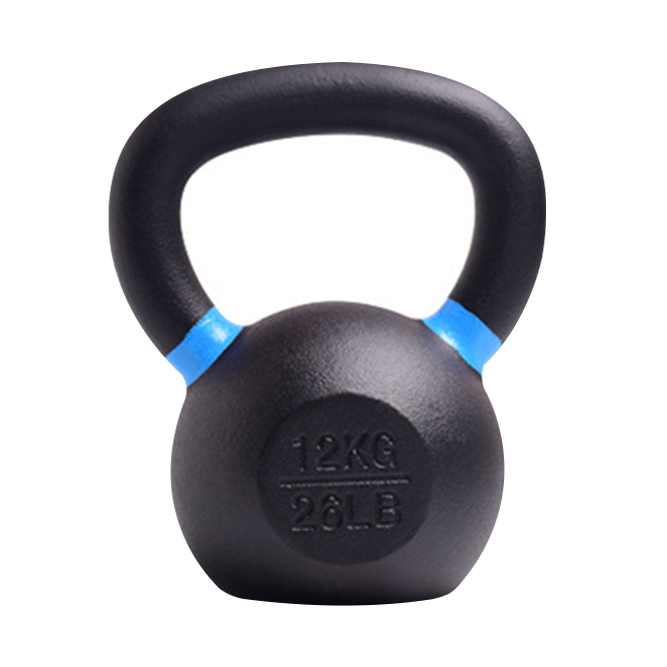
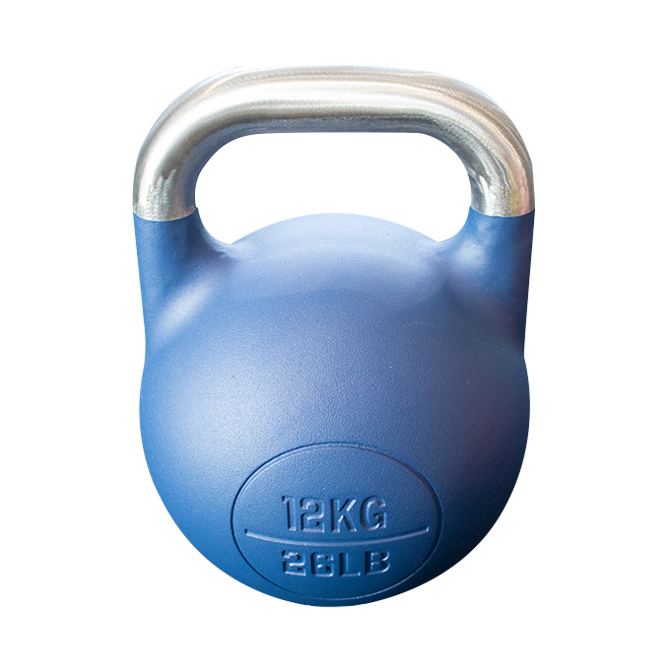
When assessing cast iron vs competition kettlebells, the primary differentiator is the internal density and surface resilience. Traditional cast iron models are prone to hairline fractures or chipping when subjected to repeated high-impact drops on concrete. In contrast, competition-grade steel construction offers superior impact resistance and consistent structural integrity, making them the gold standard for high-intensity interval training (HIIT) facilities. For distributors managing large-scale RFPs, choosing competition-style steel ensures a longer lifecycle and higher ROI, as these units maintain their dimensional accuracy and surface finish far longer than standard iron alternatives.
To mitigate the risk of premature replacement cycles, procurement officers must evaluate the long-term lifecycle ROI through a technical lens. Relying on substandard foundry processes leads to uneven weight distribution and surface degradation. Utilize the following technical comparison to audit your potential suppliers' manufacturing standards and ensure your inventory meets high-traffic demands.
Material Durability & Lifecycle Comparison
| Technical Metric | Traditional Cast Iron | Competition-Style Steel |
|---|---|---|
| Surface Coating Durability | Prone to chipping/rusting | High-grade powder coating/polyurethane |
| Weight Consistency | +/- 3% to 5% variance | Strict +/- 1% tolerance |
| Wear Patterns | Surface pitting over time | Resilient, uniform finish |
| Lifecycle Expectancy | Moderate (High replacement rate) | Maximum (Low maintenance) |
When negotiating competition style kettlebells vs traditional options, prioritize manufacturers that provide verified testing reports for commercial grade kettlebell specifications. This level of quality control is essential for maintaining brand reputation in the fitness sector.
To secure a competitive edge, procurement specialists must move beyond surface-level aesthetics and audit a factory's technical capacity. The fundamental tension in the competition style kettlebells vs traditional debate often comes down to manufacturing precision. High-performance facilities require strict manufacturing tolerances to ensure weight uniformity across entire sets; a deviation of even 1% can compromise professional training standards. When vetting suppliers, demand documentation regarding their QC protocols, specifically focusing on density testing and surface coating adhesion.
Furthermore, do not let low MOQ requirements mask subpar production capabilities. While small-batch orders may be easier to secure, large-scale distributors should prioritize manufacturers with automated casting or machining processes that guarantee consistency. A factory capable of meeting rigorous commercial grade kettlebell specifications will possess advanced metallurgy controls and standardized testing phases. Establishing these high benchmarks during the initial sourcing phase ensures that your wholesale fitness equipment durability remains high, protecting your long-term margins against the hidden costs of frequent equipment replacement and client dissatisfaction.
Standardizing QC Audits for Cast Iron vs Competition Kettlebells
For high-volume distributors and gym owners, the long-term ROI of a shipment depends heavily on how the equipment handles physical wear. When evaluating competition style kettlebells vs traditional models, the primary concern is how the surface reacts to constant friction and environmental exposure. Traditional cast iron models are prone to surface degradation if the coating is breached, often leading to rust in humid gym environments. Conversely, high-end competition style kettlebells are engineered with superior oxidation resistance, ensuring the finish remains intact despite rigorous daily use.
To mitigate long-term replacement costs, procurement officers must demand strict commercial grade kettlebell specifications during the factory inspection phase. A lack of rigorous quality control during the casting and painting process can lead to premature chipping, which compromises the aesthetic and structural integrity of the batch.
| Procurement Factor | Cast iron vs competition kettlebells: Traditional | Cast iron vs competition kettlebells: Competition Style |
|---|---|---|
| Surface Resilience | Moderate (Risk of chipping) | High (Impact resistant) |
| Oxidation Resistance | Lower (Requires regular oiling) | Superior (Protective coating) |
| Lifecycle ROI | Standard/Short-term | High/Long-term |
| Maintenance Load | Frequent inspection required | Minimal upkeep |
When sourcing wholesale fitness equipment durability, we recommend auditing the coating thickness and adhesion strength at the source to ensure your inventory meets international commercial standards.
To streamline your procurement workflow, use the following technical breakdown to assess the long-term operational costs. The distinction between cast iron vs competition kettlebells is most visible in the maintenance cycle and the frequency of replacement. While traditional iron may offer a lower initial purchase price, the cumulative cost of upkeep and the risk of surface failure often diminish the total lifecycle ROI for large-scale facilities.
| Maintenance & Durability Feature | Traditional (Cast Iron) | Competition Style Kettlebells |
|---|---|---|
| Coating Durability | Prone to chipping/flaking | High-impact resistant finish |
| Handle Wear | Textured/Rougher surface | Smooth, consistent grip |
| Replacement Frequency | Higher (due to oxidation) | Low (extended service life) |
| Wholesale Fitness Equipment Durability | Standard Commercial | Premium/High-Traffic Grade |
For distributors managing high-volume shipments, prioritizing commercial grade kettlebell specifications ensures that the product remains a durable asset rather than a recurring liability. Always verify the coating adhesion strength with your factory partner to safeguard your brand reputation.
Critical Audit Protocols for Bulk Procurement
To safeguard your investment, procurement teams must look beyond surface aesthetics and verify deep factory capability. A comprehensive QC audit is non-negotiable when managing high-volume orders. For competition-grade inventory, the inspection should prioritize coating uniformity; any inconsistency in the polymer or rubber application can lead to uneven grip and premature peeling. Furthermore, strict weight tolerance checks are essential. While traditional cast iron may allow for slight variances, high-end competition models must meet precise calibration standards to ensure professional-grade reliability across the entire batch.
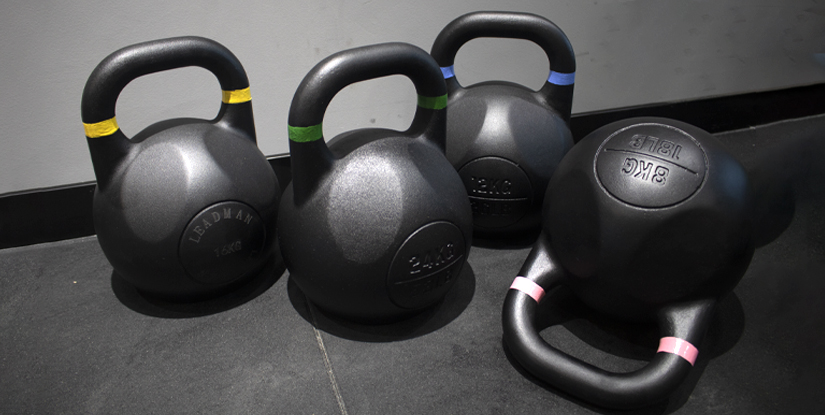
Beyond manufacturing, logistics-related damage poses a significant threat to your wholesale fitness equipment durability. Ensure your supplier utilizes reinforced, export-grade packaging to prevent denting or coating abrasions during transit. Finally, when negotiating MOQ quality assurance, demand a pre-shipment inspection report that confirms every unit adheres to the agreed commercial grade kettlebell specifications. This proactive stance minimizes the risk of costly returns and ensures your facility receives a consistent, high-performance product line.
Managing Warranty Claims and Material Defect Protocols
For facility owners and distributors, the decision between competition style kettlebells vs traditional designs is not merely an aesthetic choice; it is a strategic calculation of lifecycle ROI. When sourcing at volume, understanding the structural integrity of your inventory is vital to minimizing costly returns and replacement requests.
Standard cast iron vs competition kettlebells presents a distinct trade-off in terms of durability and long-term maintenance. While traditional cast iron models are rugged, they are prone to surface oxidation and chipping if the coating fails. Conversely, high-end competition models often feature precision-molded steel or specialized coatings that meet strict commercial grade kettlebell specifications. For wholesalers, investing in superior material quality during the factory audit phase significantly reduces the frequency of defect-related warranty claims. By prioritizing high-standard commercial grade kettlebell specifications during procurement, buyers ensure their stock withstands high-traffic usage, ultimately protecting their profit margins and long-term lifecycle ROI.
A critical factor in long-term wholesale fitness equipment durability is the rigor of the manufacturer's QC processes. Traditional models often suffer from cast iron imperfections, such as uneven density or surface pitting, which can lead to structural cracks under heavy use. These material defect protocols are essential when evaluating competition style kettlebells vs traditional options, as precision-molded competition versions typically offer much tighter manufacturing tolerances.
From a procurement standpoint, choosing products with high-precision casting reduces the risk of balance issues or handle irregularities. For distributors, this means fewer returns and lower overhead for replacements. When negotiating MOQ or bulk orders, always demand transparency regarding manufacturing tolerances and the factory's internal QC standards. Selecting equipment that minimizes cast iron imperfections ensures that your investment remains a reliable asset rather than a recurring liability in your facility's inventory.
To optimize the long-term cost of ownership, procurement specialists must evaluate the expected replacement frequency and upkeep requirements associated with each design type. While traditional models are cost-effective upfront, the degradation of surface coating integrity can lead to higher long-term maintenance costs. In contrast, competition models often command a higher initial investment but offer superior stability in high-traffic environments. The following data outlines the structural differences critical for calculating wholesale fitness equipment durability and potential warranty exposure.
| Feature Comparison | Traditional Cast Iron | Competition Style |
|---|---|---|
| Surface Coating Integrity | Prone to chipping and oxidation | High-grade, impact-resistant finish |
| Replacement Frequency | Moderate (due to surface wear) | Low (precision-engineered longevity) |
| Maintenance Requirements | Periodic rust prevention/cleaning | Minimal/Standard upkeep |
| Long-term Cost of Ownership | Lower initial; higher lifecycle cost | Higher initial; optimized lifecycle ROI |
When vetting a distributor or factory, ensure their commercial grade kettlebell specifications include rigorous testing for coating adhesion. Choosing the right balance between cast iron vs competition kettlebells ensures your bulk procurement aligns with your facility's specific operational budget and durability needs.
Optimizing Volume Orders via Commercial Grade Kettlebell Specifications
When scaling a fitness facility, procurement officers face a critical decision regarding competition style kettlebells vs traditional models. While traditional cast iron options present a lower upfront investment, they often hide long-term costs in surface degradation and uneven weight distribution. For high-traffic commercial environments, the cast iron vs competition kettlebells debate shifts from initial purchase price to lifecycle ROI.
Competition-grade bells, characterized by precise weight standards and ergonomic handles, offer a superior durability-to-cost ratio despite higher per-unit pricing. For distributors and large-scale gym owners, the precision of competition models reduces replacement frequency caused by chipping or uneven wear. When calculating wholesale fitness equipment durability, the ability to maintain consistent weight standards across a full set justifies the higher CAPEX. Choosing high-spec competition bells ensures your facility remains compliant with professional standards, ultimately protecting your long-term capital through extended equipment utility and reduced turnover.
Cost-Benefit Analysis: Procurement & Logistics Efficiency
To assist in your sourcing strategy, the following comparison highlights how commercial grade kettlebell specifications impact your total cost of ownership. While the unit price of competition models is higher, the long-term savings in labor and replacement costs are significant.
| Metric | Traditional Cast Iron | Competition Style |
|---|---|---|
| Initial Unit Price | Lower (Budget-friendly) | Higher (Premium) |
| Replacement Frequency | Higher (Due to chipping) | Minimal (High durability) |
| Logistics Efficiency | Standard Volume | Optimized/Compact |
For global distributors, shipping volume/logistics efficiency is a vital factor. Competition bells often feature more standardized dimensions, allowing for tighter packing density in sea containers. When sourcing via wholesale fitness equipment durability standards, the precision of competition bells reduces the risk of weight discrepancies, ensuring your shipment meets strict quality control requirements upon arrival at the facility.
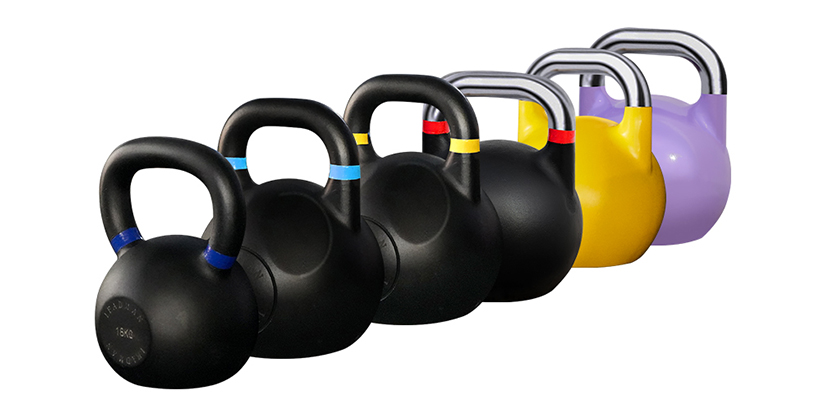
Beyond physical dimensions, high-volume sourcing requires a deep dive into factory QC protocols. When managing bulk procurement, the primary risk is inconsistent weight tolerance. Traditional cast iron models often suffer from significant deviations, which can lead to non-compliance in professional settings and increased replacement cycles. In contrast, premium manufacturers utilizing competition style kettlebells vs traditional manufacturing processes implement rigorous factory QC to ensure each unit adheres to strict weight-margin standards.
For procurement managers, the MOQ (Minimum Order Quantity) should be leveraged to negotiate better terms, but never at the expense of wholesale fitness equipment durability. A lower MOQ might seem attractive for initial testing, but investing in higher-spec competition bells during large-scale orders minimizes the long-term cost of frequent re-ordering. By prioritizing strict weight tolerance and superior factory QC during the sourcing phase, distributors can mitigate the hidden costs of equipment failure and ensure a more predictable replacement cycle across their global inventory.
Spatial Efficiency and Inventory Management of Competition Styles
When designing high-density training zones, the physical footprint of your inventory dictates your facility's throughput. The primary distinction in competition style kettlebells vs traditional models lies in their geometric consistency. While traditional cast iron variants often feature irregular, bulging bell shapes that create awkward gaps, competition models utilize uniform dimensions. This standardization is a critical factor for floor space optimization in premium commercial gyms.
From a procurement standpoint, spatial efficiency directly impacts your long-term storage density. Because competition-grade bells maintain a consistent diameter regardless of weight, they allow for tighter nesting in specialized racks and more predictable stacking in transit. This predictability reduces the risk of damage during shipping and ensures your wholesale fitness equipment durability standards are met through organized, stable storage configurations.
| Storage Factor | Traditional Cast Iron | Competition Style |
|---|---|---|
| Footprint Consistency | Irregular/Variable | Uniform/Standardized |
| Rack Density | Low (Bulky) | High (Compact) |
| Stacking Stability | Variable | Optimized |
For distributors and large-scale facility buyers, investing in competition-grade units minimizes the "dead space" typically found in weight rooms, maximizing the ROI of every square foot in your layout.
Beyond the training floor, the logistical advantages of cast iron vs competition kettlebells become evident during the procurement and distribution phases. For bulk importers, SKU standardization is a vital metric for streamlining supply chains. Competition models, adhering to strict commercial grade kettlebell specifications, offer a predictable form factor that simplifies container loading and palletization. This uniformity minimizes shipping volume discrepancies, allowing distributors to maximize container utilization and reduce landed costs per unit.
Furthermore, the compact nature of competition-grade steel models enhances warehouse footprint management. Unlike the erratic dimensions of traditional cast iron, which can lead to inefficient stacking and higher breakage risks, the streamlined profile of competition bells supports higher inventory turnover rates. By selecting products with standardized dimensions, procurement managers can optimize their wholesale fitness equipment durability protocols, ensuring that high-density storage does not compromise the integrity of the shipment or the efficiency of the warehouse transit cycle.
To finalize your selection, use the following procurement decision matrix to evaluate how volume consistency impacts your facility's operational efficiency. While traditional bells offer lower initial costs, the storage footprint of competition-grade equipment provides superior long-term value for high-traffic zones.
| Metric | Traditional Cast Iron | Competition Style |
|---|---|---|
| Weight Increments | Variable/Non-Standard | Precise/Standardized |
| Volume-to-Weight Ratio | Inconsistent (Bulky) | Optimized (Compact) |
| Inventory Density | Low Efficiency | High Efficiency |
| Logistics Complexity | High (Irregular Shapes) | Low (Uniform Profile) |
When sourcing at scale, prioritize models that adhere to strict commercial grade kettlebell specifications. A standardized diameter ensures that your wholesale fitness equipment durability is not undermined by disorganized storage, allowing for seamless rack integration and maximum spatial utility across your entire inventory.
Packaging Engineering and Landed Cost Optimization
When evaluating the cast iron vs competition kettlebells dilemma, procurement officers often focus solely on the initial purchase order. However, a narrow view of unit cost vs lifecycle ROI can lead to significant budget overruns in high-traffic facilities. Traditional cast iron models offer a lower entry price point, making them attractive for budget-conscious distributors or smaller boutique studios. Yet, these units often lack the precision required for high-end commercial grade kettlebell specifications, leading to uneven wear and higher replacement frequencies.
In contrast, competition-style kettlebells demand a higher upfront investment due to their standardized dimensions and superior manufacturing tolerances. While the per-unit price is higher, the long-term value is found in their extreme durability and consistent ergonomics. For large-scale wholesale orders, the true cost is determined by landed weight and shipping volume. Competition models, being more compact, can optimize container loading density, potentially reducing the freight cost per unit. When sourcing through a reliable factory, prioritizing these high-spec models ensures a lower total cost of ownership by extending the equipment's functional lifespan in demanding commercial environments.
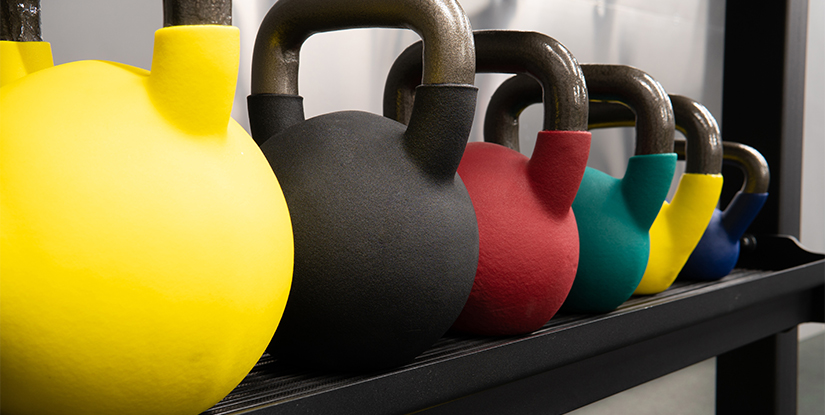
Optimizing the final landed cost requires a deep dive into logistics and packaging engineering. When comparing competition style kettlebells vs traditional models, the physical footprint of each unit dictates your shipping volume optimization strategy. Traditional cast iron kettlebells often feature larger, irregular handles and uneven casting, which can lead to inefficient palletization and wasted space within a shipping container. This lack of uniformity can drive up freight expenses and complicate the management of wholesale fitness equipment durability standards during transit.
For high-volume distributors, the goal is to maximize container density to lower the per-unit cost. Competition-style kettlebells, characterized by their standardized, compact geometry, allow for more precise stacking and tighter pallet configurations. This increased freight efficiency is critical when negotiating MOQ (Minimum Order Quantity) levels for international shipments. By selecting equipment with standardized dimensions, procurement managers can minimize volumetric weight issues and reduce the risk of transit-related damage. Ultimately, a sophisticated approach to packaging—prioritizing density and standardized sizing—ensures that your bulk orders remain cost-effective from the factory floor to the final fitness facility destination.
Total Cost of Ownership (TCO) Analysis
To justify budget allocation to stakeholders, procurement officers must move beyond the initial invoice and analyze the long-term financial impact. Choosing between competition style kettlebells vs traditional models requires a data-driven approach to account for hidden costs such as frequent replacement cycles and maintenance labor. While traditional cast iron units present a lower initial MOQ cost, their lack of dimensional consistency often leads to higher attrition in commercial settings. Use the following data to evaluate the commercial grade kettlebell specifications and long-term value proposition.
| Metric | Traditional Cast Iron | Competition Style (Steel/Urethane) |
|---|---|---|
| Initial Unit Cost | Low | Moderate to High |
| Durability Rating | Moderate (Prone to chipping/rust) | High (Impact resistant) |
| Replacement Frequency | High (Every 2-3 years in high-traffic) | Low (Extended lifecycle) |
| Maintenance Requirements | Frequent (Rust prevention/cleaning) | Minimal (Standardized surface) |
| Long-term ROI | Lower (Higher replacement overhead) | Higher (Reduced lifecycle costs) |
When calculating wholesale fitness equipment durability, the competition model typically offers a superior lifecycle ROI. By investing in standardized, high-spec equipment, distributors mitigate the risk of frequent re-ordering and shipping overhead, ensuring a more stable and predictable procurement budget.
Lifecycle maintenance planning for busy facilities
When calculating the total cost of ownership for a high-traffic training floor, the distinction between competition style kettlebells vs traditional models becomes a matter of operational overhead. Traditional cast iron units, while cost-effective for initial procurement, often present higher long-term maintenance burdens due to surface degradation. Without strict climate control, these units are susceptible to rust and chipping, which can compromise the user experience and aesthetic standards of a premium facility.
In contrast, the cast iron vs competition kettlebells debate shifts toward longevity when examining high-end coatings. Competition-style models typically feature precision-milled steel with advanced powder coating or high-grade urethane, offering superior oxidation resistance. For distributors and gym owners, adhering to strict commercial grade kettlebell specifications ensures that the equipment can withstand heavy daily use without frequent replacement. While the initial investment for competition-style gear may be higher, the reduced need for surface upkeep and the extended lifecycle provide a much stronger ROI for large-scale fitness centers and wholesale clients looking to minimize replacement cycles.
To optimize your procurement strategy, it is essential to analyze how different manufacturing standards affect your long-term operational budget. When evaluating wholesale fitness equipment durability, the technical differences in material resilience directly dictate your replacement frequency. Below is a technical breakdown designed to assist procurement officers in assessing the long-term value proposition of each style.
Maintenance & Durability Comparison
| Feature | Traditional Cast Iron | Competition Style | Facility Impact |
|---|---|---|---|
| Wear Resistance | Moderate; prone to chipping | High; precision-milled steel | Lower labor costs for upkeep |
| Coating Integrity | Basic paint/enamel | Advanced powder/urethane | Maintains premium facility aesthetics |
| Replacement Cycles | Frequent due to oxidation | Extended/Long-term | Higher long-term lifecycle ROI |
For distributors and facility managers, choosing the right commercial grade kettlebell specifications is a strategic decision. While traditional units offer a lower entry price, the superior build of competition-style equipment mitigates the risk of sudden capital expenditures caused by rapid equipment degradation.
To safeguard your capital investment, procurement teams must look beyond the initial purchase price and focus on factory capability and QC protocols. High-tier manufacturers provide rigorous testing to ensure that competition style kettlebells vs traditional variations meet strict tolerance standards before shipping. When sourcing at scale, verifying that a supplier integrates multi-stage quality inspections into their production line is vital for maintaining wholesale fitness equipment durability across large-scale deployments.
Effective facility maintenance scheduling should account for the differing degradation rates of these two styles. While traditional iron requires more frequent inspections for rust and coating failure, competition-grade steel allows for a more streamlined, low-touch maintenance routine. By integrating these variables into your bulk replacement planning, you can transition from reactive purchasing to a proactive lifecycle strategy. Ultimately, prioritizing equipment with high-spec coatings and standardized manufacturing ensures a superior long-term lifecycle ROI, preventing the logistical headaches of premature equipment turnover in high-volume commercial environments.