Exercise Equipment Suppliers: OEM Contract Manufacturing
Optimizing Distributor Margins Through Strategic Sourcing
Professional exercise equipment suppliers provide the essential foundation for distributors seeking to scale their product catalogs while maintaining healthy profit margins. By sourcing directly from a China factory, importers can bypass intermediary markups, ensuring a lower landed cost and higher competitive advantage in local markets.
For many distributors, the primary challenge is not just finding products, but managing the delicate balance between SKU breadth and capital efficiency. Rely-on-trader models often lead to inflated procurement costs and unpredictable quality. Transitioning to commercial fitness manufacturing partnerships allows for better control over the entire supply chain, from raw material selection to final wholesale volume pricing.
Direct Sourcing vs. Trading Company Models
Understanding the structural differences in procurement is vital for long-term margin optimization. While trading companies offer convenience, they often obscure the true landed cost through multiple layers of service fees and logistics markups.
| Procurement Factor | Factory-Direct Sourcing | Trading Company/Middleman |
|---|---|---|
| Unit Price Potential | Highest (Direct Manufacturer Pricing) | Moderate (Includes Service Margins) |
| Customization (OEM/ODM) | High (Direct Engineering Access) | Limited (Dependent on Third-Party) |
| Quality Control | Direct Oversight & Inspection | Indirect/Report-Based |
| Supply Chain Transparency | Full Visibility into Production | Low (Fragmented Information) |
| MOQ Flexibility | Negotiable based on Production Cycles | Fixed by Product Availability |
When a distributor engages in private label gym equipment development, the ability to communicate directly with the production floor becomes a critical asset. This direct line reduces the risk of specification errors and ensures that fitness product development aligns perfectly with the target market's durability requirements and branding standards.
Choosing between standard stock replenishment and custom development is a strategic decision that impacts both warehouse efficiency and long-term brand equity. While stock orders offer faster turnaround, specialized OEM/ODM capabilities provide the differentiation necessary to dominate premium commercial segments. To maximize ROI, procurement leads must evaluate whether their current sourcing model supports rapid scaling or if a transition to a more integrated manufacturing partnership is required.
Evaluating Sourcing Models for Scalability
The decision to pursue private label gym equipment or stick to generic wholesale models depends on the distributor's market position. A high-volume distributor focusing on rapid turnover may prioritize low MOQ and immediate shipping availability. Conversely, a premium brand builder should prioritize a manufacturer capable of deep fitness product development to ensure their proprietary features are protected and consistently produced.
| Sourcing Strategy | Primary Advantage | Typical MOQ Requirement | Control Over Specifications |
|---|---|---|---|
| Standard Wholesale | Low initial capital outlay; fast replenishment | Low to Moderate | Minimal (Standardized SKUs) |
| Private Label | Stronger brand recognition; higher perceived value | Moderate to High | High (Branding & Colorways) |
| Full OEM/ODM | Complete product differentiation; unique engineering | High (Custom Tooling/Molds) | Absolute (Full Design Control) |
To ensure long-term profitability, we recommend conducting a thorough factory audit and requesting detailed technical spec sheets before committing to large-scale production. Successful distributors often implement a phased approach: starting with proven stock items to test the lead time and QC reliability, before graduating to custom-engineered solutions that solidify their market presence.
To ensure long-term profitability, we recommend conducting a thorough factory audit and requesting detailed technical spec sheets before committing to large-scale production. Successful distributors often implement a phased approach: starting with proven stock items to test the lead time and QC reliability, before graduating to custom-engineered solutions that solidify their market presence.
The Economics of SKU Breadth and Inventory Turnover
For large-scale distributors, managing the balance between product variety and warehouse efficiency is a critical driver of profitability. Relying on a vast SKU breadth without a strategic sourcing plan often leads to high carrying costs and stagnant capital. When sourcing from exercise equipment suppliers, professional buyers must weigh the benefits of a diverse catalog against the operational risks of overstocking non-performing assets.
The primary challenge in commercial fitness distribution is optimizing inventory turnover. Over-extending your catalog with low-demand items increases your landed cost per unit due to increased storage requirements and potential obsolescence. By leveraging private label gym equipment or customized product lines, distributors can transition from selling generic hardware to offering high-margin, branded solutions that command better market positioning.
Comparing Sourcing Models for Inventory Optimization
| Sourcing Strategy | SKU Flexibility | Inventory Risk | Primary Advantage |
|---|---|---|---|
| Standard Wholesale | High (Ready-to-ship) | Moderate | Fast replenishment cycles |
| Commercial fitness manufacturing (OEM) | Customized/Niche | Controlled | Higher brand loyalty & margins |
| Small-batch Sourcing | Very High | High | Low initial capital outlay |
To maintain a lean supply chain, many successful importers utilize fitness product development to create exclusive product lines. Working directly with a China factory allows you to align production cycles with seasonal demand, ensuring that your warehouse remains a high-velocity hub rather than a storage facility for aging stock. Selecting the right MOQ and production scale is essential to balancing high availability with low overhead.
| Economic Metric | Stock/Wholesale Model | OEM/ODM Manufacturing Model |
|---|---|---|
| Distributor Margin | Standard/Competitive | Premium/High-Margin |
| Customization | Limited to existing SKUs | Full Branding & Specs |
| Lead Time | Short (Immediate) | Extended (Production-based) |
| Shipping Volume | Fixed per SKU | Optimized for Container Loading |
| Warehousing Costs | High (Due to SKU variety) | Low (Optimized via single-source) |
Understanding these variables is vital for long-term scalability. While the wholesale model offers speed, it often forces distributors into a "race to the bottom" on price. Conversely, investing in private label gym equipment through a factory-direct partnership allows you to control the landed cost more effectively by optimizing shipping volume and container utilization. While lead time is naturally longer for custom orders, the ability to dictate specific technical requirements ensures your brand is not merely a reseller of generic goods, but a specialized provider of high-value commercial solutions.
Strategic procurement requires a shift from simple purchasing to integrated fitness product development. For distributors, the goal is to minimize the friction between order placement and final delivery while maximizing the value of every cubic meter in a shipping container. By engaging in professional commercial fitness manufacturing, you can move away from the volatility of the spot market and toward a predictable, scalable model that favors long-term growth over short-term availability.
Efficient supply chain optimization begins with selecting a partner capable of managing both the technical precision of specialized equipment and the logistical complexities of international export. Relying on a single-source exercise equipment suppliers partner that offers both R&D and high-volume production allows you to streamline your entire procurement process. This approach reduces the administrative burden of managing multiple vendors and ensures that every bulk order meets your specific quality and branding standards.
To mitigate the risks associated with international sourcing, it is essential to implement rigorous quality control (QC) protocols at the source. A reliable China factory should provide transparent documentation regarding pre-shipment inspections and material testing. This level of oversight is not just about product durability; it is a critical component of logistics efficiency. When your supplier ensures that products are packed and loaded to maximize container density without compromising safety, your total landed cost decreases, and your warehouse turnover rate increases.
Customization Capabilities: From Private Label to Full ODM
For distributors and large-scale gym operators, selecting the right exercise equipment suppliers involves choosing between rapid brand scaling and complete product innovation. Understanding the technical distinction between branding existing assets and engineering new ones is critical for managing your landed cost and R&D investment.
Defining the Scope of Customization
Most procurement professionals begin with private label gym equipment, a process where a China factory applies your proprietary branding, color schemes, and logos to proven, high-performance models. This is an efficient way to build brand recognition without the high MOQ or engineering risks associated with new product development. It allows for faster market entry and predictable maintenance cycles since the mechanical architecture is already industry-tested.
In contrast, full commercial fitness manufacturing through ODM (Original Design Manufacturer) services offers a higher level of control. This route is essential when your brand requires unique mechanical specifications, specialized ergonomic adjustments, or proprietary technology that sets you apart from competitors. While fitness product development under an ODM model requires higher upfront investment and longer lead time, it provides the exclusive intellectual property necessary to dominate specific niche markets in the commercial sector.
| Feature | Private Label (OEM) | Full ODM / Custom Development |
|---|---|---|
| Primary Goal | Brand identity & visual consistency | Product differentiation & technical innovation |
| Design Control | Logo, color, and aesthetic decals | Mechanical structure, dimensions, and materials |
| Development Speed | Rapid (utilizing existing molds) | Extended (requires R&D and prototyping) |
| Typical MOQ | Lower (standardized production runs) | Higher (custom tool/mold requirements) |
| Procurement Risk | Low (proven mechanical reliability) | Moderate (requires rigorous QC/testing) |
When evaluating these options, consider your long-term sourcing strategy: use private labeling to stabilize your core product lineup and ODM to launch high-margin, signature equipment. Before committing to a full development cycle, we recommend requesting a detailed spec sheet and discussing wholesale prototyping protocols with your partner to ensure technical alignment.
Deciding between these two paths depends on whether your priority is speed-to-market or long-term market exclusivity. For many distributors, a hybrid approach offers the best balance of risk and reward. You might utilize standard models for high-volume, high-turnover items while reserving custom engineering for premium, flagship products that define your brand's professional standard.
Before finalizing your procurement plan, ensure you have clarified the technical boundaries of each service. A well-defined agreement regarding tooling ownership, material certifications, and quality control standards will prevent unexpected costs during the transition from prototype to mass production. We suggest requesting a formal quote that specifies the exact MOQ for custom mold-based products versus standard branding updates to better calculate your total landed cost and projected margins.
Deciding between these two paths depends on whether your priority is speed-to-market or long-term market exclusivity. For many distributors, a hybrid approach offers the best balance of risk and reward. You might utilize standard models for high-volume, high-turnover items while reserving custom engineering for premium, flagship products that define your brand's professional standard.
Before finalizing your procurement plan, ensure you have clarified the technical boundaries of each service. A well-defined agreement regarding tooling ownership, material certifications, and quality control standards will prevent unexpected costs during the transition from prototype to mass production. We suggest requesting a formal quote that specifies the exact MOQ for custom mold-based products versus standard branding updates to better calculate your total landed cost and projected margins.
Managing Lead Times and Production Cycles for Bulk Orders
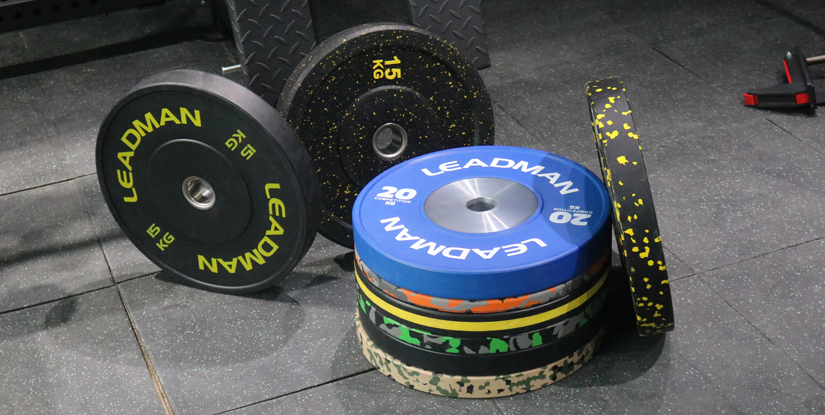
Efficient procurement requires more than just selecting the right exercise equipment suppliers; it demands a deep understanding of production cycles. For distributors and large-scale gym operators, failing to account for manufacturing windows can lead to catastrophic stockouts or delayed facility openings. Unlike small-scale retail, commercial fitness manufacturing involves complex assembly stages and component sourcing that must be synchronized with your logistical roadmap.
To maintain a competitive edge, professional buyers must implement rigorous lead time forecasting. Relying on reactive ordering often results in increased landed cost due to expedited shipping fees or missed seasonal demand windows. By coordinating directly with a China factory, importers can align their purchase orders with the factory capacity, ensuring that high-volume shipments are prioritized during peak production periods. This proactive approach stabilizes your supply chain and protects your distributor margins against unexpected market fluctuations.
Understanding MOQ and Production Scalability
A critical variable in your sourcing strategy is the relationship between order volume and the Minimum Order Quantity (MOQ). For buyers pursuing private label gym equipment, the MOQ is not merely a threshold but a lever for cost control. High-volume orders typically allow for greater economies of scale, reducing the unit cost and providing more leverage for customized branding or specialized hardware. However, understanding how these volumes influence the production lead time is essential for preventing project bottlenecks during large-scale facility rollouts or seasonal inventory replenishment.
Choosing between standard stock replenishment and full-scale customization involves balancing speed against brand exclusivity. While stock orders offer rapid fulfillment, customized fitness product development requires dedicated production windows to accommodate tooling, material selection, and quality testing. The following table outlines the typical procurement profiles to assist in your decision-making process:
| Procurement Type | Typical Order Volume | Customization Level | Average Lead Time | Primary Use Case |
|---|---|---|---|---|
| Standard Stock/Wholesale | Low to Medium | Limited (Logo/Color only) | Short (2–4 weeks) | Rapid replenishment or small studio setups |
| OEM/ODM Manufacturing | High (Volume-dependent) | High (Full specs/Design) | Extended (8–12+ weeks) | Brand building and market differentiation |
| Customized Private Label | Medium to High | Moderate (Component selection) | Medium (6–10 weeks) | Expanding distributor product lines |
To optimize your procurement cycle, we recommend confirming your specific MOQ requirements and technical specifications during the initial inquiry phase. Whether you are seeking a rapid restock of existing models or initiating a new private label project, requesting a detailed production schedule and a formal quote early will ensure your logistics and installation timelines remain intact.
Ensuring Reliability Through QC and Export Logistics
The final stage of the procurement process is often where the highest risks to your landed cost occur. Even with a successful fitness product development phase, inadequate oversight during the transition from factory floor to shipping container can lead to damaged goods, incorrect SKU counts, or non-compliance with international standards. For professional importers, a breakdown in QC (Quality Control) protocols does not just mean a faulty machine; it means increased maintenance loads, high return rates, and diminished brand reputation in your local market.
To mitigate these risks, high-tier exercise equipment suppliers must integrate strict pre-shipment inspections into their workflow. This includes verifying structural integrity, electronic component stability, and aesthetic consistency under commercial-grade usage simulations. Furthermore, specialized export packaging is non-negotiable for heavy-duty machinery. Utilizing reinforced, moisture-resistant materials and optimizing container loading patterns ensures that your bulk shipment survives the transit from the China factory to your local warehouse without structural compromise or unnecessary volumetric waste.
Effective logistics coordination requires synchronized communication regarding shipping schedules and documentation. Whether you are managing sea freight for a full container load (FCL) or consolidating multiple LCL shipments, transparency in the movement of goods is vital. We advise all distributors to schedule a formal inspection or a virtual factory audit prior to final payment. This proactive verification of both product quality and packaging durability is the most effective way to protect your capital and ensure a seamless rollout for your clients.
Quality Control Protocols and Pre-Shipment Inspection Standards
For distributors and large-scale gym operators, the risk of receiving substandard batches is a direct threat to profitability. Relying on exercise equipment suppliers without rigorous quality control protocols can lead to catastrophic failures, high return rates, and increased product liability. Effective commercial fitness manufacturing requires more than just assembly; it demands a systematic approach to risk mitigation through strict factory-level inspection.
A professional China factory must implement multi-stage checks to ensure every unit meets B2B sourcing standards. This includes raw material testing, structural integrity verification, and functional stress tests. By prioritizing these inspections, importers can significantly reduce the total landed cost by avoiding the massive expenses associated with faulty equipment, shipping returns, and onsite repairs. Whether you are managing a wholesale order or a custom OEM project, verified quality is the only way to protect your distributor margins and brand reputation.
Multi-Stage Inspection Framework
To maintain high-performance standards in private label gym equipment, top-tier manufacturers utilize a three-tier inspection system. This systematic approach ensures that defects are caught at the source rather than at the destination, protecting the buyer's capital and reducing the frequency of after-sales claims.
The process begins with Incoming Quality Control (IQC) to verify raw material specifications, followed by In-Process Quality Control (IPQC) to monitor assembly precision. Finally, the Finished Goods Quality Control (FQC) and pre-shipment inspection ensure the entire batch is ready for export. Depending on the complexity of the fitness product development, these stages may also include mechanical endurance testing and electronic component verification.
| Inspection Stage | Focus Area | Primary Objective | B2B Sourcing Value |
|---|---|---|---|
| IQC (Incoming) | Steel grade, upholstery, electronic components | Material compliance | Prevents structural failure due to low-grade raw materials |
| IPQC (In-Process) | Welding integrity, paint thickness, assembly torque | Production consistency | Reduces scrap rates and maintains strict MOQ efficiency |
| FQC (Final/Pre-shipment) | Functional movement, noise levels, weight capacity | Operational safety | Ensures zero-defect delivery for commercial gym environments |
For procurement managers, a rigorous inspection schedule directly impacts the lead time and total reliability of the shipment. While highly detailed testing may slightly extend the production window, the reduction in long-term maintenance costs and the preservation of brand authority far outweigh the initial delay. We recommend all distributors schedule a third-party factory audit or request detailed test reports prior to finalizing any bulk shipment to ensure full compliance with international safety standards.
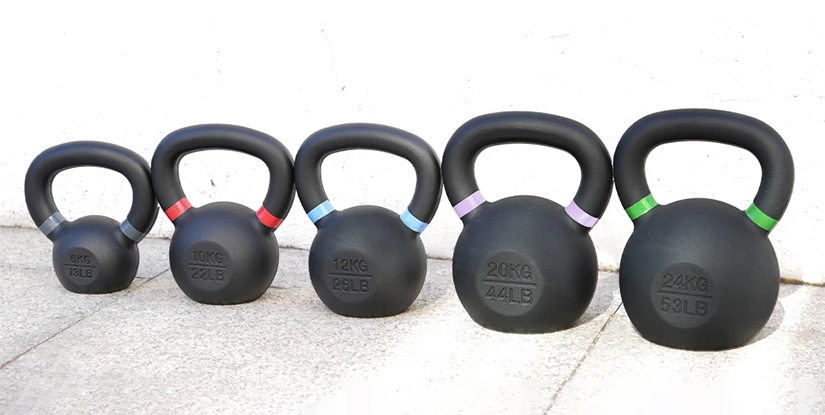
Documentation and Export-Grade Readiness
Beyond the physical inspection of the hardware, the final phase of the procurement process involves strict compliance verification and documentation management. For international distributors, the risk is not just a faulty machine, but a shipment stalled at customs due to incorrect paperwork or non-compliant labeling. A professional supplier understands that a complete technical dossier is as essential to the shipment as the equipment itself.
Reliable exercise equipment suppliers must provide a comprehensive package that includes material safety data sheets (MSDS), structural test reports, and compliance certificates required by the destination country. This documentation ensures that your fitness product development efforts are backed by verifiable safety standards. Furthermore, ensuring that all items utilize export-grade packaging—such as reinforced heavy-duty cartons, moisture-proof liners, and palletized stabilization—is critical to protecting your inventory during long-haul maritime transit. This level of preparation minimizes the risk of transit damage, ensuring that your landed cost remains predictable and your product arrives in showroom-ready condition.
Logistics Optimization: Export Packaging and Container Loading
For international distributors, the true cost of procurement extends far beyond the unit price. High-volume importers must account for the total landed cost, which is heavily dictated by how efficiently goods occupy shipping space. Inefficient packaging leads to excessive volumetric weight charges and wasted container capacity, directly eroding your profit margins during the sourcing process.
Professional exercise equipment suppliers mitigate these risks through precision-engineered export packaging. By optimizing container utilization through nested component designs and standardized pallet dimensions, a high-tier commercial fitness manufacturing partner ensures that every cubic meter of a 40ft HQ container is utilized effectively. This strategic approach reduces the number of shipments required for large-scale orders, effectively lowering your per-unit freight expenditure and stabilizing your supply chain overhead.
Packaging Efficiency and Shipping Cost Impact
Selecting the right private label gym equipment partner requires a granular look at how products are prepared for long-haul transit. Standard retail-grade packaging often fails to account for the density and structural requirements of heavy-duty steel frames, leading to high breakage rates and inefficient container loading. In contrast, specialized commercial fitness manufacturing protocols prioritize both structural integrity and volumetric optimization to protect your investment.
The following comparison illustrates how optimized packaging strategies directly influence your total procurement expenditure and long-term logistics reliability:
| Packaging Specification | Standard/Retail Packaging | Optimized OEM Export Packaging |
|---|---|---|
| Structural Protection | Single-wall corrugated cardboard | Reinforced double-wall or heavy-duty 5-layer carton |
| Damage Prevention | Minimal foam inserts; high risk of impact damage | Customized EPS foam and edge protectors for high-impact zones |
| Volume Efficiency | Low nesting capability; high volumetric weight | High-density nesting and modular assembly for space saving |
| Logistics Impact | Higher freight costs per unit; increased replacement needs | Reduced landed cost through maximized container density |
| Distributor Margin | Eroded by shipping surcharges and damage claims | Protected by reliable, high-efficiency container loading |
When managing large-scale fitness product development projects, ensuring your supplier utilizes these industrial-grade packing standards is essential. A robust packaging protocol does more than just prevent transit damage; it optimizes the physical footprint of your order, allowing for more SKUs per shipment and significantly lowering the overhead associated with international freight.
Quality Assurance and Final Inspection Protocols
Reliability in the commercial sector is not a luxury; it is a baseline requirement. For distributors managing high-volume replenishment cycles, a single defective unit can trigger costly returns, damage brand reputation, and disrupt warehouse inventory management. This is why professional fitness product development must integrate rigorous quality control (QC) checkpoints from the raw material stage through to final assembly, rather than relying solely on end-of-line testing.
To eliminate procurement friction, we implement a multi-stage inspection framework designed to satisfy the strict compliance standards of international markets. This includes mechanical stress testing, weld integrity verification, and electronic component validation for motorized equipment. By establishing these benchmarks during the initial fitness product development phase, we ensure that every piece of equipment meets the durability requirements of high-traffic commercial environments.
A critical component of our risk-mitigation strategy is the pre-shipment inspection. Before any bulk order is cleared for export, our QC team conducts a comprehensive audit of the entire shipment. This process involves a random sampling of finished goods to verify that every unit matches the approved technical specifications, colorway, and branding requirements. For large-scale distributors, this provides a final layer of certainty that the goods leaving the China factory are 100% compliant with the purchase order.
Furthermore, we provide specialized container loading supervision to ensure that the optimized packaging strategies discussed previously are executed with precision. Our staff monitors the physical loading process to prevent improper stacking, ensure weight distribution is balanced, and confirm that all high-value components are secured against shifting during sea transit. This hands-on oversight minimizes the risk of transit-related damage and ensures that your landed cost remains predictable and your inventory arrives ready for immediate commercial deployment.
Selecting a Long-Term Manufacturing Partner
For distributors and large-scale importers, the decision to source from specific exercise equipment suppliers extends far beyond the initial unit price. High-tier commercial fitness manufacturing partners provide more than just hardware; they offer the structural stability required to maintain a consistent SKU catalog and reliable replenishment cycles. When managing high-volume warehouse inventory, the cost of a failed shipment or a quality inconsistency far outweighs the perceived savings of a low-cost, low-tier vendor.
Securing a sustainable distributor margin requires a shift in mindset from one-off procurement to strategic factory-direct sourcing. Relying on transactional traders often leads to unpredictable lead times and fragmented product lines, which can erode your brand's reputation. In contrast, establishing a long-term partnership with a specialized China factory allows for better synchronization of production schedules, optimized container loading, and the ability to scale your product offerings alongside market demand. This approach transforms the supply chain from a variable cost into a predictable competitive advantage.
Evaluating Manufacturing Models for Scalability and Control
Distributors must decide between speed and customization based on their current market position and capital availability. While purchasing ready-made stock offers immediate availability, investing in private label gym equipment allows for stronger brand differentiation and higher long-term value. The following framework assists procurement leads in evaluating the trade-offs between control, investment, and the final landed cost across different sourcing models.
| Model Type | Control Level | Profit Margin Potential | Typical MOQ | Customization Scope |
|---|---|---|---|---|
| Stock/Wholesale | Low (Standard SKUs) | Moderate | Low (Per Unit/Carton) | Minimal (Logo/Color Only) |
| ODM (Original Design) | Medium (Proven Models) | High | Medium (Batch-based) | Moderate (Mechanical/Visual) |
| OEM (Original Equipment) | High (Full Specification) | Maximum | High (Project-based) | Extensive (Full fitness product development) |
When engaging in complex fitness product development, the complexity of the manufacturing process increases. A full OEM arrangement requires deeper integration with the manufacturer regarding technical specifications and material grades, but it provides the highest level of protection for your intellectual property and brand identity. Conversely, for distributors testing new market segments, starting with a standard wholesale model minimizes upfront risk and shortens the initial lead time before market entry.
Critical Infrastructure: Quality Control and Logistics Reliability
The most significant risk in high-volume sourcing is the "hidden cost" of poor quality control. For professional importers, a single batch of defective components can lead to catastrophic returns, damaged brand reputation, and massive logistics expenses. Robust exercise equipment suppliers mitigate these risks by implementing multi-stage QC protocols that cover raw material inspection, in-process testing, and final pre-shipment audits. Without these standardized checks, the landed cost of your shipment can skyrocket due to unexpected maintenance loads or high replacement rates in the field.
Beyond product integrity, logistics efficiency is the backbone of successful distribution. Professional commercial fitness manufacturing partners prioritize optimized export packaging designed specifically for long-distance ocean freight. This includes reinforced heavy-duty cartons, moisture-proof layering, and standardized palletizing to ensure maximum container loading density. High-efficiency shipping and predictable lead time reliability allow distributors to maintain lean warehouse operations without the fear of stockouts. By selecting a partner that masters both technical production and sophisticated export logistics, you secure a stable supply chain capable of supporting rapid market scaling and consistent profitability.