Fitness Machine Manufacturers: Installation and Maintenance
Optimizing Distributor Margins via Strategic Sourcing and SKU Management
Professional importers must evaluate three critical checkpoints when selecting fitness machine manufacturers: technical specification compliance, logistical reliability, and the long-term impact on the total landed cost. Beyond initial unit prices, a sophisticated procurement strategy focuses on how product variety and shipping efficiency influence the final distributor margin. By working directly with a China factory, buyers can streamline their inventory by aligning diverse product lines under a single manufacturing standard, effectively reducing the complexities of multi-vendor management.
Optimizing your catalog requires balancing a wide product range against the logistical costs of high-volume shipping. When sourcing wholesale, distributors often face a trade-off between maintaining a high number of unique SKUs and maximizing container utilization. High-tier fitness machine manufacturers offer tiered MOQ structures that allow importers to test new equipment categories without overextending capital, ensuring that the cost of warehousing and specialized installation does not erode the projected profitability of each new shipment.
Economic Trade-Offs: OEM vs. Standard Wholesale Models
Choosing the right production model is a pivotal decision for any large-scale importer. While standard wholesale orders offer faster turnaround, customized solutions through OEM or ODM services allow for deeper market differentiation. To assist in your sourcing decision, the following table compares the economic implications of different procurement paths when working with a factory-direct partner.
| Feature | Standard Wholesale (Stock) | Private Label (OEM/ODM) |
|---|---|---|
| Lead Time | Short (Ready-to-ship) | Extended (Production cycle + custom tooling) |
| Unit Cost | Lower (Mass production efficiency) | Higher (Initial setup & customization fees) |
| Brand Control | Limited (Generic branding) | High (Full private label integration) |
| QC Rigor | Standardized factory protocols | Customized QC & spec validation |
| MOQ Requirements | Lower (Based on existing stock) | Higher (Volume required for custom parts) |
Before finalizing your order, we recommend that buyers request a detailed technical spec sheet, confirm the specific MOQ for custom components, and schedule a formal factory audit to ensure all manufacturing standards align with your local market requirements.
The Long-Term ROI of Preventive Maintenance Planning
Smart distributors recognize that the total cost of ownership extends far beyond the initial purchase price. Integrating a rigorous equipment maintenance scheduling protocol into your initial sourcing phase ensures that the hardware remains operational throughout its expected lifecycle. By utilizing a professional gym machine installation guide provided by the fitness machine manufacturers, importers can reduce the risk of premature component failure and costly on-site repairs.
A proactive approach to upkeep significantly protects your long-term ROI. When distributors prioritize standardized maintenance routines, they minimize downtime for end-users and reduce the frequency of warranty claims. This stability allows for more predictable service revenue and higher customer retention, ultimately preserving the healthy distributor margins that depend on the durability and reliability of the imported equipment.
Standardizing On-Site Assembly Protocols with Global Suppliers
For international distributors and gym chain owners, successful deployment begins with a precise gym machine installation guide provided by the fitness machine manufacturers. When managing large-scale wholesale shipments, ensuring that local technicians follow factory-direct assembly protocols is critical to preventing structural misalignment and voiding warranties.
Optimizing Equipment Longevity Through Scheduled Care
To protect your investment and maximize long-term durability, importers must implement a rigorous equipment maintenance scheduling system that mirrors the original fitness machine manufacturers specifications. Relying on a professional China factory standard for lubrication, bolt tensioning, and electronic calibration ensures that high-use commercial assets remain operational. Neglecting these factory-direct standards during bulk deployment can lead to premature component failure, significantly increasing the total cost of ownership for your clients. We recommend requesting a detailed preventative maintenance checklist during the sourcing process to align your onsite technical teams with the manufacturer's technical requirements.
Maintenance Frequency and Component Sourcing Strategy
Reliability in high-traffic commercial environments depends on the availability of high-quality replacement components. When negotiating with fitness machine manufacturers, importers should verify whether the supplier offers OEM/ODM parts that meet original engineering tolerances. Relying on generic third-party parts can compromise machine stability and increase long-term maintenance costs. To optimize your inventory management, consider the following maintenance frequency table and sourcing logic:
| Maintenance Category | Typical Frequency | Required Component Type | Sourcing Strategy |
|---|---|---|---|
| Mechanical/Moving Parts | Monthly/Quarterly | OEM/ODM parts (Bearings, Cables) | Bulk wholesale stock |
| Electronic/Console Systems | Bi-Annually | Original Circuit Boards/Sensors | Direct from China factory |
| Structural/Frame Integrity | Annually | Standardized Fasteners/Bolts | Standardized sourcing |
When planning for future repairs, always confirm the lead time for critical spare parts with your supplier. A professional China factory should provide a clear timeline for shipping small-batch replacement parts to avoid extended equipment downtime. We suggest requesting a formal spare parts list and a 12-month stock projection during your initial procurement phase to ensure seamless operational continuity.
Efficiently managing the landed cost of replacements is a vital skill for professional importers. To prevent unexpected overhead, we advise establishing a robust preventative maintenance workflow that incorporates bulk ordering of high-wear items. By sourcing a comprehensive set of spare parts logistics directly from your fitness machine manufacturers, you can mitigate the risks of high international shipping fees for single-unit orders. Always align your inventory replenishment with the factory's QC standards to ensure that every replacement component maintains the original machine's integrity and performance.
Technical Requirements for High-Volume Equipment Installation
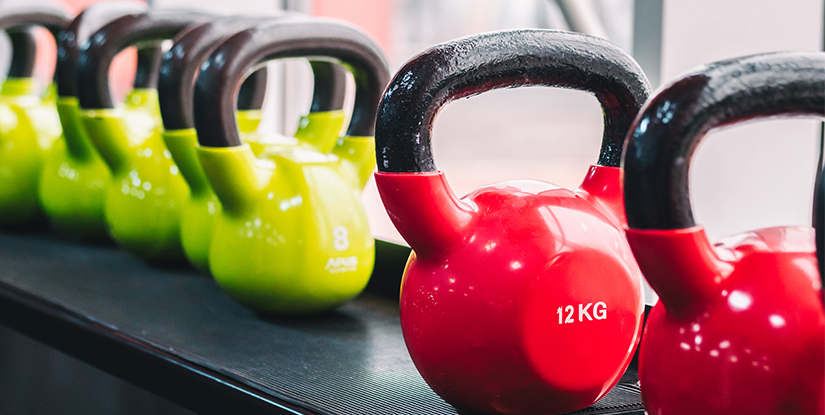
When managing wholesale procurement planning for large-scale commercial projects, distributors must look beyond individual unit specs. High-volume installations require rigorous oversight of site infrastructure to prevent premature mechanical failure. Professional fitness machine manufacturers typically require strict adherence to electrical load capacity and floor reinforcement standards to protect the long-term integrity of the shipment.
Ensuring structural stability is critical when importing heavy strength equipment. A reliable China factory will provide detailed technical drawings to help you verify that your facility meets the necessary weight distribution and power requirements before the container arrives. Neglecting these pre-installation benchmarks can significantly increase your long-term landed cost through avoidable repairs.
| Requirement Category | Standard Specification | Procurement Impact |
|---|---|---|
| Electrical Load | Dedicated circuits for cardio | Prevents circuit trips |
| Floor Reinforcement | High-density subflooring | Protects structural stability |
| Power Stability | Voltage stabilizers/surge protection | Extends electronic lifespan |
To ensure seamless integration, always request the full technical data sheet from your fitness machine manufacturers during the initial sourcing phase. Confirming these electrical and structural tolerances early prevents costly on-site delays during the unboxing and assembly process.
Optimizing Lifecycle Management and Maintenance Logistics
Efficiently managing a large-scale facility requires a proactive approach to equipment maintenance scheduling. When sourcing from professional fitness machine manufacturers, distributors must differentiate between standard upkeep and heavy-duty industrial requirements to protect their margins. A well-structured maintenance plan reduces the long-term frequency of replacement orders and ensures equipment uptime for end-users.
The following table outlines the logistical considerations for managing spare parts and routine inspections when importing in bulk from a China factory.
| Logistics Factor | Standard Protocol | B2B Sourcing Advantage |
|---|---|---|
| Routine Inspection Intervals | Quarterly or Bi-annual | Reduces emergency replacement orders |
| OEM/ODM Customization | Proprietary component specs | Ensures compatibility with branded fleets |
| Replacement Part Lead Time | 2–4 weeks average | Mitigates downtime for large gyms |
| QC Protocols | Pre-shipment component testing | Lowers long-term landed cost |
To safeguard your investment, we recommend confirming the availability of a dedicated parts catalog and the specific lead time for replacement components before finalizing your bulk purchase. Always request a detailed maintenance manual and a list of essential wear-and-tear parts to streamline your local technician's workflows.
A critical component of a professional gym machine installation guide is the alignment between the facility manager and the supplier regarding long-term support. Relying solely on local generalist technicians can be risky; instead, importers should prioritize sourcing from professional fitness machine manufacturers who offer dedicated technical support and standardized component architectures. This ensures that your maintenance teams are using correct protocols and verified parts that meet original factory specifications.
Furthermore, when negotiating bulk contracts, always clarify the spare parts MOQ for high-wear items like cables, rollers, or electronic sensors. Rather than waiting for a failure to occur, proactive long-term maintenance planning should include a pre-ordered inventory of critical components. We recommend requesting a comprehensive spare parts list and confirming the availability of a factory-direct technical support channel to facilitate rapid troubleshooting and minimize equipment downtime for your clients.
Factory-Direct Quality Control and Pre-Shipment Inspection Standards
For distributors managing large-scale gym deployments, long-term operational costs are heavily dictated by initial build quality. Selecting experienced fitness machine manufacturers who implement rigorous QC protocols ensures that bulk shipments arrive with minimal defects, effectively reducing maintenance frequency for the end-user and protecting your profit margins.
The Impact of Pre-Shipment Inspection on TCO
High-tier fitness machine manufacturers utilize systematic pre-shipment inspection to validate structural integrity and electronic stability before containers are sealed. Relying on factory-direct quality control rather than third-party oversight alone allows for real-time adjustments during the production run. This proactive approach to wholesale procurement reliability minimizes the risk of costly on-site repairs and ensures that the landed cost of your shipment remains predictable, as high-quality components significantly extend the equipment's lifecycle and reduce the need for emergency parts sourcing.
Technical Verification Checklist for Importers
To mitigate risks during bulk procurement, importers should demand a standardized inspection checklist table from their China factory partner. This ensures that every unit meets the required OEM/ODM quality standards before leaving the warehouse. A comprehensive gym machine installation guide provided by the manufacturer should also include a detailed equipment maintenance scheduling framework to assist your local distributors in managing long-term service contracts.
| Inspection Category | Technical Verification Point | B2B Sourcing Requirement |
|---|---|---|
| Structural Integrity | Weld strength and frame coating thickness | Verify component durability against fatigue specs |
| Mechanical Movement | Bearing smoothness and cable tension | Confirm fitness machine manufacturers testing protocols |
| Electronic Systems | Console responsiveness and sensor accuracy | Ensure stable OEM firmware integration |
| Hardware & Fasteners | Bolt torque and vibration resistance | Validate wholesale grade hardware standards |
Before finalizing your next container load, always request a detailed technical spec sheet and confirm the MOQ for customized parts. We recommend booking a third-party factory audit or requesting a sample approval to validate that the actual production matches your high-volume durability requirements.
Optimizing your landed cost requires more than just negotiating a low unit price; it demands a focus on logistics efficiency and defect prevention. When sourcing through bulk shipping, any oversight in the production phase can lead to significant delays and increased freight expenses. By partnering with a reputable fitness machine factory, you can leverage detailed inspection reports to ensure that every unit is fit for long-distance transit. This level of scrutiny helps in minimizing post-arrival repairs, ensuring that your lead time is not extended by unexpected troubleshooting or the need for replacement parts once the container reaches your local warehouse.
Customization Capabilities: OEM/ODM and Private Label Specifications
For professional distributors, the depth of fitness machine manufacturers' technical capacity directly dictates the efficiency of long-term maintenance. When sourcing at scale, selecting a partner with robust OEM and ODM capabilities ensures that your branded fleet remains operational through consistent spare parts availability.
High-tier fitness machine manufacturers offer more than just aesthetic private label services; they provide deep customization of mechanical components. This allows importers to standardize high-wear parts across multiple product lines, reducing the complexity of your inventory. Relying on a factory-direct source that manages its own component engineering ensures that specialized parts—such as proprietary drive systems or custom bearings—are readily available for bulk replenishment, effectively lowering the total landed cost of ownership for your end clients.
Comparing Sourcing Models for Maintenance Efficiency
Distributors must weigh the immediate wholesale benefits against the long-term technical requirements of their specific market. Choosing between standard inventory and custom orders impacts your equipment maintenance scheduling and the complexity of your local service center operations.
| Requirement Metric | Standard Wholesale Models | Customized ODM Orders |
|---|---|---|
| Maintenance Complexity | Low; standardized parts common in industry | Higher; requires specialized technical knowledge |
| Spare Parts Sourcing | Easier; high availability from China factory stock | Complex; requires direct coordination with fitness machine manufacturers |
| Typical MOQ | Lower; suitable for small-scale distributors | Higher; driven by customized component production |
| Lead Time | Short; ready for immediate export/shipping | Extended; includes engineering and tooling phases |
| Landed Cost Impact | Predictable; stable pricing for standard SKUs | Variable; depends on specialized material choices |
Before finalizing your procurement plan, we recommend you request a technical spec sheet and confirm the MOQ for any customized components to ensure your service team can maintain high uptime standards.
Prioritizing Maintenance-Friendly Design and QC Protocols
To minimize long-term operational downtime, importers must evaluate the technical specifications of every unit during the sourcing process. A high-quality fitness machine factory should demonstrate a commitment to maintenance-friendly design, utilizing accessible modular components that simplify routine repairs. When negotiating bulk procurement contracts, ensure that the manufacturer provides detailed service manuals and clear access points for high-wear mechanical parts.
Rigorous QC standards are non-negotiable for professional distributors. We advise incorporating a mandatory pre-shipment inspection that specifically tests the durability of critical moving parts under simulated load. This step ensures that the fitness machine manufacturers have met all structural integrity requirements before the cargo leaves the port. By verifying these engineering standards early, you protect your margins against the high costs of premature equipment failure and complex onsite troubleshooting.
Logistics and Export Packaging for Large-Scale Machine Shipments
For distributors managing large-scale imports, the integrity of the product depends heavily on the fitness machine manufacturers' ability to handle complex logistics. When sourcing via wholesale channels, standard packaging is insufficient for the rigors of international transit.
Ensuring Transit Durability and Sea Freight Protection
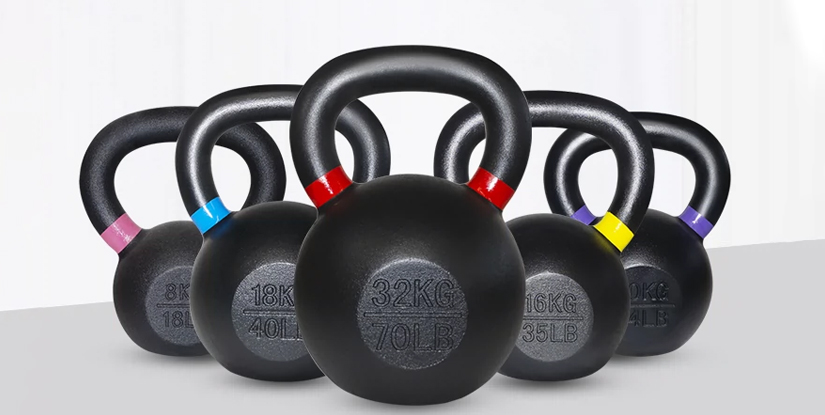
To protect your landed cost and minimize replacement claims, high-tier fitness machine manufacturers must utilize export-grade packaging designed for long-haul transport. This typically involves reinforced wooden crates or heavy-duty corrugated cardboard to ensure bulk shipment durability. Professional China factory standards dictate that all sensitive components receive multi-layer protection against moisture and impact. This level of sea freight protection is essential for heavy steel frames and electronic consoles, preventing structural misalignment or electronic failure during ocean transit. By prioritizing robust crating, sourcing agents can ensure that high-volume orders arrive at the destination warehouse in showroom-ready condition.
Packaging Specifications and Landed Cost Optimization
Distributors must evaluate how packaging choices impact both the landed cost and the long-term maintenance readiness of their inventory. When negotiating with a fitness machine factory, the distinction between standard and premium packaging can significantly affect your profit margins and product longevity.
| Packaging Type | Protection Level | Logistics Efficiency | Ideal Sourcing Scenario |
|---|---|---|---|
| Reinforced Cartons | Standard; suitable for non-electronic parts | High; optimized for container volume | Lower MOQ orders or lightweight items |
| Wooden Crates | High; superior impact and moisture resistance | Moderate; requires more space/weight | Heavy steel frames and high-end fitness machine manufacturers shipments |
| Hybrid (Crate + Foam) | Maximum; specialized for electronic consoles | Variable; depends on OEM specifications | Premium equipment with sensitive digital components |
Choosing the correct specification ensures that sensitive electronics remain calibrated, reducing the need for immediate post-arrival repairs. Before finalizing your bulk order, always request a detailed packaging spec sheet to confirm how the supplier handles high-value components during sea freight.
Connecting Logistics to Lifecycle Management
Effective equipment maintenance scheduling begins long before the first user arrives at the facility. A rigorous pre-installation inspection is mandatory to verify that transit vibrations have not compromised internal calibrations. Reliable fitness machine manufacturers provide comprehensive documentation that bridges the gap between arrival and operation. Integrating a professional gym machine installation guide into your workflow ensures that technicians can verify structural integrity immediately upon unboxing. By confirming that all components align with the factory-direct QC standards during the initial setup, distributors can effectively minimize downtime and ensure long-term operational efficiency for their clients.
Procurement Checklist for Long-Term Equipment Reliability
When managing high-volume imports, distributors must look beyond initial unit costs to ensure long-term operational viability. Selecting reliable fitness machine manufacturers requires a deep dive into their technical support infrastructure and spare parts availability to minimize downtime for end-users.
Technical Support and Documentation Standards
A professional fitness machine factory should provide comprehensive maintenance manuals and detailed assembly diagrams as part of the standard export package. For large-scale gym deployments, factory-direct technical support is essential to resolve complex mechanical or electronic issues remotely. Furthermore, ensure your supplier offers robust OEM/ODM customization for spare parts. This capability guarantees that specialized components—such as proprietary consoles or custom frames—can be replaced without compromising the integrity of the original build. Always verify the lead time for replacement components during the initial sourcing phase to prevent extended equipment outages in your local markets.
Spare Parts Logistics and Lifecycle Management
Effective equipment maintenance scheduling begins with a strategic procurement plan for consumables and high-wear components. High-tier fitness machine manufacturers typically offer tiered wholesale spare parts availability to assist distributors in maintaining stock levels. When calculating your total landed cost, do not overlook the financial impact of shipping logistics for individual components. Small, high-frequency orders for specialized parts can significantly increase freight costs compared to bulk shipments.
To mitigate risks, confirm the China factory sourcing standards regarding component durability and shipping lead time for parts. A reliable supplier should provide a clear breakdown of standard versus custom parts to ensure seamless replacement during routine service intervals. Before finalizing your order, request a detailed inventory list of common wear-and-tear items to ensure your local service centers remain fully operational.
Verification of Installation and Service Readiness
To ensure seamless deployment, verify that your chosen fitness machine manufacturers provide a standardized gym machine installation guide that meets international safety protocols. A high-quality professional installation guide should include precise torque specifications, electrical wiring diagrams, and leveling requirements to prevent structural instability. During the bulk procurement verification process, demand proof of these protocols to ensure your local technicians can maintain high service standards.
Furthermore, a reputable China factory should include a mandatory pre-shipment inspection of maintenance kits. This kit must contain essential tools, lubricants, and high-frequency replacement parts tailored to the specific machinery. Confirming the inclusion of these items before the container leaves the port reduces the risk of delayed maintenance cycles and protects your distributor margins against unexpected service calls.