Gym Equipment Cost Guide: Average Costs & Budget Spreadsheet for Gyms
Beyond the Price Tag: Engineering the Real Economics of Gym Procurement
When a commercial gym project fails, the post-mortem rarely points to bad marketing. Instead, it usually points to a spreadsheet error made eighteen months prior. Most procurement managers start their journey by searching for the average cost for equipment for gym, but the numbers they find online are often dangerously misleading because they treat "equipment" as a one-time purchase rather than an operational asset.
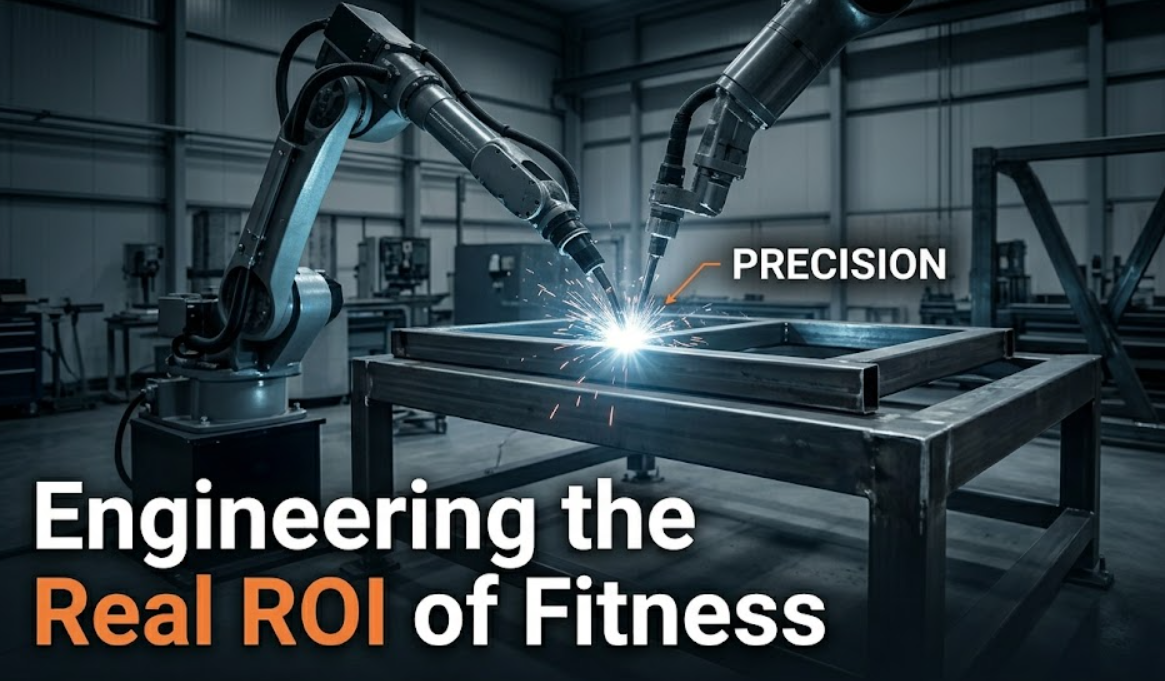
Drawing from 20 years of experience on the manufacturing floor, true profitability isn't found in the initial discount. It is found in the structural integrity of the steel and the precision of the calibration.
The Reality Behind the Average Cost for Equipment for Gym
To set the record straight: a functional boutique studio’s equipment setup typically starts at $30,000, while a full-scale commercial facility can easily exceed $100,000. However, the most successful owners we work with use a specialized gym budget spreadsheet for equipment cost that accounts for mechanical depreciation and the failure rate of moving parts.
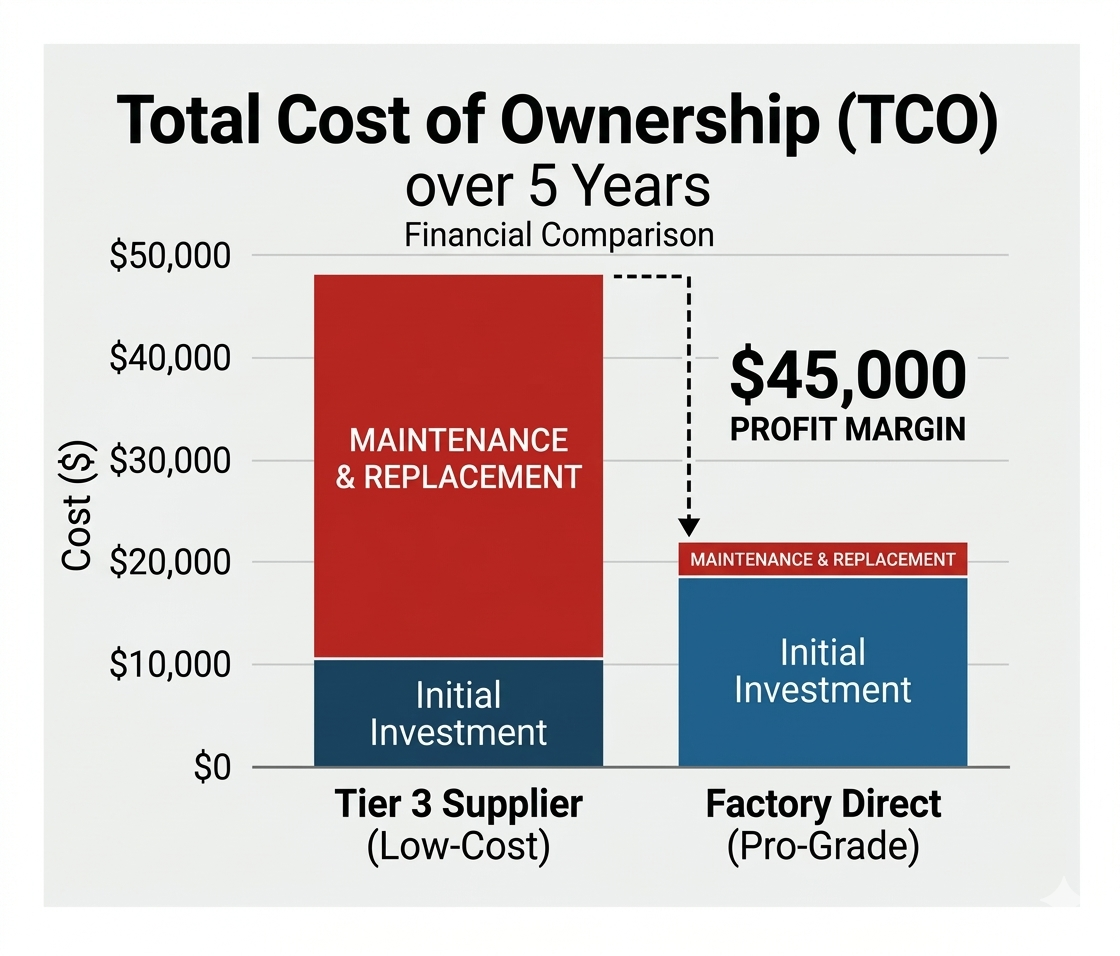
Calculating the true cost of gym equipment for a gym requires a five-year outlook. If your budget only accounts for the purchase price, you are ignoring the secondary costs of maintenance, early replacement, and potential liability.
Why Your Gym Budget Spreadsheet Needs to Account for Structural Fatigue
A frame made of standard S235 carbon steel may look identical to high-tensile Q235 or Q355 structural steel when freshly powder-coated. But the difference in structural fatigue after 500,000 cycles is nearly 40%.
When you are building your gym budget spreadsheet for equipment cost, you are betting on how many hours a machine can run before it becomes a liability. Professional-grade gear is built for the person who drops the weight, not just the person who lifts it.
3 Critical Manufacturing Lapses That Inflate the Cost of Gym Equipment
- The Scrap Iron Filler: To hit weight targets at a lower price, some factories fill dumbbells with iron slag. Always insist on solid cast or machined steel.
- The Dry-Spray Deception: Many suppliers skip the 7-stage phosphating pretreatment. Without this, paint flakes off in high-contact areas, leading to rapid corrosion.
- Hardware Grade: Most factories use Grade 4.8 soft bolts. We use Grade 8.8 high-strength bolts exclusively to prevent shearing in high-vibration environments.
Calculating True ROI: Why Initial Discounts Lead to Long-term Losses
The following table compares a "Low-Cost" plan against our factory's "Professional Grade" standards over a five-year period.
| Feature | Low-Cost Plan (Tier 3 Supplier) | Professional Grade (Our Factory Standard) |
|---|---|---|
| Initial Investment | $50,000 | $75,000 |
| Frame Steel Grade | S235 Carbon Steel | High-Tensile Structural Steel (Q235/Q355) |
| Hardware/Bolts | Grade 4.8 (Soft) | Grade 8.8 (High-Strength) |
| Paint Pretreatment | None or Single-Stage | 7-Stage Phosphating Process |
| Expected Lifespan | 2-3 Years | 6-8 Years |
| 5-Year Total Spend | $125,000 (Requires Replacement) | $80,000 (Minimal Maintenance) |
How do I justify a higher initial cost for gym equipment to my investors?
Focus on the Asset Resale Value. High-end equipment retains up to 50% of its value after five years, whereas off-brand equipment has a scrap value of less than 10%.
What is the most critical line item in a gym budget spreadsheet?
The Wear and Tear Allowance. For strength equipment, focus on cables and pulleys; for free weights, focus on the bonding of the CPU/Urethane to the steel core.
How can I verify the quality of gym equipment before a bulk order?
Demand a salt-spray test report for the coating and a weight variance report. Reputable manufacturers provide SGS or Intertek material composition reports.