Kettlebell Simple and Sinister: Leading OEM ODM Manufacturer
Kettlebell Simple and Sinister: Strategic Sourcing and TCO Analysis
For large-scale fitness distributors and boutique studio chains, the decision to source kettlebell simple and sinister equipment involves more than just initial procurement costs; it requires a deep understanding of long-term operational expenditures. When managing high-traffic commercial environments, the frequency of replacement directly impacts your bottom line. Choosing a wholesale fitness equipment supplier with proven durability ensures that your inventory remains functional under rigorous daily use, preventing the hidden costs of frequent equipment turnover.
Standard retail-grade units often fail prematurely in professional settings, leading to increased replacement costs and interrupted training programs. By engaging in commercial kettlebell manufacturing through a direct factory, buyers can secure high-density cast iron or reinforced steel constructions designed for heavy impact. This strategic approach to sourcing optimizes the Total Cost of Ownership (TCO) by extending the lifecycle of each unit, thereby maximizing your long-term ROI.
| Sourcing Dimension | Trader/Retail Model | Direct Factory/OEM Model |
|---|---|---|
| Initial Unit Cost | Higher due to middleman margins | Lower via direct procurement |
| Material Specification | Standardized/Generic | Customizable for commercial durability |
| Replacement Frequency | Higher in high-traffic zones | Lower due to industrial-grade build |
| Custom Branding | Limited or unavailable | Full private label capability |
| Long-term ROI | Diminished by frequent turnover | Optimized by product longevity |
To ensure your procurement meets exact commercial standards, we recommend requesting a detailed specification sheet or discussing specific custom kettlebell production requirements with our technical team. We can provide guidance on weight tolerances and coating durability to align with your brand's quality expectations. Please contact us to confirm MOQ levels or to arrange a sample evaluation for your upcoming bulk order.
Optimizing your supply chain requires a clear distinction between purchasing generic stock and investing in specialized manufacturing. For distributors looking to scale, the difference in landed cost and product consistency between a standard trader and a dedicated wholesale fitness equipment supplier can determine the success of a seasonal product launch or a large-scale facility build-out.
When procurement leads evaluate the long-term viability of a product line, they must account for shipping efficiency and quality control. A professional custom kettlebell production workflow integrates rigorous pre-shipment inspections and optimized container loading patterns to minimize damage risks and reduce the total landed cost. By bypassing the fragmented supply chains typical of non-specialized traders, professional buyers can secure more predictable lead times and higher margins on their bulk orders.
We invite professional buyers to contact our team to request a formal quote, discuss specific kettlebell simple and sinister weight tolerances, or verify current MOQ requirements for your next shipment. Our technical experts are available to assist with sample approval and factory audit scheduling to ensure all specifications meet your commercial standards.
Optimizing your supply chain requires a clear distinction between purchasing generic stock and investing in specialized manufacturing. For distributors looking to scale, the difference in landed cost and product consistency between a standard trader and a dedicated wholesale fitness equipment supplier can determine the success of a seasonal product launch or a large-scale facility build-out.
When procurement leads evaluate the long-term viability of a product line, they must account for shipping efficiency and quality control. A professional custom kettlebell production workflow integrates rigorous pre-shipment inspections and optimized container loading patterns to minimize damage risks and reduce the total landed cost. By bypassing the fragmented supply chains typical of non-specialized traders, professional buyers can secure more predictable lead times and higher margins on their bulk orders.
We invite professional buyers to contact our team to request a formal quote, discuss specific kettlebell simple and sinister weight tolerances, or verify current MOQ requirements for your next shipment. Our technical experts are available to assist with sample approval and factory audit scheduling to ensure all specifications meet your commercial standards.
Evaluating Material Durability and Commercial Weight Standards
For professional distributors and gym operators, the long-term value of a product is determined by its resistance to high-volume wear. When sourcing kettlebell simple and sinister equipment through a China factory, procurement specialists must prioritize material density and weight consistency to protect their margins. Low-quality casting often leads to uneven weight distribution and rapid surface degradation, which increases replacement frequency and negatively impacts the total cost of ownership.
Standardized commercial gym standards require that every unit maintains precise weight tolerances even under rigorous use. A reliable wholesale fitness equipment supplier ensures that the iron density and coating integrity remain stable, reducing the need for frequent maintenance or premature disposal. Investing in high-grade custom kettlebell production allows buyers to secure assets that withstand the friction and impact typical of high-traffic training environments.
| Procurement Metric | Standard Retail Grade | Professional kettlebell simple and sinister Grade |
|---|---|---|
| Weight Tolerance | Variable / High Deviation | Strict / Precision Calibrated |
| Surface Durability | Basic Powder Coating | High-Impact Industrial Finish |
| Long-term TCO | Higher (Frequent Replacement) | Lower (High Durability) |
| Sourcing Type | General Consumer Goods | commercial kettlebell manufacturing |
Optimizing your wholesale procurement strategy involves looking beyond the initial unit price to consider the total landed cost and operational lifespan. By establishing direct contact with a professional supplier, importers can validate material specifications and ensure that the kettlebell simple and sinister units meet the structural requirements for heavy-duty commercial use. We recommend requesting technical spec sheets and material certifications during your initial sourcing phase to confirm compliance with your regional commercial standards.
Material Integrity: Cast Iron vs. Steel Construction
Distinguishing between material compositions is vital for long-term asset management. While both options are common in the industry, their performance under heavy usage cycles differs significantly. For high-volume facility owners, understanding these nuances prevents unexpected replacement costs and ensures the reliability of the training equipment provided to clients.
Cast iron remains a staple for traditional training due to its density and classic feel, but it requires high-quality industrial coating to prevent oxidation. Conversely, steel-based options often offer different structural advantages depending on the manufacturing process used. When engaging in custom kettlebell production, buyers should specify the exact coating requirements to ensure the surface can withstand constant friction and moisture exposure without degrading the underlying metal integrity.
To minimize maintenance overhead, we advise distributors to evaluate the precision of the casting process. A professional commercial kettlebell manufacturing partner will provide units with consistent density and a uniform finish, ensuring that each piece in a bulk order meets the exact specifications required for professional-grade training environments.
Surface Finish and Industrial Maintenance Standards
The durability of a product is often won or lost at the surface level. For commercial facilities, a subpar finish leads to chipping, rust, and aesthetic degradation, which forces premature replacement cycles. When managing large-scale inventory, ensuring that your kettlebell simple and sinister units feature a high-grade, impact-resistant coating is essential for maintaining a professional appearance and reducing labor-intensive maintenance tasks.
High-traffic environments demand more than just structural strength; they require surface resilience. A professional wholesale fitness equipment supplier will typically utilize advanced powder coating or specialized industrial finishes designed to withstand the high-friction environments of a commercial gym. This level of detail is a hallmark of quality commercial kettlebell manufacturing, where the goal is to minimize oxidation and surface wear over years of continuous use.
For procurement leads looking to optimize long-term operational expenditures, we recommend verifying the application methods used during the custom kettlebell production process. Whether you are requesting a specific texture or a high-gloss finish, ensuring the coating adheres to industrial-grade specifications will protect your investment and enhance the perceived value of your brand to end-users. Before finalizing a bulk order, always request samples to verify that the surface finish meets your specific durability and aesthetic requirements.
Custom Kettlebell Production: OEM and ODM Capabilities
Establishing a distinctive market presence requires more than just generic stock; it demands precision in kettlebell simple and sinister manufacturing to meet specific professional standards. For distributors and gym chains, leveraging OEM and ODM services allows for the integration of unique weight distributions, handle ergonomics, and specialized coatings that align with a professional brand identity.
Our China factory provides comprehensive technical support to transition from a conceptual design to a finished commercial product. Whether you are looking for standard cast iron specifications or high-end competition-grade finishes, our custom kettlebell production workflows are engineered to scale. We manage the complexities of material sourcing and mold engineering so that your procurement team can focus on market expansion and inventory turnover.
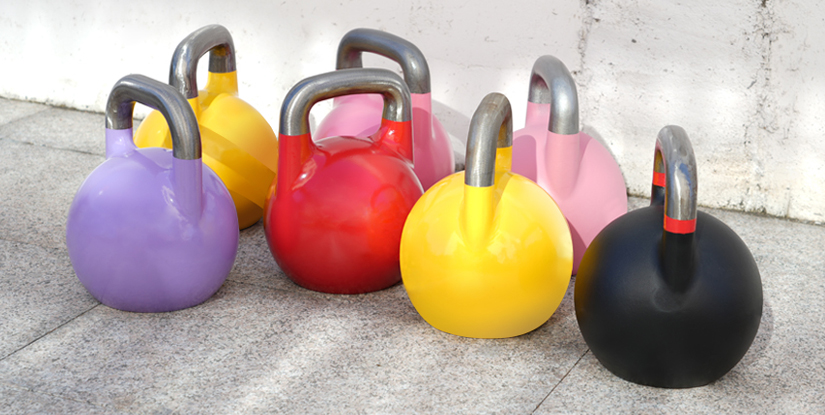
When sourcing for large-scale fitness projects, the ability to customize dimensions and branding is critical for meeting diverse commercial gym requirements. We offer various levels of customization, from basic logo embossing to complete structural redesigns, ensuring your bulk orders reflect the premium quality expected in high-performance training environments.
| Sourcing Dimension | Standard Wholesale Model | Full OEM/ODM Customization |
|---|---|---|
| Product Specification | Pre-set weights and standard finishes | Custom weight increments and specialized coatings |
| Branding Options | Generic or unbranded units | Full private label and custom logo integration |
| Design Control | Existing factory molds | Proprietary handle shapes and balance profiles |
| Target Application | General fitness and retail | Specialized professional training programs |
To ensure your specific kettlebell simple and sinister requirements are met without compromising on lead times, we recommend initiating the technical review phase during the initial inquiry. Our team can provide detailed spec sheets and discuss how wholesale volumes impact the development of custom molds for your specific product line.
Optimizing Procurement Strategy for High-Volume Orders
Deciding between standard stock and specialized manufacturing is a pivotal moment for any wholesale fitness equipment supplier or large-scale distributor. While standard stock offers immediate availability, it often lacks the unique differentiation required to dominate premium commercial markets. For importers looking to build a long-term brand, understanding the trade-offs between rapid procurement and high-value customization is essential for maximizing distributor margins and total cost of ownership.
The following comparison outlines the logistical and financial considerations between purchasing ready-to-ship units and engaging in commercial kettlebell manufacturing through our professional services. This analysis is designed to assist procurement leads in calculating the long-term ROI of their sourcing decisions.
| Procurement Factor | Standard Stock Purchasing | Professional OEM/ODM Services |
|---|---|---|
| Product Uniqueness | Limited to existing factory inventory | Complete control over custom branding and design |
| Branding Integration | Generic or standard logo options | Full private label and proprietary identity |
| Technical Control | Standardized weights and dimensions | Precision technical specifications for specialized training |
| Minimum Order Quantity | Typically lower for standard SKUs | Variable MOQ based on customization complexity |
| Lead Time | Short; ready for immediate export | Extended; accounts for mold and testing phases |
| Market Position | Competitive on price and speed | Competitive on brand exclusivity and premium quality |
When your business model relies on high-performance training equipment, the ability to control technical specifications becomes a competitive advantage. While the lead time for customized production may be longer than standard wholesale orders, the resulting product provides a higher barrier to entry for competitors. We suggest contacting our team to confirm the MOQ for your specific design requirements and to request a detailed timeline for your next bulk shipment.
Quality Assurance and Global Logistics Management
The complexity of managing kettlebell simple and sinister inventory at scale often leads to unforeseen costs if quality control is neglected. For professional importers, the primary friction point is not just the initial purchase price, but the landed cost and the reliability of the product upon arrival. A single batch of substandard equipment can damage a distributor's reputation and disrupt the entire supply chain, making rigorous oversight a non-negotiable requirement for any serious supplier.
Our China factory implements a multi-stage verification protocol to eliminate these risks. Before any bulk order is finalized, every unit undergoes a strict pre-shipment inspection to ensure weight accuracy, surface finish consistency, and structural integrity. This commitment to excellence in commercial kettlebell manufacturing ensures that the equipment delivered to your warehouse meets the exact technical specifications requested, reducing the need for costly returns or replacements in high-traffic commercial environments.
Beyond production, we prioritize efficient export packaging and logistics management to protect your investment. We utilize heavy-duty, reinforced packaging solutions designed specifically for the weight and density of cast iron and steel products. This prevents damage during long-distance transit and optimizes container loading density. By streamlining the transition from the factory floor to your local distribution center, we help you manage your landed cost more effectively and maintain a predictable inventory flow for your clients.
To optimize your procurement cycle, we recommend requesting a formal quote and a detailed spec sheet for your current requirements. Our team can provide guidance on the most efficient shipping methods and help you confirm the MOQ for your specific volume needs, ensuring your next bulk order arrives on time and within budget.
Optimizing Inventory with Wholesale Fitness Equipment Supplier Solutions
Maximizing distributor profitability requires a strategic approach to product assortment. When sourcing kettlebell simple and sinister equipment, professional buyers must balance weight coverage with shipping density to protect margins. A reliable wholesale fitness equipment supplier provides optimized weight increments that ensure high inventory turnover and reduce dead stock in your warehouse.
Effective commercial kettlebell manufacturing focuses on the relationship between product volume and landed cost. By selecting standardized weight distributions, importers can improve bulk order efficiency and optimize container loading space. This strategic sourcing approach minimizes the per-unit shipping expense, directly increasing the net margin for distributors and gym equipment retailers.
| Sourcing Dimension | Standard Stock Model | Custom OEM/ODM Model |
|---|---|---|
| Weight Increments | Fixed industry-standard sets | Customized ranges for specific markets |
| Packaging Density | Standardized retail-ready boxes | Optimized for high-density pallet loading |
| Branding Capability | Generic or existing label | Full private label integration |
| Margin Potential | Lower initial investment | Higher long-term brand value |
To ensure your inventory meets market demand without overextending capital, we recommend reviewing our custom kettlebell production capabilities. Contact us to confirm MOQ requirements or to request a detailed specification sheet for your next shipment.
For high-volume importers, the difference between a standard trading model and direct factory engagement often dictates the success of a product line. When procuring kettlebell simple and sinister units, the choice between purchasing from a middleman or a direct manufacturer impacts every layer of the supply chain, from initial procurement to final delivery.
A direct factory model allows for tighter control over the total landed cost and product consistency. Unlike traditional trading models that may add multiple markups and lack direct oversight of production, working with a specialized manufacturer ensures that your specifications are met precisely. This direct engagement is particularly critical when managing the complexities of international logistics and large-scale distribution.
| Procurement Factor | Traditional Trading Model | Direct OEM/ODM Manufacturing |
|---|---|---|
| Unit Cost Control | Subject to multiple intermediary markups | Optimized through direct production |
| Customization Depth | Limited to existing stock availability | Full capacity for specialized requirements |
| Quality Oversight | Dependent on third-party inspections | Integrated factory QC and pre-shipment protocols |
| Lead Time Accuracy | Variable due to multiple supply layers | Directly managed by the production facility |
| Shipping Efficiency | Standardized packaging constraints | Customized for maximum container utilization |
Selecting the right partner involves more than just comparing prices; it requires evaluating the capacity for long-term scalability. Whether you are looking for standard weights or specialized custom kettlebell production, understanding the technical capabilities of your source is essential for maintaining a competitive edge in the commercial fitness market.
We invite professional buyers to evaluate our production capacity and technical documentation. Please reach out to discuss your specific MOQ, request a formal quote for bulk orders, or schedule a factory audit to verify our quality standards before your next procurement cycle.
For high-volume importers, the difference between a standard trading model and direct factory engagement often dictates the success of a product line. When procuring kettlebell simple and sinister units, the choice between purchasing from a middleman or a direct manufacturer impacts every layer of the supply chain, from initial procurement to final delivery.
A direct factory model allows for tighter control over the total landed cost and product consistency. Unlike traditional trading models that may add multiple markups and lack direct oversight of production, working with a specialized manufacturer ensures that your specifications are met precisely. This direct engagement is particularly critical when managing the complexities of international logistics and large-scale distribution.
| Procurement Factor | Traditional Trading Model | Direct OEM/ODM Manufacturing |
|---|---|---|
| Unit Cost Control | Subject to multiple intermediary markups | Optimized through direct production |
| Customization Depth | Limited to existing stock availability | Full capacity for specialized requirements |
| Quality Oversight | Dependent on third-party inspections | Integrated factory QC and pre-shipment protocols |
| Lead Time Accuracy | Variable due to multiple supply layers | Directly managed by the production facility |
| Shipping Efficiency | Standardized packaging constraints | Customized for maximum container utilization |
Selecting the right partner involves more than just comparing prices; it requires evaluating the capacity for long-term scalability. Whether you are looking for standard weights or specialized custom kettlebell production, understanding the technical capabilities of your source is essential for maintaining a competitive edge in the commercial fitness market.
We invite professional buyers to evaluate our production capacity and technical documentation. Please reach out to discuss your specific MOQ, request a formal quote for bulk orders, or schedule a factory audit to verify our quality standards before your next procurement cycle.
China Factory Quality Control and Pre-Shipment Inspection Protocols
Maintaining strict oversight during mass production is critical when sourcing kettlebell simple and sinister equipment for international distribution. For professional importers, the risk of receiving batches with inconsistent weight distributions or substandard surface textures can lead to significant commercial liability and increased return rates. A reliable China factory must implement multi-stage verification to ensure every unit meets international commercial gym standards.
Our quality control protocols focus on two primary technical pillars: weight tolerance and structural integrity. During custom kettlebell production, we utilize calibrated testing to ensure that weight deviations remain within a negligible margin, preventing the legal and operational issues caused by uneven mass. Furthermore, we conduct rigorous inspections of the surface finish to ensure the coating is uniform and durable, which is essential for commercial kettlebell manufacturing where high-frequency use is expected. By managing these variables at the source, we provide a stable wholesale fitness equipment supplier model that protects your brand reputation and reduces the total cost of ownership.
Technical Inspection Stages for High-Volume Orders
To mitigate the risk of casting defects or dimensional inaccuracies in bulk shipments, we execute a systematic inspection workflow. This process begins at the raw material stage to verify material density and chemical stability, ensuring the iron or steel core is suitable for high-impact commercial use. During the molding phase, we monitor for air pockets or structural inconsistencies that could compromise the unit's center of gravity. This level of detail is standard for any high-tier custom kettlebell production to ensure long-term durability in professional settings.
The final verification stage involves precision measurement of the handle diameter and overall silhouette. For professional distributors, even a minor deviation in dimensional accuracy can affect the user experience and product consistency. As a professional wholesale fitness equipment supplier, we provide comprehensive documentation of these stages to ensure your landed cost remains predictable and your inventory remains high-quality. This rigorous approach to kettlebell simple and sinister manufacturing ensures that every unit delivered to your warehouse meets the exact specifications requested during the initial procurement phase.
| Inspection Parameter | Technical Requirement | Verification Method | B2B Sourcing Importance |
|---|---|---|---|
| Material Density | Uniform iron/steel consistency | Ultrasonic or density testing | Prevents structural failure |
| Weight Tolerance | Strict +/- percentage margin | Calibrated digital scale | Ensures legal compliance |
| Casting Integrity | Zero surface air pockets | Visual and tactile inspection | Reduces return rates |
| Handle Diameter | Consistent grip dimensions | Precision calipers | Standardizes user experience |
| Coating Adhesion | Uniform thickness o peeling | Cross-cut test/Visual check | Extends product lifespan |
Before final container loading, we conduct a final pre-shipment inspection to confirm that the batch matches your approved sample. This step is vital for managing lead times and ensuring that your bulk order arrives ready for immediate distribution or retail. If you require a detailed specification sheet or wish to schedule a factory audit to verify these protocols, please contact us to discuss your specific MOQ and customization requirements.
Optimizing Export Packaging and Logistics Reliability
The final phase of the procurement cycle involves securing the kettlebell simple and sinister units within high-durability export packaging designed for long-haul maritime transit. For distributors, the primary risk during international shipping is not just product damage, but the hidden costs of inefficient container loading. Substandard packing can lead to shifting loads, damaged outer cartons, and ultimately, a higher landed cost due to increased breakage and replacement requirements. Our specialized commercial kettlebell manufacturing workflow includes reinforced corrugated boxing and optimized palletization to ensure maximum volumetric efficiency within each shipping container.
By prioritizing rigorous export standards, we ensure that your bulk order arrives in a condition that allows for immediate unboxing and retail-ready distribution. This level of attention to shipping safety directly protects your distributor margin by minimizing the need for insurance claims or local warehouse re-processing. Whether you are managing a small specialized shipment or a large-scale container import, our logistics-focused approach guarantees that the lead time remains predictable and the product integrity remains intact from our facility to your doorstep. To confirm your specific packaging requirements or to request a detailed shipping volume specification, please contact us for a formal quote.
Logistics and Export Packaging for Global Distribution
Managing the international transit of high-density iron implements requires more than standard shipping; it requires a specialized logistics framework to protect your margins. For distributors sourcing kettlebell simple and sinister equipment, the primary risk involves structural damage or surface degradation during long-haul sea freight. A professional wholesale fitness equipment supplier must implement rigorous protocols to ensure that bulk orders arrive at your warehouse in pristine, retail-ready condition.
Inefficient packaging leads to broken handles, dented casings, or compromised powder coatings, which directly increases your landed cost through replacement claims and lost revenue. To mitigate these risks, our China factory utilizes high-density export packaging solutions specifically engineered for heavy-weight iron products. By prioritizing shipping damage prevention, we ensure that your investment maintains its integrity from the production line to your local distribution center.
Effective custom kettlebell production involves more than just the casting process; it includes the strategic planning of container loading to maximize volumetric efficiency. We utilize reinforced heavy-duty cartons and standardized palletization to stabilize the load within the shipping container. This methodical approach to commercial kettlebell manufacturing optimizes every cubic meter of space, significantly reducing the per-unit landed cost optimization for our global partners. By minimizing movement within the pallet structure, we reduce the likelihood of impact damage, ensuring a seamless transition from wholesale procurement to your final client delivery.
Optimizing Sea Freight Stability and Landed Cost
Selecting the appropriate packaging tier is a critical decision for procurement officers managing high-volume imports. The choice between loose carton shipping and reinforced palletization affects both your container utilization rates and the long-term durability of the product surface. For professional buyers, understanding these technical specifications is essential for accurate budget forecasting and inventory planning.
| Packaging Specification | Standard Export Option | Premium Commercial Grade |
|---|---|---|
| Unit Configuration | Loose carton or single box | Reinforced heavy-duty carton |
| Load Stabilization | Manual stacking | Standardized palletization |
| Primary Benefit | Lower initial freight cost | Enhanced sea freight stability |
| Ideal For | Small-scale distributor orders | High-volume kettlebell simple and sinister shipments |
| Branding Capability | Standard manufacturer labeling | Full custom branding/labeling integration |
| Risk Mitigation | Standard handling protocols | Advanced packaging durability for long-haul |
When scaling your inventory, moving from loose shipments to palletized freight offers superior protection for your custom kettlebell production assets. A palletized system prevents individual box compression and reduces the physical strain on corner edges during container loading and unloading. This stability is vital for maintaining high-quality powder coating finishes, ensuring that your branded products arrive without the scuffs or dents that trigger expensive return logistics. For distributors seeking to maximize their margins, investing in premium packaging protocols is a strategic way to lower the total cost of ownership and maintain a professional brand image upon arrival.
Strategic procurement planning requires a clear understanding of the entire supply chain, from the initial MOQ agreement to the final arrival at your local warehouse. For international importers, the predictability of lead time is often as critical as the product quality itself. A transparent factory workflow ensures that your inventory replenishment cycles remain stable, preventing stockouts during peak commercial demand periods.
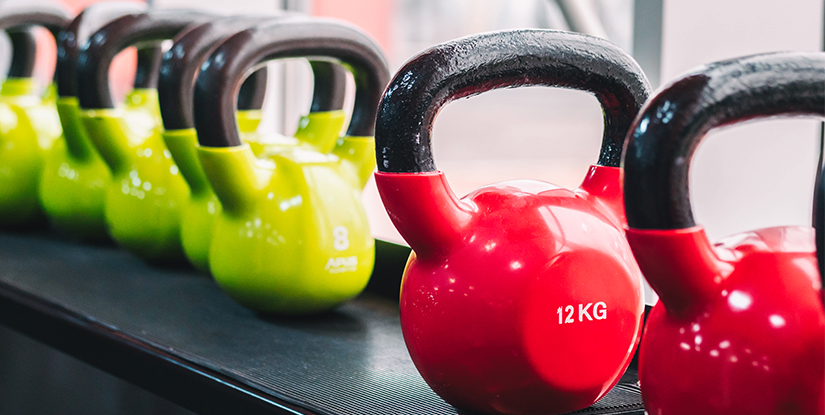
Standardizing the Workflow: From QC to Global Distribution
Our commercial kettlebell manufacturing process integrates a multi-stage QC inspection protocol to ensure every unit meets international commercial standards. This rigorous oversight begins with raw material verification and continues through casting, coating, and final weight calibration. By conducting pre-shipment audits, we eliminate the risk of weight discrepancies or surface defects that could jeopardize your reputation as a premium supplier. This systematic approach guarantees that the kettlebell simple and sinister units you receive are consistent with your brand's quality expectations.
Once the QC inspection is successfully completed, the logistics phase begins with specialized container loading. We manage the entire transition from the China factory to the port, ensuring that weight distribution within the container is mathematically optimized for stability during sea freight transit. This level of precision in global distribution is designed to protect your wholesale margins by preventing the hidden costs of transit-related damage. We recommend that buyers confirm their specific MOQ and lead time requirements during the initial sourcing phase to allow for seamless integration into their long-term distribution schedules.
Finalizing Your Bulk Procurement and Sample Approval
Transitioning from initial interest to a finalized kettlebell simple and sinister procurement cycle requires a structured approach to risk mitigation. For professional importers, the move from a single unit evaluation to a large-scale wholesale commitment must be anchored in rigorous verification to protect long-term distributor margins and equipment reliability.
The process begins with formal sample approval, where your technical team verifies weight distribution, handle ergonomics, and coating durability against commercial gym standards. Once the physical sample meets your specifications, the transition to custom kettlebell production involves finalizing the technical drawings and material certifications. This stage is critical for ensuring that the kettlebell simple and sinister units produced in the factory align perfectly with your brand identity and functional requirements.
After the prototype is signed off, the bulk order process moves into the manufacturing and quality control phase. We implement strict inspection protocols to ensure every unit in the shipment maintains consistency. This systematic approach to commercial kettlebell manufacturing minimizes the risk of receiving substandard batches, protecting your landed cost and ensuring your clients receive professional-grade tools.
Choosing between immediate stock availability and long-term brand development is a fundamental decision for any wholesale fitness equipment supplier or large-scale importer. To optimize your inventory strategy, it is essential to evaluate the trade-offs between rapid replenishment and the higher margins offered by proprietary product lines. Most distributors utilize a hybrid model, maintaining baseline stock for quick fulfillment while leveraging specialized manufacturing for premium market segments.
Comparing Procurement Models for Commercial Distribution
| Procurement Model | Lead Time | MOQ | Customization | Cost Structure |
|---|---|---|---|---|
| Standard Stock Order | Short (15-30 days) | Low | Minimal (Standard Colors) | Lower Unit Price |
| Custom Kettlebell Production | Extended (60-90+ days) | Higher | High (Branding & Specs) | Optimized for Volume |
| OEM / ODM Services | Variable | Tier-based | Full Specification Control | Scale-dependent Margins |
For distributors seeking to establish a unique market presence, investing in custom kettlebell production allows for the integration of specific weight increments or unique handle textures that differentiate your catalog from generic competitors. While this requires a larger initial commitment and longer lead times, the ability to offer a specialized kettlebell simple and sinister product line significantly enhances your brand authority and long-term ROI. Conversely, standard stock orders are ideal for rapid market testing or filling immediate gaps in your distribution network without the complexity of a full commercial kettlebell manufacturing setup.
To move forward with your procurement strategy, we recommend requesting a formal specification sheet and a detailed quote based on your projected annual volume. Our team is available to discuss specific MOQ requirements, provide technical documentation for your quality assurance team, or arrange a factory audit to ensure our production capabilities align with your commercial standards. Contact us today to initiate sample evaluation or to discuss your requirements for a customized wholesale partnership.
Optimizing Logistics and Final Landed Cost
The final stage of your kettlebell simple and sinister procurement cycle focuses on the movement of goods from the factory to your warehouse. For high-volume importers, managing the transition from production to transit is where the total landed cost is truly determined. A failure in export packaging or inaccurate shipping documentation can lead to unexpected port fees, damage claims, or delays that erode your distributor margins.
To ensure a seamless delivery, our commercial kettlebell manufacturing process includes specialized export packaging designed for heavy-duty weight distribution. Each unit is secured to prevent movement within the container, minimizing the risk of surface abrasions or structural impact during sea freight. We provide comprehensive shipping documentation—including detailed packing lists, commercial invoices, and weight certificates—to facilitate smooth customs clearance and prevent logistical bottlenecks at the destination port.
Before any shipment leaves our facility, a final pre-shipment inspection is conducted. This quality control checkpoint verifies that the physical dimensions, weight tolerances, and branding of the kettlebell simple and sinister units match the approved samples exactly. By verifying the container loading plan and ensuring all wholesale shipments are documented and secured, we help you achieve a predictable and optimized landed cost, allowing you to manage your inventory and retail pricing with absolute confidence.