Gymequip Factory: Leading China OEM Manufacturer Supply
Engineering Standards for High-Volume Commercial Procurement
A professional gymequip factory provides the structural engineering and rigorous testing required to ensure long-term operational stability in high-traffic environments. For distributors and gym operators, selecting a commercial gym equipment manufacturer with high engineering standards is essential to minimize maintenance downtime and maximize the long-term return on investment.
The cost of procurement extends far beyond the initial invoice. In commercial settings, low-quality fabrication leads to rapid structural fatigue, frequent component replacement, and increased labor costs for technicians. When sourcing at scale, professional buyers must prioritize structural integrity and material density to ensure the equipment survives the mechanical stress of constant, heavy-duty use. A failure in engineering is not just a maintenance issue; it is a liability and a direct hit to your TCO (Total Cost of Ownership).
Optimizing Durability and Maintenance Cycles
High-volume procurement requires a shift in focus from "lowest unit price" to "lowest lifecycle cost." A reliable fitness equipment OEM factory utilizes industry-standard steel gauges and reinforced welding techniques to prevent the frame warping or joint loosening common in inferior products. By investing in high-durability components during the initial wholesale order, facility owners reduce the frequency of part replacements and the need for specialized on-site repairs.
Precision engineering also dictates the smoothness of mechanical movements in selectorized machines and cable systems. Consistent tolerances in bearings and pulley systems ensure that the machine operates predictably over years of use. For distributors managing large-scale installations, this reliability translates to higher client satisfaction and fewer warranty claims, protecting your margins and brand reputation in the long run.
Technical Benchmarks for Quality Assurance
To mitigate the risks of importing defective or substandard units, procurement officers must evaluate a wholesale gym equipment supplier based on their specific technical QC protocols. Relying on visual inspection alone is insufficient for high-volume orders; instead, professional buyers should demand documentation regarding material testing, welding precision, and load-bearing certifications. A high-tier fitness equipment OEM factory maintains standardized testing environments to ensure every unit meets international export-grade requirements before leaving the facility.
The following table illustrates the critical differences between standard production and the rigorous benchmarks required for professional commercial-grade procurement. This comparison helps buyers identify the technical gaps that often differentiate a low-cost trader from a high-capability China factory specializing in heavy-duty equipment.
| Technical Benchmark | Standard Production (Low-Tier) | Commercial-Grade (Professional Factory) |
|---|---|---|
| Steel Gauge & Material | Variable thickness; inconsistent density | Certified high-density steel; consistent gauge |
| Welding Standards | Manual, inconsistent bead strength | Full-penetration robotic/precision welding |
| QC Protocol | Basic visual check at end of line | Multi-stage QC (Material, Assembly, Load) |
| Load Testing | Minimal or non-documented testing | Standardized weight/stress endurance testing |
| Export Readiness | Standard retail packaging | Export-grade reinforced bulk packaging |
When finalizing your sourcing strategy, we recommend requesting a detailed specification sheet and a sample approval process. For large-scale projects, it is also prudent to book a factory audit or a third-party pre-shipment inspection to verify that the welding and material density match your initial order requirements. This level of scrutiny ensures that your bulk investment remains a high-performing asset rather than a recurring maintenance liability.
Logistics Stability and Export Packaging Standards
Engineering precision is only as effective as the logistics chain that delivers it. For international distributors, the risk of damage during sea freight can negate any savings gained from efficient manufacturing. A professional gymequip factory understands that high-density steel components require more than just standard cardboard; they require specialized export packaging designed to withstand the rigors of container stacking and maritime humidity. Relying on a wholesale gym equipment supplier that utilizes reinforced wooden crates or high-impact corrugated layering ensures that your landed cost is not inflated by unexpected breakage or replacement fees upon arrival.
Beyond the box, true bulk order reliability is found in the precision of the loading plan. High-tier manufacturers optimize container utilization to balance volume efficiency with shipping stability. This prevents heavy strength equipment from shifting during transit, which can lead to structural deformation or container damage. When managing large-scale procurement, ensure your partner provides detailed packing lists and weight distribution data. This level of detail allows your logistics team to plan for offloading efficiency and warehouse space management, ensuring a seamless transition from the port to your distribution center.
Structural Integrity and Long-Term Maintenance Cycles
For distributors and facility operators, the true cost of equipment is rarely the initial purchase price; it is the long-term TCO (Total Cost of Ownership). Selecting a reliable gymequip factory ensures that your bulk orders consist of machines engineered for high-traffic usage, minimizing the frequency of costly repairs and downtime. A professional commercial gym equipment manufacturer prioritizes heavy-duty steel gauges and reinforced weld points to prevent structural fatigue under constant load.
When sourcing at scale, understanding the relationship between build quality and maintenance cycles is critical for maintaining healthy profit margins. Substandard components lead to premature wear, increasing the burden on your technical support teams and reducing the lifespan of your inventory. By partnering with a fitness equipment OEM factory that adheres to strict engineering standards, you secure assets that withstand the rigors of professional environments with minimal intervention.
| Procurement Factor | High-Spec Factory-Direct (OEM) | Standard Trading/Low-Cost Option |
|---|---|---|
| Structural Durability | Reinforced steel & heavy-duty welds | Standard gauge steel; lighter build |
| Maintenance Cycles | Extended intervals; lower OPEX | Frequent adjustments & part replacement |
| High-Traffic Reliability | Designed for 24/7 commercial use | Higher risk of structural fatigue |
| Long-term TCO | Optimized ROI through longevity | Lower CAPEX but higher long-term cost |
Optimizing your wholesale gym equipment supplier selection requires looking beyond the surface aesthetics. True commercial-grade equipment must balance high-performance movement with structural stability. We recommend reviewing technical specification sheets and requesting factory validation of material thickness and bearing quality to ensure your landed cost remains low over the product's entire lifecycle.
Engineering Specifications for High-Volume Sourcing
The disparity between consumer-grade products and professional-grade assets is most evident in the internal mechanical components. For high-volume importers, a single failed bearing or a snapped cable can disrupt a client's entire facility and damage your reputation as a reliable distributor. This is why a technical audit of a China factory capability must focus on the core mechanical assemblies that drive long-term reliability.
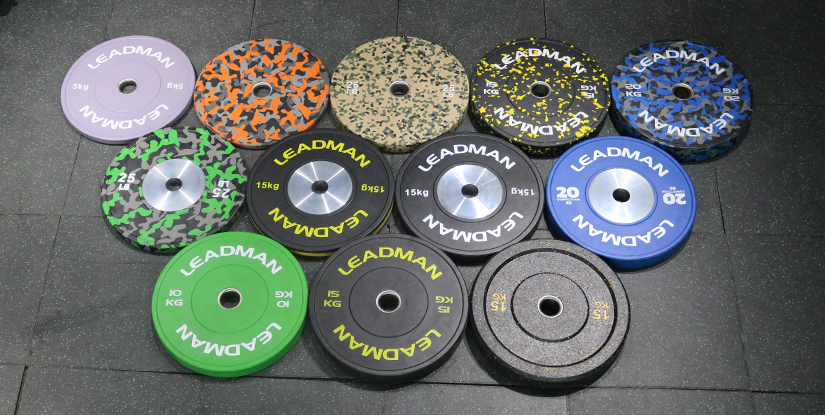
When evaluating a wholesale gym equipment supplier, procurement leads should demand transparency regarding steel gauge, welding precision, and bearing quality. While lower-cost alternatives may offer a lower initial invoice, the increased maintenance frequency and the need for rapid replacement parts often lead to a much higher landed cost over a 3-to-5-year period. High-end manufacturing ensures that even under peak usage, the mechanical resistance remains consistent and the structural frame remains rigid.
- Steel Gauge & Welding: Industrial-grade frames utilize thicker-walled tubing and continuous, precision welding to prevent micro-fractures during heavy lifting.
- Bearing & Pivot Systems: High-performance machines utilize heavy-duty, sealed bearings that reduce friction and extend the interval between necessary lubrication.
- Cable & Pulley Integrity: Commercial-grade setups use high-tensile, coated steel cables and reinforced pulleys to manage high-frequency tension.
To mitigate the risk of importing substandard inventory, we advise all professional buyers to request detailed material certifications and, if possible, a factory audit. Confirming these technical standards during the sourcing phase allows you to present a more compelling value proposition to your end-users, shifting the conversation from "cheapest price" to "best long-term ROI."
Optimizing Manufacturing Specifications via OEM/ODM Partnerships
For distributors and large-scale gym operators, relying solely on off-the-shelf inventory often limits market competitiveness. Transitioning from generic stock to a proprietary product line requires a strategic gymequip factory partner capable of sophisticated OEM/ODM services. This evolution allows you to move beyond standard catalog items toward high-margin, branded assets that command higher retail premiums.
A professional commercial gym equipment manufacturer provides the technical infrastructure to translate your brand vision into physical hardware. Whether you are looking to implement custom branding on existing chassis or require full-scale structural engineering for new inventions, the right fitness equipment OEM factory ensures your brand identity is reflected in the weight stack, upholstery, and frame aesthetics. This level of product differentiation is essential for established distributors seeking to insulate themselves from low-cost, generic competition.
Strategic customization goes beyond aesthetics; it involves optimizing the technical specifications to suit regional market demands or specific facility requirements. By leveraging wholesale gym equipment supplier capabilities, procurement leads can dictate material grades, color palettes, and even ergonomic adjustments. This control over the manufacturing process directly impacts your long-term TCO (Total Cost of Ownership) and ensures that the equipment aligns perfectly with your target demographic's expectations.
Strategic Comparison: Wholesale Procurement vs. Custom Manufacturing
Deciding between standard bulk purchasing and customized development is a pivotal decision for any procurement lead. While wholesale orders offer rapid deployment, they lack the differentiation required for premium brand positioning. To assist in your sourcing evaluation, the following comparison outlines the operational trade-offs between standard inventory and high-level customization.
| Procurement Dimension | Standard Wholesale Sourcing | Custom OEM/ODM Manufacturing |
|---|---|---|
| Customization Depth | Limited to color or minor logo placement | Full structural, ergonomic, and aesthetic control |
| Branding Control | Standardized manufacturer branding | Full private label and proprietary identity |
| Typical MOQ | Lower; based on existing production runs | Higher; dictated by specific engineering requirements |
| Lead Time | Faster; utilizes ready-to-ship inventory | Extended; includes R&D, tooling, and testing phases |
| Technical Specs | Fixed industry-standard specifications | Tailored to specific market or facility needs |
| Landed Cost | Predictable; based on standard unit pricing | Variable; depends on material and complexity |
For distributors focused on high-volume, low-complexity turnover, standard wholesale remains a highly efficient model. However, for those aiming to build a legacy brand or address niche technical requirements, engaging a fitness equipment OEM factory is the superior path to market leadership. We recommend evaluating your current sourcing strategy based on whether your competitive advantage lies in price-point efficiency or product exclusivity. Before finalizing your next bulk order, please contact our team to request a technical specification sheet or to discuss specific MOQ requirements for your customized project.
Precision Engineering and Technical Oversight in the OEM Process
Successful customization requires more than just a brand logo; it demands rigorous technical oversight to prevent the high costs of engineering errors. A professional gymequip factory manages the transition from conceptual design to physical production through a structured technical workflow. This ensures that every custom order meets international safety standards and remains within the projected landed cost targets. Without this structured oversight, procurement leads face significant risks regarding structural integrity and assembly compatibility.
The process begins with the development of precise technical drawings. Our engineering teams work closely with clients to refine every detail, from the gauge of the steel tubing to the specific tolerances of moving parts. This phase is critical for ensuring that custom components integrate seamlessly with standard parts, reducing the likelihood of assembly delays during final installation. During this stage, we also focus on meticulous material selection, ensuring that the metals, upholstery, and bearings selected are optimized for the intended durability and environmental conditions of the end-user facility.
Once the design is finalized, the focus shifts to comprehensive production oversight. This involves constant monitoring of the manufacturing line to ensure that every unit adheres to the agreed-upon manufacturing standards. We implement a multi-stage quality control (QC) protocol that tracks the product from raw material arrival through to the final welding and coating stages. This prevents the common industry pain point of receiving batches with inconsistent finishes or mechanical friction issues, which can devastate a distributor's reputation and increase after-sales maintenance costs.
By integrating these technical checkpoints, we provide a reliable pathway for partners to scale their product lines without compromising on quality. Whether you are refining a single machine's ergonomics or launching a complete branded line, our factory ensures that the final product is a high-performance asset. We invite professional buyers to contact us to discuss your specific OEM requirements, request a detailed technical spec sheet, or arrange a factory audit to verify our production capabilities.
Quality Control Protocols and Pre-Shipment Inspection Standards
For distributors and large-scale gym operators, the highest risk in international sourcing is not the initial purchase price, but the long-term cost of equipment failure. A single batch of substandard machinery can lead to catastrophic downtime, increased maintenance loads, and damaged professional reputations. Partnering with a reliable gymequip factory ensures that every unit meets the rigorous standards required for high-traffic commercial environments.
Our quality control process is designed to mitigate B2B sourcing risk by focusing on both mechanical precision and long-term durability. We recognize that for a commercial gym equipment manufacturer, structural integrity is non-negotiable. Each component undergoes multi-stage testing to ensure it can withstand the heavy-duty usage typical of professional fitness centers.
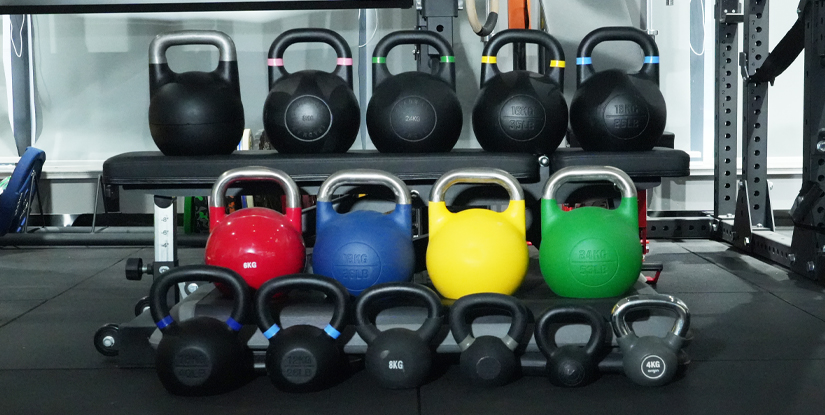
Rigorous Testing for Structural Integrity
Reliability begins with the raw materials. We implement strict oversight during the fabrication of steel frames and moving parts to ensure optimal load-bearing capacity. This focus on structural integrity prevents common issues such as frame warping or weld failure under heavy stress. By maintaining these high standards, we help our partners reduce the Total Cost of Ownership (TCO) and minimize expensive on-site repairs.
Beyond the frame, we conduct functional testing on all moving components, including cable tension, pulley smoothness, and upholstery resistance. As a professional fitness equipment OEM factory, we ensure that every piece of equipment performs consistently under peak load conditions. This systematic approach allows our clients to source with confidence, knowing that their bulk orders will arrive ready for immediate, high-intensity commercial use.
To maintain full transparency for our global partners, we follow a standardized multi-stage inspection framework. This process begins at the source and concludes only after a final pre-shipment inspection is successfully completed. This rigor is essential for a wholesale gym equipment supplier to guarantee that the landed quality matches the technical specifications promised during the procurement phase.
Standardized Inspection Stages
Our quality assurance protocol is integrated into every phase of production. We start with raw material testing to verify the grade of steel and the tensile strength of cables. During fabrication, we perform intensive welding inspection using visual and structural checks to ensure joints can handle high-impact use. Furthermore, we measure coating thickness to ensure the powder coating provides sufficient corrosion resistance for diverse climates. Finally, every machine undergoes a weight capacity stress test to validate its maximum load threshold before being cleared for export packaging.
| Inspection Parameter | Standard Commercial Grade | Premium B2B/OEM Specification |
|---|---|---|
| Raw Material | Standard structural steel | High-tensile, reinforced steel alloy |
| Welding Quality | Standard fillet welds | Full-penetration, precision robotic welding |
| Surface Finish | Basic electrostatic powder coating | Multi-layer, high-micron anti-corrosion coating |
| Load Testing | Basic static weight test | Dynamic high-frequency load endurance testing |
| Component Precision | Manual tolerance checks | CNC-precision calibrated tolerances |
For distributors managing large-scale installations, these protocols are vital for minimizing after-sales service requests. Whether you are requesting a factory audit or seeking custom OEM specifications, our documentation provides the verifiable proof of quality required for high-stakes procurement. We invite professional buyers to contact us to discuss specific testing requirements or to request a detailed spec sheet for your upcoming bulk order.
Optimizing Export Packaging and Shipping Safety
A common failure point in international procurement is not the product quality itself, but the condition in which it arrives. Even the most robust machinery can suffer structural or aesthetic damage if the export packaging is insufficient for long-distance maritime or air freight. For a global wholesale gym equipment supplier, ensuring the integrity of the shipment is as critical as the manufacturing process. We implement a rigorous packaging standard designed to protect your investment from the humidity of sea transit and the mechanical stresses of container loading.
Our logistics protocol utilizes heavy-duty, reinforced corrugated cartons and customized wooden crates for larger, high-density items. Each component is wrapped in protective foam or high-density polyethylene (HDPE) film to prevent scratches and moisture ingress. This focus on shipping safety ensures that when your container arrives at the port, the equipment is in pristine, showroom-ready condition, ready for immediate assembly and deployment. By prioritizing high-standard export packaging, we help you reduce the risk of transit-related claims and ensure a predictable landed cost without unexpected replacement expenses.
Furthermore, we provide precise volumetric data and weight specifications for every SKU, allowing distributors to optimize their container loading efficiency. This level of detail is essential for accurate freight calculations and effective warehouse planning. Whether you are managing a single large-scale project or recurring bulk orders, our commitment to logistical precision ensures that your lead time reliability remains intact from the moment the goods leave our facility until they reach your local distribution center.
Logistics Efficiency: Export Packaging and Container Loading Optimization
For international distributors and gym owners, the true cost of procurement extends far beyond the initial invoice. A professional gymequip factory must prioritize the final stage of the supply chain to protect your margins. Without specialized export packaging, high-value steel components and electronic consoles are vulnerable to salt spray, moisture, and mechanical impact during long-haul transit.
Inefficient logistics planning often leads to "empty air" in shipping containers, which artificially inflates your landed cost. To maintain competitive distributor margins, a reliable commercial gym equipment manufacturer utilizes advanced container loading optimization. By strategically nesting heavy frames and utilizing high-density packing configurations, we maximize sea freight efficiency and ensure that every cubic meter of your shipment delivers maximum ROI.
Our approach focuses on rigorous damage prevention through multi-layered protection, including reinforced corner protectors, heavy-duty corrugated cartons, and moisture-absorbent desiccants. This meticulous attention to detail ensures that bulk orders arrive at your warehouse in factory-fresh condition, reducing the need for costly replacement parts or insurance claims.
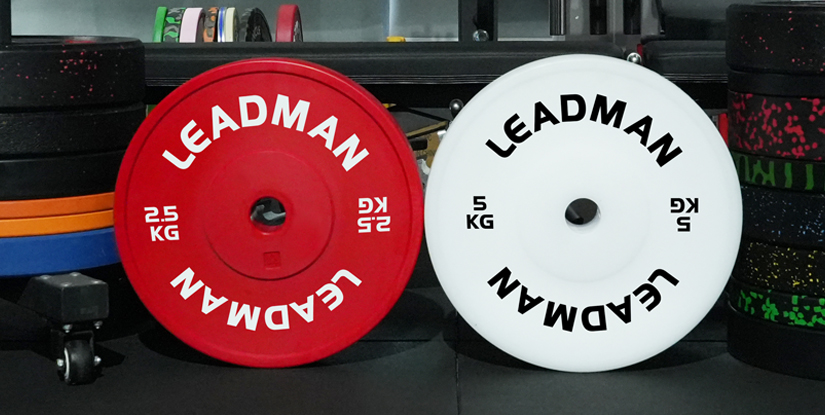
Packaging Specification Comparison: Standard vs. Export-Grade
Choosing a fitness equipment OEM factory that lacks specialized export protocols can result in high breakage rates and unexpected customs delays. Standard domestic packaging is often insufficient for the rigors of international maritime transport. To help you evaluate your sourcing options, the following table compares standard commercial packaging against the professional-grade solutions required for global distribution.
| Feature / Protection Level | Standard Commercial Packaging | Professional Export-Grade (Our Standard) |
|---|---|---|
| Primary Protection | Single-layer cardboard or thin film | Reinforced 5-layer corrugated cartons |
| Structural Support | Basic foam corner pieces | High-density EPS or EPE foam + corner guards |
| Moisture/Salt Control | Minimal or none | Vacuum-sealed PE film & industrial desiccants |
| Palletization | Loose loading or basic wrap | Heat-treated (ISPM 15) reinforced pallets |
| Impact Resistance | Low (Risk of dented steel/scratches) | High (Optimized for container stacking) |
| Volume Efficiency | Unoptimized (Higher sea freight cost) | High (Optimized for wholesale gym equipment supplier standards) |
For professional buyers, these technical differences directly impact the total landed cost. A wholesale gym equipment supplier that invests in high-tier packaging minimizes the risk of "dead space" and protects the mechanical integrity of your order. We recommend requesting a specific packing plan or sample images during your initial sourcing phase to confirm that your shipment meets the durability requirements of your local destination.
Optimizing your procurement strategy requires a deep understanding of how volume and weight affect your bottom line. When managing bulk orders, the difference between a poorly packed container and an optimized one can represent thousands of dollars in saved shipping expenses. A professional gymequip factory provides more than just machines; we provide calculated logistical solutions that ensure your CBM (Cubic Meters) utilization is as high as possible.
To avoid the common pitfalls of international sourcing, we recommend coordinating your order volume with our logistics specialists. Whether you are looking to meet a specific MOQ for a new product line or managing a large-scale gym build-out, understanding the relationship between product dimensions and container capacity is essential. We can provide detailed packing lists and 3D loading simulations to help you project your final landed cost and plan your warehouse intake with precision.
Before finalizing your next shipment, we encourage buyers to reach out to our team to confirm technical specifications, discuss custom OEM packaging requirements, or request a detailed shipping quote based on your specific volume needs.
Strategic Sourcing: Evaluating MOQ and Lead Time for Global Distribution
For international distributors and large-scale gym operators, the reliability of a gymequip factory is measured by more than just product durability; it is defined by supply chain predictability. Managing inventory levels requires a precise understanding of how MOQ requirements and production lead time impact your landed cost and warehouse turnover. Unpredictable manufacturing schedules can lead to stockouts during peak seasons, directly hurting your distributor margins and client satisfaction.
As a professional commercial gym equipment manufacturer, we align our production cycles with the logistical needs of global wholesale partners. We understand that high-volume bulk orders require advanced planning to ensure that container loading schedules and shipping windows are met without delay. By optimizing our China factory workflows, we provide the transparency needed to maintain a stable, high-performing supply chain for your commercial projects.
| Sourcing Dimension | Standard Stock Orders | Custom OEM/ODM Projects |
|---|---|---|
| MOQ Requirement | Lower (Unit or Set based) | Higher (Volume-dependent) |
| Average Lead Time | 2–4 Weeks | 8–12 Weeks |
| Custom Branding | Limited Options | Full Private Label Support |
| Supply Chain Risk | Low (Ready-to-ship) | Moderate (Requires Planning) |
To ensure your procurement strategy remains robust, we recommend discussing your projected annual volume with our sourcing team early. Whether you are looking to confirm a specific fitness equipment OEM factory capacity or need to audit our production timelines for a large-scale installation, we provide detailed spec sheets and scheduling transparency to facilitate your decision-making process.
Optimizing Inventory via Customization vs. Ready-to-Ship Models
Choosing between standardized inventory and customized production is a critical decision for professional buyers. A wholesale gym equipment supplier typically offers two distinct paths: purchasing existing stock for rapid deployment or initiating a fitness equipment OEM factory project for brand differentiation. While stock orders minimize the initial lead time, they often restrict your ability to establish a unique market identity through proprietary branding or specific technical modifications.
For distributors aiming to scale a premium brand, the customization capabilities of an experienced manufacturer are indispensable. Developing a private label line allows you to control the aesthetic and functional nuances of your product range, though it necessitates a higher MOQ and more rigorous long-term planning. Conversely, sourcing standard models is ideal for immediate project fulfillment or testing market demand with lower capital risk. We advise assessing your project's TCO (Total Cost of Ownership) and brand positioning before committing to a specific manufacturing model.
Calculating the Impact of Shipping Schedules on Landed Cost
Effective procurement planning requires looking beyond the initial unit price to the total landed cost. For professional importers, the relationship between production cycles and global logistics is a primary driver of profitability. If a gymequip factory fails to meet a specific shipping window, the resulting delays in container loading can trigger significant surcharges, increased warehousing fees, or even missed installation deadlines for your end-clients.
To mitigate these risks, we provide our partners with highly predictable shipping schedules and export-ready documentation. By coordinating closely with our China factory production teams, we ensure that high-volume orders are staged and ready for departure according to your specific vessel or air freight requirements. This transparency allows you to better manage your cash flow and optimize your distributor margins, ensuring that your capital is not unnecessarily tied up in transit-related delays. We recommend finalizing your procurement timeline at least 12 weeks prior to your required arrival date to account for all international transit variables.