Olympic Plate Bulk Purchase: Wholesale MOQ from China
Optimizing Inventory with an Olympic Plate Bulk Purchase
For large-scale distributors managing regional warehouse networks or high-volume gym chains, the complexity of SKU management often dictates the bottom line. A strategic olympic plate bulk purchase allows these entities to transition from reactive, small-batch ordering to a proactive inventory model that maximizes storage density and reduces the frequency of expensive, fragmented shipments. By sourcing directly from a China factory, professional buyers can consolidate multiple weight denominations into single, high-density containers, significantly lowering the landed cost per unit compared to fragmented procurement methods.
Managing warehouse footprint is a critical challenge when dealing with heavy, high-volume items. Utilizing wholesale olympic plates with standardized packaging and stackable configurations ensures higher storage efficiency within your distribution center. When you partner with a reliable commercial weight plate supplier, you gain more than just physical goods; you gain the ability to predict inventory turnover through better lead time management and consistent MOQ structures. This level of control is essential for maintaining a healthy cash flow while ensuring your clients never face stockouts of essential weight denominations.
Material Selection and Commercial Utility Comparison
Choosing the right material profile is a decisive factor in calculating the total cost of ownership (TCO) and long-term replacement cycles. For distributors, the selection between cast iron, rubber-coated, and urethane-encapsulated units depends on whether the target market is a budget-conscious garage gym, a high-traffic commercial facility, or a premium strength center. A professional olympic plate bulk purchase requires a clear understanding of how surface finish and internal density affect both the durability of the product and the shipping weight-to-volume ratio.
When evaluating your next batch, consider that higher-end materials like polyurethane offer superior durability but may involve a higher MOQ or different sourcing lead times compared to standard cast iron. Selecting the appropriate tier ensures that your inventory matches the specific durability requirements of your clients, preventing premature wear and reducing the frequency of replacement-driven returns.
| Material | Surface Finish | Commercial Durability | Maintenance Level | Sourcing Complexity (China Factory) | Best For (Distributor Segment) |
|---|---|---|---|---|---|
| Cast Iron | Powder Coating or Paint | Standard Commercial | Low (Occasional Rust Check) | Low (High Volume Availability) | Budget Gyms & Basic Strength Centers |
| Rubber Coated | Vulcanized Rubber | High (Impact Resistant) | Moderate (Surface Cleaning) | Medium (Requires Molding Steps) | Standard Commercial Gyms & CrossFit Boxes |
| Urethane | Polyurethane Encapsulation | Premium (High Abrasion Resistance) | Very Low (Highly Stable) | High (Advanced Production Process) | High-End Performance Studios & Competition Facilities |
To ensure high-quality wholesale olympic plates reach your warehouse without defects, we recommend a rigorous pre-shipment inspection focusing on coating adhesion and weight calibration. A professional commercial weight plate supplier will typically provide documentation or sample verification to confirm that the density and surface uniformity meet your specific OEM or ODM branding requirements before the container is sealed.
Logistics and Quality Control for High-Volume Imports
The success of a large-scale olympic plate bulk purchase depends heavily on the precision of the final production stages. For importers, the primary risks are weight variance and surface defects that lead to costly returns. To mitigate these, a professional China factory olympic plates production line must implement a standardized sequence: starting from sand casting or CNC machining, moving through surface finishing like powder coating, and concluding with a rigorous weight calibration process. This ensures that every unit in a multi-ton shipment adheres to the expected weight tolerances required by commercial standards.
Beyond individual unit accuracy, optimizing the landed cost requires specialized attention to export logistics. A capable supplier manages the entire workflow from the initial MOQ fulfillment to the final container loading. This includes specialized export packaging designed to prevent oxidation and physical damage during long-sea transit. Furthermore, experienced manufacturers offer shipping volume optimization, ensuring that the stackability of the plates maximizes every cubic meter of container space. By coordinating with a factory that offers both OEM and ODM capabilities, distributors can ensure that their custom branding and specific technical requirements are integrated into the pre-shipment QC protocols, resulting in a reliable, high-margin inventory replenishment cycle.
Material Selection and Precision Machining for Commercial Sets
Optimizing your inventory requires an olympic plate bulk purchase that balances durability with cost-efficiency. For distributors and gym operators, selecting the right material profile is the first step in minimizing long-term maintenance and replacement costs. A professional commercial weight plate supplier must provide options that withstand high-volume usage while maintaining structural integrity.
When sourcing through a China factory, buyers often choose between cast iron and machined steel to meet different market demands. High-grade cast iron is the industry standard for standard commercial gyms due to its density and cost-effectiveness. However, for premium facilities, precision-machined steel offers superior concentricity and tighter tolerances. Understanding these material-to-process relationships is essential for effective sourcing and managing your total cost of ownership.
Commercial Grade Material and Process Comparison
| Material Type | Primary Process | Key Component/Feature | Commercial Duty Tier | Sourcing/MOQ Impact |
|---|---|---|---|---|
| Cast Iron | Sand Casting & Powder Coating | Surface Flatness | Budget/Standard Commercial | Lower MOQ/High Volume Efficiency |
| Machined Steel | CNC Machining & Calibration | Bore Concentricity | Premium/Competition Grade | Higher MOQ/Precision Focus |
| Rubber Coated | Molding or Dip Coating | Impact Absorption Layer | High-Traffic/Bumper Style | Increased Shipping/Landed Cost |
A reliable wholesale olympic plates provider ensures that every unit undergoes a rigorous production sequence. This typically begins with high-quality casting, followed by precision machining of the center bore to ensure a smooth fit on Olympic barbells. The final stages involve surface treatment—such as powder coating or phosphate treatment—and a final weight calibration to ensure consistency across the entire batch. For those performing an olympic plate bulk purchase, verifying these steps during a factory audit or via a sample evaluation is critical to ensuring the product meets your local commercial standards and prevents premature wear.
Selecting the correct finish is just as critical as the base material when managing your product catalog. For instance, a standard powder coating process provides a durable, textured surface that prevents oxidation, whereas a PU coated or rubberized finish offers enhanced impact absorption and floor protection in high-traffic environments. While rubberized options may increase your initial landed cost and shipping weight, they significantly reduce the long-term maintenance load and noise levels in a commercial facility.
When finalizing your olympic plate bulk purchase, we recommend requesting detailed specifications regarding the coating adhesion and the center bore dimensions. A high-quality China factory will typically implement a multi-stage surface treatment—moving from raw casting to sandblasting, then to the application of the final coating—to ensure the finish does not chip or peel under heavy use. For distributors looking to maximize margins, balancing these material choices with your target market's needs is the most effective way to ensure high turnover and customer satisfaction.
High-performance facilities require more than just heavy metal; they require mechanical consistency. For professionals managing an olympic plate bulk purchase, the difference between a budget unit and a premium one often lies in the precision of the center bore and the calibration process. A lack of precision in CNC machining can lead to poor concentricity, causing the barbell to wobble or unevenly distribute weight during high-intensity lifts. This technical failure can increase the maintenance load for gym owners and decrease the perceived value of your equipment brand.
To mitigate these risks, a professional commercial weight plate supplier utilizes a structured production sequence. After the initial casting or steel forging, the plates undergo specialized CNC machining to refine the inner diameter. This ensures that the plate sits perfectly centered on the bar, maintaining smooth rotation and balanced movement. Following the machining stage, a rigorous weight calibration step is essential. This process ensures that every unit in a large-scale shipment meets the specified weight within industry-standard tolerances, providing the reliability that commercial distributors and gym operators demand.
Before any container is loaded, a comprehensive pre-shipment QC protocol must be executed. This includes spot-checking the concentricity of the bore, testing the adhesion of the powder coating, and verifying the weight accuracy of a randomized sample from the batch. For importers managing a wholesale olympic plates order, requesting these specific QC reports or arranging a factory audit can prevent the high costs associated with defective or unevenly weighted inventory. By focusing on these technical specifications during your sourcing process, you ensure that your landed cost reflects a high-value, durable product suitable for professional environments.
Weight Calibration and Concentricity Standards in China Factories
For distributors and gym equipment importers, the technical integrity of a weight set determines long-term client satisfaction and equipment longevity. When executing an olympic plate bulk purchase, the primary concern shifts from simple unit cost to the mechanical precision of the finished product. High-quality production requires rigorous weight calibration to ensure that every plate in a standard set meets the expected mass within industry-standard tolerances. Without this precision, uneven loading can lead to barbell imbalances, affecting the user experience and increasing the wear on lifting bars.
Beyond mass, the concentricity of the center bore is a critical factor for commercial gym stability. A China factory producing high-tier plates must utilize advanced machining processes to ensure the inner diameter is perfectly centered. If the bore is off-center, the plate will wobble during use, creating vibration and uneven weight distribution across the barbell. This technical failure often results in higher maintenance requests and lower perceived value for the end-user. To mitigate these risks, a professional commercial weight plate supplier implements a strict production sequence: starting with high-grade sand casting or centrifugal casting, followed by precision CNC machining of the center hole, and concluding with a multi-stage quality control inspection. This ensures that each unit remains stable and balanced under heavy use, protecting the investor's capital and the facility's reputation.
Technical Specification Comparison: Commercial vs. Competition Grade
Selecting the appropriate tier for your wholesale olympic plates order depends on the intended facility use and budget allocation. A common mistake in procurement is failing to distinguish between standard commercial-grade cast iron and high-precision machined steel, which can lead to mismatched equipment sets and increased replacement costs. By understanding the qualitative differences in manufacturing, you can better align your sourcing strategy with your target market's needs.
| Material Tier | Primary Process | Key Component Focus | Commercial Duty | MOQ Impact | Factory QC Point |
|---|---|---|---|---|---|
| Cast Iron (Standard) | Sand Casting & Finishing | Surface Texture & Coating | General Commercial Gyms | Lower | Surface Flatness |
| Machined Steel (Premium) | CNC Machining & Calibration | Bore Concentricity | Competition & High-End Studios | Higher | Weight Tolerance |
| Rubber/PU Coated | Molding or Dip Coating | Encapsulation Adhesion | High-Traffic Weight Rooms | Medium | Coating Uniformity |
When conducting a olympic plate bulk purchase, we recommend requesting a specific weight tolerance report and a sample of the center bore finish. For high-performance environments, ensuring the production line utilizes CNC machining for the center hole rather than basic casting is essential to maintain professional standards. If you are looking to optimize your landed cost without sacrificing stability, consider a hybrid approach: utilizing standard cast iron for high-volume weight ranges and precision-machined steel for the lighter, high-frequency plates.
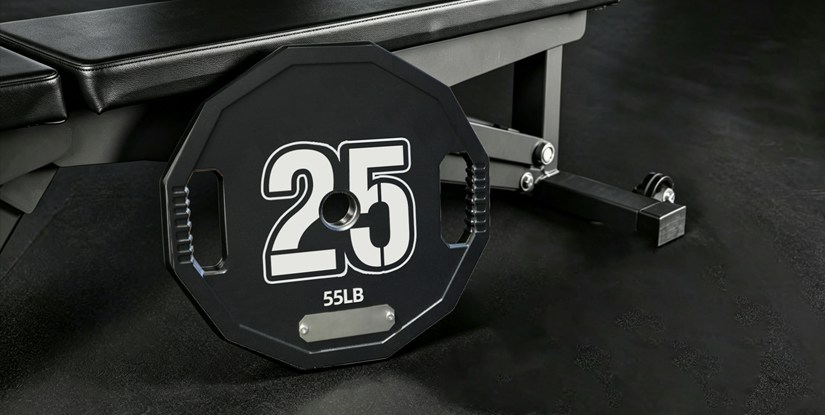
Standardized Pre-Shipment QC and Batch Consistency
For large-scale importers, the risk of receiving inconsistent batches is a significant threat to distributor margins. A reliable commercial weight plate supplier must go beyond individual unit checks to ensure batch-wide uniformity. This involves a rigorous pre-shipment QC protocol where samples are pulled from every production lot to verify that both the weight and the physical dimensions remain within established limits. Discrepancies in a single shipment can lead to mismatched sets, causing friction with your end-clients and increasing the frequency of returns.
To maintain high standards during an olympic plate bulk purchase, a professional China factory typically implements a systematic verification process. This includes checking the flatness of the plate face and the smoothness of the inner rim to prevent barbell damage. Furthermore, verifying the adhesion of the powder coating or rubber layer ensures that the product can withstand high-frequency use without premature peeling. By confirming these technical details during the sampling and inspection phase, buyers can better manage their MOQ and lead time expectations, ensuring that the landed product meets the strict requirements of professional strength training facilities.
Sourcing Strategies for Wholesale Olympic Plates
For professional distributors and large-scale gym equipment importers, an olympic plate bulk purchase represents more than a simple inventory restock; it is a critical decision in supply chain optimization. Navigating the transition from small-batch procurement to high-volume wholesale management requires a deep understanding of how a China factory manages production cycles and logistics to protect your distributor margin.
Rely-on-demand ordering often leads to unpredictable lead time fluctuations and increased landed cost through air freight or broken container loads. By establishing a direct relationship with a specialized commercial weight plate supplier, buyers can stabilize their inventory via predictable MOQ-based production schedules. This strategic shift allows distributors to move away from reactive purchasing toward a proactive model that leverages wholesale olympic plates to secure competitive market positioning and long-term scalability.
Material and Durability Comparison for Procurement
Selecting the right specifications during an olympic plate bulk purchase is essential for balancing durability against your target price point. Depending on whether your clients demand high-impact resistance or cost-effective weight coverage, the material selection will directly influence your long-term replacement planning and customer satisfaction. A professional commercial weight plate supplier typically offers three distinct tiers to accommodate different facility requirements.
| Material | Primary Process | Surface Finish | Commercial Duty | MOQ Impact | Factory QC Point |
|---|---|---|---|---|---|
| Cast Iron | Sand Casting | Powder Coating or Paint | Standard Commercial | Lower MOQ baseline | Base flatness and bore concentricity |
| Steel | CNC Machining | Chrome or Galvanized | High-Intensity / Precision | Higher MOQ for precision runs | Weight calibration and edge smoothness |
| Urethane / Rubber | Injection Molding | PU or Rubber Encapsulation | Premium / High-Impact | Higher MOQ due to tooling | Coating adhesion and bond line integrity |
When evaluating wholesale olympic plates, distributors must consider the total cost of ownership. While cast iron remains the industry standard for general strength training due to its reliable production via a China factory, premium facilities often require the shock absorption provided by high-grade urethane or the precision of machined steel. We recommend requesting a sample evaluation or a detailed spec sheet to confirm that the weight tolerance and surface finish meet your specific market's expectations before finalizing your bulk order.
Customization and Brand Identity via OEM/ODM
To maintain a competitive edge in the professional fitness market, many distributors move beyond generic stock by utilizing OEM or ODM services. A professional commercial weight plate supplier can transform standard products into branded assets through precision weight calibration and custom surface treatments. Whether you require a specific logo embossed in the casting or a specialized color-coded powder coating to differentiate your product line, these customization options allow you to build a distinct brand identity while maintaining healthy margins.
High-volume sourcing also necessitates rigorous quality assurance to prevent the high costs of returns or damaged reputation. Before any container leaves the factory, a comprehensive pre-shipment QC process must be executed. This includes inspecting the bore concentricity of the steel plates, checking the adhesion of the coating, and verifying the weight accuracy of each unit. Furthermore, robust export packaging is non-negotiable; ensuring that plates are secured in reinforced crates or heavy-duty pallets minimizes the risk of denting or surface damage during long-haul maritime transit, protecting your landed cost and ensuring the product arrives in a showroom-ready state.
Custom Branding and OEM/ODM Capabilities for Global Distributors
For distributors and warehouse operators, an olympic plate bulk purchase is not merely about restocking inventory; it is a strategic opportunity to build a proprietary product line. Leveraging OEM and ODM services allows you to transition from a generic importer to a specialized brand owner, significantly increasing your market value and long-term margins.
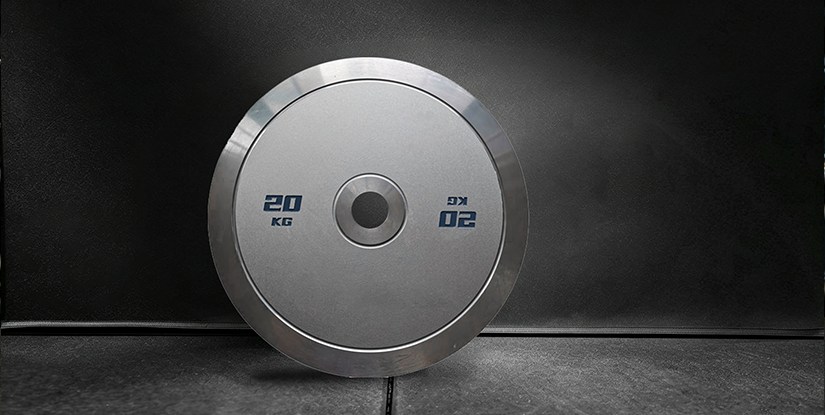
A professional commercial weight plate supplier provides more than just finished goods; they offer the technical infrastructure to implement custom branding. This includes precision laser-etched logos or high-durability embossed markings that integrate directly into the material selection phase. Whether your brand identity relies on the rugged aesthetic of bare cast iron or the premium look of a high-gloss PU coating, the China factory can align production to your specific visual standards.
Differentiation through private label manufacturing extends to the technical finish of the plates. You can specify various surface finishing options, such as standard powder coating for high-traffic commercial gyms or specialized polyurethane (PU) layers for high-end studio environments. By controlling these variables through direct sourcing, you ensure that your brand identity remains consistent across all product tiers, from budget-friendly cast iron sets to premium competition-spec steel plates.
Customization Tiers and Margin Optimization
To maximize profitability, distributors must align their selection with the target market's spending power. A strategic olympic plate bulk purchase should involve choosing a tier that balances production costs with the perceived value of your brand. For instance, high-volume warehouse distributors often prioritize high-speed production models, while specialized studio suppliers may opt for more intricate wholesale olympic plates with premium finishes.
The following table outlines the technical requirements and procurement impacts for different customization levels available through a professional commercial weight plate supplier. This data assists in calculating the landed cost and projected distributor margins for each product tier.
| Customization Tier | Primary Material | Branding Method | Commercial Duty | MOQ Impact | Factory QC Point |
|---|---|---|---|---|---|
| Standard | Cast Iron | Raised Embossed Logo | Budget/High-Traffic | Lower | Base Flatness |
| Private Label | Steel or Iron | Powder Coated Color | Mid-Tier Commercial | Moderate | Coating Adhesion |
| Full OEM | Chrome-Manganese Steel | Precision Laser/CNC | Premium/Competition | Higher | Bore Concentricity |
When managing a China factory olympic plates order, we recommend evaluating the long-term maintenance load of each finish. While standard cast iron offers a low entry cost, a high-quality OEM specification with a durable coating can reduce the frequency of replacement requests from your end-users, thereby protecting your reputation and long-term service margins.
Before finalizing your next shipment, please contact us to request a detailed specification sheet, confirm current MOQ requirements for your chosen tier, or schedule a pre-shipment factory audit to ensure all technical standards meet your brand's expectations.
Efficient inventory management requires more than just selecting a product; it requires a deep understanding of the logistical and quality control standards that protect your landed cost. For high-volume importers, the complexity of an olympic plate bulk purchase lies in the transition from factory floor to warehouse arrival without loss of precision or branding integrity.
Logistics, QC, and Export Standards
A reliable commercial weight plate supplier must demonstrate rigorous control over the entire export chain. This begins with the technical calibration of the weight and extends to the durability of the export packaging. For large-scale shipments, ensuring that the weight tolerance remains consistent across the entire batch is critical to preventing disputes upon arrival. A professional China factory will typically employ a systematic approach to pre-shipment inspection, focusing on both the physical integrity of the plates and the stability of the branding application.
In many commercial settings, the method of logo application is a key indicator of quality. While simple printed logos may be cost-effective for budget tiers, they are prone to chipping under heavy use. For professional distributors, we recommend specifying embossed markings or high-durability powder coating to ensure your brand remains intact throughout the product lifecycle. Furthermore, specialized export packaging—including reinforced corner protection and heavy-duty palletizing—is essential to minimize transit damage and reduce the total cost of ownership for your clients.
To optimize your next procurement cycle, we invite you to reach out to discuss bulk pricing, verify current MOQ levels for custom specifications, or request a sample evaluation to confirm that our manufacturing standards align with your brand's requirements.
Quality Control and Export Packaging Protocols
For professional distributors, the risk of receiving damaged or out-of-spec inventory can instantly erode profit margins. An olympic plate bulk purchase requires more than just a low unit price; it demands rigorous oversight to ensure that every unit arriving at your warehouse meets commercial standards. Without strict protocols, issues like weight variance or surface defects can lead to costly returns and diminished customer trust.
A reliable commercial weight plate supplier must implement a multi-stage inspection process. This begins with weight calibration to ensure consistency across the batch, followed by a detailed surface finish inspection to check for coating adhesion or casting imperfections. Relying on a China factory that maintains high China factory QC standards ensures that the product's concentricity and dimensional accuracy are verified before the goods leave the floor.
Furthermore, logistics-related damage is a common pain point in overseas sourcing. To mitigate this, high-tier manufacturers utilize export-grade packaging designed for long-haul sea freight. This includes heavy-duty pallets, reinforced corner protection, and shrink-wrapping to provide essential shipping damage prevention. When managing a large wholesale order, understanding how MOQ levels impact container loading and palletization density is critical for optimizing your total landed cost.
QC Checkpoints vs. Packaging Tiers for Global Distribution
Selecting the correct wholesale olympic plates tier depends on your specific market positioning. A distributor catering to high-end training centers requires stricter tolerances and more robust protection than one supplying budget-friendly commercial gyms. To maximize your margin, you must align the technical specifications of the product with the durability of the shipping method to ensure high shipping stability during transit.
| QC Checkpoint | Premium Commercial Tier | Standard Commercial Tier | Budget/Bulk Tier |
|---|---|---|---|
| Weight Tolerance | Precision calibrated steel | Standard cast iron | Basic cast iron |
| Surface Integrity | High-adhesion powder coating | Standard paint/enamel | Bare iron or phosphate |
| Concentricity | Strict machining precision | Typical casting standards | Basic casting tolerances |
| Packaging Type | Reinforced cartons & custom pallets | Standard export cartons | Bulk bag or loose pallet |
| Logistics Protection | Full palletization & corner guards | Standard shrink wrap | Minimal protection |
| Typical MOQ | Higher for OEM/Customization | Standard wholesale volumes | Low MOQ/Stock items |
When executing an olympic plate bulk purchase, we recommend a pre-shipment inspection that focuses on the most vulnerable areas: the bore concentricity and the coating adhesion. A professional China factory will provide detailed reports on these metrics to prevent the high return rates often associated with lower-tier sourcing. Always confirm if your supplier utilizes reinforced cartons for sea freight to protect your landed cost from unexpected damage claims.