Olympic Plate Trade Supplier: OEM Manufacturing Supply
Strategic Sourcing for Olympic Plate Trade Supplier Partnerships
For large-scale distributors managing multi-facility gym chains or hotel fitness procurement, the stability of the supply chain is as critical as the product itself. Rely-ing on a professional olympic plate trade supplier ensures that your inventory remains consistent in both weight accuracy and aesthetic finish. Unlike small-scale retail sourcing, B2B procurement requires a partner capable of managing complex manufacturing workflows—from initial casting to final export packaging—to maintain your brand's reputation and minimize the landed cost of heavy steel goods.
Selecting a reliable commercial weight plate manufacturer involves evaluating more than just the base material; it requires a deep dive into the technical precision of the production line. A high-tier factory must demonstrate control over the entire lifecycle of the plate. This includes the precision of the sand casting process, the uniformity of the powder coating application, and the strictness of the weight tolerance calibration. Without these standardized controls, importers risk high return rates and diminished distributor margins due to inconsistent product dimensions or surface defects.
When negotiating wholesale olympic plates China, professional buyers should prioritize transparency regarding the manufacturing sequence. A standard industrial route typically follows a sequence of casting, followed by CNC machining for the center bore, and ending with surface treatments like phosphate or powder coating. Understanding these steps allows a supplier to provide more accurate MOQ tiers and lead time estimates, ensuring your warehouse stocks are replenished without unexpected gaps in your distribution cycle.
Technical Manufacturing Comparison for Bulk Procurement
Procurement officers must distinguish between production methods to balance durability with the total landed cost. The choice between traditional methods and high-precision casting significantly impacts the long-term maintenance load of a commercial facility. For instance, while basic casting is cost-effective for high-volume orders, advanced methods offer better concentricity and surface uniformity, which are vital for premium gym environments.
| Material Type | Primary Process | Key Component Focus | Commercial Duty Tier | MOQ Impact | Factory QC Point |
|---|---|---|---|---|---|
| Cast Iron | Sand Casting | Bore Diameter & Flatness | Budget / Standard | Lower | Weight Spot-Check |
| Steel / Iron | Centrifugal Casting | Concentricity & Wall Uniformity | Premium / Competition | Higher | Bore Fit Calibration |
| Iron Core | Rubber/PU Molding | Encapsulation Adhesion | High-End Commercial | Medium | Edge Bonding Integrity |
A rigorous export QC protocol is the final defense against shipment-related losses. During the pre-shipment stage, a reputable olympic plate trade supplier should conduct specific inspections on the center bore fit and the adhesion of the surface finishing. For rubber-coated or PU-coated units, checking the bond line between the inner core and the outer layer is essential to prevent peeling during high-frequency use. For iron-based units, the focus remains on the surface coating durability and the precision of the weight marking. Verifying these technical specs before the container is loaded ensures that your wholesale olympic plates China shipment meets the high standards required for professional fitness environments, protecting your distributor margins and reducing the need for costly replacements.
Material Selection and Casting Processes for Commercial Durability
Selecting a reliable olympic plate trade supplier requires understanding how raw material quality directly impacts the total cost of ownership for fitness facilities. For distributors and gym chains, the durability of weight plates determines replacement frequency and long-term maintenance budgets. High-quality cast iron remains the industry standard for commercial-grade plates due to its density and cost-effectiveness in high-volume wholesale procurement.
The manufacturing journey typically begins with precision sand casting. This process allows a commercial weight plate manufacturer to produce consistent shapes and densities suitable for heavy-duty use. A professional China factory will manage the sequence from molten iron pouring to cooling, followed by CNC machining to ensure the center bore meets standard Olympic specifications. This controlled sequence minimizes weight fluctuations and ensures a smooth fit on barbells, which is critical for reducing mechanical wear on expensive lifting bars.
| Material Tier | Primary Process | Surface Finish | Commercial Duty | Procurement Profile |
|---|---|---|---|---|
| Standard Cast Iron | Sand Casting | Painted or Powder Coated | High-Volume Commercial | Best for wholesale volume |
| Premium Steel | Precision Machining | Chrome or High-Gloss | Competition/Studio | Higher MOQ requirements |
| Coated Iron | Molding/Dip | Rubber or PU Coating | Premium Commercial/Home | Optimized for noise reduction |
When sourcing for large-scale distribution, buyers should evaluate the coating adhesion and the consistency of the casting mold. A professional olympic plate trade supplier ensures that the transition from the casting stage to the final surface treatment—whether it be a matte powder coating or a protective enamel—is seamless. This prevents premature oxidation and maintains the aesthetic value of the equipment throughout its lifecycle, protecting your distributor margins and client satisfaction.
Technical Comparison of Coating and Finishing Methods
The choice between different surface treatments significantly impacts the long-term maintenance load and the perceived value of your inventory. For a professional commercial weight plate manufacturer, the ability to offer diverse finishing options allows for better market segmentation, from budget-friendly iron sets to high-end studio equipment. Understanding the distinction between standard metal treatments and advanced encapsulation is essential when calculating the long-term landed cost and durability of a shipment.
Standard finishes, such as a basic paint or a specialized powder coating, are commonly used to protect the iron core from oxidation and environmental moisture. This is a cost-effective solution for high-volume wholesale orders where durability is required but extreme impact resistance is not the primary focus. In contrast, advanced coatings like a thick urethane coating or high-density rubber molding provide superior shock absorption and noise reduction. These premium options are often preferred for high-end commercial facilities where floor protection and a premium tactile feel are mandatory requirements.
When evaluating your next batch, consider how the finishing process interacts with the weight calibration. A high-quality olympic plate trade supplier will ensure that the application of the coating—whether it is a dip process or a spray-on method—does not introduce significant weight deviations. For large-scale sourcing, it is recommended to request samples to verify the adhesion strength of the coating, ensuring it does not chip or peel under the heavy-duty usage typical of commercial environments.
Standardization of Weight Tolerance and Pre-Shipment Inspection
For professional importers, the most critical risk in bulk procurement is weight inconsistency. A reputable olympic plate trade supplier must implement a rigorous calibration sequence to ensure that the actual weight of each unit aligns with the marked value. In many commercial settings, a professional China factory utilizes a systematic approach: after the initial casting and machining of the center bore, plates undergo a weight calibration stage. This process is essential to manage the weight tolerance and ensure that the finished product—whether it is a bare iron plate or a high-end coated version—meets the expected commercial standards before it enters the export packaging stage.
Effective pre-shipment QC extends beyond simple weight checks. A reliable commercial weight plate manufacturer will conduct multi-point inspections, including a visual check for surface finish defects, a verification of the concentricity of the Olympic collar fit, and a durability test of the coating adhesion. For those looking to secure wholesale olympic plates China, these technical audits are vital to reducing the frequency of after-sales claims and ensuring the landed cost remains optimized. We recommend that distributors request a detailed inspection report or a sample approval session to verify that the weight tolerance and the structural integrity of the casting meet your specific commercial requirements before the final container loading.
Precision Engineering: Bore Fit and Surface Finishing Standards
When sourcing from an olympic plate trade supplier, technical precision in the central bore is the most critical factor for long-term durability. For distributors and gym operators, a poorly machined center results in uneven weight distribution and increased wear on expensive barbells. High-tier commercial weight plate manufacturer facilities utilize precision machining to ensure that the internal diameter remains consistent across an entire production batch. This ensures seamless barbell compatibility, preventing the plate from binding or wobbling during high-intensity movements.
Beyond the bore, the surface finishing determines the long-term maintenance load and resale value of the equipment. Whether opting for a powder coating or a rubberized exterior, the bond line adhesion must be robust to prevent peeling under heavy use. A professional wholesale olympic plates China factory will implement a standardized sequence—typically involving casting, followed by CNC machining of the bore, and finishing with a multi-stage coating process—to ensure the weight tolerance meets commercial expectations. For bulk sourcing, verifying these machining steps is essential to minimize the total cost of ownership and prevent high replacement rates in commercial environments.
Surface Finishing and Maintenance Durability Comparison
Selecting the correct surface treatment is a strategic decision for importers, as it directly impacts both the upfront landed cost and the long-term maintenance load. A professional olympic plate trade supplier provides various finishing options to suit different commercial tiers, from budget-friendly iron sets to premium specialized units. Choosing a lower-tier coating may reduce initial wholesale costs but often leads to higher replacement rates due to oxidation or surface degradation.
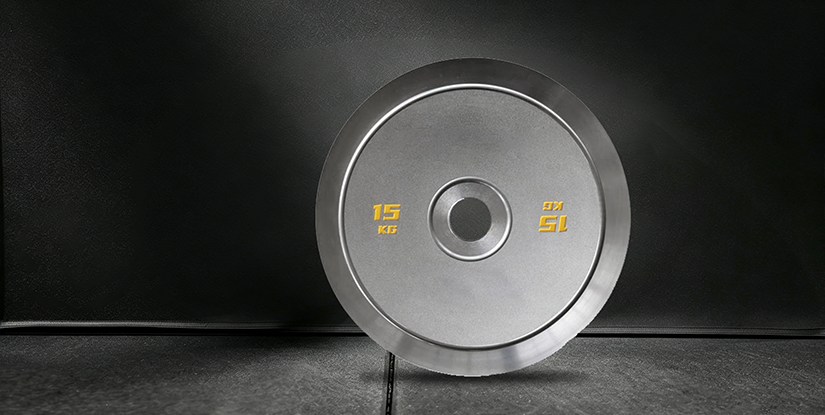
For distributors, understanding the technical differences between a phosphate treatment, powder coating, and urethane coating is vital for managing client expectations and product longevity. While a basic paint finish might suffice for low-traffic environments, high-use commercial facilities typically require more resilient options to ensure high commercial durability and reduced upkeep. The following table outlines the standard material-process profiles found when sourcing from a professional commercial weight plate manufacturer.
| Material Type | Surface Process | Key Component Focus | Commercial Duty Tier | Maintenance Profile |
|---|---|---|---|---|
| Cast Iron | Phosphate Treatment | Corrosion Resistance | Budget / Entry-Level | Low (Requires occasional oiling) |
| Cast Iron | Powder Coating | Surface Adhesion | Standard Commercial | Medium (Resistant to scratches) |
| Steel / Iron | Urethane Coating | Impact Protection | Premium / High-End | Very Low (Highly durable) |
When evaluating wholesale olympic plates China orders, procurement leads should request specific details regarding the coating adhesion process. A high-quality factory will ensure that the surface preparation—such as degreasing or sandblasting—is performed thoroughly before any application to prevent the coating from chipping during heavy barbell loading. This attention to detail ensures that your private label or branded products maintain a professional appearance throughout their service life, protecting your brand identity and reducing the frequency of replacement orders.
Pre-Shipment QC and Export Packaging Standards
The final stage of the supply chain is where a reliable olympic plate trade supplier distinguishes itself through rigorous pre-shipment inspection. For high-volume importers, the risk is not just in the material, but in the logistics of receiving heavy, high-density goods. A professional commercial weight plate manufacturer must implement a multi-point QC protocol that goes beyond simple weight checks. This includes verifying the concentricity of the bore to ensure no eccentric wobble, checking the integrity of the coating adhesion, and performing weight calibration spot-checks across the entire batch to ensure consistency.
Once the technical standards are verified, the focus shifts to export-ready protection. Effective wholesale olympic plates China shipments require specialized export packaging designed to withstand the rigors of sea freight and long-distance container loading. This typically involves heavy-duty corrugated cartons or reinforced wooden crates, with internal dividers or protective layers to prevent metal-on-metal friction during transit. For distributors, investing in high-grade packaging is a critical factor in managing the total landed cost, as it significantly reduces the likelihood of receiving damaged or improperly calibrated units upon arrival at the warehouse. When finalizing your sourcing plan, we recommend confirming the specific packaging configurations and requesting a pre-shipment inspection report to ensure your bulk order meets both technical and logistical requirements.
Optimizing Supply Chains via OEM and ODM Manufacturing
For professional distributors and large-scale gym developers, relying on generic stock products can limit market differentiation and long-term growth. Partnering with a professional olympic plate trade supplier allows you to transition from a simple reseller to a brand owner. By utilizing OEM and ODM capabilities, you can move beyond standard inventory to offer specialized products that meet specific commercial gym requirements, such as unique color-coded weight increments or specific branding aesthetics.
Strategic customization through a reliable China factory helps mitigate the risks of brand dilution and product homogenization. Instead of competing solely on price for off-the-shelf items, you can develop a proprietary product line under your own private label. This approach optimizes your sourcing strategy by aligning manufacturing outputs with your target market's high-end or budget-friendly needs, effectively increasing your distributor margins and brand equity in the global fitness market.
Working with a dedicated commercial weight plate manufacturer also provides greater control over the technical specifications of your order. Whether you require specific surface finishes or custom logo engravings, these services are designed to scale with your business. While wholesale orders for standard items may have lower entry barriers, specialized ODM projects typically involve a specific MOQ to cover the costs of custom molds or specialized production runs. Understanding these variables allows for better lead time planning and more accurate landed cost calculations for your upcoming shipments.
Technical Comparison of Casting and Coating Processes
When sourcing high-volume inventory, understanding the fundamental manufacturing differences between casting methods and surface applications is vital for calculating total cost of ownership. A professional olympic plate trade supplier will typically offer a range of options depending on whether your market demands budget-friendly durability or premium aesthetic finishes. Choosing the wrong process can lead to higher replacement costs or inconsistent weight tolerances, impacting your long-term distributor margins.
For standard commercial gym environments, sand casting remains the industry standard due to its reliability and cost-efficiency. However, for high-end facilities, the selection of the encapsulation layer—such as PU coating or rubber coating—becomes a critical decision for floor protection and noise reduction. Evaluating these technical tiers helps importers align their wholesale orders with the specific durability requirements of their target clients.
| Material/Process Tier | Core Manufacturing Method | Typical Surface Finish | Commercial Duty Level | Procurement Impact |
|---|---|---|---|---|
| Budget Commercial | Sand Casting | Paint or Powder Coating | Standard Strength Training | Low MOQ / Fast Lead Time |
| Premium Commercial | Centrifugal Casting | PU Coating (Polyurethane) | High-Traffic Professional Gyms | Higher MOQ / Specialized Production |
| Elite/Competition | Precision Machining | Rubber Coating / High-Grade Vinyl | Professional Training & Events | Custom Branding / Strict QC |
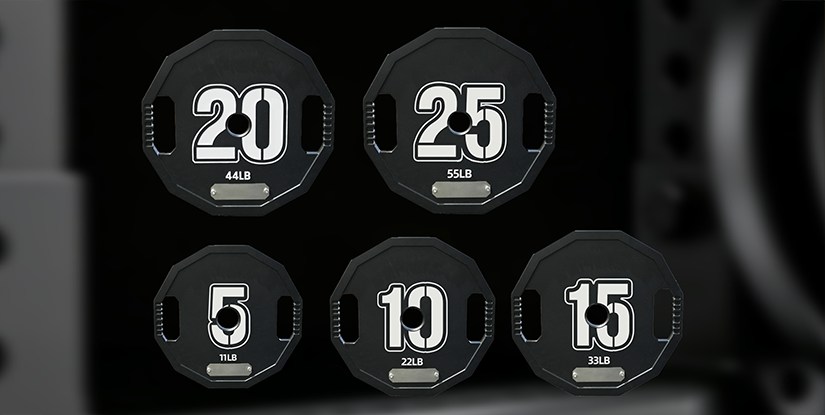
Selecting the right wholesale olympic plates China production route ensures that your landed cost reflects the actual value of the product. For instance, while a simple powder coating is cost-effective for large-scale wholesale distribution, a high-quality rubber coating provides better impact resistance, reducing long-term maintenance and replacement needs for your clients. Before finalizing your next sourcing contract, we recommend requesting a sample to verify coating adhesion and weight tolerance stability.
Factory QC Protocols and Export Packaging for Bulk Shipments
Maintaining strict quality control is the primary responsibility of a professional olympic plate trade supplier when managing high-volume international orders. For distributors and gym equipment importers, the risk of receiving a shipment with inconsistent weight or damaged surfaces can significantly impact landed costs and profit margins. To mitigate these risks, a reliable commercial weight plate manufacturer implements a multi-stage verification process that spans from the initial casting stage to the final container loading.
The first priority in any pre-shipment inspection is ensuring weight accuracy and structural integrity. A standard weight tolerance check is typically conducted on a sampling basis to ensure that the cast iron or steel components meet the specified commercial-grade standards. Beyond the weight, inspectors verify the concentricity of the center bore and the adhesion of the surface finish—whether it be powder coating or rubber encapsulation—to prevent premature peeling or oxidation during transit. This rigorous QC process ensures that every unit in a bulk order meets the durability requirements of a commercial environment.
Once the technical specifications are validated, the focus shifts to export packaging designed for sea freight durability. Because weight plates are high-density, heavy-duty items, they are prone to shifting and impact damage during long-distance ocean transit. A professional China factory will typically utilize heavy-duty corrugated cartons, reinforced palletizing, and edge protectors to secure the load. For large wholesale orders, plates are often stacked in specialized steel crates or reinforced wooden pallets to prevent crushing and ensure stability within the shipping container, protecting the buyer's investment from the moment it leaves the factory until it reaches the destination warehouse.
Optimizing Container Loading and Logistics Efficiency
For procurement professionals, the total landed cost is heavily influenced by how effectively a olympic plate trade supplier manages volume density and shipping space. Since weight plates are high-density products, inefficient packing can lead to wasted container space, effectively increasing the per-unit shipping cost. A seasoned commercial weight plate manufacturer focuses on container loading optimization, often utilizing specialized stacking patterns to maximize the payload of a 20ft or 40ft high-cube container. This strategic approach allows distributors to move higher volumes of wholesale olympic plates China sourcing orders while maintaining a competitive edge in their local markets.
To ensure seamless customs clearance and warehouse receipt, the final export stage must include precise documentation and standardized palletization. We recommend that buyers confirm the specific pallet dimensions and weight limits with their supplier before production begins. This coordination is essential when calculating the final volume of a bulk shipment. Whether you are negotiating a small MOQ for a boutique studio setup or a full container load for a large-scale distribution network, clear communication regarding lead time and packaging specifications will prevent unexpected logistical bottlenecks and ensure your inventory arrives ready for immediate commercial deployment.
Evaluating Total Cost of Ownership and Inventory Turnover
For professional importers and gym equipment distributors, the initial unit price is only one part of the equation. When sourcing from an olympic plate trade supplier, savvy procurement officers must calculate the total landed cost against the long-term operational expenditure. A lower upfront price from a China factory might seem attractive, but if the plates suffer from premature coating degradation or inconsistent weight tolerances, the replacement cycles will accelerate, hurting your bottom line.
Selecting a reputable commercial weight plate manufacturer ensures that the investment covers not just the purchase, but years of high-volume usage. High-quality casting and robust surface finishes reduce the frequency of maintenance and the need for stock replenishment. By prioritizing durability and consistent weight calibration during the wholesale procurement process, distributors can optimize their inventory turnover and ensure that their clients receive products that withstand the rigors of daily commercial gym environments.
Material and Coating Comparison for Procurement Decisions
Understanding the technical distinction between different surface treatments is essential for managing long-term maintenance loads. For many distributors, the choice between a standard metal finish and a high-durability polymer coating dictates the product's lifespan in high-traffic facilities. When sourcing wholesale olympic plates China, it is vital to align the material specification with the end-user's environment to prevent premature oxidation or surface chipping.
| Material Tier | Primary Process | Surface Finish | Commercial Duty | Maintenance Profile |
|---|---|---|---|---|
| Cast Iron | Sand Casting | Powder Coating | Standard Commercial | Low; requires occasional wipe-down |
| Cast Iron | Machining & Paint | Enamel / Paint | Budget Commercial | Moderate; prone to chipping over time |
| Steel / Iron Core | Molding / Dip | Rubber Coating | Premium Commercial | Very Low; high impact protection |
| Steel / Iron Core | Injection / Encapsulation | PU Coating | Elite / Competition | Minimal; optimized for high-frequency use |
A professional olympic plate trade supplier will provide detailed specifications regarding the adhesion strength of the coating and the casting method used. For instance, while a powder coating process is industry-standard for durability, a PU coating offers superior texture and impact resistance for premium gym setups. Before finalizing a bulk order, we recommend requesting a sample to evaluate the coating thickness and the concentricity of the center bore to ensure seamless integration with high-end barbell sleeves.
Optimizing Logistics and Capital Efficiency
Effective procurement goes beyond product specs; it requires managing the delicate balance between warehouse capacity and capital tie-up. For distributors, an inefficient olympic plate trade supplier can create significant logistical bottlenecks. If a China factory lacks streamlined production and export packaging standards, you may face extended lead times that disrupt your market availability or excessive shipping volumes that inflate your landed cost per unit.
To maximize profitability, professional buyers focus on high-density loading and optimized packaging. High-quality export packaging ensures that bulk orders arrive without surface damage, reducing the cost of returns and replacement claims. When planning your next procurement cycle, we suggest discussing specific MOQ and lead time requirements with your supplier to align production schedules with your warehouse turnover rates. This strategic approach minimizes stagnant stock and ensures a steady flow of high-demand commercial weights to your clients.