Wholesale Cast Iron Kettlebell Sets | Factory Direct Price
Why Professional Gyms Prioritize a Heavy-Duty cast iron kettlebell set
Procuring equipment for a commercial facility involves more than just comparing price tags. For gym owners and distributors, a low-quality cast iron kettlebell set often leads to hidden costs that erode profit margins. Inferior casting methods result in brittle iron, leading to cracked handles or shattered bases during high-impact drops. Furthermore, poorly finished handles with rough casting seams cause skin abrasions, driving away gym members and increasing liability risks for facility operators.
When you invest in a professional-grade kettlebell set cast iron, you are prioritizing equipment longevity and user safety. High-traffic commercial environments demand weights that can withstand thousands of drops without structural failure. Choosing a cast iron kettlebell set manufactured with gravity-casting technology ensures a single-piece solid mold, eliminating the weak points found in welded or lower-grade sand-cast alternatives. This durability directly translates to a lower total cost of ownership (TCO) and higher member retention rates.
What is a cast iron kettlebell set? Defining Commercial Quality for Buyers
A professional cast iron kettlebell set is a collection of solid iron weights ranging from 4kg to 48kg, manufactured using a single-piece gravity casting process. Designed for commercial durability, these sets prioritize weight precision, ergonomic handle clearance, and a chip-resistant powder coat finish to support high-volume strength training and metabolic conditioning.
For a procurement officer or a fitness equipment distributor, the term "cast iron" can be broad. It is vital to distinguish between retail-grade iron and industrial-strength cast iron kettlebell sets. Commercial standards require a specific iron density and a cooling process that prevents internal air bubbles, which are the primary cause of equipment failure under stress. Professional buyers should evaluate the following technical specifications when selecting a supplier for their cast iron kettlebell set:
| Feature | Retail / Home Grade | Commercial / Wholesale Grade |
|---|---|---|
| Casting Method | Traditional Sand Casting (often recycled scrap) | Industrial Gravity Casting (virgin pig iron) |
| Structural Integrity | Multiple pieces or welded handles | Single-piece solid casting (No welds) |
| Weight Tolerance | +/- 5% to 10% variance | Strict +/- 2% or better precision |
| Surface Finish | Enamel or basic paint (prone to chipping) | High-adhesion electrostatic powder coating |
| Handle Design | Inconsistent thickness across sizes | Standardized ergonomic grip for each weight bracket |
The difference in these specifications determines whether your inventory will last two years or twenty. For distributors, stocking a cast iron kettlebell set that meets these commercial benchmarks reduces the frequency of warranty claims and strengthens your brand reputation in the competitive fitness market. Whether you are fulfilling a government contract or supplying a boutique CrossFit box, the structural consistency of the cast iron kettlebell sets you provide is the foundation of your business reliability.
Gravity Casting vs. Traditional Sand Casting: The Impact on Your ROI
The manufacturing process of a cast iron kettlebell set dictates its long-term financial value. Most low-cost manufacturers utilize traditional sand casting, which often results in internal voids and surface irregularities. These hidden air pockets weaken the structural integrity of the weight, making it susceptible to cracking under the thermal expansion and contraction common in non-climate-controlled gym environments. For a facility manager, a single broken kettlebell represents more than just a lost asset; it is a significant safety liability and a disruption to group training sessions.
Superior cast iron kettlebell sets are produced through gravity casting. This industrial technique involves pouring molten iron into a precision-engineered steel mold, allowing the metal to settle under its own weight. This eliminates the "voids" found in sand casting and creates a significantly smoother finish on the handle. From a procurement perspective, gravity-cast cast iron kettlebell sets offer a much higher ROI because they virtually eliminate replacement cycles. You are not just buying iron; you are buying an asset that maintains its structural integrity and aesthetic appeal for decades, regardless of usage volume.
Furthermore, gravity casting allows for a "no-putty" finish. Many factories use plastic fillers or putty to hide defects in poor castings before painting. Over time, this putty chips off, exposing a jagged surface that makes the kettlebell set cast iron unusable for high-repetition exercises like snatches or cleans. By sourcing a set that bypasses these shortcuts, distributors can offer a "lifetime warranty" level of quality that justifies a premium wholesale price point and fosters long-term client trust.
Optimizing Gym Floor Space: The Multi-Weight cast iron kettlebell sets Logic
Space is the most expensive commodity in any commercial fitness facility. Whether you are designing a 500-square-foot boutique studio or a 50,000-square-foot multi-purpose center, the footprint of your equipment determines your revenue per square foot. Investing in a cohesive cast iron kettlebell set allows for a standardized storage solution, typically using tiered racks that maximize vertical space rather than cluttering the floor with mismatched units.
A standardized cast iron kettlebell set also streamlines the training flow. When the dimensions and handle diameters are consistent across specific weight brackets, athletes can transition between exercises without adjusting their grip mechanics. This professional consistency is what separates a world-class training environment from a cluttered garage gym. For the buyer, purchasing a complete cast iron kettlebell set—rather than piecemeal units—ensures that the increment gaps are optimized for member progression, which is essential for personal training ROI and client retention.
| Storage Efficiency Factor | Piecemeal Procurement | Integrated cast iron kettlebell set |
|---|---|---|
| Floor Footprint | High (mismatched shapes prevent tight racking) | Low (standardized bases allow compact storage) |
| Training Progression | Erratic (missing critical 2kg or 4kg jumps) | Linear (full range from 4kg to 48kg) |
| Aesthetic Uniformity | Poor (multiple brands/finishes) | Professional (unified branding and texture) |
| Inventory Management | Difficult to track and replace | Simplified SKU management for distributors |
For distributors and wholesalers, selling cast iron kettlebell sets as a bundle increases the average order value (AOV) and simplifies logistics. It is far more efficient to ship a full pallet of standardized weights than to manage dozens of individual small-parcel shipments. This efficiency in the supply chain reduces the "landed cost" per kilogram, allowing for more competitive pricing in the retail market or higher margins for the importer. By focusing on the "set" logic, you provide a turnkey solution for new gym startups, making the procurement process seamless and professional.
Weight Tolerance and Precision: Why it Matters for Your Brand Reputation
For a fitness equipment distributor or a private label brand owner, the precision of a cast iron kettlebell set is a direct reflection of your quality control standards. In the professional strength and conditioning world, weight accuracy is non-negotiable. If a 24kg kettlebell in your cast iron kettlebell set actually weighs 22.5kg, it disrupts the programming of professional athletes and damages the credibility of the facility providing the equipment. This discrepancy is a common issue with low-end manufacturers who do not account for metal shrinkage during the cooling process.
High-quality cast iron kettlebell sets are manufactured with strict weight tolerance standards, typically within +/- 2% of the stated mass. Achieving this level of precision requires sophisticated mold design and a consistent metallurgical composition. When you source a kettlebell set cast iron from a factory that prioritizes calibration, you are reducing the risk of customer returns and negative reviews. For B2B buyers, this reliability is a critical "friction reducer" that simplifies the sales process and builds long-term loyalty with gym owners who require exact specifications for their training protocols.
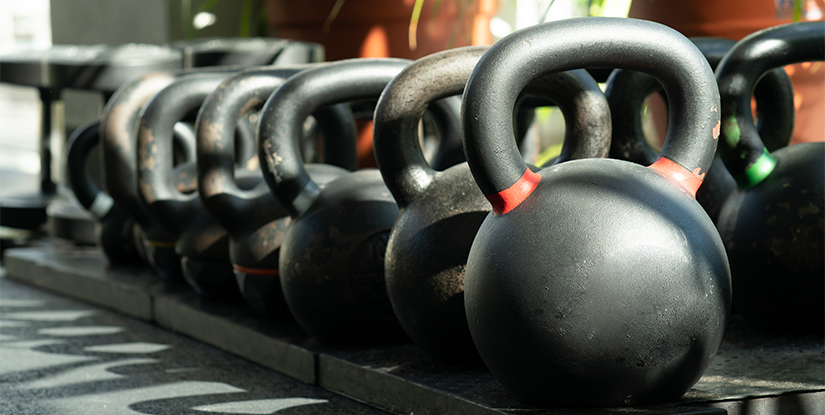
Beyond the numerical accuracy, the balance of each unit in a cast iron kettlebell set is equally important. A poorly balanced kettlebell, where the center of mass is offset, can lead to wrist strain or improper form during high-velocity movements like snatches. By ensuring that each cast iron kettlebell set undergoes rigorous quality assurance protocols before leaving the foundry, you provide a product that is not only "heavy" but "engineered." This distinction allows distributors to command higher margins and positions the product as a professional tool rather than a generic commodity.
Surface Engineering: Powder Coating vs. Painted Finishes in High-Traffic Facilities
The exterior finish of a cast iron kettlebell set is the first point of contact for the user and the first line of defense against the environment. In commercial gyms, equipment is constantly exposed to sweat, humidity, and cleaning chemicals. A standard painted finish on a cast iron kettlebell set is prone to chipping and flaking, which quickly leads to surface rust. Once oxidation begins, the structural integrity remains intact, but the professional appearance of the gym is compromised, making the facility look neglected.
The industry standard for premium cast iron kettlebell sets is a high-adhesion electrostatic powder coating. Unlike traditional paint, powder coating is baked onto the iron at high temperatures, creating a durable, chip-resistant barrier. This finish provides a matte texture that is specifically designed to hold gym chalk, improving grip safety during high-repetition workouts. For a procurement manager, choosing cast iron kettlebell sets with a powder-coated finish significantly reduces maintenance costs. There is no need for frequent repainting or rust removal, which lowers the total cost of ownership over the product's lifespan.
| Finish Characteristic | Standard Painted Finish | Premium Powder Coat Finish |
|---|---|---|
| Durability | Low (easy to chip and scratch) | High (resistant to impact and abrasion) |
| Grip Texture | Slippery when wet; poor chalk adhesion | Matte texture; superior chalk retention |
| Corrosion Resistance | Moderate (requires frequent touch-ups) | Superior (hermetic seal against moisture) |
| Commercial Aesthetics | Degrades quickly under heavy use | Maintains professional look for years |
| Maintenance Need | High (rust removal and sanding) | Low (simple wipe-down) |
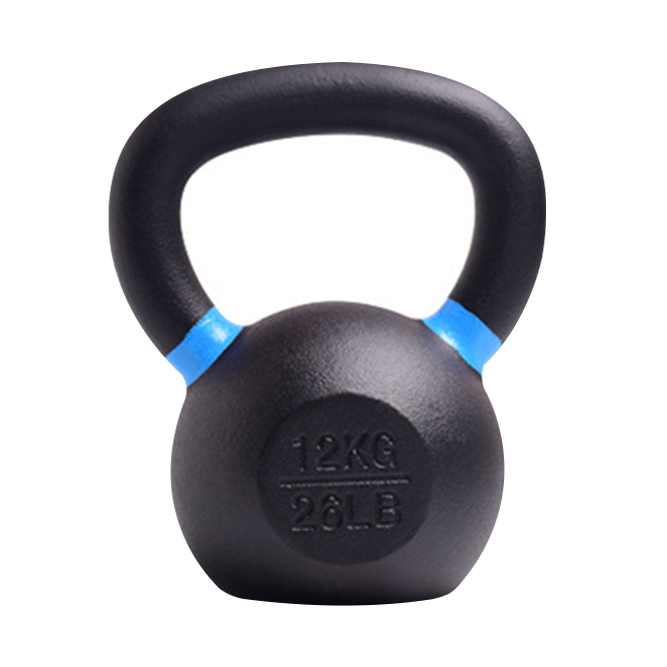
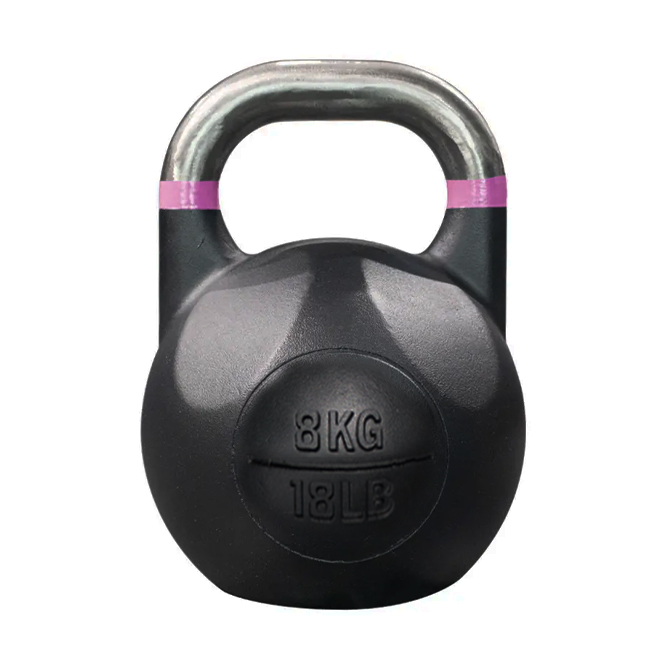
When evaluating a cast iron kettlebell set for bulk order, it is also essential to look for color-coded rings at the base of the handles. While not strictly a "finish" feature, these rings—standardized by international weightlifting federations—allow coaches and members to identify weights at a glance. This small engineering detail enhances gym efficiency and safety. By providing a kettlebell set cast iron that combines a resilient powder coat with intuitive weight identification, you offer a solution that solves both the aesthetic and functional challenges faced by modern fitness facility operators.
Wholesale and Distribution Efficiency: Packaging, Palletization, and Logistics
For high-volume distributors and importers, the logistical overhead of a cast iron kettlebell set can be the difference between a profitable quarter and a logistical nightmare. Kettlebells are "dead weight"—they are dense, heavy, and notoriously difficult to ship without damaging the secondary packaging. Inadequate boxing leads to ruptured cartons during transit, resulting in scratched products and refused deliveries at the customer’s doorstep. This represents a significant drain on resources for any wholesale fitness equipment business.
A professional manufacturing partner understands that the cast iron kettlebell set must be "retail-ready" and "shipping-hardened." This involves using double-wall corrugated cartons with custom-fitted internal inserts that prevent the weight from shifting. For B2B orders, palletization is the most critical factor. By utilizing heat-treated ISPM-15 pallets and heavy-duty shrink-wrapping with edge protectors, we ensure that a cast iron kettlebell set remains stable from the factory floor to your warehouse. This attention to detail reduces "last-mile" damage claims and optimizes your storage footprint, allowing you to stack inventory safely and maximize your vertical warehouse space.
Logistical efficiency also extends to container loading. When ordering cast iron kettlebell sets in bulk, maximizing the floor-loading capacity of a 20GP or 40HC container is essential to lowering the landed cost per unit. By coordinating the weight distribution—placing heavier 40kg+ units at the bottom and lighter 4kg-12kg units strategically—we help distributors minimize shipping costs. Reducing the shipping cost per kilogram allows you to offer more competitive factory direct pricing to your local gym clients while maintaining healthy profit margins.
The Business Case for Custom Branding and OEM Kettlebell Production
In a saturated market, selling a generic cast iron kettlebell set often leads to a "race to the bottom" on price. For distributors and large-scale fitness franchises, the solution is private labeling. Transitioning from a commodity reseller to a brand owner allows you to control the narrative, build customer loyalty, and protect your margins from price-matching software. Custom cast iron kettlebell sets with your logo embossed directly into the mold provide a level of professional authority that stickers or laser etching cannot match.
The OEM process for a cast iron kettlebell set involves creating custom CNC-machined molds. While this requires a higher initial investment in tooling, the long-term brand equity is invaluable. A kettlebell set cast iron featuring your brand’s logo becomes a permanent fixture in your clients' gyms, acting as a constant marketing tool. Beyond logos, OEM services allow for custom weight increments, unique powder coat colors, and specialized handle textures that align with your brand’s specific training philosophy. This level of customization is particularly attractive for boutique fitness chains that want a cohesive "lifestyle" look across all their locations.
| Branding Method | Description | Value for B2B Buyers |
|---|---|---|
| Mold Embossing | Logo is part of the iron casting itself | Permanent branding; cannot be removed or damaged |
| Custom Powder Coating | Unique colors (e.g., brand-specific blue or grey) | High visual impact for boutique gym franchises |
| Laser Etching | High-precision logo marking on the surface | Cost-effective for smaller initial batches |
| Private Label Packaging | Cartons printed with your brand and SKU info | Retail-ready; improves unboxing experience for customers |
By leveraging our factory's OEM / private label capabilities, you move away from competing solely on the price of raw iron. Instead, you are providing a branded fitness solution. We handle the technical complexities—from mold design to weight calibration—allowing you to focus on marketing and distribution. Whether you are looking to launch a signature cast iron kettlebell set for a celebrity trainer or a standardized line for a global gym franchise, a direct factory partnership provides the engineering support needed to scale your brand efficiently.
Total Cost of Ownership (TCO): Evaluating Long-Term Value over Initial Price
When evaluating a cast iron kettlebell set, professional buyers must look beyond the initial invoice. The Total Cost of Ownership (TCO) includes the purchase price plus the costs of maintenance, replacement, and the potential impact on member satisfaction. A "budget" kettlebell set cast iron might save 15% upfront, but if the finish flakes within six months or the handles become abrasive, the cost of replacing those units—including shipping and labor—quickly exceeds the original savings. In a commercial setting, equipment that looks "worn out" also devalues your brand, leading to indirect revenue loss through decreased membership renewals.
A premium cast iron kettlebell set is engineered for a lifespan of 10 to 20 years. By utilizing high-density iron and superior powder coating, these sets remain functional and aesthetically pleasing even with 24/7 facility access. Additionally, standardized cast iron kettlebell sets from a reputable manufacturer ensure that if you need to expand your facility in three years, the new units will match your existing inventory in both dimensions and finish. This consistency is vital for maintaining a professional environment and simplifying the logistics of future equipment upgrades.
| Cost Factor (5-Year Horizon) | Low-Cost Alternative | Commercial cast iron kettlebell set |
|---|---|---|
| Initial Acquisition | Lower | Standard Market Rate |
| Annual Replacement Rate | 10-15% (due to breakage/rust) | 0% (lifetime structural warranty) |
| Maintenance Labor | Frequent (sanding and repainting) | Minimal (basic cleaning) |
| Member Retention Impact | Negative (rough handles/chipped paint) | Positive (high-end professional feel) |
| Total 5-Year Expenditure | Significantly Higher | Predictable and Lower |
For distributors, the TCO logic is a powerful sales tool. By educating your clients on the long-term savings of a high-quality cast iron kettlebell set, you move the conversation away from price-cutting and toward value-based selling. This approach not only increases your average margin but also positions you as a consultant rather than just a supplier. Investing in quality iron is a strategic business decision that secures the operational efficiency of a fitness facility for years to come.
Global Supply Chain Management: What to Expect from a Direct Factory Partnership
Choosing a supplier for your cast iron kettlebell sets is a decision that affects your entire supply chain. A direct factory partnership offers stability that trading companies cannot match. When you source cast iron kettlebell sets directly from the manufacturer, you gain transparency regarding production timelines, material sourcing, and quality control protocols. This direct line of communication is essential for managing seasonal demand peaks and ensuring that your inventory levels remain consistent without overstocking your warehouse.
A professional factory partner provides comprehensive support beyond the production line. This includes managing international logistics, providing accurate HS code classification for customs, and ensuring that all cast iron kettlebell sets are packaged to withstand the rigors of ocean freight. For large-scale procurement, we offer flexible production scheduling, allowing you to stagger shipments to match your cash flow and storage capacity. By streamlining the "factory-to-warehouse" pipeline, we reduce the administrative burden on your team, allowing you to focus on your core business of gym management or retail distribution.
Reliability in the supply chain also means consistency in the product. Our cast iron kettlebell set manufacturing utilizes standardized molds and rigorous metallurgical testing to ensure that the batch you receive today is identical to the one you receive in two years. For brand owners, this consistency is the bedrock of customer trust. Whether you are scaling a local fitness brand or supplying a national gym franchise, our end-to-end export services and commitment to engineering excellence make us the preferred partner for high-volume cast iron kettlebell sets worldwide.