Wholesale Home Gym Equipment for Small Spaces | Top Supplier
Defining Commercial-Grade Home Gym Equipment for Small Spaces
Commercial-grade home gym equipment for small spaces refers to multi-functional, high-density fitness setups designed to maximize utility per square foot. For distributors and commercial buyers, these compact systems optimize supply chain efficiency, reduce shipping overhead, and deliver robust ROI without sacrificing training performance.
From a procurement perspective, sourcing compact fitness gear is fundamentally different from buying standard commercial machines. Buyers must evaluate the balance between a minimal footprint and maximum structural integrity. When outfitting a boutique personal training studio, a corporate wellness room, or a premium residential project, standard consumer-grade equipment commonly fails under high-frequency use. Therefore, the priority shifts to sourcing factory-direct products that utilize heavy-gauge steel and industrial-grade bearings, ensuring long-term durability in a constrained footprint.
As a seasoned B2B gym equipment supplier, we understand that professional buyers are not just purchasing metal and plastic; they are investing in spatial efficiency. High-quality compact equipment effectively consolidates the functions of multiple machines into a single station. This design philosophy reduces the total cost of ownership (TCO) by minimizing equipment redundancy, lowering maintenance requirements, and extending the lifespan of the gear typically deployed in heavy-use environments.
The Distributor's Challenge: Balancing Warehouse Space and Consumer Demand
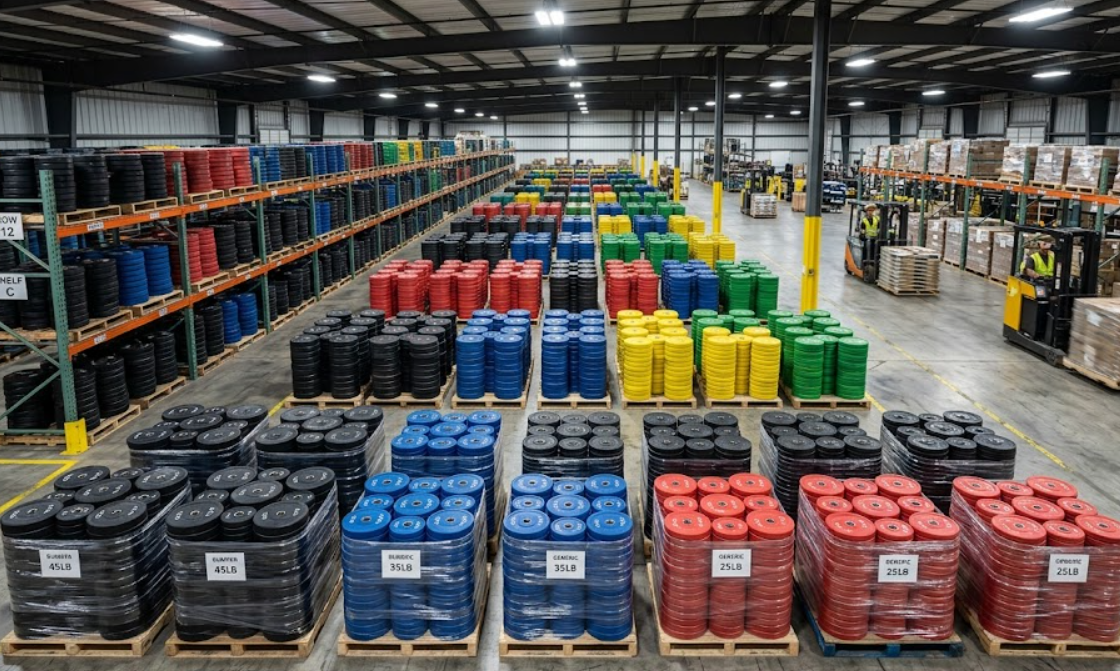
Many fitness equipment distributors face a persistent operational bottleneck: traditional gym equipment demands massive physical storage. Stocking bulky, single-function machines inherently limits warehouse density. This spatial inefficiency directly inflates inventory holding costs and restricts the variety of SKUs a distributor can effectively manage at any given time.
The financial drain of stocking large equipment becomes highly apparent when evaluating supply chain metrics. Every cubic meter of dead space in a container or warehouse pallet erodes profit margins. When market trends shift toward urban living and compact home setups, distributors holding oversized inventory suffer from stagnant turnover rates. High minimum order quantities on these bulky items tie up capital, leaving commercial buyers and retailers unable to pivot quickly to meet the rising demand for the best home gym equipment for small space.
The strategic solution lies in optimizing the product mix with highly space-efficient, flat-packed, and modular fitness gear. By sourcing compact setups, distributors immediately multiply their warehouse storage capacity. A pallet that previously held two traditional leg press machines can easily accommodate dozens of adjustable compact training stations. This shift drastically improves warehouse utilization and significantly lowers the freight cost per unit.
Furthermore, sourcing the best home gym equipment for small spaces directly addresses the core demands of today's market. Whether catering to luxury apartment developers or online retailers, offering space-saving solutions ensures rapid inventory turnover. By partnering with a manufacturer that supports flexible, low MOQs alongside high-volume bulk manufacturing, distributors can safely test market responses, scale up successful product lines, and maintain consistently high retail margins without over-leveraging their warehouse infrastructure.
Core Procurement Standards for Compact Fitness Equipment
Procuring compact fitness gear requires a strict evaluation of engineering tolerances and material quality. A common oversight among buyers is confusing "small footprint" with "light duty." In commercial applications, equipment designed to save space must endure the same, if not greater, mechanical stress as full-sized machines. When evaluating a B2B gym equipment supplier, the procurement focus must center on structural integrity, weight capacities, and the reliability of moving parts.
First, examine the framework construction. The foundation of high-quality home gym equipment for small spaces relies on industrial-grade materials, typically utilizing 11-gauge or 12-gauge heavy steel tubing. This thickness is critical to prevent frame torsion during heavy lifting. Furthermore, the welding quality directly impacts the safety profile. Commercial buyers should specify continuous robotic welding rather than spot welding, as this industry-standard practice ensures structural uniformity and significantly reduces the risk of long-term metal fatigue under heavy loads.
Second, the folding and adjustable mechanisms dictate the product's lifespan. Compact equipment often utilizes pivot points, locking pins, and track systems. In many commercial settings, these components are the first to fail if manufactured with substandard materials. Professional procurement protocols mandate the use of solid steel locking pins, brass or commercial-grade nylon bushings, and high-tensile cables. Products must undergo rigorous quality assurance protocols, including cyclical load testing, to guarantee that hinges and pulleys do not degrade after repeated daily adjustments.
By enforcing these strict procurement standards, buyers protect their investments and brand reputation. Partnering with an industrial iron foundry and equipment manufacturer that implements stringent quality control ensures that the compact gear performs reliably, minimizing post-sale maintenance costs and warranty claims.
Adjustable vs. Fixed Weights: A Floor Space and TCO Analysis
For facility owners and distributors, the choice between traditional fixed free weights and adjustable systems fundamentally alters the spatial and financial dynamics of a fitness project. A standard rack of fixed dumbbells ranging from 5 to 50 pounds typically occupies substantial wall space and requires dedicated floor clearance for safe access. In high-rent urban boutique studios or luxury residential projects, dedicating valuable square footage to static weight storage drastically reduces the operational efficiency of the room.
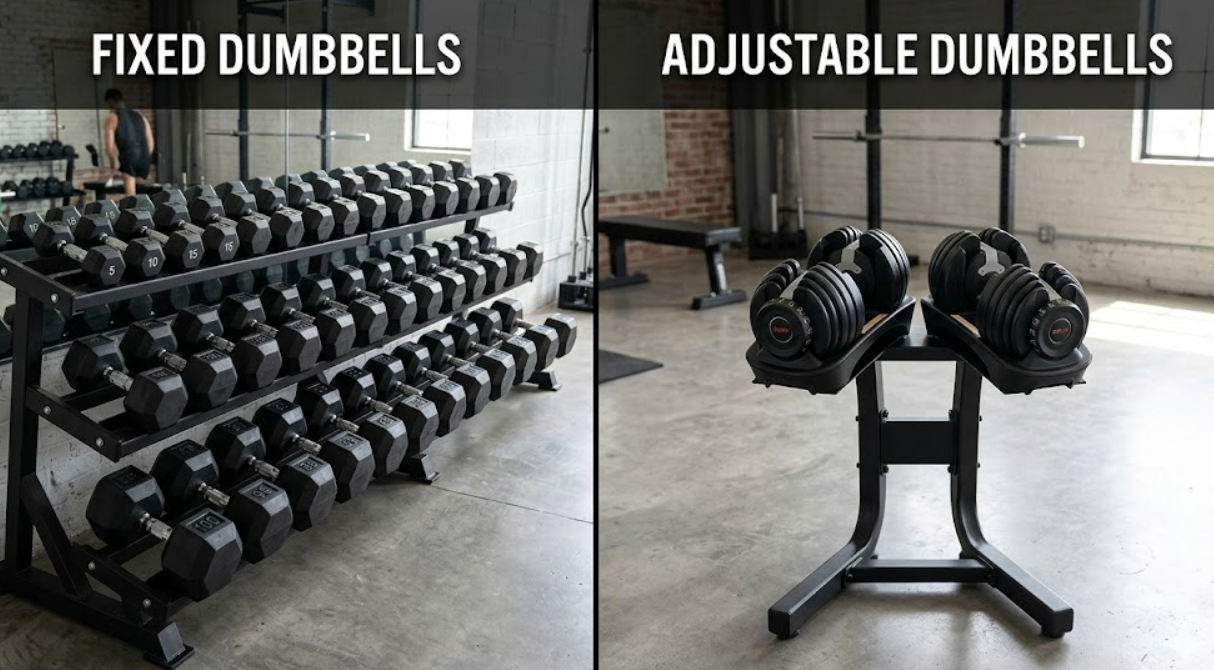
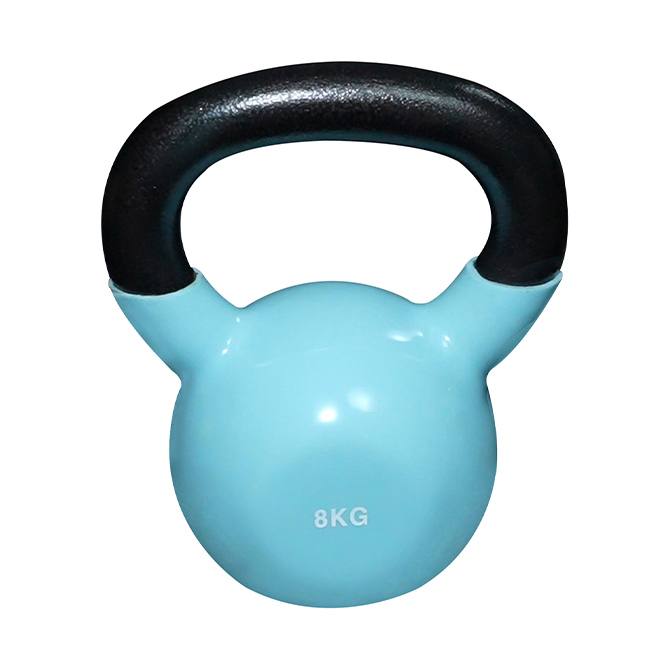
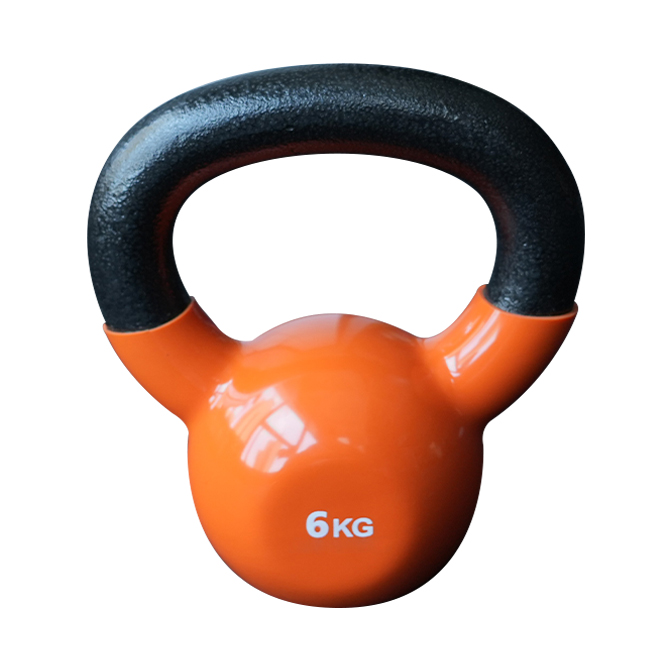
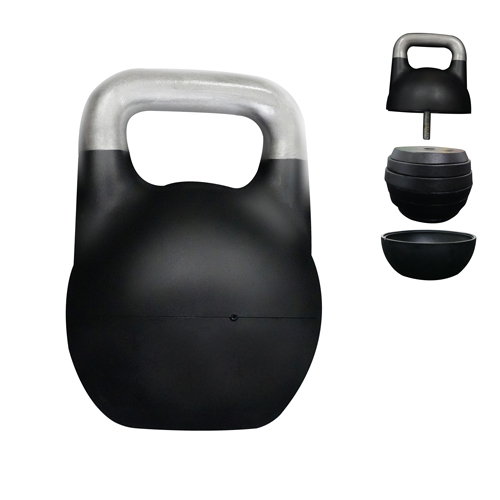
Transitioning to adjustable weight systems is a highly effective spatial optimization strategy. A premium adjustable dumbbell or kettlebell set consolidates an entire rack into a footprint measuring less than a few square feet. This specific category represents the best home gym equipment for small spaces because it immediately recovers usable floor area for dynamic training or additional functional equipment. Beyond spatial gains, the procurement economics heavily favor adjustable units.
| Evaluation Metric | Traditional Fixed Weights (5-50 lbs) | Commercial Adjustable System |
|---|---|---|
| Required Floor Space | Large footprint, requires wall-length storage rack | Minimal footprint, compact vertical or low-profile stand |
| Supply Chain Efficiency | Low pallet density, high shipping weight and volume | High pallet density, compact retail-ready packaging |
| Total Cost of Ownership (TCO) | High initial cost + rack purchase + high freight costs | Lower aggregate cost per weight increment, reduced freight |
| Target Commercial Setup | Large commercial gyms with expansive free weight zones | Boutique studios, corporate wellness rooms, high-end apartments |
Analyzing the Total Cost of Ownership (TCO) reveals a stark contrast. Fixed weight sets incur exorbitant global shipping logistics costs due to their sheer mass and bulky packaging. Conversely, adjustable systems offer exceptional supply chain efficiency. A distributor can pack significantly more adjustable units into a standard shipping container, drastically lowering the landed cost per unit. For bulk fitness equipment orders, this high-density packaging structure directly translates to lower warehousing costs and improved distributor margins.
Structuring Packages for the Best Home Gym Equipment for Small Space
When outfitting multi-unit commercial spaces, purchasing individual pieces of equipment is often highly inefficient. Procurement managers for luxury residential developments, boutique hotel chains, and corporate wellness programs require standardized, turnkey solutions. Structuring curated equipment packages is the most effective way to deploy the best home gym equipment for small space across multiple locations while maintaining brand consistency and cost control.
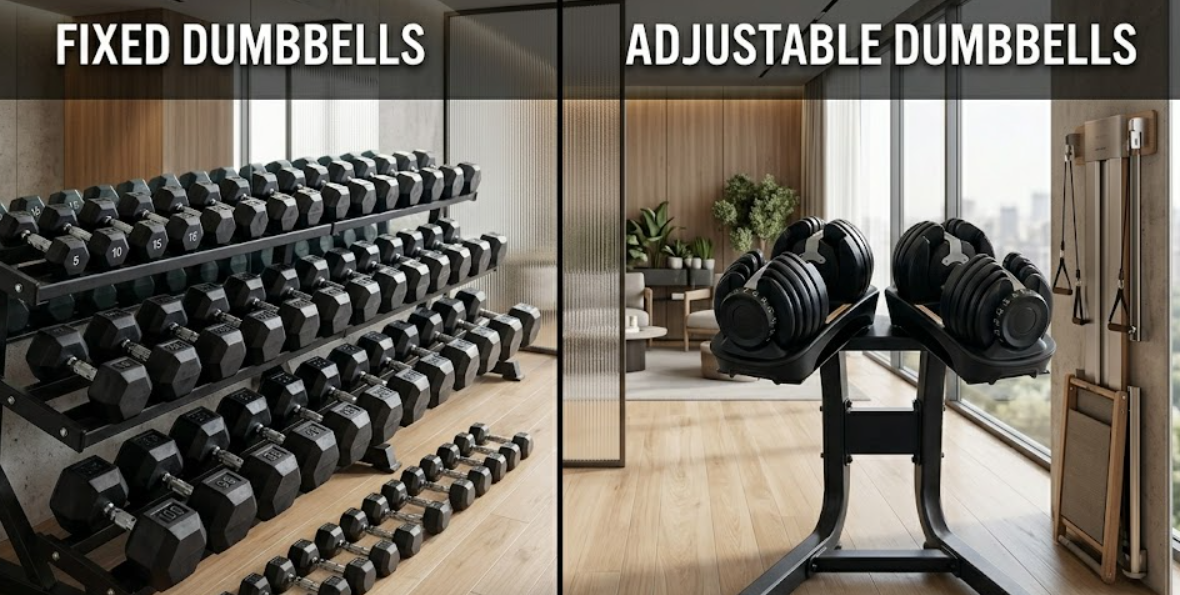
A well-structured compact gym package focuses on multi-modality training within a highly restricted footprint. For instance, a typical high-end apartment amenity room or a hotel suite may only allocate 50 to 100 square feet for fitness. In these scenarios, a standard package commonly includes a commercial-grade folding utility bench, an adjustable dumbbell set with a vertical stand, and a wall-mounted resistance band or cable system. This specific configuration covers comprehensive strength training without permanently consuming the room's floor space, preserving the aesthetics and functionality of the environment.
From a distributor and wholesale perspective, offering pre-configured fitness packages creates a significant competitive advantage. Instead of selling low-margin individual items, distributors can market complete "room-in-a-box" solutions to B2B clients. Sourcing these standardized bundles directly from a B2B gym equipment supplier streamlines the procurement process. It drastically simplifies global shipping logistics, ensures uniform retail-ready packaging, and allows buyers to secure better bulk pricing. This strategic approach not only elevates the average order value but also reduces the friction associated with facility planning and installation.
Manufacturing Quality: Material Specs for High-Volume Usage
A persistent concern among commercial buyers is the assumption that compact or foldable equipment inherently compromises on durability. While this may be true for mass-market consumer goods, commercial-grade compact fitness equipment is engineered to withstand high-volume usage. For buyers sourcing equipment that will serve dozens of users daily, evaluating the raw material specifications and manufacturing processes is a critical procurement step.
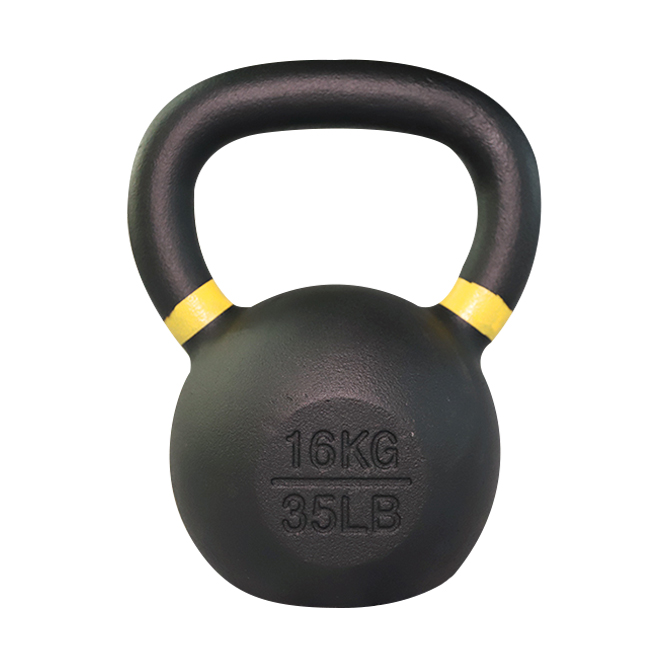
High-quality manufacturers utilize rigorous production standards to ensure longevity. For cast iron components, such as adjustable weights or compact kettlebell training systems, industry-standard gravity casting processes are typically employed. This technique eliminates internal air pockets, ensuring precise weight consistency and superior structural integrity compared to cheaper sand-cast alternatives. Furthermore, the exterior finish plays a vital role in maintenance and aesthetics. Premium equipment features a custom powder coat finish that resists chipping, sweat corrosion, and the heavy wear-and-tear typical of commercial environments.
Evaluating the mechanical components of foldable space-saving gear is equally important. Commercial folding benches and compact racks rely heavily on their pivot joints and locking pins. Quality assurance protocols demand the use of hardened steel hardware and heavy-duty pivot bearings to prevent wobbling under maximum load. By partnering directly with an industrial iron foundry and fitness equipment contract manufacturing facility, buyers can ensure these stringent material specifications are met. This direct relationship guarantees that the equipment not only meets commercial safety standards but also provides a durable foundation for those looking to develop white label fitness products with absolute confidence.
How Space-Saving Designs Reduce Global Shipping Logistics Costs
For large-scale distributors and B2B buyers, the physical volume of a product is just as critical as its unit price. Traditional fitness equipment is notoriously expensive to transport due to its irregular shapes and massive footprint. However, sourcing space-saving designs fundamentally restructures the economics of global shipping logistics. When equipment is engineered specifically for spatial efficiency, the benefits extend far beyond the end-user’s floor plan—they directly impact supply chain profitability.
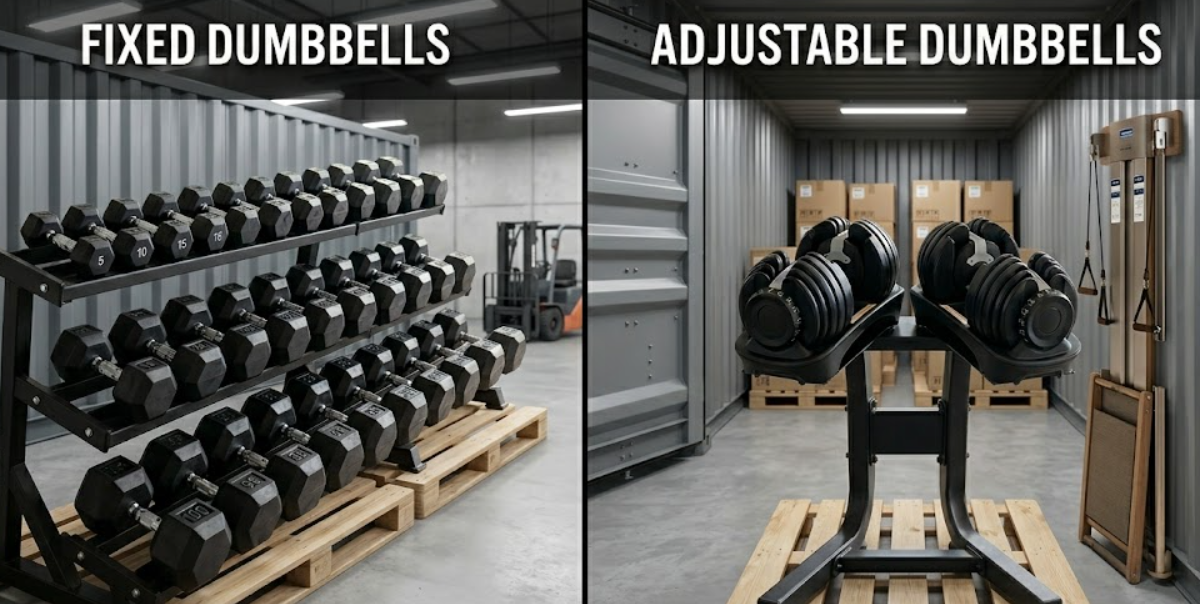
The core advantage lies in packaging density. The best home gym equipment for small spaces is typically designed to be modular or flat-packed. A commercial-grade folding bench or a compact adjustable weight system can be broken down and securely packed into a fraction of the volume required for rigid, fully welded counterparts. This high-density, retail-ready packaging allows distributors to load significantly more units onto a standard pallet and, consequently, maximize the cubic capacity of a 20ft or 40ft shipping container.
This optimization leads to a dramatic reduction in the landed cost per unit. By eliminating "shipping air," buyers effectively slash their freight overhead. Furthermore, efficient packaging minimizes warehouse storage requirements upon arrival. Distributors can hold higher inventory levels of these fast-moving compact SKUs without expanding their physical footprint. By integrating space-efficient designs into their bulk kettlebell orders or general equipment procurement, wholesalers rapidly improve their inventory turnover ratios and protect their distributor margin logic against fluctuating global freight rates.
OEM and Private Label Customization for Compact Gear
In a highly competitive fitness market, offering generic equipment often leads to margin erosion. For serious commercial buyers, gym chains, and fitness brand owners, the ability to customize equipment is a powerful tool for building market share. Sourcing compact fitness solutions provides an excellent platform for OEM (Original Equipment Manufacturer) and private label customizations, allowing buyers to differentiate their offerings and establish brand authority.
Premium fitness equipment contract manufacturing goes far beyond simply slapping a sticker on a pre-existing product. A capable factory-direct supplier will offer comprehensive customization options. This commonly includes custom logo embossing directly onto cast iron plates or polyurethane molds, ensuring a permanent and professional brand presence. Buyers can also specify custom powder coating colors to align the equipment perfectly with a corporate identity, franchise color scheme, or specific interior design aesthetics for high-end hospitality projects.
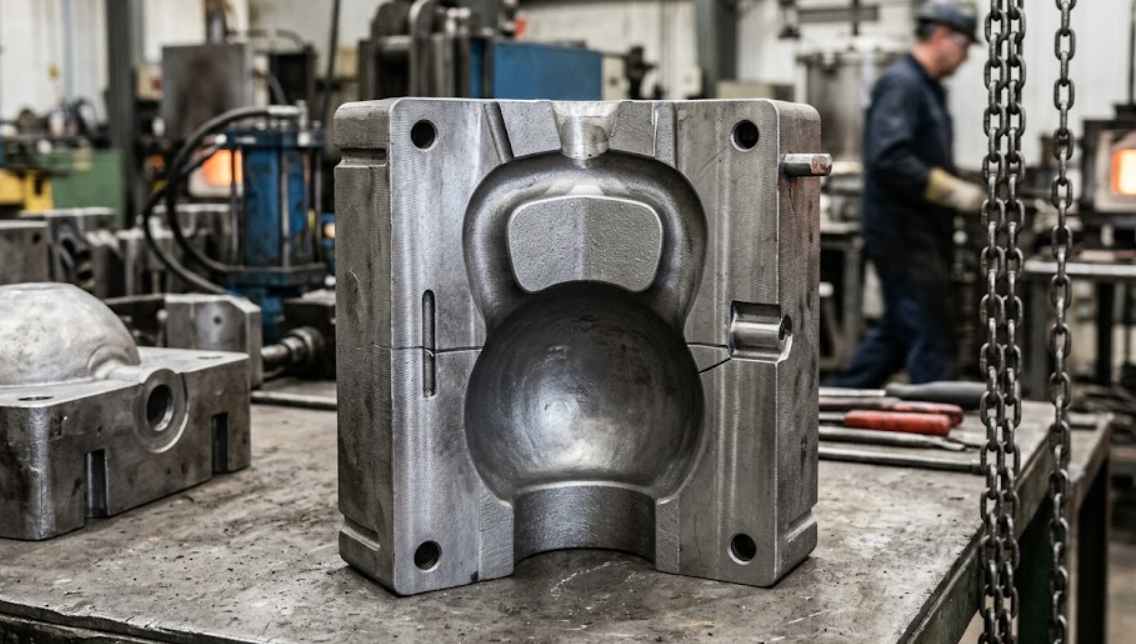
Furthermore, ODM (Original Design Manufacturer) fitness solutions allow buyers to modify existing compact designs to better suit their target audience. This might involve altering the grip knurling, adjusting weight increments, or developing bespoke retail packaging that enhances the unboxing experience. Engaging in custom mold development enables serious buyers to introduce proprietary, space-saving designs to the market. By partnering with a factory that supports flexible customization, brands can elevate the perceived value of their home gym equipment for small spaces, commanding premium retail pricing while maintaining tight control over manufacturing quality.
Wholesale Strategies for the Best Home Gym Equipment for Small Spaces
Transitioning from a procurement strategy to a profitable sales strategy requires aligning with a supplier that understands the operational needs of wholesalers and retailers. Sourcing the best home gym equipment for small spaces is only half the equation; the structural terms of the wholesale agreement dictate the ultimate ROI. To maximize profitability and minimize risk, B2B buyers must implement smart wholesale strategies.
The foundation of a strong wholesale partnership is factory-direct pricing combined with a clear distributor margin logic. By cutting out intermediary trading companies, buyers access transparent pricing that leaves ample room for healthy retail margins. However, price alone is insufficient. Inventory risk is a primary concern for any distributor. Therefore, negotiating flexible minimum order quantities (MOQ) is essential. A reliable B2B gym equipment supplier will accommodate low MOQ requirements or trial orders, allowing distributors to test new compact product lines—such as a novel adjustable kettlebell design—in their local market before committing to massive stock levels.
Additionally, serious buyers should leverage bulk pricing tiers to scale their operations efficiently. As sales velocity increases, stepping up to full-container bulk orders secures the absolute lowest unit cost. To ensure smooth scaling, buyers should coordinate production lead times directly with the factory to avoid stockouts during peak fitness seasons. Finally, utilizing OEM and white label capabilities within these wholesale orders solidifies customer loyalty. When a distributor supplies premium, customized compact gear, they shift from competing purely on price to competing on brand value and exclusive product availability.