Wholesale Home Gym Workout Equipment for B2B Suppliers & Retailers | Commercial Grade Solutions
For distributors and large-scale retailers, sourcing the right home gym workout equipment for a demanding market requires more than just aesthetic appeal. It demands a rigorous focus on material durability, logistics efficiency, and long-term ROI. We provide industrial-grade solutions that bridge the gap between residential convenience and commercial-grade performance, ensuring your inventory remains a high-value asset rather than a liability.
Defining the Standards of Modern Home Gym Workout Equipment for Commercial Resale
Professional home gym workout equipment for B2B distribution encompasses high-durability, space-efficient strength and cardio tools designed for residential use but built to commercial specifications. This category prioritizes material integrity, low maintenance, and high resale margins, ensuring distributors provide long-term value while minimizing post-purchase liability and return rates in the competitive retail market.
The Shift Toward Commercial-Grade Home Solutions
The boundary between professional gym gear and home equipment for gym setups has blurred. Modern procurement managers now look for equipment for a home gym that utilizes gravity casting and powder coat finish—features once reserved for elite training centers. This shift is driven by a consumer base that demands longevity and a distributor's need for lower overhead. By stocking home gym workout equipment for professional-grade home use, you reduce the risk of structural fatigue and warranty claims that often plague cheaper, hollow-core alternatives.
The Hidden Costs of Substandard Home Gym Inventory: A PAS Analysis
Pain: Many distributors are lured by low-cost manufacturers, only to face high return rates due to weight inconsistency, chipping powder coat finish, or structural failure. These issues don't just eat into your immediate margins; they erode the trust of your retail partners and gym owners who rely on your curation.
Agitation: Every failed unit represents more than just a refund. It involves reverse logistics costs, warehouse labor, and a tarnished brand reputation. In the B2B world, a 5% return rate can be the difference between a profitable quarter and a net loss. Furthermore, poor-quality home equipment for gym use often results in "dead stock" when savvy buyers recognize inferior weight tolerance standards or ergonomic flaws.
Solution: We mitigate these risks by implementing quality assurance protocols that match industrial iron foundry standards. Our home gym workout equipment for B2B clients undergoes rigorous load testing and gravity casting to ensure weight consistency across every batch. By investing in higher-tier equipment for a home gym, you lower the Total Cost of Ownership (TCO) for the end-user while securing your position as a reliable supplier of professional kettlebells and strength tools.
Procurement Dimensions: Durability and ROI
When evaluating home gym workout equipment for your next bulk order, consider the following durability factors that directly impact your bottom line:
| Durability Factor | Impact on Distributor ROI | Standard Requirement |
|---|---|---|
| Gravity Casting Process | Eliminates internal air bubbles, preventing fractures during shipping and high-intensity use. | Zero internal voids |
| Powder Coat Finish | Resists corrosion and chipping in humid home environments, reducing "damaged on arrival" claims. | Industrial grade |
| Weight Tolerance Standards | Ensures the product matches the advertised specs, critical for building brand authority. | +/- 1% to 3% |
| Ergonomic Design | Reduces user injury risk, lowering legal and insurance liabilities for the seller. | Optimized kettlebell grip |
Engineering Durability: Why Gravity Casting and Powder Coating Matter in B2B Procurement
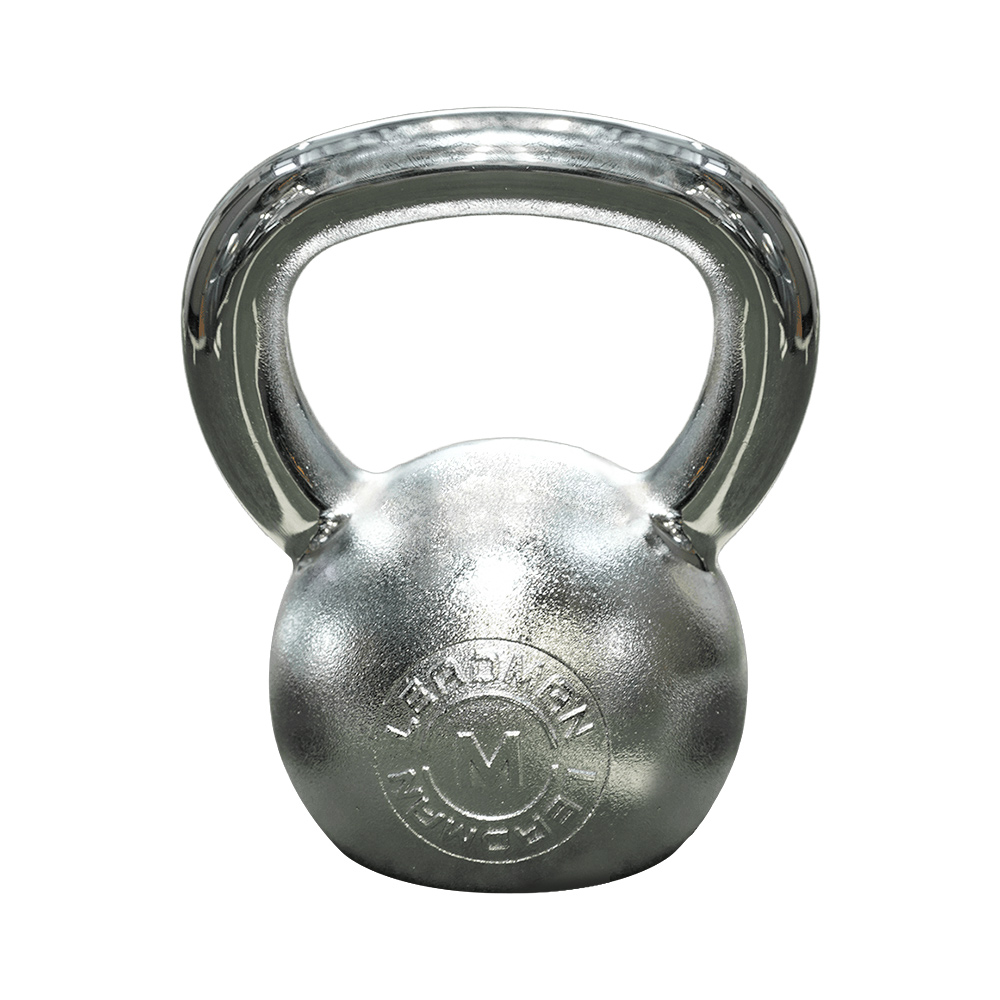
For a kettlebell OEM manufacturer, the manufacturing process dictates the long-term profitability of the distributor. Most entry-level home gym workout equipment for mass retail is produced using sand casting, which often leaves internal voids or "blowholes." These structural weaknesses can lead to catastrophic failure under stress, a risk no professional supplier should take. By utilizing a gravity casting process, we ensure a dense, single-piece iron mold that provides superior weight consistency and structural integrity.
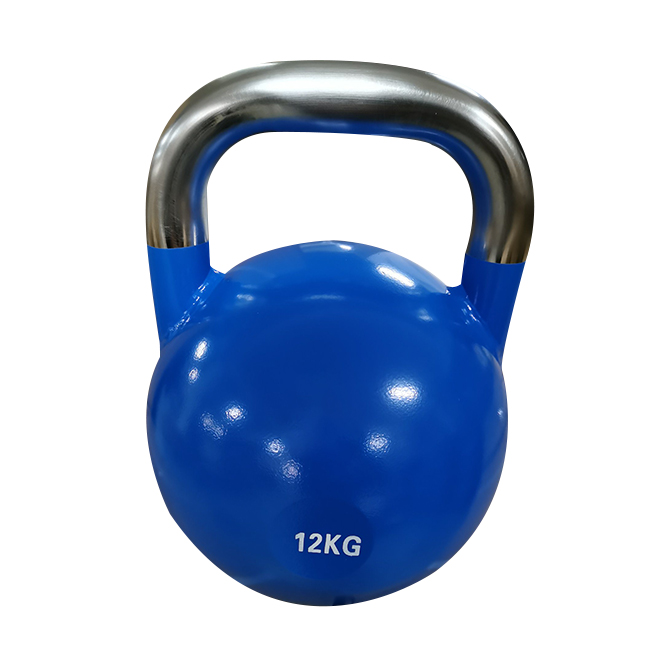
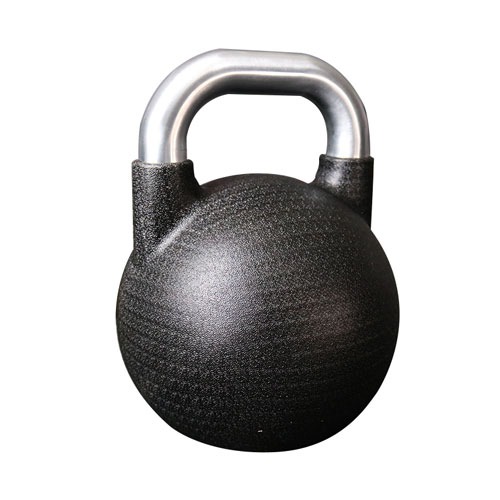
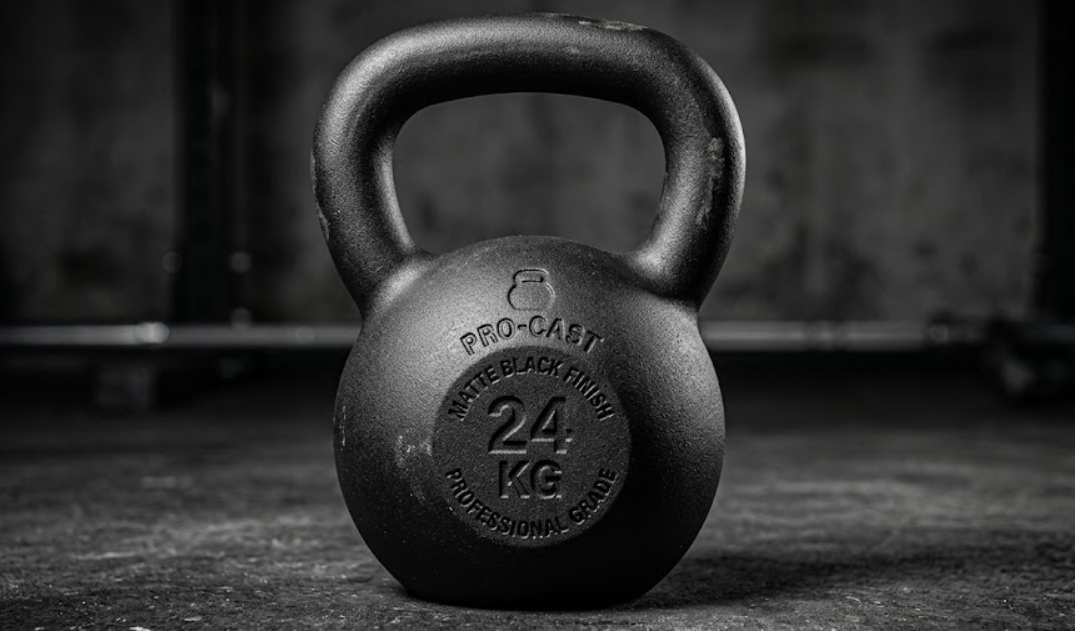
The exterior finish is equally critical for equipment for a home gym. A standard paint job will flake and peel, leading to oxidation and customer dissatisfaction. We apply a specialized powder coat finish that creates a textured, matte surface. This isn't just for aesthetics; it improves the kettlebell grip for the user and protects the iron from humidity in garage gym environments. When your wholesale fitness equipment arrives at a retail partner's warehouse, the durability of this coating ensures the product remains "shelf-ready" even after long-distance global shipping logistics.
Technical Specifications for Bulk Procurement
Understanding the engineering metrics allows you to communicate value to your B2B clients. Professional home gym workout equipment for retailers should meet these minimum benchmarks:
- Material: ASTM Grade 20 Gray Iron or higher for cast iron kettlebell lines.
- Finish: Electrostatically applied powder coating, cured at high temperatures for chip resistance.
- Handle Diameter: Standardized kettlebell handle size (typically 33mm to 38mm) to accommodate a broad range of users.
- Base: Machined flat surfaces to ensure stability when placed on a kettlebell rack or floor.
Maximizing Warehouse Efficiency: Space-Saving Designs for High-Volume Distributors
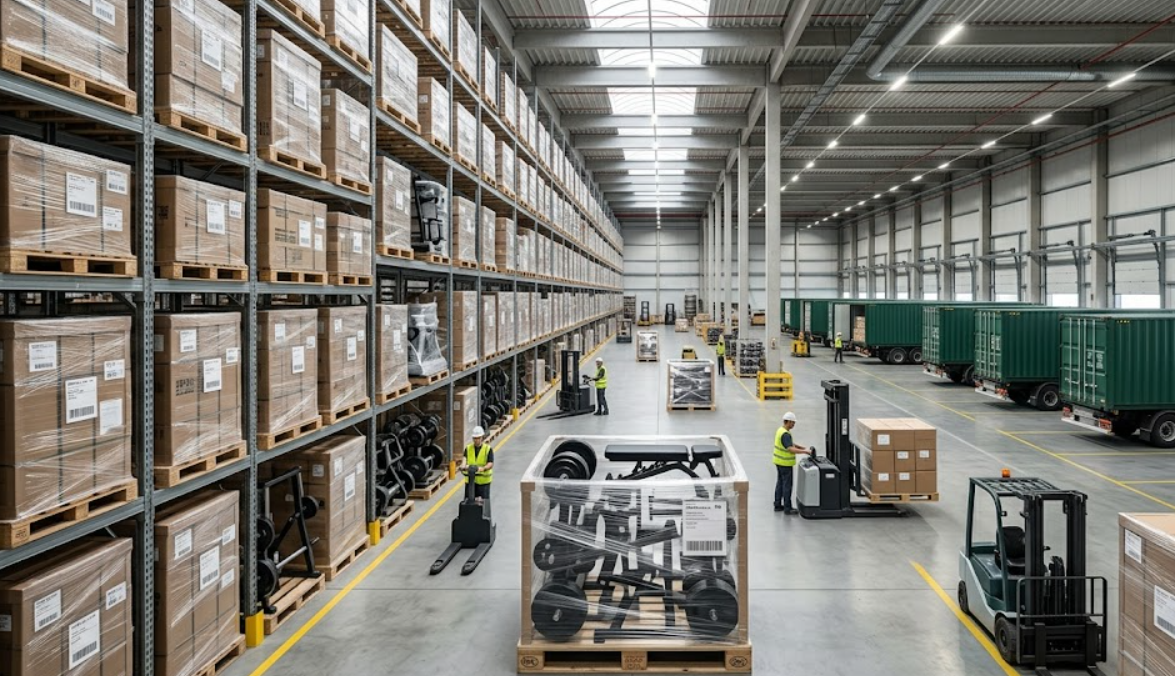
Warehouse space is one of the highest overhead costs for any wholesale fitness equipment provider. Carrying an extensive range of home equipment for gym setups can lead to "inventory bloat" if the products are bulky or poorly packaged. We focus on ergonomic design and kettlebell dimensions that allow for maximum pallet density. Our retail-ready packaging is reinforced to withstand stacking, reducing the footprint required in your distribution center.
For distributors looking to optimize their SKU count, we recommend focusing on multi-functional equipment for a home gym. For instance, a well-designed cast iron kettlebell set provides more training utility per square foot than large, single-purpose machines. This efficiency translates directly to your bottom line, as you can ship more "units of fitness" per container, lowering your landed cost per item.
Logistics and Pallet Efficiency Comparison
Efficient logistics is a core pillar of B2B success. Below is a comparison of how professional kettlebell sets compare to traditional strength equipment regarding storage and shipping efficiency:
| Equipment Type | Units Per Standard Pallet | Shipping Damage Risk | Assembly Required | Inventory Turnover Potential |
|---|---|---|---|---|
| Professional Kettlebells | 40 - 60 units | Very Low (Solid Cast) | None | High (Core Item) |
| Standard Home Equipment for Gym (Benches) | 10 - 15 units | Medium (Bolts/Padding) | Significant | Medium |
| Multi-Station Machines | 1 - 2 units | High (Mechanical Parts) | High (Complex) | Low (Niche) |
By prioritizing high-density home gym workout equipment for your catalog, you improve your warehouse's production lead time and fulfillment speed. This lean approach to inventory management is what allows our partners to scale their quarterly volume by over 400% without a proportional increase in storage costs.
Comparing Fixed vs. Adjustable Solutions: Which Yields Better Distributor Margins?
In the selection of home gym workout equipment for a diverse client base, distributors often face a dilemma: should they stock a high volume of fixed units or focus on space-saving adjustable gear? From a B2B gym equipment supplier perspective, the decision rests on inventory turnover and the target end-user’s budget. While adjustable items are popular for small apartments, fixed cast iron kettlebell sets remain the gold standard for durability and repeat business.
Fixed home equipment for gym setups typically commands a higher Lifetime Value (LTV). Once a customer purchases a 16kg unit, they are statistically likely to return for a 20kg or 24kg model as their workout intensity increases. This creates a predictable sales funnel that adjustable units, which are "one-and-done" purchases, cannot match. Furthermore, fixed equipment for a home gym has fewer moving parts, virtually eliminating the maintenance costs and mechanical failures associated with complex locking mechanisms.
| Feature | Fixed Strength Equipment | Adjustable Equipment |
|---|---|---|
| Distributor Margin | Higher cumulative margin via repeat sales. | Higher single-unit margin; lower LTV. |
| Warehouse Complexity | Requires more SKU management. | Lower SKU count; higher shelf density. |
| Durability & Returns | Near-zero return rate due to solid construction. | Higher risk of mechanical failure. |
| B2B Target | Small studios, serious home lifters, CrossFit boxes. | Casual home users, space-constrained buyers. |
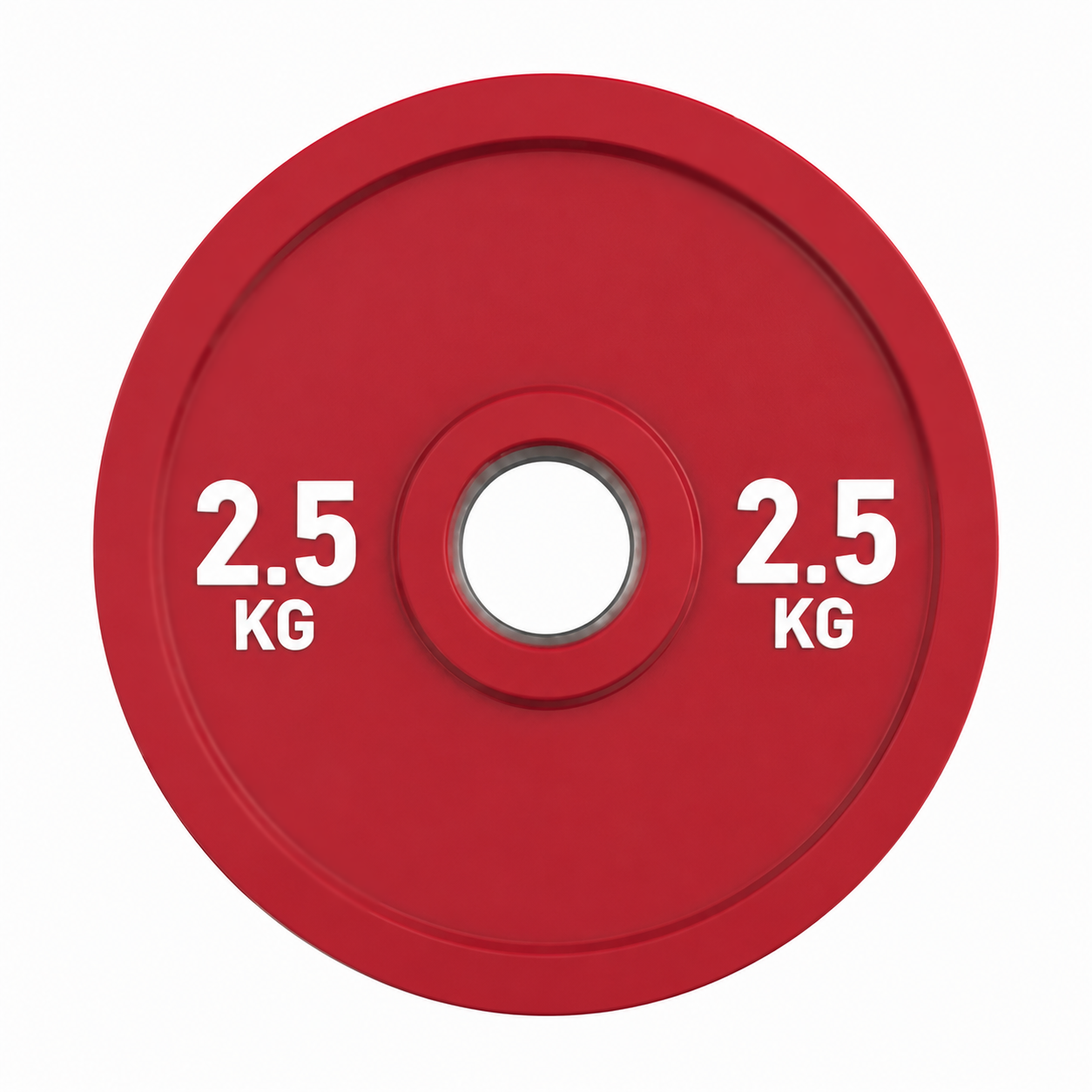
For most wholesale fitness equipment portfolios, we recommend a 70/30 split. The 70% core inventory should consist of high-durability, fixed-weight standard kettlebells and plates that anchor your brand in the professional market, while the remaining 30% can capture the "space-optimizer" demographic with adjustable equipment for a home gym.
Customization and Private Labeling: Building Your Brand with OEM/ODM Solutions
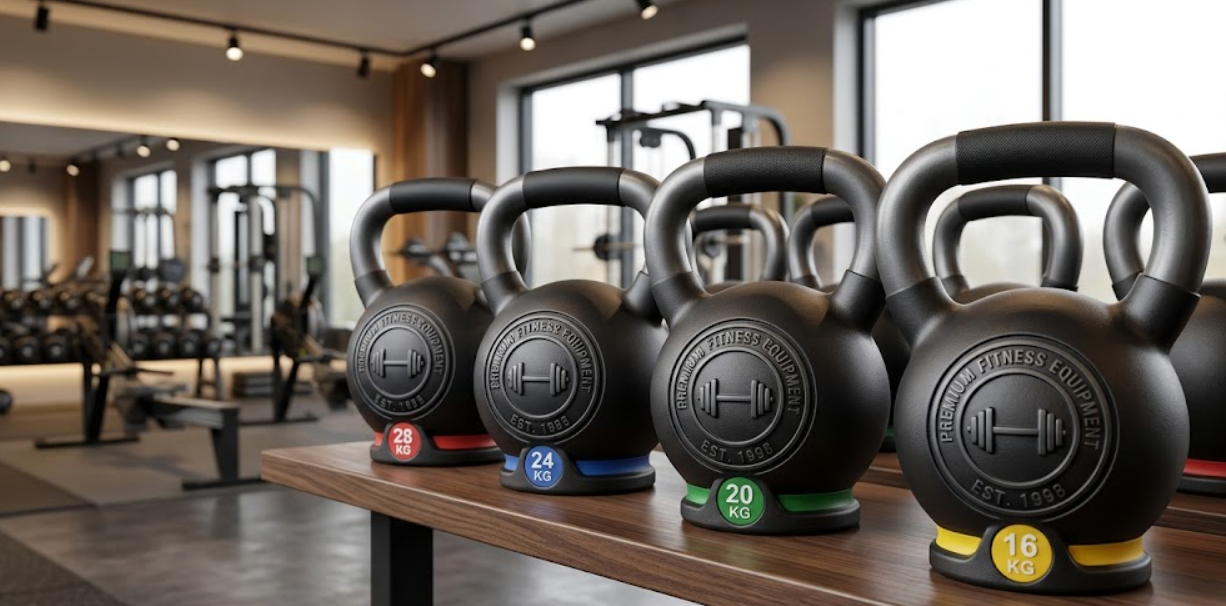
To survive in the wholesale fitness equipment market, you must move beyond generic products. Establishing a brand moat through private label kettlebells and white label fitness products allows you to control the narrative and the pricing. As a kettlebell OEM manufacturer, we specialize in custom mold development, allowing you to emboss your logo directly into the iron. This isn't just branding; it's a mark of quality that prevents your products from being easily price-compared against generic competitors.
Our ODM fitness solutions extend beyond simple logos. We assist in optimizing kettlebell dimensions and handle size based on your specific market data. Whether you are targeting the European market with specific weight consistency requirements or the US market where powder coat finish texture is a high-priority selling point, our custom logo embossing and custom powder coating services ensure your home gym workout equipment for retail stands out. This depth of fitness equipment contract manufacturing is what allows a startup distributor to present as an established industry leader.
The Strategic Advantage of Custom Mold Development
Investing in custom mold development offers several long-term B2B advantages:
- Market Exclusivity: Your unique ergonomic design cannot be legally replicated by other wholesale fitness equipment suppliers.
- Reduced Price Sensitivity: Custom features allow for premium pricing, moving the conversation away from "price per kilo" to "brand value."
- Consistency: Using a dedicated mold at our industrial iron foundry ensures every batch of home equipment for gym use meets identical weight tolerance standards.
Quality Assurance Protocols: Reducing After-Sales Return Rates to Below 0.3%
For a high-volume B2B gym equipment supplier, the most significant drain on profitability is the cost of quality failure. In the home gym workout equipment for retail market, a product that fails in a customer's living room results in a logistical nightmare of returns and negative reviews. Our quality assurance protocols are designed to catch defects at the source—the industrial iron foundry—rather than at the customer's door.
Every batch of equipment for a home gym undergoes a multi-stage inspection process. We begin with raw material testing to ensure the iron purity meets cast iron kettlebell standards. Following the gravity casting process, units are checked for surface smoothness and structural voids. Finally, we conduct a weight tolerance standards check where each piece is weighed to ensure it falls within the strict +/- 1% to 3% margin required for professional training. This rigorous attention to detail is why our partners experience a return rate of less than 0.3%, significantly lower than the 5% industry average for home equipment for gym products.
The Inspection Checklist for Professional Procurement
When auditing a kettlebell OEM manufacturer, ensure their quality assurance protocols include the following critical checks:
| Inspection Stage | B2B Quality Metric | Business Objective |
|---|---|---|
| Foundry Casting | Visual inspection for slag and air pockets. | Prevent structural breakage during high-impact kettlebell swings. |
| Coating Adhesion | Cross-hatch adhesion test on powder coat finish. | Ensure longevity in humid home or garage environments. |
| Weight Calibration | Digital scale verification against master weights. | Maintain brand integrity and user safety in strength training. |
| Packaging Stress | Drop-test verification for retail-ready packaging. | Minimize "Damaged in Transit" claims during global shipping logistics. |
Logistics and Global Shipping: Optimizing Lead Times for Large-Scale Orders
In the world of wholesale fitness equipment, timing is everything. A delay in production lead time can cause you to miss seasonal sales peaks or lose a contract with a major gym franchise. We manage global shipping logistics with a focus on "flexibility and reliability," offering ODM fitness solutions that include optimized shipping schedules. By maintaining a minimum order quantity (MOQ) that balances production efficiency with distributor cash flow, we help you scale your home gym workout equipment for retail without overextending your capital.
Effective logistics management also involves "flexibility in SKU assortment." We allow distributors to mix different weights and types of equipment for a home gym within a single container. This approach reduces the risk of being overstocked on niche weights while running out of high-demand kettlebell dimensions. Our proximity to major shipping hubs and our experience with fitness equipment contract manufacturing ensure that whether you are ordering private label kettlebells or standard kettlebells, the transit is seamless and documented at every stage.
Optimizing Your Supply Chain for Resilience
To maintain a competitive edge, distributors should evaluate their home gym workout equipment for supply chain based on these three logistical pillars:
- Lead Time Consistency: Work with a kettlebell OEM manufacturer that provides clear production lead time windows, allowing for better inventory planning.
- Landed Cost Analysis: Factor in duty, taxes, and global shipping logistics to understand the true cost of your wholesale fitness equipment.
- Flexible MOQ: Choose a B2B gym equipment supplier that offers tiered minimum order quantity options to support both market testing and full-scale launches.
Strategic Pricing for B2B Partners: Scaling Your Fitness Equipment Business
Pricing strategy is the lever that determines how fast a distributor can penetrate a new territory. When sourcing home gym workout equipment for a wholesale portfolio, the goal is to secure a B2B gym equipment supplier that offers tiered pricing structures. This allows you to maintain healthy margins during promotional cycles while remaining competitive against direct-to-consumer brands. Our factory direct pricing model is built on economies of scale, passing the cost savings of high-volume gravity casting and production lead time optimization directly to our partners.
For retailers, the ROI on equipment for a home gym is not just the margin on the first sale, but the reduction in operational friction. By stocking home equipment for gym use that is built to a commercial standard, you reduce the "hidden costs" of customer support and technical inquiries. Our wholesale fitness equipment pricing includes long-term support and spare parts availability, ensuring that your home gym workout equipment for resale remains a low-maintenance, high-profit product line as you scale from local distribution to national retail presence.
The B2B Profitability Matrix
Successful wholesale fitness equipment procurement relies on balancing four key financial metrics to ensure a sustainable business model:
| Financial Metric | B2B Strategy | Target Outcome |
|---|---|---|
| Tiered MOQ Pricing | Lower unit costs as order volume increases. | Increased price flexibility for retail promos. |
| Landed Cost Optimization | Maximizing container density with ergonomic design. | Lower shipping cost per kilogram. |
| Warranty Reserve | Selecting professional kettlebells with low failure rates. | Reduced capital locked in "repair/replace" funds. |
| Brand Premium | Utilizing custom logo embossing and unique finishes. | Avoidance of "race to the bottom" price wars. |
By focusing on these ROI-driven factors, our partners can confidently invest in home gym workout equipment for their specific markets, knowing that the structural quality and pricing logic are designed for commercial success.