Kettlebell Soft: Wholesale China Factory MOQ and Supply
Optimizing Inventory with Kettlebell Soft Wholesale Sourcing
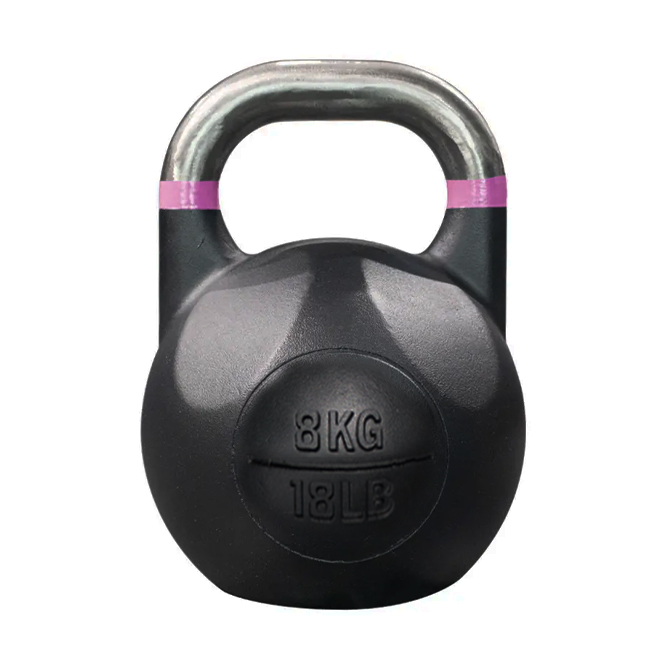
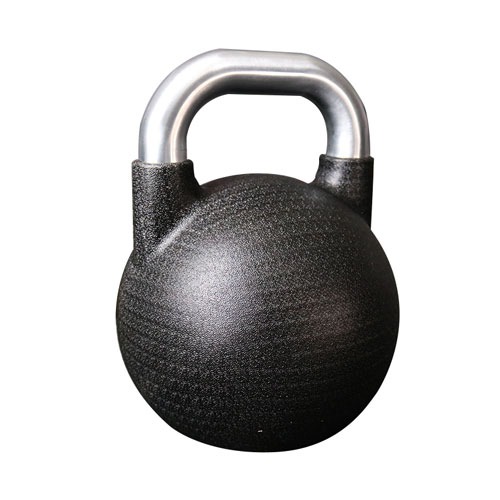
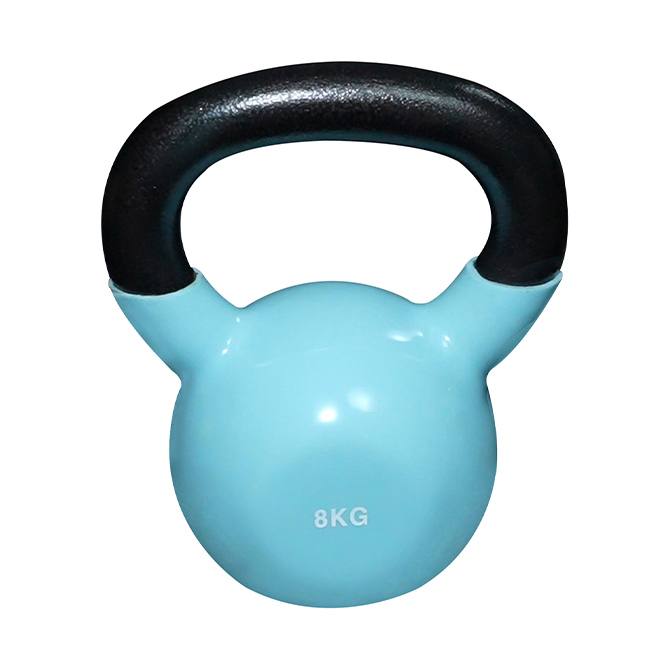
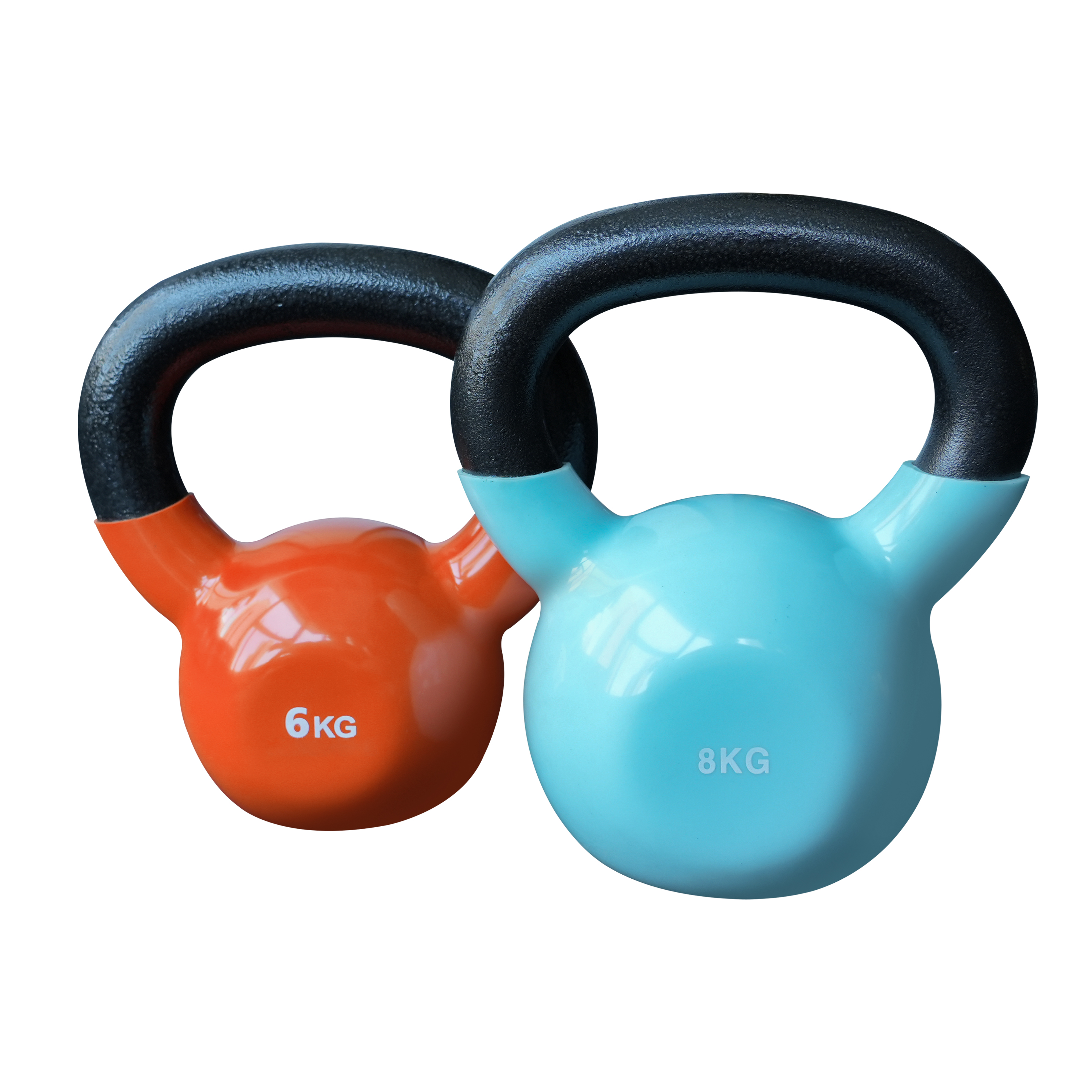
A kettlebell soft is a specialized fitness implement featuring a weighted core encased in a durable, impact-resistant outer shell. B2B buyers prioritize these units because they offer superior floor protection and reduced noise, making them ideal for high-traffic commercial environments and boutique studio settings.
For distributors and warehouse managers, the logistics of managing heavy, rigid iron implements can be a significant burden. Traditional cast iron models require robust shelving and significant physical space. By transitioning to a soft kettlebell wholesale model, importers can leverage the inherent flexibility of the material to optimize warehouse space. Because these units are often more impact-tolerant and slightly more compact in specialized storage configurations, they allow for more efficient stacking and handling during the sourcing process.
Furthermore, professional buyers must balance a wide range of weight increments with the physical footprint of their stock. A reliable commercial soft kettlebell supplier provides a diverse SKU spectrum that ensures you can meet the demands of both strength and metabolic conditioning clients without overextending your storage capacity. This variety is essential for maintaining high inventory turnover, as it allows your clients to find specific weights quickly while you maintain a lean, high-velocity stock profile.
When calculating the landed cost for a large-scale shipment, the weight-to-volume ratio of these implements becomes a critical factor in your profit margins. Choosing a custom branded soft kettlebell through a direct China factory allows you to control the specifications of the outer shell and internal density. This level of OEM control ensures that your bulk orders are optimized for both shipping container density and the specific durability standards required by your target market, ultimately protecting your distributor margins.
Strategic Sourcing: Factory-Direct vs. Trading Company Procurement
Distributors often face a critical decision when expanding their product lines: whether to source through a traditional trading company or engage directly with a specialized manufacturer. While trading companies offer convenience, they often introduce multiple layers of markup and communication friction that can erode your net margins. For professional buyers, understanding the structural differences in these supply chains is essential for long-term profitability.
Directly partnering with a China factory provides a transparent view of the production process, allowing for tighter control over the material quality and the internal weight distribution of each unit. This direct access is particularly vital when you require a custom branded soft kettlebell to build your own brand identity in the premium fitness market. By bypassing intermediaries, you can more effectively manage your MOQ and ensure that your specific design requirements are met without the typical distortions found in third-party procurement.
| Procurement Dimension | Direct Factory Sourcing (OEM/Wholesale) | Traditional Trading Company |
|---|---|---|
| Cost Structure | Highest margin potential via direct pricing | Lower margins due to intermediary markups |
| Customization | Full OEM and ODM capabilities | Limited to existing stock or generic options |
| MOQ Control | Negotiable based on production capacity | Often rigid and dictated by trader stock |
| Quality Oversight | Direct access to factory QC and inspections | Indirect and dependent on trader reporting |
| Lead Time | Optimized for direct production scheduling | Subject to trader-to-factory communication lag |
| Brand Identity | Supports extensive private label development | Usually restricted to unbranded or generic goods |
For those looking to scale, the ability to request a detailed spec sheet or a sample approval process directly from the supplier ensures that your bulk orders align with commercial-grade expectations. We recommend that buyers conduct a factory audit or book a pre-shipment inspection to validate the durability of the outer shell and the consistency of the weight increments before finalizing large-scale shipments.
Building Brand Equity Through Customization and OEM Capabilities
For distributors aiming to move beyond generic commodity trading, the ability to offer specialized, high-margin products is essential. Relying solely on off-the-shelf inventory often leads to price wars and shrinking margins. Instead, leveraging a custom branded soft kettlebell allows you to transition from a mere reseller to a recognized brand owner. By integrating your own logo and specific design elements, you create a unique market position that fosters customer loyalty and increases the perceived value of your fitness equipment catalog.
Professional procurement leads should look for a partner that offers comprehensive OEM and ODM services to ensure true product differentiation. Whether you require a specific color scheme to match a boutique studio's aesthetic or a unique texture for the outer shell to improve grip, a direct manufacturer can accommodate these technical shifts. This level of customization is a powerful tool for building a cohesive brand identity, allowing you to present a professional, unified front to your end-users, from commercial gym chains to premium home-gym retailers.
Implementing a private label strategy via a specialized supplier also provides a defensive moat against low-cost competitors. When your clients purchase a product that is uniquely yours, they are less likely to price-shop against generic alternatives. This strategic move optimizes your long-term ROI by shifting the focus from the lowest unit price to the highest total value and brand recognition. To begin this transition, we encourage buyers to request a detailed sample kit or a custom prototyping quote to evaluate how your specific branding can be integrated into the production workflow.
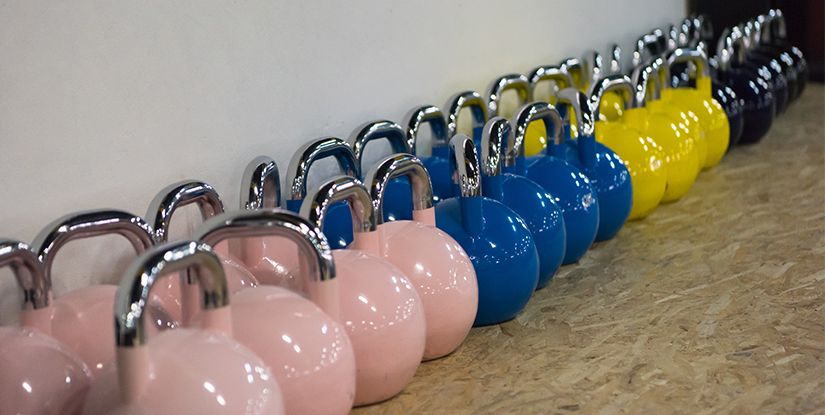
Evaluating Material Durability and Commercial Safety Standards
For professional importers and distributors, sourcing a reliable kettlebell soft requires more than just aesthetic appeal; it demands strict adherence to material integrity to mitigate long-term liability. When managing bulk orders for high-traffic fitness centers, the choice of internal and external components directly impacts your total cost of ownership and product replacement cycles.
A premium commercial soft kettlebell supplier must ensure that every unit utilizes high-density foam cores to maintain structural shape under repetitive impact. Furthermore, the outer layer must consist of non-toxic PU/PVC materials that are both sweat-resistant and durable enough for rigorous commercial use. Selecting a China factory that prioritizes these specifications ensures your inventory meets international safety standards, reducing the risk of material failure or skin irritation for end-users.
| Material Configuration | Core Density Type | Surface Durability | Commercial Suitability |
|---|---|---|---|
| Standard PU Layer | Medium Density Foam | Moderate Wear Resistance | Studio/Home Use |
| Premium Non-Toxic PU/PVC | High-Density Foam | High Abrasion Resistance | Full Commercial Gyms |
| Custom Branded Soft Kettlebell | Reinforced Structural Foam | Extreme Impact Resistance | Professional Training Facilities |
Selecting a custom branded soft kettlebell with standardized high-density foam and medical-grade non-toxic PU/PVC allows distributors to offer a superior product that withstands the mechanical stress of high-volume environments. We recommend that all procurement leads request specific material safety data sheets and confirm the wholesale quality assurance protocols during the initial sourcing phase to ensure full compliance with your local market regulations.
The technical distinction between consumer-grade products and professional-grade equipment often lies in the precision of weight distribution and seam reinforcement. For distributors managing large-scale inventory, a soft kettlebell wholesale order that lacks uniform density can lead to significant product returns and diminished brand trust. A professional commercial soft kettlebell must undergo rigorous testing to ensure the internal weight remains centered, preventing the shifting or sagging often seen in lower-tier manufacturing.
To assist in your procurement evaluation, the following comparison highlights the critical engineering differences between standard retail units and factory-direct commercial specifications. When you engage in large-scale sourcing, verifying these structural benchmarks is essential for calculating long-term reliability and minimizing replacement costs for your clients.
| Technical Specification | Standard Consumer Grade | Commercial-Grade Specification |
|---|---|---|
| Internal Weight Distribution | Variable/Shifting density | Uniform/High-density structural core |
| Seam and Stitching Strength | Basic single-stitch construction | Reinforced industrial-grade stitching |
| Surface Material Integrity | Standard PU/PVC coating | High-abrasion resistant non-toxic PU |
| Impact Resilience | Low to Moderate | High (Optimized for heavy repetition) |
| Maintenance Requirement | Frequent replacement due to wear | Low maintenance/High durability |
When evaluating your next batch, we suggest requesting a sample to verify the hand-feel and weight consistency. A direct factory audit or a pre-shipment inspection focusing on the seam strength and material density will provide the necessary validation for your bulk investment. Confirming these technical details during the initial quote stage helps ensure that your landed cost reflects a truly high-performance product suitable for professional training environments.
Ensuring Weight Precision and Quality Control Protocols
Maintaining exact weight tolerance is a critical requirement for any professional kettlebell soft procurement. In high-performance training environments, even a slight deviation in mass can affect the user experience and the perceived value of your brand. Therefore, a professional China factory must implement a rigorous quality control framework that monitors every stage of the production cycle, from raw material arrival to the final packaging of the finished goods.
For distributors and large-scale importers, the risk of receiving inconsistent batches is a significant threat to profit margins. To mitigate this, we prioritize a comprehensive pre-shipment inspection process. This includes strict material testing to verify the chemical safety of the outer skin and precise weight tolerance checks to ensure every unit in a wholesale order matches the specified weight within industry-standard margins. By enforcing these technical benchmarks, we guarantee that your soft kettlebell wholesale inventory remains a reliable asset for your clients.
Beyond individual unit accuracy, a leading commercial soft kettlebell supplier must demonstrate capability in managing bulk order quality consistency. This involves monitoring the structural integrity of the internal weight distribution and the durability of the outer seams under mechanical stress. When you engage in a custom branded soft kettlebell project, our production oversight ensures that your unique brand identity is matched by high-tier engineering standards, protecting your reputation in the global market.
To secure the most reliable supply chain for your fitness facility or distribution network, we recommend initiating a formal technical review. You may request a detailed specification sheet, confirm the specific MOQ for your customized requirements, or schedule a factory audit to verify our quality control capabilities. Proactive engagement during the initial sourcing phase allows for better planning of lead times and ensures that your landed cost reflects a premium, market-ready product.
Custom Branded Soft Kettlebell Development and OEM Capabilities
Establishing a unique market presence requires more than just generic inventory; it requires a custom branded soft kettlebell strategy that aligns with your specific brand identity. For distributors and large-scale gym operators, leveraging OEM/ODM services allows for the integration of proprietary logos, specific color palettes, and specialized weight increments that standard off-the-shelf products cannot provide. This level of customization transforms a commodity into a branded asset, increasing perceived value and customer loyalty.
Our China factory provides comprehensive technical support to translate your design concepts into production-ready commercial equipment. The customization process begins with meticulous material selection to ensure durability and tactile quality. Depending on your target market—whether it is high-end boutique studios or high-traffic commercial gyms—you can select from premium silicone, high-density PVC, or durable neoprene coatings. Each material offers different advantages in terms of grip, impact resistance, and long-term maintenance costs.
Technical Customization Specifications
The transition from a prototype to a finished soft kettlebell wholesale order involves several critical technical stages. We manage the entire workflow to ensure the final product meets international commercial standards for weight consistency and structural integrity.
| Customization Factor | Technical Options | B2B Sourcing Value |
|---|---|---|
| Outer Material | Silicone, PVC, or Neoprene | Optimized for durability and grip |
| Branding Method | Silk screen, heat transfer, or embossed | Enhanced brand recognition |
| Color Palette | Pantone matching or custom colorways | Consistent aesthetic for studio branding |
| Weight Increments | Standardized or custom weight steps | Improved inventory efficiency |
By utilizing a professional commercial soft kettlebell supplier, buyers can mitigate the risks associated with low-quality imitations. Our factory ensures that every kettlebell soft unit undergoes rigorous quality checks, from the internal weight core to the outer skin's seam strength. This systematic approach to OEM manufacturing reduces the total cost of ownership by preventing premature product failure in high-use environments, ultimately protecting your distributor margins and reputation.
| Procurement Tier | Standard Wholesale Inventory | Custom OEM/ODM Manufacturing |
|---|---|---|
| Product Specification | Standard weights and colors | Bespoke weights and custom colorways |
| Branding Options | Generic or no branding | Full private label integration |
| Customization Depth | Limited to available SKUs | High: Material, texture, and design |
| Typical MOQ | Lower per-item requirements | Higher per-design requirements |
| Lead Time | Short; ready for immediate export | Extended; includes prototyping and QC |
| Commercial Value | Rapid stock replenishment | Long-term brand equity and differentiation |
Selecting the appropriate sourcing model depends on your current business scale and long-term market positioning. While standard wholesale orders offer rapid fulfillment for immediate stock gaps, dedicated OEM projects provide the differentiation necessary for premium distributors. When evaluating your next batch, consider whether your market demands the speed of existing stock or the high-margin potential of a specialized product line. To move forward with a custom project, we recommend requesting a detailed spec sheet and confirming the specific MOQ for your desired customization level to ensure alignment with your procurement budget and lead time expectations.
To ensure full transparency throughout the procurement cycle, we implement a multi-stage verification process that covers everything from raw material sourcing to final container loading. For professional importers, the primary concern is often the discrepancy between a sample and the bulk delivery. Our quality control protocols are designed to eliminate this friction, ensuring that the kettlebell soft units received at your warehouse are identical to the approved prototype.
Standardized Logistics and Quality Assurance
Effective soft kettlebell wholesale management requires rigorous oversight of the entire production timeline. We provide detailed documentation at each stage, allowing distributors to plan their inventory replenishment and marketing launches with precision. This includes strict oversight of the internal weight distribution to ensure long-term stability and the outer skin's seam integrity under high-frequency commercial use.
| Procurement Phase | Operational Focus | B2B Documentation/Standard |
|---|---|---|
| Sample Evaluation | Material feel, weight accuracy, and branding clarity | Approved physical sample for bulk reference |
| Mass Production | Consistency in weight increments and seam strength | In-line production monitoring |
| Pre-shipment Inspection | Final QC check and weight verification | Detailed QC report and pass/fail certification |
| Export Packaging | Durability for long-distance sea freight | Standardized heavy-duty export cartons |
| Logistics & Loading | Container volume optimization and stability | Packing list and loading supervision |
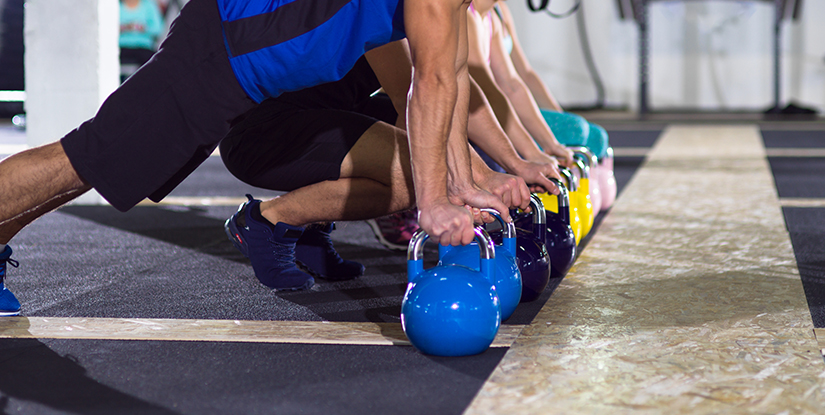
Understanding the relationship between production lead time and shipping efficiency is critical for maintaining a healthy supply chain. Custom orders naturally require more time for material sourcing and prototype approval, whereas standard stock orders can be processed rapidly. We recommend that buyers factor in a buffer for both production and ocean freight to ensure consistent availability for their end-users. By coordinating closely with our China factory, you can optimize your landed cost through better container utilization and streamlined export packaging strategies. To begin your procurement process, please contact us to request a formal quote, confirm your specific MOQ, or arrange for a sample evaluation to validate our manufacturing standards.
China Factory Production Cycles and MOQ Requirements
Efficient inventory management begins with understanding the relationship between order volume and the production cycle within a professional China factory. For distributors and commercial procurement leads, the kettlebell soft manufacturing process involves specific stages, including material preparation, mold injection or casting, skin application, and weight calibration. Managing these variables is essential to ensure your wholesale orders arrive in alignment with your market demand and seasonal peaks.
When sourcing a soft kettlebell wholesale order, the lead time is primarily dictated by your MOQ and the complexity of the OEM specifications. A standard stock order typically moves through a shorter manufacturing schedule, whereas a custom branded soft kettlebell requires additional time for color matching, logo silk-screening, and specialized packaging approval. Planning your sourcing strategy around these windows prevents stockouts and optimizes your landed cost by consolidating shipping containers.
Volume-Based Production Scaling
The scale of your bulk order directly influences the efficiency of the China factory production line. High-volume procurement allows for optimized machine run-times, which can stabilize the lead time for recurring replenishment cycles. For professional buyers, balancing the MOQ against the production cycle is a critical component of maintaining a healthy distributor margin and ensuring consistent product availability in the commercial fitness market.
Service Level and Order Volume Comparison
To assist in your procurement planning, the following table outlines the typical requirements for different service levels. Whether you are looking for a standard commercial soft kettlebell supplier for quick replenishment or a full-scale custom branded soft kettlebell project, understanding these tiers helps manage your capital expenditure and warehouse planning effectively.
| Service Level | Typical MOQ | Customization Scope | Estimated Lead Time |
|---|---|---|---|
| Standard Wholesale | 50–100 units | Standard colors and existing weights | 25–35 days |
| Private Label (Small Batch) | 200–500 units | Logo placement and custom colorways | 45–60 days |
| Full OEM/ODM Solutions | 1,000+ units | Full material, weight, and packaging specification | 60–90+ days |
For distributors seeking to minimize risk, starting with a standard soft kettlebell wholesale order allows for rapid testing of market response without heavy upfront inventory costs. However, for established brands looking to build long-term equity, utilizing OEM or ODM capabilities ensures that your unique product identity is protected and your product line remains distinct in the commercial space. We recommend confirming your specific MOQ and technical requirements with our factory team during the initial inquiry to ensure accurate shipping and landed cost calculations.
Quality Control and Pre-Shipment Inspection Protocols
Maintaining rigorous standards during the production of a kettlebell soft unit is essential for distributors managing long-term replacement cycles. A professional China factory must implement a multi-stage verification system to ensure that every batch meets the structural requirements of high-traffic commercial environments. This systematic approach mitigates the risk of premature material failure, protecting your brand reputation and reducing the total cost of ownership for your end-users.
Our commercial soft kettlebell supplier protocols focus on two critical variables: material durability and weight consistency. During the initial sourcing phase, we verify the tensile strength of the outer skins and the density of the internal filling to prevent leakage or deformation. Each custom branded soft kettlebell undergoes a series of stress tests to ensure the seams can withstand repetitive impact without compromising the integrity of the internal weight. This level of pre-shipment testing ensures that the weight consistency remains within industry-standard tolerances, providing the precision required for professional training sessions.
For high-volume wholesale importers, we offer detailed inspection reports that document the material durability and physical dimensions of the batch. This factory-level oversight ensures that your soft kettlebell wholesale orders arrive at your warehouse ready for immediate distribution, with no discrepancies in weight or construction quality. By prioritizing these technical specifications, we help you maintain high distributor margins through reduced return rates and consistent product performance.
Technical Inspection Checklist for Procurement Managers
To ensure your inventory meets the high standards of professional fitness centers, procurement teams should utilize a standardized audit sheet when evaluating samples or conducting on-site inspections. A reliable soft kettlebell wholesale order must pass specific technical thresholds to avoid the high cost of returns or client dissatisfaction. Use the following checklist to validate the structural integrity and manufacturing precision of your batch before finalizing the shipment.
| Inspection Category | Technical Requirement | Commercial Impact |
|---|---|---|
| Seam Strength | Double-stitched reinforced high-tensile thread | Prevents bursting under high-frequency use |
| Weight Tolerance | +/- 2% deviation from specified weight | Ensures professional training accuracy |
| Surface Finish | Non-slip, abrasion-resistant skin texture | Reduces wear and maintains grip quality |
| Internal Filling | Uniform density with zero shifting | Maintains center of gravity during movement |
| Handle Durability | High-density polymer or reinforced fabric | Guarantees long-term commercial usability |
When conducting a factory audit, we recommend requesting a video of the stress test or a physical sample to verify the tactile response of the surface. A high-quality kettlebell soft unit should feel balanced and exhibit no irregular lumps within the filling. For distributors managing large-scale wholesale contracts, verifying these technical details at the source minimizes the risk of landed cost increases caused by defective product arrivals. We suggest confirming all MOQ requirements and inspection protocols during the initial sample approval phase to streamline your global supply chain.
Export Packaging and Shipping Safety Standards
Beyond individual unit integrity, the logistical safety of your soft kettlebell wholesale order depends on professional export-grade packaging. For international distributors, the risk of transit damage—such as seam tearing or weight shifting—can lead to significant landed cost increases and client returns. We implement a multi-layered protective strategy designed to withstand the rigors of long-haul ocean freight and multiple handling points in global logistics chains.
Each batch is secured using heavy-duty, moisture-resistant outer layers to protect the internal filling from humidity during sea transit. For high-volume wholesale shipments, we utilize reinforced corrugated cartons and standardized palletization to maximize container loading efficiency. This systematic approach to shipping safety ensures that your custom branded soft kettlebell inventory arrives at your warehouse in pristine condition, maintaining the premium quality expected by your professional clients. We recommend coordinating specific pallet dimensions and stacking height limits with your freight forwarder during the initial sourcing phase to optimize container utilization and reduce shipping costs.
Logistics Efficiency and Export Packaging for Bulk Orders
Optimizing the landed cost is a critical priority for international distributors and gym equipment importers. When sourcing a kettlebell soft order, the final price paid at your warehouse is heavily influenced by how efficiently the products are packed and how much container volume they consume. A professional China factory understands that maximizing volumetric efficiency directly protects your profit margins.
Effective export packaging goes beyond simple protection; it is a strategic tool for shipping volume optimization. Because soft-shell equipment is more compressible than traditional cast iron, specialized nesting and stacking techniques can significantly reduce the cubic volume per unit. This allows a commercial soft kettlebell supplier to increase the number of units per pallet or per container, lowering the per-unit freight expense during wholesale transit.
By implementing rigorous China factory logistics standards, such as reinforced heavy-duty cartons and standardized pallet dimensions, we ensure that your custom branded soft kettlebell shipment arrives without structural compromise. For high-volume buyers, these logistics efficiencies mean a lower total cost of ownership and more predictable inventory replenishment cycles.
Logistics Efficiency and Cost-Saving Comparison
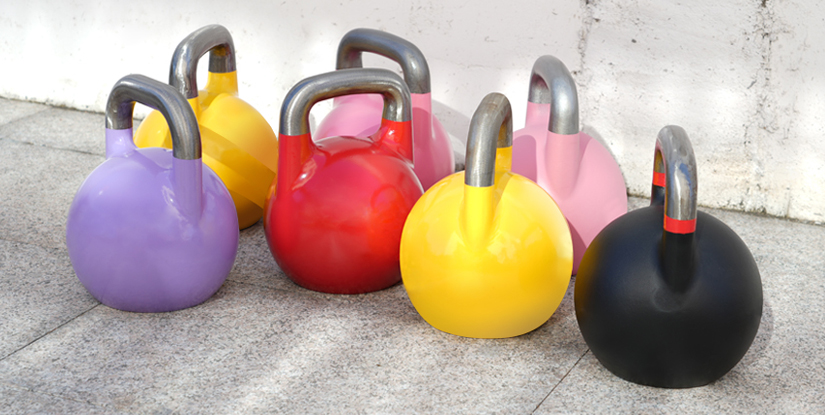
Understanding the distinction between standard small-batch shipping and optimized bulk export is essential for calculating your true landed cost. For distributors, the goal is to minimize the impact of volumetric weight on the final invoice. A professional commercial soft kettlebell supplier utilizes specialized packing methods to ensure that the shipping density of each container is maximized, preventing the common mistake of paying to ship "empty air."
The following table illustrates how a soft kettlebell wholesale strategy, focused on container loading optimization, compares to standard, non-optimized logistics. This comparison highlights the value of sourcing directly from a China factory that understands the nuances of high-density freight.
| Logistics Metric | Standard Small-Batch Shipping | Optimized Factory-Direct Bulk Export |
|---|---|---|
| Packing Method | Individual retail-style boxing | Nested stacking and reinforced master cartons |
| Volumetric Weight Impact | High; larger cubic volume per unit | Low; maximized shipping density |
| Container Utilization | Low; frequent empty space in pallets | High; precise container loading optimization |
| Freight Cost per Unit | Higher due to volume-to-weight ratio | Lower through optimized soft kettlebell wholesale volumes |
| Risk of Transit Damage | Moderate; less structural support | Minimal; heavy-duty export-grade packaging |
For professional buyers, these efficiencies translate directly into higher distributor margins. By coordinating with our factory to align your kettlebell soft order with standard container dimensions, you reduce the overhead of international freight. We recommend contacting our team to confirm your specific MOQ and request a detailed packing specification sheet for your next bulk procurement cycle.
Ensuring the integrity of your brand identity during long-distance sea freight is a primary concern for high-volume importers. When you invest in a custom branded soft kettlebell, the product is not just a piece of equipment; it is a representation of your company's quality standards. A single instance of packaging failure or a crushed carton can lead to damaged goods, increased replacement costs, and a diminished reputation in your local market.
To mitigate these risks, our China factory implements a multi-layered protection strategy designed for the rigors of international maritime transit. This includes high-density inner padding to maintain the shape of the soft shell and reinforced outer corrugated boxes to prevent stacking deformation. This level of protective packaging ensures that every unit remains in factory-fresh condition from the moment it leaves our facility until it reaches your distribution center.
Beyond physical protection, we focus on the visual consistency of your custom branded soft kettlebell. We utilize high-fidelity printing and durable labeling that remains intact even in high-humidity container environments. For distributors managing large-scale soft kettlebell wholesale accounts, this attention to detail guarantees that the product looks as premium on the retail shelf as it did when it left the factory. We invite you to request a sample evaluation or a detailed packaging specification to ensure our standards align with your brand's requirements.