Wholesale Price of Iron Weight Plates | Bulk Factory-Direct Pricing
Defining the Market Benchmark for Iron Weight Plates Price
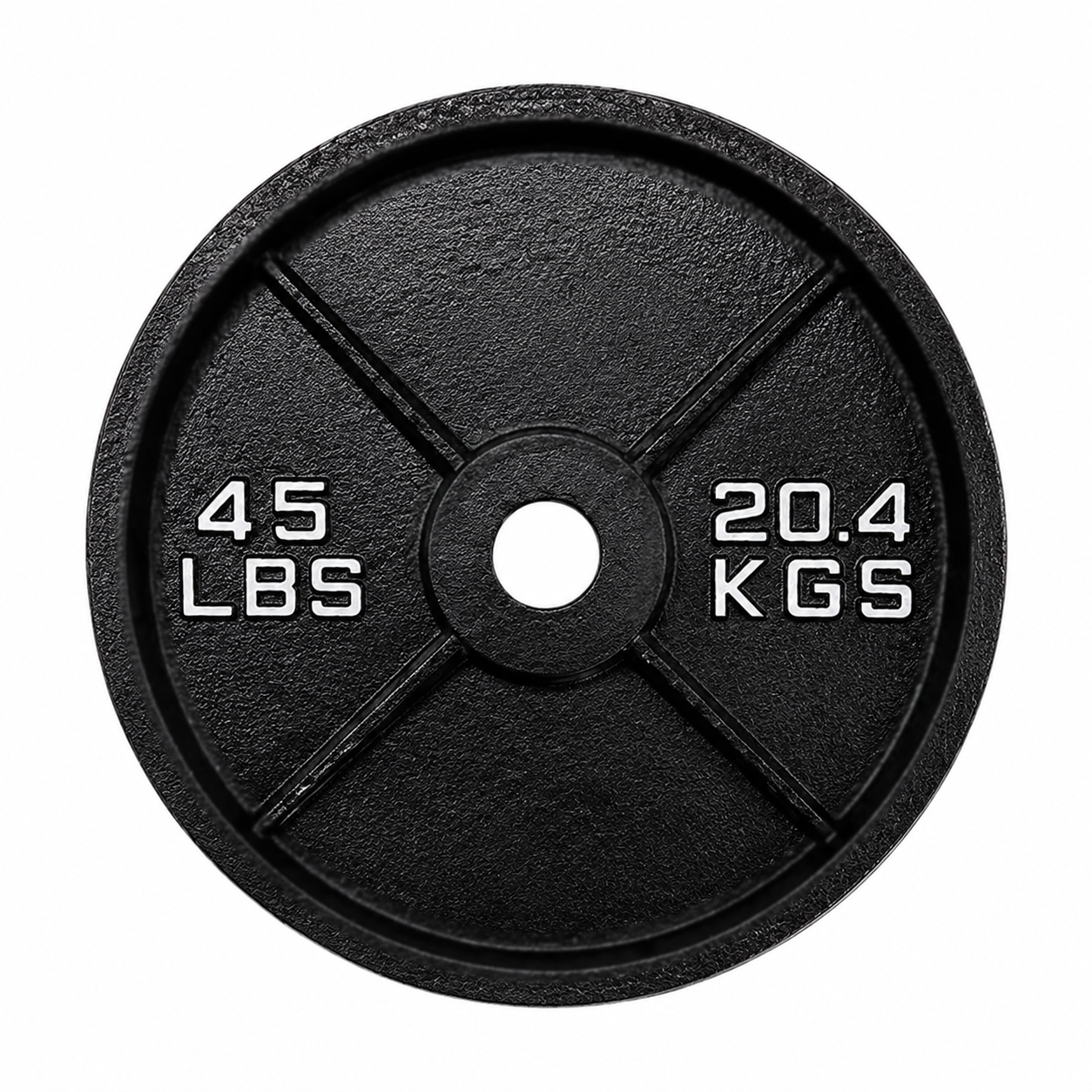
The price of iron weight plates typically ranges from $0.80 to $1.50 per pound for bulk commercial orders, depending on casting quality and volume. For gym owners and distributors, securing a competitive iron weight plates price is about balancing raw material costs with long-term durability and weight accuracy.
Beyond the Sticker Price: Understanding the Total Cost of Ownership (TCO)
As a gym owner or equipment distributor, focusing solely on the initial price of iron weight plates is a trap that often leads to hemorrhaging capital. We see it constantly: a facility saves 15% upfront on "budget" plates, only to face cracked castings, chipped paint, and inconsistent weight tolerances that frustrate members and compromise safety. In a high-traffic commercial environment, the acquisition cost is just the tip of the iceberg.
When you analyze the iron weight plates price, you must factor in the "Total Cost of Ownership." If a plate rusts within six months or the center hole is off-spec, damaging your Olympic bars, the "savings" vanish. For distributors, stocking low-quality plates leads to high return rates and damaged brand reputation. True procurement efficiency means looking for plates that offer a decade of service life, minimizing the need for expensive replacement cycles and manual inventory audits.
The Hidden Costs of Cheap Iron: Why Low-Tier Castings Fail
Opting for the absolute lowest price of
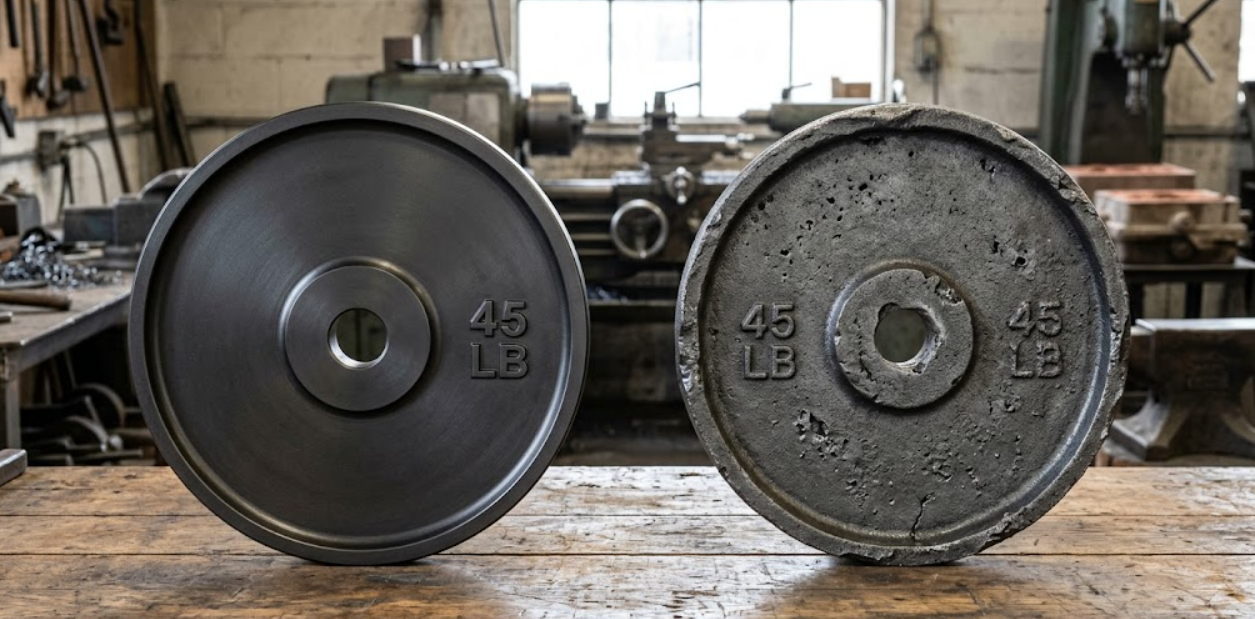
f iron weight plates often means accepting "grey iron" with high impurity levels or air pockets (voids) hidden beneath a thick layer of paint. In a commercial setting, these plates are prone to catastrophic failure during heavy drops. Furthermore, inconsistent weight tolerances—sometimes varying by as much as 10%—can lead to uneven loading on machines and bars, increasing the risk of injury and equipment wear.
Agitation in the supply chain occurs when these sub-par products arrive with poor finishing. Rough edges on the center holes can strip the chrome off your premium barbells in weeks. This doesn't just look unprofessional; it increases the friction in your operational budget. A cheaper iron weight plates price today can easily manifest as a $5,000 barbell replacement bill tomorrow. Reliability isn't just a feature; it is a financial safeguard for your ROI.
Factory-Direct Solutions: How We Optimize Your Procurement Budget
To solve the dilemma between quality and cost, we leverage a vertical manufacturing approach that directly impacts the price of iron weight plates. By eliminating the middleman, we provide gym chains and equipment distributors with factory-direct pricing that reflects actual material and labor costs rather than retail markups. Our solution focuses on weight tolerance standards and surface durability, ensuring that the iron weight plates price you pay includes a product built for the rigors of a 24/7 commercial facility.
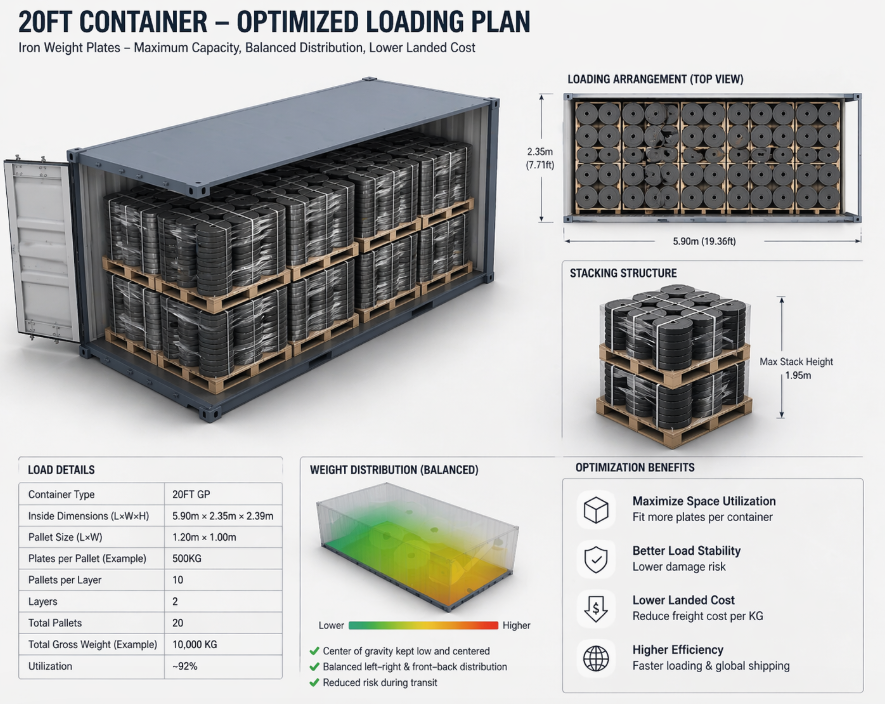
Our iron weight plates price structure is designed around "Total Cost Approach" logistics. We don't just ship boxes; we engineer shipping solutions. For instance, by optimizing the mix of heavy plates and smaller fractional plates within a single container, we maximize floor-loading efficiency. This reduces the landed cost per pound, allowing you to allocate more of your budget to marketing and member acquisition rather than overhead and shipping premiums.
Material Science and Casting Integrity: What You Are Actually Paying For
Understanding the price of iron weight plates requires a deep dive into the gravity casting process. Unlike cheap "sand-cast" alternatives that result in a gritty, porous finish, our plates utilize precision-machined molds. This ensures a weight consistency that meets international standards, typically within a +/- 2% tolerance. When you compare the iron weight plates price across suppliers, you are paying for the purity of the iron ore and the cooling time allowed in the foundry; rushed cooling leads to brittle metal, whereas our controlled process ensures structural longevity.
The exterior finish is equally critical to your fitness equipment's lifespan. We utilize an industrial-grade powder coat finish or an electrostatically applied paint that bonds to the iron at a molecular level. This prevents the "scaling" and rusting common in humid gym environments. When evaluating the price of iron weight plates, consider the cost of repainting or replacing rusted gear. Investing in high-quality coating upfront reduces long-term maintenance labor by approximately 20% over a five-year period.
| Feature | Standard Cast Iron (Low Cost) | Commercial Grade Iron (Our Spec) | Impact on ROI |
|---|---|---|---|
| Weight Tolerance | +/- 5% to 10% | +/- 2% or better | Prevents equipment damage & injury |
| Casting Method | Basic Sand Casting | Precision Gravity Casting | Higher durability under heavy use |
| Surface Finish | Thin Enamel Spray | Industrial Powder Coating | Reduces rust & maintenance costs |
| Total Life Expectancy | 2-3 Years | 10+ Years | Lowest cost per year of use |
Volume-Based Pricing Tiers for Gym Chains and Distributors
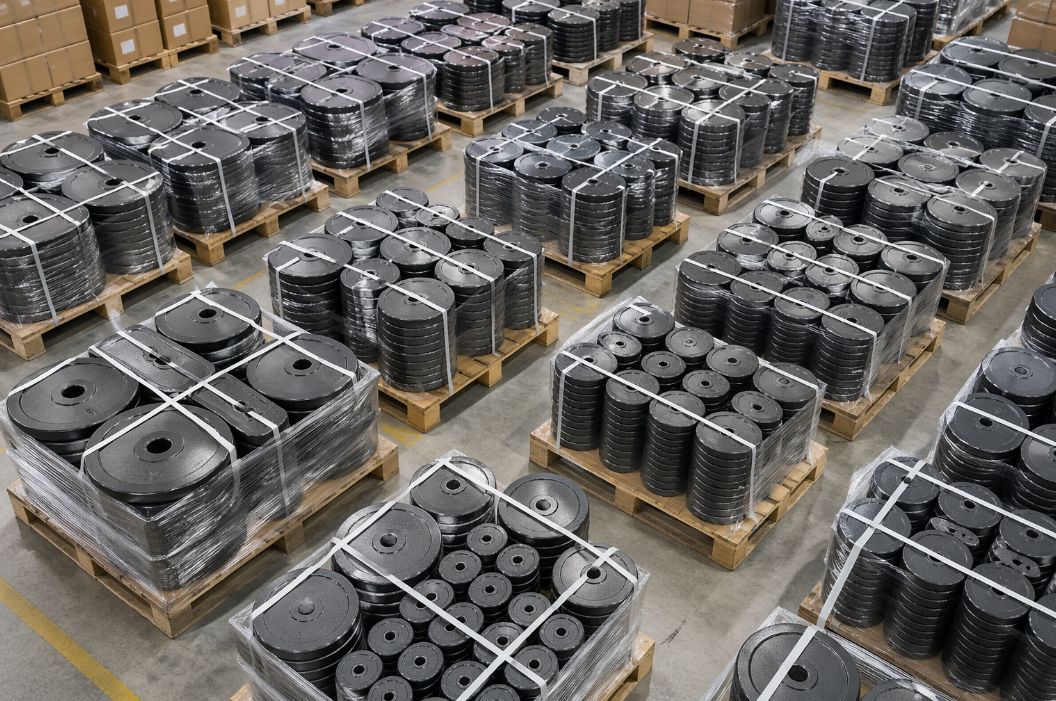
For high-volume buyers, the price of iron weight plates is never a static number. In the B2B sector, price efficiency is unlocked through tiered procurement. We categorize our iron weight plates price based on order volume, typically ranging from LCL (Less than Container Load) for boutique studios to FCL (Full Container Load) for regional distributors and large-scale wholesale fitness equipment suppliers. This tiered approach allows us to pass on the economies of scale directly to your bottom line.
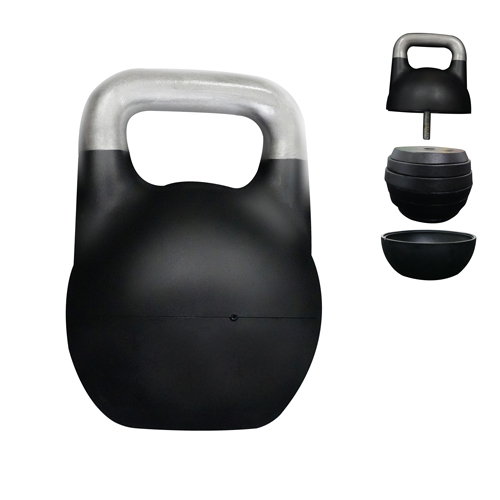
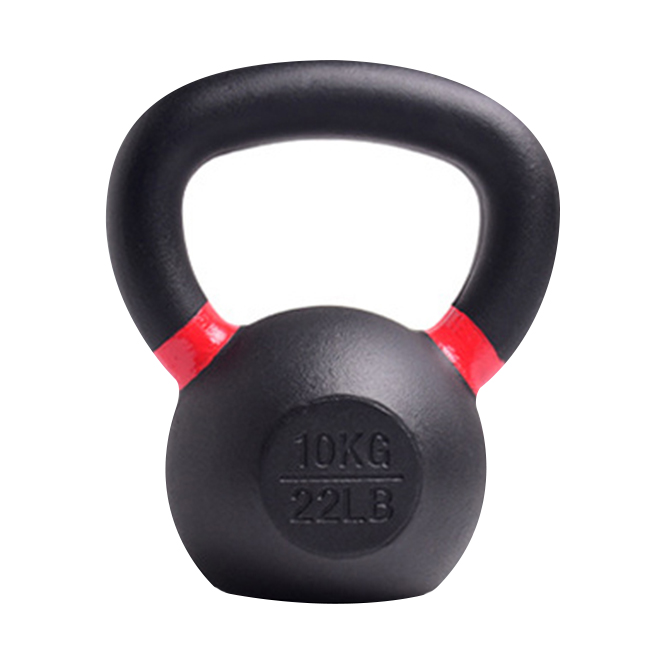
When purchasing at the enterprise level, the minimum order quantity (MOQ) plays a pivotal role in the final price of iron weight plates. By committing to larger volumes, clients can access custom logo embossing and private label kettlebells or plates at a marginal cost increase. This transformational branding not only justifies a higher membership fee for gym owners but also creates a proprietary product line for distributors, increasing market defensibility and long-term profit margins.
Logistics and Container Loading Efficiency: Reducing Landed Costs
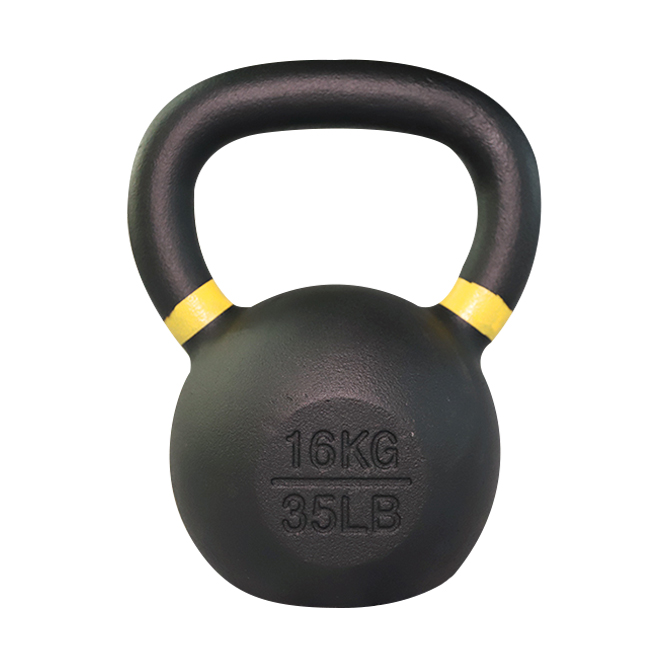
The true iron weight plates price is not what you pay at the factory gate, but the "landed cost" at your warehouse door. Iron is notoriously difficult to ship because it reaches the weight limit of a container long before the volume is filled. Our logistics team specializes in "Center-Gravity Loading," ensuring that every square inch of pallet space is utilized to prevent shifting during transit, which is a leading cause of damage in bulk kettlebell orders and plate shipments.
We work with B2B gym equipment suppliers to coordinate multi-port shipping and optimized customs clearance documentation. By providing detailed packing lists and retail-ready packaging, we reduce the labor hours required at your receiving dock. When you calculate the price of iron weight plates including the reduction in damaged goods and streamlined offloading, our factory-direct model often saves clients between 8% and 12% on total logistics spend compared to standard freight forwarders.
Comparative Analysis: Cast Iron vs. Rubber Coated vs. Urethane Plates
When evaluating the price of iron weight plates, procurement managers must weigh the initial capital expenditure against the specific environment of the facility. While the iron weight plates price for raw cast iron is the most budget-friendly, it requires a climate-controlled environment to prevent oxidation. In contrast, rubber or urethane-coated plates carry a higher upfront cost but offer noise reduction and floor protection, which can decrease the long-term facility repair budget.
For most high-volume strength training zones or home gym equipment startups, standard cast iron kettlebell style plates remain the industry gold standard for ROI. They occupy less sleeve space on a barbell compared to bumper plates, allowing for higher workout intensity and heavier lifts. When analyzing the price of iron weight plates, the "cost per square foot" of storage is often overlooked—iron plates are the most space-efficient option, allowing you to fit more equipment into a smaller footprint and maximizing your gym's revenue-generating space.
Strategic Sourcing: Why Consistency in Weight Tolerance Matters for ROI
In the world of professional kettlebell and plate manufacturing, weight tolerance standards are the ultimate indicator of factory sophistication. A fluctuating price of iron weight plates between vendors often hides a lack of quality assurance protocols. If you purchase 1,000 units and 10% are off-weight by more than 3%, you are effectively paying for iron you didn't receive—or worse, iron that unbalances your customers' lifts.
Our quality assurance protocols involve a multi-stage weighing process before the custom powder coating is applied. By maintaining a strict weight consistency, we help our partners avoid the "silent costs" of dissatisfied members and equipment imbalance. For a B2B gym equipment supplier, this level of precision is a major selling point that justifies a stable iron weight plates price, as it guarantees that the 100lb set ordered is exactly 100lb delivered, every single time.