Wholesale Weight Equipment: Factory Direct Export Solutions
Evaluating Supplier Reliability: From Factory Audit to Quality Control
For professional importers, the primary risk in procurement is the gap between a sample's performance and the actual wholesale weight equipment delivered in a bulk shipment. Relying solely on digital catalogs or unverified certificates is insufficient for high-stakes commercial deployments. To ensure long-term durability and protect your distributor margins, rigorous factory audit protocols must be part of your standard sourcing workflow.
A comprehensive factory audit verifies the manufacturer capability to produce commercial strength training gear at scale without compromising structural integrity. This involves evaluating the production line's consistency, the quality of raw steel, and the precision of welding processes. Without a formal physical inspection conducted by a third party or an experienced procurement lead, buyers face the high cost of receiving defective or non-compliant inventory that fails to meet international safety standards.
Implementing strict B2B sourcing standards—such as pre-shipment testing of load capacities and finish durability—acts as essential risk mitigation. By validating the China factory processes before the container is sealed, you ensure that your bulk gym equipment arrives ready for heavy-duty use, reducing the likelihood of expensive after-sales claims or equipment downtime in your clients' facilities.
Technical Standards and Pre-Shipment Inspection Protocols
Reliability in high-traffic environments depends on strict adherence to material science and mechanical tolerances. A reputable strength training manufacturer does not merely check for surface aesthetics; they implement a multi-stage testing regime. This begins with raw material validation, ensuring that the steel gauge and density meet the high-impact requirements of commercial strength training. For instance, metal thickness and welding strength must be verified through rigorous stress testing to prevent structural fatigue under heavy loading cycles.
Beyond raw materials, the pre-shipment inspection phase is the final gatekeeper for your investment. This stage should include functional testing of moving parts, coating adhesion tests to ensure long-term durability, and dimensional accuracy checks. For distributors managing large-scale deployments, a failure at this stage can lead to catastrophic landed costs and broken trust with end-users. We recommend that buyers request specific test reports for batch-specific tolerances to confirm that every unit in the bulk gym equipment order aligns with international safety and performance benchmarks.
To mitigate the risk of shipping non-compliant goods, professional procurement teams should prioritize suppliers who offer transparent quality control documentation. This includes comprehensive reports on coating thickness, bearing smoothness, and weight calibration. By establishing these technical requirements during the initial sourcing phase, you can better manage your total cost of ownership and ensure that the equipment delivered can withstand the rigorous demands of professional fitness facilities.
Comparing Direct Factory Oversight vs. Trading Company Intermediaries
Understanding the depth of technical oversight is critical when deciding whether to source directly from a China factory or through a third-party trading company. While traders may offer convenience, they often lack the granular control required to manage the technical nuances of wholesale weight equipment production. A direct manufacturer integrates quality assurance into the very fabric of the production line, whereas a trader typically relies on superficial visual checks performed after the manufacturing process is already complete.
The following comparison highlights the structural differences in quality management and how they impact your long-term landed costs and product reliability:
| QC Dimension | Factory-Direct Manufacturer Oversight | Standard Trading Company Oversight |
|---|---|---|
| Raw Material Validation | Direct verification of steel gauge, density, and chemical composition at the source. | Relies on third-party certificates provided by the manufacturer; limited physical access. |
| Production Monitoring | Real-time monitoring of welding precision, CNC machining, and assembly tolerances. | Periodic, end-of-line checks focused primarily on finished product appearance. |
| Technical Precision | In-process testing of load-bearing components and mechanical movement. | Post-production testing; high risk of missing structural flaws during assembly. |
| Shipment Reliability | Direct control over export packaging, container loading, and weight distribution. | Dependent on the manufacturer's logistics; higher risk of packaging failure during transit. |
| Customization (OEM/ODM) | Direct engineering support for custom branding and technical modifications. | Communication lag through intermediaries; limited ability to troubleshoot design changes. |
For distributors and large-scale gym operators, the choice between these two models directly impacts the total cost of ownership. A factory-direct approach minimizes the risk of receiving non-compliant bulk gym equipment by ensuring that quality control is a continuous process rather than a final, often rushed, inspection. We advise procurement leads to request detailed pre-shipment inspection reports and, where possible, schedule a factory audit to validate these technical standards before finalizing any large-scale wholesale purchase.
Customization and Branding: Navigating OEM/ODM for Strength Training Manufacturers
For international distributors and gym chains, sourcing standard stock often limits market differentiation. Utilizing a professional strength training manufacturer for custom projects allows you to move beyond generic products and build a proprietary product line. Whether you are looking to implement a private label strategy or develop a unique equipment silhouette, understanding the technical distinctions between manufacturing models is vital for optimizing your wholesale weight equipment procurement strategy.
The choice between standard wholesale and custom manufacturing directly impacts your brand equity and long-term margins. While standard orders offer faster lead times, OEM and ODM services provide the control necessary to establish a premium market position. A reliable China factory can act as your technical partner, translating your conceptual designs into commercial-grade reality through rigorous engineering and precise manufacturing processes.
Strategic Comparison: Standard Wholesale vs. Custom Manufacturing
| Procurement Dimension | Standard Wholesale (Stock) | OEM (Original Equipment Manufacturing) | ODM (Original Design Manufacturing) |
|---|---|---|---|
| Brand Identity | Generic or existing brand labels | Full private label and logo integration | Unique product design and branding |
| Customization Scope | Limited to color or minor spec changes | Custom dimensions, materials, and branding | Complete product engineering and R&D |
| Typical MOQ | Low (per unit or small carton) | Moderate (per SKU/model) | High (due to tooling/mold requirements) |
| Initial Investment | Low; immediate availability | Medium; involves tooling/mold costs | High; requires extensive R&D/design phase |
| TCO & Speed | Fastest; optimized for rapid restocking | Balanced; longer lead time for setup | Long-term; high initial cost, high differentiation |
When evaluating customization capabilities, distributors must weigh the OEM vs ODM trade-offs against their specific business goals. An OEM approach is ideal for established brands wanting to apply their identity to proven, high-performance commercial strength training structures. Conversely, ODM is the superior route for innovators seeking to introduce entirely new movement patterns or ergonomic solutions to the market. Regardless of the path, ensure your sourcing partner provides clear documentation regarding mold ownership and technical specifications to protect your intellectual property and long-term investment.
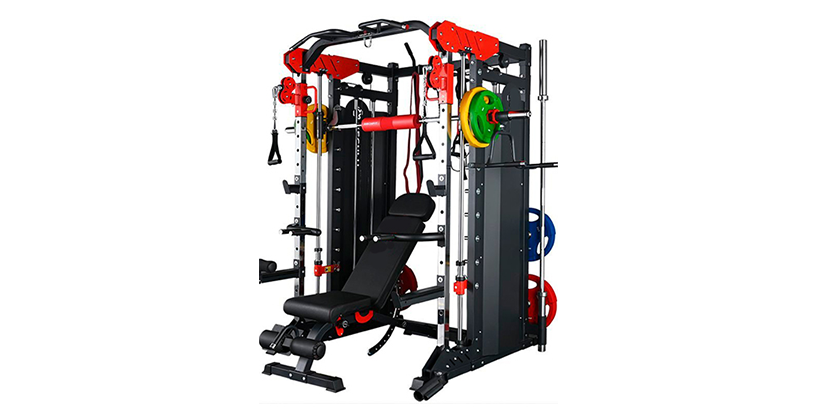
Deciding on a manufacturing path requires a rigorous assessment of your capital expenditure (CAPEX) versus your long-term market positioning. For many distributors, the transition from purchasing off-the-shelf products to commissioning custom builds is a pivotal moment in scaling a fitness brand. While a standard factory-direct order minimizes upfront risk, it offers limited control over the unique mechanical nuances that define premium strength equipment. For high-volume importers, the ability to influence structural integrity or aesthetic finishes is often the difference between a generic shipment and a signature collection.
To minimize procurement friction, we recommend a phased approach to customization. Start by validating the lead time and tool-up requirements for specific components before committing to a full-scale production run. A mature China factory will typically offer a hybrid model: providing standard frame architectures with customizable upholstery, paint, and branding. This allows you to maintain a competitive landed cost while still achieving the visual distinction required to satisfy high-end commercial gym clients and boutique studio operators.
Deciding on a manufacturing path requires a rigorous assessment of your capital expenditure (CAPEX) versus your long-term market positioning. For many distributors, the transition from purchasing off-the-shelf products to commissioning custom builds is a pivotal moment in scaling a fitness brand. While a standard factory-direct order minimizes upfront risk, it offers limited control over the unique mechanical nuances that define premium strength equipment. For high-volume importers, the ability to influence structural integrity or aesthetic finishes is often the difference between a generic shipment and a signature collection.
To minimize procurement friction, we recommend a phased approach to customization. Start by validating the production lead time and tool-up requirements for specific components before committing to a full-scale production run. A mature China factory will typically offer a hybrid model: providing standard frame architectures with customizable upholstery, paint, and branding. This allows you to maintain a competitive landed cost while still achieving the visual distinction required to satisfy high-end commercial gym clients and boutique studio operators.
Precision in the customization phase is non-negotiable. A professional strength training manufacturer must bridge the gap between conceptual technical drawings and physical output. This involves rigorous QC standards, ensuring that custom-engineered components—such as specialized bearing housings or custom-molded weight plate sleeves—meet international durability requirements. For large-scale deployments, failing to align on these specifications during the prototyping stage can lead to costly delays in your bulk order management and overall project timeline.
Furthermore, high-end customization extends beyond the product itself to the logistics of arrival. To protect your investment and ensure a seamless installation at the end-user site, specify export-grade packaging. This includes reinforced heavy-duty cartons, moisture-proof liners, and palletization optimized for container loading. For distributors managing complex shipments, ensuring that custom-branded equipment arrives in pristine condition is as critical to your reputation as the quality of the equipment itself.
Managing Lead Times and Minimum Order Quantities (MOQ) for Bulk Sourcing
Effective procurement of wholesale weight equipment requires a strategic understanding of how order volume directly impacts production cycles. For international distributors and large-scale gym developers, managing the balance between MOQ requirements and inventory turnover is critical to maintaining healthy cash flow and meeting deployment deadlines.
Unpredictable production lead times often stem from a lack of synchronization between order placement and factory capacity. When sourcing bulk gym equipment, buyers must account for seasonal fluctuations in the global fitness manufacturing sector, particularly during peak production windows or major logistics shifts. A failure to anticipate these cycles can lead to delayed facility openings or stockouts for local distributors.
To optimize your sourcing strategy, we recommend aligning your procurement schedule with our manufacturing milestones. Smaller, frequent orders may offer flexibility, but larger wholesale volumes typically unlock more stable production slots and reduced per-unit landed costs. By establishing a clear communication line regarding your projected volume, you ensure that your commercial strength training requirements are prioritized within our China factory workflow, mitigating the risk of unexpected delays.
Comparing Stock Orders vs. Custom OEM Production
Deciding whether to procure standard inventory or invest in customized solutions depends on your specific business model—whether you are a gym owner needing immediate deployment or a distributor building a proprietary brand. While stock orders offer speed, custom production via a strength training manufacturer provides the long-term competitive edge required for market differentiation.
The following table outlines the logistical and financial trade-offs between these two primary procurement methods to assist in your decision-making process.
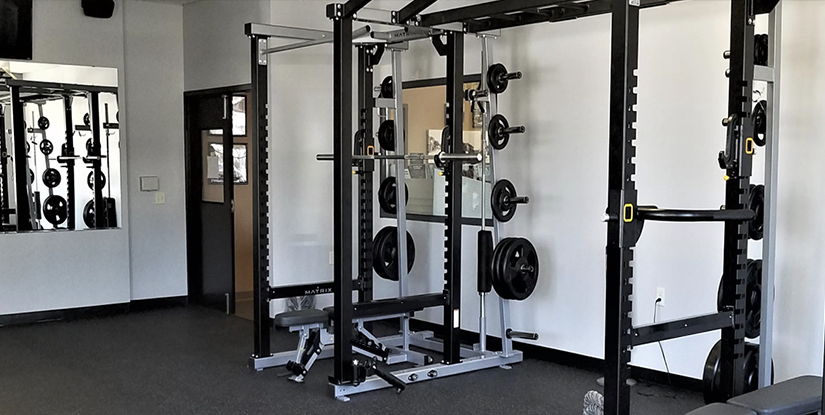
| Procurement Dimension | Standard Stock Orders | Custom OEM/ODM Production |
|---|---|---|
| Primary Advantage | Rapid fulfillment and lower risk | Brand differentiation and unique specs |
| Lead Time | Short (Ready-to-ship inventory) | Extended (Production + QC + Logistics) |
| MOQ Requirement | Low to Moderate (Standardized units) | Higher (Specific to custom components) |
| Customization Level | Limited (Standard colors/sizes) | High (Full branding and technical specs) |
| Cost Efficiency | Lower upfront investment | Better economies of scale for high volume |
| Best For | Immediate facility openings | Distributors and private label brands |
For procurement managers, the choice often hinges on the total cost of ownership (TCO). Stock orders are ideal for filling immediate gaps in a commercial facility, whereas OEM production allows you to control every detail of your commercial strength training line, from upholstery textures to custom logo placement. We recommend requesting a detailed spec sheet or a sample evaluation before committing to high-volume custom runs to ensure all technical requirements align with your local market standards.
Beyond the immediate choice between stock and custom production, professional buyers must account for the external variables that influence the final landed cost. Global logistics are rarely static, and a successful procurement strategy must incorporate buffers for shipping schedules and potential port congestion. Relying on a just-in-time delivery model without accounting for these variables can result in significant operational downtime and increased warehousing costs.
Effective export logistics planning begins long before the goods leave the China factory. We advise our partners to treat pre-production planning as a core component of their project management. This includes verifying container loading plans and securing shipping slots well in advance of peak seasons. By coordinating closely with your supplier during the manufacturing phase, you can better anticipate fluctuations in freight rates and ensure that your bulk shipments are optimized for both container volume and transit efficiency.
To mitigate these risks, we encourage importers to engage in proactive communication regarding documentation and pre-shipment requirements. Whether you are managing a single large-scale deployment or a recurring distribution cycle, understanding the interplay between production speed and global shipping availability is essential for protecting your margins and ensuring a seamless arrival of your wholesale weight equipment at your destination facility.
Logistics and Landed Cost: Optimizing Export Packaging and Container Loading
For international distributors and gym owners, the true cost of procurement extends far beyond the initial invoice. When sourcing wholesale weight equipment, the total landed cost is heavily dictated by how efficiently your order occupies a shipping container. Inefficient packing leads to excessive volumetric weight charges and wasted freight space, which can erode your distributor margins and increase your total capital expenditure.
A professional China factory understands that shipping efficiency is a critical component of a competitive B2B offer. By utilizing specialized export packaging and advanced container loading optimization, a manufacturer can maximize the density of each shipment. This minimizes the number of containers required for large-scale deployments and reduces the impact of ocean freight fluctuations on your final budget.
Storage and Shipping Efficiency Comparison
| Sourcing Strategy | Packaging Approach | Container Space Utilization | Impact on Landed Cost |
|---|---|---|---|
| Standard Bulk Sourcing | Generic Crating | Moderate; high air gaps | Higher freight overhead |
| Commercial Strength Training Optimization | Nested/Stackable Designs | High; optimized for density | Reduced per-unit shipping cost |
| Custom Bulk Gym Equipment Order | Tailored Export Crating | Maximum; customized dimensions | Lowest possible freight-to-value ratio |
To ensure your strength training manufacturer is truly supporting your bottom line, evaluate their logistics capabilities during the sourcing process. Inquire about their ability to provide nested configurations for benches or specialized palletizing for heavy plates. A factory-direct partner that prioritizes high-density loading helps you manage your warehouse inventory more effectively while keeping your global supply chain costs predictable.
Beyond simple container density, professional importers must also account for the structural integrity of the goods during long-haul transit. High-density packing is only effective if the commercial-grade durability of the equipment is preserved through moisture control and impact protection. For heavy items like dumbbells or barbell sets, the weight distribution within the container must be strategically balanced to prevent shifting, which can cause damage and lead to costly insurance claims or replacement delays.
When finalizing your wholesale weight equipment procurement, we recommend requesting a detailed packing list and a 3D loading plan from your supplier. Understanding the exact dimensions and weight per pallet allows your logistics team to better calculate the final landed cost and plan for local drayage and warehouse receiving. For high-volume distributors, these small details in export packaging often represent the difference between a profitable shipment and a logistical bottleneck.
Beyond simple container density, professional importers must also account for the structural integrity of the goods during long-haul transit. High-density packing is only effective if the commercial-grade durability of the equipment is preserved through moisture control and impact protection. For heavy items like dumbbells or barbell sets, the weight distribution within the container must be strategically balanced to prevent shifting, which can cause damage and lead to costly insurance claims or replacement delays.
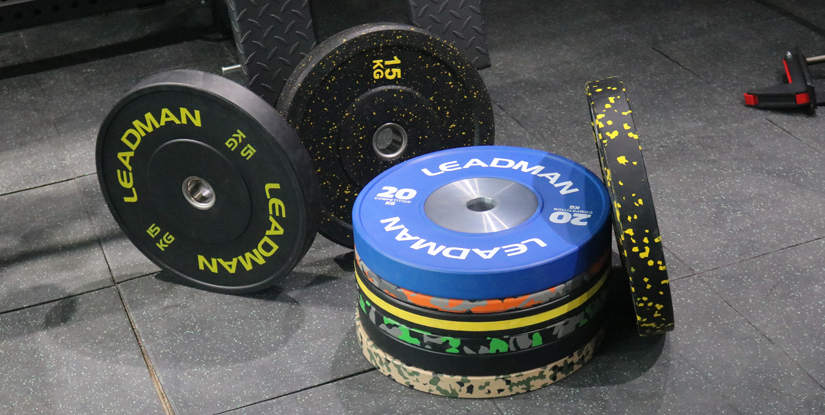
To safeguard your ROI, a reliable strength training manufacturer must implement a rigorous pre-shipment QC protocol that extends into the loading bay. This includes verifying the integrity of export-standard packaging—such as reinforced corner protectors, moisture-absorbent silica packs, and heavy-duty corrugated shielding—to prevent rust or physical deformation during sea freight. Without these safeguards, the damage prevention measures are insufficient, and the cost of replacing even a small percentage of damaged SKUs can quickly negate your bulk-order savings.
When finalizing your wholesale weight equipment procurement, we recommend requesting a detailed packing list and a 3D loading plan from your supplier. Understanding the exact dimensions and weight per pallet allows your logistics team to better calculate the final landed cost and plan for local drayage and warehouse receiving. For high-volume distributors, these small details in export packaging often represent the difference between a profitable shipment and a logistical bottleneck.
Strategic Sourcing for Long-Term Commercial Durability
Procuring wholesale weight equipment requires a shift in perspective from initial purchase price to the long-term Total Cost of Ownership (TCO). For distributors and gym operators, the true cost of a product is determined by its ability to withstand high-traffic usage without frequent replacement or structural failure. Relying on a China factory that prioritizes high-grade steel gauges and industrial-strength coatings ensures that your inventory remains a high-performing asset rather than a recurring maintenance liability.
In commercial strength training environments, the mechanical stress placed on components is significantly higher than in residential settings. Standardized manufacturing often fails to account for the constant impact and heavy loading cycles found in professional facilities. By working directly with a strength training manufacturer that maintains strict factory-direct QC standards, buyers can mitigate the risks of premature wear, ensuring that every unit delivered meets the rigorous demands of professional-grade throughput.
Optimizing your ROI starts with material transparency. Whether you are sourcing heavy-duty plates, racks, or selectorized machines, the specification of the raw materials—such as the density of the urethane coating or the tensile strength of the steel—directly dictates the lifespan of the equipment. A professional sourcing strategy focuses on these technical details to prevent the hidden costs of downtime and equipment replacement in high-volume commercial settings.
Technical Specifications: Commercial vs. Consumer Grade
The primary risk in low-cost procurement is the "replacement cycle trap." While consumer-grade items may offer a lower entry price, they lack the structural integrity required for 24/7 facility operation. A professional bulk gym equipment procurement strategy must prioritize technical specifications that guarantee long-term durability. The following comparison illustrates why investing in higher-spec components from a reliable strength training manufacturer yields a superior return on investment through reduced maintenance and extended asset lifecycles.
| Feature Specification | Standard Consumer Grade | Commercial-Grade Wholesale | B2B Procurement Impact |
|---|---|---|---|
| Steel Gauge Thickness | 14–16 Gauge (Thinner) | 11–12 Gauge (Heavy-Duty) | Higher structural stability under load |
| Upholstery Density | Low-density foam/Vinyl | High-density CNC foam/Reinforced PU | Resists cracking and sagging over time |
| Bearing Systems | Plastic or basic bushings | Precision sealed ball bearings | Smoother motion; lower friction heat |
| Maintenance Frequency | High (Monthly adjustments) | Low (Quarterly inspections) | Reduces operational downtime/labor |
| Landed Cost vs. Replacement | Low initial / High replacement | Higher initial / Low replacement | Optimized long-term TCO/ROI |
When evaluating a wholesale weight equipment order, buyers should request detailed specification sheets regarding steel gauge and bearing types. This level of technical due diligence ensures that your landed cost reflects a high-value asset rather than a short-term expense. We recommend conducting a sample approval process or a factory audit to verify that the material density and mechanical components align with your facility's specific throughput requirements.
Mitigating Risk Through Customization and Quality Control
To move beyond basic procurement and achieve true operational efficiency, professional buyers often leverage OEM/ODM customization for durability. Unlike off-the-shelf solutions, direct-from-factory customization allows you to specify the exact heavy-duty components—such as reinforced pivot points or higher-grade bushings—that match your local market's usage intensity. This capability transforms a standard order into a tailored asset that meets specific commercial standards, effectively reducing the long-term risk of structural failure.
A critical safeguard in the international supply chain is the implementation of a rigorous pre-shipment inspection. For high-volume orders of bulk gym equipment, waiting until the container arrives at your warehouse to discover a manufacturing defect is a costly mistake that disrupts your entire distribution or deployment schedule. By coordinating with a factory to perform batch testing and visual inspections before the goods are loaded into the container, you ensure that every piece of equipment adheres to the promised technical specifications, protecting your margins and your reputation.
Ultimately, the goal of a sophisticated sourcing strategy is to ensure long-term commercial viability. Whether you are managing a single large-scale facility deployment or acting as a regional distributor, the ability to verify quality at the source is what separates successful operators from those burdened by high maintenance costs. We encourage partners to engage in detailed discussions regarding MOQ, lead times, and technical customization to ensure that their procurement aligns perfectly with their long-term business objectives.