Strength Training Equipment Manufacturers: Wholesale & MOQ
Vetting High-Tier strength training equipment manufacturers
For international distributors supplying large-scale commercial fitness chains, the margin for error regarding equipment lifespan is non-existent. When sourcing high-volume orders, your choice of strength training equipment manufacturers dictates your long-term brand reputation. Reliable wholesale procurement requires more than just a competitive price; it demands a partner capable of maintaining rigorous factory-direct quality standards across thousands of units.
Prioritizing Structural Integrity and Material Specs
To protect your landed cost and minimize costly after-sales returns, you must verify the fundamental build components during the sourcing process. Premium strength training equipment manufacturers prioritize structural integrity by utilizing heavy-duty steel frames that can withstand high-intensity commercial use. Furthermore, ensure the durability of contact points by requesting specifications for high-grade upholstery and reinforced stitching. High-volume importers should demand detailed material data sheets to confirm that the components meet the mechanical stress requirements of professional gym environments before finalizing any bulk purchase agreement.
Technical Durability Checklist for Importers
When conducting a factory audit or reviewing technical documentation, do not rely on general descriptions. Professional strength training equipment wholesale buyers must demand specific engineering metrics to ensure long-term reliability. Use the following technical benchmarks to evaluate a China factory during the pre-shipment phase:
- Welding Precision: Verify full-penetration welds on load-bearing joints to prevent structural fatigue.
- Powder Coating Thickness: Require a minimum micron specification to ensure resistance against scratches and oxidation in high-traffic zones.
- Load-Bearing Capacity: Confirm the maximum weight limits and structural stability under dynamic stress.
- Standardized Testing Protocols: Ensure the manufacturer utilizes rigorous QC procedures, including fatigue testing and component stress analysis.
Before finalizing your bulk order, request a detailed specification sheet and confirm that all testing protocols align with international commercial standards to protect your distributor margins.
| Material Grade | Steel Gauge & Upholstery | Weight Stack Durability | Primary Sourcing Use Case |
|---|---|---|---|
| Standard Wholesale | 14-gauge steel; 8mm high-density foam | Standard nylon pulleys & steel plates | Budget-friendly boutique or residential gym wholesale |
| Premium Commercial | 11-gauge heavy-duty steel; 12mm high-density foam | Reinforced steel guide rods & heavy-duty bearings | High-traffic professional facility sourcing |
| Elite/Pro Tier | 10-gauge reinforced steel; dual-layer high-density foam | Precision-engineered steel stacks & heavy-duty cables | Tier-1 commercial chains & OEM specialized brands |
Distributors should evaluate these tiers based on the intended environment and the target landed cost. While higher gauges increase the initial investment, they significantly reduce long-term replacement frequency. Always request a sample or a factory inspection report to verify that the actual steel thickness and upholstery density match the provided technical documentation before proceeding with high-volume production.
Standardizing Quality Control and Pre-Shipment Inspections
For distributors managing high-volume imports, the structural integrity of heavy-duty gear is non-negotiable. Reliable strength training equipment manufacturers must implement rigorous quality control standards to prevent costly returns and damage to brand reputation. When sourcing heavy iron or steel frames, even minor welding flaws can compromise long-term durability and user safety.
To mitigate B2B import risks, we recommend that professional buyers mandate a formal pre-shipment inspection before final payment. High-tier strength training equipment manufacturers typically allow third-party audits to verify material thickness, coating adhesion, and mechanical tolerances. By coordinating a factory-direct inspection, importers can ensure that every unit in a wholesale order meets the exact technical specifications required for commercial deployment, effectively protecting your landed cost and profit margins.
Technical Verification Checklist for Importers
To ensure your shipment meets commercial-grade expectations, move beyond basic visual checks. A professional strength training equipment supplier should provide documented evidence of rigorous stress testing. During your sourcing process, request specific technical data to verify that the hardware can withstand high-frequency commercial use without structural fatigue.
Use the following technical criteria to audit your order:
- Material Thickness: Verify steel gauge measurements against your OEM/ODM specifications to ensure frame rigidity.
- Welding Inspection: Confirm full-penetration welds and smooth bead consistency to prevent stress fractures.
- Load-Bearing Tests: Request certified reports for weight-stack capacities and structural stability under peak loads.
- Surface Integrity: Check powder coating thickness and adhesion to prevent corrosion in humid gym environments.
Before finalizing your strength training equipment wholesale contract, ensure these benchmarks are integrated into the formal QC protocol to safeguard your long-term distributor margins.
| Inspection Type | Focus Area | Impact on Lead Time | Impact on Reliability & Landed Cost |
|---|---|---|---|
| Raw Material Audit | Steel gauge, coating quality, component density | Minimal (Pre-production phase) | High: Prevents structural failure and long-term corrosion issues. |
| In-Process QC | Welding consistency, assembly tolerances, mechanical function | Moderate (Mid-production delay if issues found) | Critical: Reduces the risk of high return rates for wholesale orders. |
| Pre-Shipment (PSI) | Finished product aesthetics, weight accuracy, functional load tests | Significant (Adds 3–7 days to schedule) | Essential: Ensures the China factory output matches your OEM technical spec. |
| Packaging & Loading | Crater/box strength, moisture protection, container stability | Low (End of production) | High: Prevents transit damage that inflates your total landed cost. |
Strategic sourcing requires balancing thoroughness with efficiency. While a comprehensive inspection protocol may slightly extend your initial lead time, the cost of a single faulty container outweighs the benefits of a rushed shipment. We advise importers to schedule inspections at critical milestones to ensure the final bulk delivery aligns with commercial-grade durability standards.
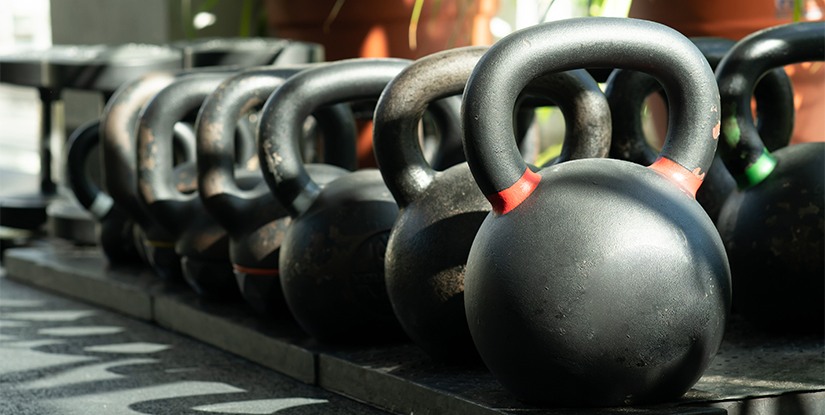
Optimizing Export Packaging for Heavy-Duty Strength Gear
For distributors managing high-volume imports, the durability of the product is only as reliable as its transit protection. When sourcing from strength training equipment manufacturers, the final landed cost is heavily influenced by potential damage claims caused by inadequate packing. To mitigate these risks, professional strength training equipment manufacturers must utilize specialized heavy-duty packaging designed to withstand the rigors of long-distance logistics.
Ensuring Sea Freight Protection and Durability
Bulk shipments of heavy iron plates, racks, and cable machines require more than standard cardboard. Reliable strength training equipment manufacturers implement multi-layer sea freight protection, typically involving reinforced wooden crates or heavy-duty corrugated boxes with internal foam bracing. This level of bulk shipping durability ensures that high-density steel components do not shift or collide during ocean transit. For a professional supplier, optimizing the container loading plan and using moisture-proof films is essential to prevent corrosion and structural compromise before the goods reach your warehouse.
To protect high-value assets during global transit, a reputable China factory adheres to strict QC standards that extend far beyond the production line. For high-density steel products, standard packaging is insufficient; instead, professional strength training equipment wholesale orders typically utilize reinforced steel crates or heat-treated wooden pallets to prevent structural deformation. To combat humidity during long sea voyages, manufacturers must incorporate multiple moisture-proof layers and vacuum-sealed protection for any electronic or precision-machined components. Finally, a rigorous pre-shipment inspection is mandatory to verify that every unit meets the agreed-upon specifications before leaving the dock, effectively reducing the risk of costly returns and ensuring stable distributor margins.
Packaging Specification Comparison by Product Class
Selecting the appropriate packaging is a critical decision during the sourcing phase, as it directly impacts both the safety of the inventory and the final landed cost. Importers must align the packaging grade with the specific product density and the chosen logistics method to prevent damage during transit.
| Product Category | Recommended Packaging Type | Optimal Shipping Method | Logistics Suitability |
|---|---|---|---|
| Free Weights (Plates/Dumbbells) | Reinforced Wooden Crate | Sea Freight (LCL/FCL) | High impact & moisture resistance |
| Strength Machines (Racks/Benches) | Heavy-duty Corrugated Box + Pallet | Sea Freight | Structural stability for bulky items |
| Precision/Electronic Gear | Multi-layer Foam + Vacuum Seal | Air Freight or Sea | Vibration & humidity protection |
| Small Accessories (Bands/Grips) | Standard Export Carton | Air Freight or Express | High volume, low weight efficiency |
Before finalizing your purchase, we recommend you request a spec sheet regarding specific crate dimensions and confirm MOQ packaging requirements. It is also prudent to book an inspection to verify that the protective layers meet your local import standards.
Navigating MOQ Tiers and Production Lead Times
For distributors and gym chains, understanding the relationship between order volume and unit price is critical for margin planning. When sourcing from professional strength training equipment manufacturers, the total landed cost is heavily influenced by how you manage bulk procurement strategies and shipping density.
Volume-Based Pricing and Economies of Scale
Higher order volumes typically trigger wholesale pricing tiers that significantly reduce the cost per unit. By increasing your MOQ, you leverage economies of scale in both raw material purchasing and factory production cycles. This approach is especially effective for high-density items like dumbbells or weight plates, where maximizing container utilization reduces the freight-to-value ratio.
| Procurement Model | Typical MOQ | Unit Cost Impact | Best For |
|---|---|---|---|
| Standard Stock Order | Low | Higher | Small gym startups |
| Wholesale Bulk Order | Medium | Moderate | Regional distributors |
| Custom OEM Production | High | Lowest | Global fitness brands |
To optimize your sourcing budget, we recommend requesting a detailed spec sheet to compare how different weight classes or material grades affect your final strength training equipment manufacturers quote and container loading plans.
Production Cycle and Customization Capability Comparison
The complexity of your specifications directly dictates the production cycle. When working with strength training equipment manufacturers, transitioning from standard stock to highly customized configurations requires longer lead times to accommodate OEM/ODM engineering and specialized testing.
| Order Tier | Lead Time | OEM/ODM Capability | Primary Shipping Method | Production Cycle |
|---|---|---|---|---|
| Sample Approval | 7–15 Days | Limited (Standard Spec) | Air Express | Rapid Prototyping |
| Small Batch | 30–45 Days | Basic Branding/Color | LCL (Sea Freight) | Standard Production |
| Full Container | 60+ Days | Full Customization | FCL (Container) | Mass Scale Manufacturing |
Before finalizing your sourcing plan, we advise distributors to confirm if custom components will extend the factory production window. Always request a formal pre-shipment inspection schedule to ensure that custom strength training equipment manufacturers protocols meet your specific quality benchmarks before the container is sealed.
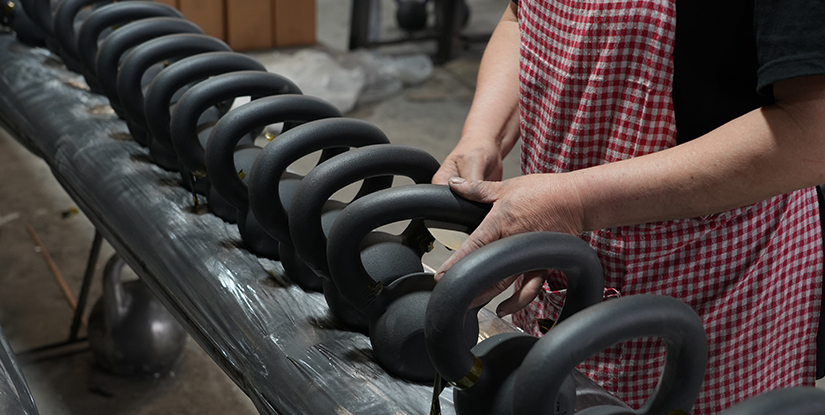
Balancing Rapid Replenishment and Production Lead Times
Effective inventory planning requires a strategic balance between stock availability and the inherent production lead time of a China factory. While rapid replenishment is ideal for high-turnover items, specialized orders often demand a longer window to accommodate rigorous QC inspection and customized export packaging. Relying on a single strength training equipment supplier without accounting for these variables can lead to stockouts or increased landed costs due to rushed air freight. To mitigate risk, professional importers should schedule production cycles well in advance of peak seasons, ensuring sufficient time for both quality validation and optimized container loading.
Customization Capabilities: OEM vs. ODM Solutions
Distributors seeking to scale their market presence must choose between rapid inventory turnover and long-term brand equity. When sourcing from strength training equipment manufacturers, understanding the technical distinction between manufacturing models is critical for managing landed costs and product differentiation.
Strategic Branding: OEM vs. ODM
For importers focused on branding control, OEM (Original Equipment Manufacturer) services allow you to apply your private label to existing, proven designs. This is the most efficient route for high-volume wholesale orders where the goal is to leverage a China factory's established production lines to minimize R&D costs. Conversely, if your goal is market disruption through product innovation, selecting an ODM (Original Design Manufacturer) is essential. This enables deep customization of mechanical components or ergonomic features, allowing you to own unique intellectual property, though it typically requires higher MOQ levels and longer lead times.
Evaluating ROI and Development Complexity
Selecting the right production model directly impacts your profit margins and market responsiveness. While strength training equipment wholesale via OEM offers faster speed-to-market, ODM provides the competitive edge necessary for high-end boutique gym segments. Use the following comparison to evaluate your sourcing efficiency and long-term investment strategy.
| Feature | OEM (Private Label) | ODM (Custom Design) |
|---|---|---|
| Design Ownership | Manufacturer's Design | Buyer's Proprietary Design |
| Development Time | Short (Standard Production) | Long (R&D and Prototyping) |
| MOQ Requirements | Lower/Standard Tiers | Higher/Volume-Dependent |
| Customization Depth | Logo & Color Only | Full Mechanical & Ergonomic |
To ensure optimal results, we recommend requesting a detailed technical spec sheet and confirming the MOQ for specific custom components before finalizing your procurement plan. Always book a pre-shipment inspection to validate that custom builds meet your engineering tolerances.
Impact on Landed Cost and Logistics
Advanced customization introduces variables that can fluctuate your total landed cost. When negotiating with a strength training equipment supplier, buyers must account for the increased lead time for custom molds and specialized tooling. Developing proprietary parts often requires higher MOQ thresholds to offset initial development expenses. Furthermore, specialized designs necessitate rigorous QC protocols to ensure structural integrity and compliance with international safety standards. Failing to integrate these technical requirements into your initial sourcing strategy can lead to unforeseen shipping delays or quality discrepancies during the final export phase.
Calculating Landed Cost and Margin Planning
When importers engage in strength training equipment wholesale, understanding the true landed cost is critical for protecting distributor margins. Relying solely on the factory-direct price ignores the complexities of international logistics. Moving from FOB vs EXEXW terms to final warehouse delivery involves several cost layers that can significantly impact your bottom line.
When sourcing from a China factory, your initial quote typically covers only the production and local handling. To calculate your actual acquisition cost, you must factor in ocean freight, marine insurance, and port handling fees. Furthermore, professional strength training equipment manufacturers often provide different price points based on whether you are paying for customs clearance and import duties or managing those logistics through a third-party freight forwarder.
| Procurement Model | Logistics Responsibility | Cost Predictability | Best For |
|---|---|---|---|
| EXW (Ex Works) | Buyer handles all transport | Lower initial price; high risk | Small volume/LCL shipments |
| FOB (Free On Board) | Supplier covers local export | Moderate; standard for wholesale | Standard containerized bulk orders |
| CIF (Cost, Insurance, Freight) | Manufacturer manages ocean transit | Higher initial cost; lower complexity | Distributors seeking simplified sourcing |
To ensure accurate strength training equipment manufacturers pricing, always request a breakdown that includes potential import duties and terminal handling charges. Before finalizing any strength training equipment manufacturers contract, confirm if the quote includes export-standard packaging to prevent damage-related costs during transit.
Detailed Cost Component Breakdown
To execute effective margin planning, distributors must look beyond the unit price. A comprehensive strength training equipment wholesale budget should account for both fixed and variable expenses associated with high-volume imports. Neglecting these line items can quickly erode the profitability of your bulk order.
| Cost Component | Description | Impact on Margin |
|---|---|---|
| Unit Price | Factory-direct production cost | Primary driver of base margin |
| Sea Freight | Ocean transit to destination port | Highly volatile based on volume |
| Import Tariffs | Customs duties and trade levies | Critical for compliance and cost |
| Port Handling | Loading, unloading, and terminal fees | Fixed per container/shipment |
| Local Delivery | Last-mile transport to warehouse | Depends on local infrastructure |
| QC Inspection Fees | Third-party pre-shipment audits | Essential for risk mitigation |
Once you have identified your strength training equipment manufacturers, request a formal proforma invoice that clearly distinguishes between FOB and CIF terms. We recommend requesting a detailed spec sheet and a formal MOQ confirmation before initiating a wire transfer to ensure all logistical variables are aligned with your target retail price.
The Impact of MOQ and Customization on Unit Costs
For distributors, the relationship between order volume and unit price is a primary lever for profit margin optimization. When negotiating with a strength training equipment supplier, you will find that the MOQ (Minimum Order Quantity) serves as the baseline for bulk pricing tiers. Higher volumes allow the factory to leverage a scale of economy, reducing the per-unit impact of setup costs and raw material procurement.
Furthermore, choosing between standard stock and OEM/ODM services significantly alters your cost structure. While standard wholesale items offer lower entry barriers, OEM requests—such as custom colorways, branding, or specific steel gauges—require additional tooling and design validation. While ODM solutions provide higher market differentiation, they often necessitate a higher MOQ to offset the specialized production runs. Balancing these customization requirements against your target landed cost is essential for maintaining a competitive edge in the local market.
Strategic Procurement Checklist for Global Distributors
Maximizing your return on investment requires moving beyond simple purchasing toward a sophisticated sourcing model. For distributors, the goal is to transition from buying finished goods to partnering with professional strength training equipment manufacturers that offer direct control over the supply chain. By working directly with a China factory, you can optimize your landed cost and significantly expand your profit margins through volume-based efficiencies.
A successful strategy involves more than just finding low prices; it requires a deep understanding of how strength training equipment manufacturers manage production scales and quality consistency. When you secure wholesale agreements that account for shipping logistics and duty impacts, you transform your procurement process into a competitive advantage for your fitness brand.
Evaluating Sourcing Models for Maximum Margin
Distributors must decide between the high-volume efficiency of a factory-direct model and the flexibility of a trading company. While trading companies offer smaller order volumes, working directly with strength training equipment manufacturers allows for superior control over OEM specifications and long-term private label branding. Use the table below to evaluate which sourcing model aligns with your current inventory scale and customization requirements.
| Feature | Direct Factory Model | Trading Company Model |
|---|---|---|
| MOQ Requirement | Higher (Full Container Load/FCL) | Lower (LCL or Mixed Pallets) |
| OEM/ODM Capability | High (Full Customization) | Limited (Standardized SKUs) |
| Lead Time | Longer (Production Cycles) | Shorter (Existing Stock) |
| QC & Inspection | Direct Oversight/Pre-shipment | Indirect/Third-party Reliance |
| Profit Margin | Maximum (Optimized Landed Cost) | Moderate (Middleman Markup) |
Before finalizing any purchase order, always request a detailed technical specification sheet and confirm the specific MOQ for custom colors or logos. We recommend booking a third-party factory audit or a pre-shipment inspection to ensure all strength training equipment manufacturers meet your rigorous durability standards before the container leaves the port.
Finalizing Quality and Logistics Verification
Once production concludes, the focus shifts to protecting your investment through rigorous oversight. A professional strength training equipment supplier must provide comprehensive documentation regarding the pre-shipment inspection process. This stage is critical to ensure that high-density steel components and upholstery meet the exact tolerances specified in your initial order. Relying on a third-party QC team to verify structural integrity and finish quality can prevent costly returns and damage to your brand reputation.
Beyond product quality, optimize your shipping costs by auditing the export packaging standards. For heavy-duty items, ensure the factory utilizes reinforced crates or heavy-duty pallets to withstand ocean freight. Confirming the exact container loading plan helps maximize space efficiency, reducing the per-unit landed cost. Before authorizing the final release, verify all maritime compliance documents and weight certifications to ensure a seamless transition through customs and local logistics hubs.