Workout Equipment Manufacturers: Sourcing and MOQ Guide
Optimizing Distributor Margins Through Strategic Inventory Sourcing
For regional distributors supplying large-scale gym chains, the challenge lies in balancing high-margin specialty items with high-volume staples. To maintain a competitive edge, you must identify workout equipment manufacturers that offer a scalable product hierarchy. Relying on a single high-MOQ item can tie up capital, whereas a diverse catalog ensures consistent cash flow across different market segments.
Strategic SKU diversification allows importers to capture both premium and budget-conscious segments. When engaging in China factory sourcing, aim for a mix of high-turnover wholesale fitness equipment and high-margin OEM workout equipment. This tiered approach optimizes your landed cost per unit and prevents inventory stagnation, ensuring your distribution network remains both profitable and versatile.
Comparing Sourcing Models: Impact on Profitability
Understanding the economic trade-offs between stock procurement and custom production is vital for effective margin planning. While purchasing ready-to-ship stock offers a shorter lead time, investing in OEM workout equipment typically yields a significantly lower landed cost per unit through economies of scale.
| Sourcing Model | Customization Level | Typical MOQ | Margin Potential | Lead Time Impact |
|---|---|---|---|---|
| Stock Wholesale | Low (Standard Colors/Logo) | Low to Medium | Moderate | Short (Ready to Ship) |
| Private Label | Medium (Branding/Packaging) | Medium to High | High | Moderate (Production + QC) |
| Factory-direct OEM | High (Full Spec/Tooling) | High | Maximum | Long (Custom R&D + Build) |
To maximize your ROI, we recommend requesting a detailed spec sheet and a formal quote for both stock and custom tiers. Before finalizing any bulk order, always confirm the specific MOQ requirements and schedule a pre-shipment factory audit to ensure quality standards align with your brand's reputation.
| Sourcing Model | Customization Level | Typical MOQ | Margin Potential | Lead Time Impact |
|---|---|---|---|---|
| Stock Wholesale | Low (Standard Colors/Logo) | Low to Medium | Moderate | Short (Ready to Ship) |
| Private Label | Medium (Branding/Packaging) | Medium to High | High | Moderate (Production + QC) |
| Factory-direct OEM | High (Full Spec/Tooling) | High | Maximum | Long (Custom R&D + Build) |
To maximize your ROI, we recommend requesting a detailed spec sheet and a formal quote for both stock and custom tiers. Before finalizing any bulk order, always confirm the specific MOQ requirements and schedule a pre-shipment factory audit to ensure quality standards align with your brand's reputation.
Evaluating China Factory Capabilities for Bulk Procurement
To secure sustainable margins, distributors must look beyond basic pricing and evaluate the structural capacity of workout equipment manufacturers. Successful China factory sourcing requires a rigorous vetting process that distinguishes high-output production lines from low-scale assembly shops. Importers should prioritize factory-direct partners who possess the specialized machinery required for heavy-duty steel fabrication and precision electronics integration.
Verifying Production Scale and Technical Compliance
When vetting workout equipment manufacturers, the first priority is verifying actual production capacity versus theoretical output. A reliable supplier must demonstrate the ability to handle high-volume orders without compromising lead times. It is critical to distinguish between a true manufacturer and a trading company; while traders offer variety, only a legitimate China factory can provide the deep OEM and ODM capabilities necessary for customized branding and specialized engineering. Ensure the facility holds international technical certifications to meet the stringent safety standards required for global distribution.
Comparative Framework: Sourcing Tiers and Service Models
Distributors must choose a sourcing model that aligns with their inventory turnover and branding strategy. Selecting the wrong tier can lead to high landed costs or insufficient customization. Use the following comparison to evaluate your potential wholesale fitness equipment partners based on your specific procurement needs.
| Feature | Small-scale Workshop | Large-scale Manufacturer |
|---|---|---|
| MOQ | Low/Flexible | Higher/Volume-driven |
| OEM Capability | Limited/Basic Branding | Advanced/Full Engineering |
| QC Rigor | Manual/Inconsistent | Automated/Systematic |
| Lead Time Stability | Variable/Unpredictable | High/Scheduled |
Before finalizing a contract, always request a detailed technical specification sheet, confirm the exact MOQ for customized components, and schedule a formal factory audit to verify production standards.
Quality Control and Export Logistics Standards
To protect your distributor margins, rigorous pre-shipment inspection protocols are non-negotiable. High-tier workout equipment manufacturers must implement systematic material testing to ensure steel tensile strength and upholstery durability meet international safety grades. Beyond product integrity, verify that the export packaging meets sea freight standards; heavy-duty, reinforced crating is essential to prevent damage during long-haul transit. Neglecting these QC steps can drastically increase your final landed cost through unexpected replacement fees or shipping claims.
Navigating MOQ Tiers and Production Lead Times
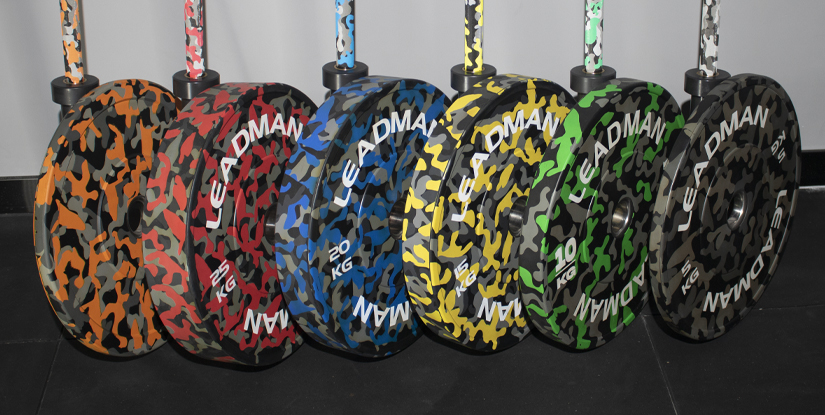
For distributors managing inventory cycles, understanding the relationship between order volume and workout equipment manufacturers is critical for maintaining healthy margins. When engaging in China factory sourcing, procurement professionals must balance the benefits of lower unit costs against the logistical complexities of high-volume storage.
Most wholesale fitness equipment providers utilize tiered structures to incentivize larger bulk orders. Typically, a low MOQ applies to standard stock items, whereas OEM workout equipment—customized to your specific branding or technical specifications—requires significantly higher volumes to offset tooling and production setup costs. Planning your purchase around these tiers ensures predictable lead times and optimized landed costs.
| Sourcing Model | Typical MOQ | Lead Time Impact | Margin Potential |
|---|---|---|---|
| Standard Stock | Low (1-5 units) | Short (7-14 days) | Moderate |
| Custom Branding | Medium (20+ units) | Moderate (30-45 days) | High |
| Full OEM/ODM | High (50+ units) | Long (60-90+ days) | Maximum |
Optimizing the Procurement Timeline
Effective supply chain management requires accounting for more than just basic production cycles. When negotiating with workout equipment manufacturers, distributors must factor in seasonal fluctuations and shipping buffers to avoid stockouts. A standard production run may be fast, but custom OEM projects often involve a multi-stage process: component procurement, specialized assembly, and rigorous quality testing.
To maintain a predictable inventory flow, we recommend a two-pronged approach. For high-turnover items, utilize standard stock orders to mitigate lead time risks. For specialized product lines, initiate the sourcing process at least one quarter in advance to accommodate potential delays in raw material availability or sea freight congestion. Always confirm if the factory can provide real-time updates during the assembly phase to better manage your local distribution schedules.
Reliability in the supply chain is not solely defined by speed, but by the predictability of the production window. To protect your margins, it is essential to integrate a structured pre-shipment inspection into your procurement timeline. Relying on a manufacturer's internal reports alone is insufficient; scheduling a third-party QC check after assembly but before container loading ensures that the batch meets your technical standards. This step is a critical safeguard against unexpected landed cost spikes caused by shipping defective units or high return rates.
Furthermore, savvy distributors must account for seasonal demand peaks, such as the pre-New Year fitness surge, which can strain a China factory's production capacity. When workout equipment manufacturers face high-volume cycles, standard lead time estimates often expand. To mitigate this, we suggest formalizing a production schedule that includes a buffer for both manufacturing and customs clearance. By securing your production slot early and verifying output through professional inspection, you ensure that your distribution network remains consistently stocked regardless of global logistics volatility.
Customization Pathways: OEM vs. ODM for Private Label Brands
Distributors seeking to scale their brand presence must distinguish between different levels of China factory sourcing to optimize their margins. Choosing the right manufacturing model depends on whether you intend to modify existing designs or develop entirely proprietary fitness hardware.
Understanding the Sourcing Models
When ordering OEM workout equipment, you typically work with a manufacturer's existing base models. This process focuses on private label application, where you provide specific product specifications—such as custom color schemes, logo placement, or upholstery textures—to align with your brand identity. This is a cost-effective way to maintain lower MOQ requirements while establishing a professional brand image.
In contrast, an ODM approach involves deeper factory-direct customization. Here, the manufacturer handles the engineering and structural design based on your unique functional requirements. While this offers higher product differentiation, it requires more intensive technical coordination and often carries higher minimum order volumes to justify the tooling and R&D investments.
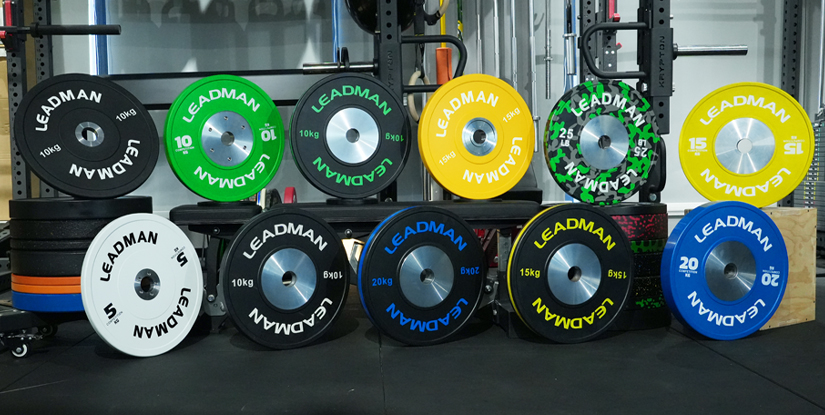
To assist procurement managers in evaluating technical requirements and potential impact on lead time, we have outlined the structural differences between these two pathways below. Selecting the appropriate model is critical for balancing branding control against initial capital expenditure.
| Feature | OEM | ODM |
|---|---|---|
| Design Ownership | Manufacturer-owned | Buyer-driven/Co-developed |
| R&D Requirement | Low | High |
| MOQ | Lower/Standardized | Higher/Project-based |
| Customization Depth | Cosmetic/Surface level | Structural/Functional |
For distributors managing wholesale fitness equipment inventory, OEM is often the preferred route for rapid market entry and predictable landed cost. However, if your goal is to introduce a unique mechanical feature to the market, an ODM partnership with experienced workout equipment manufacturers will be necessary to secure intellectual property and long-term competitive advantages.
Before finalizing your procurement strategy, we recommend requesting a detailed technical spec sheet from your chosen workout equipment manufacturers. Ensure you confirm the exact MOQ for custom components and request a formal sample approval process to validate build quality before full-scale production begins.
Quality Control Protocols and Pre-Shipment Inspection Standards
For distributors managing high-volume imports, relying solely on a vendor's word is a risk to long-term margins. When conducting China factory sourcing, professional buyers must verify that workout equipment manufacturers adhere to rigorous quality control protocols before any container is sealed. Without standardized testing, structural failures in bulk orders can lead to massive return costs and damaged brand reputation.
Ensuring Material Durability and Structural Integrity
Reliable workout equipment manufacturers implement multi-stage verification to ensure material durability under heavy commercial use. This process typically includes metallurgical analysis of steel frames and high-cycle strength testing for moving parts. We recommend that importers mandate a formal factory audit to confirm that the production line maintains consistent tolerances. A thorough pre-shipment inspection should verify that every unit meets the agreed-upon specifications, reducing the likelihood of defective goods arriving at your warehouse.
To mitigate financial and operational risks, importers should utilize a standardized QC checklist during the final stage of production. This is especially critical when ordering custom OEM workout equipment, where slight deviations in fabrication can impact the entire assembly. A professional pre-shipment inspection (PSI) ensures that the goods loaded into the container match the approved Golden Sample and technical drawings.
Standard Inspection Points for Bulk Orders
| Inspection Category | Critical Verification Points | B2B Sourcing Focus |
|---|---|---|
| Dimensions & Fit | Frame tolerances, bolt alignment, and weight plate compatibility. | Ensures seamless assembly for end-users. |
| Welding & Structure | Weld bead consistency, joint strength, and lack of cracks. | Prevents structural failure under load. |
| Coating & Finish | Powder coating thickness, scratch resistance, and paint uniformity. | Protects against oxidation and wear. |
| Packaging & Loading | Pallet stability, moisture protection, and carton strength. | Minimizes transit damage and landed cost. |
Before finalizing any wholesale shipment, we advise distributors to book a third-party inspection to confirm all quality control benchmarks are met. Once the report is cleared, you can proceed with the final balance payment and coordinate the vessel booking.
Logistics Security: Packaging and Container Loading
Effective export packaging is the final line of defense for your profit margins. High-density foam, heavy-duty corrugated boxes, and reinforced pallets are essential to ensure shipping damage prevention during long-haul sea freight. To protect your landed cost, we highly recommend hiring a professional for container loading supervision. This ensures that workout equipment manufacturers have optimized space utilization while maintaining structural stability, preventing shifting or crushing that often occurs during transit.
Optimizing Export Packaging and Container Loading Efficiency
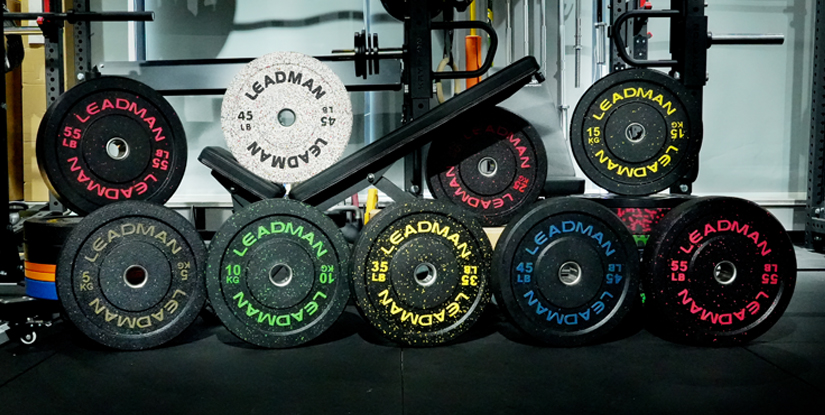
For distributors managing large-scale imports, the total landed cost is heavily dictated by how effectively workout equipment manufacturers manage volumetric weight. High-density items like strength machines require strategic weight/dimension management to prevent overpaying for "dead space" in sea containers. Efficient China factory sourcing must prioritize volume optimization to ensure that every cubic meter of a 40ft HQ container is utilized, directly protecting your profit margins during bulk transit.
Packaging Strategies for Heavy Equipment
Standardizing export packaging is critical for preventing transit damage while maintaining a competitive wholesale price point. We compare three common logistics approaches used by professional suppliers to balance protection against shipping density:
| Packaging Method | Protection Level | Volume Efficiency | Best For |
|---|---|---|---|
| Standard Wooden Crate | High | Moderate | Heavy Strength Racks |
| Reinforced Corrugated Box | Medium | High | Small Accessories |
| SKD (Semi-Knocked Down) | High | Very High | Large Cardio Machines |
To maximize your ROI, always request the specific MOQ breakdown for SKD versus fully assembled units, as the reduced shipping volume can significantly lower your per-unit import costs.
When coordinating bulk distribution, the choice between CKD (Completely Knocked Down) and SKD models can drastically alter your wholesale fitness equipment procurement budget. For heavy-duty items, a factory-direct approach that utilizes nested stacking or modular assembly can maximize container loading optimization. Before finalizing your purchase, ensure you request a detailed packing list and a 3D loading plan from your workout equipment manufacturers to verify actual volumetric impact on your freight expenses.
Beyond structural protection, high-end OEM workout equipment requires specialized branding and quality assurance protocols. When ordering private label packaging, distributors should specify requirements for logo placement and customized box graphics to ensure brand consistency upon arrival. To mitigate risks, we recommend scheduling a pre-shipment QC inspection and hiring a third-party professional for container loading supervision. This ensures that the final shipping volume matches the initial proforma invoice and that no structural damage occurs during the final packing stage.
Finalizing Your Sourcing Roadmap and Supplier Engagement
Once you have shortlisted potential workout equipment manufacturers, you must move from passive research to active engagement. To ensure your wholesale fitness equipment order meets strict North American commercial standards, do not rely on general inquiries. Instead, initiate a formal RFQ process that demands high-level technical precision and transparency from the China factory.
Standardizing the Rfq and Customization Process
A professional procurement workflow begins with a detailed Request for Quotation (RFQ). Your documentation should include comprehensive technical specifications, material grades, and precise dimensions to prevent any ambiguity in the OEM workout equipment manufacturing stage. When engaging with workout equipment manufacturers, explicitly state your requirements for ODM services if you require proprietary frame designs or custom upholstery textures. Beyond basic pricing, request a complete product catalog and a detailed spec sheet for every SKU. This ensures you can accurately calculate your landed cost and evaluate the MOQ tiers necessary for your distribution margins.
Comparing Procurement Models: Wholesale vs. Customization
Before signing any purchase agreements, evaluate whether your business model favors rapid stock turnover or brand differentiation. Understanding the trade-offs between standard stock and custom production is essential for managing your inventory risk and landed cost.
| Parameter | Standard Wholesale (Stock) | Custom OEM Production |
|---|---|---|
| MOQ | Lower (often per container or pallet) | Higher (typically per specific SKU) |
| Lead Time | Short (ready-to-ship inventory) | Extended (production + customization) |
| Packaging | Standard export-grade protection | Custom branding & specialized crates |
| Margin Potential | Competitive, high-volume turnover | Higher (exclusive product differentiation) |
Pre-Shipment Checklist for Distributors
To mitigate risk during China factory sourcing, never skip the final validation steps. Before authorizing the final balance payment, complete the following actions to protect your margins:
- Request a formal technical spec sheet for final sample approval.
- Confirm the exact MOQ and any tiered volume discounts.
- Schedule a third-party pre-shipment inspection to verify QC standards.
- Verify export packaging durability for long-haul ocean freight.
- Finalize the FOB or CIF terms to lock in your sourcing budget.
Mitigating Risk via Inspection and Logistics Coordination
The final phase of working with workout equipment manufacturers requires rigorous oversight to prevent costly discrepancies. Begin by securing formal sample approval; this signed-off unit serves as the gold standard for your entire production run. Once production concludes, mandate a comprehensive pre-shipment inspection. This QC protocol should involve physical testing of mechanical parts, weld integrity, and upholstery durability to ensure the finished goods match your original RFQ. Finally, coordinate closely with your freight forwarder to oversee container loading, ensuring that heavy machinery is properly braced and that the wholesale fitness equipment is packed to withstand the stresses of transoceanic shipping.