What Is the Range of Weight Plates for Workout Sets?
Vetting Manufacturers for Precision and Consistency
When sourcing high-volume fitness inventory, professional buyers must navigate three critical checkpoints: the risk of uneven load distribution, the strictness of technical specifications, and the logistical implications of weight discrepancies. Relying on low-quality production leads to more than just customer dissatisfaction; it creates significant liability if unbalanced loads cause equipment failure. Ensuring that your suppliers maintain strict manufacturing tolerances is essential to protect your brand reputation and ensure the durability of the entire strength training ecosystem.
True quality in standard weight plate sizes is defined by weight consistency across an entire production run. If a 25kg plate actually weighs 24.8kg, the cumulative error across a full gym set creates training imbalances that can lead to injury. This is why high-tier distributors prioritize factories capable of producing high-precision fractional weight plates alongside heavy iron disks. Without rigorous quality control, the gym equipment weight ranges you offer will fail to meet the professional standards required by elite training facilities, ultimately compromising the long-term durability of your product lineup.
To effectively evaluate a supplier's manufacturing capability, we recommend analyzing how different production standards impact the long-term usability and structural integrity of the equipment. High-precision casting and molding processes are not just about accuracy; they are fundamental to the durability of the products in high-traffic environments.
| Plate Category | Typical Precision Level | Impact on Training | Durability & Maintenance |
|---|---|---|---|
| Fractional Weight Plates | High (±1% or less) | Essential for micro-loading and progressive overload | Requires high-grade coating to prevent oxidation |
| Standard Iron Disks | Moderate (±2-3%) | Suitable for general strength training and heavy lifts | Robust construction; resistant to heavy impact |
| Bumper Plates | Variable | Optimized for Olympic lifting and high-velocity drops | High shock absorption; must resist cracking under stress |
Understanding these gym equipment weight ranges allows buyers to better categorize their inventory. While heavy iron plates focus on mass and ruggedness, the precision of fractional weight plates determines whether an athlete can safely reach their next milestone. When vetting your next shipment, always ensure the manufacturer's precision levels align with the specific demands of your target fitness demographic.
Beyond the physical specifications, the ultimate litmus test for a supplier is their approach to quality control during mass production. When determining what is the range of weight plates for workout sets that your clients require, you must verify that the factory employs calibrated testing protocols. A reliable manufacturer does not just hit a target weight; they ensure consistency across every single unit in a batch. This level of precision is what separates a budget-grade supplier from one capable of meeting professional gym standards. For distributors, this means fewer returns, higher client trust, and a reputation for providing reliable, high-performance gear that maintains its integrity under heavy use.
Ensuring Dimensional Accuracy Through Rigorous QC Audits
When sourcing professional-grade lifting gear, the subtle variations in standard weight plate sizes can lead to significant operational headaches. If a set lacks high dimensional accuracy, the resulting imbalance creates uneven weight distribution across the barbell. This is not merely a technicality; uneven loading places undue stress on the barbell's whip and can cause premature wear on the sleeves of high-end racks and smith machines.
For distributors managing diverse gym equipment weight ranges, quality control must extend beyond the number on the plate. Even fractional weight plates, designed for micro-loading, must adhere to strict tolerance levels to ensure they sit flush against one another. When plates of varying thicknesses are stacked, any deviation in diameter or center-hole precision can cause the load to shift, compromising user safety and increasing long-term maintenance costs for the facility. Investing in precision-engineered sets ensures that your inventory remains durable and reliable under heavy use.
To mitigate these risks, top-tier manufacturers implement rigorous QC audits that go far beyond basic weight checks. A single production batch must undergo multi-stage verification to ensure that thickness consistency is maintained across the entire spectrum, from the lightest 0.5kg disks to the heaviest 25kg or 45lb plates. We prioritize suppliers who utilize automated precision tools to monitor diameter precision, ensuring the outer edge and the inner bore remain perfectly concentric.
Maintaining a strict weight deviation threshold is critical for professional environments. For instance, even a minor percentage of variance can disrupt the balance of a barbell during high-velocity movements. By enforcing strict manufacturing standards, distributors can guarantee that every piece in the gym equipment weight ranges fits seamlessly. This level of oversight ensures that standard weight plate sizes remain uniform, protecting both the equipment's longevity and the facility's reputation for quality.
Understanding the technical nuances of what is the range of weight plates for workout sessions requires a look at how precision impacts different tiers of equipment. Depending on whether you are stocking a high-performance lifting facility or a general fitness center, the required tolerance levels will shift. A mismatch in precision can lead to uneven barbell loading, affecting the user experience and the long-term durability of the barbell sleeves.
The following table outlines how precision requirements vary across the most common categories to help you assess quality standards during your next procurement cycle.
| Plate Category | Typical Tolerance | Impact of Inaccuracy | Best Use Case |
|---|---|---|---|
| Fractional Weight Plates | Very Low (±1-2%) | Disrupts micro-loading accuracy | Powerlifting & Precision Training |
| Standard Bumper Plates | Moderate (±1-3%) | Uneven barbell whip or bounce | CrossFit & Olympic Lifting |
| Iron/Cast Iron Disks | Higher (±3-5%) | Improper fit on barbell sleeves | General Strength Training |
When evaluating standard weight plate sizes for your inventory, remember that higher precision typically correlates with higher durability and better performance in specialized gym equipment weight ranges.
Managing Warranty Claims for High-Volume Plate Orders
For distributors and gym owners, the real cost of a bulk order isn't just the initial invoice; it is the hidden expense of weight discrepancies. When sourcing gym equipment weight ranges, a lack of precision manufacturing can lead to significant deviations. If a shipment of heavy iron disks arrives with inconsistent mass, you face the logistical nightmare of processing returns or managing dissatisfied clients. These inaccuracies often stem from poor quality control during the casting process, where even a small percentage of error can accumulate across a massive container load.
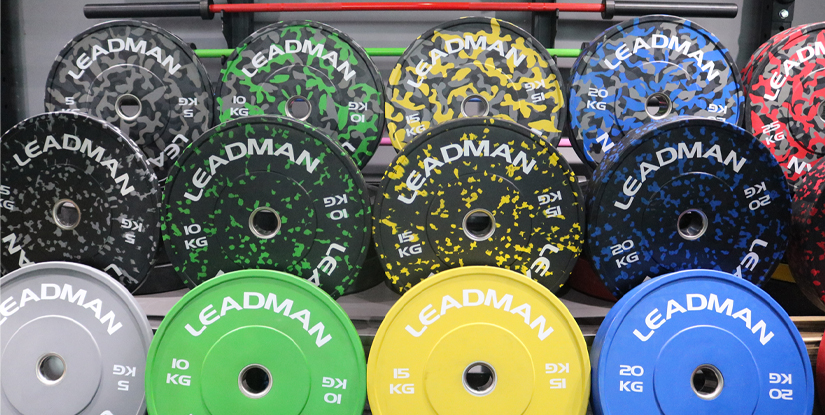
To protect your ROI, you must demand strict weight tolerance standards from your factory. Whether you are ordering standard weight plate sizes like 20kg or 45lb disks, or specialized fractional weight plates for micro-loading, the mass must be consistent. Relying on a supplier that prioritizes exact specifications ensures that your inventory remains reliable, reducing the long-term financial risk associated with faulty weight sets and high-volume warranty claims.
Understanding the relationship between product type and long-term durability is essential for calculating your true cost of ownership. Different weight categories carry different mechanical stresses, and your buyer protection should reflect these operational realities. When negotiating with manufacturers, we recommend aligning your replacement policy expectations with the specific physical properties of the items being ordered.
The following table provides a general guide to how different weight categories typically influence maintenance and warranty considerations in a commercial setting:
| Plate Category | Typical Usage Scenario | Maintenance Focus | Warranty Consideration |
|---|---|---|---|
| Fractional weight plates | Precision training & micro-loading | Surface coating integrity | High precision/weight deviation limits |
| Standard weight plate sizes | High-volume strength training | Regular inspection for wear | Standard structural durability |
| Heavy iron disks | Heavy lifting & high-impact use | Rust prevention & structural stress | Maximum impact resistance |
By evaluating these gym equipment weight ranges through a lens of long-term maintenance, you can better negotiate terms that safeguard your investment against the wear and tear of high-traffic fitness environments.
Ultimately, maximizing your return on investment requires more than just finding the lowest price; it requires a deep understanding of what is the range of weight plates for workout sets that your specific market demands. High-volume procurement involves complex logistics and significant capital, making any oversight in technical specifications a potential drain on your margins. A failure to define exact tolerances for standard weight plate sizes or fractional weight plates can lead to costly disputes and shipment rejections.
To secure a long-term investment, we advise implementing a rigorous pre-shipment inspection protocol. By verifying that the gym equipment weight ranges align perfectly with your purchase orders before they leave the factory, you mitigate the risk of receiving non-compliant inventory. Proactive communication regarding weight accuracy and material density ensures that your procurement process remains a predictable, profitable engine for your business growth.
Standard Weight Plate Sizes and Material Selection
When determining what is the range of weight plates for workout setups, procurement professionals must look beyond simple increments and focus on the long-term total cost of ownership. The material composition—whether you select traditional iron vs rubber-coated options—directly impacts both the initial investment and the long-term durability of your facility's inventory. While standard weight plate sizes like 45 lbs (20 kg) are universal, the surface treatment dictates how often you will need to replace them due to wear or floor damage.
For high-traffic commercial hubs, selecting the right gym equipment weight ranges involves balancing cost-effectiveness with maintenance requirements. A lower upfront cost for raw cast iron might seem attractive, but the lack of impact protection can lead to higher secondary costs in flooring repairs and equipment fatigue.
| Material Type | Typical Use Case | Durability Profile | Economic Value |
|---|---|---|---|
| Cast Iron | Standard Strength Training | High (Rigid) | Best for low-budget/entry-level |
| Rubber-Coated | Commercial Gyms/CrossFit | Very High (Impact Resistant) | Optimal for long-term ROI |
| Fractional Weight Plates | Precision/Technical Lifting | Moderate | Specialized/Niche investment |
Understanding the nuances of material selection is essential for optimizing your procurement budget. For basic strength training, cast iron remains a budget-friendly staple, offering high density and a classic feel. However, in high-intensity environments, the high-impact resistance of bumper plates or rubber-coated options becomes a critical factor. While these premium materials may require a higher initial outlay, they significantly reduce maintenance costs by protecting your flooring and reducing noise pollution.
Furthermore, when building out a specialized lifting area, incorporating fractional weight plates is a smart strategic move. Although these smaller increments represent a specialized niche within standard weight plate sizes, they allow athletes to achieve progressive overload with extreme precision. For distributors and gym owners, a diverse inventory that blends cost-effective iron with durable, high-performance rubber ensures you can meet a wide spectrum of client needs without overextending your capital.
Beyond the basic material, the true value of a professional setup lies in the precision of the increments. While many buyers focus exclusively on the heavy hitters, investing in a complete range of fractional weight plates is a vital long-term investment for any serious facility. These small-increment plates allow for microscopic adjustments in load, preventing training plateaus and ensuring that the gym equipment weight ranges you provide cater to advanced athletes who demand absolute accuracy.
From a procurement standpoint, prioritizing high-quality coatings and calibrated weights minimizes the total cost of ownership. Low-quality plates often suffer from uneven weight distribution or rapid oxidation, leading to excessive wear and tear on both the plates and the barbell sleeves. By selecting premium, precision-engineered options, you reduce the frequency of replacements and protect your facility's reputation for quality. Ultimately, knowing what is the range of weight plates for workout excellence means choosing equipment that balances diverse load increments with the rugged durability required for high-frequency commercial use.
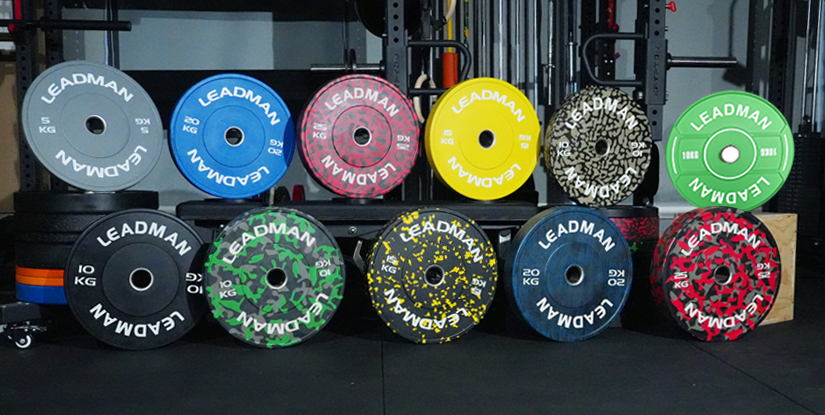
The Utility of Fractional Weight Plates in Specialized Training
While most commercial facilities focus on standard weight plate sizes to accommodate high-volume training, elite performance environments require a much higher level of nuance. Relying solely on large increments can often create a plateau in strength development, as the jump between standard plates is frequently too aggressive for micro-adjustments. This is where the strategic integration of fractional weight plates becomes essential for high-performance gym layouts.
For athletes pursuing progressive overload, the ability to add minute increments is vital for long-term gains. These smaller disks facilitate precision training, allowing lifters to bypass the limitations of traditional heavy iron disks. From a procurement standpoint, ensuring your inventory includes these specialized increments demonstrates a commitment to professional-grade standards, catering to clients who demand incremental progress rather than just bulk weight. Providing a full spectrum of weights ensures your facility supports every stage of an athlete's strength journey.
When designing a high-performance facility, understanding the balance between standard weight plate sizes and micro-loading options is crucial for space optimization. While heavy iron plates are the backbone of any strength room, a lack of smaller increments can limit the versatility of your equipment. To help you decide which gym equipment weight ranges to prioritize in your next inventory refresh, we have outlined the functional differences below.
| Feature | Standard Weight Plates | Fractional Weight Plates |
|---|---|---|
| Primary Use Case | Heavy lifting and high-volume sets | Micro-loading and technical precision |
| Training Intensity | Maximal strength and power | Breaking plateaus and fine-tuning |
| Space Efficiency | High (large volume, low SKU count) | Moderate (requires dedicated storage) |
| Typical Weight Range | 5 lbs to 100 lbs (approx. 2.5kg to 45kg) | 0.25 lbs to 5 lbs (approx. 0.1kg to 2kg) |
The debate of fractional plates vs standard plates is not about choosing one over the other, but rather about how they complement your training intensity goals. For distributors and facility owners, offering a comprehensive range ensures that your gym can transition seamlessly from foundational strength building to elite-level precision training.
To truly master the question of what is the range of weight plates for workout success, one must look beyond the heavy iron and focus on the granular details of micro-loading. For many lifters, the leap from a 45-lb plate to a 45-lb plus a 2.5-lb plate is too significant a jump to sustain consistent strength gains. This is where specialized training tools—specifically fractional increments—become a game-changer for both professional athletes and dedicated enthusiasts.
Incorporating these small-scale adjustments into your facility's inventory prevents the frustration of hitting a wall. When a client can add just a fraction of a pound to their barbell, they maintain the momentum necessary for long-term progress. For distributors, sourcing a diverse set of gym equipment weight ranges that includes these precision plates is a strategic move. It ensures your clients have the tools required for highly technical movements, making your equipment offerings indispensable for those focused on breaking through performance plateaus.
Optimizing Gym Equipment Weight Ranges for Diverse Users
For distributors and gym owners, inventory management is a balancing act between catering to diverse user needs and maintaining efficient turnover. A high-quality facility must provide a comprehensive spectrum of resistance to support every stage of a trainee's journey. If your stock is limited to only heavy plates, you alienate beginners; if it lacks micro-adjustments, you fail the advanced lifter. To truly optimize gym equipment weight ranges, your procurement strategy must include a mix of standard weight plate sizes—ranging from heavy 25kg or 45lb disks for compound movements to mid-range options for accessory work.
Furthermore, incorporating fractional weight plates is essential for high-performance training environments. These small increments allow athletes to master progressive overload without the jarring jumps in resistance that can lead to injury or plateaus. By sourcing a complete variety of weights, you ensure your facility remains a versatile destination for everyone from casual fitness enthusiasts to professional strength athletes.
When planning your inventory, consider how different materials impact both the user experience and your facility's space efficiency. A well-rounded stock should cater to specific training modalities while maximizing the utility of your floor space. The following comparison helps clarify which plate types best serve your target demographics.
| Plate Type | Primary User Type | Best Use Case | Key Procurement Advantage |
|---|---|---|---|
| Iron Disks | Beginner to Intermediate | Traditional strength training & basic lifting | High durability and cost-effective bulk sourcing |
| Rubber Bumper Plates | Advanced & Cross-Training | Olympic lifting and high-impact drops | Superior floor protection and noise reduction |
| Fractional Weight Plates | Elite Athletes | Precision micro-loading for progressive gains | Essential for high-performance specialized gyms |
For boutique studios where space efficiency is a premium, high-density rubber options are often preferred to minimize noise and wear. Conversely, if you are supplying a high-volume commercial gym, a robust selection of standard weight plate sizes in iron ensures you can meet high demand with a reliable, long-lasting inventory.
When determining what is the range of weight plates for workout setups in a professional setting, many buyers overlook the long-term value of precision. While heavy iron disks form the backbone of a facility, neglecting the smaller end of the spectrum can limit your facility's long-term equipment utility. A sophisticated inventory must account for the necessity of fractional increments to support the nuances of strength progression.
Advanced lifters often reach a point where a standard 2.5kg or 5lb jump is too significant to maintain form or safety. By stocking fractional weight plates, you enable micro-loading, a technique crucial for breaking through plateaus in competitive training. From a procurement standpoint, investing in these small-scale adjustments ensures your facility remains relevant to high-performance clients. Providing a seamless transition through every possible weight increment demonstrates a commitment to quality that differentiates a world-class gym from a standard fitness center.
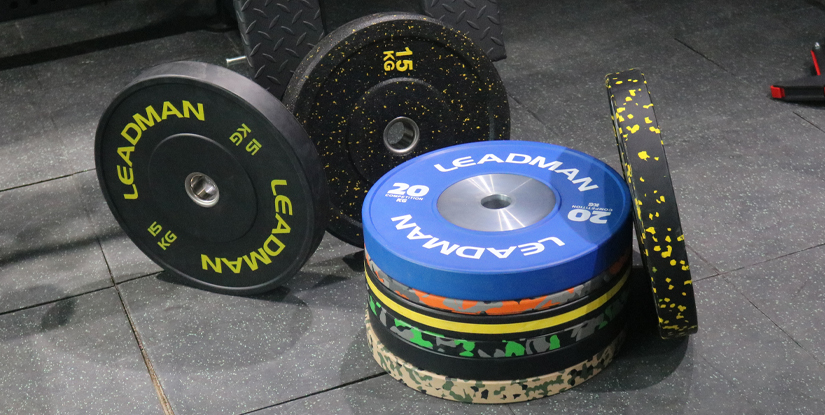
Strategic Packaging and Landed Cost Considerations
When sourcing a complete fitness set, professional buyers must look beyond the individual unit price and consider how standard weight plate sizes impact the total landed cost. The diversity in a shipment's weight profile directly dictates shipping volume and container utilization. For instance, a high concentration of heavy iron disks maximizes weight distribution efficiency, allowing you to hit container weight limits quickly, whereas a large volume of lighter plates may hit volumetric capacity before the weight limit is reached.
Furthermore, including fractional weight plates adds a layer of complexity to logistics efficiency. While these smaller increments are essential for progressive overload in high-end facilities, their high piece count per kilogram can lead to more complex packaging requirements to prevent damage during transit. From a procurement standpoint, balancing the ratio of heavy plates to smaller increments is a strategic decision. An optimized mix ensures you are not paying to ship "air" while maintaining a diverse inventory that meets the diverse needs of your end-users.
Understanding the cost-to-utility ratio is essential when determining what is the range of weight plates for workout setups in a commercial setting. Different materials offer varying levels of durability and price points, which directly affects your long-term maintenance budget and initial capital expenditure. To help you optimize your procurement strategy, we have compared the three most common types found within standard gym equipment weight ranges.
| Plate Type | Material Durability | Space Efficiency | Relative Cost per KG | Ideal Use Case |
|---|---|---|---|---|
| Iron Disks | High (Extremely Rugged) | Excellent (Thin Profile) | Low | Strength Training & Powerlifting |
| Bumper Plates | Moderate (Impact Resistant) | Lower (Thicker Profile) | Medium | Olympic Lifting & CrossFit |
| Fractional Weight Plates | High (Precision Focused) | Variable (Small Volume) | High | Progressive Overload & Fine Tuning |
When building your inventory, remember that while iron plates offer the best value for heavy standard weight plate sizes, bumper plates are indispensable for high-impact environments. A smart procurement mix utilizes the cost-effectiveness of iron for base weights while integrating high-precision fractional weight plates to provide a comprehensive training experience for your clients.
To achieve a truly cost-effective fitness setup, procurement professionals must master the art of the mixed-weight assortment. Relying solely on a single type of plate can lead to inefficient inventory variety and higher overhead. For example, over-ordering heavy bumper plates might increase your shipping volume significantly, whereas a strategic bulk ordering strategy that integrates high-density iron plates can optimize your container payload and reduce the cost per kilogram delivered.
The goal is to answer the fundamental question of what is the range of weight plates for workout requirements by balancing high-volume utility with high-precision increments. A successful distributor or gym owner typically maintains a core stock of heavy, standard-sized disks to build foundational mass, supplemented by a curated selection of smaller increments. This approach ensures you are not over-investing in expensive, low-weight SKUs while still providing the granular control necessary for advanced athletes. By diversifying your gym equipment weight ranges through a calculated mix of materials and sizes, you maximize both your shipping efficiency and your long-term market competitiveness.
Maximizing ROI Through Strategic Inventory Selection
For distributors and facility owners, understanding what is the range of weight plates for workout sessions is not just about stock levels; it is about optimizing capital expenditure. A high-performing facility requires a calculated blend of standard weight plate sizes to accommodate heavy compound movements and specialized increments to support progressive overload. Relying solely on heavy disks can limit user engagement, while over-investing in niche sizes can tie up liquidity in slow-moving SKUs.
To ensure investment longevity, we recommend a tiered procurement strategy. A robust inventory should bridge the gap between high-volume gym equipment weight ranges—such as 20kg and 10kg plates—and precision-engineered fractional weight plates. By balancing these diverse specifications, you enhance the versatility of your equipment sets, ensuring your facility remains functional for both elite strength athletes and beginners, thereby maximizing the long-term utility of every dollar spent on wholesale procurement.
When deciding on your inventory mix, the goal is to balance high-impact utility with budget efficiency. Different training environments demand different material properties. For instance, a high-traffic strength center may prioritize the durability of iron, whereas a functional training studio requires the impact resistance of rubber. Below is a comparison to help you determine the most effective comparison of plate types for your specific business model.
| Plate Type | Best Use Case | Space Efficiency | Durability & Maintenance | Cost-Effectiveness |
|---|---|---|---|---|
| Standard Iron | Traditional Strength Training | High (Slim Profile) | Very High (Hard-wearing) | Excellent (Low Unit Cost) |
| Bumper Plates | Olympic Lifting & CrossFit | Moderate (Thicker) | High (Shock Absorption) | Good (Longer Lifespan) |
| Fractional Weight Plates | Precision & Progressive Overload | Low (Specialized Use) | Moderate (Precision Sensitive) | Variable (Niche Investment) |
Selecting the right ratio of standard weight plate sizes to specialized increments ensures you aren't over-allocating funds to low-turnover items. For a balanced ROI, we suggest a core foundation of heavy iron or bumper plates, supplemented by a strategic supply of fractional weight plates to cater to advanced athletes seeking marginal gains.
Before finalizing your bulk order, use this quality assurance checklist to mitigate the risks associated with international sourcing. A failure to verify specifications can lead to uneven loading or unexpected logistics costs that erode your margins.
Final Procurement Quality Checklist
- Weight Tolerance Verification: Confirm that the manufacturer guarantees a strict weight tolerance. For precision items like fractional weight plates, even a small deviation can disrupt a user's training progression and affect your reputation.
- Material & Diameter Consistency: Ensure all standard weight plate sizes maintain uniform diameters and center hole dimensions to prevent barbell instability.
- Shipping & Volumetric Optimization: Discuss shipping considerations with your supplier regarding palletization. High-density iron plates are heavy but compact, whereas bumper plates are bulkier; optimize your container load to reduce freight-per-unit costs.
- Quality Consistency Audit: Request batch samples to ensure quality consistency across the entire gym equipment weight ranges you are ordering, preventing mismatched sets in your inventory.
By addressing what is the range of weight plates for workout sets through this rigorous lens, you transition from simple purchasing to strategic asset management.