Why Competition Barbell Plates Matter for Your Training
Optimizing Inventory Margins with High-Performance Weight Sets
Many facility managers fall into the trap of prioritizing low initial unit costs, often sourcing generic olympic weight plates that degrade under heavy use. This short-sighted approach leads to frequent replacement cycles and inconsistent weight accuracy. A more sophisticated procurement strategy involves investing in professional-grade competition barbell plates from the start. While the upfront capital expenditure is higher, the structural integrity of premium equipment ensures a much higher long-term ROI by stabilizing your operational budget.
High-quality calibrated bumper plates are engineered to withstand extreme impact and high-volume training sessions without the rapid wear and tear seen in budget alternatives. For distributors and gym owners, this durability translates directly into reduced maintenance overhead and fewer client complaints regarding barbell precision. By selecting equipment that maintains its calibration and physical form over years of rigorous use, you protect your margins and build a reputation for excellence in your local fitness market.
To make an informed procurement decision, you must weigh the immediate budget against the lifecycle of the equipment. While standard options serve general fitness environments, professional-grade equipment is essential for high-traffic facilities where accuracy is non-negotiable. The following comparison helps clarify which investment aligns best with your specific operational needs and usage frequency.
| Feature | Standard Bumper Plates | High-Performance Calibrated Bumper Plates |
|---|---|---|
| Primary Usage | General fitness & functional training | Competitive lifting & heavy strength training |
| Weight Accuracy | Moderate variance allowed | Strict barbell precision standards |
| Impact Resistance | Standard durability | High-intensity, long-term durability |
| Maintenance | Higher replacement frequency | Low maintenance; long lifecycle |
| Cost-effectiveness | Low initial cost; higher long-term expense | Higher initial investment; superior long-term ROI |
Choosing the right tier of olympic weight plates ensures that your facility remains a high-performance destination. For those managing high-volume commercial spaces, opting for premium competition barbell plates minimizes the hidden costs of frequent equipment turnover and technical inconsistencies.
Beyond simple durability, the true value of professional-grade equipment lies in its impact on your facility's operational efficiency. When you source competition barbell plates, you are investing in superior weight distribution. Inconsistent loading from lower-tier products can cause uneven wear on barbell sleeves and bushings, leading to premature mechanical failure. By ensuring perfect barbell precision, you extend the equipment longevity of your entire strength ecosystem, including the bars and racks themselves.
For distributors and facility owners, this technical consistency is a vital component of a premium training environment. A gym that offers perfectly balanced, calibrated weights signals a high level of professional standards to its members. This reliability reduces the frequency of equipment replacement and minimizes the downtime associated with faulty gear. Ultimately, prioritizing high-spec olympic weight plates transforms a recurring expense into a strategic asset, protecting your capital while elevating your brand's reputation for quality.
The Precision Gap: Why Standard Olympic Weight Plates Fall Short
In high-performance strength environments, the difference between a successful lift and a failed attempt often comes down to microscopic variables. While standard olympic weight plates are excellent for general conditioning and high-volume training, they frequently lack the rigorous barbell precision required for professional-grade lifting. For distributors and gym owners, the primary concern isn't just aesthetics; it is the long-term structural integrity of the equipment under extreme loads.
Standard plates often suffer from weight drift, where the actual mass deviates significantly from the stamped value. This inconsistency can disrupt a lifter's rhythm and affect the barbell's natural whip. In contrast, true competition barbell plates are engineered to strict tolerances to ensure that every kilogram is accounted for. When sourcing for premium facilities, upgrading to these calibrated options ensures that your inventory maintains its value and performance standards, preventing the subtle imbalances that arise from inferior casting processes.
Beyond weight discrepancies, the long-term value of your facility's inventory depends heavily on material density and manufacturing consistency. Budget-grade options often utilize low-grade fillers that lead to uneven wear, causing the plate's diameter to fluctuate over time. This loss of dimensional stability can create uneven surfaces and unpredictable bounce, which is unacceptable in professional settings. High-quality calibrated bumper plates are manufactured using premium, high-density rubber and advanced compression molding techniques to ensure the plate maintains its exact shape and circumference, even after thousands of heavy drops.
Investing in superior durability means your equipment can withstand the rigors of intense, daily use without the rapid degradation seen in cheaper alternatives. For wholesale buyers and facility managers, selecting plates with robust material composition is a strategic decision for long-term training environments. By prioritizing high-density construction, you mitigate the risk of premature replacement and ensure that your strength equipment remains a reliable, high-performing asset for years to come.
To help you make an informed procurement decision, we have outlined the primary trade-offs between standard equipment and professional-grade options. Understanding these distinctions is vital when deciding whether to stock high-volume training gear or specialized competition barbell plates for your facility.
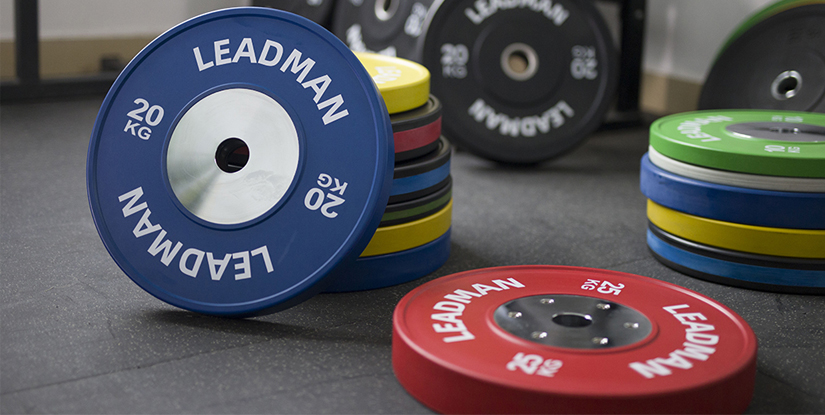
| Feature | Standard Olympic Weight Plates | Premium Calibrated Bumper Plates |
|---|---|---|
| Durability | Moderate; prone to surface wear | Exceptional; high-density construction |
| Usage Frequency | General training & conditioning | High-intensity & heavy lifting |
| Maintenance | Regular inspection required | Low; built for long-term stability |
| Ideal Setting | Commercial gyms & home studios | Strength sports & professional venues |
While standard plates serve a broad purpose, transitioning to equipment with superior barbell precision is a strategic move for any facility aiming to support advanced athletes. Choosing the right density and manufacturing standard ensures your investment withstands the test of time and heavy-duty usage.
Calibrated Bumper Plates and the Physics of Barbell Whip
For high-performance facilities, the difference between a standard lift and a professional-grade set lies in the physics of barbell precision. When sourcing high-volume inventory, it is essential to understand that competition barbell plates are engineered to manage kinetic energy more effectively than standard rubberized options. The density of calibrated bumper plates directly influences how a barbell behaves under heavy loads, specifically regarding the "whip" or oscillation of the bar.
Inconsistent weight distribution across a barbell can lead to unpredictable oscillation control, which complicates heavy attempts and increases the risk of erratic movement. High-quality olympic weight plates maintain a consistent center of gravity and a streamlined profile. This stability ensures that the energy transfer from the bar's bend is predictable, allowing athletes to time their lifts with precision. For distributors and gym owners, investing in plates with superior density profiles is not just about durability—it is about providing the technical reliability required for elite-level strength training.
Maintaining this level of performance requires a keen eye for material integrity. When comparing various olympic weight plates, the primary differentiator in long-term utility is density consistency. Lower-grade rubberized options often suffer from uneven compression over time, which disrupts the training stability of the entire barbell system. As the material wears, the uneven weight distribution can cause a noticeable shift in the predictable whip that lifters rely on during maximal efforts.
For procurement professionals, the goal is to source equipment that retains its geometric and mass accuracy through heavy use. While standard calibrated bumper plates are designed for impact, the true value lies in their ability to resist permanent deformation. Selecting high-density competition barbell plates ensures that the barbell's oscillation remains rhythmic and controlled, rather than erratic. This reliability is what separates a professional strength facility from a general-purpose fitness center, ensuring that the technical feedback from the bar remains constant throughout the lifecycle of the equipment.
To safeguard your investment in premium competition barbell plates, rigorous upkeep of the surface integrity is non-negotiable. For high-traffic strength facilities, dust and chalk accumulation can act as abrasives, potentially compromising the tight tolerances required for barbell precision. We recommend establishing strict cleaning protocols that involve using a damp cloth and mild, non-corrosive solutions to remove debris without degrading the high-density rubber or urethane coatings.
Furthermore, the storage environment plays a decisive role in preventing uneven wear and structural deformation. Storing olympic weight plates in areas with extreme temperature fluctuations or direct sunlight can lead to material fatigue or dimensional shifts. To ensure long-term weight distribution accuracy, always store your calibrated bumper plates in a climate-controlled, dry space, ideally on vertical plate trees rather than stacking them haphazardly. By prioritizing these maintenance standards, gym owners and distributors can ensure their equipment maintains the consistent physics and predictable whip that elite athletes demand.
Managing Footprint and Storage in High-Traffic Facilities
In crowded commercial environments, floor real estate is a premium commodity. Traditional olympic weight plates often suffer from excessive thickness, which limits the amount of weight a single barbell can carry and creates a bulky footprint on weight trees. This is where high-precision competition barbell plates provide a distinct logistical advantage. By utilizing a much slimmer profile, these plates allow strength athletes to load heavier weights without the bar becoming overstuffed or unbalanced.
For gym owners and facility managers, this space efficiency translates directly into better organization and smoother turnover in high-traffic facilities. When your equipment takes up less room, your storage solutions become more effective, and your lifting platforms remain unobstructed.
| Storage Factor | Standard Bumper Plates | Competition Barbell Plates |
|---|---|---|
| Profile Thickness | Relatively Bulky | Ultra-Slim Design |
| Barbell Loading Capacity | Limited by Plate Width | High Capacity/More Room |
| Storage Footprint | Larger/Takes More Space | Compact/Optimized Space |
| Facility Organization | Standard | Enhanced Efficiency |
Selecting the right equipment involves more than just performance metrics; it is about long-term operational efficiency. When sourcing for a professional strength center, understanding the dimensional differences between standard gear and calibrated bumper plates is vital for maximizing your inventory utility. While standard plates are functional, they often lack the barbell precision required for high-density loading, leading to cluttered weight trees and inefficient storage.
The following comparison helps clarify which option best aligns with your specific facility type and spatial constraints:
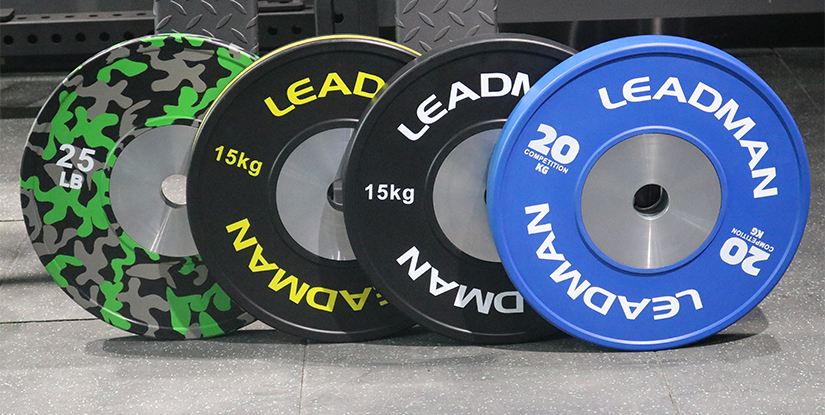
| Selection Metric | Standard Olympic Plates | Competition Barbell Plates |
|---|---|---|
| Thickness & Profile | Thicker, occupies more sleeve length | Slim, high-density design |
| Storage Density | Lower; requires more rack space | Higher; optimizes weight tree capacity |
| Ideal Facility Type | General fitness & commercial gyms | Performance centers & lifting platforms |
| Weight Distribution | Standard/Variable | Precision-calibrated for balance |
For distributors and large-scale buyers, prioritizing calibrated bumper plates ensures that heavy lifting zones remain organized, allowing for heavier loads to be stored within a smaller physical footprint.
Beyond the immediate loading capacity, the long-term logistical value of investing in high-tier competition barbell plates lies in the maintenance of a high-end professional training environment. As a facility scales, the chaos of mismatched, bulky equipment can degrade the user experience and complicate daily operations. By implementing a standardized set of calibrated bumper plates, you establish a predictable and streamlined weight room layout that remains functional even under heavy use.
A disciplined approach to organization is much easier to maintain when your inventory possesses consistent dimensions. High-density, slim-profile plates prevent the "cluttered look" common in budget-tier gyms, where unevenly sized plates often lead to disorganized weight trees and wasted floor space. For procurement specialists and facility directors, this level of barbell precision is not just about the lift itself, but about the long-term scalability and aesthetic integrity of the strength zone. Choosing equipment that optimizes every inch of your facility ensures that your spatial resources are used for training, not just managing bulky inventory.
Sourcing Standards for Professional Strength Training Ecosystems
When scaling a high-performance training facility, the temptation to prioritize low-cost olympic weight plates is high. However, viewing procurement through a purely transactional lens often leads to higher operational overhead. While standard rubber plates may suffice for casual fitness, they lack the barbell precision required for elite-level lifting. Investing in competition barbell plates is a strategic decision centered on long-term value rather than immediate savings.
Standard equipment often suffers from thickness inconsistencies and weight deviations that disrupt a lifter's rhythm. By sourcing high-grade calibrated bumper plates, distributors and gym owners mitigate the risk of frequent replacements caused by uneven wear. These premium assets offer superior durability, ensuring that the equipment maintains its structural integrity under heavy loads. Ultimately, the higher initial investment in competition barbell plates reduces the total cost of ownership by extending the lifecycle of your strength training ecosystem.
Strategic Budgeting and Tiered Selection
Navigating the financial requirements of a strength facility requires a nuanced understanding of different budget tiers. We recommend categorizing your procurement based on the specific training environment to maximize cost-effectiveness. For commercial gyms focused on high-volume general fitness, a mix of standard olympic weight plates and high-quality rubberized options can balance accessibility with durability.
However, for specialized strength hubs or competitive weightlifting centers, the investment must shift toward professional-grade calibrated bumper plates. While these carry a higher unit price, their precise barbell precision and thickness consistency prevent the costly downtime associated with uneven loading. To optimize your capital expenditure, consider a tiered approach: utilize standard plates for accessory movements and reserve your premium competition barbell plates for the main lifting platforms. This strategic allocation ensures that your most demanding athletes have the high-fidelity equipment they need, while your broader inventory remains economically sustainable for long-term operation.
To optimize your procurement, focus on a sophisticated investment strategy that prioritizes sourcing standards over superficial branding. Many buyers fall into the trap of overpaying for excessive third-party certifications that offer no functional benefit to professional strength training environments. Instead, direct your attention to factory-level quality control metrics, such as tolerance percentages and material density, which directly impact barbell precision.
When negotiating with manufacturers or distributors, request technical specifications regarding the weight deviation limits of their calibrated bumper plates. A reliable supplier should provide transparent data on manufacturing consistency rather than just marketing accolades. By focusing on these core sourcing standards, you ensure that your facility receives high-performance competition barbell plates that meet rigorous athletic demands without the unnecessary markup of non-essential certifications. This approach allows you to build a premium training ecosystem that remains fiscally responsible and operationally efficient.
Long-term Value vs. Initial Procurement Costs
When sourcing equipment for a high-traffic facility, many buyers fall into the trap of prioritizing low upfront costs over long-term utility. While standard olympic weight plates may seem budget-friendly during the initial procurement phase, they often lead to hidden costs down the line. Low-quality imitations frequently suffer from uneven weight distribution and material degradation, which compromises barbell precision and forces frequent replacement cycles.
Investing in professional-grade competition barbell plates shifts the conversation from a simple expense to a strategic investment vs expense calculation. These high-end calibrated bumper plates are engineered for long-term durability, maintaining their exact weight and structural integrity even under rigorous, high-impact usage. For distributors and facility owners, this means fewer replacements and less downtime. By selecting premium competition barbell plates, you are not just buying weight; you are securing a reliable standard of performance that protects your bottom line by reducing the frequency of re-ordering and equipment turnover.
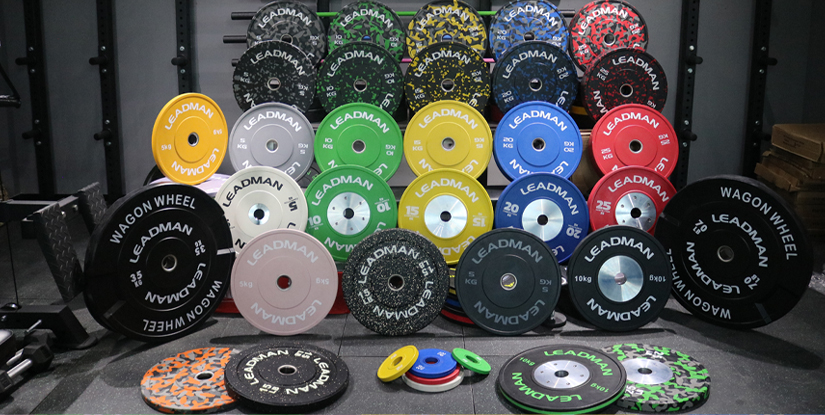
To visualize the economic advantage, consider the difference in cost-per-use between standard rubberized olympic weight plates and high-spec calibrated bumper plates. In a commercial setting, standard plates often experience significant wear and tear, leading to dimensional shifts and inconsistent weight consistency. This degradation necessitates a higher maintenance frequency and, eventually, a full replacement of the set to maintain professional standards.
In contrast, professional competition barbell plates are designed to withstand extreme mechanical stress without losing their calibrated accuracy. While the initial procurement price point is higher, the extended lifecycle of these plates drastically reduces the total cost of ownership. For procurement managers and gym owners, the ability to rely on a single, high-quality shipment that remains precise over years of heavy lifting—rather than managing frequent, smaller orders for substandard replacements—provides a much more predictable and sustainable budget model. Choosing barbell precision at the start is a safeguard against the diminishing returns of cheaper, low-durability alternatives.
Beyond the budget, the most significant hidden cost of inferior equipment is the disruption to technical performance. Low-grade olympic weight plates often lack the dimensional accuracy required for consistent movement. When a plate's thickness or density is inconsistent, it negatively affects the weight distribution across the sleeve, which in turn creates unpredictable barbell whip. For serious lifters, an erratic whip can be dangerous, turning a standard heavy lift into an unstable, high-risk maneuver. This lack of training consistency doesn't just hinder progress; it can lead to a decline in the reputation of your facility if the equipment feels unreliable.
From a procurement standpoint, the long-term value of calibrated bumper plates lies in their ability to maintain a predictable kinetic response. When the barbell precision is guaranteed, athletes can master complex lifts with confidence. By prioritizing high-spec competition barbell plates, you avoid the cycle of replacing equipment that has become "unbalanced" due to poor manufacturing. Ultimately, investing in high-quality components ensures that your facility remains a high-performance environment where the equipment supports, rather than undermines, the athlete's technical mastery.
Lifecycle maintenance planning for busy facilities
For facility managers and high-volume training centers, the true cost of equipment is measured by its operational lifespan rather than the initial purchase price. While standard rubberized options may seem cost-effective for entry-level setups, they often lack the structural integrity required for constant, high-impact use. Investing in premium competition barbell plates ensures that your facility maintains a standard of barbell precision that prevents the gradual degradation seen in lower-tier equipment.
The primary distinction lies in the durability vs. standard bumper plates debate. High-quality calibrated bumper plates are engineered with denser, high-grade materials that resist compression and edge deformation over time. This resilience is critical for maintaining weight accuracy and preventing the uneven wear that can compromise a barbell's balance. From a procurement standpoint, choosing these specialized olympic weight plates offers a significant long-term ROI for gym owners. By reducing the frequency of replacement cycles and minimizing maintenance downtime, you protect your capital expenditure and ensure your strength equipment remains a reliable asset for years to come.
To protect your investment, implementing a rigorous maintenance schedule is essential for high-traffic training environments. Unlike standard olympic weight plates, which may be treated with less scrutiny, high-end competition barbell plates require specific oversight to ensure they remain true to their rated weight. We recommend a quarterly audit to perform checking for calibration drift; this involves weighing individual plates on a calibrated scale to ensure they still meet international standards for barbell precision. Even the highest-grade calibrated bumper plates can experience slight deviations if subjected to extreme temperature fluctuations or improper handling.
Effective cleaning protocols are equally vital for longevity. Avoid harsh chemical solvents that can degrade the coating or surface texture; instead, use a damp cloth with mild soap to remove chalk buildup and sweat. Furthermore, strictly enforcing storage best practices—such as utilizing vertical plate trees rather than stacking them in high, unstable piles—will prevent structural warping and edge chipping. By integrating these small operational habits into your facility's routine, you extend the functional life of your inventory and maintain a professional standard for your athletes.
Deciding between standard inventory and specialized equipment often comes down to a calculation of usage intensity versus replacement frequency. To assist in your procurement planning, we have outlined the fundamental differences in how these products behave over extended operational cycles. Understanding these variables helps prevent unexpected capital outlays when your equipment fails to meet the rigorous demands of professional training.
| Comparison of Plate Lifecycles | Standard Bumper Plates | Calibrated Competition Plates |
|---|---|---|
| Typical Lifespan | Moderate (1–3 years in high-traffic zones) | Extended (Long-term durability for high-level use) |
| Maintenance Level | Frequent (Monitoring for deformation/compression) | Low to Moderate (Periodic weight verification) |
| Precision Stability | Variable (Susceptible to thickness changes) | High (Maintains strict barbell precision) |
| Ideal Use Case | General fitness, CrossFit, and beginner training | Strength competitions and professional weightlifting |
When sourcing for a commercial facility, selecting calibrated bumper plates serves as a strategic hedge against the rapid depreciation seen in generic olympic weight plates. While the initial unit cost may be higher, the reduction in replacement frequency provides a more stable long-term budget for distributors and gym owners alike.