Why Competition Grade Kettlebells Matter for Athletes
Optimizing High-Traffic Training Zones with Precision Gear
For boutique strength studios and high-end performance centers where floor real estate is at a premium, every square inch must justify its footprint. Unlike standard cast iron pieces that often feature irregular bulges or uneven handles, competition grade kettlebells are engineered with a focus on spatial efficiency. When you are managing a high-traffic functional training zone, the ability to stack or rack equipment without the risk of irregular shapes catching on nearby gear is vital for maintaining a seamless flow of movement.
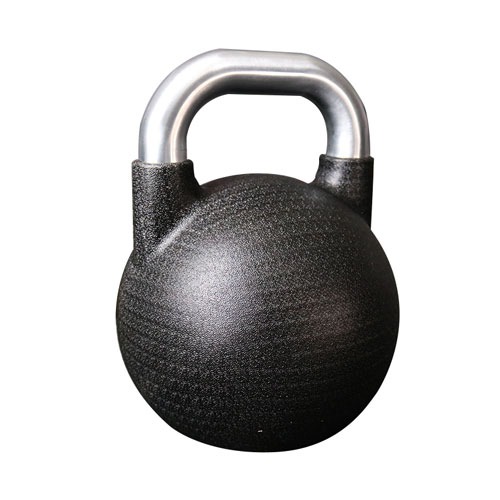
The primary advantage of sourcing precision cast kettlebells lies in their consistent diameter. Because these units are manufactured to meet strict dimensional standards, the body of each bell remains uniform regardless of the weight increment. This level of kettlebell weight accuracy and geometric regularity ensures that athletes can perform complex, multi-directional movements—such as lateral lunges or rotational swings—without fear of unexpected spatial interference. For distributors and facility managers, investing in this caliber of professional strength training gear means providing a predictable, high-performance environment where movement efficiency is never compromised by substandard equipment dimensions.
Choosing between standard and premium equipment often comes down to how much room your athletes actually have to move. In a crowded commercial setting, the bulkiness of traditional iron can create unnecessary bottlenecks. Below, we compare how different manufacturing standards impact your training environment and overall space optimization.
| Feature Dimension | Standard Cast Iron | Competition Grade Kettlebells |
|---|---|---|
| Geometric Profile | Irregular, often wider at the base | Uniform, streamlined diameter |
| Footprint Impact | Larger, unpredictable radius | Compact, optimized for density |
| Weight Consistency | Variable tolerances | High kettlebell weight accuracy |
| Versatility | Limited in tight zones | Ideal for high-density training |
For facility owners, the transition to precision cast kettlebells is more than a quality upgrade; it is a strategic decision for space optimization. By selecting professional strength training gear with standardized dimensions, you ensure that your functional zones remain navigable, even during peak hours. This predictability allows for denser equipment layouts and smoother transitions between movements, maximizing the utility of your available square footage.
Beyond immediate spatial benefits, the decision to source competition grade kettlebells serves as a critical long-term investment for any growing facility. In high-traffic zones, equipment is subjected to constant impact, frequent handling, and rigorous usage cycles. While lower-tier options may appear cost-effective initially, they often lack the structural integrity required for sustained commercial use, leading to premature wear or dimensional drift. By prioritizing professional strength training gear characterized by superior durability and precise manufacturing, facility owners mitigate the frequency of replacement cycles. This proactive approach to procurement reduces long-term operational overhead and ensures that your equipment maintains its high standards of kettlebell weight accuracy and aesthetic uniformity, protecting the professional reputation of your training environment for years to come.
The Impact of Weight Accuracy on Athlete Performance and Safety
For high-performance athletes, even a slight deviation in load can disrupt a movement pattern or skew training data. This is where the structural integrity of precision cast kettlebells becomes a non-negotiable standard. Unlike standard cast iron models that often feature uneven surfaces or off-center weight distribution, professional-grade equipment relies on advanced manufacturing to ensure kettlebell weight accuracy across an entire set.
When a facility invests in competition grade kettlebells, they are prioritizing balanced weight distribution. This precision ensures that the center of gravity remains consistent regardless of the angle of the swing or snatch. Without this level of engineering, athletes face increased risks of wrist strain or compensatory movements caused by an unbalanced load. For distributors and gym owners, sourcing equipment that guarantees training consistency is the most effective way to build long-term trust with professional clients who demand reliability in every repetition.
Beyond the immediate impact on movement mechanics, the long-term value of your inventory depends heavily on the manufacturing process. Standard cast iron models often suffer from surface imperfections and inconsistent density, which can lead to premature wear or even structural failure under high-volume use. In contrast, high-tier professional strength training gear is engineered for extreme durability and repetitive impact.
To better understand why the manufacturing standard dictates the lifecycle of your equipment, consider the following comparison between standard and premium options:
| Feature | Standard Cast Iron | Competition Grade Kettlebells |
|---|---|---|
| Surface Smoothness | Rough, irregular texture; prone to chipping | Ultra-smooth, consistent finish for grip safety |
| Weight Deviation | High variance; inconsistent load per unit | Strict kettlebell weight accuracy standards |
| Durability | Moderate; susceptible to uneven wear | High; engineered for heavy-duty commercial use |
| Structural Integrity | Variable center of gravity | Optimized precision cast kettlebells balance |
For wholesale buyers and facility managers, opting for competition grade kettlebells is a strategic move to reduce replacement frequency. While the initial unit cost may differ, the superior build quality minimizes safety liabilities and ensures the equipment remains a reliable asset in any high-intensity training environment.
Prioritizing precision is not just about technical specs; it is about protecting the athlete's muscle memory. When a movement is performed thousands of times, any slight wobble or offset in the weight can lead to faulty neurological patterns. By providing equipment that meets rigorous professional training standards, you ensure that the athlete's proprioception remains sharp and that their training remains predictable and safe.
Ultimately, sourcing competition grade kettlebells serves as a long-term investment for any high-end facility. The reliability of precision cast kettlebells translates to fewer injury-related interruptions and a higher standard of safety for your members. For distributors and procurement specialists, selecting gear with high kettlebell weight accuracy means delivering a product that stands the test of time, reinforcing your reputation as a provider of elite professional strength training gear.
Why Precision Cast Kettlebells Outperform Standard Iron in Commercial Settings
In high-traffic commercial settings, the hidden cost of equipment isn't the initial purchase price, but the frequency of replacement. Standard cast iron often suffers from surface irregularities and uneven weight distribution, which can lead to structural fatigue over time. In contrast, precision cast kettlebells are engineered for structural consistency, ensuring that every unit maintains its shape and balance even under rigorous, repetitive use. For gym owners and distributors, choosing high-quality professional strength training gear is a strategic move to minimize downtime and labor costs associated with replacing worn-out or damaged inventory.
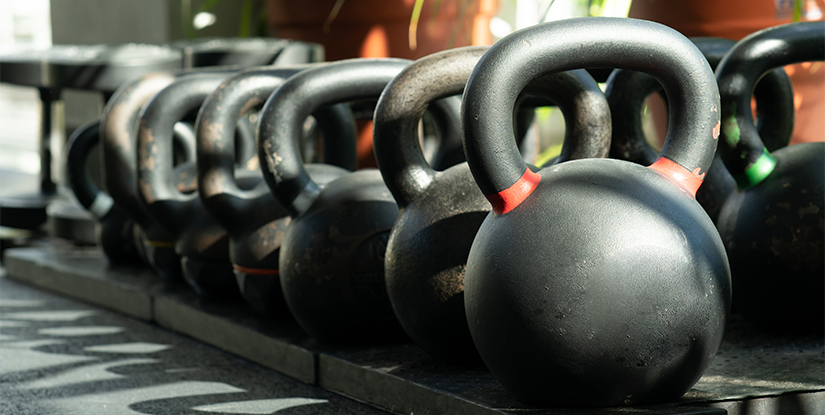
Investing in competition grade kettlebells provides a significant long-term investment advantage. Because these pieces are manufactured with tighter tolerances, they resist the chipping and deformation common in lower-grade alternatives. This durability ensures that your facility maintains a premium standard of kettlebell weight accuracy without constant upkeep.
| Equipment Type | Structural Integrity | Maintenance Frequency | Best Use Case |
|---|---|---|---|
| Standard Cast Iron | Moderate; prone to chipping | Higher; requires frequent inspection | Home gyms or low-traffic studios |
| Precision Cast Kettlebells | High; uniform density | Low; built for heavy usage | High-performance commercial gyms |
| Competition Grade | Maximum; optimized balance | Minimal; exceptional longevity | Professional training facilities |
Beyond structural durability, the long-term value of your inventory is often dictated by its surface profile. Standard iron models frequently exhibit rough textures and uneven finishes that accelerate surface wear, making them difficult to sanitize and prone to oxidation. This creates a higher maintenance difficulty for facility managers who must constantly address unsightly rust or jagged edges.
By opting for competition grade kettlebells, you are investing in equipment with a superior finish designed for longevity. The smooth, consistent coating on these units acts as a robust barrier for rust prevention, even in humid training environments. Because the manufacturing process prioritizes kettlebell weight accuracy and surface uniformity, the equipment remains aesthetically professional and functionally reliable for years. For distributors and large-scale gym operators, this reduction in upkeep translates directly to lower operational overhead and a more consistent user experience for athletes.
The long-term viability of your inventory depends heavily on how well it withstands the rigors of high-volume training. In many commercial facilities, equipment is subjected to constant impact and environmental fluctuations that can quickly degrade inferior products. This is where the distinction in manufacturing becomes critical for a buyer's bottom line. Unlike basic cast iron, which may develop unsightly blemishes or uneven surfaces after months of use, competition grade kettlebells are produced under strict quality control protocols to ensure a flawless finish and uniform density.
Maintaining aesthetic longevity is just as vital as functional reliability. For premium fitness centers and distributors, the visual state of the equipment reflects the brand's standard. The advanced casting methods used for precision cast kettlebells produce a smooth, resilient surface that resists chipping and oxidation. This high level of professional strength training gear ensures that your facility looks as professional in its third year of operation as it did on day one, significantly reducing the need for frequent replacements or aesthetic refurbishments.
Balancing Aesthetic Standards and Functional Longevity
When sourcing high-end equipment, many distributors and gym owners initially hesitate at the higher price point of competition grade kettlebells. It is common to view the upfront expenditure as a premium for aesthetics, but viewing this through the lens of long-term value reveals a much more practical procurement strategy. Unlike standard cast iron, which often suffers from uneven weight distribution and surface irregularities, precision cast kettlebells are engineered for extreme consistency and structural integrity.
In a high-traffic commercial environment, the durability vs. initial cost debate is central to maintaining a profitable facility. Investing in professional strength training gear that adheres to strict manufacturing tolerances means fewer replacements and lower turnover in your inventory. While budget-friendly alternatives might seem attractive for low-volume settings, the reliability of high-spec equipment ensures that your clients experience the same weight and balance every time, protecting your brand reputation and reducing long-term replacement cycles.
To better visualize where your capital is best deployed, consider the fundamental differences in manufacturing and utility. While standard iron models serve basic training needs, competition grade kettlebells are designed for specialized performance and high-level durability. The following comparison highlights why the investment in kettlebell weight accuracy and finish translates to better utility for your facility.
| Feature | Standard Cast Iron | Competition Grade |
|---|---|---|
| Weight Consistency | Variable/Tolerance-heavy | High Precision/Uniform |
| Surface Finish | Rough/Irregular | Smooth/Polished |
| Dimensions | Size varies by weight | Standardized/Consistent |
| Ideal Use Case | General Fitness/Home | Professional/Competitive |
Choosing precision cast kettlebells is not merely a stylistic choice; it is a decision regarding functional longevity. For distributors and facility managers, the standardized sizing and superior aesthetic standards of competition models ensure that equipment remains professional and functional even under heavy, repetitive use in high-performance training environments.
Ultimately, the decision to source competition grade kettlebells is an investment in performance rather than a simple line-item expense. For elite training centers and specialized strength facilities, the cost of equipment is secondary to the necessity of training consistency. When athletes transition between different weights, they require the exact same handle diameter and center of gravity to maintain technical proficiency. Utilizing professional strength training gear that offers such high levels of kettlebell weight accuracy prevents the subtle mechanical shifts that can disrupt high-level training sessions.
From a procurement standpoint, the superior manufacturing processes used to create precision cast kettlebells result in a product that withstands the rigors of commercial use far better than generic alternatives. By prioritizing quality at the sourcing stage, gym owners mitigate the risks of premature wear and the constant need for inventory updates. This strategic investment in performance ensures that your facility remains a premier destination for serious athletes who demand the highest standards of precision and reliability.
Sourcing Strategies for Professional Strength Training Gear
When scaling a premium fitness facility or a specialized strength studio, procurement logic must shift from the immediate price per unit to total cost of ownership. While standard cast iron may offer a lower initial entry point, it often leads to higher replacement frequencies due to uneven weight distribution and surface degradation. In contrast, investing in competition grade kettlebells represents a strategic move toward long-term asset value. By prioritizing professional strength training gear, distributors and gym owners mitigate the hidden costs of frequent restocking and equipment turnover.
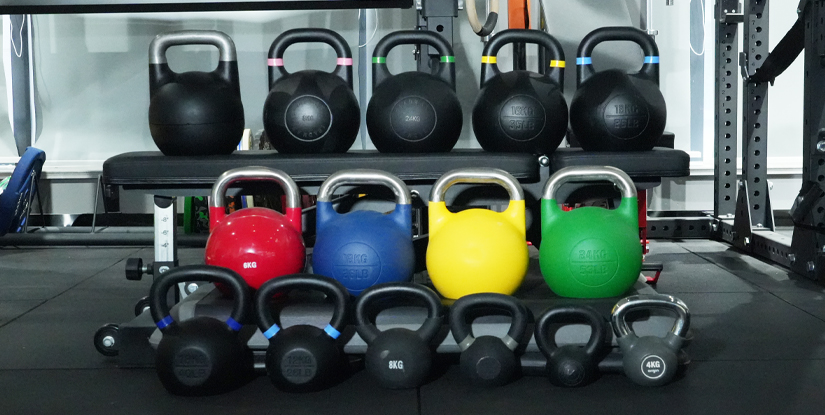
High-quality precision cast kettlebells are engineered for long-term durability, ensuring that the weight remains consistent even under high-volume commercial use. This reliability reduces the need for constant inventory adjustments and maintains the professional standard of your facility.
| Procurement Factor | Standard Cast Iron | Competition Grade Selection |
|---|---|---|
| Replacement Cycle | High (due to wear) | Low (optimized for longevity) |
| Weight Consistency | Variable tolerances | High precision accuracy |
| Asset Lifecycle | Short-term utility | Long-term capital investment |
| Brand Perception | Budget/Entry-level | Premium/Professional-grade |
Deciding between these two tiers requires an assessment of your specific usage frequency and operational environment. For boutique studios or high-performance centers where athletes demand absolute consistency, the slight premium for precision cast kettlebells is often offset by reduced maintenance needs and a much longer equipment lifespan. If your facility experiences heavy daily throughput, the high kettlebell weight accuracy of premium models prevents the subtle training imbalances often found in cheaper alternatives.
Ultimately, the choice depends on your business model. A budget-focused studio might prioritize lower upfront costs with standard iron, but a professional training facility should view competition grade kettlebells as a way to stabilize long-term procurement cycles. Choosing high-spec gear minimizes the disruption of frequent reordering and ensures your equipment remains a reliable asset rather than a recurring expense.
To protect your margins, you must look beyond the catalog and vet the actual factory capabilities of your suppliers. True sourcing reliability is found in a manufacturer's commitment to rigorous quality control protocols. When negotiating with wholesalers, ask for documentation regarding their manufacturing standards and how they manage tolerance deviations. A reputable supplier should be able to guarantee specific weight precision across entire production runs, ensuring that a 24kg unit is indistinguishable in balance and mass from its counterpart.
Vetting for Long-Term Consistency
Avoid the trap of low-MOQ suppliers who cannot demonstrate consistent kettlebell weight accuracy. In the professional sphere, even minor casting imperfections can lead to significant client dissatisfaction. We recommend requesting technical specifications that detail the casting process used for their precision cast kettlebells. A supplier that prioritizes high-level quality control and standardized production workflows is a much safer partner for distributors looking to build a reputation for excellence and minimize the logistical headaches of defective or inconsistent shipments.
Long-Term Value Assessment for Facility Owners
For facility managers and gym owners, the true cost of equipment is rarely found on the initial invoice; it is hidden in the long-term maintenance and replacement schedules. Opting for lower-tier alternatives might offer a temporary budget reprieve, but it often leads to increased operational friction. Investing in competition grade kettlebells serves as a strategic hedge against these rising costs. Unlike standard cast iron, which can suffer from uneven weight distribution and surface irregularities, precision cast kettlebells are engineered for consistency and structural integrity.
High-quality professional strength training gear significantly extends the lifespan of your inventory. When a facility utilizes equipment with superior durability, the frequency of replacement cycles drops drastically. This stability prevents the logistical headaches of constant reordering and the downtime associated with aging, mismatched sets. By prioritizing kettlebell weight accuracy and premium manufacturing standards, owners ensure that their facility remains a high-performance environment while optimizing the total cost of ownership through reduced turnover and consistent equipment availability.
To visualize the long-term impact on your bottom line, consider the operational differences between standard and competition grade options. While entry-level equipment may appear cost-effective during initial procurement, the lack of kettlebell weight accuracy often results in uneven wear and inconsistent training experiences for high-level athletes.
| Feature/Impact | Standard Cast Iron | Competition Grade Kettlebells |
|---|---|---|
| User Experience | Variable weight/texture | Uniform balance & smooth finish |
| Maintenance | Higher risk of surface rust/chipping | Minimal; high-durability coating |
| Replacement Cycle | Frequent due to wear/imbalance | Extended; built for heavy use |
| ROI Profile | Lower upfront/Higher long-term cost | Higher upfront/Lower total cost |
Choosing precision cast kettlebells ensures that your facility maintains a premium reputation. The superior longevity of these assets means fewer procurement cycles and less capital redirected toward replacing worn-out gear. Ultimately, the investment in professional strength training gear is an investment in operational stability and long-term profitability.
Beyond the mechanical longevity of the hardware, the most significant return on investment is often found in your facility's reputation. In a saturated market, premium athletes and high-end fitness clubs gravitate toward environments that demonstrate attention to detail. When a gym provides professional strength training gear that offers perfect balance and uniform texture, it signals a commitment to excellence. This level of quality directly influences client satisfaction; athletes who rely on exact measurements for their training cycles will notice and appreciate the lack of variance in their competition grade kettlebells.
A facility that consistently utilizes precision cast kettlebells builds a brand identity rooted in reliability. On the other hand, a gym stocked with inconsistent, poorly cast weights risks alienating its most dedicated members. By prioritizing high-standard kettlebell weight accuracy, you are not just purchasing inventory—you are investing in brand prestige. This high-tier positioning fosters long-term member loyalty and reduces churn, ensuring that your capital expenditure translates into a sustainable, high-value training environment that stands out in a competitive landscape.
Lifecycle maintenance planning for busy facilities
In high-traffic commercial environments, the cost of equipment is measured not just by the initial purchase order, but by the frequency of replacement. Standard cast iron implements often suffer from surface degradation or uneven wear when subjected to high-frequency usage in group classes or CrossFit boxes. This is where the structural integrity of precision cast kettlebells becomes a critical factor for facility managers and gym owners.
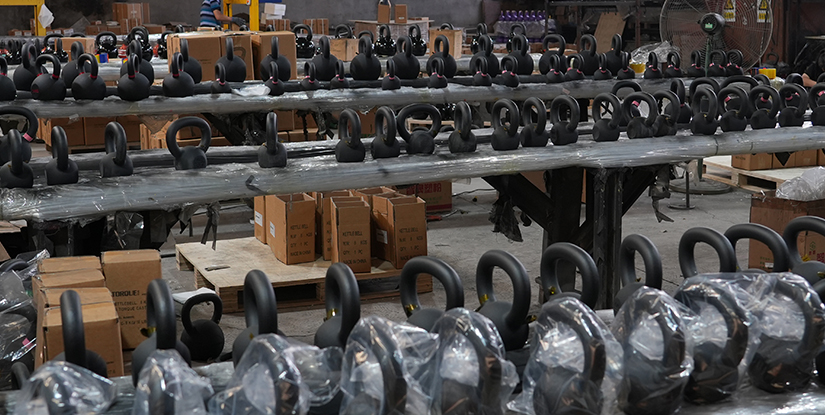
Investing in competition grade kettlebells ensures that your inventory remains consistent and professional over time. Because these units are manufactured with tighter tolerances and superior material density, they withstand the rigors of heavy daily use without the rapid cosmetic or structural decline seen in budget alternatives. For distributors and gym operators, this translates to a significantly higher long-term ROI. Instead of managing frequent replacement cycles due to chipped finishes or unbalanced weights, you can rely on the extreme durability of high-end gear to maintain a premium training environment for years. Choosing quality at the sourcing stage minimizes downtime and protects your bottom line against the rising costs of constant re-ordering.
When planning your procurement budget, it is essential to look beyond the unit price and evaluate the total cost of ownership. Standard cast iron models often present higher maintenance difficulty due to uneven surfaces or rust vulnerability, whereas competition grade kettlebells are engineered for longevity and consistent performance. The following comparison outlines how these two tiers of professional strength training gear behave within a commercial setting.
| Feature/Metric | Standard Cast Iron | Competition Grade |
|---|---|---|
| Kettlebell weight accuracy | Moderate variance | High precision/Strict tolerances |
| Surface Durability | Prone to chipping/rust | Resilient, uniform finish |
| Maintenance Needs | Frequent cleaning/inspection | Low/Minimal upkeep |
| Expected Lifespan | Medium (usage dependent) | High (long-term asset) |
For facility owners, opting for precision cast kettlebells reduces the logistical burden of constant inventory updates. While the upfront investment may be higher, the stability in kettlebell weight accuracy and the reduced need for replacement cycles make high-end equipment a more sustainable choice for high-performance training centers.
To protect your investment, implementing a routine care protocol is essential for maintaining the surface integrity of your premium inventory. Even the highest quality competition grade kettlebells require consistent oversight to prevent environmental degradation. We recommend a weekly inspection to check for any microscopic cracks or finish inconsistencies that could compromise the weight consistency of the set. For high-performance centers, even a minor deviation in balance can affect athlete feedback and long-term satisfaction.
Effective storage solutions are the first line of defense against premature wear. Rather than stacking implements haphazardly, which can lead to surface abrasions, use dedicated heavy-duty racks that allow for proper airflow. This prevents moisture buildup and ensures that the professional strength training gear remains in peak condition. A simple professional maintenance routine—such as wiping down handles with a dry, lint-free cloth to remove sweat and oils—will preserve the grip and finish. By prioritizing these small operational habits, facility managers ensure their precision cast kettlebells remain a reliable, high-value asset for years of continuous service.
Vendor due diligence and specification guardrails
When sourcing high-volume inventory for premium gyms or athletic facilities, the primary risk isn't just the initial cost—it is the hidden cost of premature equipment failure. Standard cast iron often suffers from structural inconsistencies that lead to cracks or uneven weight distribution over time. To mitigate this, procurement specialists must prioritize manufacturers capable of producing precision cast kettlebells. These units undergo rigorous metallurgical testing to ensure the integrity of the iron and the seamlessness of the coating, which is vital for high-traffic environments.
True durability is a direct result of strict quality control protocols during the casting process. Without high-level manufacturing consistency, a single shipment may contain bells with slight volumetric deviations, affecting the center of gravity and user safety. When vetting suppliers for professional strength training gear, we recommend requesting documentation regarding their casting tolerances. Ensuring that every unit meets exact specifications is the only way to guarantee that your competition grade kettlebells can withstand the relentless physical demands of elite athletes without compromising on safety or longevity.
Beyond structural integrity, the functional difference between standard gear and premium inventory lies in the tactile experience and technical precision. A common pitfall in large-scale procurement is overlooking the surface finish and balance of the equipment. While budget-friendly cast iron often features rough, irregular textures that can cause skin abrasions or inconsistent grip during high-repetition movements, high-end competition grade kettlebells are engineered for a smooth, uniform exterior. This refinement is not merely aesthetic; it ensures a predictable grip and a professional feel that athletes demand.
Furthermore, the most critical metric for any professional facility is kettlebell weight accuracy. In a competitive or professional setting, even a minor deviation in the center of gravity can disrupt a movement pattern or lead to injury. We suggest implementing a strict verification framework when evaluating potential shipments. High-quality precision cast kettlebells should exhibit near-perfect symmetry and a consistent weight profile across an entire set. By prioritizing these technical specifications over the lowest unit price, distributors and gym owners secure long-term durability and maintain the high standards of their training environments.
To ensure your procurement strategy yields a long-term investment rather than a recurring replacement expense, you must look beyond surface-level aesthetics and scrutinize the technical weight distribution. In the world of high-performance training, an unbalanced bell is more than a nuisance; it is a liability that can disrupt an athlete's kinetic chain. When evaluating a supplier's manufacturing standards, demand clarity on how they manage the density of the iron core. Competition grade kettlebells should feature a perfectly centered gravity point, ensuring that the centrifugal force remains predictable during high-velocity swings or snatches.
We advise buyers to treat the vetting process as a deep dive into the factory's technical capability. Rather than accepting generic assurances, ask for specific data regarding their precision casting methods and how they mitigate air pockets or structural voids within the iron. A reliable manufacturer will demonstrate a commitment to uniformity, ensuring that the 16kg bell feels identical in balance and grip to the 32kg bell. Prioritizing these rigorous technical indicators during your sourcing phase protects your facility from the volatility of substandard equipment and reinforces your reputation for providing elite-level gear.