Selecting Cast Iron Vinyl Kettlebells for Commercial Gyms
Analyzing Long-Term Value and Lifecycle Costs of Coated Cast Iron
In commercial gym equipment procurement, a common pitfall is prioritizing the lowest initial unit price over the long-term operational impact. Many facility managers mistakenly view a cast iron vinyl kettlebell as a simple commodity, failing to account for the hidden costs of rapid degradation. While unpainted or low-grade options may appear budget-friendly on a single invoice, they often lead to premature replacement cycles in high-traffic usage scenarios where equipment is frequently dropped or moved across abrasive flooring.
A sophisticated sourcing strategy shifts the focus toward Total Cost of Ownership (TCO). By selecting premium coated cast iron kettlebells, buyers invest in superior durability that mitigates the need for frequent replacements. High-quality vinyl dipping provides a protective barrier that reduces maintenance frequency and protects the underlying iron from oxidation and surface chipping. For distributors and large-scale gym operators, this means a lower replacement frequency and a more stable equipment lifecycle, ultimately protecting profit margins against the rising costs of constant reordering and logistics.
When evaluating the financial impact of your inventory, the distinction between standard iron and coated cast iron kettlebells becomes clear through the lens of asset longevity. In high-intensity training environments, the primary drivers of cost are not just the purchase price, but the frequency of replacement and the maintenance of the surrounding facility. Uncoated iron is highly susceptible to oxidation, which can lead to rust-related surface degradation and aesthetic decline within a few months of heavy use. In contrast, high-grade vinyl dipped kettlebell durability ensures that the core remains protected from moisture and impact-induced chipping.
Beyond the equipment itself, the secondary cost of floor protection is a critical variable. Dropped iron weights can cause permanent damage to specialized rubber flooring or subflooring, necessitating expensive facility repairs. A high-quality vinyl coating acts as a buffer, reducing the kinetic impact on the ground and extending the lifespan of your gym's surfaces. The following comparison outlines how these factors influence the long-term procurement outlook for professional operators.
| Feature / Cost Driver | Standard Cast Iron | Vinyl Coated Cast Iron |
|---|---|---|
| Rust Prevention | High risk of oxidation | Excellent (Protective Barrier) |
| Replacement Cycles | More frequent due to wear | Extended lifecycle |
| Floor Impact | High (Potential surface damage) | Reduced (Impact buffering) |
| Maintenance Needs | Requires periodic cleaning/oiling | Minimal (Wipe-clean surface) |
Ultimately, prioritizing high-quality coated options serves as a strategic hedge against market volatility and unpredictable maintenance overhead. For distributors and large-scale facility owners, the goal is not just to stock inventory, but to ensure investment stability across multiple procurement cycles. When a single shipment of low-grade equipment fails prematurely, the resulting costs in shipping, restocking, and labor far outweigh the initial savings.
By focusing on the long-term value of a premium cast iron vinyl kettlebell, procurement professionals can achieve much better facility management predictability. A durable, high-spec product reduces the "hidden" labor costs associated with inspecting, cleaning, and replacing worn-out weights. This approach transforms equipment from a recurring expense into a reliable asset, ensuring that your budget remains focused on growth and expansion rather than constant equipment replenishment.
Evaluating Vinyl Dipped Kettlebell Durability for High-Traffic Zones
In high-traffic gym environments, equipment undergoes constant physical stress from repetitive drops, accidental impacts, and heavy usage. For facility managers and distributors, the primary concern is not just the initial cost, but the long-term structural integrity of the inventory. A low-quality coating can peel or crack under pressure, leading to premature replacement cycles and increased TCO.
A premium cast iron vinyl kettlebell is engineered to mitigate these risks. The foundation of durability lies in the core density; a high-quality cast iron center provides the necessary weight stability and impact resistance required for heavy ballistic movements. This solid core ensures that even if the outer layer experiences friction, the fundamental shape and weight distribution remain unchanged, preventing the structural failures common in hollow or low-density alternatives.
| Material Configuration | Impact Resistance | Surface Longevity | Best Use Case |
|---|---|---|---|
| Solid Cast Iron (Uncoated) | Very High | Moderate (Prone to oxidation) | Outdoor or Rugged Strength Zones |
| Vinyl Dipped Cast Iron | High | High (Protects against scuffs) | Commercial HIIT & Group Classes |
| Rubber Encased Iron | Extreme | Very High | High-Intensity Weightlifting Areas |
When sourcing for large-scale distribution, verifying the bond between the vinyl layer and the iron core is essential. A high-grade cast iron vinyl kettlebell utilizes a specialized dipping process that ensures the coating adheres tightly to the metal, preventing delamination during heavy use in high-intensity training zones.
To ensure long-term reliability, procurement specialists must evaluate the technical specifications of the coating process. The longevity of coated cast iron kettlebells depends heavily on adhesion strength—the ability of the vinyl to bond seamlessly to the iron substrate. In substandard manufacturing, poor bonding leads to bubbling or peeling when the kettlebell is dropped or subjected to rapid temperature shifts. High-quality production utilizes a precision dipping method that eliminates air pockets, ensuring the layer remains intact even under rigorous ballistic training.
Furthermore, the chemical composition of the outer layer dictates its resilience in diverse environments. Premium vinyl dipped kettlebell durability is often a result of superior thermal stability and UV resistance. This is particularly critical for distributors supplying multi-use facilities where equipment may be exposed to varying ambient temperatures or sunlight near large windows. A stable coating prevents the vinyl from becoming brittle or tacky over time, maintaining a consistent grip texture and aesthetic appearance throughout the equipment's lifecycle.
Effective commercial gym equipment procurement requires a granular understanding of how surface wear affects operational overhead. Beyond the visual finish, procurement officers must scrutinize the surface texture and its resistance to friction-induced degradation. A consistent, non-slip texture is vital for user safety, but it must also withstand the abrasive nature of frequent handling without developing bald spots or uneven wear patterns.
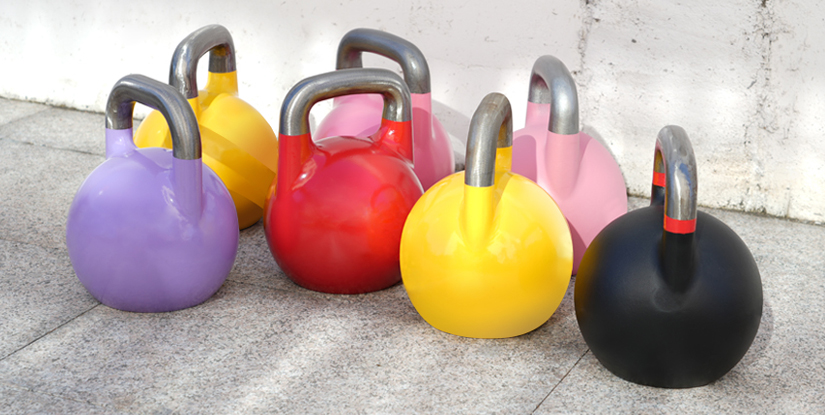
When calculating the TCO (Total Cost of Ownership), do not overlook the maintenance frequency required for different coating grades. While uncoated iron may require periodic rust treatment, a high-quality vinyl coating shifts the maintenance focus toward surface hygiene and integrity. A superior dip ensures that the coating does not become tacky or brittle, reducing the need for frequent inventory replacement. For distributors and facility owners, selecting a product with high thermal stability and robust adhesion minimizes the labor costs associated with equipment upkeep and ensures the long-term value of the initial capital expenditure.
Optimizing Floor Protection and Facility Maintenance Standards
For facility managers, the long-term cost of ownership extends far beyond the initial purchase order. A significant variable in facility maintenance standards is the interaction between the equipment and the flooring. High-traffic commercial environments often utilize specialized rubber or synthetic surfaces that can be vulnerable to mechanical damage. When sourcing a cast iron vinyl kettlebell, the quality of the outer layer serves a dual purpose: it is not merely an aesthetic choice, but a critical component of floor protection.
A high-grade, uniform vinyl coating provides superior impact absorption compared to raw or painted iron, which can cause micro-cracks in flooring over time due to blunt force. Furthermore, the surface friction provided by a premium dip ensures that the weight remains stable during high-intensity movements, reducing the likelihood of accidental slips or uneven drops. For distributors and gym owners, investing in high-quality coated cast iron kettlebells reduces the frequency of floor repairs and surface resurfacing, effectively lowering the total cost of ownership and protecting the facility's capital assets.
Beyond immediate impact, the long-term durability of your inventory depends on the quality of the bonding process. During commercial gym equipment procurement, buyers must differentiate between thin, superficial coatings and professional-grade applications. In high-traffic usage scenarios, inferior coatings often suffer from premature degradation, leading to unsightly chipping or unsightly discoloration that can diminish a facility's premium feel.
Evaluating vinyl dipped kettlebell durability requires a focus on peeling resistance and adhesion strength. A high-quality dip must be engineered to withstand constant temperature fluctuations and the friction of repetitive handling without separating from the iron core. When sourcing at scale, we recommend verifying the thickness and elasticity of the coating; a superior finish ensures that the product maintains its structural integrity even under heavy use. By prioritizing these technical specifications, procurement officers can avoid the recurring costs associated with premature replacement and ensure a more predictable equipment lifecycle for their clients.
To maintain professional standards, facility operators must implement structured inspection protocols to monitor the condition of their inventory. Rather than waiting for visible failure, a proactive maintenance schedule is essential for large-scale management. We recommend a quarterly inspection frequency for high-traffic strength training zones to evaluate the coating integrity of every unit. During these audits, staff should look for signs of delamination, localized peeling, or deep abrasions that might expose the underlying iron core to oxidation.
Effective cleaning protocols are equally vital to preserving the longevity of the equipment. To avoid degrading the polymer layer, maintenance teams should use non-abrasive, pH-neutral cleaning solutions and soft cloths. Avoiding harsh chemical solvents is critical, as these can strip the protective finish and compromise the vinyl dipped kettlebell durability. By establishing these routine checks and standardized cleaning procedures, gym owners can ensure their equipment meets commercial gym standards for years, preventing the premature depreciation of their bulk inventory and optimizing long-term operational efficiency.
Strategic Sourcing and Quality Control for Bulk Wholesale Orders
When scaling a fitness facility, the temptation to prioritize the lowest unit price during commercial gym equipment procurement can lead to significant long-term deficits. While a low initial quote might look attractive on a procurement spreadsheet, it often fails to account for the hidden costs of premature wear and replacement cycles. A high-quality cast iron vinyl kettlebell offers a different financial profile; its value lies in the durability of the protective coating and the consistency of the weight distribution.
To optimize your budget, professional buyers should shift focus from simple unit costs to the Total Cost of Ownership (TCO). This involves evaluating how long the vinyl coating remains intact under heavy use and how much maintenance your staff will require. By utilizing factory-direct sourcing, distributors and gym owners can bypass excessive middleman markups while maintaining strict control over manufacturing standards. Engaging directly with the production source ensures that your Minimum Order Quantity (MOQ) requirements are met with consistent quality, ultimately delivering better long-term value than cheaper, unverified alternatives.
Evaluating the financial impact of your order requires looking beyond the invoice to the actual lifecycle of the product. In many commercial settings, the cost of labor and downtime for equipment replacement far exceeds the initial savings gained from a budget-tier supplier. To assist in your decision-making process, the following framework compares the long-term value of premium-grade options against standard market alternatives.
Comparative Value Framework: Premium vs. Standard Grade
| Metric | Standard Grade (Low-Cost) | Commercial-Grade (High-Value) |
|---|---|---|
| Coating Integrity | Thin, prone to peeling and cracking | High-density, impact-resistant vinyl |
| Durability | Low vinyl dipped kettlebell durability | Optimized for high-frequency use |
| Weight Precision | High variance in weight distribution | Strict quality control (QC) benchmarks |
| Long-term TCO | Higher due to frequent replacement | Lower due to extended equipment life |
When vetting a supplier, ensure they adhere to rigorous manufacturing standards for coated cast iron kettlebells. A reliable partner will provide documented QC reports and consistent batch testing to ensure that every unit in a bulk shipment meets the weight tolerances required for professional training environments.
Optimizing Logistics and Volume-Based Procurement
For large-scale facility setups, the true cost of a cast iron vinyl kettlebell order is often determined by how effectively you manage the movement of goods. Procurement professionals must look beyond the per-unit price to consider the impact of shipping volume optimization on the final landed cost. Because kettlebells are high-density products, maximizing container utilization is critical to preventing inflated freight expenses during international transit.
When negotiating bulk wholesale orders, it is strategic to align your purchasing cycles with the manufacturer's MOQ (Minimum Order Quantity) thresholds. Ordering in volumes that match full container loads (FCL) rather than less-than-container loads (LCL) can drastically reduce the per-unit shipping burden. Effective logistics planning involves more than just selecting a carrier; it requires coordinating with the factory to ensure that packaging dimensions and pallet configurations are optimized for the specific dimensions of the shipping vessel. By synchronizing your procurement schedule with these logistical efficiencies, you can secure a more competitive edge in your facility's budget management.
Logistics and Packaging Requirements for International B2B Shipments
Shipping high-density weight equipment involves significant logistical complexities that can directly impact your landed cost and product quality upon arrival. Because a single cast iron vinyl kettlebell carries substantial weight relative to its volume, the structural integrity of the shipping container and the quality of the inner packaging are critical. Without rigorous standards, the heavy iron core can easily shift during maritime transit, leading to internal collisions that compromise the exterior finish.
To maintain high vinyl dipped kettlebell durability, manufacturers must implement specialized protective packaging protocols. We recommend sourcing from suppliers who utilize heavy-duty corrugated dividers and reinforced master cartons designed for dent prevention. High-quality transit damage mitigation involves not just cushioning the impact, but ensuring the weight distribution within the palletized load is optimized. For procurement professionals, verifying these packaging specifications during the sampling phase is essential to ensure that your facility receives equipment that is ready for the gym floor without immediate aesthetic or structural defects.
Optimizing Shipping Density and Volume Efficiency
For large-scale commercial gym equipment procurement, the choice between carton-based shipping and full palletization can significantly alter your total landed cost. When ordering a cast iron vinyl kettlebell in high volumes, the primary goal is to maximize shipping density while minimizing the volumetric weight penalties often applied by air or sea freight carriers. Small-batch orders are typically distributed in reinforced carton specifications, which offer flexibility for smaller distributors but often result in higher per-unit shipping costs due to increased dead space.
For major facility upgrades or wholesale distributions, palletization is the superior method for cost optimization. By utilizing standardized pallets, the manufacturer can stack heavy iron cores more securely, reducing the risk of shifting and minimizing the overall footprint within a shipping container. We advise procurement officers to request detailed packing lists that specify the dimensions of both individual cartons and the final palletized dimensions. Understanding these configurations allows you to accurately calculate container utilization and prevent unexpected surcharges related to inefficient volume usage during international transit.
Balancing MOQ and Container Loading Efficiency
From a procurement standpoint, the Minimum Order Quantity (MOQ) is not merely a volume threshold but a critical lever for logistics efficiency. When sourcing coated cast iron kettlebells, high-volume orders allow for better container optimization, ensuring that the heavy, dense nature of the product is leveraged to fill the weight capacity of a 20ft or 40ft container effectively. A well-planned bulk shipment reduces the per-unit landed cost by minimizing the "dead space" that often plagues smaller, less efficient orders.
To mitigate the risks associated with high-density cargo, we strongly recommend requesting loading supervision or a detailed pre-shipment inspection report. During the loading process, the way cast iron vinyl kettlebells are positioned is vital; improper stacking can lead to uneven weight distribution, causing container instability or breakage prevention failures. Ensuring that your supplier adheres to a strict loading protocol—where weight is distributed across the floor and items are secured to prevent lateral movement—is a necessary step to protect your investment and ensure your facility receives a pristine shipment.
Standardizing Specifications for OEM and Custom Branding Requests
For high-traffic fitness facilities, the long-term Total Cost of Ownership (TCO) is dictated by the integrity of the protective layer. In professional commercial gym equipment procurement, the primary failure point is often not the cast iron core, but the bond between the metal and the polymer. Low-grade manufacturing often results in poor coating adhesion, leading to unsightly chipping or peeling when equipment is dropped or subjected to heavy use.
To ensure maximum vinyl dipped kettlebell durability, buyers must verify the thermal stability of the coating process. A high-quality OEM specification ensures that the vinyl is applied in a way that accommodates slight temperature fluctuations without losing its grip or structural bond. Furthermore, a seamless, high-density coating is essential for preventing oxidation; even a microscopic breach in the surface can allow moisture to reach the cast iron, initiating rust that eventually compromises the entire unit. When sourcing at scale, requesting detailed specifications regarding the dipping process and material thickness is a critical step in mitigating future maintenance costs and ensuring a long equipment lifecycle.
When managing RFQs for large-scale facility rollouts, relying on vague descriptions like "high quality" is a risk to your budget. To standardize your procurement process, we recommend utilizing a technical comparison framework. This allows you to evaluate the relationship between the physical specifications of the cast iron vinyl kettlebell and its long-term operational costs. By requesting these specific metrics from your manufacturer, you can distinguish between entry-level products and premium commercial-grade inventory.
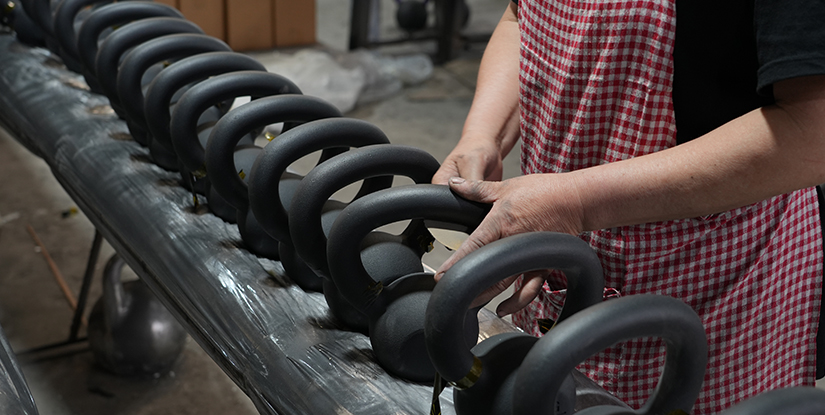
The following table provides a benchmark for evaluating different production standards during the sourcing phase. Use these parameters to assess whether a supplier's offering aligns with your facility's expected usage intensity and maintenance budget.
| Material Grade / Coating Type | Coating Thickness (mm) | Durability Rating | Maintenance Frequency | TCO Impact |
|---|---|---|---|---|
| Standard PVC Dipped | 0.8mm - 1.2mm | Moderate | Quarterly inspection | Lower initial cost; higher replacement risk |
| Premium High-Density Vinyl | 1.5mm - 2.5mm | High | Bi-annual inspection | Optimized lifecycle for high-traffic zones |
| Industrial Grade Polyurethane | > 2.5mm | Extreme | Annual inspection | Highest upfront cost; lowest long-term replacement rate |
Procurement Tip: When negotiating MOQs or custom branding, always confirm if the thickness specification includes the weight of the coating itself. A consistent coating thickness is vital for maintaining weight accuracy across a full set, which is a common quality control metric in professional gym settings.
Logistics and Quality Control for Bulk Procurement
Scaling an order from a single set to a full-facility rollout introduces significant logistical complexities. When sourcing a cast iron vinyl kettlebell in high volumes, the risk shifts from individual product failure to systemic issues in factory capability and bulk shipping. A common oversight in wholesale procurement is failing to account for the physical stresses of international transit, which can lead to micro-cracks in the polymer layer before the equipment even reaches your warehouse.
To mitigate these risks, your QC inspection protocols must go beyond weight accuracy. A rigorous inspection should prioritize uniformity of the coating across the entire surface area. Inspectors must actively look for surface defects, such as air bubbles, thinning at the handle junction, or uneven thickness, which indicate a flawed dipping process. Furthermore, ensure your supplier maintains a strict MOQ policy that includes standardized packaging. For large-scale shipments, high-density dividers or custom-fit modular crates are essential to prevent the heavy cast iron cores from impacting one another, which is the leading cause of coating structural failure during long-haul transit.
Lifecycle maintenance planning for busy facilities
For facility managers and wholesale distributors, the true cost of equipment is rarely found in the initial purchase order. Instead, the long-term financial impact is dictated by the Total Cost of Ownership (TCO), which is heavily influenced by how a cast iron vinyl kettlebell performs under constant friction. In high-traffic usage environments—such as CrossFit boxes or large-scale commercial gyms—the primary concern is not just the weight, but the resilience of the exterior finish.
When evaluating vinyl dipped kettlebell durability, procurement professionals must look beyond the surface aesthetics to the quality of the adhesion process. Inferior coating applications often lead to premature peeling or cracking, which compromises the coating integrity and necessitates frequent replacement cycles. By prioritizing high-grade, seamless vinyl applications during the sourcing stage, buyers can extend the functional life of their inventory, reducing the frequency of reinvestment and stabilizing long-term maintenance budgets.
To optimize operational efficiency, facility managers should implement a structured inspection frequency to identify potential failures before they impact the user experience. While coated cast iron kettlebells are generally low-maintenance, environmental factors such as humidity and improper storage can lead to localized oxidation if the protective layer is breached. Regular oversight ensures that minor surface wear does not escalate into structural issues that affect the equipment's lifecycle.
The following table provides a framework for assessing the condition of your inventory during routine facility audits:
| Inspection Metric | Optimal Condition | Action Required |
|---|---|---|
| Surface Integrity | Smooth, seamless vinyl layer | Replace if peeling or cracking is visible |
| Base/Contact Points | No exposed metal or rust | Check for oxidation prevention layers |
| Weight Consistency | Uniform weight distribution | Retire if structural integrity is compromised |
| Handle Grip | Clean, non-sticky texture | Clean with mild soap; avoid harsh chemicals |
Proactive maintenance, including simple wiping with a damp cloth and ensuring proper ventilation in storage areas, is sufficient to maintain the high standards required for commercial-grade fitness environments.
Beyond individual unit care, sophisticated commercial gym equipment procurement requires a macro-level view of inventory replacement forecasting. Relying on reactive purchasing—ordering only when equipment becomes unusable—can lead to unexpected capital outlays and logistical bottlenecks. Instead, professional buyers should treat the wear patterns of their cast iron vinyl kettlebell stock as a predictable data point for long-term budget planning.
Effective inventory management involves tracking the average lifespan of coated units against the intensity of facility usage. By analyzing how quickly the vinyl layers show signs of friction-based wear, distributors and gym owners can refine their bulk ordering schedules. This predictive approach allows for more strategic replacement forecasting, ensuring that new shipments arrive well before current stock reaches a critical state of degradation. Establishing these cycles helps mitigate the risks of supply chain delays and ensures that the facility maintains a full, consistent weight range for members. Ultimately, aligning procurement timelines with observed durability standards transforms maintenance from an emergency response into a streamlined, predictable operational process.