Optimizing Inventory with Best Vinyl Coated Kettlebells
Evaluating Long-Term Value Through Coating Durability and Lifecycle
When sourcing for high-traffic gym environments, procurement professionals must look beyond the immediate unit price to understand the true cost of a product over its entire lifecycle. A successful vinyl coated weight selection strategy requires balancing three critical checkpoints: the risk of premature coating degradation, the technical specifications of the bond between the core and the shell, and the logistical implications of frequent reordering. Relying solely on the lowest initial investment often leads to higher long-term maintenance costs and disrupted inventory workflows when equipment fails to meet the demands of heavy-use commercial settings.
The best vinyl coated kettlebell is defined not by its shelf price, but by its ability to maintain structural and aesthetic integrity under constant friction. In a commercial facility, the replacement frequency of cast iron or rubberized equipment can significantly impact a distributor's bottom line and a gym's operational budget. By prioritizing high-quality polyurethane or specialized vinyl coatings, buyers can mitigate the costs associated with chipping or peeling, ensuring that the initial investment translates into years of reliable service rather than a recurring replacement cycle.
To differentiate between high-turnover stock and low-margin liabilities, buyers should utilize a technical comparison framework. The following table outlines the typical performance variances between standard and premium coating grades, which is a critical factor for any fitness distributor inventory planning. Understanding these distinctions allows you to align your procurement with the specific needs of your clientele, whether they operate high-intensity functional training centers or premium boutique studios.
| Technical Indicator | Standard Vinyl Coating | Premium Vinyl/PU Coating |
|---|---|---|
| Crack Resistance | Moderate; prone to hairline fractures under temperature shifts | High; engineered for thermal expansion and contraction |
| Color Retention | Variable; may fade or discolor with UV/sweat exposure | Stable; UV-resistant pigments maintain aesthetic appeal |
| Impact Resistance | Standard; potential for peeling during heavy drops | Superior; high elasticity prevents delamination |
| Expected Service Life | Boutique/Low-traffic settings | Commercial/High-traffic environments |
When negotiating with commercial gym equipment wholesale partners, we recommend requesting specific testing data regarding the coating's adhesion strength. A high-quality bond ensures that the outer shell remains intact even during rigorous functional movements, effectively extending the product's lifecycle and reducing the total cost of ownership for the end-user.
Rigorous Quality Control and Inspection Protocols
To safeguard your fitness distributor inventory, procurement managers must implement strict quality control (QC) checkpoints that move beyond visual inspections. A common failure point in low-grade imports is the lack of adhesion testing, where the vinyl layer separates from the iron core due to poor surface preparation. We advise requesting batch-specific data on thickness consistency to ensure that weight tolerances remain accurate and that there are no thin spots prone to tearing or cracking.
Furthermore, logistics-related wear prevention should be a primary focus during the pre-shipment stage. High-density stacking and long-haul maritime transit can subject equipment to significant pressure and temperature fluctuations. By verifying that the coating can withstand these environmental stresses, you effectively minimize return rates and prevent the "dead on arrival" scenarios that erode profit margins. Integrating these technical requirements into your initial RFQ process ensures that your stock remains premium-grade from the factory floor to the end-user's gym floor.
Optimizing Gym Floor Protection and Equipment Longevity
In high-traffic strength training zones, the kinetic energy of dropped or set-down weights can cause significant structural fatigue to both the equipment and the facility surface. When sourcing commercial gym equipment wholesale, procurement officers must look beyond simple aesthetics to evaluate the technical specifications of the outer layer. A premium best vinyl coated kettlebell serves a dual purpose: it acts as a high-grade buffer that enhances impact absorption during heavy repetitions and accidental drops.
The quality of the polymer application directly dictates the long-term Total Cost of Ownership (TCO). Superior surface abrasion resistance prevents the coating from chipping or peeling under friction, which preserves the integrity of the internal weight core. Furthermore, this protective layer provides essential floor protection, mitigating the risk of dents or scratches on specialized rubber flooring. For distributors, prioritizing these durable coating standards ensures that clients receive products that reduce maintenance cycles and replacement frequency, maintaining a high standard of facility upkeep.
To assist in your vinyl coated weight selection, we have categorized the standard coating profiles encountered in the global market. Understanding the relationship between coating thickness and mechanical impact is essential for matching the right SKU to specific gym environments, whether it be a boutique studio or a heavy-duty strength facility.
| Vinyl Coating Thickness | Durability Level | Floor Impact | Typical Use Case | Maintenance Requirement |
|---|---|---|---|---|
| Thin/Standard (0.5mm - 1.0mm) | Moderate | Low to Medium | Aerobics & Light HIIT Studios | Low (Routine Wipe-down) |
| Mid-Grade (1.5mm - 2.5mm) | High | Medium to High | Commercial Strength Zones | Minimal (Occasional Cleaning) |
| Heavy-Duty (3.0mm+) | Premium | Maximum Absorption | CrossFit & High-Impact Training | Very Low (Highly Resilient) |
When negotiating fitness distributor inventory levels, consider that thicker coatings generally offer better protection against surface scuffs and floor damage. However, a balanced procurement strategy involves selecting the appropriate thickness to optimize shipping volume and weight-to-durability ratios for your target clients.
Beyond thickness, the structural integrity of the product depends heavily on the chemical bond between the weight core and the polymer shell. A critical failure point in lower-tier manufacturing is poor coating adhesion, where the vinyl begins to delaminate or bubble due to temperature fluctuations or improper application. This is not merely an aesthetic flaw; it is a functional defect that can compromise the weight distribution and increase the Total Cost of Ownership (TCO) through premature product replacement and client dissatisfaction.
Rigorous Quality Control for Long-Term Inventory Value
To maintain a high-turnover fitness distributor inventory, sourcing specialists should implement a strict quality inspection protocol during the factory audit phase. We recommend requesting samples that have undergone standardized drop tests to ensure the coating remains intact under mechanical stress. Verifying the consistency of the internal cast iron or steel core is equally vital, as any internal voids can lead to uneven wear and uneven weight distribution over time.
Effective vinyl coated weight selection requires a holistic view of the product lifecycle. By prioritizing manufacturers that demonstrate high precision in their injection or dipping processes, distributors can mitigate the risks of high return rates. Investing in products with verified adhesion standards and uniform density ensures that your stock remains a reliable asset for high-performance training environments, ultimately protecting your reputation and your bottom line.
Strategic Weight Distribution for High-Turnover Inventory
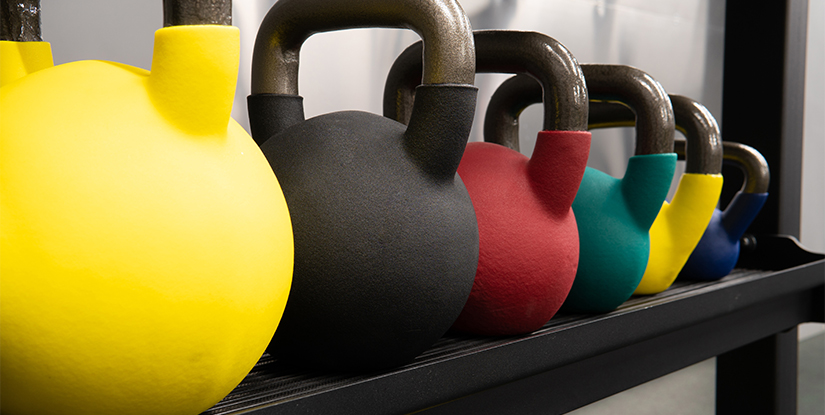
For distributors and fitness equipment wholesalers, the challenge of inventory management lies in balancing stock depth with capital liquidity. Relying on a single specification often leads to stockouts of popular weights while overinvesting in niche increments. To maintain a high-turnover inventory, procurement strategies must prioritize the best vinyl coated kettlebell options that serve the broadest user base—specifically targeting the high-demand ranges found in boutique studios and commercial functional training zones.
A successful stocking plan considers the intersection of aesthetic appeal and long-term durability. While vinyl coatings offer a premium look that attracts high-end gym clients, the coating must be resilient enough to withstand heavy commercial use without peeling or cracking. Effective commercial gym equipment wholesale procurement involves selecting a weight distribution that maximizes turnover by covering the most frequent training increments.
| Weight Category | Target Setting | Turnover Potential | Procurement Priority |
|---|---|---|---|
| Light (4kg - 12kg) | Boutique Studios / HIIT | Very High | High Volume / Aesthetic Focus |
| Medium (14kg - 24kg) | Standard Commercial Gyms | High | Balanced Durability & Finish |
| Heavy (26kg+) | Strength & Conditioning | Moderate | High Durability / Impact Resistance |
Optimizing your vinyl coated weight selection requires understanding this durability vs. turnover ratio. Investing heavily in mid-range weights typically yields the most consistent movement of goods, ensuring your warehouse remains a source of high-demand, reliable equipment for your clients.
Refining your B2B procurement strategy involves more than just volume; it requires a granular understanding of standard weight increments to prevent capital from being tied up in slow-moving SKUs. In many commercial environments, the demand for specific weight jumps is non-linear. For instance, the transition from light functional training to moderate strength work often sees a significant spike in demand for specific mid-range increments that may not be as prevalent in standard iron-cast models.
When managing a fitness distributor inventory, it is prudent to prioritize a "core set" of weights that align with common progressive overload patterns. A well-rounded stock should include a dense concentration of weights in the 8kg to 16kg range to satisfy the high-turnover requirements of HIIT and boutique fitness classes. By focusing your initial bulk orders on these high-velocity increments, you minimize the risk of dead stock while ensuring you can fulfill large-scale orders for studio launches or gym refreshes with minimal lead-time friction.
Beyond SKU selection, long-term profitability depends on mitigating the logistical risks inherent in bulk procurement. One of the most common friction points in international sourcing is the discrepancy between factory samples and mass-produced units. To safeguard your margins, rigorous quality control (QC) for coating integrity must be a non-negotiable part of your inspection protocol. A high-quality vinyl layer should demonstrate uniform thickness and seamless adhesion to the internal weight; any signs of bubbling or unevenness can lead to premature peeling under heavy commercial use, resulting in costly returns and damaged client trust.
Furthermore, smart procurement requires balancing MOQ optimization with shipping volume considerations. Because vinyl-coated products can have a slightly larger volumetric profile than bare iron, calculating the optimal ratio of weight-to-volume is essential for reducing landed costs. Rather than ordering a massive variety of low-volume SKUs, we recommend consolidating orders into high-density, high-demand weight classes. This approach optimizes container utilization and ensures that your freight costs per unit remain competitive, allowing you to offer more aggressive pricing to your end-users without sacrificing product quality or reliability.
Sourcing Specifications for Professional Grade Vinyl Finishes
For distributors and facility managers, the true value of a product is rarely found in the initial purchase price, but rather in its long-term maintenance cycles. In a high-traffic commercial gym environment, equipment undergoes constant friction, impact, and exposure to cleaning agents. If the coating quality is substandard, the resulting degradation leads to increased labor costs and premature replacement requests.
When sourcing the best vinyl coated kettlebell, procurement professionals must evaluate the bond strength between the cast iron core and the outer layer. Superior surface integrity prevents the common issues of peeling, cracking, or bubbling that often plague lower-tier imports. High-quality vinyl coatings act as a protective barrier that maintains durability against heavy use, ensuring the equipment looks as premium in year three as it did on day one. Prioritizing these specifications reduces the total cost of ownership and protects your reputation as a reliable supplier of high-end fitness solutions.
Effective vinyl coated weight selection requires a technical understanding of how different coating thicknesses and material compositions respond to commercial cleaning protocols. A common mistake in the wholesale market is overlooking the chemical resistance of the outer layer; many standard coatings can degrade when exposed to industrial-grade disinfectants or high-frequency perspiration, leading to a tacky surface or discoloration.
To assist in your procurement decision-making, we have outlined the technical distinctions between standard and professional-grade finishes below. This comparison highlights the essential factors for maintaining a high-turnover inventory of premium equipment.
| Feature Specification | Standard Vinyl Coating | Professional Grade Vinyl |
|---|---|---|
| Coating Thickness | Thin, uniform layer; prone to tearing | Thicker, multi-layered; high impact resistance |
| Chemical Resistance | Moderate; sensitive to harsh disinfectants | High; resilient against standard gym sanitizers |
| Cleaning Protocol | Wipe down with mild soap and water | Standard antimicrobial wipes and damp cloth |
| Expected Longevity | 1–2 years in high-traffic settings | 3–5+ years in high-traffic settings |
When negotiating commercial gym equipment wholesale contracts, we recommend requesting technical data sheets regarding the polymer's elasticity and bond strength. Ensuring these specifications meet the demands of your specific market will safeguard your margins by minimizing returns and replacement claims.
Logistics and Storage Standards for Inventory Stability
Beyond material composition, the long-term viability of your fitness distributor inventory depends heavily on how products are handled during transit and warehousing. Unlike raw cast iron, vinyl-coated products are sensitive to environmental stressors that can compromise their aesthetic and structural integrity before they even reach the end-user.
A critical factor in maintaining storage stability is the control of temperature fluctuations. Extreme heat during maritime shipping or in non-climate-controlled warehouses can soften the polymer, leading to surface tackiness or even deformation. Furthermore, prolonged UV exposure in open-air loading docks or near large windows can cause color fading and brittleness in the outer layer. When managing large-scale orders, ensure your logistics provider utilizes standardized palletizing techniques to prevent crushing and maintains a stable environment. Finally, always verify batch consistency by requesting samples from recent production runs; this ensures that the coating texture and color hue remain uniform across different shipments, preventing mismatched sets in a professional gym setting.
Logistics and Volume Management for International Shipments
For distributors engaged in commercial gym equipment wholesale, the true cost of an order is often determined long before the cargo reaches the warehouse. A critical variable in landed cost calculations is the relationship between product weight increments and container utilization. When sourcing the best vinyl coated kettlebell sets, procurement managers must look beyond the unit price to consider the interplay between volumetric weight vs. actual weight.
High-density iron cores wrapped in vinyl offer excellent durability, but the physical dimensions of the handles and bell diameters dictate how many units can fit within a standard shipping container or pallet. Selecting a strategic mix of weight increments is essential for shipping density optimization. For instance, a disproportionate number of heavy, high-volume SKUs can lead to premature container volume exhaustion, whereas a well-balanced distribution ensures that you are maximizing the payload capacity of every shipment. Effective inventory planning requires aligning your weight selection with the physical footprint of the packaging to minimize wasted space and reduce the per-unit freight burden.
To navigate the trade-off between variety and shipping efficiency, distributors should evaluate their procurement strategy based on two primary models: high-density uniform shipments or diversified weight profiles. A strategic vinyl coated weight selection must account for the fact that heavier bells consume more volumetric space relative to their weight, often leading to higher freight cost per unit if not optimized.
| Strategy Type | Logistics Efficiency | Inventory Turnover Potential | Best Use Case |
|---|---|---|---|
| High-Density Uniform Sets | Maximum (Optimized pallet stacking) | Moderate (Focus on specific weight tiers) | Bulk replenishment for high-volume gym chains |
| Mixed-Weight Shipments | Moderate (Variable volume/weight ratios) | High (Meets diverse consumer demand) | General retail distribution and boutique studios |
When calculating logistics efficiency, remember that a mixed shipment may improve inventory turnover by offering a complete range of SKUs, but it requires more sophisticated packing plans to avoid "dead space" in containers. We recommend working closely with your factory to ensure that the dimensions of the vinyl coating do not inadvertently increase the volumetric footprint beyond the expected shipping density.
Beyond weight ratios, the integrity of your fitness distributor inventory depends heavily on the robustness of the secondary and tertiary packaging layers. When managing bulk procurement, the risk of surface abrasions or handle deformation during transit is a significant concern. A failure in protective packaging does not just result in a single damaged unit; it can compromise an entire pallet, leading to expensive returns and disrupted supply chains.
Mitigating Risk via Packaging Standards and MOQ Optimization
To ensure effective shipping damage prevention, it is vital to verify that the manufacturer utilizes reinforced corrugated boxes and edge protectors designed for heavy, dense loads. For distributors, the Minimum Order Quantity (MOQ) serves as more than just a volume threshold; it is a tool for cost control. High-MOQ orders allow for more sophisticated, custom-engineered packing solutions that stabilize the product during long-haul sea freight. By aligning your bulk procurement cycles with standardized, high-durability packaging specifications, you reduce the likelihood of arrival-stage defects, thereby protecting your margins and maintaining a high level of service for your end-users.
Quality Control Benchmarks for B2B Bulk Procurement
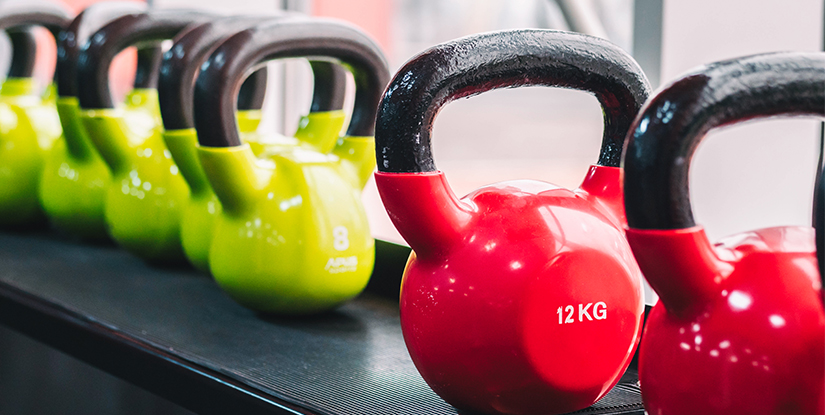
In high-traffic commercial environments, the durability of a weight's exterior is as critical as its internal weight distribution. When sourcing the best vinyl coated kettlebell for large-scale gym installations, distributors must look beyond superficial aesthetics to the structural integrity of the coating. High-frequency use—characterized by constant impact and friction against rubber flooring or metal racks—places immense stress on the outer layer.
Common failure points in lower-tier manufacturing often include premature peeling, chipping, or hairline cracking at the handle-to-bell transition. These defects are rarely just cosmetic; they signal a breakdown in the bonding process that can lead to internal oxidation or hygiene issues. For a fitness distributor, the relationship between coating thickness and long-term Total Cost of Ownership (TCO) is direct. A premium, uniform vinyl application provides a resilient buffer that extends the product's lifecycle, reducing the frequency of replacement cycles and minimizing long-term maintenance liabilities for the end-user.
To mitigate the risk of high return rates and client dissatisfaction, procurement professionals should implement a standardized inspection protocol during factory sample testing. A reliable vinyl coated weight selection must undergo rigorous stress tests to ensure the polymer layer remains intact under extreme mechanical stress. We recommend focusing on the interface between the cast iron core and the coating, as this is where most structural failures originate during heavy use.
The following table outlines the critical technical benchmarks to differentiate between budget-tier products and high-performance commercial-grade inventory:
| Technical Specification | Standard Grade (Retail/Home) | Commercial Grade (Professional Gym) |
|---|---|---|
| Adhesion Strength | Moderate; prone to peeling at the handle base | High; seamless bonding to prevent delamination |
| UV Resistance | Basic; may discolor in bright, sunlit facilities | Enhanced; stable color retention for bright gyms |
| Impact Resistance | Susceptible to cracking during drop tests | High resilience; maintains integrity under impact |
When conducting commercial gym equipment wholesale audits, always request a sample to perform a manual "scratch and flex" test. A superior coating should exhibit high elasticity without showing any signs of micro-cracking or separation from the iron substrate, ensuring the longevity required for high-turnover fitness environments.
Beyond surface-level durability, maintaining high-volume inventory stability requires a strict focus on batch-to-batch consistency. For a professional fitness distributor inventory, the primary risk is not just a single defective unit, but a systemic variance in weight accuracy across an entire shipment. If the weight of a 16kg kettlebell fluctuates by even a few hundred grams between batches, it undermines the professional standard of the gym and can lead to significant disputes with facility managers.
Verifying Core Density and Manufacturing Tolerances
To ensure long-term reliability, procurement teams must verify the manufacturing tolerances of the internal cast iron core before the vinyl application process begins. A common pitfall in low-cost production is inconsistent core density, which results in "off-spec" weights that fail to meet international standards. When selecting the best vinyl coated kettlebell for bulk orders, it is essential to confirm that the manufacturer utilizes precision casting techniques to maintain a tight deviation margin.
We advise distributors to demand documentation regarding the core material density and the volumetric precision of the cast iron. A stable, high-density core provides a consistent center of gravity, which is vital when the weight is encapsulated in a thick vinyl layer. Without this verification, the outer dimensions may appear uniform, but the actual weight distribution could be uneven, compromising the kinetic balance required for high-intensity functional training. Ensuring these technical benchmarks are met at the factory level protects your reputation as a reliable supplier of high-performance equipment.
Selecting the Right SKU Mix for Diverse Fitness Demographics
Maximizing profitability in commercial gym equipment wholesale requires moving beyond a "one-size-fits-all" inventory model. To optimize your return on investment, you must segment your stock based on the specific end-user environment. A boutique HIIT studio, for example, prioritizes aesthetic appeal and vibrant color options to match their brand identity, whereas a high-traffic strength facility demands extreme durability and resistance to heavy impact.
Strategic distributors recognize that the best vinyl coated kettlebell selection is not about carrying every possible weight, but about mastering demographic-specific weight ranges. For boutique fitness clients, focus on lighter, high-velocity weights that offer a premium tactile feel. For traditional commercial gyms, prioritize mid-to-heavyweight sets that can withstand rigorous daily use without coating degradation. By tailoring your SKU mix to these distinct market needs, you reduce dead stock and ensure your inventory aligns with the actual purchasing velocity of your diverse client base.
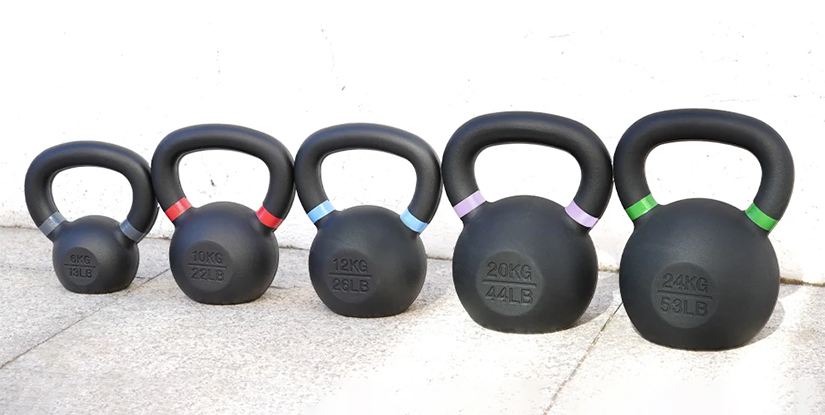
A critical component of inventory turnover optimization is the precise calibration of weight increments and visual identification systems. Distributors often face the dilemma of overstocking niche weights while suffering frequent stockouts in high-demand classes. To mitigate this, implement a structured vinyl coated weight selection strategy that prioritizes the most frequently utilized weight jumps—typically 2kg or 4kg increments in the lighter ranges and 5kg increments for heavier sets.
Strategic Weight Increments and Color Coding
Efficient warehouse management relies on rapid recognition. Utilizing a standardized color-coded identification system allows gym managers and distributors to audit stock levels and facilitate rapid sorting during high-volume shipments. For instance, assigning distinct, high-visibility colors to specific weight ranges ensures that even under heavy use, the distinction between a 10kg and 15kg unit remains unmistakable. By focusing your procurement on these high-turnover weight increments, you minimize the risk of capital being tied up in slow-moving SKUs. This data-driven approach to your product mix ensures that your most profitable, high-velocity items are always available for immediate fulfillment, directly enhancing your bottom-line efficiency.
To ensure long-term profitability, procurement specialists must align their fitness distributor inventory with the specific operational demands of the end-user. A mismatched stock profile—such as providing lightweight, aesthetic-focused units to a heavy-duty strength facility—leads to high replacement costs and diminished client trust. An ROI-focused procurement model relies on understanding these structural differences to minimize the Total Cost of Ownership (TCO) for your clients.
Facility-Specific Procurement Alignment
The following table illustrates how to differentiate your sourcing strategy based on the facility type to ensure the highest turnover and lowest maintenance overhead.
| Facility Profile | Primary Procurement Driver | Ideal Weight Distribution Strategy | Maintenance & Durability Focus |
|---|---|---|---|
| Boutique Studio | Aesthetic & Brand Identity | High volume of light to mid-range weights (4kg–16kg) | Premium finish, color variety, and non-slip texture |
| Commercial Gym | Durability & Longevity | Concentrated mid-to-heavyweight sets (12kg–32kg+) | High-impact resistance and thick vinyl coating integrity |
| Hotel / Wellness Center | Safety & Low Maintenance | Standardized, easy-to-identify weight increments | Non-marking surfaces and high-visibility color coding |
By applying this weight distribution strategy, distributors can avoid the trap of over-ordering niche SKUs that fail to move. Instead, focus on a balanced inventory that matches the physical intensity and aesthetic expectations of the specific venue, ensuring that your capital remains liquid and your client satisfaction remains high.