Sourcing Exercise Equipment Manufacturers: OEM & Export
Evaluating Long-Term Value in Bulk Exercise Equipment Procurement
When importers and distributors engage in large-scale sourcing, the initial unit price often obscures the true economic impact of a shipment. Professional buyers must look beyond the basic quote from exercise equipment manufacturers to evaluate three critical checkpoints: technical specification compliance, manufacturing reliability, and complex logistics management. A low per-unit price is irrelevant if the final budget is compromised by unforeseen expenses during the international transit process.
Understanding Unit Price vs. Landed Cost
To maintain healthy distributor margins, procurement specialists must calculate the total landed cost rather than focusing solely on the wholesale gym equipment price. The landed cost represents the cumulative total of the product value, international freight, insurance, and any hidden costs such as import duties or local tariffs. Relying on a low factory quote without accounting for these variables can lead to significant budget overruns. For instance, a China exercise equipment supplier may offer highly competitive wholesale rates, but if the shipping volume is inefficient or the customs classification is mismanaged, the actual cost of goods sold (COGS) will rise sharply. Effective procurement requires a comprehensive view of the entire supply chain to ensure long-term profitability.
Sourcing Model Comparison: Direct Factory vs. Trading Company
Selecting the right partner depends on your specific volume requirements and technical depth. While a China exercise equipment supplier operating as a trading company may offer simplified communication, working directly with an exercise equipment factory typically provides better control over customization and long-term margins. Importers must weigh the ease of procurement against the potential for higher OEM capabilities and lower base costs.
| Feature | Direct Factory-Direct Model | Trading Company / Agent Model |
|---|---|---|
| Primary Advantage | Highest margin potential | Simplified procurement efficiency |
| Customization | Full OEM/ODM control | Limited to existing stock |
| MOQ Requirements | Higher MOQ per SKU | Lower, flexible volumes |
| QC Oversight | Direct factory inspection | Third-party oversight required |
| Ideal For | Large-scale distributors | Small-to-medium retailers |
Before finalizing any purchase order, we recommend requesting a detailed specification sheet to confirm technical compliance. Always confirm the exact MOQ for custom branded orders and schedule a pre-shipment inspection to verify that the exercise equipment manufacturers have met all structural and safety standards.
Optimizing Profitability Through Economies of Scale
Scaling order volume is a strategic lever used by successful distributors to maximize the efficiency of their bulk procurement cycles. When working with a specialized exercise equipment factory, increasing order quantities often triggers significant cost-saving advantages through economies of scale. Beyond a lower per-unit price, larger shipments allow for more efficient container utilization, which directly reduces the freight-to-value ratio. Furthermore, high-volume orders enable a stable production capacity, allowing the exercise equipment manufacturers to streamline their assembly lines and reduce lead times. Establishing a long-term partnership based on predictable, high-volume demand ensures that your supply chain remains resilient, providing a competitive advantage in market responsiveness and overall inventory turnover.
Comparing Direct Factory Sourcing vs. Trading Company Models
For high-volume distributors and gym equipment importers, the procurement model chosen directly dictates the final landed cost and long-term scalability. While trading companies offer a simplified single-point contact, sourcing directly from exercise equipment manufacturers allows for greater control over the supply chain and significantly higher profit margins by eliminating the middleman markup.
When managing large-scale orders, the distinction between a China factory and a service-oriented trader becomes clear through the lens of total cost of ownership. Direct sourcing optimizes the budget for wholesale gym equipment by connecting the buyer to the production line, ensuring that capital is spent on material quality and engineering rather than intermediary service fees.
| Procurement Factor | Factory-Direct Sourcing | Trading Company Model |
|---|---|---|
| Unit Cost | Lowest (Direct Production) | Higher (Includes Service Fee) |
| OEM Customization | High (Full Control) | Limited (Standard Catalog) |
| Quality Oversight | Direct Factory Audit | Third-Party Reliance |
| Supply Chain Transparency | High (Direct Communication) | Low (Opaque Sub-suppliers) |
Evaluating Volume and Complexity Trade-Offs
Beyond the unit price, professional buyers must weigh the logistical trade-offs inherent in different sourcing structures. A specialized exercise equipment factory typically requires a higher MOQ to justify custom production runs, whereas a trader may offer lower entry points for smaller, mixed-SKU orders. However, for distributors scaling their product lines, the direct model offers superior lead time predictability and more robust QC control over technical specifications.
| Comparison Factor | Direct Sourcing Model | Trading Company Model |
|---|---|---|
| MOQ (Minimum Order Quantity) | Higher (Per SKU/Model) | Lower (Mixed Consignments) |
| Unit Price | Optimized/Lowest | Moderate (Includes Margin) |
| Product Variety | Deep (Specialized Focus) | Broad (Generalist Range) |
| Communication Complexity | Technical/Direct | Simplified/Intermediary |
| QC & Inspection Control | Direct Factory Oversight | Indirect/Report-based |
| Logistics Management | Direct Export/FOB/CIF | Managed/Consolidated |
Before finalizing any purchase order, we recommend requesting a detailed specification sheet and a formal factory audit report. Always confirm the wholesale pricing tiers against your projected volume to ensure your sourcing strategy aligns with your long-term distributor margins.
When to Prioritize Trading Companies for Small-Scale Logistics
Despite the cost advantages of direct manufacturing, certain procurement strategy decisions favor a trading company, particularly for importers handling small-batch orders. If your business model relies on a diverse catalog of low-volume SKUs rather than high-volume single-model shipments, a trader can act as a vital single-point contact for managing multiple vendors simultaneously.
In these scenarios, the slightly higher unit cost is often offset by the value of consolidated shipping. A reliable China exercise equipment supplier acting as a trader can aggregate products from various specialized workshops into one container, reducing the administrative burden of managing multiple export documents and separate freight bookings. This approach serves as an effective form of risk mitigation for new distributors testing new market segments without committing to the high MOQ requirements typical of a direct exercise equipment factory.
Customization Depth: Navigating OEM and ODM Capabilities
When distributors scale their product lines, understanding the cost-to-customization ratio is vital. Choosing the right exercise equipment manufacturers depends heavily on whether you require minor branding tweaks or entirely new product architectures. The financial implications of your sourcing strategy vary significantly based on the technical complexity requested.
Analyzing Unit Price vs. R&D Investment
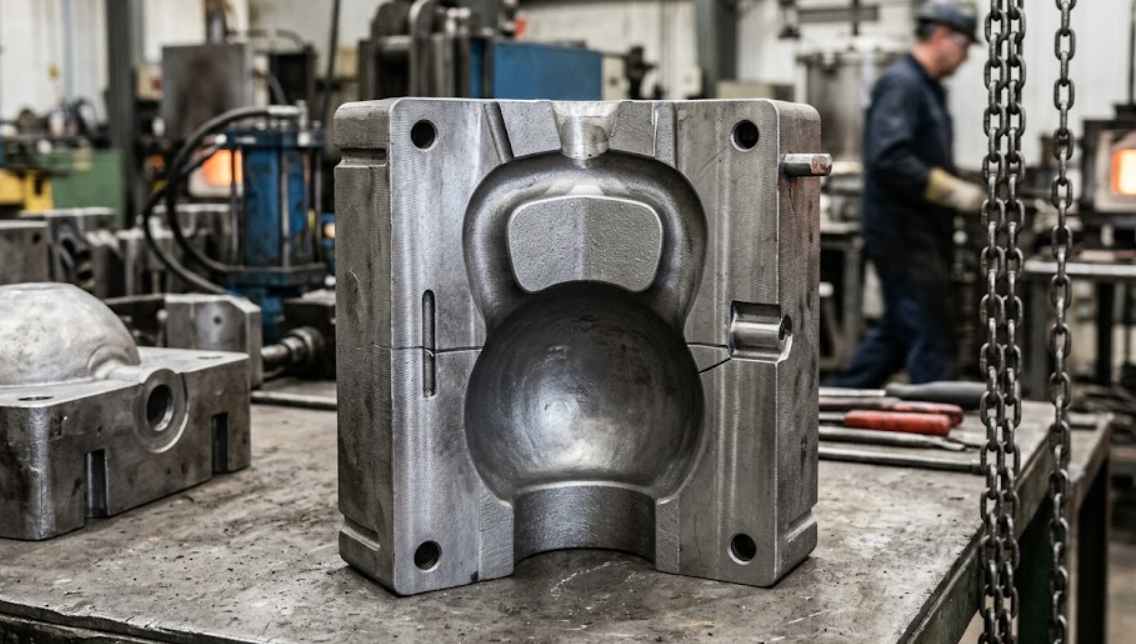
Selecting OEM services typically involves applying your private label to an existing factory design. This approach maintains a lower unit price and requires a smaller MOQ since the China exercise equipment supplier utilizes established tooling. Conversely, pursuing ODM solutions allows for higher customization depth, such as unique mechanical movements or proprietary electronics. While this offers a competitive edge in the market, it necessitates higher upfront R&D costs and longer lead times for mold development. Importers must weigh the initial capital expenditure against the long-term brand differentiation provided by specialized exercise equipment manufacturers.
To effectively manage your budget, you must distinguish between branding adjustments and structural engineering. Importers should evaluate the following tiers to determine how tooling and production scale will impact their final landed cost. A higher level of customization often requires a larger upfront investment in a mold fee, which can be amortized over much larger volumes to maintain a competitive wholesale gym equipment price point.
| Customization Level | Primary Cost Drivers | Typical Tooling/Mold Cost | Average Lead Time |
|---|---|---|---|
| Private Label (Logo/Color) | Low; uses existing production lines | Minimal to None | Short (Standard Production) |
| Standard OEM (Parts/Specs) | Moderate; specific component changes | Low (Small Tooling Adjustments) | Medium (30-60 Days) |
| Full ODM (New Product Design) | High; requires proprietary R&D | Significant (New Mold Development) | Long (90+ Days) |
Before finalizing your order, request a detailed breakdown of the tooling cost for any non-standard components. For high-volume distributors, we recommend confirming if the exercise equipment manufacturers can provide a tiered pricing structure based on your projected annual volume to optimize your long-term margins.
Managing Hidden Costs in Customization
Deep customization often introduces unforeseen expenses that can erode distributor margins if not strictly monitored. A common pitfall for importers is the design modification phase; even minor adjustments to frame thickness or upholstery patterns can trigger a chain reaction in the landed cost due to changes in raw material weight or specialized tooling requirements. To maintain strict cost control, procurement teams must finalize all technical specifications before the production run begins.
Furthermore, when introducing custom components, standard QC standards may no longer apply. You must mandate a rigorous pre-shipment inspection specifically targeting these new parts. Relying on a generic China factory checklist is insufficient for proprietary designs. We recommend requesting a specialized validation report for any custom-engineered elements to ensure that your sourcing strategy accounts for both long-term durability and the initial investment in non-standard parts.
Standardizing Quality Control and Pre-Shipment Inspection Protocols
For distributors managing high-volume imports, the long-term cost of ownership is dictated by the initial wholesale gym equipment quality assurance protocols. Relying on a China factory without rigorous verification leads to catastrophic replacement costs and liability issues. High-performance exercise equipment manufacturers must implement standardized testing to ensure every unit meets international safety benchmarks before leaving the warehouse.
Prioritizing Structural Integrity and Material Testing
Reliability in heavy-duty strength training gear depends on structural integrity and precise material testing. During the sourcing process, importers should verify that exercise equipment manufacturers utilize high-grade steel gauges and non-toxic coatings. A robust factory-direct QC standards framework must include stress tests and load-bearing simulations to prevent mechanical failure. Without these factory-level controls, the landed cost of faulty units—including shipping returns and warranty claims—will quickly erode your distributor margins.
To mitigate the risks of mechanical fatigue in bulk orders, a specialized pre-shipment inspection must go beyond cosmetic checks. For high-load machines, your China exercise equipment supplier should provide a comprehensive inspection report that validates technical compliance against your original OEM specifications. Focus your third-party audit on these three critical technical pillars:
Mechanical Precision and Load Testing Checklist
- Load-bearing capacity: Verify that all structural joints and weight stacks can withstand peak dynamic loads without deformation or structural fatigue.
- Welding quality: Inspect all critical weld points for penetration depth, uniformity, and the absence of porosity or cracks, which are essential for heavy-duty longevity.
- Mechanical tolerances: Ensure all moving parts, such as pulleys, cables, and bearings, maintain strict mechanical tolerances to prevent friction-induced wear and ensure smooth operation.
Before finalizing the shipping documentation, request high-resolution photographic evidence of these stress tests to confirm that the wholesale batch aligns with the approved prototype standards.
Inspection Strategy: Internal Verification vs. Third-Party Audits
When managing large-scale procurement from an exercise equipment factory, importers must decide between internal QC reports and independent oversight. While a factory-led check ensures basic compliance, a professional third-party audit provides the unbiased validation required for high-stakes wholesale contracts. Use the table below to determine the appropriate level of scrutiny for your current sourcing volume.
| Inspection Type | Primary Focus Area | Technical Scope & Verification |
|---|---|---|
| Factory Self-Check | Basic Compliance | Visual inspection of finish/coating, basic assembly, and standard packaging integrity. |
| Third-Party Audit | Structural & Mechanical Reliability | Material strength testing, weld penetration, load-bearing capacity, and mechanical tolerance validation. |
| Pre-Shipment (PSI) | Batch Consistency | Random sampling of exercise equipment manufacturers production output to ensure zero deviation from approved OEM samples. |
To protect your distributor margins, always request a detailed technical specification sheet and a formal inspection report before authorizing the final FOB or CIF shipment. If your order involves complex ODM designs, a professional third-party inspection is non-negotiable to confirm that all customized mechanical components meet your specific engineering standards.
Optimizing Logistics: Export Packaging and Container Loading Efficiency
For professional distributors, the total landed cost of heavy machinery is often determined more by logistics than by the unit price itself. When sourcing from a China exercise equipment supplier, the way a factory manages volume and weight directly impacts your profit margins. High-quality export packaging must strike a delicate balance: it must be robust enough to survive long-distance ocean freight while minimizing volumetric weight to prevent unnecessary shipping surcharges.
Top-tier exercise equipment manufacturers utilize specialized packing designs to maximize container loading efficiency. For example, nesting smaller components within larger frames or using standardized pallet dimensions can significantly reduce the number of containers required for a bulk shipment. By optimizing the spatial footprint of each SKU, a wholesale buyer can effectively lower the per-unit freight cost, ensuring that the high density of commercial-grade steel does not result in wasted container space.
Container Loading and Packaging Strategy Comparison
To minimize freight overhead, importers must decide between standardized palletization and customized loose loading. While palletized loading offers faster unloading and better protection for delicate parts, loose loading (floor loading) is often the most efficient way to maximize volume in a 40HQ container for heavy wholesale gym equipment. Choosing the right method depends on your warehouse's unloading capabilities and the specific dimensions of your order.
| Loading Method | Container Type | Primary Benefit | Best For |
|---|---|---|---|
| Loose Loading | 40HQ | Maximum volume optimization | Heavy frames, large strength machines |
| Palletized | 20GP / 40HQ | Rapid unloading & safety | Small accessories, dumbbells, plates |
| Mixed Loading | 40HQ | Lowered landed cost | Diversified SKU orders |
We recommend requesting a loading plan from your exercise equipment manufacturers during the sourcing phase. A detailed 3D loading diagram allows you to verify if your factory-direct shipping strategy effectively utilizes the vertical height of a 40HQ container, preventing the common pitfall of paying for empty air.
Mitigating Risk via Pre-Shipment Inspection and Supervision
Even with optimized packaging, the final stage of the supply chain remains the most vulnerable. A professional exercise equipment factory must implement rigorous pre-shipment inspection protocols to ensure that the actual goods match the approved samples. For high-volume importers, relying solely on a photo report is insufficient; instead, we advise hiring a third-party agency for container loading supervision.
This onsite oversight is critical for damage prevention during the loading process. A supervisor verifies that heavy frames are secured to prevent shifting and that sensitive electronic components are shielded from moisture or impact. Furthermore, real-time monitoring ensures MOQ compliance, confirming that the quantity of items loaded into the container matches your purchase order exactly. By validating the load before the seal is applied, distributors can avoid costly discrepancies and ensure that their bulk procurement arrives in a condition that preserves their bottom-line margins.
Strategic Sourcing Checklist for Global Distributors
Distributors and large-scale gym operators must look beyond the initial quote to understand the true cost of inventory. When sourcing from exercise equipment manufacturers, the unit price is only one variable in a complex financial equation involving logistics and regulatory compliance.
Calculating Total Landed Cost
To maintain healthy distributor margins, procurement professionals must calculate the full landed cost rather than relying solely on factory-direct pricing. This comprehensive figure accounts for the base cost of wholesale gym equipment plus all ancillary expenses incurred during transit. Essential components include ocean freight, port handling fees, and specialized shipping/logistics for heavy, oversized fitness machinery. Furthermore, importers must budget for customs duties and local tax compliance to avoid unexpected margin erosion upon arrival. A critical factor in this calculation is the MOQ impact on unit price; while higher volume orders typically reduce the cost per piece, they also increase upfront capital requirements and storage overhead. Accurate sourcing strategies require a transparent breakdown of these variables to ensure long-term profitability.
Evaluating Procurement Models: OEM vs. Wholesale
Choosing the right engagement model with exercise equipment manufacturers depends on your brand strategy and capital availability. While stock orders offer speed, custom projects build long-term brand equity. Use the following comparison to determine which model aligns with your current inventory goals and budget.
| Factor | Wholesale / Ready-to-Ship | OEM / Private Label |
|---|---|---|
| Customization Level | Standardized designs; limited logo options | Full specification control; custom colors and branding |
| MOQ Requirements | Lower; suitable for testing market demand | Higher; typically requires volume to justify tooling |
| Lead Time | Short; relies on existing factory stock | Extended; accounts for production and custom QC |
| Unit Cost | Lower initial outlay; predictable pricing | Higher; driven by specialized sourcing and tooling |
Before finalizing your purchase order, we recommend requesting a detailed specification sheet and confirming the exact MOQ for any custom modifications. Always request a pre-shipment sample approval and schedule a formal factory audit to ensure the production output meets your brand's quality standards.
Mitigating Hidden Costs via QC and Export Packaging
A low unit price from exercise equipment manufacturers can quickly become a liability if quality control is neglected. For high-volume importers, the true risk lies in the cost of returns/defects, which often exceeds the original profit margin due to high freight costs for heavy machinery. To protect your bottom line, ensure your China exercise equipment supplier adheres to rigorous QC standards throughout the production cycle.
Robust pre-shipment inspection protocols are non-negotiable for preventing structural or aesthetic flaws before the container is sealed. Furthermore, specialized export packaging is a critical investment in damage prevention. High-density foam, reinforced corner protectors, and heavy-duty corrugated cartons are essential for protecting sensitive electronic components and heavy steel frames during long-haul ocean transit. By prioritizing these protective measures, distributors reduce the risk of "dead on arrival" (DOA) shipments and ensure that the inventory arriving at the warehouse is ready for immediate retail or commercial installation.