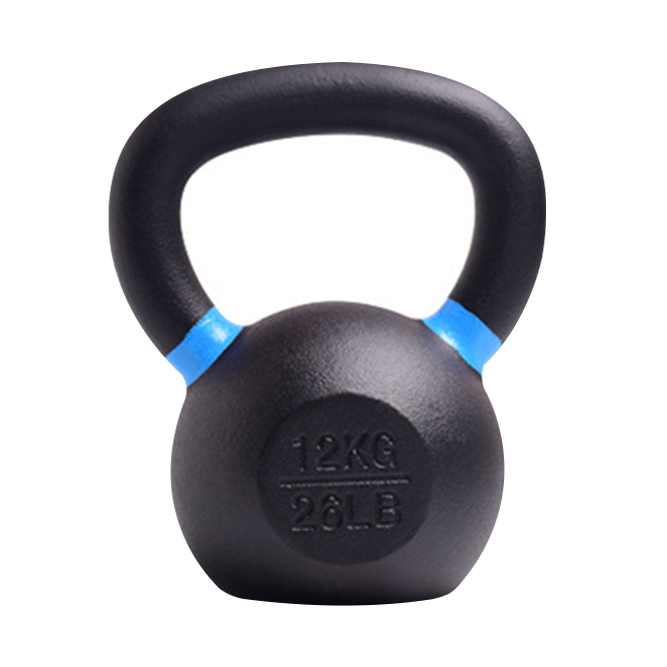
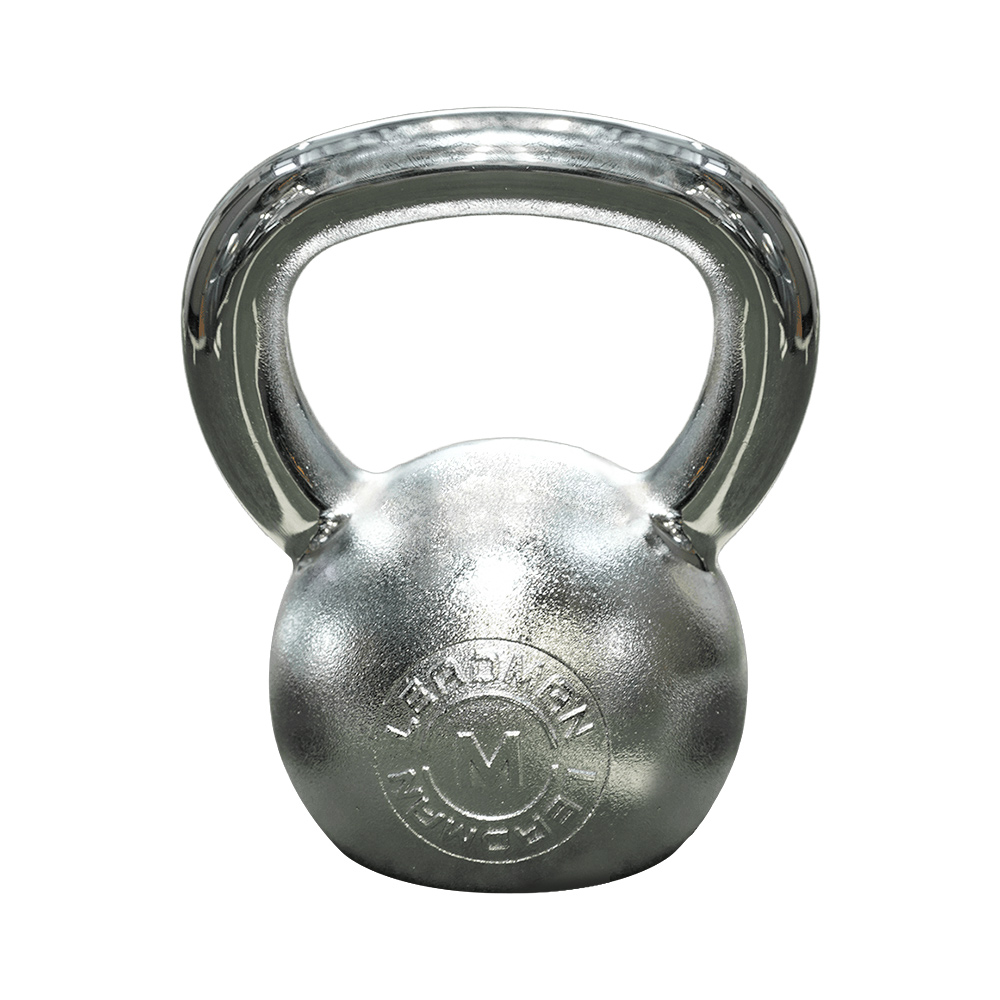
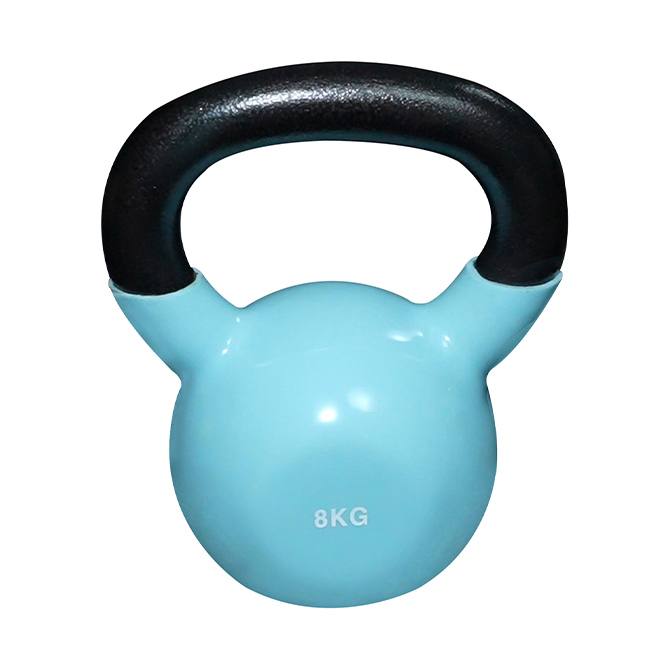
Weight Equipment Manufacturers: QC and Export Packaging
Optimizing Distributor Margins Through High-Volume Sourcing
Professional importers and gym distributors prioritize weight equipment manufacturers that offer direct access to production lines. By bypassing third-party traders, procurement specialists can secure competitive pricing on heavy-duty iron and rubberized gear, ensuring higher profit margins for large-scale fitness projects and retail distribution.
Reducing Landed Cost via Factory-Direct Procurement
Directly engaging with weight equipment manufacturers allows businesses to minimize the total landed cost of their inventory. When you eliminate middleman markups, the savings are substantial, especially for high-density items like dumbbells and bumper plates. To maximize these economies of scale, professional buyers should focus on wholesale procurement strategies that align with factory-direct production cycles. While high MOQ requirements may apply to custom colors or specialized branding, the reduction in per-unit costs typically outweighs the initial volume commitment. Effective sourcing involves calculating not just the unit price, but the total cost including freight and duties to ensure long-term profitability.
Sourcing Model Comparison: Impact on Margins and Logistics
Choosing between a direct China factory and a trading company significantly alters your final profit margins. While traders offer convenience, direct engagement with weight equipment manufacturers provides better control over factory QC standards and specialized export packaging solutions, which are critical for preventing damage during long-haul sea freight.
| Sourcing Model | Typical Lead Time | QC & Packaging Control | Margin Potential | Customization (OEM/ODM) |
|---|---|---|---|---|
| Direct Manufacturer | Standard Production Cycle | High (Direct Inspection) | Maximum (Factory-Direct) | Full OEM/ODM Capability |
| Trading Company | Variable/Short-term | Limited (Third-party) | Moderate (Markup Included) | Limited to Stock Items |
To ensure your bulk orders arrive in optimal condition, always request a detailed technical spec sheet and confirm the export packaging specifications before finalizing your purchase order. We recommend booking a pre-shipment inspection to verify that all weight equipment manufacturers' standards meet your specific regional requirements.
Optimizing the total cost of ownership requires more than just negotiating a lower unit price; it demands a strategic focus on logistics efficiency. For high-density products, the risk of transit damage can quickly erode the savings gained from bulk purchasing. Implementing standardized export-grade packaging is a critical safeguard for distributors. By utilizing reinforced crates and heavy-duty pallets, a professional China factory ensures that heavy iron plates and dumbbells remain secure during multi-week sea freight transit. This proactive approach reduces the frequency of replacement claims and minimizes the hidden costs associated with damaged inventory. To mitigate these risks, procurement teams should mandate a rigorous pre-shipment inspection to verify that the bulk shipping containers are loaded according to strict safety protocols, ensuring that every shipment arrives ready for immediate retail or commercial installation.
Standardizing Factory QC Protocols for Weight Equipment Manufacturers
For global distributors and importers, relying on weight equipment manufacturers who prioritize rigorous durability testing is essential to protecting long-term margins. When sourcing wholesale orders, the structural integrity of the product directly impacts your replacement costs and brand reputation in the competitive fitness market.
Material Verification and Structural Integrity
High-tier weight equipment manufacturers must implement strict factory QC standards that go beyond mere visual inspections. This includes verifying material thickness for steel frames and ensuring high-grade iron density for plates to prevent warping. To meet professional OEM/ODM specifications, the production line should conduct systematic stress testing and verify the load-bearing capacity of every chassis. These protocols ensure that bulk shipments arriving at your warehouse meet the heavy-duty demands of commercial gyms, reducing the risk of structural failure during high-intensity use.
Inspection Protocol Comparison for High-Volume Sourcing
To mitigate risk during large-scale procurement, professional importers should evaluate the depth of a China factory testing regime. A robust pre-shipment inspection framework differentiates a standard supplier from a high-tier partner capable of delivering professional-grade durability. Use the following technical comparison to audit your prospective weight equipment manufacturers regarding their quality control sophistication.
| Inspection Type | Standard Procedure | Focus Area | B2B Procurement Relevance |
|---|---|---|---|
| Dimensional Audit | Calibrated gauge verification | Tolerance & Fitment | Ensures seamless OEM assembly and component interchangeability. |
| Load-Bearing Test | Incremental weight cycling | Structural Fatigue | Reduces liability and warranty claims for commercial distributors. |
| Surface Coating QC | Salt spray & adhesion test | Corrosion Resistance | Protects long-term aesthetic value in humid gym environments. |
| Final Pre-Shipment | Random AQL sampling | Functional Integrity | Confirms the entire wholesale batch meets export standards. |
Before finalizing your next container, we recommend requesting a detailed spec sheet or arranging a factory audit to verify these technical protocols in person.
Optimizing Logistics: from Factory Floor to Container Loading
Once the pre-shipment inspection is cleared, the focus shifts to minimizing the landed cost through superior protection. Reliable weight equipment manufacturers understand that heavy iron and steel components require specialized export packaging solutions to withstand the rigors of long-haul transit. High-density foam, reinforced corner protectors, and heavy-duty corrugated boxes are standard for ensuring sea freight durability during multi-week voyages.
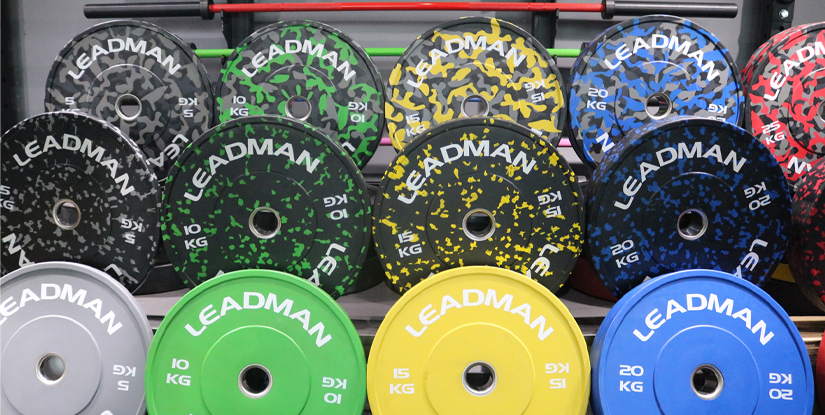
To maximize your shipping efficiency, a professional China factory will utilize advanced container loading optimization techniques. Rather than haphazardly stacking crates, expert logistics teams strategically arrange weight distributions to prevent shifting and structural damage. This meticulous approach to bulk shipping ensures that every cubic meter of your container is utilized effectively, preventing unnecessary freight surcharges and ensuring that your full wholesale order arrives in pristine, sale-ready condition.
Comparing Direct Factory Sourcing vs. Trading Company Procurement
For large-scale distributors, the choice between working with weight equipment manufacturers or trading companies significantly impacts the total landed cost. While traders offer convenience, sourcing factory-direct typically yields higher margins through volume-based pricing and tighter control over production specifications.
| Procurement Factor | Direct Factory Sourcing | Trading Company |
|---|---|---|
| Unit Price | Lower (wholesale rates) | Higher (includes markup) |
| Customization | High (OEM/ODM capability) | Limited |
| MOQ Control | Strict MOQ requirements | More flexible |
| Quality Oversight | Direct factory audits | Third-party reliance |
When executing bulk procurement, direct engagement with weight equipment manufacturers allows for more precise negotiation of shipping terms and packaging durability. This direct link is essential for optimizing the supply chain and ensuring that high-volume orders meet rigorous international standards without unnecessary intermediary costs.
Navigating these procurement models requires a clear understanding of how each affects your long-term distributor margins. While trading companies can streamline small-batch orders, professional importers often prioritize direct partnerships to secure more predictable lead times and specialized technical support. To ensure your inventory meets specific market demands, we recommend the following steps: request a detailed product specification sheet, confirm the current MOQ for your specific SKU, and schedule a formal factory audit or a pre-shipment inspection to validate quality standards before final payment.
Optimizing Total Landed Cost via Quality Control
Directly partnering with weight equipment manufacturers allows importers to mitigate hidden costs associated with transit damage and returns. By integrating strict factory QC standards into the production cycle, buyers reduce the risk of receiving defective units that inflate long-term replacement expenses. Furthermore, investing in specialized export packaging solutions—such as reinforced steel crates or heavy-duty corrugated boxes—optimizes logistics efficiency by preventing structural shifts during sea freight. This proactive approach ensures that high-volume shipments arrive intact, protecting your profit margins and reducing the need for costly claims or secondary shipping cycles.
Technical Inspection Milestones: from Raw Materials to Pre-Shipment
For distributors managing high-volume orders, ensuring long-term product reliability begins long before the assembly line. When vetting weight equipment manufacturers, professional importers must verify that the China factory sourcing process includes rigorous metallurgical testing. Relying on subpar alloys leads to premature structural failure, which increases your long-term warranty claims and damages your brand reputation.
Material-Level Verification and Durability
High-tier weight equipment manufacturers implement strict protocols to verify steel grade consistency across every batch. This prevents the common issue of brittle components or uneven weight distribution in bulk shipments. During the sourcing process, we recommend requesting material certifications to ensure all structural steel meets your specific OEM/ODM specifications. For wholesale buyers, verifying the density and tensile strength of raw materials is the most effective way to guarantee product durability and minimize the risk of structural fatigue in high-traffic commercial environments.
Mid-Production Monitoring and Pre-Shipment Inspection
As production scales, maintaining consistency across large wholesale orders requires active production monitoring. Reliable weight equipment manufacturers do not wait until the final stage to check for defects; they implement iterative quality gates during the fabrication and welding processes. This oversight ensures that structural tolerances remain within the defined factory QC standards, preventing costly rework or shipment rejections.
The final and most critical milestone is the pre-shipment inspection. Before any container is sealed, a thorough audit of the finished goods—including mechanical functionality, coating thickness, and weight accuracy—is essential. For international distributors, this step mitigates the risk of receiving damaged or non-compliant goods, protecting your lead time and ensuring the landed cost remains predictable. We advise buyers to schedule a final inspection to confirm that all items strictly adhere to the approved quality control checklist before they leave the factory.
Technical Inspection Checkpoints for Importers
To mitigate risks during bulk procurement, professional buyers should utilize a structured inspection framework. The following table outlines the critical technical parameters that high-standard weight equipment manufacturers typically monitor to ensure product longevity and protect your landed cost protection. Utilizing these benchmarks helps distinguish a professional factory-direct supplier from low-tier producers.
| Inspection Phase | Critical Checkpoint | Technical Requirement/Standard | B2B Sourcing Objective |
|---|---|---|---|
| Raw Material | Material Verification | Steel grade/density certification | Ensure structural durability |
| Fabrication | Structural Integrity | Weld strength & tolerance check | Prevent mechanical failure |
| Surface Finish | Coating Thickness | Micron-level powder coating/plating | Prevent corrosion in transit |
| Final QC | Weight Accuracy | Calibration against standard weights | Meet strict compliance specs |
| Pre-Loading | Export Packaging Solutions | Reinforced crates & moisture barriers | Minimize shipping damage |
Before finalizing your next shipment, we recommend requesting a detailed spec sheet and a sample approval report. Always confirm the specific export packaging solutions used for sea freight to ensure your bulk inventory arrives in pristine condition. If you are scaling your inventory, ensure the manufacturer can provide a formal factory audit report to validate their internal QC protocols.
Advanced Export Packaging Solutions for Heavy Iron and Steel Goods
When sourcing bulk iron and steel components, distributors must verify that weight equipment manufacturers utilize rigorous protection protocols. High-density shipments are susceptible to oxidation and physical impact during long-haul maritime transit, which can significantly increase your landed cost through damaged inventory or rusted surfaces.
Ensuring Bulk Shipping Durability
Reliable export packaging solutions must go beyond standard boxing to address the specific vulnerabilities of heavy metal goods. Professional weight equipment manufacturers implement heavy-duty steel protection and multi-layered shielding to maintain product integrity. This typically includes applying moisture-proof layers, such as VCI (Volatile Corrosion Inhibitor) film or industrial-grade polymer wraps, to prevent rust during sea freight. For wholesale orders involving cast iron or steel plates, high-quality China factory standards require reinforced palletizing and structural bracing to ensure maximum bulk shipping durability throughout the global supply chain.
Packaging Specification Comparison by Product Category
To optimize your sourcing strategy, it is essential to understand how different packaging tiers affect both protection and container volume efficiency. High-tier weight equipment manufacturers offer tiered packaging options based on the weight class and the sensitivity of the finish to moisture and impact.
| Weight Class | Standard Packaging Type | Protection Level | Sea Freight Suitability | Typical Factory Capability |
|---|---|---|---|---|
| Light (0–50kg) | Reinforced 5-Layer Cartons | Moderate (Impact/Dust) | High (Standard) | Standard OEM/Stock |
| Medium (50–200kg) | Double-Wall Corrugated + Pallet | High (Compression) | Very High | Standard wholesale |
| Heavy (200kg+) | Custom Wooden Crates (ISPM-15) | Extreme (Structural/Rust) | Essential for Bulk | Premium factory-direct |
When negotiating bulk purchase terms, always request a detailed packaging specification sheet. Confirm whether the China factory provides VCI film for all steel-based items to mitigate oxidation risks during transit. Before finalizing your order, we recommend requesting a sample of the crate construction or a pre-shipment photo of a fully packed unit to ensure it meets your distributor standards.
Effective risk management requires aligning packaging quality with your total landed cost. While premium crate construction may slightly increase initial unit prices, it prevents the massive overhead of returns and replacement claims caused by transit damage. To ensure long-term logistics safety, distributors should verify that their chosen weight equipment manufacturers conduct a formal pre-shipment inspection specifically focused on load stability and moisture barriers. This diligence is especially critical when managing high-volume MOQ considerations, as even a small percentage of damaged heavy steel components can erode your entire distributor margin.
Managing Lead Times and Logistics for Bulk Container Shipments
For international distributors, the total landed cost is rarely determined by the unit price alone. When engaging with weight equipment manufacturers, savvy importers must account for how production cycles and logistics volatility impact their bottom line. Fluctuations in production capacity can trigger unexpected delays, increasing warehousing fees or missing seasonal market windows.
Impact of Production Cycles on Total Cost
Reliable China factory sourcing requires a deep understanding of how lead time and MOQ requirements influence shipping schedules. A manufacturer with high production capacity can offer more stable timelines, reducing the risk of expensive air-freight surcharges during peak seasons. If a wholesale order is delayed due to insufficient raw material buffers, the resulting logistical bottlenecks can significantly inflate the final landed cost for your distribution network.
Optimizing Logistics Costs via Packaging Configurations
To maximize cost efficiency, procurement managers must evaluate how different export packaging solutions affect container utilization. Choosing between standard pallets or customized crates can significantly alter your volumetric weight and total sea freight expenses. High-tier weight equipment manufacturers often provide tiered packaging options to help distributors balance protection against shipping density.
| Packaging Configuration | Protection Level | Container Utilization | Typical Use Case |
|---|---|---|---|
| Standard Export Carton | Moderate | High (Optimized) | Small plates, dumbbells, and accessories |
| Reinforced Wooden Crates | High | Medium | Heavy racks and high-value electronic consoles |
| Customized Steel Frames | Maximum | Lower (Bulkier) | Oversized heavy-duty strength equipment |
When planning bulk container shipments, we recommend requesting a loading plan from your supplier during the pre-shipment phase. This ensures that your factory QC standards extend beyond product quality to include the structural integrity of the load, preventing damage during long-haul transit.
Mitigating Procurement Risk Through Pre-Shipment Inspection
Neglecting the final stages of the supply chain can lead to catastrophic financial losses. For professional importers, a rigorous pre-shipment inspection is the most effective way to mitigate procurement risk. Relying solely on a factory report is often insufficient; third-party or independent verification ensures that the actual goods match the approved OEM specifications and tolerances.
Skipping this step often results in high-cost damage claims or significant logistics delays when faulty or incorrectly packed items arrive at your warehouse. By enforcing strict quality control protocols before the container is sealed, you protect your distributor margins and ensure that the weight equipment manufacturers have met all structural and aesthetic requirements. This diligence prevents the need for costly returns or secondary shipping runs, securing a more predictable and profitable global supply chain.
Final Procurement Checklist for Global Importers
Before finalizing your purchase, professional importers must look beyond the unit price. To accurately determine the total landed cost, you must account for variables that weight equipment manufacturers often list as separate line items. Relying solely on the FOB price can lead to budget overruns during the final sourcing phase.
Calculating Total Landed Cost and Hidden Variables
A comprehensive budget must incorporate specialized export packaging solutions, such as reinforced steel crates or custom palletizing, which protect heavy iron plates and high-end machines during long-haul transit. Furthermore, do not overlook hidden costs like third-party inspection fees for pre-shipment QC or the logistical overhead required for bulk procurement. When negotiating with weight equipment manufacturers, ensure your MOQ requirements are clearly aligned with the wholesale volume to minimize per-unit shipping and handling expenses. Always verify if palletization costs or container loading supervision fees are included in your initial quotation to maintain healthy distributor margins.
Sourcing Model Comparison for Importers
To optimize your procurement strategy, you must select a supply model that balances your budget against your requirements for customization and volume. Choosing the right weight equipment manufacturers partner depends heavily on your business scale and whether you require OEM services or standard stock orders.
| Sourcing Model | Cost Profile | Typical MOQ | Packaging & QC Service Level |
|---|---|---|---|
| Factory-Direct | Lowest Unit Cost | High | Basic export packaging; standard factory QC |
| OEM/ODM | Higher Unit Cost | Moderate | Customized branding and specialized export packaging solutions |
| Trading Company | Mid-Range Cost | Flexible/Low | Standardized export packaging and consolidated sourcing support |
Once you have identified the ideal model, the final step is to request a detailed specification sheet and confirm the MOQ for your specific product categories. We recommend booking a formal pre-shipment inspection and requesting a sample approval before authorizing full-scale production to ensure all quality standards are met.
Finalizing Payment Terms and Inspection Timing
To mitigate financial risk, professional buyers should structure their contracts around clear payment milestones. A common industry standard involves a percentage deposit to initiate production, followed by a final balance payment triggered only after a successful pre-shipment inspection. This ensures that weight equipment manufacturers remain accountable for both product integrity and the durability of the export packaging solutions used for your shipment.
Always align your final verification process with the production lead time to avoid shipping delays. Before authorizing the final wire transfer, confirm that the factory has completed all QC checklists and that the container loading matches your specific packing list. This disciplined approach protects your capital and ensures that the high-volume goods arriving at your warehouse meet the exact specifications promised during the initial sourcing phase.