
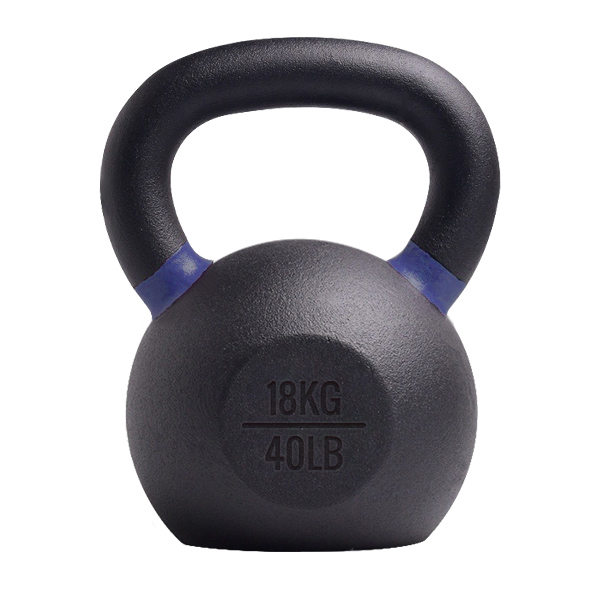
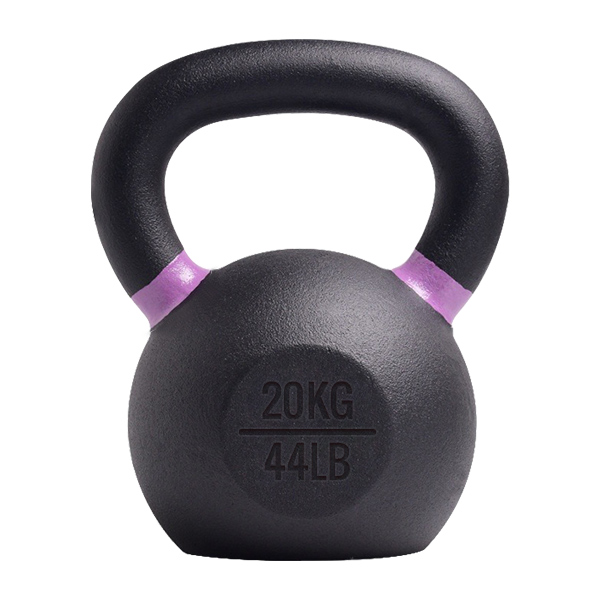
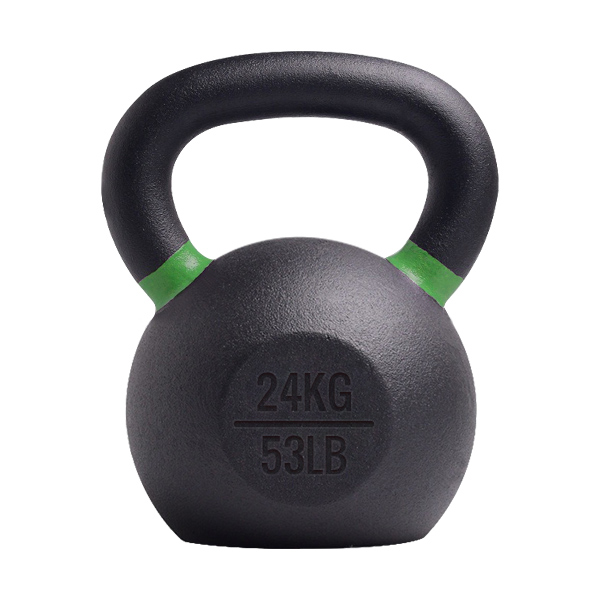
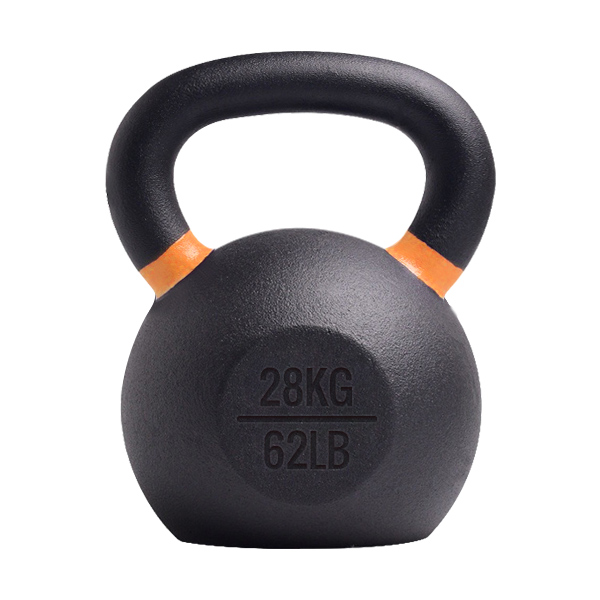
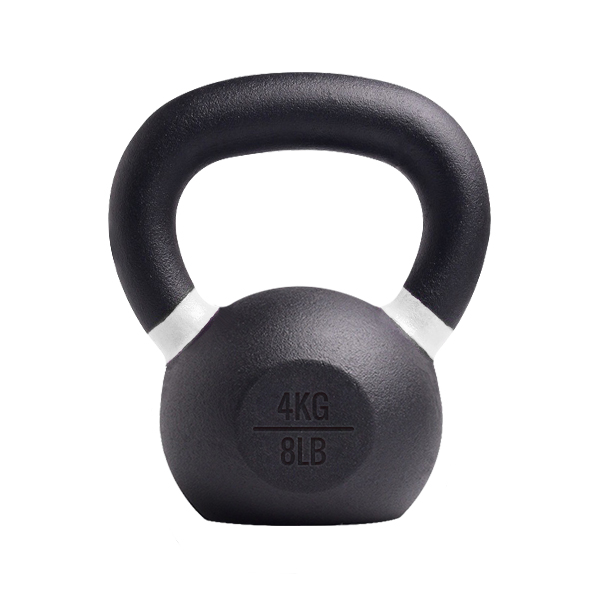
The 18kg cast iron kettlebell is a fundamental implement designed for athletes who demand consistent resistance during high-velocity movements. Unlike lighter training tools used for mobility, this specific weight serves as a bridge between foundational skill acquisition and advanced strength conditioning. Its density and balanced center of gravity make it particularly effective for ballistic exercises such as the kettlebell swing, snatch, and clean & jerk, where momentum and stability are critical.
Engineered for durability, this kettlebell is a staple in both professional strength and conditioning facilities and high-end home gym setups. The solid cast iron construction ensures that the implement can withstand the rigors of high-repetition metabolic conditioning without structural deformation. This makes it a reliable choice for coaches overseeing high-density training sessions where equipment failure is not an option.
Typical training applications for this 18kg model include:
The ergonomic handle geometry is specifically calibrated to provide a smooth transition during the swing cycle, reducing unnecessary friction on the skin while maintaining a secure grip. This level of precision is essential for maintaining technical integrity as fatigue sets in during long-duration workouts.
Precision in weight distribution is a critical factor for any resistance training implement, especially when performing high-velocity ballistic movements. The 18kg cast iron kettlebell is manufactured to meet strict density and balance standards, ensuring that the center of mass remains stable throughout the entire range of motion. This reliability is essential for preventing technical deviations during complex lifts like the snatch or the clean & jerk.
The following table details the core physical attributes and material properties of this specific model. These parameters are standardized to ensure compatibility with professional training protocols and to provide a predictable user experience across different training environments.
| Feature Attribute | Specification Details | Standardization Note |
|---|---|---|
| Nominal Weight | 18 kg | Calibrated for consistency |
| Primary Material | High-Density Cast Iron | Solid construction, no hollow core |
| Handle Type | Ergonomic Cast Iron Handle | Smooth finish for grip transitions |
| Surface Finish | Natural Cast Texture | Provides friction for grip stability |
| Body Shape | Spherical/Bell-shaped | Balanced center of gravity |
| Primary Application | Ballistic & Strength Training | Suitable for high-repetition use |
The robust nature of the cast iron material ensures that the dimensions remain constant even after heavy usage. Unlike some coated or composite alternatives, the solid iron build provides a compact footprint relative to its mass, which is advantageous for space-constrained training zones. This makes it an excellent option for those looking to build a comprehensive collection, perhaps starting with lighter 10kg models and progressing toward higher loads as strength increases.
Each unit is inspected to ensure the handle-to-body ratio allows for a natural grip regardless of the user's hand size. This structural integrity is a hallmark of professional-grade equipment designed for long-term durability in commercial settings.
The production of our 18kg cast iron kettlebells follows a rigorous metallurgical process designed to eliminate structural weaknesses and ensure long-term reliability. Each unit begins with high-grade molten iron, which is poured into precision-engineered molds. This casting method is essential for achieving the uniform density required for professional-grade ballistic training, preventing the internal air pockets or imbalances often found in lower-quality imitations.
During the casting stage, we focus on the seamless integration of the handle and the bell body. The transition area is smoothed to ensure that the center of gravity remains perfectly centered, which is a critical requirement for advanced movements like the snatch. The high-pressure molding process ensures that the spherical shape of the bell is consistent, providing a predictable flight path during high-repetition swings.
Once the casting is complete, each kettlebell undergoes a multi-step finishing process. We prioritize a natural cast texture that offers a functional grip without the need for additional coatings that might peel or crack over time. This surface treatment is designed to be tactile and reliable, even when the user's hands are subject to perspiration during high-intensity metabolic conditioning sessions.
Our quality control protocols include several critical checkpoints:
By maintaining these strict manufacturing standards, we provide equipment that professionals can trust for both technical skill drills and heavy-load strength development. This commitment to quality ensures that the implement remains a durable asset in any training environment, whether it is a specialized strength facility or a professional-grade home gym.
The 18kg cast iron kettlebell is specifically engineered to serve a diverse range of fitness objectives, from metabolic conditioning to advanced strength development. Because this weight falls into a transitional category—heavier than foundational mobility tools but lighter than maximal strength implements—it is highly effective for developing both explosive power and muscular endurance. It is particularly suited for athletes who have mastered basic movements and are now looking to increase the intensity of their ballistic protocols.
This implement is versatile enough to be integrated into several distinct training environments:
To ensure optimal performance and minimize the risk of injury, users should adhere to the following guidelines when working with the 18kg load:
When performing ballistic movements such as the kettlebell swing, it is vital to maintain a neutral spine and engage the posterior chain. The 18kg mass provides significant momentum; therefore, the user must ensure the bell's path remains controlled and does not deviate into the face or torso. For those transitioning from lighter weights, such as the 12kg steel kettlebell, we recommend verifying technical proficiency before increasing the volume of high-velocity repetitions.
Additionally, always ensure the training surface is stable and clear of obstructions. While the cast iron construction is exceptionally robust, placing the kettlebell on a rubberized gym mat can help dampen noise and prevent floor damage during high-intensity sessions. When storing the implement, avoid damp environments to preserve the surface integrity and prevent any long-term oxidation. For users focusing on complex multi-planar movements, a firm, dry grip is essential; if perspiration becomes excessive, consider using chalk to maintain consistent control during the lift cycle.
The longevity of cast iron training equipment depends heavily on the environment in which it is kept and the care provided after each session. Because the 18kg cast iron kettlebell is composed of high-density iron, it is inherently susceptible to oxidation if exposed to prolonged moisture or high humidity. Implementing a consistent maintenance routine ensures that the surface remains intact and the weight remains precise for years of continuous use.
After completing a high-intensity metabolic conditioning session, it is common for the implement to be covered in perspiration or environmental moisture. To prevent the onset of surface rust, always wipe the handle and the bell body with a dry, lint-free cloth. This step is particularly important for users who utilize lifting chalk, as chalk residue can absorb moisture and hold it against the metal surface, potentially accelerating oxidation if not cleared away.
For both commercial facilities and home gym setups, the placement of your kettlebells matters. We recommend storing the 18kg unit in a cool, dry, and well-ventilated area. Avoid leaving the equipment directly on concrete floors in unheated garages or damp basements, as concrete can leach moisture into the metal. Utilizing a dedicated kettlebell rack or placing the bell on a rubberized gym mat provides an additional layer of protection by elevating the implement slightly from the ground and dampening impact noise.
If you notice slight surface discoloration over time, this is often a natural characteristic of cast iron. To maintain the professional appearance and structural integrity, you can apply a very thin layer of machine oil or a specialized metal protectant to the surface. This creates a barrier against humidity and helps preserve the natural texture that provides your necessary grip during heavy ballistic drills. Regular inspection of the handle area for any signs of pitting or wear is also a recommended practice to ensure the implement remains safe for high-velocity training.
Selecting the right resistance implements requires a strategic approach to both immediate training needs and long-term facility development. When sourcing the 18kg cast iron kettlebell, procurement professionals and individual enthusiasts should evaluate the equipment based on its structural density, weight consistency, and intended training volume. Because cast iron is a high-durability material, it represents a stable investment for facilities that prioritize equipment longevity over rapid turnover.
For commercial gym owners and strength coaches, purchasing a single weight class is often insufficient for a complete training ecosystem. We recommend planning your procurement around a progressive weight scale to support various levels of athlete development. A well-structured inventory should include a range of weights that allow for smooth transitions, moving from foundational skill-based weights to more advanced, high-load implements. For instance, a facility might stock lighter options for mobility and skill drills before moving into the 18kg class, eventually scaling up to much heavier heavyweight training gear for advanced ballistic protocols.
When evaluating suppliers or preparing a purchase order, consider the following technical aspects to ensure you receive professional-grade equipment:
Whether you are upgrading a professional strength and conditioning center or expanding a personal home gym, choosing a standardized 18kg cast iron model ensures that your training sessions remain technically accurate and physically demanding. By focusing on high-density casting and precise weight distribution, you secure a piece of equipment that functions as a reliable constant in your progressive strength journey.
The 18kg cast iron kettlebell serves as a high-density, reliable instrument for athletes navigating the transition from foundational movements to high-intensity ballistic training. Its standardized mass and robust structural integrity provide the necessary consistency required for professional-grade strength conditioning and metabolic programming.
By prioritizing material density and manufacturing precision, this 18kg implement meets the rigorous demands of modern strength and conditioning. Whether utilized for skill acquisition or as a staple in a high-density HIIT circuit, the equipment provides a predictable and durable resistance profile that supports long-term athletic development.
| Attributes | Values |
|---|---|
| Weight | 4KG,6kg,8kg,10kg,12kg,14kg,16kg,18kg,20kg,22kg,24kg,26kg,28kg,32kg,36kg,40kg,44kg,48kg,50kg,52kg,56kg,68kg,72kg,80kg,92kg,108kg |
| Logo | Customizable |
| Specification | Customizable,MOQ |
| Color | Red, Orange, Yellow, Green, Cyan, Blue, Purple, Customizable |
Sarah Henry
Engineered Resistance for Complex Movement PatternsThe 28kg special shaped kettl...
Verified Buyer
Colorful Kettlebells, a signature creation of Leadman Fitness, the esteemed fitn...
James R.
Built for rigorous ballistic training, this 24kg cast iron implement offers reliable resistance for advanced athletes. Ensure long-term durability in high-intensity gym environments with our standardized weight options....