
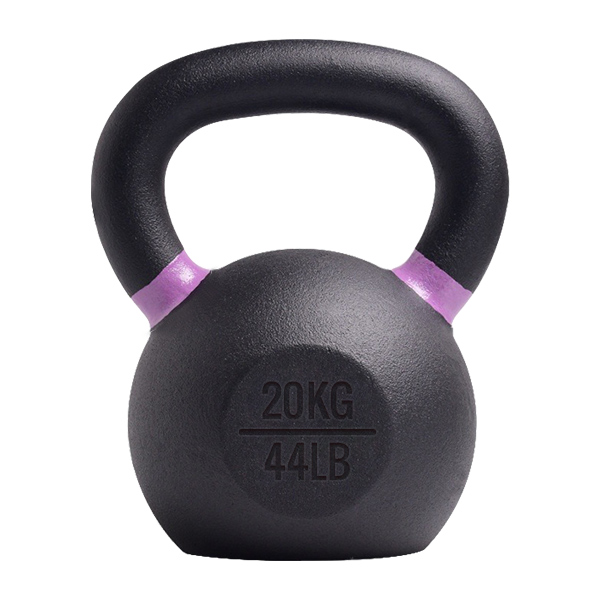
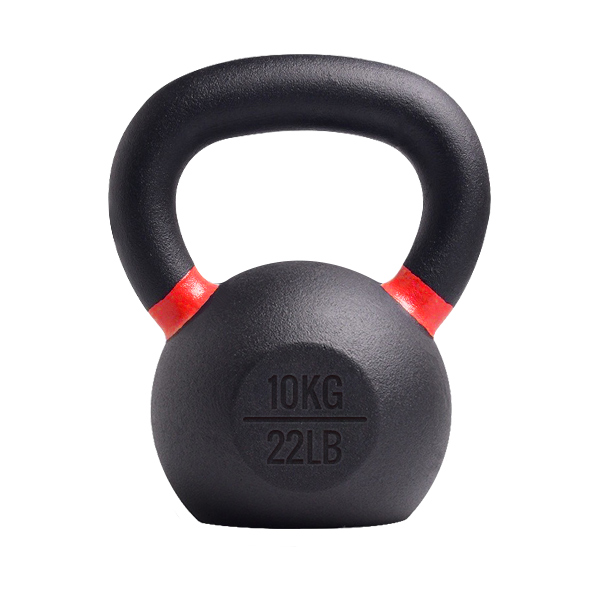
The 20kg cast iron kettlebell is engineered for athletes and fitness enthusiasts who require a stable, high-density resistance tool. Unlike lighter options used for mobility, this specific weight serves as a cornerstone for intermediate to advanced functional strength programming. The single-piece cast iron construction ensures that the center of gravity remains consistent, which is vital for maintaining technical precision during high-velocity ballistic movements.
Each unit features a robust, ergonomically shaped handle designed to accommodate various grip styles, including the standard two-handed grip for swings and the single-handed grip for snatches or Turkish Get-Ups. The seamless integration of the handle and the body provides a smooth transition of weight, reducing the risk of friction-related discomfort during repetitive high-repetition sets. This durability makes it a preferred choice for high-traffic commercial environments where equipment longevity is a primary concern.
Key functional advantages include:
For those transitioning from lighter skill-based tools, such as a 6kg mobility kettlebell, the 20kg model offers a significant step up in resistance, demanding greater core stability and grip endurance. It serves as an essential bridge between foundational skill acquisition and heavy-load strength development.
Precision in weight distribution is a fundamental requirement for professional-grade training equipment. The 20kg cast iron kettlebell is manufactured using high-density iron casting techniques to ensure that the volume of the bell and the diameter of the handle remain within standardized tolerances. This consistency is essential for athletes who rely on muscle memory and precise load increments during complex ballistic movements.
The following table outlines the technical parameters and material composition of this specific model. These specifications are designed to meet the rigorous demands of both functional strength training and high-intensity conditioning environments.
Compatible with heavy-duty gym environments| Parameter Category | Detailed Specification | Application Note |
|---|---|---|
| Nominal Weight | 20 kg | Standardized load for intermediate/advanced training |
| Primary Material | High-Density Cast Iron | Ensures durability and consistent center of gravity |
| Handle Type | Integrated Cast Design | Optimized for single and double-handed grips |
| Surface Texture | Smooth Cast Finish | Reduces friction during high-repetition ballistic sets |
| Primary Use Case | Strength & Conditioning | Suitable for swings, snatches, and Turkish Get-Ups |
| Durability Rating | High-Impact Resistance |
The dimensions of the kettlebell are engineered to provide a balanced feel during rotational exercises. The diameter of the handle is specifically calibrated to allow for a comfortable grip even when the user's hands are fatigued, which is a critical factor during long-duration metabolic conditioning or high-rep strength endurance sessions. By adhering to these strict manufacturing standards, we provide a tool that supports long-term progressive overload without the unpredictability often found in lower-quality imitations.
The production of our 20kg cast iron kettlebells relies on advanced metallurgical casting processes to ensure structural density and uniformity. Each unit undergoes a rigorous solidification phase, which is critical for preventing internal voids or air pockets that could lead to weight imbalances. By utilizing high-grade iron alloys, we produce an implement that maintains its shape and mass even under the extreme mechanical stress of high-velocity ballistic training.
The shaping of the kettlebell bell and the handle is achieved through precision molds, ensuring that the transition between the handle and the body is seamless. This integrated casting method eliminates weak points typically found in welded or assembled equipment. Following the initial casting, each kettlebell undergoes a multi-stage surface refinement process. This includes grinding and smoothing the contact points of the handle to remove any sharp casting flash, ensuring a comfortable user experience during high-repetition sets.
To address the natural tendencies of cast iron, we implement a strict surface treatment protocol. The final texture is controlled to provide a balance between a smooth feel for rapid movements and enough grip friction for heavy stability work. This attention to detail prevents the surface from becoming overly abrasive, which protects the athlete's skin during extended sessions of snatches or cleans.
Quality assurance at our facility extends beyond mere aesthetics to the core functional requirement: weight accuracy. Every 20kg unit is subject to calibrated weighing protocols to ensure it meets the specified mass within strict industry tolerances. This verification process is vital for athletes engaged in professional strength conditioning, where incremental progress depends on the reliability of their equipment. By maintaining these high standards of weight consistency, we ensure that our products serve as dependable tools for long-term physical development and competitive training.
The 20kg weight threshold represents a pivotal stage in functional strength development. It is specifically engineered for athletes who have mastered foundational movements with lighter implements and are now seeking to increase metabolic demand and absolute strength. This kettlebell is highly effective across various training modalities, ranging from traditional strength building to high-intensity metabolic conditioning (HIIT).
Due to its balanced center of gravity and robust construction, this 20kg cast iron model is optimized for several key movement patterns:
This implement is most suitable for intermediate to advanced practitioners. While beginners may utilize it for specific strength-building phases, it is generally recommended to establish proficiency with lighter weights—such as those found in our 12kg strength conditioning range—before advancing to the 20kg load to ensure technical mastery.
To maintain safety during training, users should adhere to the following protocols:
Because this product is constructed from high-density cast iron, proper care is essential to preserve its structural integrity and surface finish over long-term use. While cast iron is inherently robust, it is susceptible to oxidation (rusting) if exposed to prolonged moisture or high-humidity environments. Implementing a consistent maintenance routine will ensure that your 20kg kettlebell remains a reliable training partner for years to come.
After every training session, especially those involving high-intensity metabolic conditioning where perspiration is prevalent, it is vital to address any surface moisture. Sweat contains salts and acids that can accelerate the oxidation process on the iron surface. We recommend using a clean, dry microfiber cloth to wipe down the entire body and the handle area immediately after use. This simple step removes skin oils and moisture, preventing the buildup of corrosive elements that lead to surface rust.
If the kettlebell has been used in an outdoor setting or a particularly damp environment, a more thorough drying process may be required. Ensure the handle is completely dry before attempting to store the implement, as trapped moisture within the grip area is a common cause of localized corrosion.
The longevity of your equipment is heavily influenced by its storage conditions. To maintain the highest standard of care, follow these storage guidelines:
By following these professional maintenance standards, you protect your investment and ensure that the 20kg load remains consistent and the handle remains smooth and free from abrasive oxidation. Consistent care is the most effective way to maintain the high-performance characteristics expected of professional-grade strength equipment.
Selecting the appropriate resistance tools for a professional training facility or a high-performance home gym requires a strategic approach to equipment specification. When sourcing 20kg cast iron kettlebells, procurement officers and fitness professionals should prioritize consistency in weight distribution and structural durability. Because these implements are often subjected to high-impact usage and repetitive ballistic cycles, the quality of the casting process is a non-negotiable factor in determining the total cost of ownership and the long-term utility of the equipment.
When evaluating potential suppliers or reviewing product catalogs, consider the following technical and logistical dimensions to ensure the equipment meets your facility's standards:
For organizations looking to expand their functional training capacity, it is often beneficial to integrate various weight classes. For instance, while the 20kg model serves as a cornerstone for advanced strength, a complete training ecosystem might also require lighter models for mobility work or significantly heavier implements for absolute strength development. We recommend reviewing the full technical range available in our comprehensive weight selection to ensure your procurement plan covers all stages of athlete progression.
For bulk orders or specialized facility setups, professional buyers are encouraged to reach out via our direct contact channels. This allows for detailed discussions regarding specific manufacturing tolerances, customization requirements, and logistical arrangements tailored to your organization's unique operational scale and training objectives.
The 20kg cast iron kettlebell serves as a critical instrument for athletes transitioning into high-load functional training. Its design prioritpizes the fundamental requirements of ballistic stability, standardized resistance, and structural endurance, making it a reliable asset for both professional strength conditioning and high-density metabolic work. By focusing on high-density casting and ergonomic refinement, this implement addresses the specific needs of practitioners who demand precision and longevity in their training tools.
To maximize the utility and lifespan of this equipment, users and facility managers should focus on these core operational pillars:
Whether utilized in a commercial strength facility or a specialized home gym, the 20kg model provides the predictable momentum and durable construction necessary for rigorous, high-performance training environments. Its ability to withstand the mechanical demands of heavy-duty conditioning ensures it remains a high-value component of any functional fitness inventory.
| Attributes | Values |
|---|---|
| Weight | 4KG,6kg,8kg,10kg,12kg,14kg,16kg,18kg,20kg,22kg,24kg,26kg,28kg,32kg,36kg,40kg,44kg,48kg,50kg,52kg,56kg,68kg,72kg,80kg,92kg,108kg |
| Logo | Customizable |
| Specification | Customizable,MOQ |
| Color | Red, Orange, Yellow, Green, Cyan, Blue, Purple, Customizable |
Sarah Henry
Stylish PU Kettlebell: The Perfect Fusion of Strength and AestheticsSay goodbye...
Verified Buyer
The Adjustable Kettlebell MDKB11-18KG/40LB, a creation of Leadman Fitness, epito...
James R.
Full range of black cast iron weight plates from 0.25kg to 25kg available. High-density casting ensures durability for home gyms and professional training facilities alike....