100 Pound Kettlebell: Export Ready China Manufacturer
Economic Value of Sourcing 100 Pound Kettlebell Units in Bulk
Professional distributors must evaluate three critical checkpoints when importing high-density iron: weight tolerance accuracy, structural integrity for heavy-duty use, and international shipping logistics. A miscalculated 100 pound kettlebell order can lead to significant discrepancies in both inventory value and gym floor utility. By establishing a direct relationship with a China factory, importers can mitigate these risks through standardized production protocols and transparent lead times.
The logistical challenge of moving high-density iron involves balancing shipping volume with weight-based freight costs. Sourcing a commercial grade kettlebell directly from the source allows for better control over container loading optimization and palletization standards. This strategic approach ensures that your landed cost remains competitive even when accounting for the high weight-to-volume ratio typical of heavy strength equipment.
Maximizing distributor margin requires moving beyond simple retail-style purchasing toward a professional wholesale model. When you engage in heavy kettlebell wholesale, you are not just buying a product, but securing a supply chain that supports long-term inventory stability. This direct sourcing method provides the necessary leverage to negotiate better terms for large-scale commercial gym deployments or regional equipment distribution.
| Sourcing Model | Primary Advantage | MOQ Requirements | Lead Time | Customization (OEM/ODM) | Landed Cost Profile |
|---|---|---|---|---|---|
| Direct Factory Sourcing | Maximum margin and control | High/Volume-based | Standardized production cycles | Full capability for private label | Lowest per-unit cost |
| Regional Wholesaler | Immediate stock availability | Low/Small batch | Short (Local delivery) | Limited to existing SKUs | Higher per-unit cost |
| International Trader | Simplified logistics handling | Moderate | Variable based on transit | Minimal customization | Moderate/Medium |
Selecting the optimal procurement path depends on your specific business scale and inventory turnover goals. For distributors managing large-scale gym fit-outs, working with a direct supplier offers the most significant advantages in terms of long-term scalability and brand identity control. While local wholesalers may offer faster delivery for small orders, the economic efficiency of a direct 100 pound kettlebell procurement strategy becomes clear when analyzing the total cost of ownership across large-scale deployments.
To ensure your procurement strategy aligns with your commercial objectives, we recommend initiating a formal inquiry to discuss your specific requirements. Please contact us to request a detailed technical spec sheet, confirm current MOQ tiers for heavy-duty iron equipment, or schedule a virtual factory audit to verify our production standards before finalizing your bulk order.
Optimizing your procurement strategy for high-density strength equipment involves a deep understanding of total cost of ownership. When a facility invests in a 100 pound kettlebell, they are not merely purchasing a single unit; they are investing in a long-term asset that must withstand rigorous daily use in high-traffic environments. For professional buyers, the true value lies in the intersection of durability and replacement cycles. Choosing a high-quality commercial grade kettlebell ensures that the equipment maintains its structural integrity and weight accuracy over years of service, preventing the frequent replacement costs and maintenance overhead associated with lower-tier manufacturing.
The long-term ROI for a gym or distributor is directly tied to the quality control protocols established during the manufacturing stage. High-density cast iron or steel-encased units require precise molding and finishing to ensure they remain safe and functional under heavy commercial use. By prioritizing a 100 pound kettlebell produced by a reliable manufacturer, you reduce the risk of weight drift or surface degradation. This reliability translates to higher client satisfaction for gym owners and lower liability risks for facility managers, making the initial investment in premium-grade equipment a much more efficient use of capital compared to cheaper, non-standardized alternatives.
Technical Standards for 100 Pound Kettlebell Manufacturing
Precision engineering is critical when sourcing a 100 pound kettlebell for high-traffic commercial environments. For distributors and gym owners, the structural integrity of high-density casting directly impacts long-term replacement cycles and safety liability. A reliable China factory must maintain strict adherence to weight tolerance and handle durability to ensure the unit remains a stable asset rather than a maintenance burden.
Standardized manufacturing processes ensure that each commercial grade kettlebell meets the rigorous demands of strength conditioning facilities. When managing bulk gym equipment sourcing, procurement leads should prioritize suppliers that utilize high-grade iron and controlled cooling processes to prevent internal fractures or surface inconsistencies.
Material Density and Weight Tolerance Specifications
Achieving an accurate 100 pound kettlebell requires more than just adding mass; it requires precise volumetric control during the casting phase. Inconsistent density can lead to off-center weight distribution, which increases the risk of injury and reduces the product's lifespan. Professional wholesale buyers must verify that the manufacturer implements a multi-stage quality control protocol to monitor weight variance and handle ergonomics.
| Procurement Factor | Standard Casting (Low-Tier) | High-Density Commercial Grade |
|---|---|---|
| Weight Tolerance | +/- 5% variance | +/- 1% to 2% variance |
| Material Consistency | Variable density/air pockets | Uniform high-density iron |
| Handle Durability | Surface irregularities | Smooth, reinforced grip |
| Long-term ROI | Higher replacement frequency | Extended lifecycle/low maintenance |
Selecting a heavy kettlebell wholesale partner that provides detailed spec sheets regarding material density and weight precision will significantly reduce your total cost of ownership. A professional supplier will provide documentation regarding the high-density casting methods used to ensure every unit delivered to your warehouse meets international commercial standards.
Beyond internal density, the external finish and handle ergonomics are critical variables in the total cost of ownership. For professionals engaged in bulk gym equipment sourcing, a sub-standard surface finish can lead to rapid oxidation or grip failure, increasing the maintenance load on facility staff. A premium 100 pound kettlebell must feature a consistent, high-quality coating that withstands heavy usage without chipping or degrading under friction.
When evaluating potential partners for heavy kettlebell wholesale orders, procurement officers should request specific details regarding the surface treatment and handle geometry. High-performance units typically undergo specialized powder coating or heat-treated finishing to ensure the grip remains ergonomic even during high-intensity training sessions. This level of detail differentiates a standard manufacturer from a specialized China factory capable of meeting the strict requirements of tier-one commercial fitness brands and international distributors.
Beyond internal density, the external finish and handle ergonomics are critical variables in the total cost of ownership. For professionals engaged in bulk gym equipment sourcing, a sub-standard surface finish can lead to rapid oxidation or grip failure, increasing the maintenance load on facility staff. A premium 100 pound kettlebell must feature a consistent, high-quality coating that withstands heavy usage without chipping or degrading under friction.
When evaluating potential partners for heavy kettlebell wholesale orders, procurement officers should request specific details regarding the surface treatment and handle geometry. High-performance units typically undergo specialized powder coating or heat-treated finishing to ensure the grip remains ergonomic even during high-intensity training sessions. This level of detail differentiates a standard manufacturer from a specialized China factory capable of meeting the strict requirements of tier-one commercial fitness brands and international distributors.
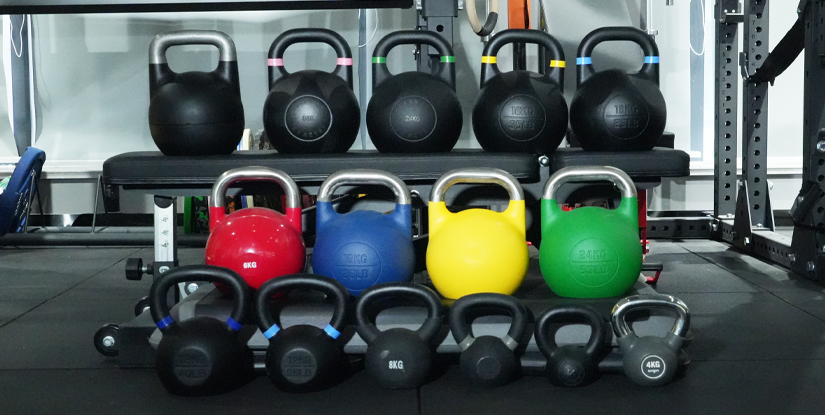
Optimizing TCO Through Commercial Grade Kettlebell Selection
For professional gym operators and distributors, the total cost of ownership (TCO) is a critical metric that extends far beyond the initial purchase price. When sourcing high-density iron units, the relationship between material density and long-term durability directly dictates your replacement frequency. A substandard 100 pound kettlebell may offer a lower upfront cost, but frequent cracking or coating failure leads to increased operational expenses and diminished client satisfaction.
Selecting a true commercial grade kettlebell ensures that the density of the cast iron remains consistent, preventing structural weaknesses during high-impact use. By partnering with a reliable China factory, importers can secure equipment designed for high-traffic environments, effectively lowering the landed cost per year of service. Investing in premium density rather than budget-grade alternatives mitigates the risk of premature depreciation and stabilizes your long-term equipment budget.
| Procurement Factor | Standard Wholesale Option | Premium Commercial Grade |
|---|---|---|
| Material Density | Variable/Low Density | High-Density Consistent Cast Iron |
| Replacement Frequency | High (due to structural fatigue) | Low (optimized for longevity) |
| Maintenance Load | Frequent inspection required | Minimal oversight necessary |
| Long-term ROI | Lower due to replacement costs | Higher due to extended lifecycle |
To maximize your bulk gym equipment sourcing efficiency, it is essential to evaluate the manufacturing specifications of the 100 pound kettlebell before finalizing a purchase order. We recommend requesting detailed material density reports or technical spec sheets from your supplier to ensure the units meet international commercial standards. Contact us to discuss wholesale volume pricing, MOQ requirements, or to arrange a factory audit for your next large-scale procurement cycle.
Analyzing the lifecycle of a 100 pound kettlebell requires a shift from simple unit-price comparison to a comprehensive view of operational efficiency. For distributors managing high-volume inventory, the true cost of a heavy kettlebell wholesale order is determined by how many years the product survives in a high-impact commercial setting without requiring replacement or causing injury due to structural failure.
When executing bulk gym equipment sourcing, buyers often face the temptation of lower-tier manufacturing to improve immediate margins. However, the hidden costs of inferior casting—such as uneven weight distribution or brittle handles—can lead to higher maintenance loads and shorter replacement cycles. By prioritizing high-density production standards through a specialized China factory, procurement managers can achieve a more predictable and optimized total cost of ownership, ensuring that their initial capital expenditure translates into long-term asset stability.
Analyzing the lifecycle of a 100 pound kettlebell requires a shift from simple unit-price comparison to a comprehensive view of operational efficiency. For distributors managing high-volume inventory, the true cost of a heavy kettlebell wholesale order is determined by how many years the product survives in a high-impact commercial setting without requiring replacement or causing injury due to structural failure.
When executing bulk gym equipment sourcing, buyers often face the temptation of lower-tier manufacturing to improve immediate margins. However, the hidden costs of inferior casting—such as uneven weight distribution or brittle handles—can lead to higher maintenance loads and shorter replacement cycles. By prioritizing high-density production standards through a specialized China factory, procurement managers can achieve a more predictable and optimized total cost of ownership, ensuring that their initial capital expenditure translates into long-term asset stability.
China Factory Production Capacity and Lead Time Management
Managing a 100 pound kettlebell bulk order requires a deep understanding of the technical production cycle. Unlike lighter weights, high-density casting for heavy units involves a precise casting process where molten iron must cool at controlled rates to prevent internal structural flaws. For professional sourcing managers, failing to account for these technical requirements can lead to significant delays in gym openings or inventory replenishment.
When a China factory manages high-volume orders, the lead time is dictated by both the complexity of the mold and the cooling duration required for a commercial grade kettlebell. A single 100 pound kettlebell requires more intensive thermal management than standard weights to ensure the density remains consistent throughout the core. Consequently, procurement specialists should initiate wholesale discussions well in advance of peak seasons to mitigate supply chain bottlenecks.
For distributors looking to optimize their bulk gym equipment sourcing, understanding these variables is essential for maintaining a predictable landed cost and reliable stock levels. We recommend calculating your total MOQ requirements at least three to four months prior to your required delivery date to accommodate both the manufacturing window and international freight transit.
Production Models: Standard Stock vs. Customized OEM Orders
To streamline your procurement, it is vital to distinguish between purchasing ready-to-ship inventory and initiating a custom production run. While standard stock offers immediate availability, specialized projects such as private label branding or custom weight increments require a different logistical approach. The following table outlines the typical operational differences for a 100 pound kettlebell order to assist in your inventory planning.
| Requirement Type | Standard Stock Order | Customized OEM/ODM Production |
|---|---|---|
| Minimum Order Quantity | Low/Standard Tier | Higher MOQ for Customization |
| Lead Time | Short (Ready to Ship) | Extended (Production + Cooling + QC) |
| Branding Options | Generic or Standard Logo | Full OEM/Private Label Integration |
| Product Specifications | Industry-Standard Dimensions | Custom Mold/Material Specifications |
| Shipping Readiness | Immediate Dispatch | Scheduled Post-Production Inspection |
Choosing the ODM route allows distributors to differentiate their product line through unique handle ergonomics or specific color finishes, which can enhance long-term market positioning. However, for rapid replenishment of a heavy kettlebell wholesale shipment, sticking to a 100 pound kettlebell standard specification ensures the fastest transition from the factory to your local warehouse. We suggest requesting a detailed spec sheet and confirming your MOQ during the initial inquiry to ensure your project timeline aligns with our current production capacity.
Strict QC and Export Packaging Standards
For high-value shipments, the final stage of the production cycle is as critical as the casting itself. A 100 pound kettlebell carries significant momentum and density; any surface imperfection or structural weakness discovered after arrival can lead to high return rates and damaged distributor margins. To prevent this, we implement a rigorous QC protocol that includes weight verification, diameter tolerances, and surface coating integrity tests for every single unit in a heavy kettlebell wholesale batch.
The logistical challenge of moving high-density iron requires specialized export packaging to protect the product and the container integrity. Unlike lighter items, a 100 pound kettlebell requires heavy-duty, reinforced corrugated boxes and customized internal dividers to prevent metal-on-metal impact during sea transit. This level of protection is non-negotiable for maintaining a low landed cost, as it minimizes the risk of dented handles or chipped powder coatings that would otherwise necessitate costly replacements or insurance claims.
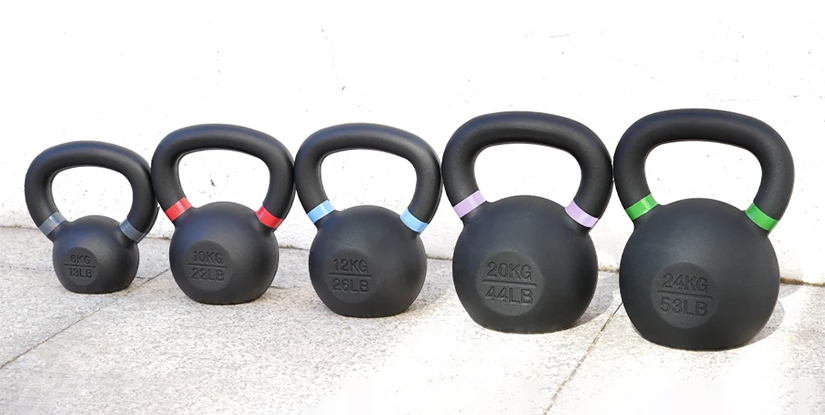
Before any container is sealed, a formal pre-shipment inspection is conducted to ensure the load matches your original sourcing specifications. This stage provides the final opportunity for buyers to verify that the commercial grade kettlebell units meet all weight and dimension tolerances. We recommend that procurement leads schedule a third-party inspection or request a detailed pre-shipment report to ensure that your bulk gym equipment sourcing project concludes with a seamless, damage-free delivery to your facility.
Custom Branding and OEM/ODM Solutions for Global Distributors
Establishing a distinct market presence requires more than just generic inventory. For distributors and large-scale gym operators, leveraging OEM and ODM capabilities allows for the integration of a unique brand identity into high-density weight offerings. When sourcing a 100 pound kettlebell, the ability to move beyond standard stock items to customized, branded assets is a critical factor in increasing long-term brand equity and perceived value in the premium commercial market.
A professional China factory can provide extensive technical customization to ensure your heavy weight equipment meets specific regional or brand-standard requirements. This includes precise material specification for the core weight to ensure density consistency, as well as specialized color coating options to match your existing product lines. For high-end strength facilities, we offer high-precision logo engraving and custom branding services, ensuring your mark is permanently etched or cast into the iron, rather than just a temporary sticker or paint application.
Choosing factory-direct customization minimizes the middleman markup while maximizing the control you exert over the final product's aesthetics and durability. Whether you require a specific powder coating texture or a unique handle diameter for specialized grip training, these technical adjustments are standard within a professional private label workflow. This level of detail ensures that every commercial grade kettlebell in your catalog reinforces your reputation for quality and specialized design.
| Procurement Option | Customization Depth | Brand Integration | Typical Lead Time Impact |
|---|---|---|---|
| Standard Wholesale Stock | Minimal (Standard Colors) | Generic / No Branding | Low (Immediate Shipping) |
| Heavy kettlebell wholesale (Standard) | Basic (Color Selection) | Basic Logo Imprint | Moderate |
| Full OEM Solution | High (Full Specs/Coatings) | Full Custom Branding | Higher (Production Cycle) |
| Advanced ODM Development | Total (Unique Mold/Design) | Complete Private Label | Highest (R&D Phase) |
For distributors looking to scale, understanding the trade-offs between rapid stock replenishment and long-term brand building is essential. While standard bulk gym equipment sourcing offers speed, the ODM route provides the differentiation necessary to compete in the high-end strength sector. We recommend evaluating your MOQ requirements against your desired level of customization to optimize your landed cost and inventory turnover efficiency.
Strategic procurement involves balancing immediate stock availability with the long-term value of a proprietary product line. When managing a high-volume 100 pound kettlebell inventory, buyers must decide between the speed of standard stock and the competitive advantage of a specialized OEM or ODM partnership. While standard wholesale is efficient for rapid replenishment, customized solutions build a more resilient and recognizable brand identity in the global fitness market.
| Procurement Option | Customization Depth | Brand Integration | Typical Lead Time Impact |
|---|---|---|---|
| Standard Wholesale Stock | Minimal (Standard Colors) | Generic / No Branding | Low (Immediate Shipping) |
| heavy kettlebell wholesale (Standard) | Basic (Color Selection) | Basic Logo Imprint | Moderate |
| Full OEM Solution | High (Full Specs/Coatings) | Full Custom Branding | Higher (Production Cycle) |
| Advanced ODM Development | Total (Unique Mold/Design) | Complete Private Label | Highest (R&D Phase) |
For distributors looking to scale, understanding the trade-offs between rapid stock replenishment and long-term brand building is essential. While standard bulk gym equipment sourcing offers speed, the ODM route provides the differentiation necessary to compete in the high-end strength sector. We recommend evaluating your MOQ requirements against your desired level of customization to optimize your landed cost and inventory turnover efficiency.
Strategic procurement involves balancing immediate stock availability with the long-term value of a proprietary product line. When managing a high-volume 100 pound kettlebell inventory, buyers must decide between the speed of standard stock and the competitive advantage of a specialized OEM or ODM partnership. While standard wholesale is efficient for rapid replenishment, customized solutions build a more resilient and recognizable brand identity in the global fitness market.
| Procurement Option | Customization Depth | Brand Integration | Typical Lead Time Impact |
|---|---|---|---|
| Standard Wholesale Stock | Minimal (Standard Colors) | Generic / No Branding | Low (Immediate Shipping) |
| heavy kettlebell wholesale (Standard) | Basic (Color Selection) | Basic Logo Imprint | Moderate |
| Full OEM Solution | High (Full Specs/Coatings) | Full Custom Branding | Higher (Production Cycle) |
| Advanced ODM Development | Total (Unique Mold/Design) | Complete Private Label | Highest (R&D Phase) |
For distributors looking to scale, understanding the trade-offs between rapid stock replenishment and long-term brand building is essential. While standard bulk gym equipment sourcing offers speed, the ODM route provides the differentiation necessary to compete in the high-end strength sector. We recommend evaluating your MOQ requirements against your desired level of customization to optimize your landed cost and inventory turnover efficiency.
Quality Control and Export Packaging Protocols
Maintaining strict factory QC protocols is essential when sourcing high-density implements like the 100 pound kettlebell. For distributors and gym owners, even a minor deviation in weight or structural integrity can lead to significant replacement costs and diminished trust in your product lineup. A professional China factory must implement multi-stage verification to ensure every unit meets international commercial standards.
The primary focus during production is maintaining precise weight tolerance and material integrity. For a commercial grade kettlebell, the density of the cast iron or steel must be uniform to prevent internal voids that could compromise safety under heavy use. Our pre-shipment inspection process includes weight verification on calibrated scales and ultrasonic testing to ensure the structural density is consistent across the entire wholesale batch.
Ensuring Reliability for Heavy Kettlebell Wholesale
When managing heavy kettlebell wholesale orders, the risk of transit damage increases with the sheer mass of the units. Standard packaging is often insufficient for the heavy-duty requirements of international freight. We utilize reinforced, high-density corrugated boxes and customized internal bracing to protect the surface finish and handle integrity during long-haul sea or air freight.
This rigorous approach to bulk gym equipment sourcing reduces the landed cost by minimizing the rate of damaged goods upon arrival at your warehouse. By prioritizing high-standard export packaging, we ensure that your 100 pound kettlebell inventory arrives in pristine, retail-ready condition, ready for immediate deployment in high-traffic commercial environments.
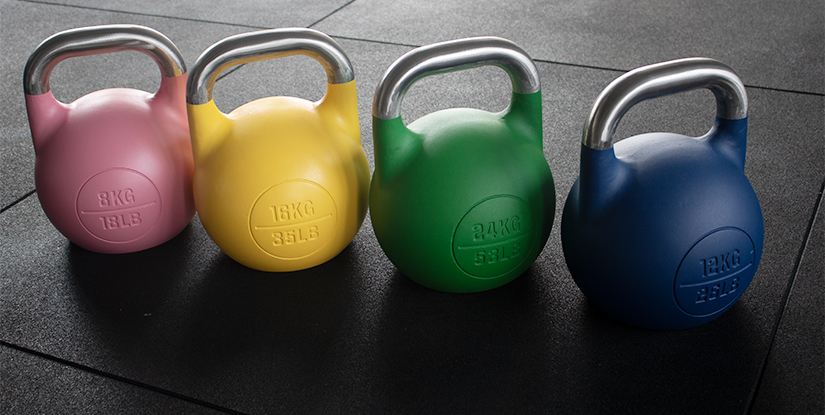
Standard shipping protocols often fail to account for the extreme kinetic energy and mass of high-weight implements. Without specialized export-ready packaging, heavy shipments are prone to box crushing, handle deformation, or surface abrasion, which directly impacts your distributor margins and total landed cost. To mitigate these risks, we implement a tiered protection strategy designed specifically for the logistics of heavy-duty metal goods.
Our standard procedure for bulk gym equipment sourcing involves heavy-duty palletization and multi-layer protection. Each unit is placed in reinforced cartons designed to withstand high compression. These cartons are then secured onto heat-treated pallets, ensuring stability during sea freight movement. We apply industrial-grade shrink wrap and edge protectors to prevent shifting, which is a critical step for any 100 pound kettlebell shipment destined for international ports.
Optimized Container Loading and Sea Freight Protection
Maximizing container utilization is a key factor in reducing per-unit shipping costs. For large-scale heavy kettlebell wholesale orders, we utilize strategic loading patterns to balance weight distribution within the shipping container. This prevents uneven pressure on the container walls and ensures that the weight of the 100 pound kettlebell units does not compromise the structural integrity of the entire shipment during ocean transit.
| Packaging Component | Standard Commercial Spec | B2B Procurement Benefit |
|---|---|---|
| Outer Protection | Reinforced corrugated cartons | Minimizes crush damage during stacking |
| Internal Bracing | Customized dividers or foam inserts | Prevents metal-on-metal surface abrasion |
| Palletization | Heat-treated wooden pallets (ISPM 15) | Ensures stability for forklift loading/unloading |
| Transit Security | heavy-duty shrink wrap and strappingReduces shifting and load loss during sea freight |
By adhering to these strict loading and protection protocols, we help professional buyers avoid the hidden costs of damaged inventory. Whether you are managing a small distributor warehouse or a large-scale equipment import, our commitment to rigorous packaging ensures that your bulk order arrives exactly as specified, maintaining the high standards required for your brand identity.
Standard shipping protocols often fail to account for the extreme kinetic energy and mass of high-weight implements. Without specialized protection, heavy shipments are prone to box crushing, handle deformation, or surface abrasion, which directly impacts your distributor margins and total landed cost. To mitigate these risks, we implement a tiered protection strategy designed specifically for the logistics of high-mass metal goods.
Our standard procedure for bulk gym equipment sourcing involves heavy-duty palletization and multi-layer protection. Each unit is placed in reinforced cartons designed to withstand high compression. These cartons are then secured onto heat-treated pallets, ensuring stability during sea freight movement. We apply industrial-grade shrink wrap and edge protectors to prevent shifting, which is a critical step for any 100 pound kettlebell shipment destined for international ports.
Streamlining Your Next Bulk Gym Equipment Sourcing Project
For distributors and large-scale facility operators, the logistical complexity of importing a 100 pound kettlebell involves more than just weight accuracy. To maintain a competitive distributor margin, procurement professionals must look beyond local retail availability and focus on direct sourcing from a China factory. High-density iron or cast iron units are essential for professional strength programs, but the real value lies in minimizing the landed cost through optimized shipping and direct manufacturing.
Relying on third-party traders often introduces unnecessary middleman markups and inconsistent quality standards. By establishing a direct relationship with a supplier, importers can better manage the total cost of ownership. This is especially critical when ordering heavy kettlebell wholesale volumes, where freight costs and volumetric weight significantly impact the final bottom line. A direct wholesale model allows for tighter control over production schedules and specialized export packaging tailored for heavy-duty transit.
Optimizing Profitability via Direct Manufacturing
When building a premium inventory, the goal is to provide a commercial grade kettlebell that meets international durability standards while keeping procurement expenses low. Sourcing directly allows you to bypass the inflated pricing of domestic distributors. This strategic shift ensures that your bulk gym equipment sourcing efforts result in higher margins for your own brand or retail distribution network.
| Sourcing Model | Typical Lead Time | Price Structure | Control Over Specs |
|---|---|---|---|
| Local Retail Distributor | Immediate | High Markup | None |
| International Trading Company | Moderate | Medium Markup | Limited |
| Direct China factory | Extended (Production Based) | Lowest Base Cost | Full OEM/ODM Capability |
Evaluating the efficiency of your supply chain requires a clear understanding of how production models impact your ability to scale. For high-density items like a 100 pound kettlebell, the difference between a general trader and a specialized manufacturer is often found in the precision of the casting and the reliability of the shipping schedule. A direct manufacturer provides the structural transparency needed to manage large-scale inventory without the volatility of middleman-driven lead times.
Comparing Procurement Efficiency and Customization
A strategic decision for any procurement manager is whether to prioritize speed through existing stock or long-term brand value through customization. While trading companies can offer faster delivery for small batches, they rarely possess the technical capacity for complex OEM requirements. Conversely, working with a direct manufacturer provides the ability to implement proprietary branding or specific material density adjustments, ensuring your inventory remains a high-value asset in a competitive market.
| Procurement Metric | Trading Company Model | Direct Manufacturer Model |
|---|---|---|
| Minimum Order Quantity | Low/Flexible | Standardized MOQ |
| Custom Branding Capability | Limited/Surface Level | Advanced ODM & Private Label |
| Quality Control Oversight | Third-party dependent | Direct QC & Factory Inspection |
| Logistics & Packaging | Standardized/Generic | Custom Export-Ready/Container Optimized |
To ensure your next procurement cycle is successful, we recommend moving beyond simple price-per-unit comparisons. Contact our team to request a detailed specification sheet, confirm your specific MOQ requirements, or schedule a formal factory audit to verify our production standards before finalizing your bulk order.
To ensure your next procurement cycle is successful, we recommend moving beyond simple price-per-unit comparisons. Contact our team to request a detailed specification sheet, confirm your specific MOQ requirements, or schedule a formal factory audit to verify our production standards before finalizing your bulk order.