30 Lb Kettlebell: Private Label OEM Factory Solutions
30 Lb Kettlebell Wholesale Dynamics and Inventory Strategy
Distributors often fail by either over-investing in niche weight classes or sourcing low-grade units that suffer from rapid surface wear, leading to high replacement costs. A smarter procurement strategy focuses on high-velocity SKUs like the 30 lb kettlebell, which serves as a fundamental staple in both functional training and strength conditioning. By sourcing directly from a China factory, importers can secure the ideal balance of commercial-grade durability and competitive pricing, ensuring high inventory turnover and stable profit margins across their entire product catalog.
The 30 lb weight class is a critical volume driver for commercial fitness distributors. Because this specific weight is highly versatile, it remains in constant demand for strength programs, metabolic conditioning, and general gym setups. When a wholesale 30 lb kettlebell order is executed through a professional supplier, the focus shifts from simple unit cost to the total landed cost and long-term reliability. High-quality casting and consistent diameter standards are essential to ensure these units can withstand the rigorous demands of high-traffic commercial environments without frequent replacement cycles.
Optimizing Sourcing Channels for Maximum Margin
To maintain a competitive edge, procurement professionals must choose between the convenience of trading companies and the structural advantages of direct manufacturing. While trading companies offer low-barrier entry, they often introduce multiple layers of markup and limited control over technical specifications. In contrast, working with a specialized commercial kettlebell manufacturer allows for tighter control over the entire production lifecycle, from raw material selection to final export packaging.
The following table compares the two primary sourcing models to assist in your decision-making process regarding the 30 lb kettlebell and other high-volume equipment lines.
| Sourcing Metric | Trading Company Model | Direct OEM/ODM Factory Model |
|---|---|---|
| Landed Cost | Higher due to intermediary markups | Lower through direct-to-source pricing |
| Customization Capability | Limited to existing stock variations | High capacity for custom branded gym equipment |
| MOQ Requirements | Often lower, suitable for small batches | Structured tiers based on production volume |
| Quality Control | Dependent on third-party inspections | Direct oversight of factory QC and pre-shipment protocols |
| Lead Time Stability | Variable based on trader availability | Predictable via direct production scheduling |
| Branding Control | Standardized or generic packaging | Full private label and identity integration |
For distributors aiming to build a recognizable brand identity, the OEM model is the superior long-term investment. By controlling the specifications of your 30 lb kettlebell orders, you can ensure that every unit meets your specific standards for handle ergonomics and surface finish. This level of control minimizes the risk of client returns and maximizes the value of your bulk orders. We recommend contacting our team to request a detailed spec sheet, confirm the current MOQ for your specific weight class, and discuss how our manufacturing capabilities can support your growth.
Rigorous QC and Export Logistics for Global Distribution
A breakdown in the supply chain can turn a profitable bulk order into a logistical liability. For distributors managing high-volume shipments, the primary risks are inconsistent weight tolerances and substandard packaging that fails during ocean freight. To mitigate these risks, our 30 lb kettlebell production line follows strict pre-shipment protocols. Every unit undergoes weight verification and surface inspection to ensure the final product meets the precise specifications required for professional commercial use, preventing the costly returns associated with inconsistent mass or finish defects.
Efficient logistics management is essential for maintaining healthy distributor margins. We utilize heavy-duty, reinforced export packaging designed specifically to withstand the rigors of containerized shipping. This ensures that when your wholesale 30 lb kettlebell shipment arrives at your warehouse or distribution center, the inventory remains in pristine condition, ready for immediate sale or client delivery. By optimizing container loading patterns, we help you maximize volume efficiency and reduce the per-unit landed cost.
For procurement leads looking to scale, we offer comprehensive support throughout the sourcing process. Whether you are refining your custom branded gym equipment lineup or expanding your core strength training inventory, our team provides the transparency needed for effective planning. We invite you to contact us to request a formal quote, discuss specific MOQ requirements for your region, or schedule a factory audit to verify our manufacturing standards firsthand.
Optimizing Procurement via Custom Branded Gym Equipment Solutions
For distributors and large-scale fitness importers, the ability to scale a product line without sacrificing brand authority is a critical competitive advantage. Sourcing a 30 lb kettlebell through a direct commercial kettlebell manufacturer allows you to move beyond generic inventory and build a proprietary catalog. By utilizing private label manufacturing, you transition from a simple reseller to a legitimate brand owner, which is essential for long-term market positioning in the North American fitness sector.
Relying on third-party traders often results in diluted margins and a lack of control over product identity. When you engage in wholesale procurement directly with a factory, you gain the ability to implement custom branded gym equipment strategies that align with your specific brand identity. This direct-to-source model ensures that every unit shipped meets your standards for both aesthetics and commercial durability, ultimately protecting your profit margins and reducing the long-term cost of replacement or client dissatisfaction.
| Procurement Model | Branding Control | Typical Margin Potential | Supply Chain Control |
|---|---|---|---|
| Standard Wholesale Stock | None (Generic) | Low | Limited to existing SKU availability |
| Custom Branded Gym Equipment | High (Proprietary) | High | Full control over color and logo |
| Full OEM Production | Total (Exclusive) | Maximum | Direct oversight of material and specs |
The strategic shift from purchasing ready-to-ship stock to investing in a 30 lb kettlebell via OEM solutions allows for better inventory planning. Instead of competing on price alone against generic importers, you compete on the value of your unique brand. This approach optimizes your landed cost by streamlining the production of high-demand weight increments under a single, unified manufacturing workflow.
Strategic Sourcing: Stock vs. Customization
Distributors must evaluate whether the immediate availability of standard stock outweighs the long-term value of a specialized product line. While purchasing a pre-made 30 lb kettlebell from a generic catalog offers a fast turnaround, it often limits your ability to capture premium market segments. In contrast, utilizing ODM services enables you to request specific handle diameters, texture finishes, or color palettes that cater to high-end commercial gym requirements or boutique studio aesthetics.
Effective sourcing requires a deep understanding of how customization affects your total landed cost and market differentiation. When you move toward a wholesale 30 lb kettlebell order that incorporates your own branding, you are not just buying a product; you are building an asset. This level of control over the manufacturing process ensures that your inventory remains distinct from the generic competition, allowing for higher price points and stronger customer loyalty within your distribution network.
Supply Chain Integrity: QC and Export Standards
Maintaining consistent weight accuracy and surface durability is a non-negotiable requirement for professional distributors. A reliable commercial kettlebell manufacturer must implement rigorous quality control protocols at every stage of production. For a standard 30 lb kettlebell, this includes verifying the center of gravity, checking handle ergonomics, and ensuring the coating adhesion meets commercial-grade expectations. Without strict oversight, bulk shipments may arrive with inconsistent weights or finish defects, which can damage your reputation and increase the cost of returns.
To mitigate these risks, we recommend a structured sourcing workflow that includes pre-shipment inspections and standardized export packaging. Our China factory utilizes heavy-duty, reinforced boxing and palletization techniques designed to withstand long-haul ocean freight and multiple handling points. This level of attention to detail ensures that your wholesale 30 lb kettlebell order arrives at your warehouse in optimal condition, ready for immediate distribution or retail display, thereby protecting your logistical efficiency and overall ROI.
Technical Standards for a Commercial Kettlebell Manufacturer
Ensuring high-performance standards is critical when sourcing equipment for high-traffic fitness facilities. A professional 30 lb kettlebell must meet strict engineering specifications to ensure long-term durability and user safety in commercial environments. For distributors and gym owners, selecting a commercial kettlebell manufacturer with rigorous technical protocols reduces long-term maintenance costs and replacement frequency.
Precision Engineering and Structural Integrity
The production of a 30 lb kettlebell requires high-level casting precision to maintain a consistent center of gravity. During the manufacturing process, the structural integrity of the unit is determined by the density of the iron or steel core. Any internal air pockets or casting flaws can lead to weight shifts, which increases the risk of injury during high-intensity training. This is why professional wholesale 30 lb kettlebell orders often require strict verification of material density.
Beyond the core, the handle diameter and surface texture must be standardized to allow for ergonomic grip under various conditions. A reliable commercial kettlebell manufacturer ensures that the handle remains smooth and free of sharp edges while maintaining enough friction for safety. This level of quality control is essential for maintaining the reputation of your custom branded gym equipment line and ensuring that the units can withstand heavy daily use in professional studios or training centers.
Commercial-Grade vs. Standard Retail Specifications
When evaluating your next batch, it is vital to distinguish between consumer-grade products and professional-grade units. A standard retail product often lacks the material density and coating resilience required for high-volume environments. For professional buyers, choosing a 30 lb kettlebell that adheres to strict industrial standards ensures a lower total cost of ownership and higher durability for your clients.
| Specification Feature | Standard Retail/Consumer Grade | Commercial-Grade Factory Standards |
|---|---|---|
| Material Density | Variable; potential air pockets | High-density cast iron or steel |
| Handle Diameter | Inconsistent; non-standardized | Precision-engineered for grip stability |
| Coating Durability | Thin paint; prone to chipping | High-impact powder coating or urethane |
| Weight Tolerance | Higher margin of error | Strictly controlled weight precision |
| Usage Environment | Light home-gym use | High-traffic commercial facilities |
Selecting a wholesale 30 lb kettlebell produced via factory-direct protocols allows you to mitigate the risk of premature equipment degradation. While retail options may appear cost-effective initially, the lack of standardized handle diameters and coating thickness often leads to increased replacement cycles. By partnering with a specialized commercial kettlebell manufacturer, you secure equipment that maintains its integrity under rigorous usage, protecting your investment and your brand reputation. We recommend requesting a technical spec sheet or a sample approval to verify these material standards before finalizing your bulk order.
The difference in long-term maintenance costs between consumer and professional equipment is often invisible until the first quarter of heavy usage. For distributors, the primary risk is not the initial purchase price, but the high replacement rate caused by substandard casting and coating failure. Investing in a high-quality 30 lb kettlebell sourced from a professional China factory ensures that your inventory can withstand the rigors of high-intensity training without the frequent returns or client complaints associated with lower-tier manufacturing.
When managing a large-scale procurement project, understanding these technical nuances helps in calculating a realistic total cost of ownership. A wholesale 30 lb kettlebell that features a high-impact finish and a precision-balanced core will significantly reduce the frequency of equipment turnover. This reliability is a key factor for gym owners and distributors who prioritize operational efficiency and long-term asset durability over low-cost, low-quality alternatives.
Private Label OEM and ODM Capabilities for Global Distributors
Establishing a distinct market presence requires more than just standard inventory; it requires a unique 30 lb kettlebell that reflects your professional standards. For distributors and large-scale gym chains, our factory provides comprehensive customization to ensure your product line stands out in a competitive landscape.
We specialize in high-level custom branded gym equipment solutions, moving beyond simple logo placement to offer true structural and aesthetic differentiation. Whether you are looking to refine the handle ergonomics or adjust the surface finish to match a specific premium line, our OEM and ODM services are designed to scale with your brand identity requirements.
Customization Scope for Brand Identity
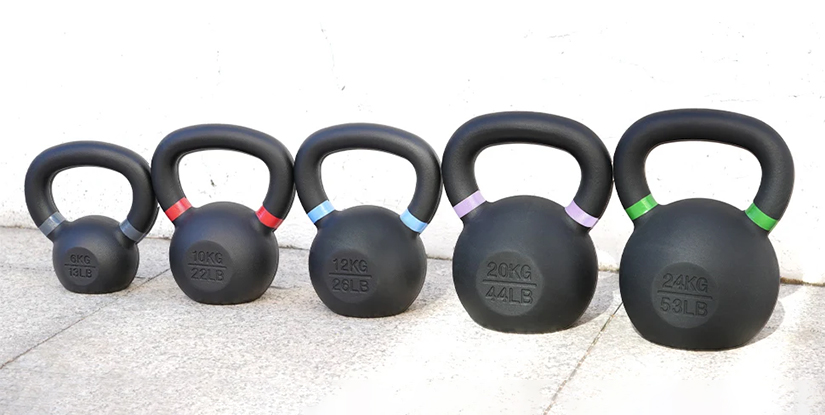
To maintain a cohesive brand identity across your entire strength training catalog, we offer various technical customization options. This allows you to transition from a generic wholesale 30 lb kettlebell order to a specialized, branded product line that commands higher margins in the professional market.
- Color and Texture Customization: Select from industry-standard matte finishes, high-gloss coatings, or specialized powder-coated textures to match your existing equipment sets.
- Logo Application Methods: We utilize precision techniques such as high-durability silk screening, laser etching, or recessed casting to ensure your branding remains intact under heavy commercial use.
- Material Specifications: Adjust the outer shell composition, such as cast iron with specialized urethane or high-density rubber, to meet specific regional market demands.
By leveraging our commercial kettlebell manufacturer expertise, you can control the visual and tactile quality of your inventory. This level of private label control ensures that every unit shipped meets the exact specifications required for your specific distribution channels, whether they are boutique studios or large-scale commercial fitness centers.
Technical Differentiation: OEM vs. ODM Models
Understanding the distinction between manufacturing models is essential for optimizing your procurement strategy and long-term inventory value. When sourcing a 30 lb kettlebell, the choice between these two paths dictates your level of control over the final product specification and your total landed cost.
Our OEM services are ideal for distributors who have already established a proven product design and require a reliable factory to manufacture it to exact specifications. In this model, you provide the technical blueprints, and we execute the production, focusing on precise material specification and strict weight tolerance adherence. This is the most efficient route for high-volume scaling where consistency is the primary goal.
Conversely, our ODM capabilities are designed for partners seeking a more collaborative approach to product development. If you aim to introduce a new product line with unique handle ergonomics or a specialized grip texture that differentiates your catalog, our engineering team can assist in the design phase. This allows you to bring a proprietary concept to market without the heavy capital expenditure of building your own production facility.
| Specification Dimension | OEM (Original Equipment Manufacturer) | ODM (Original Design Manufacturer) |
|---|---|---|
| Design Ownership | Buyer provides existing technical drawings | Manufacturer provides design and engineering |
| Customization Depth | Branding, color, and material selection | Full structural and ergonomic modification |
| Typical Use Case | Scaling an established product line | Launching a unique or proprietary product |
| Development Speed | Faster; focuses on production efficiency | Longer; includes R&D and prototyping phases |
| Procurement Focus | Cost-effective bulk production | Market-leading product differentiation |
Whether you require standard production or a customized engineering solution, our goal is to streamline your sourcing process. We recommend contacting our technical team to discuss your specific requirements, confirm the current MOQ for custom runs, and request a detailed spec sheet to ensure all technical tolerances align with your commercial standards.
Sourcing Model Comparison: Stock vs. Custom Orders
Selecting the appropriate procurement path depends on your immediate inventory needs versus your long-term brand positioning. For many distributors, deciding whether to purchase a standard 30 lb kettlebell from existing stock or initiate a customized run is a critical decision that impacts both lead time and profit margins.
A wholesale order of ready-to-ship units offers the fastest way to replenish stock and minimize capital tie-up. However, for partners looking to build a premium, specialized catalog, utilizing our OEM or ODM services provides the differentiation necessary to capture high-end commercial market segments.
| Sourcing Model | Primary Objective | Customization Depth | Typical Lead Time | Minimum Order Quantity (MOQ) |
|---|---|---|---|---|
| Stock / Wholesale | Rapid replenishment | Standardized specifications | Short (Ready to ship) | Lower |
| OEM (Private Label) | Brand consistency | Logo, color, and texture | Medium (Production cycle) | Standardized per SKU |
| ODM (Full Custom) | Market differentiation | Structural/Ergonomic design | Long (R&D + Production) | Higher |
When evaluating your next shipment, consider whether your target clients prioritize immediate availability or unique product features. If you are scaling a proven line, a factory-direct OEM approach offers the best balance of cost-efficiency and brand control. We invite you to contact our team to confirm the specific MOQ for your desired customization level and to request a formal quote for your upcoming procurement cycle.
Quality Control and Pre-Shipment Inspection Protocols
Maintaining high standards for every 30 lb kettlebell is a critical requirement for distributors and gym equipment importers. When sourcing in bulk from a China factory, relying on standardized quality control protocols ensures that every unit meets the rigorous demands of a high-traffic commercial environment. Without strict oversight, batch-level defects in weight distribution or surface finish can lead to significant returns and damaged professional reputations.
As a specialized commercial kettlebell manufacturer, we implement multi-stage inspection cycles to guarantee weight accuracy and material integrity. This includes verifying the density of the cast iron core and the seamless application of the coating to prevent peeling. For high-volume wholesale 30 lb kettlebell orders, we also conduct stress tests on the handle grip to ensure long-term durability under heavy usage. Our custom branded gym equipment production lines undergo regular calibration to maintain batch consistency, ensuring that the hundredth unit shipped is identical in specification to the first. This systematic approach minimizes the risk of shipping damage and ensures your landed cost remains optimized by reducing the need for replacements or credit claims.
Rigorous Inspection Stages for Bulk Sourcing
To maintain reliability for global distributors, our inspection process begins with raw material verification. We evaluate the metallurgical properties of the cast iron to ensure structural density, followed by a strict weight tolerance check. Each 30 lb kettlebell undergoes precision calibration to ensure the deviation remains within industry-standard limits, preventing discrepancies that can disrupt inventory accuracy for professional gym chains.
The secondary phase focuses on the surface finish and coating adhesion. We inspect the application of the powder coating or urethane layer to ensure it is uniform and resistant to chipping. This level of detail is vital for a commercial kettlebell manufacturer, as it directly impacts the product's lifespan and maintenance load. Finally, we execute a comprehensive pre-shipment inspection covering export packaging. We use heavy-duty, reinforced cartons designed for long-distance maritime transit to protect the integrity of your wholesale 30 lb kettlebell shipment. This robust packaging strategy reduces breakage during sea freight, ensuring that your custom branded gym equipment arrives at your warehouse in premium condition, ready for immediate distribution.
Technical Audit Checklist for Procurement Managers
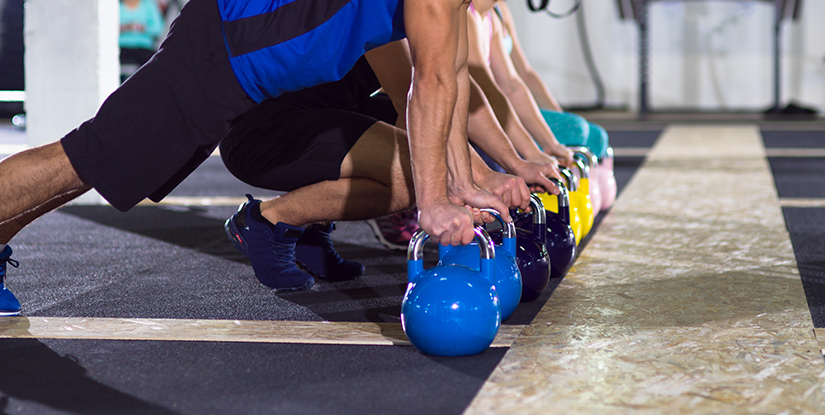
To assist distributors and professional importers during sample evaluation or on-site factory audits, we have developed a technical checklist. This ensures that every batch of 30 lb kettlebell units aligns with commercial-grade expectations. Using these metrics helps mitigate the risk of high replacement rates and protects your distributor margins by ensuring long-term product durability.
| Inspection Category | Technical Requirement | B2B Sourcing Metric |
|---|---|---|
| Weight Deviation | Precision calibration of cast iron core | Minimal variance within industry-standard tolerance |
| Handle Smoothness | Seamless surface finish and ergonomic grip | Zero sharp edges or casting imperfections |
| Coating Adhesion | Uniform powder coating or urethane layer | High resistance to chipping and impact |
| Branding Integrity | Precision of logo application/embossing | Consistency for custom branded gym equipment |
| Shipping Safety | Reinforced export-grade packaging | Optimized protection for maritime container loading |
By implementing this protocol, procurement leads can effectively manage the quality of their wholesale 30 lb kettlebell inventory before it leaves the factory. We recommend requesting a detailed specification sheet and a physical sample to verify these parameters against your specific brand identity requirements. Once sample approval is secured, we can finalize the MOQ and lead time for your bulk order.
Logistics and Export Packaging for High-Volume Orders
Optimizing the landed cost of a 30 lb kettlebell requires more than just low unit prices; it demands rigorous attention to shipping stability and volume density. For distributors and large-scale gym procurement officers, the primary risks during sea freight involve dented cast iron surfaces and inefficient container utilization. A professional commercial kettlebell manufacturer must implement specialized logistics protocols to ensure that bulk shipments arrive in retail-ready condition without inflating dimensional weight costs.
To mitigate transit damage, we utilize heavy-duty cartons designed specifically for high-density iron products. Each 30 lb kettlebell is secured within reinforced packaging to prevent movement during ocean transit, which is critical for maintaining structural integrity and surface finish quality. Our export packaging standards include multi-layer protection and standardized palletization to ensure stability during forklift handling at the port of entry.
Beyond protection, we prioritize container loading efficiency to maximize your ROI per shipment. By calculating the optimal stacking ratio for heavy iron goods, our factory ensures that every cubic meter of container space is utilized effectively. This precision reduces the number of containers required for large wholesale orders, directly lowering your total freight expenditure and improving overall sourcing margins for your distribution network.
Shipping Method Comparison for Bulk Procurement
Selecting the appropriate shipping configuration is a critical decision for procurement managers aiming to balance speed against total landed cost. When ordering a 30 lb kettlebell in high volumes, the choice between palletized and loose loading can significantly impact both warehouse receiving efficiency and freight expenses. A professional commercial kettlebell manufacturer provides several logistical frameworks to suit different distribution models and storage capabilities.
| Loading Configuration | Primary Advantage | Best Use Case | Logistics Impact |
|---|---|---|---|
| Palletized Loading | High stability and rapid unloading | Large distribution centers | Reduces handling damage and labor time |
| Loose Loading (Floor Loaded) | Maximum container volume utilization | Direct-to-gym or small warehouse | Lowest freight cost per unit via high density |
| Custom Crating | Premium surface protection | High-end boutique studio orders | Increased weight and volume per unit |
For most distributors, sea freight remains the standard for long-term wholesale procurement due to its cost-effectiveness for heavy iron goods. When managing a bulk order, we recommend palletized shipping if your facility has limited manual unloading staff, as it streamlines the transition from container to warehouse. However, for maximum landed cost optimization, loose loading allows us to pack the container to its absolute weight and volume capacity, effectively reducing the shipping cost per unit for your custom branded gym equipment inventory.
Before finalizing your logistics plan, we encourage buyers to request a detailed loading plan from our factory. We can provide specific dimensions for palletized vs. loose loading scenarios to help you calculate the most accurate shipping budget. Please contact us to confirm your shipping methods preference or to request a quote based on your specific volume and destination port requirements.
Quality Control and Pre-Shipment Inspection Protocols
Maintaining consistent weight tolerances and surface finish quality is the most significant challenge in high-volume iron manufacturing. To ensure every 30 lb kettlebell meets international commercial standards, we implement a multi-stage inspection process. This prevents the common procurement headache of receiving a batch with inconsistent weight distribution or substandard coating, which can damage a distributor's reputation and increase return rates.
Our QC inspection begins at the raw material stage, verifying the purity and density of the iron before casting. During production, we perform weight verification on a percentage of the batch to ensure strict adherence to the specified 30 lb target. A professional commercial kettlebell manufacturer must also validate the handle diameter and grip texture to ensure ergonomic safety for high-traffic commercial environments.
Before any wholesale order leaves our facility, a final pre-shipment inspection is conducted to verify both product specifications and packaging integrity. This includes checking for surface defects, handle smoothness, and the structural strength of the export cartons. For partners managing large-scale sourcing projects, we can arrange for third-party inspections or provide detailed photographic documentation of the loading process to ensure full transparency and mitigate any risk before the container departs the China factory.
Sourcing Checklist for Professional Buyers
Identifying a reliable 30 lb kettlebell partner requires looking beyond unit price to evaluate long-term supply chain stability. For distributors and gym equipment importers, sourcing directly from a commercial kettlebell manufacturer reduces procurement risk and eliminates the middleman markup found with trading companies. A factory-direct model ensures that your technical specifications and branding requirements are met with precision, providing better control over the total landed cost and product consistency.
Professional buyers must differentiate between simple trading entities and a true China factory capable of high-volume production. While traders may offer a wider variety of SKUs, a dedicated manufacturer provides the technical infrastructure necessary for custom branded gym equipment and strict adherence to international quality standards. Selecting the right supplier involves assessing their ability to manage wholesale orders, handle complex export packaging, and maintain consistent weight tolerances across large batches.
| Procurement Dimension | Direct Manufacturer (OEM/ODM) | Trading Company / Agent |
|---|---|---|
| Production Control | Direct oversight of casting and finishing | Dependent on third-party schedules |
| Custom Branding | Full capability for private label integration | Limited to existing stock options |
| Pricing Structure | Optimized for high-volume wholesale | Includes markup for service and sourcing |
| Quality Assurance | In-house QC and pre-shipment inspection | Outsourced or superficial inspection |
| MOQ Flexibility | Scalable based on production runs | Often limited by stock availability |
Evaluating Sourcing Models and Total Landed Cost
When planning a procurement cycle for a 30 lb kettlebell, decision-makers must weigh the immediate benefits of speed against the long-term margins of direct sourcing. While local distributors offer rapid fulfillment for small batches, they often lack the scalability required for large-scale studio rollouts or international distribution. For high-volume importers, understanding the relationship between wholesale 30 lb kettlebell pricing and the total landed cost—including freight, duties, and port fees—is essential for maintaining competitive distributor margins.
A specialized commercial kettlebell manufacturer provides the most robust framework for long-term growth. By working directly with a factory, buyers can implement rigorous pre-shipment inspections and customize the product to align with a specific brand identity. This level of control is vital when your business model relies on offering custom branded gym equipment that meets the high durability standards expected by professional commercial facilities.
To finalize your procurement strategy, we recommend the following technical steps: request a detailed specification sheet to confirm weight tolerances, confirm the current MOQ for your specific customization requirements, and request a sample approval unit to verify finish quality and grip texture before initiating a full bulk order.
Technical Verification and Export Standards
The final stage of procurement involves verifying that your 30 lb kettlebell order meets strict commercial durability standards. A professional commercial kettlebell manufacturer must demonstrate rigorous control over weight tolerance and coating integrity. Relying on a factory that utilizes in-house testing ensures that every unit in a bulk shipment maintains consistent center-of-gravity and surface texture, reducing the risk of product returns or client dissatisfaction in professional gym settings.
Logistics efficiency and protection are equally critical when managing a wholesale 30 lb kettlebell order. High-density loading requires specialized export packaging to prevent damage during maritime transit and to optimize container space. We prioritize heavy-duty, reinforced boxing and palletization protocols to ensure that your custom branded gym equipment arrives at your warehouse in pristine condition, protecting your initial investment and stabilizing your landed cost calculations.
To mitigate sourcing risks, we advise all professional buyers to initiate a formal inspection protocol. This includes requesting a detailed technical spec sheet, confirming the MOQ for your specific branding requirements, and conducting a formal sample approval process to verify material density and finish quality before final production.