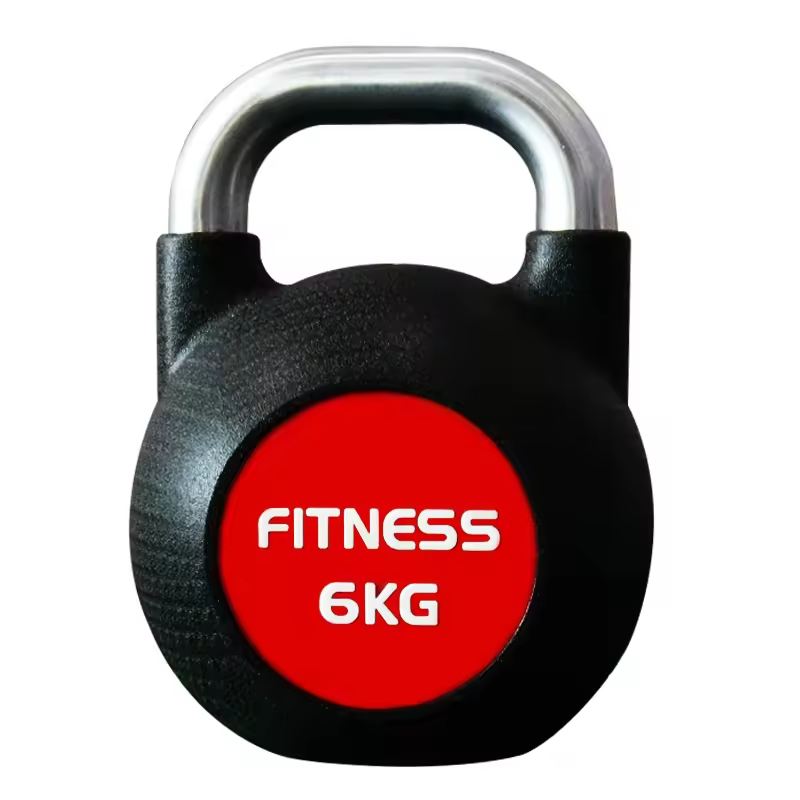
Soft Kettlebell: China Factory OEM and Bulk Supply
Mitigating Procurement Risks with High-Quality Soft Kettlebell Solutions
Distributors and gym equipment importers often face a critical choice between low-cost, unverified vendors and professional manufacturing partners. Selecting a low-tier soft kettlebell based solely on the lowest unit price often leads to significant procurement risks, such as internal weight shifting or surface tearing. A professional soft kettlebell manufacturer ensures that every unit meets rigorous standards, protecting your brand reputation and long-term profitability.
When sourcing for large-scale fitness centers or retail distribution, ignoring material specifications can lead to catastrophic material failure. Low-grade polyurethane or substandard foam cores often result in premature degradation, causing high replacement costs for the end-user. For a wholesale buyer, these failures translate into increased customer service burdens and diminished margins. Neglecting strict quality control during the sourcing process increases the total landed cost through unexpected returns and shipping claims.
Investing in a high-quality commercial soft kettlebell mitigates these operational headaches. By partnering with a reliable China factory, importers can ensure consistent density and skin durability, which are essential for high-traffic environments. A standardized wholesale soft kettlebell production line provides the predictability required for stable inventory management and scalable business growth.
Evaluating Sourcing Models: Trading Company vs. Factory-Direct Production
A common mistake in the procurement cycle is failing to distinguish between a trading company and a true soft kettlebell manufacturer. While trading companies offer convenience, they often lack direct oversight of the production line, which can lead to inconsistencies in weight distribution and material integrity. For buyers focused on long-term scalability, understanding the structural differences in the supply chain is essential to protecting distributor margins.
The following comparison highlights why direct engagement with a China factory provides a competitive advantage for high-volume importers and distributors seeking to optimize their total cost of ownership.
| Sourcing Dimension | Trading Company Model | Factory-Direct OEM/ODM Model |
|---|---|---|
| Production Control | Limited oversight; dependent on third-party QC | Direct control over material density and skin durability |
| Customization Ability | Basic branding and standard SKU availability | Deep OEM and ODM capabilities for custom weights |
| Pricing Structure | Markup added at each layer of the supply chain | Optimized wholesale pricing via direct manufacturer access |
| MOQ Flexibility | Strictly dictated by stock availability | Negotiable MOQ based on production capacity and scale |
| Lead Time Accuracy | Subject to third-party logistics and stock fluctuations | Predictable lead time managed directly by production schedules |
| Quality Assurance | Secondary inspection processes | Strict pre-shipment inspection and factory-level QC |
For professional buyers, the goal is to minimize the landed cost while maximizing product reliability. Utilizing a wholesale soft kettlebell production line that offers integrated quality management ensures that your inventory arrives ready for immediate commercial deployment. Whether you are seeking to expand your private label line or replenish a large-scale distributor stock, verifying the technical capabilities of your supplier remains the most effective way to ensure shipping reliability and long-term product performance.
To finalize your procurement strategy, move beyond basic pricing and focus on the technical verification of your supply chain. We recommend that all professional buyers initiate a formal request for a spec sheet and a detailed sample evaluation to verify weight consistency and material density. For large-scale distributors, a scheduled factory audit or a third-party pre-shipment inspection is a standard procedure to ensure that every soft kettlebell batch aligns with international commercial standards. By confirming the specific MOQ and lead time requirements early in the negotiation phase, you can secure predictable inventory cycles and maintain a competitive edge in your local market.
Material Durability and Commercial Performance Standards
When sourcing a soft kettlebell for high-volume distribution or large-scale gym installations, material integrity is the primary driver of long-term ROI. Professional buyers must account for the total cost of ownership, as low-grade skins or improper internal filling lead to premature failure in high-traffic gym settings. Selecting a reliable soft kettlebell manufacturer ensures that each unit can withstand repeated impact and heavy usage without compromising structural stability.
The durability of a commercial soft kettlebell depends heavily on the synergy between the outer shell and the internal weight distribution. In professional environments, equipment undergoes constant friction and potential drops. Utilizing a China factory that prioritizes high-density polyurethane (PU) or reinforced neoprene skins significantly reduces long-term replacement costs for distributors and facility managers.
| Material Specification | Durability Profile | Commercial Suitability | Procurement Value |
|---|---|---|---|
| Reinforced Neoprene | High abrasion resistance | Standard commercial gyms | Balanced cost-to-life ratio |
| High-Density PU | Superior tear strength | High-traffic training studios | Premium long-term ROI |
| Standard Vinyl | Moderate impact resistance | Light commercial/boutique | Lower initial landed cost |
For importers managing large-scale inventory, the choice of material directly impacts the wholesale soft kettlebell margins and after-sales service requirements. A factory that implements rigorous quality control (QC) during the stitching and filling processes minimizes the risk of defective batches. When evaluating your next sourcing project, prioritize suppliers who can provide documentation on material tensile strength and seam reinforcement to ensure your products meet international commercial standards.
Evaluating the technical specifications of the outer shell is essential for minimizing replacement frequency and maintaining high service standards. For professional procurement teams, the distinction between high-grade synthetic skins and budget-grade alternatives determines whether a product remains a high-performing asset or becomes a maintenance liability. A professional soft kettlebell manufacturer should provide clarity on the durability of the stitching and the resilience of the surface under repetitive impact.
Technical Material Comparison and TCO Analysis
The following comparison outlines how different material choices impact the total cost of ownership (TCO) and operational efficiency. While certain materials offer a lower initial landed cost, they may increase long-term expenses due to faster wear cycles in high-traffic environments.
| Material Type | Tear Resistance | Seam Integrity | Commercial Application | Landed Cost Impact |
|---|---|---|---|---|
| High-Density PU | Excellent | High (Reinforced) | Premium Studios/CrossFit | Higher Initial/Lower TCO |
| Premium Neoprene | High | Moderate | Boutique/Personal Training | Moderate Initial/Stable TCO |
| Standard PVC | Moderate | Standard | Low-Traffic/Home Use | Low Initial/Higher TCO |
When managing a wholesale soft kettlebell inventory, procurement officers should demand detailed reports on durability testing, specifically regarding seam strength and puncture resistance. A reliable China factory will utilize double-stitching or heat-welding techniques to ensure the internal weight remains securely encapsulated. This attention to manufacturing standards is vital for maintaining distributor margins and ensuring that the product meets the rigorous demands of professional fitness environments. Before finalizing a bulk order, we recommend requesting a sample to verify that the material density and seam durability align with your specific market requirements.
Beyond material selection, the logistics and packaging phase is a critical component of maintaining high-quality standards during international transit. For professional buyers, the risk of product deformation or seam failure during long-haul shipping can lead to costly returns and damaged brand reputations. A professional soft kettlebell manufacturer must implement specialized export-grade packaging protocols to ensure that bulk shipments arrive in optimal condition, ready for immediate commercial distribution.
Optimizing Logistics for Bulk Order Reliability
The integrity of a soft kettlebell is not only determined at the production line but also through the rigor of the pre-shipment inspection and the quality of the export packaging. For large-scale importers, a single damaged unit in a container can disrupt entire inventory cycles and affect the total landed cost. To mitigate these risks, a reputable factory should utilize reinforced heavy-duty cartons and optimized palletizing methods that prevent crushing and moisture ingress during sea or air freight.
To ensure maximum efficiency during the sourcing process, we recommend that procurement managers evaluate the following packaging and inspection standards before finalizing any large-scale contract:
| Standard Requirement | B2B Implementation | Procurement Benefit |
|---|---|---|
| Weight Consistency Check | Individual unit calibration | Prevents discrepancies in weight-sensitive orders |
| Reinforced Export Cartons | Double-walled corrugated cardboard | Reduces damage during stacking and transit |
| Moisture Control | Silica gel and vacuum sealing | Protects internal materials from humidity |
| Palletization Standards | ISPM 15 compliant wooden pallets | Ensures smooth customs clearance and loading |
When negotiating OEM or ODM agreements, clearly define your requirements for both the pre-shipment inspection and the specific dimensions of the shipping cartons. This transparency allows the China factory to align their production output with your warehouse space constraints and container loading efficiency. By integrating these high-level QC and logistics protocols into your initial inquiry, you protect your distributor margins and ensure the long-term reliability of your product line in the global market.
Optimizing Inventory with a Reliable Soft Kettlebell Manufacturer
Sourcing directly from a soft kettlebell manufacturer allows distributors to bypass middleman markups and secure higher margins on specialized fitness inventory. When scaling a product line, procurement professionals must prioritize a China factory that offers consistent production capacity and standardized quality control to ensure long-term reliability in the North American market.
The primary risk in high-volume procurement is the landed cost volatility caused by inconsistent product weight or material failure. By establishing a direct relationship with a wholesale supplier, importers can better manage their supply chain, optimize container loading efficiency, and mitigate the risks associated with low-quality batches that damage brand reputation.
Strategic Sourcing for Commercial Fitness Distribution
A commercial soft kettlebell requires more rigorous durability testing than standard consumer models to withstand high-frequency use in professional studios. Professional buyers should evaluate a soft kettlebell based on the density of the internal core and the puncture resistance of the outer casing. Selecting a wholesale soft kettlebell through a direct factory ensures that every unit meets the specific density and weight tolerances required for professional certification.
Optimizing your sourcing strategy involves more than just finding the lowest price; it requires a partner capable of handling complex MOQ requirements and custom branding requests. A professional soft kettlebell procurement plan should include detailed discussions regarding lead times, export packaging to prevent transit damage, and the ability to provide customized weight increments via OEM or ODM services.
| Sourcing Model | Primary Focus | Typical MOQ | Lead Time | OEM/ODM Capability | Quality Control Control |
|---|---|---|---|---|---|
| Direct Factory | Production Efficiency & Margin | Higher/Volume-based | Standardized Production Cycles | High (Full Customization) | Direct Factory Inspection |
| Trading Company | Product Variety & Small Batches | Lower/Flexible | Variable (Market Dependent) | Limited (Stock-based) | Third-party Verification |
When evaluating your next batch, distributors must decide whether to prioritize the agility of a trader or the scale of a direct soft kettlebell manufacturer. While trading companies offer smaller quantities, a China factory provides the structural control necessary for consistent weight distribution and material longevity in commercial settings. For large-scale distributors, the ability to execute OEM requests directly at the source is often the most effective way to protect long-term margins and ensure brand-specific standards are met during the production phase.
Decisions regarding your wholesale procurement should be driven by your long-term inventory goals. If your business model relies on custom branding and high-volume stability, securing a direct soft kettlebell supply line is essential. We recommend that buyers request a detailed specification sheet and confirm the specific MOQ for custom colors or logos before finalizing any bulk orders to ensure alignment with your landed cost projections.
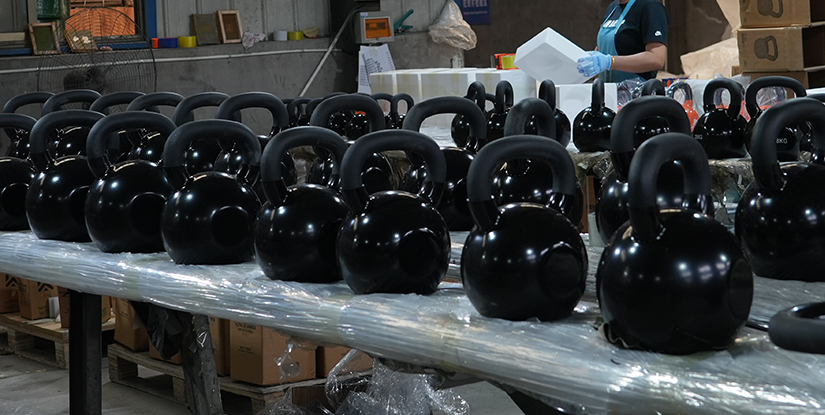
To maintain a competitive edge in the professional fitness market, distributors must move beyond basic procurement and focus on technical compliance. A high-quality soft kettlebell is defined by its ability to maintain structural integrity under constant stress. For commercial clients, a failure in material density or a seam rupture is not just a product defect; it is a liability that increases maintenance loads and diminishes the total cost of ownership (TCO). This is why a rigorous quality control process at the source is non-negotiable for any serious importer.
Technical Standards for High-Volume Procurement
Professional buyers should demand transparency regarding the internal filling materials and the tensile strength of the outer skin. In a high-traffic studio environment, a commercial soft kettlebell must exhibit consistent weight distribution and extreme durability to prevent rapid replacement cycles. When you partner with an established soft kettlebell manufacturer, you are investing in a supply chain that prioritizes these professional standards through standardized testing protocols and pre-shipment inspections.
Establishing a reliable wholesale pipeline requires more than just a purchase order; it requires a deep understanding of your specific market requirements. Whether you need customized weight increments for a boutique studio chain or specific branding for a global distribution network, utilizing OEM or ODM capabilities allows you to tailor the product to your exact brand identity. We suggest that procurement leads initiate a sample evaluation phase to verify material density and seam strength before committing to full-scale production runs.
Custom Branding and OEM/ODM Capabilities for Global Distributors
Distributors and commercial fitness brands often face the challenge of maintaining a unique market position while managing complex supply chains. Relying on generic, off-the-shelf inventory can dilute your brand identity and limit your ability to meet specific regional market demands. To solve this, a professional soft kettlebell OEM solution allows you to move beyond standard stock and develop a proprietary product line that aligns with your specific quality standards and aesthetic requirements.
Our China factory provides comprehensive color/material customization to ensure your equipment stands out in a crowded commercial landscape. Whether you require specific high-density foam densities for varied impact resistance or specialized non-slip skin textures for high-traffic studio environments, our ODM services are designed to scale with your growth. We facilitate custom branding through high-durability silk-screen printing or heat-transfer logos, ensuring your brand identity remains intact even after heavy commercial use.
For large-scale importers, utilizing private label manufacturing is a strategic way to build long-term equity. By working directly with a soft kettlebell manufacturer, you can control every technical detail from the internal weight distribution to the external tactile finish. This level of wholesale soft kettlebell customization ensures that your commercial soft kettlebell offerings meet the exact specifications of premium fitness studios, boutique gyms, and high-end home fitness distributors worldwide.
Comparing Stock Orders vs. Full Customization Solutions
Deciding between purchasing standard stock or investing in a customized production run depends on your long-term distribution strategy and inventory turnover goals. For many distributors, understanding the trade-offs in MOQ, lead time, and branding depth is essential to maintaining healthy margins and meeting client expectations.
The following table compares the two primary procurement paths to assist in your sourcing decision-making process:
| Procurement Dimension | Standard Stock Order | Full OEM/ODM Solution |
|---|---|---|
| Customization Depth | Standard colors and materials only | Full control over density, color, and texture |
| Branding Options | Generic or minimal logo placement | Full private label and custom brand identity |
| Minimum Order Quantity | Lower MOQ for rapid replenishment | Higher MOQ based on custom specifications |
| Lead Time | Short; optimized for immediate shipping | Extended; includes design and tooling phases |
| Cost Implications | Lower upfront cost per unit | Higher initial investment for custom development |
| Target Market | General fitness and retail distribution | Premium studios and specialized commercial brands |
When scaling a wholesale business, transitioning from stock orders to a customized soft kettlebell production model can significantly increase your brand equity. While stock orders offer speed, a dedicated commercial soft kettlebell specification tailored through a China factory provides the competitive differentiation required to secure long-term contracts with high-end fitness facilities and global distributors.
To determine the best fit for your current inventory cycle, please contact our team to request a detailed spec sheet, confirm current MOQ tiers, or initiate a sample approval process for your custom designs.
Quality Assurance and Export Logistics Optimization
Maintaining consistent product integrity across large-scale international shipments is a critical pain point for global distributors. Relying on a supplier that lacks rigorous oversight can result in high defect rates, damaged packaging, and increased landed costs due to returns or replacement claims. To mitigate these risks, a professional soft kettlebell manufacturer must implement a multi-stage inspection protocol that covers everything from raw material purity to final container loading efficiency.
Our China factory operates under strict QC standards to ensure every unit meets commercial-grade durability requirements. This includes density testing for the internal core and stress testing for the outer skin to prevent premature tearing in high-traffic environments. By conducting thorough pre-shipment inspections, we ensure that your wholesale soft kettlebell orders arrive in perfect condition, protecting your distributor margins and reducing the administrative burden of quality-related disputes.
Beyond manufacturing, we optimize the entire sourcing workflow through specialized export packaging and logistics management. We utilize reinforced, moisture-resistant outer cartons designed to withstand the rigors of sea freight and long-distance transit. By maximizing container loading density and providing precise volumetric data, we help you optimize shipping efficiency and reduce the total landed cost per unit. Whether you are managing small-batch wholesale replenishment or large-scale OEM production runs, our logistics-first approach ensures your inventory arrives on schedule and ready for the market.
Quality Control and Pre-Shipment Inspection Protocols
For distributors and large-scale importers, the cost of a single defective batch far outweighs the initial savings of a low-cost soft kettlebell. Relying on a China factory that lacks rigorous quality control protocols introduces significant distributor risk, including high return rates and damage to your brand reputation. A professional soft kettlebell manufacturer must implement standardized testing to ensure every unit meets commercial safety requirements.
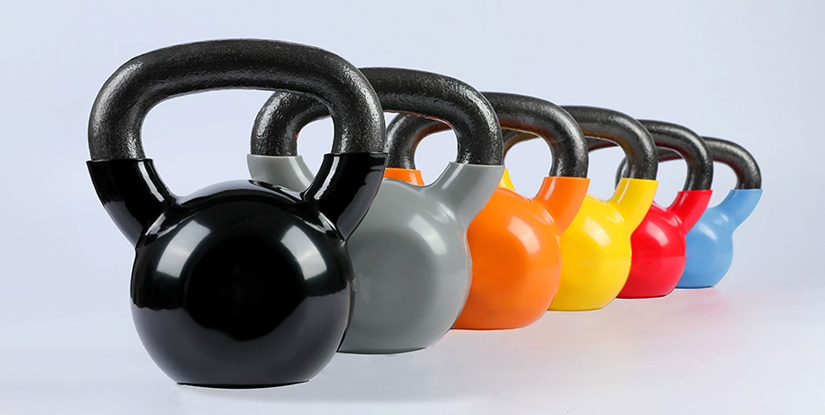
Maintaining high material durability is essential for a commercial soft kettlebell used in high-traffic environments. We focus on strict factory inspection stages, testing the integrity of the outer skin and the density of the internal filling. This systematic approach to wholesale procurement ensures that your soft kettlebell inventory remains consistent, reducing the long-term total cost of ownership for your end-users and protecting your profit margins.
Technical Inspection and Precision Standards
A professional soft kettlebell manufacturer must move beyond visual checks to technical verification. During the production cycle, our China factory implements three critical checkpoints to ensure every unit meets international commercial specifications. First, we prioritize weight accuracy through calibrated measurement protocols; even slight deviations in internal filling density can disrupt a distributor's SKU consistency. Second, we conduct rigorous seam strength testing to ensure that the high-frequency impact typical of commercial settings does not cause structural failure. Finally, comprehensive material testing is performed on the outer skin to verify resistance to abrasions and tears.
To mitigate the risk of defective arrivals, we execute a strict pre-shipment inspection before any container is sealed. This stage validates that the wholesale soft kettlebell batch adheres to the approved OEM sample and meets all dimensional tolerances. For procurement leads, this level of scrutiny ensures that the landed cost is not inflated by subsequent replacement costs or client complaints. By verifying the integrity of the stitching and the stability of the weight distribution under load, we provide the reliability required for high-volume sourcing and long-term contract fulfillment.
| Inspection Stage | Focus Area | Standard Requirement | Commercial Impact |
|---|---|---|---|
| Raw Material Intake | Outer skin elasticity and density | Consistent thickness and tear resistance | Reduces replacement rates and warranty claims |
| Mid-Production | Weight distribution accuracy | Minimal deviation from target weight | Ensures SKU reliability for professional distributors |
| Final Assembly | Seam and stitching integrity | High-tensile strength under load | Prevents structural failure in commercial environments |
| Pre-Shipment | Bulk batch uniformity | Full compliance with approved sample | Optimizes landed cost by eliminating defective returns |
Logistics, Export Packaging, and Landed Cost Management
Optimizing the landed cost of a bulk shipment requires more than just negotiating a lower unit price; it demands rigorous control over volume and weight efficiency. For professional importers, the soft kettlebell presents a unique logistical profile where the weight-to-volume ratio determines the profitability of a container load. Efficient sourcing strategies must account for how much dead space exists within a shipping container to ensure you are not paying to transport air.
A professional soft kettlebell manufacturer focuses on high-density export packaging to mitigate the risks of long-distance transit. Utilizing standardized palletization and heavy-duty corrugated outer cartons prevents damage prevention during transit from becoming a recurring cost. By optimizing the dimensions of individual units and master cartons, a China factory can maximize the number of units per pallet, directly reducing the per-unit shipping expense for a commercial soft kettlebell order.
Deciding between sea freight vs air freight is a critical lever for managing your wholesale soft kettlebell inventory levels and cash flow. While air freight offers speed, the high volume of soft-shell equipment often makes sea freight the only viable option for maintaining healthy distributor margins. Working directly with a supplier that understands shipping volume optimization ensures that your MOQ requirements are met with a logistics plan that protects your bottom line and minimizes unexpected surcharges at the port of entry.
Shipping and Packaging Configuration Comparison
Selecting the optimal logistics path depends on your specific inventory turnover rates and the urgency of your stock replenishment. Below is a comparison of common configurations used by professional distributors to manage the soft kettlebell supply chain efficiently.
| Shipping Method | Typical Packaging Type | Lead Time (Transit) | Landed Cost Impact | Best Use Case |
|---|---|---|---|---|
| Sea Freight (LCL/FCL) | Bulk Master Cartons (High-density) | 30–45 Days | Lowest per-unit cost | Large-scale wholesale replenishment |
| Air Freight | Individual Retail Boxes | 5–10 Days | Highest per-unit cost | Urgent small-batch OEM sample orders |
| Express Courier | Protective Polybags / Single Box | 3–7 Days | Premium cost | Rapid prototyping or testing |
For high-volume distributors, we recommend bulk master carton packaging to maximize container utilization. This approach significantly lowers the landed cost by reducing the total number of shipments required for the same volume of goods. When coordinating with your soft kettlebell manufacturer, clarify whether your order requires retail-ready packaging or simplified bulk cartons to ensure your warehouse management remains efficient and cost-effective.
To maintain long-term profitability, procurement specialists must verify that the soft kettlebell manufacturer adheres to strict professional standards before goods leave the facility. A reliable soft kettlebell shipment is defined by the accuracy of the weight distribution and the durability of the outer skin, both of which must be validated through a formal pre-shipment inspection. Relying on a China factory that integrates quality control into the production line reduces the risk of receiving defective batches that could damage your brand reputation or increase your return rates.
Professional wholesale procurement involves more than just selecting a product; it requires a deep dive into the factory's QC protocols. High-tier manufacturers implement multi-stage testing, including weight verification and seam strength endurance, to ensure every commercial soft kettlebell meets international commercial standards. This rigor is essential for distributors who cannot afford the high cost of replacement planning or the operational downtime caused by sub-standard equipment arriving at a client site.
Effective sourcing also demands a clear understanding of lead time and production capacity to avoid stockouts during peak seasons. A transparent supplier will provide detailed documentation regarding production cycles and shipping schedules. When managing large-scale orders, ensure your partner can handle complex customs documentation and provides specialized container loading optimization to protect your investment. By aligning your MOQ with a proven logistics framework, you can secure a predictable and scalable supply chain for your fitness equipment business.
Strategic Sourcing and Next Steps for Bulk Orders
Transitioning from product selection to full-scale procurement requires a rigorous evaluation of the total landed cost. For distributors, the price per unit is only one variable; you must also account for international freight, customs duties, and the lead time required to replenish inventory. When sourcing a soft kettlebell, failing to calculate these logistics accurately can erode your profit margins and disrupt your supply chain consistency.
To maintain a competitive edge, professional buyers should look beyond the basic unit price and focus on the operational efficiency of their supplier. A reliable China factory will provide transparent documentation regarding production cycles and shipping schedules. Whether you are ordering a standard commercial soft kettlebell or pursuing a custom wholesale arrangement, understanding the nuances of sea freight versus air freight is essential for managing your warehouse turnover and cash flow.
Evaluating Procurement Variables
| Procurement Factor | Standard Wholesale Order | Custom OEM/ODM Project |
|---|---|---|
| Primary Focus | Inventory Replenishment | Brand Differentiation |
| Typical MOQ | Lower threshold for stock items | Higher threshold for custom molds |
| Production Timeline | Standardized lead time | Extended due to custom tooling |
| Cost Structure | Fixed unit price | Variable based on private label specs |
| Logistics Complexity | Standard export packaging | Customized branding and palletizing |
Before finalizing your sourcing strategy, we recommend requesting a detailed spec sheet and a formal quote that includes FOB or CIF terms. This ensures all stakeholders understand the soft kettlebell weight tolerances and material durability standards. Once the technical specifications are validated, you may proceed with a sample approval or a formal factory audit to ensure the production facility meets your commercial quality requirements.
To mitigate the risk of receiving substandard inventory, professional buyers should implement a multi-stage verification process. This begins with a thorough review of the soft kettlebell manufacturer credentials and ends with a rigorous pre-shipment inspection. Relying on a single unverified source can lead to high return rates and damage to your brand reputation in the commercial fitness market. By prioritizing partners with proven soft kettlebell production stability, you secure a more predictable supply chain and higher long-term ROI for your distribution business.
Optimizing Your Sourcing Model
Deciding between a direct soft kettlebell manufacturer and a specialized trading company depends heavily on your specific business scale and customization requirements. A direct factory model offers the highest level of control over quality control and direct access to technical experts for complex OEM requests. Conversely, a trading company might offer greater flexibility for smaller wholesale volumes by consolidating multiple product lines into a single shipment, though often at a slightly higher unit cost.
For long-term growth, many successful distributors utilize a hybrid approach. They source standard, high-turnover items directly from a factory to maintain low landed costs, while engaging in specialized ODM projects for premium, branded product lines that differentiate them in the market. Regardless of the model chosen, always ensure that your sourcing agreement clearly defines the standards for material density, seam strength, and weight accuracy to prevent costly discrepancies upon arrival at your warehouse.
To mitigate the risk of receiving substandard inventory, professional buyers should implement a multi-stage verification process. This begins with a thorough review of the soft kettlebell manufacturer credentials and ends with a rigorous pre-shipment inspection. Relying on a single unverified source can lead to high return rates and damage to your brand reputation in the commercial fitness market. By prioritizing partners with proven soft kettlebell production stability, you secure a more predictable supply chain and higher long-term ROI for your distribution business.