40kg Kettlebell: China Factory OEM and Wholesale Supply
Establishing Sourcing Standards for 40kg Kettlebell Procurement
When managing high-volume procurement, professional buyers must evaluate risk mitigation, technical specifications, and logistics reliability to ensure a successful 40kg kettlebell shipment. Sourcing heavy iron implements requires more than finding a low price; it demands a verification of structural integrity to avoid the high cost of replacement and commercial liability. A professional commercial grade kettlebell supplier must demonstrate a rigorous quality control framework that addresses weight precision and handle durability to protect your bottom line and end-user safety.
The danger of neglecting a factory audit during the sourcing process is the potential for inconsistent weight tolerance across a bulk order. If a heavy kettlebell manufacturer lacks strict durability standards, your shipment may arrive with uneven casting or compromised handle strength, leading to high return rates and diminished distributor margins. Relying on a China factory that prioritizes standardized production ensures that every unit meets the exact density requirements expected in professional strength training environments.
Technical Verification Checklist for Bulk Orders
To ensure long-term durability and minimize the total cost of ownership, procurement managers should demand specific technical documentation regarding material density and casting precision. A reliable wholesale 40kg kettlebell production line must utilize standardized iron or steel compositions to prevent internal structural voids. During the sourcing phase, it is standard practice to request a detailed specification sheet that confirms the casting method, as high-quality centrifugal or sand casting ensures a consistent center of gravity, which is vital for professional strength training.
Beyond core structural integrity, the surface coating must be capable of withstanding high-frequency commercial usage without premature chipping or oxidation. When evaluating a heavy kettlebell manufacturer, verify their protocols for surface finishing, such as powder coating or high-grade enamel, which protects the metal from environmental wear. A professional China factory should also provide a clear inspection protocol, including visual checks for handle smoothness and weight tolerance verification, to ensure every unit in your bulk shipment aligns with your brand identity and quality expectations.
| Technical Requirement | Standard Specification | Procurement Verification Method |
|---|---|---|
| Weight Tolerance | +/- 1% to 3% threshold | Pre-shipment weight sampling |
| Material Density | High-density cast iron or steel | Material safety data sheet review |
| Surface Finish | Uniform powder coating or enamel | Visual inspection of coating adhesion |
| Handle Ergonomics | Smooth finish with zero burrs | Tactile inspection of handle circumference |
To maximize distributor margins and reduce procurement friction, it is essential to understand the structural differences between working with a specialized factory versus a general trading company. For high-density implements like a 40kg kettlebell, the source of your inventory dictates your control over technical specs and long-term landed cost.
Direct Manufacturer vs. Trading Company Comparison
Selecting a direct commercial grade kettlebell supplier allows for tighter control over the production lifecycle. While trading companies may offer convenience, they often introduce additional markups and a layer of communication lag that can complicate custom requirements. For professional buyers, the ability to engage directly with the China factory ensures that your specific standards for casting precision and handle ergonomics are met without middleman interference.
| Procurement Dimension | Direct Factory-Direct Sourcing | General Trading Company |
|---|---|---|
| OEM/ODM Capability | Full control over custom branding and molds | Limited to existing stock specifications |
| MOQ Flexibility | Optimized for bulk production runs | Often higher due to multi-vendor consolidation |
| Technical Oversight | Direct access to production and QC protocols | Dependent on third-party inspection reports |
| Landed Cost Efficiency | Lower unit price through direct wholesale | Higher price due to intermediary margins |
| Lead Time Control | Direct scheduling with the manufacturer | Subject to third-party procurement delays |
When scaling your inventory, the wholesale 40kg kettlebell market rewards those who prioritize factory-direct relationships. A specialized heavy kettlebell manufacturer can offer more competitive MOQ tiers and more predictable lead time windows, which are critical for maintaining consistent stock levels in your distribution centers. We recommend requesting a formal quote and a detailed specification sheet to confirm how their OEM and ODM services can align with your specific brand identity and market positioning.
Technical Validation and Material Integrity for Heavy Weights
When sourcing heavy-duty strength equipment, professional buyers must prioritize structural density to ensure long-term commercial viability. A high-quality 40kg kettlebell requires specific material properties to maintain its shape and weight consistency under rigorous use. For distributors and gym operators, selecting a commercial grade kettlebell supplier that utilizes high-density cast iron is essential to prevent premature wear or structural failure in high-traffic environments.
The production of a 40kg kettlebell involves strict China factory manufacturing standards to ensure every unit meets the expected density requirements. Deviations in material quality can lead to uneven weight distribution or surface cracking, which increases the total cost of ownership through frequent replacements. By working directly with a heavy kettlebell manufacturer, procurement leads can ensure that the casting process adheres to precise QC protocols, maintaining a strict weight tolerance across the entire shipment.
| Procurement Metric | Standard Cast Iron (Trader Grade) | High-Density Cast Iron (Factory Direct) |
|---|---|---|
| Structural Integrity | Variable density; higher risk of cracks | Consistent density; optimized for heavy use |
| Weight Tolerance | Loose tolerances; inconsistent per unit | Strict weight tolerance control |
| Commercial Durability | Moderate; suited for light usage | High; designed for heavy wholesale orders |
| Long-term ROI | Lower initial cost; higher replacement rate | Optimized TCO for professional facilities |
Establishing a reliable sourcing pipeline requires more than just finding a low price; it requires verifying the high-density cast iron composition and the structural integrity of the handle. Professional buyers should request a technical spec sheet and confirm that the factory utilizes standardized QC protocols before finalizing a wholesale 40kg kettlebell order. This ensures that your landed cost remains low by avoiding the logistical burden of defective, non-compliant inventory.
Evaluating the technical specifications of a 40kg kettlebell requires a focus on the precision of the casting and the durability of the handle geometry. In high-volume procurement, the difference between a standard unit and a premium-tier component often lies in the metallurgical consistency and the finish quality. For distributors managing large-scale gym fit-outs, understanding these nuances prevents the high replacement costs associated with inferior casting methods.
To assist in your procurement decision, the following comparison outlines the technical benchmarks expected from a professional heavy kettlebell manufacturer versus lower-tier alternatives. This data is critical for calculating long-term maintenance loads and ensuring the equipment can withstand the high-impact environments of professional strength facilities.
| Technical Specification | Standard Production Grade | Commercial Grade (OEM/ODM) |
|---|---|---|
| Material Density | Standard cast iron with potential air pockets | High-density, uniform grain structure |
| Surface Finish | Rough or uneven texture | Smooth, consistent powder coating or matte finish |
| Handle Durability | Variable thickness; prone to stress fractures | Reinforced, ergonomic geometry for high-frequency use |
| Weight Tolerance | ± 3-5% variance per unit | Strict ± 1% or lower for professional standards |
| Sourcing Suitability | Retail or light home-use focus | Optimized for wholesale 40kg kettlebell distribution |
When finalizing your wholesale procurement strategy, we recommend requesting a sample to verify the handle smoothness and the weight consistency. A professional supplier should be able to provide detailed metallurgical reports or certifications if requested. Once the technical benchmarks are validated, you can proceed to confirm the MOQ and discuss specific OEM branding requirements to ensure the final product aligns perfectly with your brand identity and facility standards.
Evaluating the technical specifications of a 40kg kettlebell requires a focus on the precision of the casting and the durability of the handle geometry. In high-volume procurement, the difference between a standard unit and a premium-tier component often lies in the metallurgical consistency and the finish quality. For distributors managing large-scale gym fit-outs, understanding these nuances prevents the high replacement costs associated with inferior casting methods.
To assist in your procurement decision, the following comparison outlines the technical benchmarks expected from a professional heavy kettlebell manufacturer versus lower-tier alternatives. This data is critical for calculating long-term maintenance loads and ensuring the equipment can withstand the high-impact environments of professional strength facilities.
| Technical Specification | Standard Production Grade | Commercial Grade (OEM/ODM) |
|---|---|---|
| Material Density | Standard cast iron with potential air pockets | High-density, uniform grain structure |
| Surface Finish | Rough or uneven texture | Smooth, consistent powder coating or matte finish |
| Handle Durability | Variable thickness; prone to stress fractures | Reinforced, ergonomic geometry for high-frequency use |
| Weight Tolerance | ± 3-5% variance per unit | Strict ± 1% or lower for professional standards |
| Sourcing Suitability | Retail or light home-use focus | Optimized for wholesale 40kg kettlebell distribution |
When finalizing your wholesale procurement strategy, we recommend requesting a sample to verify the handle smoothness and the weight consistency. A professional supplier should be able to provide detailed metallurgical reports or certifications if requested. Once the technical benchmarks are validated, you can proceed to confirm the MOQ and discuss specific OEM branding requirements to ensure the final product aligns perfectly with your brand identity and facility standards.
China Factory Manufacturing Capabilities and OEM Customization
For distributors and large-scale gym operators, the technical precision of heavy lifting equipment is non-negotiable. Sourcing a 40kg kettlebell directly from a China factory ensures that weight distribution and structural integrity meet rigorous commercial standards. Our production facility specializes in high-density casting and precision molding to eliminate the structural inconsistencies often found in lower-tier manufacturing, providing a stable solution for professional strength training environments.
Transitioning from standard stock orders to a customized OEM or ODM workflow allows your brand to differentiate itself in a crowded market. Whether you require specific handle diameters for ergonomic grip or custom colorways to match a studio's brand identity, our commercial grade kettlebell supplier capabilities are designed to scale with your procurement needs. We provide the technical infrastructure to move beyond generic inventory toward a specialized, high-value product line.
Working with a professional heavy kettlebell manufacturer also streamlines your supply chain by consolidating custom branding and strict quality control under one roof. By managing the production process from raw material casting to the final finish, we help you maintain a consistent wholesale offering that meets the durability expectations of high-traffic commercial facilities.
Customization Specifications and Branding Options
Developing a distinct market presence requires more than just standard inventory; it requires a tailored product identity. As a specialized heavy kettlebell manufacturer, we offer extensive customization to help distributors build premium product lines. This includes precision-engineered handle textures for optimal grip, varied finishes such as matte powder coating or high-gloss enamel, and specific color palettes that align with your company's visual standards. These options allow you to move beyond commodity trading and into high-margin, specialized equipment supply.
For organizations pursuing a private label strategy, we provide integrated custom branding solutions. This encompasses laser-engraved logos on the bell body or high-durability silk-screened branding on the handle. Our technical team ensures that your brand identity remains intact even under the high-friction conditions of a commercial gym environment. This level of customization is essential for professional importers looking to establish long-term brand authority in North American or European markets.
| Customization Feature | Standard Wholesale Option | Premium OEM/ODM Option |
|---|---|---|
| Surface Finish | Standard Cast Iron or Black Paint | Custom Powder Coating or Texture |
| Branding Method | No Branding or Generic Markings | Laser Engraved or Silk-screened Logo |
| Handle Diameter | Industry-standard single size | Custom Ergonomic Specifications |
| Color Selection | Black or Dark Grey | Full Brand-aligned Color Palette |
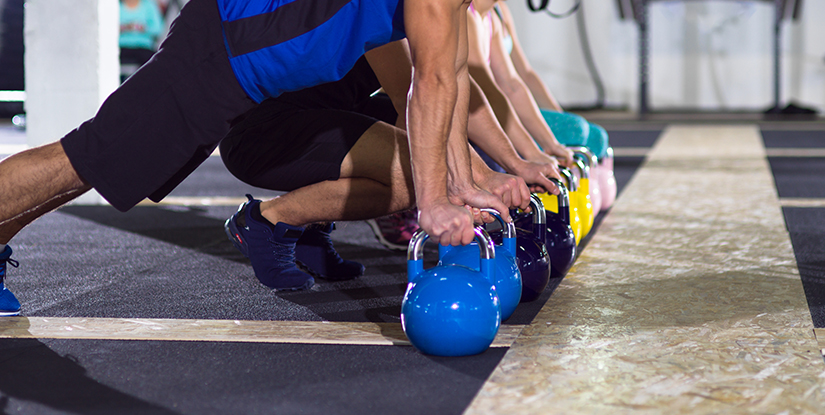
To maintain operational efficiency, we provide clear guidelines regarding MOQ and production cycles. While standard stock items allow for faster turnaround, customized 40kg kettlebell orders require specific lead times to account for branding application and specialized finishing. We recommend coordinating with our sourcing team during your initial procurement planning to ensure that your customized batches align with your seasonal inventory requirements and shipping schedules, effectively managing your landed cost and warehouse turnover.
Evaluating the difference between standard procurement and customized manufacturing is essential for optimizing your distributor margins. While standard stock orders offer immediate availability, a full-service wholesale 40kg kettlebell program provides the differentiation required for premium commercial clients. The following comparison outlines the technical and logistical shifts between basic sourcing and professional-grade customization.
| Procurement Dimension | Standard Stock Order | Full-Service OEM/ODM |
|---|---|---|
| Customization Level | Standard industry specifications | Bespoke dimensions and finishes |
| Branding Capability | Generic or no branding | Full private label integration |
| MOQ Requirements | Lower minimums for ready-to-ship items | Higher minimums for custom production |
| Lead Time | Short; dependent on current inventory | Extended; includes production and branding cycles |
| Target Audience | General retailers and small studios | Large distributors and premium gym chains |
Selecting the right path depends on your specific market positioning. If your goal is rapid stock replenishment, standard orders are efficient. However, if you aim to build a high-value product line with a unique identity, leveraging our commercial grade kettlebell supplier capabilities for custom manufacturing will provide a significant competitive advantage. We suggest requesting a detailed spec sheet or discussing your specific MOQ requirements with our team to determine the most cost-effective solution for your next bulk shipment.
Optimizing Logistics and Landed Cost for Bulk Shipments
Managing the logistics of high-density iron requires precise calculation to protect your profit margins. When sourcing a 40kg kettlebell in bulk, the relationship between physical weight and volume directly dictates your total landed cost. Professional importers must account for the high shipping density of these units to avoid unexpected surcharges during sea freight transit.
A reliable heavy kettlebell manufacturer understands that weight alone is not the only factor in freight pricing. Because these items are extremely dense, the volumetric weight often stays below the actual weight, but the structural integrity of the packaging is what prevents costly damage. Without professional export packaging, even a minor impact during container loading can lead to surface defects or structural compromise, increasing your replacement liabilities.
Shipping and Stocking Efficiency Comparison
Distributors must choose between different procurement models based on their warehouse capacity and capital liquidity. The following table compares common sourcing strategies for heavy iron equipment.
| Sourcing Model | Logistics Focus | Inventory Strategy | Primary Advantage |
|---|---|---|---|
| Factory-Direct Bulk | Full Container Load (FCL) | High volume, low frequency | Lowest unit landed cost |
| LCL Consolidation | Partial Container Load | Low volume, high frequency | Reduced warehousing pressure |
| Custom OEM Order | Palletized sea freight | Brand-specific stock | Full control over brand identity |
To optimize your wholesale 40kg kettlebell procurement, we recommend standardized palletization. By securing units on reinforced pallets and utilizing optimized container loading patterns, a professional commercial grade kettlebell supplier can maximize space efficiency. This approach minimizes the risk of shifting during sea freight and ensures that your China factory shipment arrives at your warehouse in a condition ready for immediate distribution or retail.
For high-volume distributors, the difference between a profitable quarter and a loss often lies in the nuances of the supply chain. Efficiently managing the landed cost of high-density iron requires a shift from retail-style shipping to industrial-grade logistics. Relying on standard parcel services for heavy iron is a common mistake that leads to astronomical shipping fees and damaged goods. Instead, professional buyers focus on volume-based freight optimization to maintain competitive distributor margins.
Logistics Strategy Comparison: Sea Freight vs. Air Freight
Understanding the trade-offs between different transport modes is essential when calculating the total cost of goods. While air transit offers speed, the density of a 40kg kettlebell makes it highly inefficient for air freight due to weight-to-volume ratios. Most professional importers utilize ocean-based solutions to ensure long-term ROI.
| Transport Method | Speed & Lead Time | Cost Structure | Best Use Case |
|---|---|---|---|
| Sea freight | Extended (30-45 days) | Lowest cost per unit | Standardized bulk inventory replenishment |
| Air Freight | Rapid (5-10 days) | Highest cost per unit | Urgent sample approvals or small stock gaps |
| LCL (Less than Container Load) | Moderate | Scalable for mid-sized orders | Testing new product lines or niche SKU additions |
| FCL (Full Container Load) | Predictable | Maximum efficiency for large volumes | Primary distribution center restocking |
To mitigate risk, we implement rigorous container loading protocols. By utilizing heavy-duty palletized shipping, we ensure that every unit is stabilized within the container, preventing the shifting that often occurs with loose-load shipments. When you work with an experienced commercial grade kettlebell supplier, you are not just buying equipment; you are investing in a logistics framework designed to protect your capital and ensure your wholesale 40kg kettlebell orders arrive in professional, retail-ready condition.
We invite procurement officers to contact us directly to request a detailed quotation or a customized shipping schedule. Whether you need to confirm MOQ requirements for a new private label launch or require a factory audit to verify our export packaging standards, our team is ready to support your global distribution needs.
For high-volume distributors, the difference between a profitable quarter and a loss often lies in the nuances of the supply chain. Efficiently managing the landed cost of high-density iron requires a shift from retail-style shipping to industrial-grade logistics. Relying on standard parcel services for heavy iron is a common mistake that leads to astronomical shipping fees and damaged goods. Instead, professional buyers focus on volume-based freight optimization to maintain competitive distributor margins.
Managing MOQ and Lead Times for Global Distribution
Efficient inventory planning is critical for distributors managing high-density iron products. When sourcing a 40kg kettlebell, understanding the relationship between order volume and production scheduling ensures your warehouse remains stocked without overextending capital. A professional China factory operates on tiered production cycles where larger volumes typically optimize the manufacturing workflow and reduce per-unit landed costs.
For many importers, the primary challenge lies in balancing the MOQ against shipping container utilization. Smaller bulk orders may offer more flexibility for testing market demand, but larger scale procurement directly impacts your margins through improved economies of scale. As a specialized commercial grade kettlebell supplier, we provide transparent lead time estimates based on current production capacity to help you avoid stockouts during peak seasonal demand.
| Order Scale | Typical MOQ Tier | Lead Time Estimate | Primary Benefit |
|---|---|---|---|
| Sample/Trial | Low (Per SKU) | 15-25 Days | Product validation |
| Standard Wholesale | Mid-Range | 30-45 Days | Optimized landed cost |
| Large Scale Distribution | High Volume | 45-60 Days | Maximum distributor margin |
Planning your wholesale 40kg kettlebell procurement around these cycles allows for better coordination with ocean freight forwarders. Whether you are executing a heavy kettlebell manufacturer direct order or a custom OEM project, early communication regarding your sourcing timeline is essential to ensure your factory schedule aligns with your regional distribution requirements.
Choosing between ready-to-ship inventory and custom manufacturing significantly impacts both your initial capital outlay and your long-term brand positioning. While standard stock options allow for rapid replenishment, they offer limited opportunities for market differentiation. Conversely, leveraging a heavy kettlebell manufacturer for custom projects provides a competitive edge through unique branding, albeit with more complex logistics and longer lead times.
Sourcing Models: Stock Inventory vs. Custom OEM
For distributors requiring immediate stock, purchasing existing inventory is the fastest way to fill a warehouse. However, this model often restricts your ability to implement custom branding or specific weight tolerances. If your goal is to establish a premium private label identity, transitioning to a customized production model is the strategic path forward.
| Sourcing Model | Production Type | Branding Capability | Lead Time Impact | Cost Efficiency |
|---|---|---|---|---|
| Standard Stock | Pre-made/Existing | Minimal (Logo only) | Short (Ready to ship) | Lower upfront/High unit cost |
| Customized OEM | Made-to-order | Full (Private Label) | Extended (Production + QC) | High volume/Low unit cost |
When managing a 40kg kettlebell procurement cycle, we recommend evaluating your target market's demand for specialized finishes or specific handle diameters. For high-volume distributors, the ODM route—where design specifications are tailored to your brand's exact standards—yields the highest return on investment. Before finalizing your order, we encourage you to request a detailed spec sheet or confirm the current MOQ to align your shipping and container loading plans with your regional market launch.
When managing a 40kg kettlebell procurement cycle, we recommend evaluating your target market's demand for specialized finishes or specific handle diameters. For high-volume distributors, the ODM route—where design specifications are tailored to your brand's exact standards—yields the highest return on investment. Before finalizing your order, we encourage you to request a detailed spec sheet or confirm the current MOQ to align your shipping and container loading plans with your regional market launch.
Pre-Shipment Inspection and Export Packaging Protocols
Maintaining strict quality standards is critical when sourcing heavy iron goods. A professional commercial grade kettlebell supplier must implement rigorous quality control to ensure every unit meets international standards. For distributors, even a minor deviation in weight tolerance can lead to significant disputes and increased landed costs during customs or client inspections.
Our China factory utilizes standardized inspection protocols to validate the density and precision of every 40kg kettlebell produced. This includes calibrated scale testing to ensure weight accuracy and visual inspections for surface finish consistency. By addressing these technical requirements at the source, we mitigate the risk of receiving defective inventory, protecting your profit margins and reputation.
Because high-density iron products present unique logistical challenges, specialized export packaging is non-negotiable. We utilize reinforced heavy-duty cartons and palletized configurations designed to withstand the rigors of sea freight. This specialized approach prevents structural damage and ensures that your wholesale 40kg kettlebell shipment arrives in optimal condition, ready for immediate retail or commercial deployment.
Standardized Palletization and Sea Freight Protection
Efficient logistics management begins with optimized container loading. As a professional heavy kettlebell manufacturer, we recognize that the high density of a 40kg kettlebell requires more than just standard boxing. Improperly stacked heavy iron can lead to crushed outer cartons or shifted loads, resulting in damaged inventory and unexpected replacement costs for the importer.
To prevent these issues, our export packaging protocols include strict palletization standards. Each unit is secured within reinforced, double-walled corrugated containers, which are then positioned on heavy-duty wooden or plastic pallets. We utilize high-tensile edge protectors and industrial-grade shrink wrap to stabilize the load. This method ensures maximum stability during sea freight transit, reducing the risk of movement within the shipping container and protecting the integrity of your bulk shipment.
For distributors managing large-scale inventory, these protocols directly impact the total landed cost. By optimizing the volume-to-weight ratio and ensuring the stability of each pallet, we help reduce shipping damage claims and streamline the unloading process at your warehouse. We recommend that buyers confirm specific pallet dimensions and stacking limits during the initial quote phase to ensure compatibility with local receiving equipment and warehouse shelving systems.
Technical Comparison of B2B Export Packaging Options
Selecting the appropriate packaging level is a strategic decision for importers and distributors. Depending on your specific logistics requirements and the distance of the final destination, you may choose between standard commercial shipping or premium reinforced configurations. This choice directly influences your protection levels and overall landed cost when ordering a 40kg kettlebell in bulk.
| Packaging Type | Protection Level | Ideal Shipping Method | Best For |
|---|---|---|---|
| Standard Reinforced Carton | Basic protection against surface scuffs | LCL (Less than Container Load) | Small boutique studio orders |
| Double-Walled Heavy Duty Box | High resistance to crushing and impact | FCL (Full Container Load) | Standard wholesale 40kg kettlebell distribution |
| Palletized Industrial Grade | Maximum stability and structural integrity | Sea Freight / Ocean Container | Large scale commercial grade kettlebell supplier bulk shipments |
| Custom OEM Branded Crates | Premium protection with brand identity | Long-distance international shipping | High-end distributor inventory |
When managing a large-scale heavy kettlebell manufacturer procurement, we recommend the palletized industrial grade option. This configuration minimizes manual handling risks and ensures that high-density weights remain perfectly aligned during transit. For buyers looking to optimize their supply chain, we invite you to request a detailed specification sheet or confirm your specific MOQ requirements to receive a tailored quote including these optimized shipping solutions.