Wholesale 20 Kg Kettlebell: China Factory MOQ and Supply
Optimizing Facility Footprint with 20 Kg Kettlebell Procurement
Many facility managers fail by sourcing fragmented weight sets that lack uniform dimensions, leading to disorganized storage and wasted floor area. A more professional approach involves bulk procurement of a standardized 20 kg kettlebell from a reliable China factory to ensure consistent handle diameters and body profiles. This strategic sourcing method optimizes gym layouts by allowing for tighter nesting in racks and more efficient weight-station organization.
Maximizing Space Efficiency and Durability
In high-traffic commercial environments, the ability to transition between training modalities without clutter is vital for operational flow. Utilizing a high-quality commercial 20 kg kettlebell ensures that your equipment remains compact and durable under heavy use. Standardized sizing allows distributors to design specialized storage solutions that minimize the footprint of the functional training zone, effectively increasing the usable square footage of the facility.
Beyond space, the long-term total cost of ownership is heavily influenced by the build quality of your gym equipment wholesale order. Low-grade casting often leads to premature surface degradation or handle wear, necessitating frequent replacements that disrupt your budget. By prioritizing a professional bulk kettlebell supplier, you secure units engineered for high-impact durability, reducing the frequency of maintenance cycles and ensuring a higher return on your initial capital expenditure.
| Procurement Model | Unit Consistency | Storage Efficiency | Landed Cost Profile | Maintenance Load |
|---|---|---|---|---|
| Fragmented Retail Sourcing | Low (Mixed dimensions) | Poor (Irregular footprints) | High (Variable shipping/markup) | High (Frequent replacements) |
| Direct Factory Procurement | High (Standardized specs) | Optimized (Uniform nesting) | Low (Optimized container loading) | Low (Commercial-grade build) |
When evaluating the long-term ROI of a functional training zone, the difference between these two models becomes clear through the lens of operational efficiency. A professional bulk kettlebell supplier provides more than just hardware; they provide a standardized inventory that simplifies warehouse management and floor organization. While retail purchasing may seem accessible for small batches, the lack of dimensional uniformity often leads to higher long-term costs in both labor and space.
For large-scale distributors and facility operators, the goal is to minimize the landed cost per unit while maximizing the lifespan of the equipment. By working directly with a specialized gym equipment wholesale partner, you can leverage optimized export packaging and container loading strategies. This ensures that your 20 kg kettlebell shipments arrive in a manner that protects the integrity of the casting and coating, reducing the risk of damage during transit and ensuring a seamless integration into your facility's storage systems.
Strategic procurement extends beyond simple unit counts; it involves aligning your inventory with your specific brand identity. For distributors looking to build a cohesive product line, leveraging OEM or ODM capabilities allows for the integration of custom branding on the 20 kg kettlebell surface. This level of customization ensures that your facility or retail brand maintains a premium, professional appearance that distinguishes your offerings from generic market alternatives.
To ensure these customized units meet international standards, we recommend a rigorous factory audit and pre-shipment inspection process. Whether you are ordering a single 20 kg kettlebell for a sample evaluation or managing a massive wholesale container shipment, verifying the casting density and coating adhesion is critical. This proactive approach to sourcing mitigates the risk of receiving substandard batches that could damage your reputation or increase your replacement costs.
For buyers managing complex logistics, understanding the MOQ requirements and lead times is essential for maintaining a lean inventory. A direct China factory can provide more predictable production schedules and more efficient logistics solutions, such as optimized palletizing and container loading. This level of control over the supply chain allows you to manage your cash flow effectively while ensuring your functional training zones remain fully stocked and ready for high-volume commercial use.
Evaluating Commercial 20 Kg Kettlebell Material Durability
Selecting the correct material for a 20 kg kettlebell is a critical decision for long-term procurement strategy. For distributors and gym owners, the choice between cast iron and steel impacts the total cost of ownership (TCO) and long-term maintenance cycles. A high-quality commercial 20 kg kettlebell must withstand high-frequency use in rigorous environments without surface degradation or structural failure.
When sourcing from a China factory, understanding the distinction between material types ensures that your bulk order aligns with your facility's durability requirements. Lower-grade materials often lead to increased replacement costs and higher maintenance loads, whereas premium materials provide a better return on investment (ROI) through extended product lifespans.
| Material Type | Surface Finish | Durability Profile | Maintenance Requirement |
|---|---|---|---|
| Cast Iron | Powder Coated or Painted | High impact resistance; ideal for heavy use | Low; requires occasional inspection for coating chips |
| Solid Steel | Electroplated or Polished | Extreme structural integrity; high density | Minimal; resistant to oxidation in controlled environments |
| Vinyl/Neoprene Coated | Synthetic Layer | Moderate; protects floors but prone to tearing | Medium; requires monitoring for coating peeling |
A professional bulk kettlebell supplier will provide detailed specifications regarding the coating thickness and metal purity. Utilizing a gym equipment wholesale approach that prioritizes high-density casting ensures that your inventory remains a durable asset rather than a recurring expense. Investing in superior material quality at the wholesale stage reduces the frequency of replacement cycles and optimizes your long-term operational budget.
Optimizing Procurement Based on Facility Usage
The material selection directly dictates your operational expenditure (OPEX). For instance, while cast iron provides a robust solution for high-traffic strength zones, vinyl-coated versions are often preferred in studio settings where floor protection and noise reduction are prioritized. When managing a gym equipment wholesale procurement list, you must balance the initial landed cost against the expected replacement frequency of each material type.
Distributors should consider the specific environment of the end-user. In high-intensity functional training centers, the high impact resistance of a standard 20 kg kettlebell with a powder-coated finish offers the best balance of durability and cost-efficiency. Conversely, for premium boutique studios, a polished steel or specialized coating might better align with the brand identity of the facility. Always confirm with your supplier whether the coating application meets international commercial standards to prevent premature oxidation or peeling during transit and heavy use.
Customization and Branding via OEM/ODM Capabilities
For distributors seeking to strengthen their market position, standard stock items may not always suffice. A professional bulk kettlebell supplier offers advanced OEM and ODM services to help you transition from a generic importer to a specialized brand owner. This capability allows you to integrate specific branding elements, such as custom logos or unique color schemes, directly into the manufacturing process, ensuring your product line reflects a high-end commercial identity.
Beyond aesthetics, OEM requests often focus on technical precision. You can specify specialized coating options, such as heavy-duty powder coating for increased impact resistance or specialized urethane finishes for a premium grip feel. By working directly with a China factory, you can request adjustments to handle dimensions or weight tolerances to meet specific regional or professional standards. This level of customization is essential for high-tier distributors who aim to provide specialized solutions rather than just commodity equipment.
When negotiating your next order, ensure that your ODM requirements include strict quality control (QC) protocols for these custom finishes. Whether you are requesting a specific color for a boutique studio chain or a high-durability texture for a rugged functional training center, the ability to control the manufacturing specification through the factory ensures that your branded inventory maintains a consistent level of quality and professional appearance. Always request a sample approval for any customized coating before proceeding with full-scale production to mitigate risks in your landed cost and product reliability.
Strategic Sourcing: China Factory MOQ and Lead Time Realities
Managing a global supply chain requires a precise understanding of how production cycles impact your bottom line. When sourcing a 20 kg kettlebell, professional buyers must balance the economies of scale offered by a China factory against the logistical constraints of international shipping and warehouse capacity.
The primary challenge in bulk procurement involves the delicate trade-off between achieving a lower unit price and maintaining lean inventory levels. A high MOQ may significantly reduce your landed cost per unit, but it also ties up capital and requires more significant storage footprints in your local distribution center. Conversely, smaller orders may offer greater flexibility but often result in higher per-unit expenses due to fixed shipping and handling overheads.
Effective inventory management also depends on understanding the typical lead time associated with different order volumes. Standardized stock items can often be dispatched quickly, whereas orders requiring OEM customization or specific wholesale packaging adjustments will naturally extend the production window. For distributors, calculating these timelines accurately is essential to avoid stockouts during peak seasonal demand or unexpected spikes in the commercial fitness market.
To optimize your procurement strategy, it is essential to evaluate the structural differences between different supply channels. Choosing the right bulk kettlebell supplier depends on whether your business model prioritizes rapid stock replenishment or long-term brand differentiation through customized manufacturing.
Supply Chain Comparison: Direct Sourcing vs. Trading Models
| Sourcing Dimension | Direct Factory Model | Trading Company Model |
|---|---|---|
| Price Structure | Optimized for high-volume wholesale | Includes intermediary margins |
| Customization Potential | Full OEM and ODM capabilities | Limited to existing stock items |
| Quality Control | Direct oversight of factory QC | Dependent on third-party inspection |
| Production Control | Direct influence on lead time | Variable lead time due to middleman |
| Minimum Order Quantity | Typically higher MOQ for customization | Lower volume flexibility |
For organizations aiming to establish a proprietary product line, working with a factory-direct partner provides a distinct competitive advantage. This model allows for rigorous quality control (QC) integration during the casting and coating phases of the 20 kg kettlebell production, ensuring every unit meets commercial-grade density and balance standards. Furthermore, leveraging OEM/ODM services enables you to integrate your own brand identity directly into the hardware, transforming a standard piece of equipment into a branded asset for your facility or retail chain.
When finalizing your selection, we recommend requesting a detailed specification sheet and a formal quote based on your specific volume requirements. Our team can provide clarity on current MOQ tiers, estimated lead times for customized orders, and assistance with sample approval to ensure the product aligns perfectly with your commercial durability expectations.
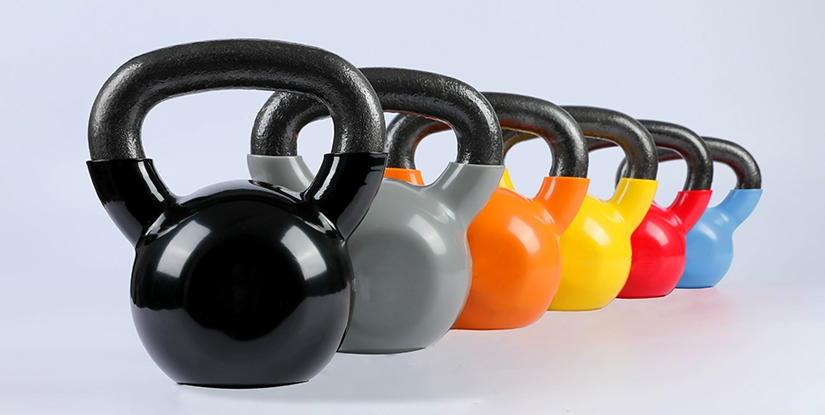
The logistical complexity of transporting high-density iron products across oceans introduces significant risks to your profit margins. For a professional buyer, the primary concern is not just the initial unit price, but the landed cost after accounting for potential losses. If a 20 kg kettlebell arrives with surface abrasions, dented handles, or compromised paint due to poor handling, the resulting replacement costs and diminished brand reputation can quickly erode your distributor margins.
To mitigate these risks, a tier-one gym equipment wholesale partner must implement a multi-layered protection strategy. This begins with a rigorous pre-shipment inspection protocol. During this phase, technical teams verify that each unit maintains the required weight tolerance, handle structural integrity, and coating uniformity. This level of oversight ensures that the commercial 20 kg kettlebell units meet the heavy-duty requirements of high-traffic training environments before they even reach the loading dock.
Beyond internal quality control, the durability of the product is only as reliable as its transit protection. We utilize specialized export-standard packaging designed specifically for heavy, spherical iron weights. This includes reinforced corrugated outer cartons and individual protective dividers to prevent metal-on-metal contact during ocean freight. This systematic approach to shipping damage prevention is essential for maintaining the high aesthetic and functional standards expected by premium gym operators and retail distributors.
By prioritizing these stringent protocols, a reliable bulk kettlebell supplier ensures that your inventory arrives in pristine, retail-ready condition. This reliability allows you to scale your operations with confidence, knowing that your investment in bulk sourcing is protected by professional-grade logistics and uncompromising manufacturing standards.
Customization via OEM and Private Label Solutions
Distributors and gym equipment importers often face the challenge of generic product lines that fail to distinguish their catalog in a crowded market. Utilizing a 20 kg kettlebell through professional OEM or ODM services allows you to transition from a mere reseller to a recognized brand owner. By leveraging China factory capability, you can integrate your unique brand identity into every unit, ensuring that your inventory stands out during large-scale tenders or retail distribution.
High-end commercial facilities demand more than just standard weights; they require aesthetic consistency and durability. Through private label manufacturing, you can specify precise color customization to match your existing equipment lines. Furthermore, high-precision logo engraving/printing ensures that your brand remains visible even under heavy usage. This level of detail is essential when sourcing a commercial 20 kg kettlebell for premium studio chains or professional strength training centers where visual cohesion is a key part of the facility's premium positioning.
Whether you are looking for specific handle textures or specialized coating finishes, working directly with a supplier enables much higher design flexibility than buying off-the-shelf stock. This strategic approach to sourcing helps build long-term brand equity and justifies higher margins for your distribution business.
Customization Tiers and Procurement Specifications
To assist in your procurement planning, we have outlined the three primary levels of customization available when ordering from a professional bulk kettlebell supplier. Each tier is designed to balance your brand requirements against budget constraints and lead time realities. Selecting the correct tier is critical for managing your landed cost and ensuring your inventory meets the specific needs of your target market, whether that be budget-friendly commercial gyms or high-end boutique studios.
| Customization Tier | Typical Specifications | Standard MOQ | Lead Time Impact |
|---|---|---|---|
| Standard Wholesale | Existing factory colors and standard logo placement | Low (Stock availability) | Minimal (Ready to ship) |
| OEM (Color/Logo) | Custom color coating and branded logo printing | Medium | Moderate (Production cycle) |
| Full ODM (Shape/Material) | Custom handle ergonomics, material, or specialized shape | High | Extended (R&D and tooling) |
When planning your next shipment, consider how these tiers affect your warehouse turnover. A standard 20 kg kettlebell order offers the fastest turnaround for immediate restocking. However, utilizing OEM services for customized colors allows you to offer a more cohesive product line that aligns with your existing brand aesthetic, which can often justify a higher premium in the commercial market. For distributors looking to innovate, the ODM route provides the highest level of differentiation but requires more advanced planning regarding your initial capital expenditure and shipping schedules.
Logistics, Quality Control, and Export Readiness
Effective procurement of a 20 kg kettlebell requires more than just selecting a design; it demands rigorous oversight of the entire supply chain to protect your margins and reputation. For professional importers, the primary risks involve inconsistent weight tolerances, coating failures, or damage during transit. To mitigate these, a professional bulk kettlebell supplier implements multi-stage QC protocols. This includes raw material verification, weight accuracy testing per unit, and coating adhesion strength tests. By ensuring these standards are met at the factory level, you reduce the risk of costly returns and customer dissatisfaction in your local market.
Beyond product integrity, the logistical execution of your gym equipment wholesale order determines your total landed cost. We utilize reinforced export packaging designed specifically for heavy, high-density iron or cast iron products. This includes heavy-duty corrugated boxes and optimized palletizing techniques to maximize container utilization and prevent shifting during ocean freight. When calculating your budget, please account for the lead time required for customized batches, as specialized OEM or ODM production cycles may extend beyond standard stock shipping times. We recommend finalizing your specifications and confirming your MOQ well in advance to ensure seamless integration into your seasonal inventory planning.
To ensure complete transparency, we encourage partners to request a detailed spec sheet or schedule a pre-shipment inspection. Whether you are managing a single container or a large-scale distribution contract, our China factory provides the documentation and quality assurance necessary to support your long-term commercial growth.
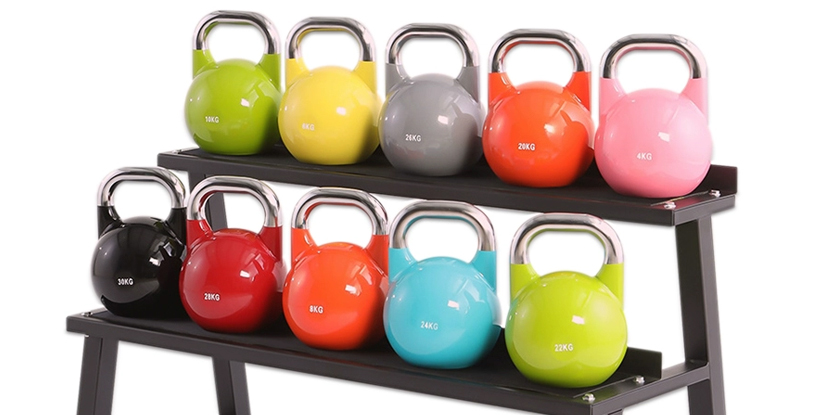
Quality Control Standards for Bulk Kettlebell Supplier Orders
When managing large-scale procurement from a China factory, the primary risk involves inconsistent weight distribution and material failure. For a professional bulk kettlebell supplier, maintaining strict factory inspection standards is not optional; it is a prerequisite for protecting your client's liability and your own brand reputation. High-volume orders must undergo rigorous verification to ensure every unit meets the exact specifications required for high-traffic environments.
A substandard commercial 20 kg kettlebell can lead to significant operational disruptions. If the weight tolerance exceeds industry-standard margins, it compromises the integrity of professional training programs. Furthermore, poor surface coating integrity leads to premature chipping or oxidation, increasing the maintenance load and total cost of ownership for the end-user. To mitigate these risks, a professional 20 kg kettlebell must be vetted for structural density and coating adhesion through systematic batch testing.
Essential Procurement Verification Metrics
| Inspection Dimension | Commercial Standard Requirement | B2B Procurement Impact |
|---|---|---|
| Weight Precision | Strict +/- tolerance limits | Ensures consistent training loads |
| Surface Durability | High-adhesion coating integrity | Reduces long-term maintenance costs |
| Handle Ergonomics | Uniform texture and diameter | Prevents user injury and liability |
| Material Density | Non-hollow structural consistency | Extends equipment lifespan in gyms |
Establishing these benchmarks during the sourcing phase allows distributors to secure high-performance inventory that survives heavy commercial use. By prioritizing these technical specifications during your initial inquiry, you ensure that your bulk order provides a reliable return on investment through reduced replacement frequency.
Selecting a high-tier gym equipment wholesale partner requires moving beyond surface-level aesthetics to focus on structural integrity. In professional settings, the difference between a standard unit and a high-performance 20 kg kettlebell often lies in the invisible manufacturing tolerances. A failure to verify these technical benchmarks during the procurement process can lead to increased replacement cycles and diminished distributor margins.
When sourcing for high-traffic facilities, the objective is to minimize the total cost of ownership. A 20 kg kettlebell that features inconsistent handle smoothness or weak coating durability will fail prematurely under heavy usage. This results in higher maintenance overhead and potential liability issues. To prevent these outcomes, we recommend that all importers and distributors request a formal technical specification sheet and a detailed QC report from the factory before finalizing any large-scale purchase order.
Before proceeding with a full container load, we suggest contacting our team to confirm the current MOQ, discuss OEM customization options, or arrange for a sample evaluation to verify these quality standards firsthand.
Selecting a high-tier gym equipment wholesale partner requires moving beyond surface-level aesthetics to focus on structural integrity. In professional settings, the difference between a standard unit and a high-performance 20 kg kettlebell often lies in the invisible manufacturing tolerances. A failure to verify these technical benchmarks during the procurement process can lead to increased replacement cycles and diminished distributor margins.
When sourcing for high-traffic facilities, the objective is to minimize the total cost of ownership. A 20 kg kettlebell that features inconsistent handle smoothness or weak coating durability will fail prematurely under heavy usage. This results in higher maintenance overhead and potential liability issues. To prevent these outcomes, we recommend that all importers and distributors request a formal technical specification sheet and a detailed QC report from the factory before finalizing any large-scale purchase order.
Before proceeding with a full container load, we suggest contacting our team to confirm the current MOQ, discuss OEM customization options, or arrange for a sample evaluation to verify these quality standards firsthand.
Logistics and Export Packaging for Global Distribution
Efficient international procurement requires more than just selecting a high-quality 20 kg kettlebell; it demands a rigorous logistics strategy to protect your capital investment during long-haul transit. When sourcing heavy iron or rubber-coated weights, the risk of surface damage, dented packaging, or inefficient container use can significantly inflate your landed cost. A professional China factory must implement specialized protocols to ensure that high-density products arrive in retail-ready condition.
To mitigate these risks, we utilize export-standard packaging designed specifically for high-density strength equipment. Each 20 kg kettlebell is secured within heavy-duty cartons that prevent movement and impact damage. For large-scale gym equipment wholesale orders, we employ advanced palletization techniques to maximize stability. This structured approach ensures superior sea freight protection and optimizes container loading efficiency, allowing distributors to minimize shipping costs per unit and improve overall ROI.
Optimizing Shipping Efficiency and Protection Standards
Distributors and procurement managers must evaluate the difference between standard consumer-grade packaging and professional export-grade solutions. Relying on lightweight, single-unit retail boxes often leads to high damage rates and inefficient container utilization during sea freight. For professional importers, the goal is to maximize the density of every cubic meter while ensuring the 20 kg kettlebell remains protected from structural deformation and surface abrasions.
The following comparison highlights why selecting a specialized bulk kettlebell supplier with advanced logistics capabilities is critical for maintaining your profit margins and reducing replacement costs.
| Feature | Standard Retail Packaging | Professional B2B Export Packaging |
|---|---|---|
| Primary Protection | Single-layer thin cardboard | Reinforced double-wall corrugated cartons |
| Unit Stability | Loose movement within box | Precision-fit dividers and internal bracing |
| Palletization | Minimal or non-existent | Industrial-grade heat-treated pallets |
| Stacking Strength | Low; prone to crushing | High; optimized for heavy-load stacking |
| Container Density | Inefficient; high air gaps | Maximized via high-density loading patterns |
| Impact Risk | High risk of surface damage | Minimal risk due to specialized damping |
| Landed Cost Impact | Higher due to damage/inefficiency | Lower through optimized volume/safety |
By prioritizing these standards, you ensure that your commercial 20 kg kettlebell inventory arrives at your warehouse in pristine condition. We recommend confirming specific pallet dimensions and loading capacities with your wholesale partner during the initial sourcing phase to ensure seamless integration with your local distribution network.
Ensuring Quality Through Inspection and Documentation
A critical failure point in global procurement is the lack of oversight during the final stages of production. Without a rigorous QC process, a buyer might receive a shipment of weight-deviant units that fail to meet commercial standards. To prevent this, a professional bulk kettlebell supplier integrates a strict pre-shipment inspection protocol. This involves verifying the exact mass, handle ergonomics, and coating integrity of every single > unit before it is cleared for the container.
Beyond physical quality, the logistical success of your order depends on precise warehouse management and documentation. We provide comprehensive shipping documentation—including packing lists, commercial invoices, and certificates of origin—to facilitate smooth customs clearance in your destination country. This attention to detail reduces the risk of port delays and unexpected storage fees, ensuring your global distribution timeline remains predictable. For high-volume importers, we recommend booking a third-party factory audit or a formal container loading supervision to verify that the weight distribution and packing density align with your specific shipping requirements.