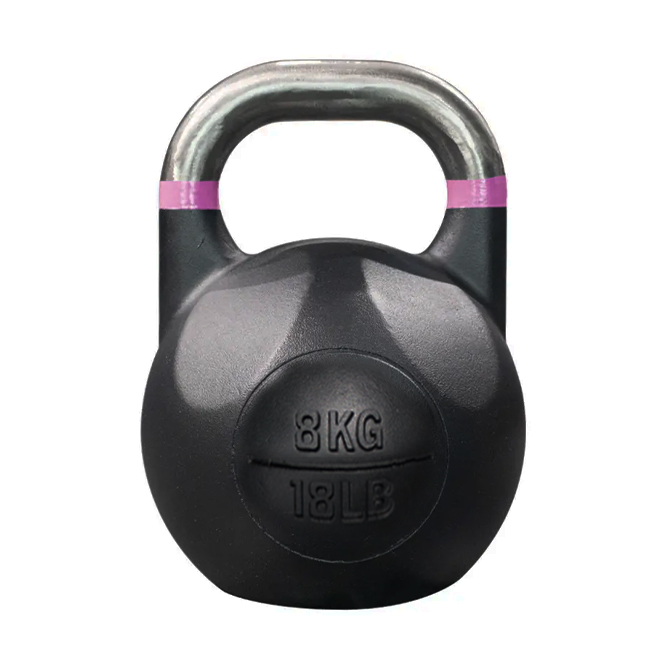
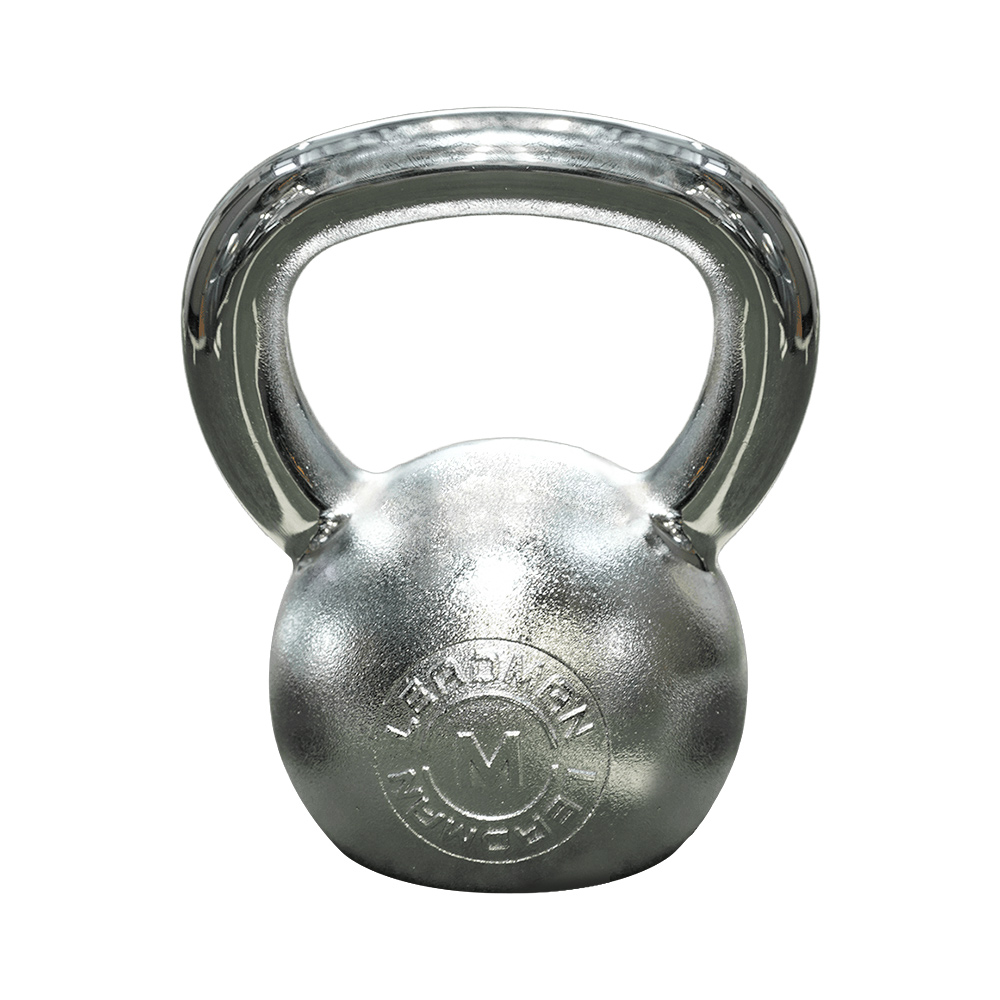
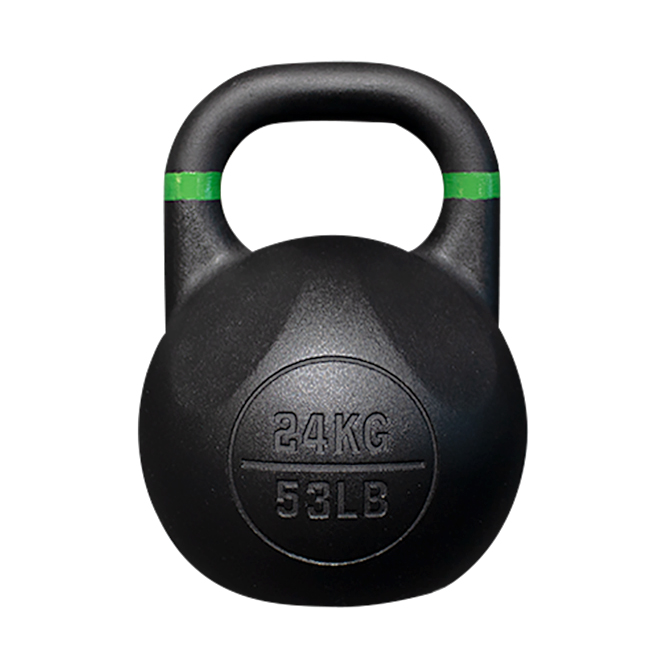
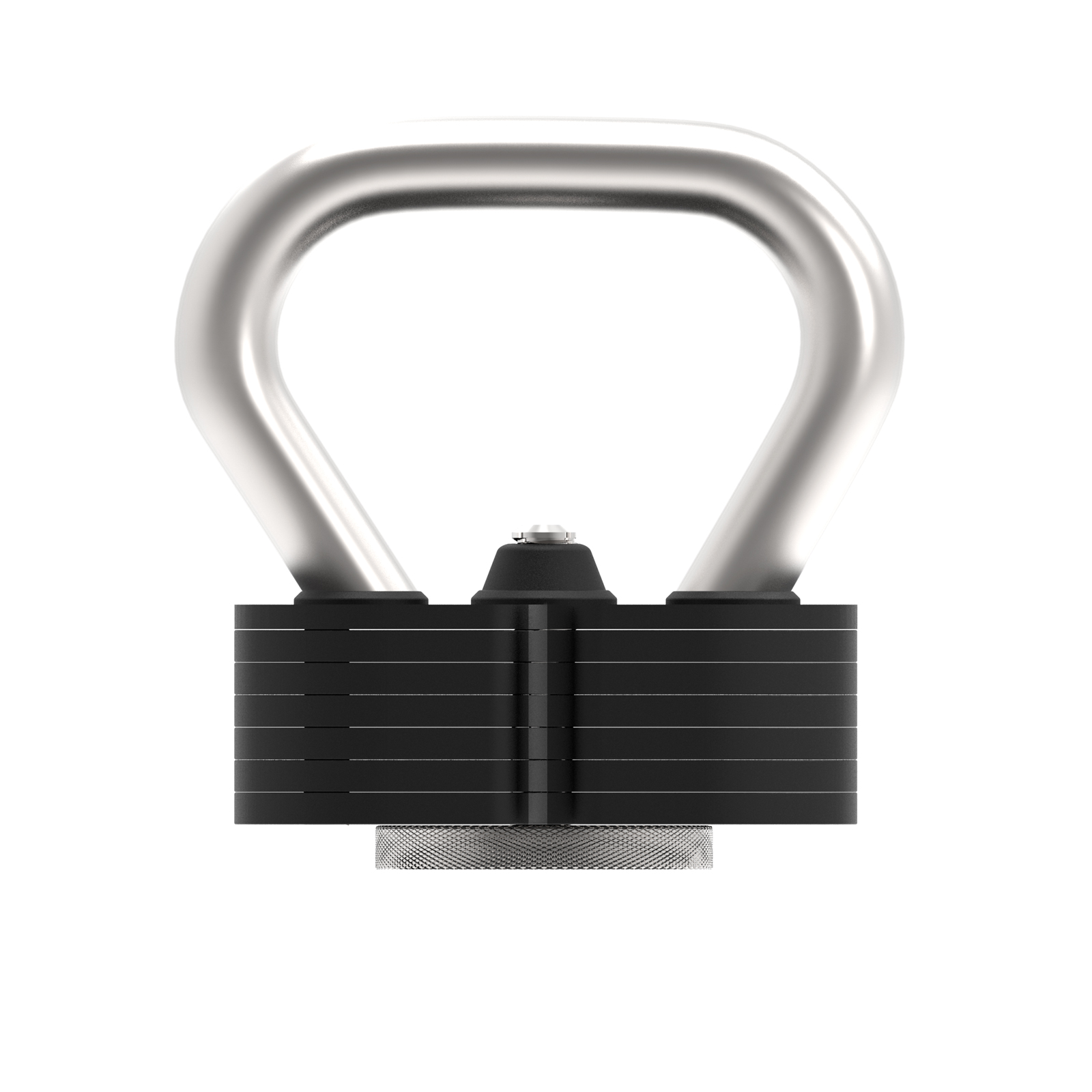
50 Pound Kettlebell: China Factory OEM ODM Manufacturing
50 Pound Kettlebell Sourcing and Commercial Value
When evaluating a 50 pound kettlebell for large-scale deployment, professional buyers must prioritize three critical checkpoints: manufacturing specification accuracy, long-term material durability, and logistical efficiency. Selecting a reliable commercial grade kettlebell supplier ensures that your inventory meets the rigorous demands of high-traffic strength facilities while minimizing the frequency of replacement cycles. Sourcing directly from a China factory allows distributors to align product quality with strict commercial standards while optimizing the total landed cost for overseas shipments.
The financial success of a fitness facility depends heavily on the lifecycle of its strength equipment. Utilizing a wholesale 50 pound kettlebell program that focuses on high-density cast iron or professional-grade coatings reduces the hidden costs associated with rapid wear and tear. If a custom branded kettlebell manufacturer provides units with substandard casting or inconsistent weight distributions, the resulting replacement cycles can significantly degrade your long-term ROI. Investing in premium manufacturing at the factory level mitigates these operational risks and ensures a lower total cost of ownership over several years of heavy use.
Evaluating Sourcing Models: Direct Factory vs. Local Distribution
Procurement managers often face a strategic trade-off between the convenience of local domestic distributors and the cost-efficiency of international direct sourcing. While local options offer shorter lead times for smaller volumes, they frequently lack the manufacturing flexibility and price advantages found when working with a direct source. For high-volume importers, understanding the difference in landed cost and customization capability is essential for maintaining healthy distributor margins.
| Procurement Dimension | Direct China Factory Sourcing | Local/Domestic Distributor |
|---|---|---|
| Unit Cost Efficiency | High (Direct Manufacturer Pricing) | Lower (Includes Markup and Overhead) |
| Customization Potential | Full OEM and ODM Capabilities | Limited to Existing Stock |
| Minimum Order Quantity | Standardized MOQ Requirements | Flexible but Higher Unit Cost |
| Quality Control Control | Direct Pre-shipment Inspection | Dependent on Distributor Standards |
| Custom Branding | High (Private Label Ready) | Minimal to None |
| Landed Cost Management | Requires Logistics Planning | Simplified Local Delivery |
To maximize the efficiency of your next bulk order, we recommend requesting a detailed specification sheet and a formal quote to confirm the current MOQ for your target weight classes. A transparent factory audit or a sample approval process can further validate that the production standards meet your specific commercial requirements before the final container loading phase.
Maximizing Long-Term Profit Margins via OEM/ODM Services
For established distributors and large-scale importers, the transition from purchasing generic stock to utilizing professional OEM and ODM services represents a critical shift in business maturity. Relying solely on white-label products often limits your ability to build a unique market presence. By partnering with a dedicated custom branded kettlebell manufacturer, you can integrate your own brand identity directly into the product through custom casting, specialized color coatings, or precision laser-etched logos. This level of customization transforms a standard commodity into a proprietary asset, allowing you to command premium pricing within your specific regional market.
The strategic advantage of these manufacturing models extends beyond simple aesthetics; it is about total control over the supply chain. When you engage in ODM workflows, you can request specific handle diameters or surface textures that cater to the specific ergonomic needs of your professional clientele. Such technical differentiation, combined with the cost-saving benefits of bulk orders, significantly expands your potential profit margins. Rather than competing on price alone against other generic resellers, you build a recognizable brand that customers trust for consistency and specialized quality. We recommend discussing your specific technical requirements and MOQ thresholds during the initial consultation to ensure your custom specifications align with our production capabilities and your projected growth.
Evaluating Durability and Material Standards for Bulk Orders
When managing a high-traffic facility, the reliability of each 50 pound kettlebell in your inventory directly impacts your operational overhead. For professional distributors and gym owners, sourcing from a commercial grade kettlebell supplier is not merely about the initial purchase price, but about minimizing the replacement frequency and maintaining a consistent professional aesthetic across your entire weight set.
Selecting sub-standard cast iron or inconsistent coating can lead to premature surface degradation or weight fluctuations that undermine professional training standards. By partnering with a China factory that prioritizes strict material grading, importers can secure a long-term investment rather than a recurring expense. High-quality wholesale 50 pound kettlebell units must maintain precise weight tolerance and structural integrity even under heavy daily use in high-intensity interval training (HIIT) or strength conditioning environments.
Material Integrity and Procurement Value
A custom branded kettlebell manufacturer understands that durability is a function of both the core material and the secondary finish. Whether you are requesting powder coating for better grip or high-gloss enamel for aesthetic longevity, the material standards applied during the OEM process dictate the total cost of ownership. Professional buyers should evaluate the following procurement dimensions when comparing different manufacturing tiers:
| Procurement Factor | Standard Cast Iron Tier | Premium Commercial Grade |
|---|---|---|
| Surface Coating Durability | Basic paint or thin enamel | High-impact powder coating |
| Weight Precision | Wide tolerance margins | Strict industrial weight control |
| Handle Ergonomics | Standard casting texture | Smooth, seamless integration |
| Long-term ROI | Moderate replacement cycle | High durability for heavy use |
Ensuring your sourcing strategy accounts for these technical specifications prevents the logistical headache of handling defective returns or damaged goods upon arrival. A professional factory will provide documented QC processes to guarantee that every unit meets the required weight and finish specifications before export packaging begins.
| Material Type | Durability Profile | Best Commercial Application | Maintenance/Lifecycle Factor |
|---|---|---|---|
| Cast Iron | High impact resistance; prone to surface rust if coating fails | Standard strength training; high-volume budget gyms | Requires periodic cleaning/oil to prevent oxidation |
| Steel (Powder Coated) | Extreme wear resistance; excellent grip stability | Premium fitness studios; high-traffic HIIT facilities | Low maintenance; extremely stable coating quality |
| Urethane Encased | Highest impact protection; prevents floor damage | High-end wellness centers; premium training environments | Best for floor longevity and aesthetics |
Choosing the correct material configuration is a critical decision for any custom branded kettlebell manufacturer. For example, while cast iron offers a cost-effective solution for high-volume inventory, steel-based units with premium coatings provide the longevity required for elite commercial settings. Selecting the right specifications during the ODM phase ensures your product line meets the specific environmental demands of your target market, whether that involves heavy-duty garage gym use or high-end boutique studio aesthetics.
To ensure optimal results for your next shipment, we recommend requesting a technical spec sheet or a physical sample to verify coating adhesion and weight precision. Our team can also provide detailed information regarding MOQ requirements for specific material tiers to help you refine your landed cost calculations and inventory planning.
Mitigating Import Risks via Rigorous Factory QC
For large-scale distributors, the greatest risk in sourcing from an overseas China factory is the arrival of inconsistent batches that fail to meet professional standards. A discrepancy in mass or a poor surface finish can lead to costly returns and damaged brand reputation. To prevent this, a professional 50 pound kettlebell production line must utilize a multi-stage quality control system that goes beyond simple visual checks.
High-tier wholesale 50 pound kettlebell manufacturing requires strict adherence to weight accuracy protocols. Every unit should undergo calibrated scale testing to ensure the deviation remains within industry-standard margins. Furthermore, a reliable commercial grade kettlebell supplier implements rigorous pre-shipment inspection (PSI) to verify that the surface finish—whether powder-coated or enamel—is free from bubbles, cracks, or uneven textures that could compromise grip or aesthetic longevity.
By integrating these quality checks into the OEM or ODM workflow, the factory ensures that the weight distribution and handle ergonomics are uniform across the entire bulk order. This level of oversight is essential for maintaining high-performance standards in professional strength training environments. We encourage partners to request a detailed pre-shipment inspection report or coordinate a third-party audit to confirm that every 50 pound kettlebell meets your exact procurement specifications before the final container loading process begins.
China Factory OEM and ODM Customization Capabilities
Standardized inventory often fails to meet the specific branding requirements of high-end fitness distributors and boutique studio chains. As a specialized custom branded kettlebell manufacturer, our China factory provides end-to-end OEM and ODM solutions that allow you to move beyond generic, unbranded imports. We understand that for professional distributors, the ability to offer a unique product line is essential for maintaining high margins and market distinction.
Our OEM services for the 50 pound kettlebell extend far beyond simple logo placement. We offer extensive color/texture customization to ensure your equipment aligns with your corporate identity or studio aesthetic. Whether you require a high-gloss powder coating for a modern look or a matte, high-friction texture for enhanced grip in high-intensity environments, our production lines are adaptable. We can execute precise branding/logo application via sandblasting, laser engraving, or specialized paint masking to ensure your private label remains durable under heavy commercial use.
By leveraging our ODM capabilities, procurement leads can develop proprietary designs that differentiate their catalog from standard wholesale offerings. This includes adjusting the handle ergonomics or selecting specific cast iron versus steel compositions to meet your target landed cost and durability standards. This level of customization ensures that every 50 pound kettlebell you source serves as a long-term asset to your brand equity rather than a commodity product.
Strategic Comparison of Sourcing Models
Deciding between purchasing standardized stock and initiating a full custom project requires a clear understanding of your scale and long-term brand strategy. For many importers, the decision hinges on the balance between immediate availability and the long-term value of a proprietary product line. A professional commercial grade kettlebell supplier will typically offer both pathways to accommodate different business lifecycles.
The following table outlines the structural differences between standard bulk procurement and advanced customization to assist your procurement team in calculating the potential ROI for your next shipment.
| Feature/Requirement | Standard Wholesale Order | Full OEM/ODM Customization |
|---|---|---|
| Branding Depth | Standard single-color logo or no branding | Full color schemes, textures, and proprietary shapes |
| Product Specification | Fixed industry-standard dimensions and materials | Custom handle ergonomics and specialized coatings |
| Typical MOQ | Lower thresholds for ready-to-ship inventory | Higher requirements for specialized tooling/molds |
| Lead Time | Short: Optimized for rapid restocking | Extended: Includes design, prototyping, and production |
| Market Positioning | Competitive pricing for high-volume turnover | Premium differentiation for boutique or niche brands |
| Supply Chain Control | Sourcing from existing factory stock | Direct oversight of material and finish selection |
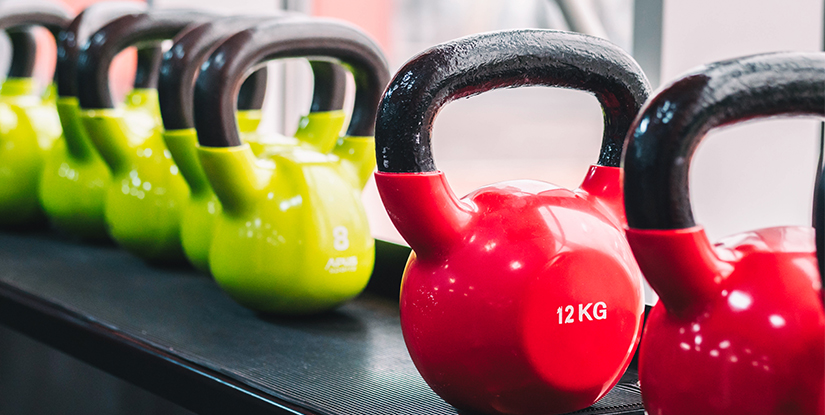
When evaluating a 50 pound kettlebell for a large-scale commercial rollout, the wholesale model is highly efficient for rapid market entry. However, for distributors looking to establish a permanent, recognizable presence in the premium fitness market, investing in a custom 50 pound kettlebell through our ODM process allows for much tighter control over the final product's aesthetic and functional identity. We recommend requesting a detailed specification sheet or a sample evaluation to determine which model best aligns with your current distribution capacity and target landed cost.
Technical Precision and Quality Control Standards
Reliability in commercial settings is non-negotiated. For distributors and gym owners, a single defective unit can compromise brand reputation and increase maintenance overhead. To mitigate these risks, our China factory implements a rigorous quality control protocol that begins long before the final assembly of any 50 pound kettlebell. We understand that procurement professionals require absolute consistency in weight tolerance and structural integrity to ensure professional-grade performance.
Our manufacturing capability is rooted in technical precision. Every custom request starts with detailed technical drawings and precise material specification oversight. We utilize advanced casting and machining processes to ensure the center of gravity remains stable and the handle dimensions meet international commercial standards. This technical rigor allows us to manage complex ODM requests, such as specialized ergonomic handle shapes or high-density iron compositions, while maintaining strict weight accuracy across your entire wholesale order.
To ensure every 50 pound kettlebell meets your exact requirements, our quality control process includes multiple stages of inspection. This includes raw material testing, mold precision verification, and post-production weight calibration. By maintaining these high standards, we reduce the risk of replacement planning issues and ensure that the landed cost of your shipment reflects a premium, durable asset. We encourage procurement leads to schedule a factory audit or request a sample approval to verify our manufacturing standards firsthand before committing to large-scale production volumes.
Strict Quality Control and Pre-Shipment Inspection Protocols
For distributors and large-scale gym operators, the hidden cost of a low-quality 50 pound kettlebell lies in high return rates and potential liability claims. When sourcing high-volume orders, relying on a standard commercial grade kettlebell supplier requires verifying that their production line maintains strict quality control over every unit. Inconsistent weight distributions or poor casting can lead to uneven wear and structural failure in high-traffic facilities.
Our China factory implements rigorous testing to ensure every 50 pound kettlebell meets industry-standard weight tolerance and material integrity specifications. We focus on the density of the cast iron and the seamlessness of the handle-to-body transition to prevent manufacturing defects. This systematic approach to sourcing ensures that your bulk shipments arrive with the durability required for professional training environments, protecting your brand reputation and reducing long-term replacement costs.
Multi-Stage Inspection and Weight Verification
To maintain high batch consistency, our wholesale 50 pound kettlebell production undergoes a multi-stage verification process. We begin at the raw material stage, auditing the iron purity and casting molds to prevent structural weaknesses. During the casting phase, each unit is subjected to crack testing to identify microscopic fissures that could compromise safety under heavy use. This level of scrutiny is essential for a custom branded kettlebell manufacturer, as even minor defects can escalate into costly product recalls or damage to your brand identity.
Once the cast shape is finalized, we move to precision weight verification and surface finishing. Every 50 pound kettlebell is measured against strict weight accuracy standards to ensure uniformity across the entire shipment. We then apply specialized coatings to optimize the surface finish, providing a smooth, ergonomic grip that withstands constant friction. Finally, a thorough pre-shipment inspection is conducted to confirm that the paint adhesion, handle dimensions, and overall build quality align with your specific OEM or ODM requirements. This rigorous protocol minimizes the risk of defective inventory and ensures a reliable landed cost for your facility or distribution network.
Technical Inspection Parameters for Procurement Benchmarking
Professional buyers must establish technical benchmarks to prevent the arrival of sub-standard inventory. A comprehensive inspection checklist allows procurement managers to quantify quality beyond subjective visual checks. The following table provides the industry-standard parameters used during our final quality audits to ensure every unit meets the high-performance demands of commercial strength and conditioning facilities.
| Inspection Parameter | Technical Specification Requirement | B2B Sourcing Impact |
|---|---|---|
| Weight Deviation | Within +/- 1% to 2% of target weight | Ensures kit consistency and professional training accuracy |
| Coating Adhesion | High-durability paint/powder coat with no chipping | Reduces maintenance frequency and long-term replacement load |
| Handle Smoothness | Seamless casting with zero sharp edges or burrs | Prevents user injury and enhances ergonomic grip stability |
| Surface Uniformity | Consistent texture across the entire body | Maintains premium brand identity for private label orders |
| Packaging Durability | Reinforced master cartons and moisture-proof lining | Protects landed cost by reducing transit-related damage |
By integrating these specific metrics into your sourcing protocols, you can mitigate the risks associated with overseas bulk manufacturing. We recommend that distributors request a detailed spec sheet or a sample approval phase to verify these parameters before final production. Whether you are pursuing an OEM or ODM project, aligning on these technical thresholds ensures your shipment meets the highest commercial standards upon arrival.
Optimizing Export Packaging and Landed Cost Management
Managing the landed cost of heavy iron implements requires precise coordination between production and logistics. When sourcing a 50 pound kettlebell in bulk, distributors must account for the fact that shipping costs are driven by both weight and volume. A high-quality China factory focuses on maximizing container density to ensure your wholesale 50 pound kettlebell orders remain profitable upon arrival at your warehouse or retail facility.
Inefficient export packaging leads to "dead space" within a shipping container, effectively increasing the cost per unit. Professional manufacturers optimize the weight-to-volume ratio by utilizing standardized stacking patterns and durable, nested packaging solutions. This attention to detail ensures that a commercial grade kettlebell supplier can deliver high volumes of inventory while minimizing the volumetric weight penalties often imposed by air or sea freight carriers.
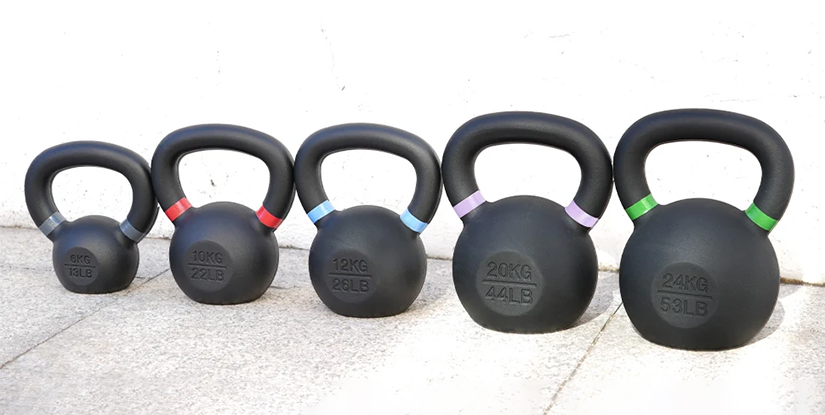
The following table illustrates how packaging efficiency directly influences your total procurement expenditure when selecting a custom branded kettlebell manufacturer.
| Procurement Factor | Standard Retail Packaging | Professional Export Packaging |
|---|---|---|
| Container Space Utilization | Low (High air gaps) | High (Optimized density) |
| Risk of Impact Damage | Moderate | Minimal (Reinforced structure) |
| Average Landed Cost per Unit | Higher due to volume | Lower due to efficiency |
| Unloading Efficiency | Standard | Optimized for pallet/bulk |
By prioritizing bulk shipping efficiency, importers can protect their margins against fluctuating freight rates. Selecting a factory that understands the nuances of heavy-load logistics allows you to maintain a consistent supply chain for your commercial clients.
To achieve the lowest possible landed cost, distributors must look beyond the unit price and evaluate the entire logistics chain. When ordering a 50 pound kettlebell, the density of the load determines whether you are paying for actual product or simply shipping empty air. A specialized China factory will provide customized solutions that prioritize both structural integrity and volumetric efficiency to safeguard your margins.
Strategic Palletization and Protection
Effective palletization is the difference between a streamlined warehouse intake and a costly logistics failure. For a heavy wholesale 50 pound kettlebell shipment, a professional commercial grade kettlebell supplier utilizes reinforced wooden or plastic pallets and heavy-duty corrugated master cartons. This systematic approach ensures high packaging density, allowing more units to fit within a standard 20ft or 40ft container without compromising the integrity of the iron or the finish.
Furthermore, advanced protective layering is essential for preventing surface damage and ensuring long-term quality. By implementing specialized internal dividers and shock-absorbent materials, a custom branded kettlebell manufacturer reduces the risk of metal-on-metal contact during transit. This level of breakage prevention is a vital component of risk management, as even a small percentage of damaged units can significantly erode the profitability of a bulk sourcing project.
When finalizing your next procurement cycle, we recommend requesting a detailed packing specification sheet. Confirming the exact carton dimensions, pallet height, and weight limits will allow your logistics team to accurately calculate the total shipping volume and optimize your container loading plan for maximum ROI.
When finalizing your next procurement cycle, we recommend requesting a detailed packing specification sheet. Confirming the exact carton dimensions, pallet height, and weight limits will allow your logistics team to accurately calculate the total shipping volume and optimize your container loading plan for maximum ROI.
Strategic Procurement: MOQ and Lead Time Planning
Efficient inventory planning is critical for distributors managing heavy lifting equipment. When sourcing a 50 pound kettlebell, understanding the relationship between volume and production scheduling ensures your warehouse remains stocked without excessive capital tie-up. A professional China factory operates on structured production cycles that fluctuate based on order complexity and global shipping windows.
Fluctuations in raw material availability or high-volume wholesale demand can impact the standard lead time. To avoid stockouts during peak seasons, buyers should align their sourcing strategy with a commercial grade kettlebell supplier that offers transparent scheduling. Most OEM orders require a specific MOQ to trigger customized production runs, which directly influences the total landed cost and delivery timeline.
| Order Type | Typical MOQ | Average Lead Time | Best Use Case |
|---|---|---|---|
| Standard Stock Order | Low | 2–4 Weeks | Immediate retail replenishment |
| Wholesale 50 pound kettlebell Bulk | Medium | 6–8 Weeks | Seasonal inventory buildup |
| Custom Branded Kettlebell Manufacturer (ODM) | High | 10–14 Weeks | Long-term brand identity launches |
For procurement leads, we recommend calculating a safety stock buffer to account for ocean freight variables. Contact our team to confirm the current MOQ for your specific 50 pound kettlebell requirements and to request a detailed production timeline for your next shipment.
Navigating the logistics of heavy steel equipment requires a clear understanding of how production models impact your capital expenditure. When engaging a custom branded kettlebell manufacturer, the decision between purchasing existing stock or initiating a bespoke production run depends on your brand's scale and long-term distribution goals.
Choosing between standard availability and customized manufacturing is a core part of high-level sourcing. While standard units offer speed, specialized production allows for unique branding and specific material configurations that strengthen your market position. Below is a breakdown of how different procurement paths influence your total landed cost and operational readiness.
| Procurement Model | Production Speed | Unit Cost Profile | Strategic Advantage |
|---|---|---|---|
| Standard Wholesale | Fast | Lower per-unit cost | Rapid inventory turnover |
| Private Label (OEM) | Moderate | Scalable volume discounts | Increased brand equity |
| Full Customization (ODM) | Longer | Optimized for massive scale | Unique market differentiation |
To optimize your procurement cycle, we suggest a multi-tiered approach: utilize standard units for immediate market demand and initiate ODM projects well in advance to secure specialized designs. We invite you to contact us to discuss your specific 50 pound kettlebell volume requirements, verify the current MOQ for custom colorways, and request a formal quotation for your upcoming container load.
Managing the logistics of high-density steel shipments requires a focus on both quality assurance and transport efficiency. For distributors, the risk of receiving damaged or underweight units can significantly erode profit margins. To mitigate these risks, a professional China factory integrates rigorous protocols into the manufacturing process to ensure every 50 pound kettlebell meets international commercial standards before it reaches the shipping container.
Quality Control and Export Packaging Standards
Standard procurement workflows must include a strict pre-shipment inspection to verify weight accuracy and casting integrity. A reliable commercial grade kettlebell supplier implements multi-stage checking, from raw material verification to the final finish of the handle. This oversight is essential for maintaining the reputation of your brand when delivering to premium gym operators.
Beyond internal quality, the way a 50 pound kettlebell is packaged determines its survival during long-haul ocean transit. Because these units are heavy and high-density, specialized export packaging is required to prevent metal-on-metal friction and rust during humidity shifts. We utilize heavy-duty reinforced cartons and palletization strategies designed to maximize container density while protecting the product finish.
To secure your next shipment, we recommend requesting a detailed packaging specification sheet. Our team is available to discuss custom palletization requirements, provide a formal quote for your next wholesale order, and coordinate a pre-shipment inspection to ensure your inventory arrives exactly as specified.