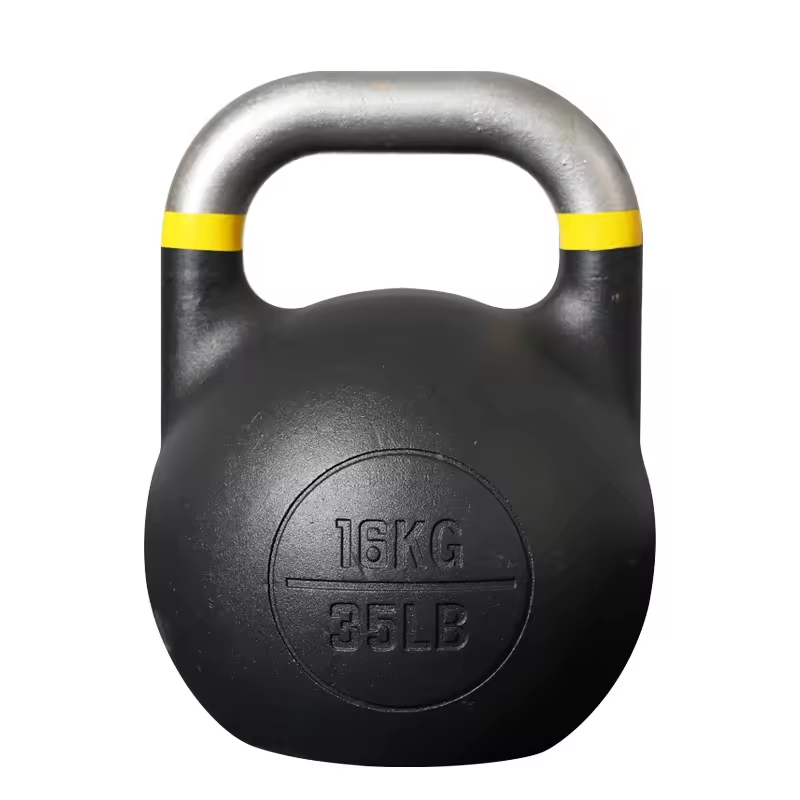
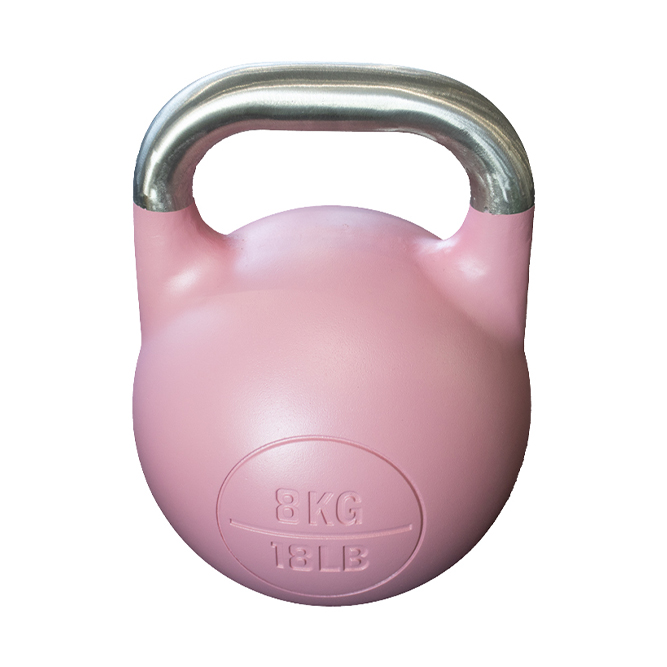
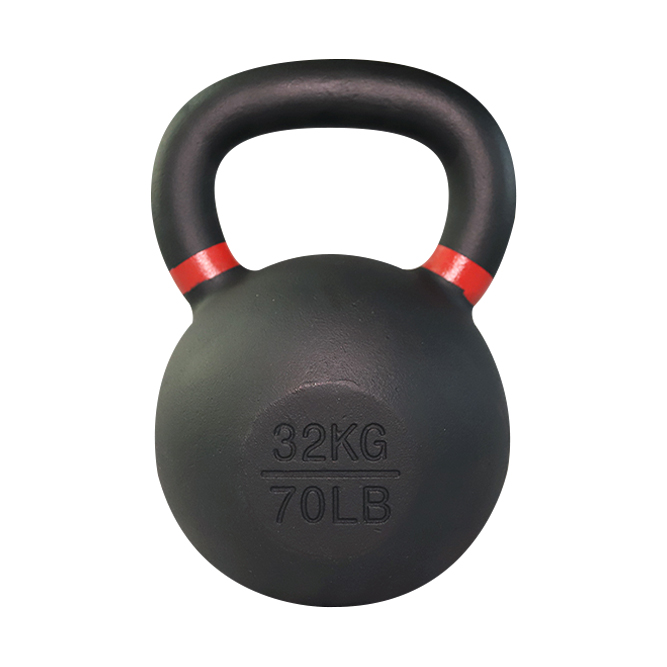
Kettlebell 16 Kg: Factory Direct Wholesale Export Supply
The Hidden Costs of Low-Quality Kettlebell 16 Kg Procurement
Distributors often face a critical choice between selecting the lowest unit price from unverified traders or investing in a reliable commercial kettlebell supplier with strict weight standards. Choosing low-tier units often results in higher long-term expenses due to weight discrepancies and rapid wear, whereas sourcing directly from a professional China factory ensures consistent specifications and lower total cost of ownership.
When managing high-volume inventory, even minor deviations in weight tolerance can compromise your professional reputation. If a kettlebell 16 kg unit arrives significantly underweight or off-center, it fails to meet commercial gym standards, leading to client dissatisfaction and potential returns. Furthermore, poor material selection leads to rapid material degradation, such as surface cracking or handle oxidation, which increases your replacement frequency and reduces your overall profit margins.
To mitigate these risks, professional importers prioritize wholesale gym equipment orders that undergo rigorous China factory QC protocols. By implementing strict pre-shipment inspections and verifying weight precision at the source, you stabilize your landed cost and protect your brand's reliability in the competitive fitness market.
Evaluating Long-Term Value: Direct Sourcing vs. Trading Stock
The true cost of procurement extends far beyond the initial invoice. For distributors and gym operators, the decision to source bulk kettlebell 16 kg orders through a direct manufacturer versus a general trading company can drastically alter your annual operational budget. While trading companies may offer lower initial quotes, they often lack the technical control required to guarantee material consistency and weight precision.
A comparison of procurement models reveals how quality-driven sourcing stabilizes your long-term expenses. High-quality units from a dedicated commercial kettlebell supplier offer superior durability, which reduces the frequency of replacement cycles and lowers long-term maintenance requirements for your clients. In contrast, low-quality stock often suffers from poor shipping stability and structural weaknesses, leading to unexpected replacement costs and diminished returns on your initial investment.
| Procurement Metric | Trading Company Stock | Factory-Direct Wholesale |
|---|---|---|
| Weight Precision | Variable/Inconsistent | Strict Commercial Standards |
| Replacement Frequency | High (Due to wear/damage) | Low (High durability) |
| Maintenance Load | Frequent Surface/Handle Care | Minimal (Industrial Grade) |
| Shipping Stability | Unverified Packaging | Optimized for Export |
| Long-Term TCO | High (Hidden Replacement Costs) | Optimized (Low Lifecycle Cost) |
To ensure your inventory meets professional expectations, we recommend requesting a detailed specification sheet and confirming the MOQ for your next batch. Our team can also provide details regarding custom branding or OEM capabilities to help you build a distinct brand identity in your local market.
Optimizing your procurement strategy requires a shift from focusing on the lowest unit price to analyzing the total lifecycle value of your inventory. For large-scale distributors, the most efficient way to scale is through direct sourcing from a specialized manufacturer that understands the nuances of international export and professional weight tolerances. By establishing a partnership with a capable supplier, you can move beyond the volatility of unverified markets and secure a stable supply chain for your core product lines.
Reliable kettlebell 16 kg production requires precise control over both casting density and surface finishing. When you choose to work with an experienced factory, you gain access to standardized manufacturing processes that ensure every unit in a high-volume shipment meets the same rigorous specifications. This level of consistency is essential for maintaining your reputation as a provider of premium professional gym equipment, as it prevents the logistical headaches of weight-related disputes and product returns.
To finalize your procurement planning, we invite you to contact our team to request a full product specification sheet, discuss current MOQ requirements, or initiate a sample approval process. Whether you are looking for standard wholesale stock or require specialized OEM services to develop your own private label, our facility is equipped to support your commercial expansion and long-term growth objectives.
Standardizing Weight Precision for Commercial Kettlebell Supplier Selection
For distributors and gym operators, the primary risk in bulk procurement is weight inconsistency. A reliable kettlebell 16 kg must meet strict weight tolerance standards to ensure professional training integrity. When sourcing from a commercial kettlebell supplier, precision is not just a technical detail; it is a safeguard against high replacement costs and diminished brand reputation in high-traffic facilities.
Low-quality batches often suffer from uneven casting or inaccurate weight distribution, which can lead to uneven wear during high-volume usage. By prioritizing factory-direct quality control, importers can ensure that every unit in a bulk kettlebell 16 kg shipment adheres to industry-standard specifications, reducing the total cost of ownership and long-term maintenance overhead.
| Procurement Factor | Factory-Direct Sourcing | Standard Trading Company |
|---|---|---|
| Weight Tolerance Control | Strict adherence to spec | Variable consistency |
| Custom Branding (OEM) | Direct integration | Limited capability |
| Landed Cost Efficiency | Optimized for bulk | Higher markup |
| Quality Inspection | Direct factory QC access | Third-party reliance |
Selecting the right wholesale gym equipment partner requires looking beyond the initial unit price. A professional supplier provides transparency regarding the manufacturing process and the ability to conduct pre-shipment inspections. This level of oversight is essential for maintaining a consistent inventory of kettlebell 16 kg units that can withstand the rigorous demands of commercial environments without frequent replacement.
Professional procurement leads must evaluate the structural integrity of the casting process to avoid the hidden costs of defective batches. High-tier manufacturing utilizes advanced casting techniques to ensure the density of the iron is uniform, which is critical for maintaining the center of gravity. When sourcing a kettlebell 16 kg, the difference between a standard unit and a commercial-grade unit lies in the precision of the surface finish and the durability of the handle coating.
Inferior production methods often result in surface irregularities or brittle handles that fail under heavy use, increasing the maintenance load for facility managers. To mitigate these risks, experienced buyers focus on a commercial kettlebell supplier that utilizes industrial-grade materials and consistent heat treatment processes. This ensures the handle remains ergonomic and the cast body remains resistant to chipping during high-impact movements.
To ensure your inventory meets international standards, we recommend requesting a technical specification sheet or a sample evaluation before finalizing a large-scale order. Our factory can provide detailed documentation regarding the material composition and weight deviation tolerances. For distributors looking to scale, we offer comprehensive support for wholesale procurement, including customized packaging and strict pre-shipment inspections to guarantee your landed cost remains optimized and your product quality remains consistent.
Professional procurement leads must evaluate the structural integrity of the casting process to avoid the hidden costs of defective batches. High-tier manufacturing utilizes advanced casting techniques to ensure the density of the iron is uniform, which is critical for maintaining the center of gravity. When sourcing a kettlebell 16 kg, the difference between a standard unit and a commercial-grade unit lies in the precision of the surface finish and the durability of the handle coating.
Inferior production methods often result in surface irregularities or brittle handles that fail under heavy use, increasing the maintenance load for facility managers. To mitigate these risks, experienced buyers focus on a commercial kettlebell supplier that utilizes industrial-grade materials and consistent heat treatment processes. This ensures the handle remains ergonomic and the cast body remains resistant to chipping during high-impact movements.
To ensure your inventory meets international standards, we recommend requesting a technical specification sheet or a sample evaluation before finalizing a large-scale order. Our factory can provide detailed documentation regarding the material composition and weight deviation tolerances. For distributors looking to scale, we offer comprehensive support for wholesale procurement, including customized packaging and strict pre-shipment inspections to guarantee your landed cost remains optimized and your product quality remains consistent.
Optimizing Inventory with Bulk Kettlebell 16 Kg Orders
Distributors and gym equipment importers often face the challenge of balancing stock variety with high turnover rates. Sourcing a kettlebell 16 kg directly from a China factory allows for significant margin optimization by eliminating middleman markups. When managing high-volume inventory, understanding the total landed cost—including manufacturing, ocean freight, and customs duties—is essential for maintaining a competitive edge in the North American market.
Rely$ing on a commercial kettlebell supplier that offers factory-direct pricing ensures that your capital is not tied up in overpriced stock. By negotiating a specific MOQ for a bulk kettlebell 16 kg order, procurement managers can achieve better shipping efficiency through optimized container loading, effectively reducing the per-unit cost of wholesale gym equipment.
| Sourcing Model | Primary Advantage | Typical Impact on Landed Cost | Best For |
|---|---|---|---|
| Local Retail Distributor | Rapid fulfillment | High unit cost due to multiple margins | Small boutique studios |
| International Trading Company | Simplified logistics | Moderate cost with added service fees | Mid-sized gym chains |
| Direct Factory Sourcing | Maximum margin potential | Lowest cost through direct production | Large-scale distributors and importers |
Choosing the correct procurement model directly dictates your ability to scale. While trading companies offer convenience, they often introduce variables in price stability and weight precision. For professional buyers, a kettlebell 16 kg sourced through a direct manufacturer provides more control over the technical specifications and the long-term reliability of the product line.
Evaluating Procurement Efficiency and Control
A common pitfall in global sourcing is failing to account for the lack of direct oversight when working with secondary agents. This often results in inconsistent weight tolerances or delayed timelines during peak seasons. By establishing a direct relationship with a wholesale gym equipment manufacturer, you gain access to transparent production schedules and rigorous quality standards that are often diluted in the trading model.
| Procurement Dimension | Trading Company Model | Direct Factory Model |
|---|---|---|
| Price Stability | Subject to agent markup fluctuations | Stable based on raw material indices |
| Quality Control | Limited to third-party inspections | In-house QC and pre-shipment audits |
| Customization (OEM) | Limited to existing catalog items | High capability for private label and ODM |
| Lead Time Control | Dependent on agent coordination | Direct oversight of production cycles |
| Minimum Order (MOQ) | Lower, but with higher unit costs | Higher, but optimized for bulk margins |
To ensure your inventory meets commercial standards, we recommend requesting a technical specification sheet and a formal quote for your specific bulk kettlebell 16 kg requirements. For large-scale distribution, you may also request a factory audit or a sample evaluation to verify weight consistency and coating durability before finalizing your purchase order.
To mitigate long-term inventory risks, procurement specialists must prioritize standardized export packaging and weight precision. When importing a kettlebell 16 kg, even minor deviations in weight tolerance can lead to significant compliance issues and customer dissatisfaction in the commercial sector. A professional commercial kettlebell supplier mitigates these risks by implementing rigorous pre-shipment inspections and standardized weight-checking protocols. This level of oversight ensures that every unit in a high-volume shipment meets the exact specifications required for professional strength and conditioning environments.
Effective logistics optimization also depends on how products are consolidated for international transit. Utilizing high-density, reinforced export packaging allows for more efficient container loading, which is a critical factor in reducing the landed cost of a bulk kettlebell 16 kg order. By optimizing the spatial footprint of each unit and the shipping carton, distributors can improve their inventory turnover and maximize the utility of every cubic meter in a sea container. For those managing large-scale wholesale gym equipment distribution, these small efficiencies in packaging and weight consistency directly translate into higher profit margins and a more reliable supply chain.
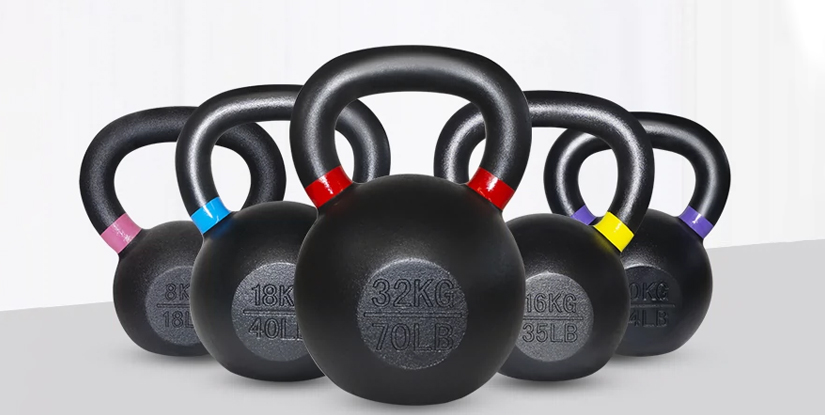
Custom Branding and OEM Capabilities for Wholesale Gym Equipment
Distributors and gym owners often face the challenge of differentiating their inventory in a crowded market. Relying on generic, unbranded products can limit your ability to build long-term brand equity. By utilizing OEM and ODM services, you can transition from a simple reseller to a recognized equipment provider, enhancing your market position and increasing per-unit value.
Our factory provides comprehensive custom branding solutions designed to meet the specific identity requirements of your business. Whether you are launching a boutique fitness line or scaling a large-scale distribution network, we offer the technical infrastructure to produce a high-quality kettlebell 16 kg that carries your unique mark. This private label approach ensures that your customers associate the durability and precision of the weight with your specific brand name.
Technical Customization for the 16 Kg Standard
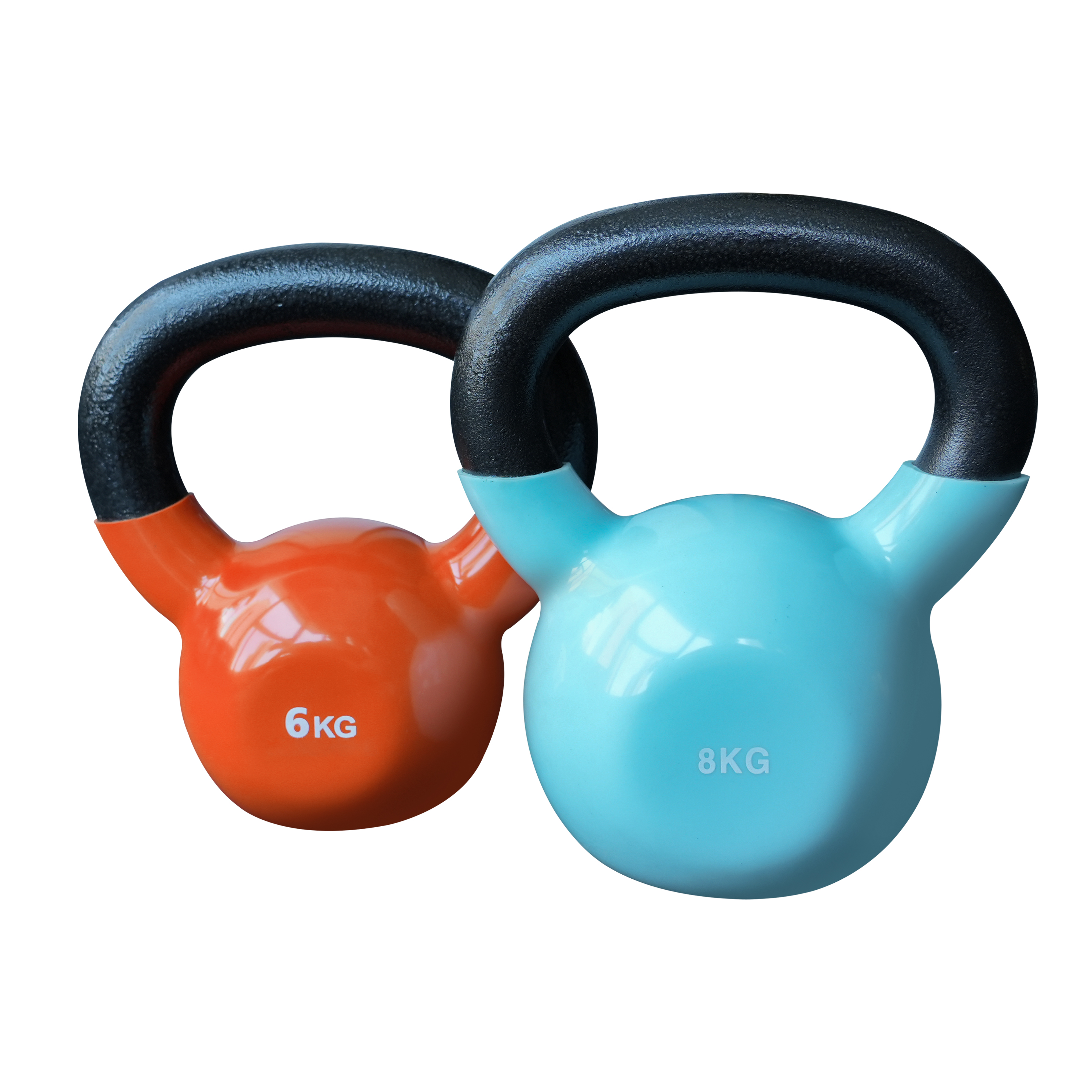
Standardization is critical for commercial-grade equipment, yet customization allows for market-specific differentiation. When sourcing high-volume orders, you can specify various technical configurations to match your brand's aesthetic and functional needs. Our color/material customization options allow you to select from different finishes—such as powder-coated steel, cast iron, or high-density urethane—to suit your target price point and durability requirements.
For those looking to optimize their wholesale gym equipment catalog, we offer several tiers of customization. This includes precision etching of logos on the kettlebell body or custom color schemes for the handles, ensuring your kettlebell 16 kg units stand out in a professional training environment. These options are engineered to maintain strict weight tolerances while providing the visual distinction necessary for premium branding.
| Customization Tier | Branding Method | Material Options | Target Market |
|---|---|---|---|
| Standard Wholesale | Generic or Small Logo | Cast Iron / Powder Coated | Budget Gyms / General Retail |
| Premium Private Label | Full Color/Material Integration | Urethane / Neoprene / Steel | Boutique Studios / High-End Chains |
| Full ODM Specification | Complete Product Design | Custom Industrial Alloys | Large-Scale Global Distributors |
Understanding the trade-offs between standard procurement and full-scale customization is essential for effective inventory management. Choosing the right path depends on your specific business model, whether you are a high-volume distributor or a specialized boutique equipment provider. A professional commercial kettlebell supplier must offer clarity on how these different sourcing tiers impact your landed cost, branding authority, and logistical requirements.
The following comparison outlines the operational differences between standard stock orders and advanced customization to assist your procurement planning. When managing a bulk kettlebell 16 kg order, consider how your chosen tier aligns with your current lead time capacity and branding objectives.
| Procurement Dimension | Standard Wholesale Order | Full OEM/ODM Customization |
|---|---|---|
| Branding Depth | Generic or standard logo placement | Full private label and custom aesthetics |
| Customization Level | Fixed material and color specifications | Custom handle textures, colors, and finishes |
| Typical MOQ | Lower thresholds for standard stock | Higher requirements for custom production |
| Lead Time | Short; based on existing factory inventory | Extended; includes design and tooling phases |
| Primary Use Case | Rapid replenishment of standard stock | Building long-term brand identity |
For distributors seeking to optimize their wholesale gym equipment portfolio, selecting the appropriate level of customization can significantly influence your competitive edge. While standard orders provide faster turnaround, the kettlebell 16 kg produced via full ODM services offers the unique product differentiation required for premium market positioning. We recommend contacting our team to confirm the specific MOQ and lead time requirements for your customized project before finalizing your procurement schedule.
Maintaining product consistency is a primary concern for professional buyers managing large-scale imports. When sourcing a kettlebell 16 kg in volume, any deviation in weight or finish can lead to significant returns and damaged distributor margins. To mitigate these risks, our factory implements a multi-stage inspection protocol that ensures every unit meets strict commercial-grade specifications before it enters the export pipeline.
Our quality control process focuses on two critical pillars: weight tolerance and structural integrity. Each batch of bulk kettlebell 16 kg units undergoes rigorous calibration to ensure the weight remains within the industry-standard tolerance levels required for professional training. This precision prevents the logistical headaches and customer disputes often associated with low-quality wholesale gym equipment sourced from unverified manufacturers.
Pre-Shipment Inspection and Export Packaging
Efficient logistics management is essential to reducing your total landed cost. We utilize specialized export packaging designed to withstand the rigors of long-distance maritime shipping and multiple handling points. This includes high-density cardboard reinforcement and protective coatings to prevent oxidation or surface damage during transit. For distributors, this means receiving inventory that is ready for immediate retail display or warehouse shelving without the need for secondary processing.
To ensure maximum shipping efficiency, we offer optimized container loading configurations. Whether you are ordering a full container load or a smaller MOQ, our logistics team calculates the most space-efficient arrangement to maximize your volume-to-freight ratio. This strategic approach helps professional buyers optimize their shipping costs and manage warehouse space more effectively. We recommend requesting a detailed loading plan during your initial sourcing consultation to align your logistics planning with our production timelines.
| Logistics Focus | Standard Export Protocol | Premium Commercial Standard |
|---|---|---|
| Weight Verification | Visual and manual check | Precision calibrated weight tolerance |
| Packaging Type | Standard corrugated box | Reinforced heavy-duty export carton |
| Surface Protection | Basic coating | Anti-oxidation and impact-resistant finish |
| Container Loading | Standard palletization | Optimized volume-density configuration |
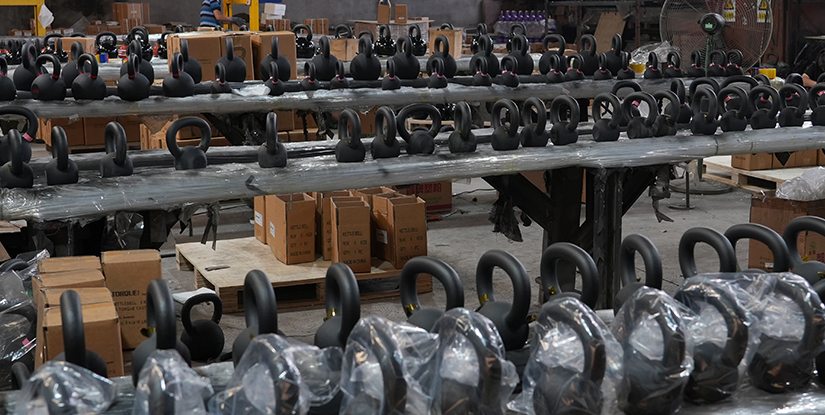
By integrating strict QC standards with professional export logistics, we provide a reliable supply chain solution for global importers. If you are currently evaluating your next batch of kettlebell 16 kg, please contact us to request a technical specification sheet, confirm current MOQ, or schedule a factory audit to verify our production capabilities firsthand.
Quality Control and Export Packaging Standards in China Factory Sourcing
Maintaining strict weight precision is a critical requirement for professional distributors and gym operators. When sourcing a kettlebell 16 kg, discrepancies in mass can compromise the professional integrity of a commercial facility and lead to high return rates. A reliable commercial kettlebell supplier must implement rigorous testing protocols to ensure every unit meets the exact specifications required for high-performance training environments.
Inconsistent manufacturing leads to significant logistical headaches and increased landed cost through damaged goods or weight mism laisons. To mitigate these risks, a professional China factory utilizes systematic pre-shipment inspection processes. This includes verifying the weight tolerance of each kettlebell 16 kg unit against industry-standard commercial grade benchmarks. By ensuring weight consistency across the entire bulk kettlebell 16 kg shipment, importers can maintain higher distributor margins and minimize the need for replacement inventory.
Beyond weight accuracy, specialized export packaging is essential for long-distance sea freight. High-density foam protection and reinforced corrugated cartons are standard for wholesale gym equipment to prevent surface scuffs or structural damage during transit. This attention to detail ensures that the product arrives at your warehouse in optimal condition, ready for immediate distribution or retail display.
Technical Comparison of Packaging and Logistics Specifications
To ensure efficient inventory management and minimize damage-related losses, procurement managers should evaluate the specific logistics capabilities of their chosen partner. Standardized export packaging protocols are essential when importing heavy iron or cast iron products to maintain a low landed cost and ensure product integrity upon arrival at your distribution center.
| Packaging & Logistics Specification | Standard Wholesale Tier | Premium OEM/ODM Tier |
|---|---|---|
| Primary Unit Protection | Single unit protective film or thin foam wrap | Individual high-density foam or heavy-duty shrink wrap |
| Outer Container Type | Standard corrugated carton (single wall) | Reinforced double-wall corrugated carton |
| Bulk Unit Arrangement | Loose grouping within carton | Precision-fitted dividers or structural inserts |
| Palletization Standard | Standard wooden pallet with basic strapping | Heat-treated ISPM 15 pallet with heavy-duty corner protectors |
| Sea Freight Protection | มีการใช้ edge protectors และ stretch film สำหรับการขนส่งระยะไกลComprehensive multi-layer stretch wrap and edge guard protection |
Choosing a professional commercial kettlebell supplier means prioritizing these structural safeguards. Whether you are ordering a small bulk kettlebell 16 kg shipment or a full container load, the quality of the palletization and the strength of the sea freight protection directly impact your warehouse receiving efficiency. A well-structured wholesale gym equipment shipment reduces the risk of dented handles or surface oxidation, protecting your long-term ROI. We recommend confirming the specific pallet dimensions and weight-per-carton capacity with your supplier during the initial sourcing phase to optimize your container loading plans.
Optimizing Sea Freight and Documentation for Smooth Customs Clearance
Efficient sourcing requires more than just product selection; it demands a deep understanding of the logistical chain to prevent unexpected delays. For a distributor or large-scale importer, the primary concern during international transit is the synchronization of shipping documents and the reduction of total landed cost. A professional China factory provides standardized documentation—including commercial invoices, packing lists, and certificates of origin—to ensure that every kettlebell 16 kg shipment clears customs without friction. Missing or inaccurate paperwork can lead to costly demurrage fees at the port, which quickly erodes your profit margins.
To maximize container utilization and reduce the frequency of shipments, we recommend coordinating with your supplier to align MOQ requirements with standard shipping volumes. Whether you are utilizing LCL (Less than Container Load) for smaller replenishment or FCL (Full Container Load) for major stock expansions, understanding the lead time for sea freight is essential for maintaining warehouse efficiency. By planning your wholesale gym equipment orders around optimized container loading patterns, you can reduce the per-unit shipping expense and ensure a steady flow of inventory to your facility. We invite you to contact us to request a detailed spec sheet, confirm your specific MOQ, or discuss customized loading plans for your next bulk order.
Strategic Sourcing: MOQ and Lead Time Management
Optimizing your procurement strategy requires a precise understanding of how order volumes influence both the kettlebell 16 kg unit price and the total landed cost. For distributors and large-scale gym operators, managing the balance between inventory availability and capital expenditure is critical for maintaining healthy margins.
When engaging in China factory sourcing, procurement professionals must account for the direct correlation between order scale and logistics efficiency. Increasing your order size typically lowers the per-unit cost and optimizes container utilization, which is a vital factor when importing wholesale gym equipment globally. A higher MOQ allows the factory to streamline production runs, reducing the overhead associated with small-batch manufacturing and setup changes.
Failure to align your procurement cycles with realistic lead time expectations can result in stockouts or excessive warehousing costs. By planning bulk kettlebell 16 kg orders well in advance, importers can better navigate shipping fluctuations and ensure a consistent supply chain. We recommend coordinating closely with your supplier to align production schedules with your specific seasonal demand or project launch timelines.
Evaluating Sourcing Models for Procurement Efficiency
To maximize distributor margins and control the supply chain, it is essential to differentiate between various procurement channels. A technical comparison of sourcing structures helps decision-makers evaluate how different models impact production capacity and customization capabilities.
| Sourcing Model | Primary Focus | Customization Potential | Typical Lead Time | Best For |
|---|---|---|---|---|
| Direct Factory | Cost Optimization | High (Full OEM/ODM) | Medium to Long | Large-scale distributors |
| Trading Company | Product Variety | Low to Medium | Short to Medium | Small studio owners |
| Stock Wholesale | Rapid Fulfillment | None (Standardized) | Very Short | Immediate replenishment |
For organizations requiring a specific kettlebell 16 kg specification, such as custom color coding or private label branding, working with a direct commercial kettlebell supplier is the most effective route. While a factory might require a higher MOQ to initiate specialized production lines, the ability to execute OEM or ODM requests ensures that your brand identity remains consistent across your entire product catalog.
When planning international shipments, consider that specialized production for custom orders will inherently extend the total lead time compared to purchasing standard stock. We advise procurement leads to confirm production capacity and shipping logistics schedules during the initial inquiry phase to avoid unexpected delays in the global supply chain.
Quality Assurance and Export Logistics Standards
Maintaining strict weight tolerances is a non-negotiable requirement for professional fitness distributors. A single inconsistent batch can damage your brand reputation and increase returns. To mitigate this risk, a professional commercial kettlebell supplier must implement a rigorous QC protocol that begins at the raw material stage and continues through the final production cycle. This ensures that every kettlebell 16 kg unit meets the exact density and balance specifications required for commercial use.
Our factory utilizes a multi-stage verification process. This includes precision weight checks, surface finish inspections, and handle ergonomic testing. Before any container is sealed, a formal pre-shipment inspection is conducted to verify that the physical product matches the approved sample. This level of oversight is critical for high-volume importers to ensure that the inventory arriving at their destination aligns perfectly with the initial purchase order.
Logistics efficiency is further secured through standardized export packaging designed for long-distance maritime transit. To protect the integrity of the cast iron or coated surfaces, we utilize heavy-duty reinforced cartons and optimized palletization techniques. This strategic approach to packing maximizes container density while minimizing the risk of impact damage, effectively reducing the total landed cost by optimizing shipping volume and ensuring product arrival in pristine condition.