Adjustable Competition Kettlebell Wholesale & Export
Maximizing SKU Efficiency Through Adjustable Weight Systems
Before finalizing a procurement order, professional distributors must evaluate three critical checkpoints: mitigating supply chain risk, verifying technical specifications, and optimizing international logistics. For high-volume importers, the decision to transition from fixed-weight sets to a single adjustable competition kettlebell system is a strategic move to safeguard profit margins. By consolidating multiple weight increments into one versatile unit, buyers achieve significant SKU optimization, which directly alleviates the burden of managing fragmented stock profiles. This approach ensures a much higher inventory turnover rate, as a single versatile product satisfies a wider range of client needs than dozens of static options.
From a procurement standpoint, moving toward an adjustable cast iron kettlebell model facilitates massive capital expenditure (CAPEX) reduction. Instead of investing heavily in diverse, non-liquid assets, your capital remains fluid. Partnering with a specialized commercial adjustable kettlebell supplier allows you to minimize warehousing costs and streamline shipping volumes. By replacing a massive array of competition grade weight bell units with a high-performance adjustable competition kettlebell system, you reduce the complexity of your logistics while maximizing the ROI of your initial investment.
Comparative Economic Impact: Fixed vs. Adjustable Systems
To quantify the fiscal advantages of modernizing your inventory, procurement officers must analyze the total cost of ownership. Traditional fixed-weight sets demand high upfront capital and extensive warehouse space, whereas an adjustable competition kettlebell offers a superior cost-efficiency ratio. By consolidating multiple weight increments into a single SKU, distributors realize substantial logistics savings through reduced shipping volumes and lower storage overhead.
| Metric | Traditional Fixed Sets | Adjustable Cast Iron Kettlebell |
|---|---|---|
| SKU Density | High (15+ Units) | Low (1 Versatile Unit) |
| Storage Footprint | Extensive/Bulky | Compact/Optimized |
| Initial CAPEX | High Volume/High Cost | Streamlined/Optimized |
| Logistics Complexity | High (Multiple Shipments) | Minimal (Single Unit) |
Selecting a high-caliber competition grade weight bell ensures that your investment remains durable and high-value. Our factory-direct models allow importers to maximize profit margins by reducing the physical and financial footprint of their product lines.
Ensuring Long-Term ROI Through Scalable Manufacturing
For large-scale gym fit-outs and international distributors, the economic viability of a product line hinges on more than just unit price; it depends on commercial-grade reliability and the ability to scale. A frequent pitfall in wholesale procurement is selecting low-tier alternatives that fail under rigorous usage, leading to high replacement costs and damaged brand reputation. To mitigate this, we provide a robust high-durability solution backed by comprehensive QC documentation. Every adjustable competition kettlebell undergoes rigorous testing to ensure it meets the structural integrity required for professional environments, securing a superior long-term ROI for your clients.
Furthermore, our factory capacity is engineered to support high-volume orders without compromising lead times or precision. Whether you are managing a single boutique gym rollout or a massive multi-facility distribution contract, our supply chain is designed for consistency. By sourcing directly from a manufacturer with proven commercial adjustable kettlebell supplier credentials, you eliminate the volatility often found in middle-tier trading. This structural stability ensures that your inventory remains a dependable, high-performance asset rather than a recurring liability.
Solving Floor Space Constraints with High-Density Competition Gear
For large-scale fitness operators and distributors, real estate is often the highest overhead cost. Traditional weight sets require massive footprints and extensive storage racks, which can hinder commercial gym layout optimization. By integrating an adjustable competition kettlebell into your inventory, you provide clients with a versatile solution that replaces dozens of individual units with a single, compact system. This high-density gear approach allows facility managers to maximize their usable square footage, shifting the focus from cluttered storage areas to active training zones.
Investing in an adjustable cast iron kettlebell offers superior space-saving benefits and a much higher ROI compared to static sets. Instead of managing multiple SKUs and bulky racks, a commercial adjustable kettlebell supplier like us provides a streamlined system that scales with the user's needs. This efficiency is critical for boutique studios and high-traffic training centers where floor space is at a premium.
| Storage Configuration | Footprint Requirement | Inventory Complexity | Procurement Efficiency |
|---|---|---|---|
| Standard Static Sets | High (Multiple Racks) | High (Many SKUs) | Low |
| Adjustable Competition Kettlebell | Minimal (Compact Unit) | Low (Single SKU) | High |
| Competition Grade Weight Bell (Fixed) | Moderate to High | Moderate | Medium |
Beyond spatial efficiency, long-term procurement success depends on the physical integrity of the equipment. A low-quality unit fails under the high-volume stress of commercial environments, leading to frequent replacement costs and client dissatisfaction. Our adjustable cast iron kettlebell series is engineered to mitigate these risks through rigorous durability standards. Each competition grade weight bell is manufactured using a high-density construction process, ensuring the internal weight mechanisms remain stable and precise even under heavy impact or high-frequency use.
For international distributors and gym owners, reliability is non-negotiable. We utilize premium-grade iron and reinforced housing to prevent structural fatigue, ensuring that each adjustable competition kettlebell maintains its calibration over thousands of cycles. By prioritizing high-density materials, our factory delivers a product that withstands the rigors of professional training, providing a robust asset that justifies its long-term value in any high-traffic facility.
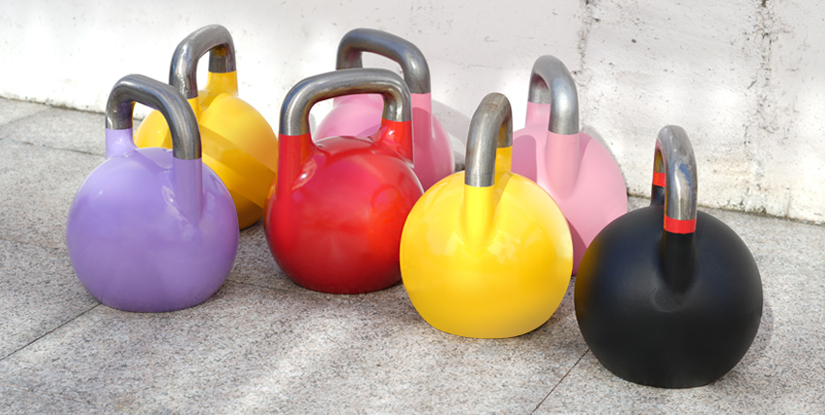
To assist your procurement team in evaluating the long-term value proposition, we have provided a technical comparison table below. This data highlights the footprint ratio and weight versatility differences between traditional inventory and our modular systems. When sourcing from a commercial adjustable kettlebell supplier, understanding these metrics is essential for optimizing both logistics costs and client floor space.
| Metric Category | Standard Fixed Set | Adjustable Competition Kettlebell |
|---|---|---|
| Footprint Ratio | High (Requires extensive rack space) | Ultra-Low (Single compact storage area) |
| Weight Versatility | Limited (One weight per unit) | High (Multiple increments per unit) |
| SKU Management | Complex (High volume of individual items) | Streamlined (Single high-performance SKU) |
| Shipping Volume | Bulky/High Volume | Optimized/High Density |
Choosing a competition grade weight bell with adjustable capabilities allows distributors to offer a premium, space-efficient product line without the logistical burden of heavy, static iron sets. This transition from traditional adjustable cast iron kettlebell models to high-density modular systems ensures your clients receive professional-grade equipment that scales effortlessly with their training requirements.
Sourcing High-Durability Adjustable Cast Iron Kettlebells for Global Export
For commercial gym operators and large-scale distributors, the primary concern is not just weight precision, but long-term structural reliability. A low-quality adjustable competition kettlebell often fails under the rigors of high-traffic functional training environments. To mitigate the risk of mechanical failure or surface degradation, procurement specialists must prioritize an adjustable cast iron kettlebell engineered with high-density materials. Our manufacturing process focuses on maintaining exceptional structural integrity, ensuring that the internal locking mechanisms can withstand repetitive load changes without loosening.
In the competitive B2B landscape, sourcing equipment with high-impact resistance is non-negotiable. Each competition grade weight bell we export undergoes rigorous stress testing to ensure it meets commercial grade durability standards. By selecting a commercial adjustable kettlebell supplier that utilizes premium cast iron and reinforced steel components, buyers can reduce replacement cycles and long-term maintenance costs, ensuring a reliable return on investment for their global fitness clients.
To meet the stringent requirements of international gym installations, our production protocols go beyond basic assembly. We implement advanced manufacturing precision through CNC-machined components, ensuring that every adjustable competition kettlebell maintains perfect balance and weight distribution. This level of technical accuracy is vital for high-performance training environments where even slight deviations can compromise user safety.
As a dedicated commercial adjustable kettlebell supplier, we provide complete transparency through strict QC documentation for every bulk order. Our quality assurance framework includes comprehensive material testing—from hardness checks on the cast iron to durability assessments of the weight-adjustment tracks. By adhering to global export standards, we ensure that every shipment arriving at your warehouse or distribution center meets the highest benchmarks for structural reliability. This rigorous approach minimizes the risk of defective units, protecting your reputation and ensuring seamless large-scale deployments across diverse fitness markets.
To facilitate informed procurement, we have outlined the technical specifications that differentiate a high-performance adjustable competition kettlebell from standard consumer-grade alternatives. For high-volume distributors, understanding these material properties is essential for calculating the long-term ROI of a gym installation.
| Material/Component | Durability Factor | Impact on Long-Term ROI |
|---|---|---|
| Adjustable Cast Iron Kettlebell Core | High density & impact resistance | Minimizes cracking and structural fatigue in high-traffic zones. |
| Industrial Powder Coating | Advanced wear resistance | Prevents oxidation and maintains aesthetic value under heavy use. |
| Precision Locking Mechanism | High weight stability | Red-line safety compliance; prevents weight shifting during swings. |
Investing in a premium competition grade weight bell ensures that your inventory remains a reliable asset rather than a maintenance liability. By prioritizing an adjustable cast iron kettlebell with reinforced mechanical parts, gym owners can significantly extend the equipment lifecycle, reducing the frequency of costly replacements and ensuring consistent performance for professional athletes.
Technical Standards for Competition Grade Weight Bell Procurement
To protect your long-term B2B investment, procurement managers must prioritize the technical upkeep of high-performance equipment. Maintaining an adjustable competition kettlebell requires more than basic cleaning; it demands a strict regimen to preserve the precision of the weight increments. For distributors, ensuring weight plate integrity is vital to prevent mechanical failure during high-volume gym use.
The primary challenge with an adjustable cast iron kettlebell is environmental exposure. To prevent oxidation, facility managers must implement consistent rust prevention protocols, such as applying a thin layer of silicone-based lubricant to the moving parts and adjustment mechanisms. Furthermore, regular surface coating maintenance is essential to prevent the chipping of the powder coat or enamel. By enforcing these standards, wholesalers can ensure that every competition grade weight bell remains in peak condition, reducing replacement costs and maximizing the lifecycle of the inventory supplied by a reliable commercial adjustable kettlebell supplier.
Mechanical Integrity and QC Verification Standards
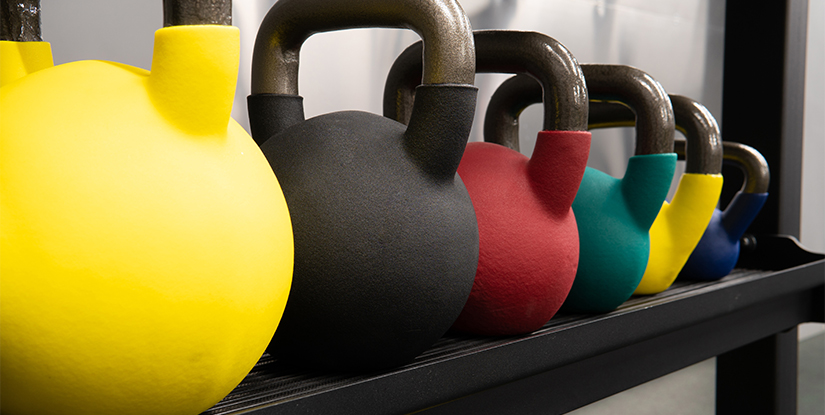
To mitigate the risk of mechanical failure in high-traffic commercial environments, sourcing agents must demand rigorous technical validation. Unlike standard fitness gear, an adjustable competition kettlebell relies on precise engineering to ensure safety during high-velocity movements. Discrepancies in mechanical tolerance or unstable locking mechanism stability can lead to catastrophic weight shifts, increasing liability for gym owners. We recommend that distributors require a comprehensive technical dossier from their commercial adjustable kettlebell supplier to verify that every unit meets international strength-to-weight ratios and structural durability standards.
The following table outlines the essential technical specifications required during your procurement audit to ensure long-term product reliability:
| Technical Parameter | Standard Requirement | Verification Method |
|---|---|---|
| Material Density | Uniform high-density cast iron/steel | Ultrasonic testing/Density measurement |
| Mechanical Tolerance | ±0.5% weight variance limit | Calibrated precision scale audit |
| Locking Mechanism Stability | Zero-slip engagement under load | Dynamic impact stress testing |
| QC Documentation | Full Batch Test Reports (BTR) | Material Mill Certificates & ISO compliance |
Ensuring these QC documentation requirements are met during the factory inspection phase protects your brand reputation and minimizes the frequency of warranty claims in the international market.
Logistics Optimization and Bulk Storage Protocols
For large-scale distributors and gym franchises, the lifecycle management of an adjustable competition kettlebell extends far beyond the initial delivery. Efficient bulk storage protocols are critical to preventing inventory degradation during long-term warehousing. We advise procurement officers to mandate strict humidity control within all fulfillment centers; excessive moisture exposure can compromise the precision components of an adjustable cast iron kettlebell, leading to internal oxidation or mechanical seizure.
Furthermore, your commercial adjustable kettlebell supplier must demonstrate excellence in shipping durability. High-volume shipments require reinforced, moisture-resistant packaging to withstand the rigors of international transit and varying climate zones. To maintain high resale value and operational safety, ensure your MOQ maintenance standards include periodic inspections of packaging integrity and structural stability. By integrating these rigorous logistics-related maintenance steps into your supply chain, you mitigate the risk of receiving damaged goods and ensure your competition grade weight bell inventory remains market-ready for global distribution.
Optimizing Total Cost of Ownership via Commercial Adjustable Kettlebell Suppliers
For facility managers and gym distributors, the initial procurement cost is only one variable in the long-term financial equation. Transitioning from a massive inventory of fixed-weight sets to a streamlined selection of the adjustable competition kettlebell significantly enhances gym floor space optimization. Instead of allocating hundreds of square feet to accommodate dozens of static SKUs, a single adjustable cast iron kettlebell unit covers a vast range of weight increments, freeing up premium real estate for high-margin functional training zones.
This strategic shift drives superior ROI by minimizing redundant capital expenditure. Rather than reinvesting in new weight sets as your clientele progresses, a high-quality competition grade weight bell scales alongside your members. This reduces the frequency of large-scale reorders and lowers the logistical burden on your warehouse or showroom. By sourcing from a reliable commercial adjustable kettlebell supplier, you trade high-volume, low-utility inventory for high-utility, space-efficient assets that offer genuine long-term cost savings.
| Procurement Factor | Fixed Weight Sets | Adjustable Competition Models |
|---|---|---|
| Inventory Footprint | High (Multiple SKUs) | Low (Single Unit Versatility) |
| Capital Expenditure | Frequent Upgrades Needed | One-Time High-Utility Investment |
| Space Utilization | Extensive Storage Required | Optimized for Floor Space |
| Logistics Complexity | High Shipping/Storage Costs | Streamlined B2B Sourcing |
Beyond space efficiency, true profitability hinges on the durability and technical precision of your procurement. Selecting a professional commercial adjustable kettlebell supplier is a risk-mitigation strategy designed to prevent the hidden costs of equipment failure and frequent replacements. A low-tier adjustable cast iron kettlebell may appear cost-effective initially, but poor tolerances and inferior metallurgy lead to rapid wear, undermining your brand's reputation and increasing maintenance overhead.
To ensure long-term B2B reliability, it is essential to partner with a manufacturer that offers comprehensive factory capability and transparent QC documentation. A reputable supplier provides detailed testing reports for every competition grade weight bell, verifying weight accuracy, handle ergonomics, and structural integrity. By prioritizing manufacturers that treat quality control as a standardized protocol rather than an afterthought, distributors and gym owners secure a high-performing asset that maintains its value and functionality throughout its entire lifecycle.
To accurately evaluate the long-term economic impact, buyers must look beyond the sticker price and analyze the full lifecycle of their inventory. While fixed-weight sets may offer a lower entry-level cost per unit, the cumulative expense of shipping, storage, and SKU management often outweighs the initial savings. In contrast, investing in an adjustable competition kettlebell provides a scalable solution that minimizes the logistical friction common in high-volume procurement.
Lifecycle Cost Comparison: Fixed vs. Adjustable Systems
| Procurement Factor | Fixed Weight Sets | Adjustable Competition Kettlebell |
|---|---|---|
| Initial Investment | Low per unit / High per set | Moderate per unit / High utility |
| Storage Space | High (Extensive footprint) | Minimal (Optimized density) |
| Replacement Frequency | High (As weight demands grow) | Low (Multi-weight versatility) |
| Versatility | Limited to single increments | Broad (Covers multiple weight ranges) |
For global distributors, the decision to source a competition grade weight bell hinges on maximizing utility per cubic meter of shipping volume. By choosing an adjustable cast iron kettlebell, you effectively consolidate dozens of potential SKUs into a single, high-performance asset. This reduction in complexity not only streamlines your commercial adjustable kettlebell supplier relations but also ensures your capital is deployed toward durable, high-demand equipment that delivers consistent returns.
Quality Control Protocols and OEM Manufacturing Specifications
For high-volume distributors and gym chains, equipment failure is not an option. The structural integrity of an adjustable competition kettlebell must withstand rigorous, high-frequency use in professional settings. Our manufacturing process begins with high-grade iron casting, ensuring a dense, uniform molecular structure that prevents internal fractures under heavy load. This foundation is critical for maintaining long-term impact resistance during high-intensity training sessions.
Beyond the casting, each adjustable cast iron kettlebell undergoes precision machining to ensure the weight adjustment mechanisms operate smoothly without friction or mechanical degradation. We adhere to strict durability standards that exceed standard commercial requirements, focusing on the tolerances of the locking systems and the thickness of the outer shell. By sourcing from a facility that prioritizes metallurgical excellence, B2B buyers can guarantee their clients a competition grade weight bell that remains a reliable asset for years of continuous deployment.
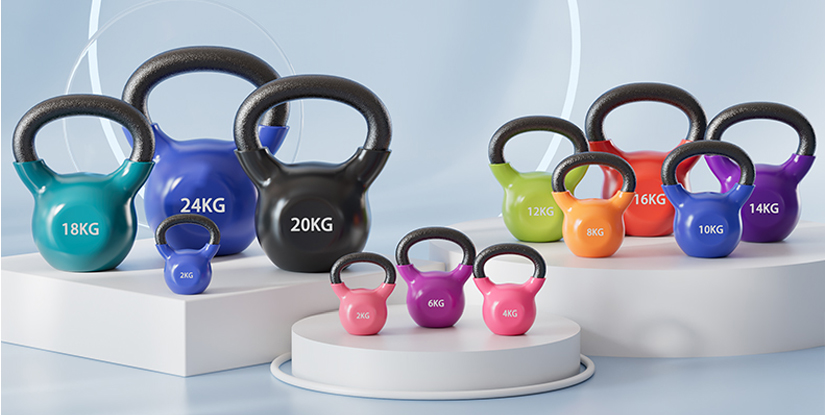
To ensure absolute consistency across large-scale orders, our facility implements rigorous weight tolerance testing. Every batch is calibrated to meet strict weight-deviation limits, ensuring that every competition grade weight bell performs identically to the last. This precision is vital for professional athletes who require exact resistance levels. Furthermore, we subject our surface coating durability to advanced salt spray and abrasion tests, guaranteeing that the finish remains intact even under the most aggressive commercial usage environments.
As a leading commercial adjustable kettlebell supplier, we offer comprehensive OEM manufacturing specifications tailored to your brand’s unique identity. Whether you require custom colorways, proprietary logo engraving, or specialized handle diameters, our production lines are built for scalability. Every shipment is accompanied by detailed QC documentation, providing procurement officers with the verifiable data needed to confirm compliance with international standards. This level of transparency minimizes your import risk and ensures your inventory meets the highest professional benchmarks.
When evaluating procurement options, understanding the technical distinction between standard retail models and professional-grade equipment is essential for long-term ROI. A standard adjustable cast iron kettlebell may suffice for home use, but commercial facilities require the enhanced tolerances found in professional-tier manufacturing. The following technical comparison outlines why sourcing a high-specification adjustable competition kettlebell is the superior choice for high-traffic gym environments and professional distributors.
| Technical Specification | Standard Adjustable Bell | Competition Grade Weight Bell |
|---|---|---|
| Material Grade | Standard Cast Iron | High-Density Reinforced Iron |
| Weight Increment Precision | ± 5% Tolerance | ± 1% Precision Machined |
| Coating Type | Basic Powder Coating | Industrial-Grade Anti-Abrasion Coating |
| Handle Smoothness | Standard Texture | Precision Ergonomic Finish |
| Load Capacity | Moderate/Standard | High-Impact/Heavy-Duty |
| B2B MOQ Requirements | Low/Retail Tier | Volume-Based Wholesale Tier |
Choosing a specialized commercial adjustable kettlebell supplier ensures that your inventory meets the rigorous demands of professional athletes and high-performance training centers.
Logistics and Bulk Import Management for Heavy Fitness Assets
Managing the procurement of high-density strength equipment requires more than just finding a quality manufacturer; it requires a sophisticated approach to heavy asset logistics. For distributors and gym chains, the primary concern with an adjustable competition kettlebell is often the high freight-to-value ratio caused by weight-driven shipping costs. Without strategic planning, the weight of each adjustable cast iron kettlebell can rapidly inflate your total expenditure.
To achieve significant landed cost reduction, our factory implements rigorous freight optimization protocols. We focus on maximizing shipping density by utilizing specialized palletization and container loading patterns designed specifically for heavy iron products. By optimizing the volumetric footprint of every competition grade weight bell, we minimize wasted space within sea containers, ensuring you receive the maximum amount of inventory per shipment. This systematic approach to bulk shipping allows our global partners to lower the per-unit freight expense, making us a highly competitive commercial adjustable kettlebell supplier for large-scale international gym fit-outs and wholesale distribution.
Maximizing Profit Margins Through Direct Sourcing and MOQ Optimization
Beyond logistics, the most significant driver of long-term profitability is the procurement model itself. By partnering directly with a specialized commercial adjustable kettlebell supplier, buyers bypass the excessive markups typically applied by middle-tier distributors and retail aggregators. Our factory-direct pricing model is engineered to support high-volume importers and large-scale fitness franchises that require consistent inventory replenishment without the volatility of the open market.
Strategic MOQ (Minimum Order Quantity) management is essential for maintaining a healthy cash flow while securing economies of scale. We provide tiered purchasing structures that allow you to balance upfront capital expenditure against per-unit savings. Whether you are sourcing a single high-density shipment of the adjustable cast iron kettlebell or a massive multi-container order for a global gym chain, our manufacturing scale ensures your margins remain protected. This direct-to-factory approach minimizes the total cost of ownership, ensuring that your investment in competition grade weight bell inventory delivers maximum ROI for your distribution business.
Navigating Freight Modalities and Total Landed Costs
Selecting the optimal transport method for a competition grade weight bell requires a strict analysis of the weight-to-volume ratio. For high-volume B2B orders, sea freight vs air freight presents a critical decision point for your bottom line. While air freight offers rapid transit, the high density of an adjustable cast iron kettlebell often triggers extreme costs due to the discrepancy between volumetric weight vs actual weight. For most wholesale distributors, sea freight remains the most cost-effective solution for heavy iron assets, provided the loading density is maximized.
To prevent unforeseen budget leakage, procurement officers must account for all secondary expenses, including customs clearance costs and local port handling fees. Our logistics team provides comprehensive quality control documentation and detailed packing lists with every shipment. This transparency ensures that your adjustable competition kettlebell inventory passes through customs without delays or unexpected surcharges. By integrating precise quality control documentation with optimized shipping routes, we help you secure a predictable and transparent total landed cost for your global fitness distribution.