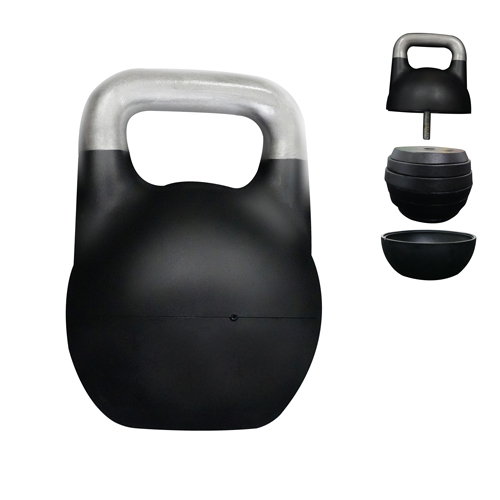
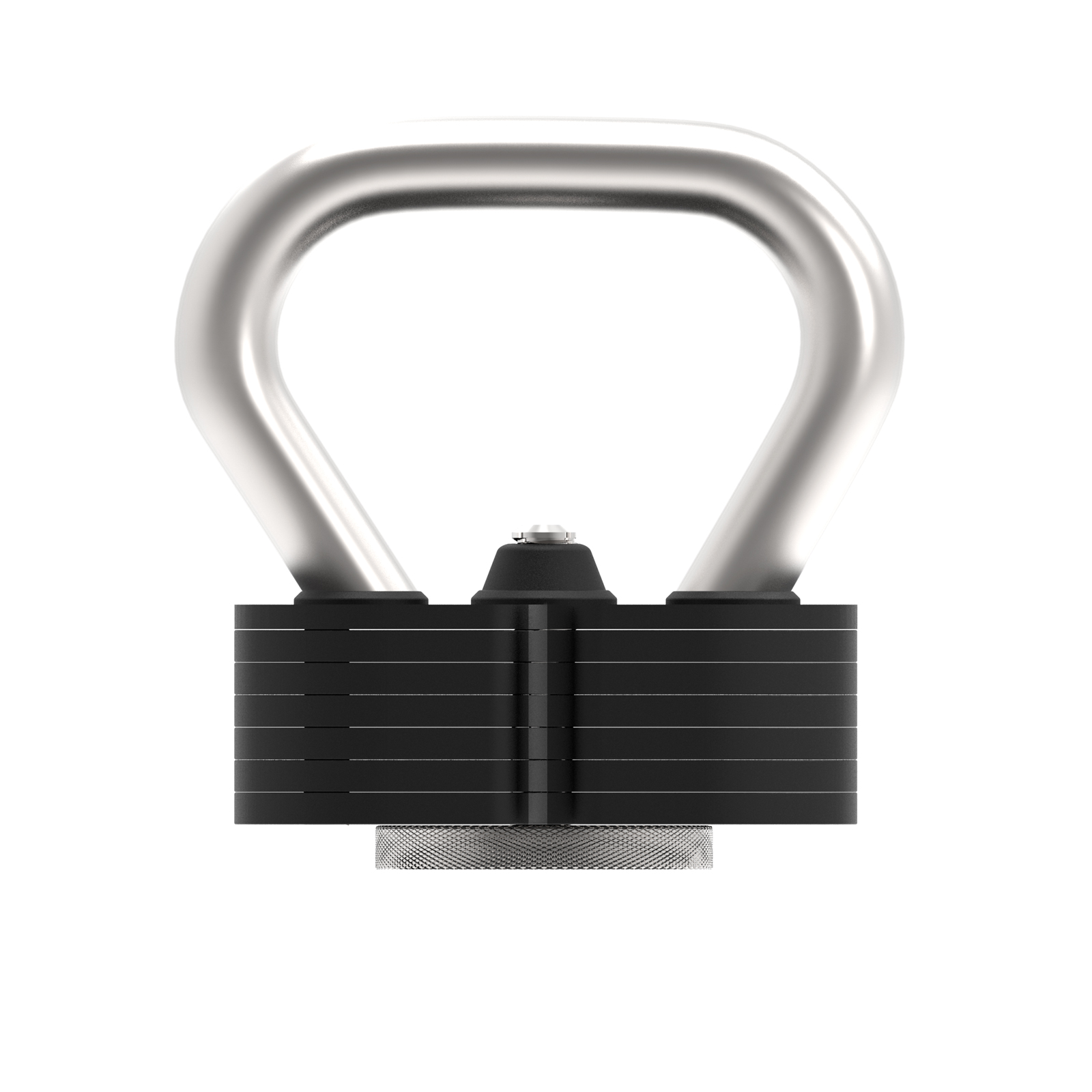
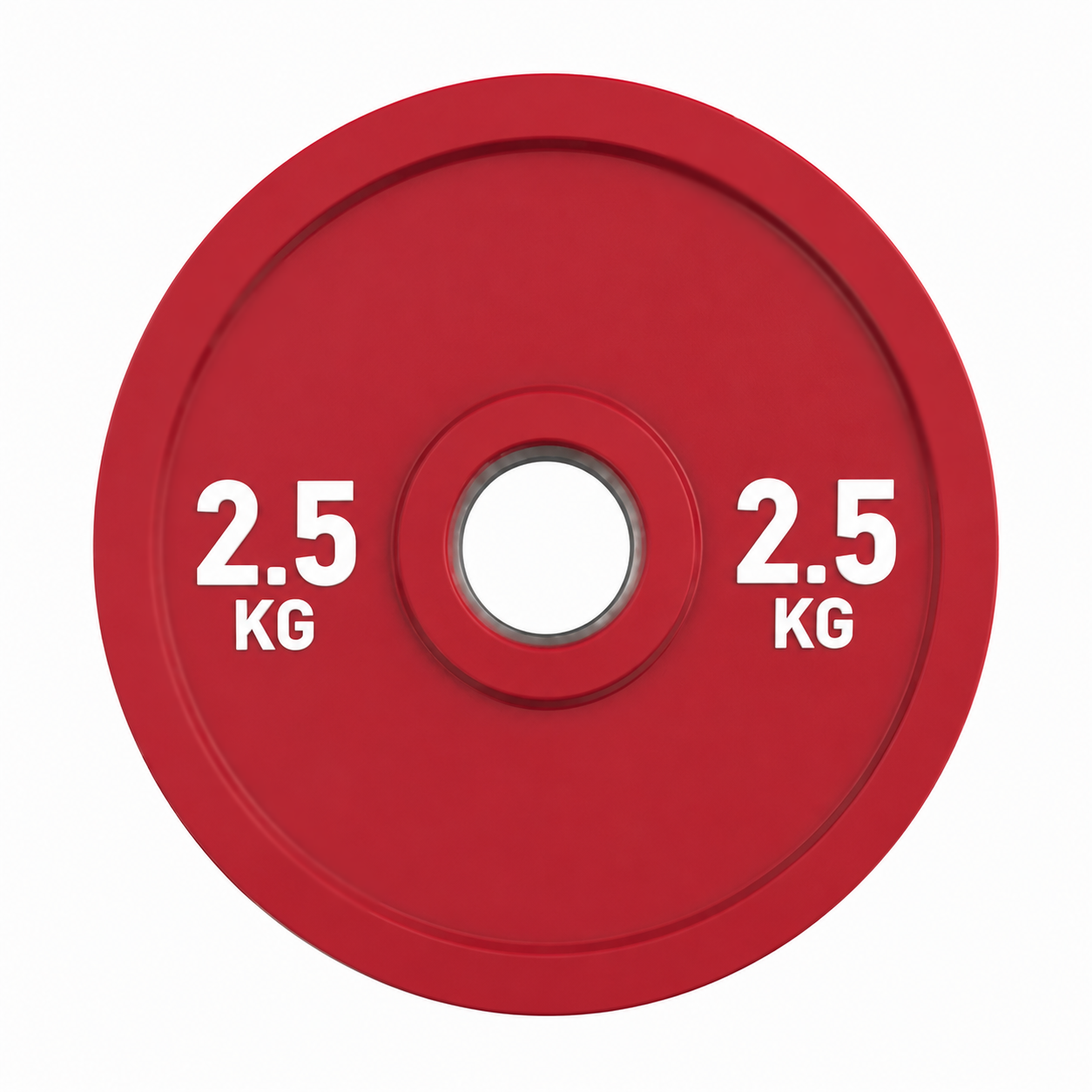
Adjustable Competition Kettlebells: Wholesale B2B Supply
Evaluating Lifecycle Value: Fixed vs. Adjustable Competition Models
When procurement officers evaluate heavy iron, they must look beyond the initial purchase order to mitigate long-term operational risks, verify technical specifications, and streamline international logistics. A primary concern for facility owners is whether the upfront investment in adjustable competition kettlebells translates into sustainable long-term ROI or becomes a logistical burden. While fixed models offer simplicity, the true cost of ownership involves calculating the footprint of inventory, the replacement frequency of outdated weight increments, and the overhead of managing diverse SKUs. High-tier distributors prioritize space optimization and durability vs. versatility to ensure that a single procurement cycle serves evolving client needs without constant reordering.
| Procurement Factor | Fixed Cast Iron Sets | Adjustable Competition Models |
|---|---|---|
| Inventory Complexity | High (Multiple SKUs) | Low (Single Unit) |
| Floor Space Utility | Low (High Footprint) | High (Compact Storage) |
| Maintenance Costs | Minimal | Moderate (Mechanism Check) |
| Long-term ROI | Depreciates Quickly | High (Versatile Utility) |
Choosing a reliable commercial adjustable kettlebell supplier ensures that your facility benefits from adjustable cast iron kettlebells that meet strict competition grade weight sets standards. By investing in high-grade adjustable systems, gym owners reduce the frequency of bulk shipping costs and minimize the physical storage requirements, effectively lowering the total lifecycle expenditure of their strength training departments.
Optimizing Procurement Efficiency and TCO
For high-volume distributors and gym developers, the decision hinges on the Total Cost of Ownership (TCO). While single-weight units may appear cheaper per unit, the cumulative cost of shipping, storage, and inventory management for multiple competition grade weight sets often exceeds the investment in a single versatile system. To assist in your sourcing analysis, we have outlined the critical metrics comparing traditional fixed iron to premium adjustable competition kettlebells.
| Metric per Unit | Fixed Iron Models | Adjustable Competition Kettlebells |
|---|---|---|
| Cost per kg (Lifecycle) | Higher (Due to SKU volume) | Lower (Multi-weight utility) |
| Floor Space Footprint | Extensive/High | Minimal/Compact |
| Replacement Frequency | High (As user needs evolve) | Low (Broad range capability) |
| Versatility Score | Low (Single weight) | Maximum (Dynamic scaling) |
Selecting high-spec adjustable cast iron kettlebells allows your facility to scale training intensity without the logistical friction of constant reordering. Partnering with an established commercial adjustable kettlebell supplier ensures that your bulk shipments contain equipment that remains functional and relevant across multiple training cycles, maximizing your capital efficiency.
Mitigating Risk Through Rigorous Quality Assurance
The primary hesitation in sourcing advanced mechanical fitness equipment is the perceived risk of mechanism failure. To eliminate this variable, a professional commercial adjustable kettlebell supplier must provide transparent QC documentation and proof of adherence to international factory testing standards. For B2B buyers, the priority is not just the initial weight accuracy, but the mechanical integrity of the locking systems under repetitive stress. High-quality adjustable cast iron kettlebells are engineered to withstand high-volume commercial use, ensuring that the internal components do not degrade during intense training cycles.
Reliability is non-negotiable when procuring competition grade weight sets for large-scale facility rollouts. We prioritize bulk durability by subjecting every unit to rigorous load-bearing tests and precision calibration. This commitment to quality ensures that your investment in adjustable competition kettlebells yields a long-term asset rather than a maintenance liability. By verifying that each batch meets strict tolerance levels before export, distributors can minimize returns, reduce warranty claims, and maintain high levels of end-user satisfaction across all global territories.
Maximizing Facility Footprint with High-Density Weight Solutions
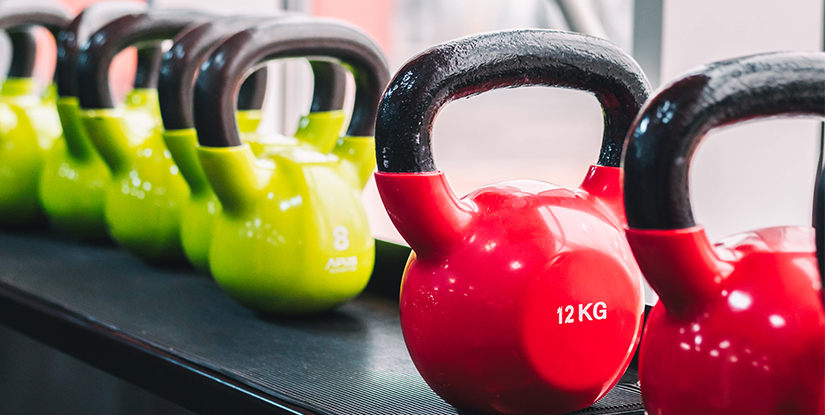
For commercial gym owners and boutique studio operators, square footage is a high-cost asset. Relying on traditional fixed-weight sets forces a trade-off between equipment variety and usable floor area. When your facility is packed with dozens of individual iron weights, your functional training zones become cramped and inefficient. Transitioning to adjustable competition kettlebells solves this bottleneck by consolidating multiple weight increments into a single, compact footprint.
By integrating these high-density weight solutions, procurement managers can achieve significant commercial gym layout optimization. Instead of dedicating expansive racks to various fixed weights, a single station of adjustable competition kettlebells provides a full range of resistance. This shift offers immense space-saving benefits, allowing distributors and facility owners to expand high-margin classes or add more functional training zones without increasing their real estate footprint. Investing in these versatile sets ensures your facility remains high-capacity and scalable.
Beyond spatial efficiency, the true value of these units lies in their structural integrity. As a professional commercial adjustable kettlebell supplier, we prioritize heavy-duty construction to withstand the rigors of high-volume training environments. Our adjustable cast iron kettlebells are engineered from high-grade materials to prevent the wear and tear often seen in lower-tier imports. This uncompromising durability ensures that your equipment maintains its precision and aesthetic appeal even under constant use in high-traffic commercial settings.
For B2B buyers and gym distributors, the decision to source competition grade weight sets is a strategic move toward maximizing long-term ROI. While initial procurement costs are a critical factor, the longevity of premium-grade iron components significantly reduces the frequency of replacement cycles and equipment downtime. By choosing high-spec adjustable cast iron kettlebells, facility owners mitigate the risk of premature depreciation, ensuring that their capital expenditure translates into a reliable, long-lasting asset for years to come.
To assist procurement officers in evaluating the efficiency of their inventory, we have provided a direct comparison of spatial requirements. When sourcing for high-traffic facilities, understanding the density of your equipment is vital for calculating the actual cost per square foot. The following data illustrates how adjustable competition kettlebells outperform traditional iron sets in high-density environments.
| Metric | Fixed Kettlebell Set (Standard) | Adjustable Competition Kettlebell Set |
|---|---|---|
| Number of Weights | 12–15 Individual Units | 1 Single Multi-Weight Unit |
| Total Footprint | Large (Requires Extensive Racking) | Minimal (Single Station) |
| Storage Volume | High (Multiple Vertical/Horizontal Racks) | Low (Compact Footprint) |
| Versatility | Limited to Specific Increments | High (Rapid Resistance Adjustments) |
For distributors looking to offer premium competition grade weight sets, this density advantage translates to a more scalable business model. By reducing the physical volume of inventory required to provide a full range of resistance, you can optimize shipping logistics and warehouse management, ultimately improving your bottom line through smarter commercial adjustable kettlebell supplier procurement strategies.
Durability Standards for High-Volume Commercial Environments
In high-traffic strength facilities, equipment failure is not an option. For distributors and gym owners, sourcing adjustable competition kettlebells requires a focus on long-term structural survivability. Standard consumer-grade models often fail under the rigorous demands of professional training, making high-density casting a non-negotiable requirement for bulk procurement.
Our manufacturing process prioritizes structural integrity under heavy use to ensure every unit meets international competition standards. By utilizing high-density casting techniques, we eliminate internal air pockets and structural weaknesses common in lower-tier production. This ensures that adjustable cast iron kettlebells maintain their form and weight precision even after years of intense mechanical stress. Furthermore, we engineer these units for maximum impact resistance, allowing them to withstand the inevitable drops and high-velocity movements found in elite training environments. When sourcing at scale, prioritizing these engineering benchmarks guarantees a lower total cost of ownership and higher client satisfaction for your fitness distribution business.
Reliability in large-scale procurement is driven by rigorous factory inspection standards and data-driven validation. As a premier commercial adjustable kettlebell supplier, we implement multi-stage protocols to ensure every shipment of competition grade weight sets meets strict professional benchmarks. Every batch undergoes exhaustive stress testing to simulate high-impact drops and repetitive mechanical fatigue, ensuring the locking mechanisms and cast components remain flawless under extreme load.
Precision is the cornerstone of our quality assurance. We maintain a strict weight tolerance precision standard, utilizing calibrated measurement systems to ensure deviations are negligible across entire production runs. To provide full transparency for B2B buyers, we supply comprehensive QC documentation with every bulk order, verifying that every unit adheres to exact specifications. This level of oversight mitigates the risk of returns and protects your brand reputation. When sourcing adjustable competition kettlebells for global distribution, these standardized testing protocols ensure that your inventory arrives ready for elite-level performance and heavy-duty commercial use.
Technical Durability Benchmarks for Global Procurement
To facilitate informed decision-making for large-scale facility builds, we have categorized the essential technical specifications required for professional-grade equipment. When evaluating a commercial adjustable kettlebell supplier, it is vital to compare material performance against rigorous industrial standards rather than just price points. The following table outlines the technical differentiation between standard consumer models and our high-performance competition grade weight sets.
| Feature Specification | Standard Retail Grade | Our Adjustable Competition Kettlebells | B2B Procurement Standard |
|---|---|---|---|
| Material Grade | Low-density cast iron | High-density reinforced iron | ASTM/ISO Compliance |
| Coating Durability | Basic powder coat | Anti-corrosive industrial finish | Oxidation Resistance (High) |
| Mechanism Wear Resistance | Plastic/Light metal components | Hardened steel locking system | High-cycle fatigue resistance |
| Load-Bearing Capacity | Single-weight limit | Dynamic high-impact load | Structural Integrity Verified |
Prioritizing these adjustable cast iron kettlebells specifications ensures that your inventory can withstand the high-frequency usage of commercial training environments. By focusing on these technical metrics, distributors can minimize maintenance costs and ensure long-term reliability for their end-users.
Global Sourcing Strategies for Precision-Engineered Weight Sets
For high-volume training centers and distributors, the longevity of your inventory depends on more than just the initial purchase; it requires a strict adherence to preventative maintenance protocols. While adjustable competition kettlebells are engineered for commercial grade durability, the high-frequency usage in professional settings inevitably leads to mechanical fatigue. Without a structured upkeep regimen, the precision of the weight adjustment mechanisms can degrade, impacting the user experience and your brand reputation.
To ensure long-term ROI, facility managers must implement routine inspections focused on wear and tear mitigation. This includes checking the integrity of the locking components and ensuring the movement tracks remain free of debris. When sourcing from a commercial adjustable kettlebell supplier, we recommend that procurement officers prioritize units that allow for easy cleaning and component inspection. Proactive care not only preserves the aesthetic quality of your adjustable cast iron kettlebells but also ensures that your competition grade weight sets remain compliant with the rigorous demands of elite athletic training environments.
Technical Maintenance Protocols for Longevity
To safeguard your investment, procurement teams should establish a standardized inspection frequency, ideally conducted on a quarterly basis. A critical component of this process is the mechanism lubrication of all moving parts. Applying a thin, non-reactive lubricant to the adjustment tracks prevents friction-induced wear and ensures smooth transitions during high-intensity training sessions. Neglecting this step can lead to mechanical seizing, which significantly shortens the lifecycle of your adjustable competition kettlebells.
Furthermore, technicians must perform a rigorous assessment of weight plate integrity. This involves checking for micro-fractures or loosening of the internal locking pins to ensure structural stability under heavy loads. For distributors managing large-scale inventory, maintaining adjustable cast iron kettlebells requires constant vigilance regarding oxidation and surface corrosion. By implementing these technical standards, facility managers can guarantee that their competition grade weight sets remain high-performing assets, minimizing replacement costs and maximizing the operational lifespan of the equipment.
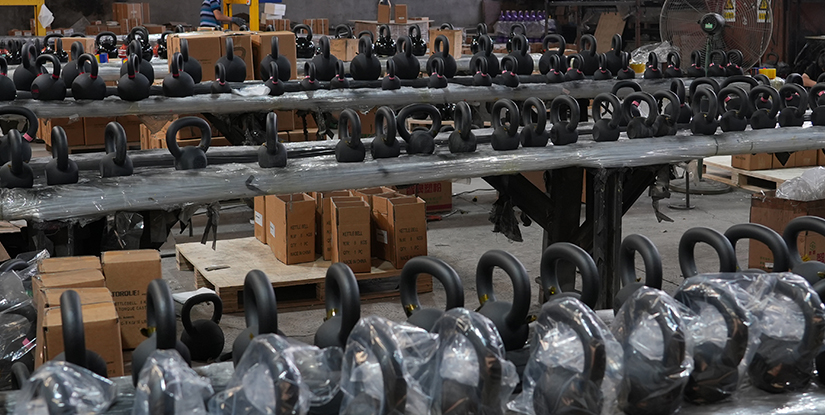
Beyond physical upkeep, the true differentiator in long-term lifecycle management is the reliability of your manufacturing partner. A premium commercial adjustable kettlebell supplier does more than just ship products; they provide the logistical backbone required for sustained facility operations. We understand that for B2B buyers, a breakdown in the adjustment mechanism is not just a mechanical failure, but a disruption to your revenue-generating floor space. Therefore, we prioritize transparency through comprehensive QC documentation, ensuring every unit meets strict tolerance standards before it ever reaches your warehouse.
A critical procurement concern is the long-term viability of specialized components. High-performance competition grade weight sets often utilize intricate locking systems that may eventually require servicing. To mitigate the risk of stranded inventory, we guarantee consistent replacement parts availability. Whether you are managing a single boutique studio or a global distribution network, having access to genuine components ensures that your adjustable competition kettlebells remain in peak operational condition, effectively lowering your total cost of ownership over time.
Quality Control Protocols for International Bulk Shipments
For high-volume distributors and gym chains, the durability of adjustable competition kettlebells is non-negotiable. To mitigate the risk of premature wear in high-traffic commercial environments, our manufacturing process adheres to rigorous factory inspection protocols. Every unit undergoes a multi-stage validation process to ensure material integrity, specifically focusing on the structural stability of the adjustment mechanisms and the density of the casting.
We recognize that precision is the primary concern for professional strength facilities. Therefore, our competition grade weight sets are subjected to strict weight tolerance standards to ensure every increment is accurate and consistent. This meticulous oversight prevents the common discrepancies found in lower-tier adjustable cast iron kettlebells. By prioritizing these technical specifications during the production phase, we provide a commercial adjustable kettlebell supplier experience that guarantees long-term reliability and reduces the frequency of replacement cycles for your end-users.
Mechanical Integrity and Durability Testing
Beyond weight accuracy, the long-term viability of your inventory depends on the mechanical longevity of the internal adjustment components. As a leading commercial adjustable kettlebell supplier, we implement specialized mechanical movement testing on every batch before export. This process ensures that the locking pins and weight selection mechanisms remain smooth and responsive, preventing the jamming or loosening often seen in inferior adjustable cast iron kettlebells.
To safeguard against the friction-induced failures common in high-volume gym environments, we enforce strict lubrication standards for all moving parts. Every unit is also subjected to rigorous wear-resistance testing to validate that the coating and structural components can withstand repetitive high-impact use. For B2B buyers and international distributors, this focus on mechanical durability means reduced warranty claims and higher client satisfaction. By integrating these advanced QC protocols, we ensure that your shipment of adjustable competition kettlebells arrives ready for the most demanding commercial strength and conditioning facilities.
QC Checklist for Bulk Shipments
To ensure seamless integration into your facility operations and to facilitate long-term asset management, we provide a standardized inspection framework. This documentation allows procurement managers to verify that every shipment of adjustable competition kettlebells meets international export-grade requirements. Utilizing this checklist ensures that your competition grade weight sets maintain peak performance through regular professional oversight.
| Inspection Point | Standard | Frequency | Maintenance Note |
|---|---|---|---|
| Weight Increment Accuracy | ±1% Tolerance | Per Batch | Verify with calibrated scale |
| Adjustment Mechanism | Smooth/Zero Friction | Quarterly | Inspect locking pins/springs |
| Surface Coating Integrity | No Cracks/Peeling | Bi-Annually | Clean with non-abrasive solution |
| Handle/Grip Stability | Zero Movement | Monthly | Check for structural fatigue |
By adhering to these protocols, distributors can guarantee that their adjustable cast iron kettlebells remain a high-value asset for the life of the product. This systematic approach to maintenance and quality verification minimizes downtime and reinforces your reputation as a provider of premium commercial adjustable kettlebell solutions.
Optimizing Procurement via Direct Manufacturer Partnerships
For high-volume fitness facility developers and large-scale distributors, the traditional supply chain often introduces unnecessary overhead. Relying on middle-tier distributors frequently results in inflated landed costs due to multiple markup layers. By pivoting your wholesale procurement strategy toward a direct-to-factory model, you eliminate these intermediary margins, securing factory-direct pricing on high-demand items like adjustable competition kettlebells. This structural shift is essential for margin optimization when scaling a product line or outfitting multiple gym locations simultaneously.
The financial advantage extends beyond the initial purchase order. When sourcing adjustable competition kettlebells directly, you achieve a significant cost-per-unit reduction that allows for more aggressive market positioning. Instead of paying for a distributor's logistics and storage overhead, your capital is invested directly into product quality and bulk capacity. This streamlined approach ensures that your facility or retail brand maintains a competitive edge, utilizing competition grade weight sets that meet international standards while maintaining the highest possible return on investment through controlled, direct-source logistics.

Maximizing ROI requires more than just low unit prices; it demands rigorous technical reliability to prevent costly replacement cycles. When sourcing adjustable cast iron kettlebells at scale, procurement officers must prioritize manufacturers that adhere to precise manufacturing tolerances. Inconsistent weight distribution or poor casting integrity can lead to high return rates and damaged brand reputation. Our facility-direct model ensures that every unit meets exact specifications, providing the stability required for professional training environments.
To mitigate risk in large-scale international shipments, we implement bulk inspection standards that exceed standard retail expectations. Every batch of competition grade weight sets undergoes a multi-stage verification process, backed by strict QC documentation. This transparency allows distributors to verify material density, handle durability, and weight accuracy before the shipment leaves the factory floor. By integrating these high-level quality assurance protocols into your commercial adjustable kettlebell supplier selection, you secure a predictable, high-performance inventory that minimizes long-term maintenance costs and maximizes asset longevity.
Understanding the Total Cost of Ownership (TCO) requires a granular look at the trade-offs between procurement models. While local distributors offer smaller orders, they often lack the scale to optimize logistics efficiency for international freight. In contrast, partnering with a direct commercial adjustable kettlebell supplier allows you to leverage economies of scale. While the MOQ impact may require a larger initial capital outlay, the long-term savings on unit price and freight-per-unit are substantial.
Comparative Procurement Analysis
When evaluating adjustable competition kettlebells, the true cost is found in the landed price and replacement frequency. A distributor model often involves fragmented shipping lead times and multiple handling fees, which can erode your margins during rapid expansion. By sourcing directly, you gain control over the production schedule and shipping lead times, ensuring that your inventory arrives in sync with facility openings. This direct oversight reduces the risk of stockouts and ensures that your competition grade weight sets are delivered with optimized container utilization, driving a superior ROI for your global supply chain.
Implementation checklist for buyers
Maximizing Revenue Through Space-to-Asset Ratios
For facility owners and distributors, the transition from fixed iron to adjustable competition kettlebells is a strategic move to enhance ROI. Traditional weight rooms often suffer from "dead space"—areas occupied by single-weight increments that rarely see high-frequency use. By sourcing from a professional commercial adjustable kettlebell supplier, you implement a high-density training solution that maximizes your square footage.
Instead of allocating vast floor areas to multiple racks of adjustable cast iron kettlebells, a single compact station can accommodate a full spectrum of resistance levels. This floor space optimization allows you to increase member capacity or introduce new training zones without expanding your physical footprint. Furthermore, prioritizing competition grade weight sets ensures long-term asset longevity. High-grade materials withstand the rigors of high-traffic commercial environments, reducing replacement frequency and protecting your capital expenditure. When evaluating wholesale procurement, focus on equipment that offers both versatility and durability to ensure your facility's long-term profitability.
Technical Procurement & Quality Verification Checklist
To safeguard your capital expenditure, procurement officers must move beyond surface-level aesthetics and verify technical durability standards. When sourcing adjustable competition kettlebells, do not rely solely on catalog images; demand rigorous QC documentation that includes material certifications and load-bearing test results. A professional commercial adjustable kettlebell supplier should provide detailed reports on the metallurgical integrity of the adjustable cast iron kettlebells to prevent structural fatigue under high-volume usage.
Before finalizing a purchase order, evaluate the factory capability regarding precision engineering. Ensure the weight-increment mechanisms are calibrated to strict tolerances to maintain the integrity of competition grade weight sets. Furthermore, clarify the MOQ (Minimum Order Quantity) and shipping logistics to ensure your supply chain remains uninterrupted. Verifying these technical specifications during the initial vetting process mitigates the risk of receiving sub-standard equipment, ensuring that your bulk investment translates into a high-performing, low-maintenance asset for your facility.
Financial Impact: Fixed vs. Adjustable Inventory
To accurately calculate the long-term value of your procurement, you must weigh initial capital outlay against operational efficiency. While fixed iron weights may have a lower entry cost, the cumulative expense of floor space, storage, and constant inventory expansion often exceeds the cost of high-grade adjustable competition kettlebells. Use the following comparison to evaluate the total cost of ownership for your facility or distribution center.
| Metric | Fixed Iron Weights | Adjustable Competition Kettlebells |
|---|---|---|
| Cost per kg | Lower Initial Unit Cost | Higher Premium Per Unit |
| Storage Footprint | High (Requires Large Racks) | Minimal (Single Station) |
| Replacement Frequency | High (As User Demands Grow) | Low (Scalable Resistance) |
| Versatility | Single-Weight Only | Multi-Weight Range |
When sourcing from a reliable commercial adjustable kettlebell supplier, your goal is to minimize the "cost of expansion." Investing in competition grade weight sets reduces the need for frequent re-ordering and prevents the logistical bottlenecks associated with managing massive inventories of adjustable cast iron kettlebells.